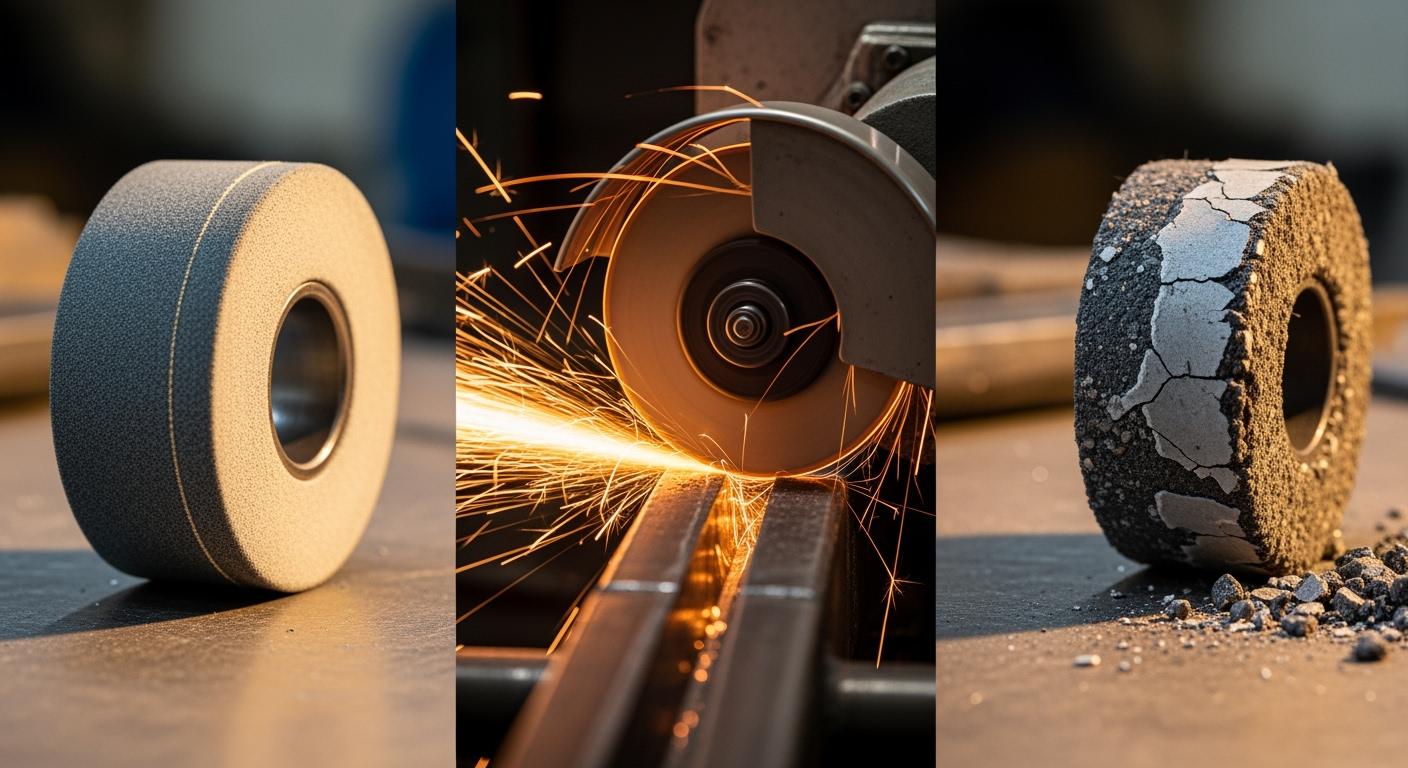
An excessive depth of cut is a primary cause of premature grinding wheel wear. This action generates extreme mechanical and thermal stress during your grinding process. High forces from a deep cut can fracture the abrasive grit and degrade the wheel’s bond. The intense heat also creates thermal shock, which damages the abrasive grains. These issues impact your grinding quality and make the entire grinding operation unstable.
Key Takeaways
- A deep cut puts too much force on the grinding wheel. This force breaks the tiny abrasive grains and damages the glue that holds them.
- Deep cuts create a lot of heat. This heat can crack the abrasive grains and make the wheel’s glue soft. This causes the wheel to wear out fast.
- When the wheel wears out, it loses its shape. This makes your parts less accurate and gives them a rough surface.
- A worn wheel makes the grinding machine work harder. This can cause the machine to shake and make bad parts.
- You can save money by using the right depth of cut. This helps your grinding wheel last longer and makes better parts.
Mechanical Causes of Grinding Wheel Wear
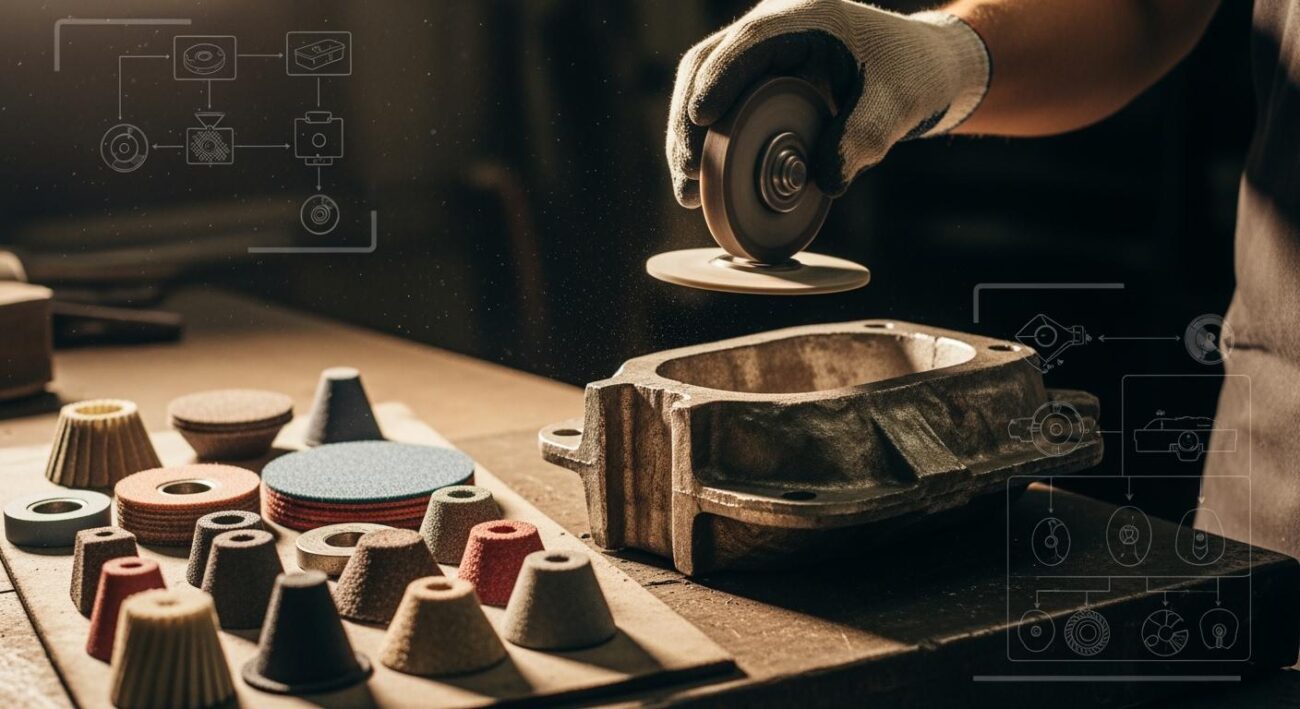
When you increase the depth of cut, you directly increase the mechanical forces on your grinding wheel. This overload is a major source of premature grinding wheel wear. The wheel’s abrasive grains and the bond holding them together can only withstand so much stress before they begin to break down. Understanding these mechanical failure points is the first step toward optimizing your grinding process.
Increased Force and Grit Fracture
A deeper cut forces each abrasive grain to remove more material. This action significantly raises the grinding forces. Research shows a clear link: as the grinding depth increases, so do the forces pushing against your wheel. For example, increasing the depth of cut from 40 to 60 μm can increase radial wear by as much as 41% in some wheels. This intense pressure can cause the sharp cutting edges of the abrasive grains to fracture and dull prematurely. The result is a less effective grinding action and a rougher surface finish on your part.
Quick Tip: A good rule of thumb is to keep the depth of your cut to less than one-third of the abrasive grit’s diameter. This practice helps prevent excessive force from damaging the bond posts that secure each grain.
Bond System Overload and Degradation
The bond is the backbone of your grinding wheel, holding the abrasive grains in place. Excessive force from a deep cut overloads this system, leading to its breakdown. The type of bond determines how it fails.
- Vitrified Bonds: These are very hard and rigid. High impact from aggressive grinding can cause them to chip or crack, releasing abrasive grains too early.
- Resinoid Bonds: These bonds have more flex and can absorb some impact. However, the high mechanical stress can still overwhelm them, causing grains to pull out.
A strong bond is essential for retaining grit under pressure. The bond material must be strong enough to prevent grit pull-out but not so strong that it prevents new, sharp edges from being exposed. Advanced bond systems, like those developed by Aimgrind for its diamond grinding wheels, are engineered to solve this problem. These systems use innovative material formulations to enhance toughness and wear resistance, holding grits securely even under the high stress of demanding grinding operations. This improves wheel life and ensures consistent performance.
The Challenge of Creep-Feed Grinding
Creep-feed grinding is a specialized process that uses a very deep cut and a slow traverse speed to achieve a high material removal rate (MRR). While efficient, creep-feed grinding puts enormous mechanical stress on the wheel. The large arc of contact in creep-feed grinding means more abrasive grains are engaged with the workpiece at any given moment. This amplifies the total grinding force, pushing the wheel to its mechanical limit. This technique replaces multiple grinding passes with a single, deep one, maximizing stock removal.
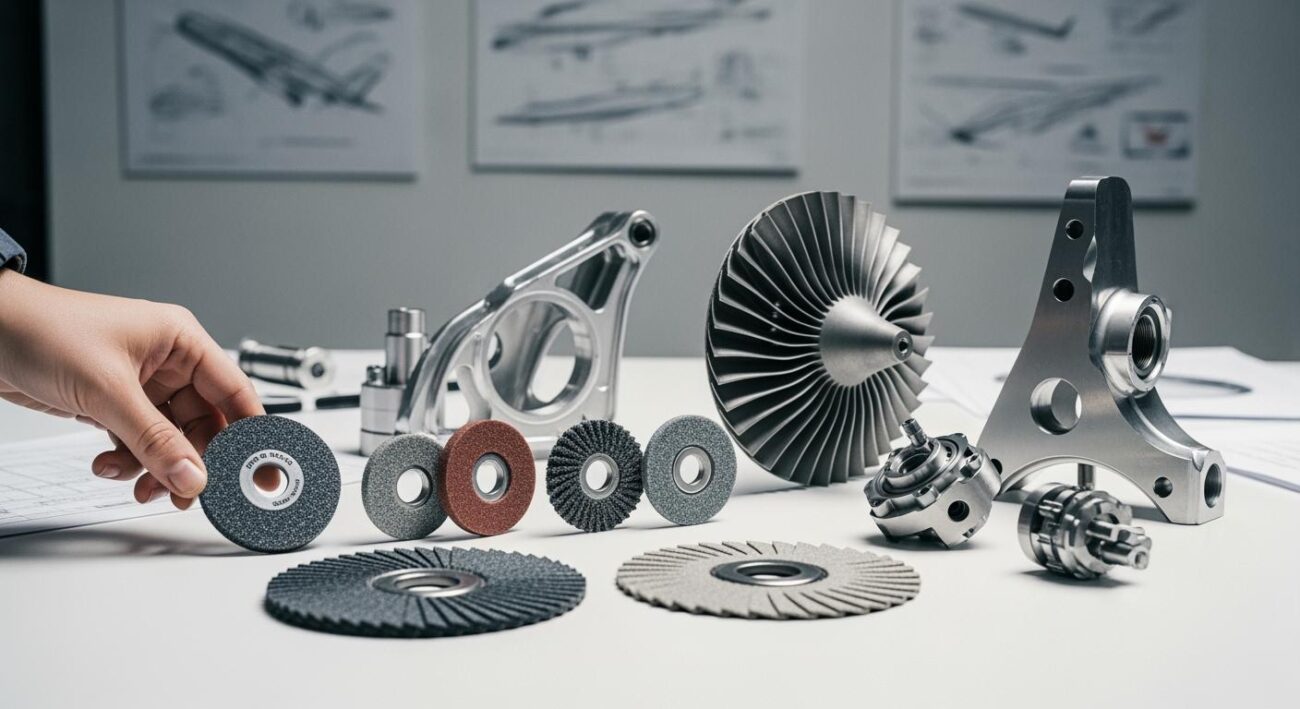
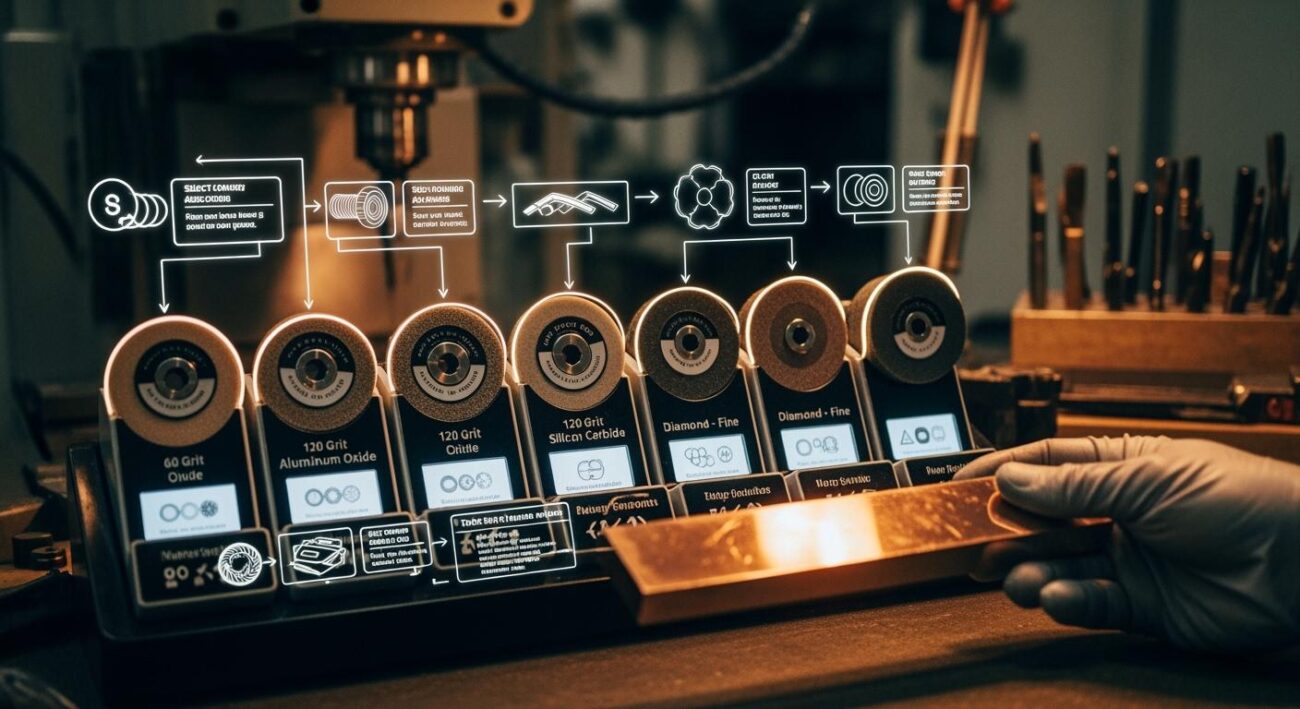
Managing these extreme forces in creep-feed grinding requires specialized wheels. The goal is to achieve a high material removal rate (MRR) without causing rapid wheel breakdown. For high-efficiency deep grinding, also known as creep-feed grinding, wheel selection is critical. Vitrified bond wheels with open, porous structures are often recommended for high stock removal because they allow coolant to penetrate the grinding zone effectively. The choice of wheel depends heavily on the material you are grinding.
| Material | Recommended Wheel Type |
|---|---|
| Steel Alloys | Aluminum Oxide, CBN |
| Aluminum Alloys | Silicon Carbide, Sharp Vitrified |
| Titanium Alloys | CBN, Diamond (specialized) |
| Ceramics | Diamond-Coated |
Ultimately, the high MRR of creep-feed grinding is a trade-off. You gain a high material removal rate (MRR) and a better surface finish in one pass, but you must carefully manage the immense forces to prevent catastrophic grinding wheel wear. Success in creep-feed grinding depends on balancing the MRR with wheel longevity.
Thermal Impact of Deep Cuts
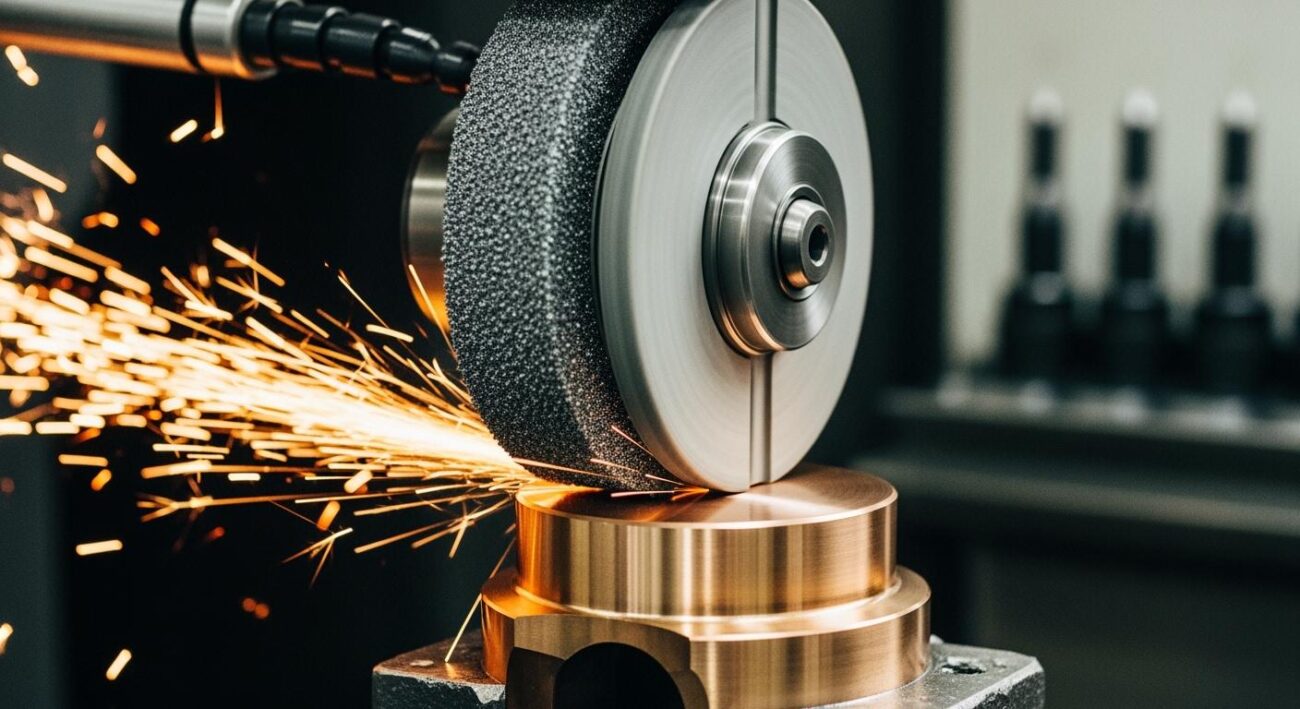
Mechanical forces are only half the story. An aggressive depth of cut also generates a tremendous amount of heat. This thermal energy attacks your grinding wheel in different ways, leading to rapid failure. The friction from a deep cut creates a concentrated hot zone where the wheel meets the workpiece. Managing this heat is essential for successful grinding, especially in high-removal processes like creep-feed grinding.
Thermal Shock and Abrasive Damage
Your grinding process creates a cycle of extreme temperature changes. The abrasive grains heat up instantly upon contact with the workpiece and then cool just as quickly when exposed to coolant. This rapid heating and cooling causes thermal shock.
Thermal shock creates powerful internal stresses within the abrasive grains. Over time, these stresses cause micro-cracks to form, weakening the grain. Eventually, the grain fractures and dulls, losing its cutting ability. In severe cases, the heat can cause the entire abrasive layer to detach from the wheel’s core. This type of damage is a major contributor to premature grinding wheel wear. The result is a wheel that cuts poorly and leaves a rough surface finish.
Thermal Shock Explained
Think of pouring cold water into a hot glass. The sudden temperature change can cause the glass to crack. A similar process happens to the tiny abrasive grains on your wheel during an aggressive grinding operation.
Bond Softening and Wheel Loading
The intense heat from a deep grinding cut also damages the bond that holds the abrasive grains. Resin bonds are particularly vulnerable. High temperatures can cause the bond to soften, weakening its grip on the grains. This allows grains to pull out long before they are worn out, wasting the wheel’s potential.
This heat creates another problem: wheel loading. Here is what happens:
- The heat softens the bond material.
- Hot, gummy metal chips from your workpiece get smeared into the wheel’s pores.
- The softened bond and metal chips clog the wheel’s cutting surface.
A loaded wheel cannot cut efficiently. It rubs instead of grinds, generating even more heat and putting more stress on your machine. This leads to a poor surface finish and makes your grinding process unstable. Effective coolant application is your best defense against these thermal issues. Coolant performs several critical jobs during deep grinding:
- It absorbs the heat generated during material removal.
- It lubricates the grinding zone to reduce friction.
- It flushes away chips to keep the wheel surface clean.
For demanding techniques like creep-feed grinding, a standard flood of coolant may not be enough. High-pressure coolant systems are often necessary for creep-feed grinding to penetrate the vapor barrier that forms at the grinding zone. This ensures the fluid reaches the cutting interface, maximizing heat removal and improving the MRR. Success in creep-feed grinding depends on this thermal control. Without it, you cannot achieve a high MRR or a quality surface. The high material removal rate of creep-feed grinding is only possible when you manage heat effectively. This makes creep-feed grinding a true test of your entire grinding system. The high MRR of creep-feed grinding is a key advantage, but it requires careful process control. You must balance the MRR of creep-feed grinding with thermal stability.
Consequences for the Grinding Process
The mechanical and thermal damage from deep cuts directly harms your grinding process. This damage leads to a loss of accuracy and creates an unstable operation, compromising the quality of your final parts. The challenges are especially high in high-MRR processes like creep-feed grinding.
Loss of Wheel Form and Inaccuracy
An aggressive depth of cut accelerates wear, causing your grinding wheel to lose its precise shape. This breakdown of the wheel’s form has serious consequences for your workpiece.
- Compromised Accuracy: A worn wheel cannot hold tight tolerances. As the wheel’s corners round off and its profile changes, your parts will no longer meet dimensional specifications. This is a major issue in precision grinding.
- Poor Surface Finish: The loss of sharp cutting edges results in a rougher surface finish. Instead of a clean cut, the wheel rubs and smears material, degrading the part’s quality.
Measuring Wear in Production
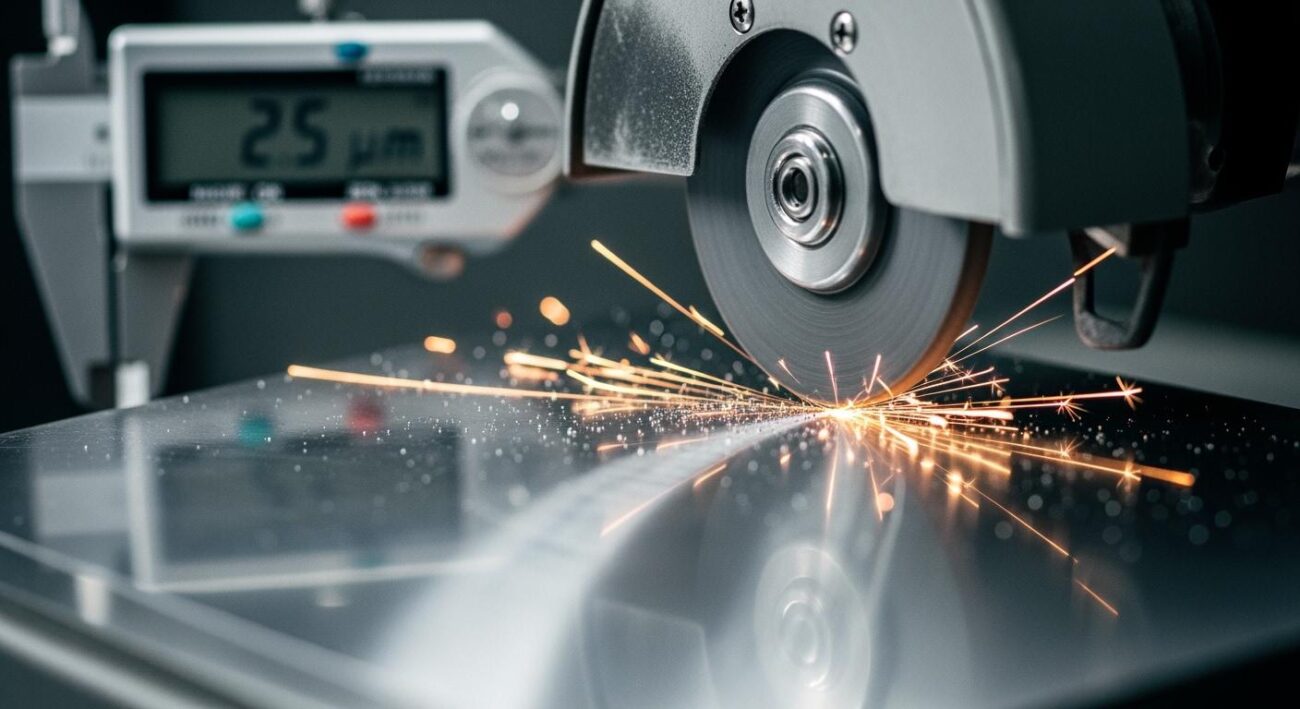
In modern manufacturing, you can track wheel wear without removing it from the machine. Optical scanners measure the wheel’s active surface at set intervals. This data helps you calculate radial wear and predict when you will fall out of your required tolerances, which is critical for successful creep-feed grinding. A good surface finish depends on this control.
Achieving a high MRR in creep-feed grinding requires maintaining wheel form. The success of any creep-feed grinding operation depends on balancing the MRR with wheel life to maintain a good finish and tight tolerances. This makes creep-feed a demanding grinding technique.
Power Spikes and Process Instability
A worn or loaded wheel makes your entire grinding process unstable. Your machine’s spindle motor must work harder to compensate, leading to sudden power spikes. These spikes are a clear warning sign of trouble. This instability is a major concern in creep-feed grinding, where forces are already high.
These power fluctuations are a primary cause of chatter and vibration. The unstable forces create wavy patterns and irregular marks on the workpiece surface. You might even hear a high-pitched squeal, which is an auditory sign of an unstable creep-feed grinding process. This vibration not only ruins the surface finish but also accelerates wear on your machine’s components. For any creep-feed grinding job, a stable process is essential for a good finish.
Modern grinding machines often monitor spindle currents to detect these power changes in real-time. This data helps you identify instability before it ruins your part or damages your equipment. Managing this is key to getting a high MRR from your creep-feed grinding. The goal of creep-feed is a high MRR with a great finish, and that requires a stable grinding process.
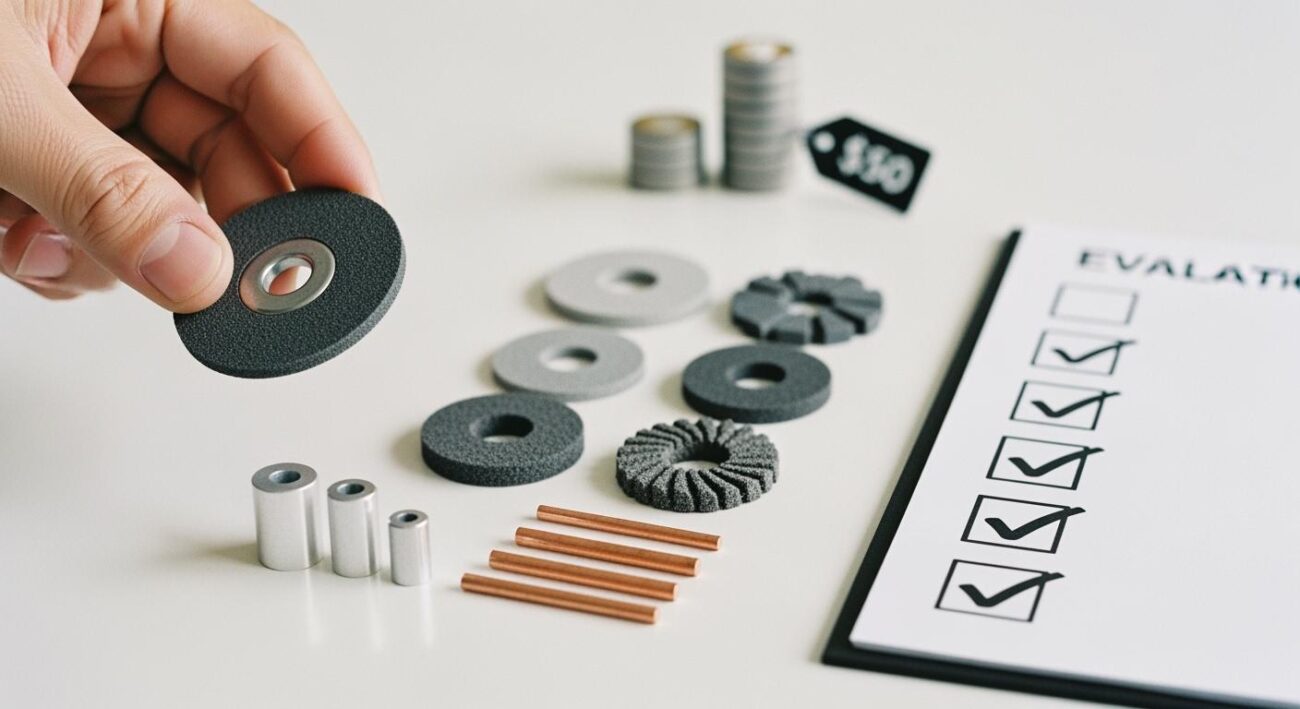
An aggressive depth of cut creates both mechanical and thermal stress, causing rapid grinding wheel wear. You must control your grinding parameters to protect your investment. Proper control of the grinding process is essential for a quality surface finish. Optimizing your creep-feed grinding settings improves your surface finish and lowers total costs, even if cycle times are slightly longer. This is crucial for successful creep-feed grinding.
| Parameter | Aggressive Settings | Optimized Settings |
|---|---|---|
| Total Cost per Part | $8.45 | $7.28 |
| Savings over 10,000 parts | N/A | $11,700 |
Achieving a superior surface finish in creep-feed grinding requires expertise. The right approach to creep-feed grinding ensures a stable process and a great finish. For demanding creep-feed grinding, partnering with a solutions provider like Aimgrind helps you balance productivity and wheel life for your specific creep-feed grinding application. We can help you optimize your grinding for a better surface and finish.
FAQ
What is depth of cut in grinding?
Depth of cut is the thickness of the material layer you remove from a workpiece in a single pass. You control this setting on your grinding machine. A deeper cut removes more material at once, but it also increases stress on your wheel.
Why is a deep cut bad for my grinding wheel?
A deep cut generates extreme force and heat. This pressure fractures the abrasive grains and breaks down the bond holding them. The intense heat also causes thermal shock and softens the bond. These factors cause your wheel to wear out very quickly.
What is wheel loading and how does a deep cut cause it?
Wheel loading happens when hot metal chips clog your grinding wheel‘s surface. The intense heat from a deep cut softens the wheel’s bond. This allows the gummy chips to stick to the wheel, preventing it from cutting effectively and generating even more heat.
How can I find the right depth of cut for my job?
You should start with the wheel manufacturer’s recommendations for your material. For the best results, you need to balance productivity with wheel life.
Expert Tip 💡
Partnering with a solutions provider like Aimgrind helps you optimize all your grinding parameters. We ensure you achieve the perfect balance for your specific application.
Contact Us
For More Grinding Solution or Customized Abrasive Tools