
5 Costly Mistakes That Are Shortening Your Surface Grinding Wheel Life

Avoid these 5 costly mistakes to extend your grinding wheel’s life. Using the wrong wheel, improper dressing, and poor coolant management lead to rapid wear.
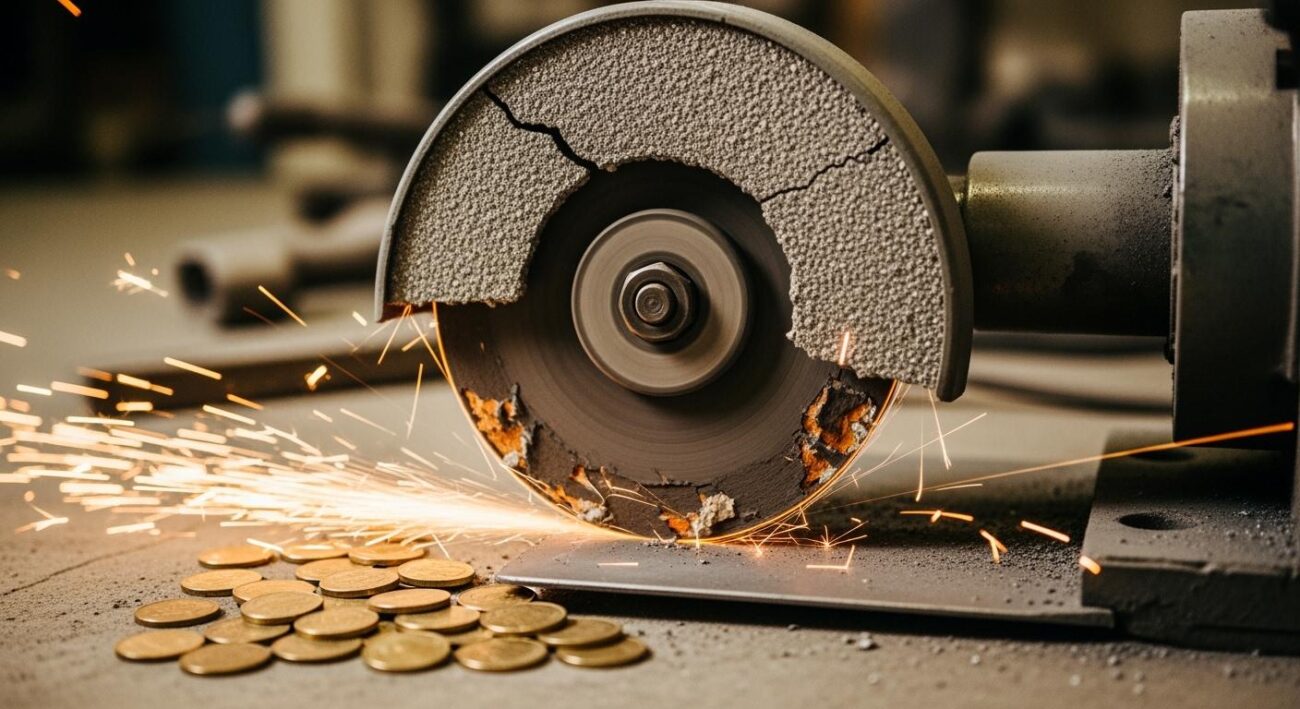
Avoid these 5 costly mistakes to extend your grinding wheel’s life. Using the wrong wheel, improper dressing, and poor coolant management lead to rapid wear.
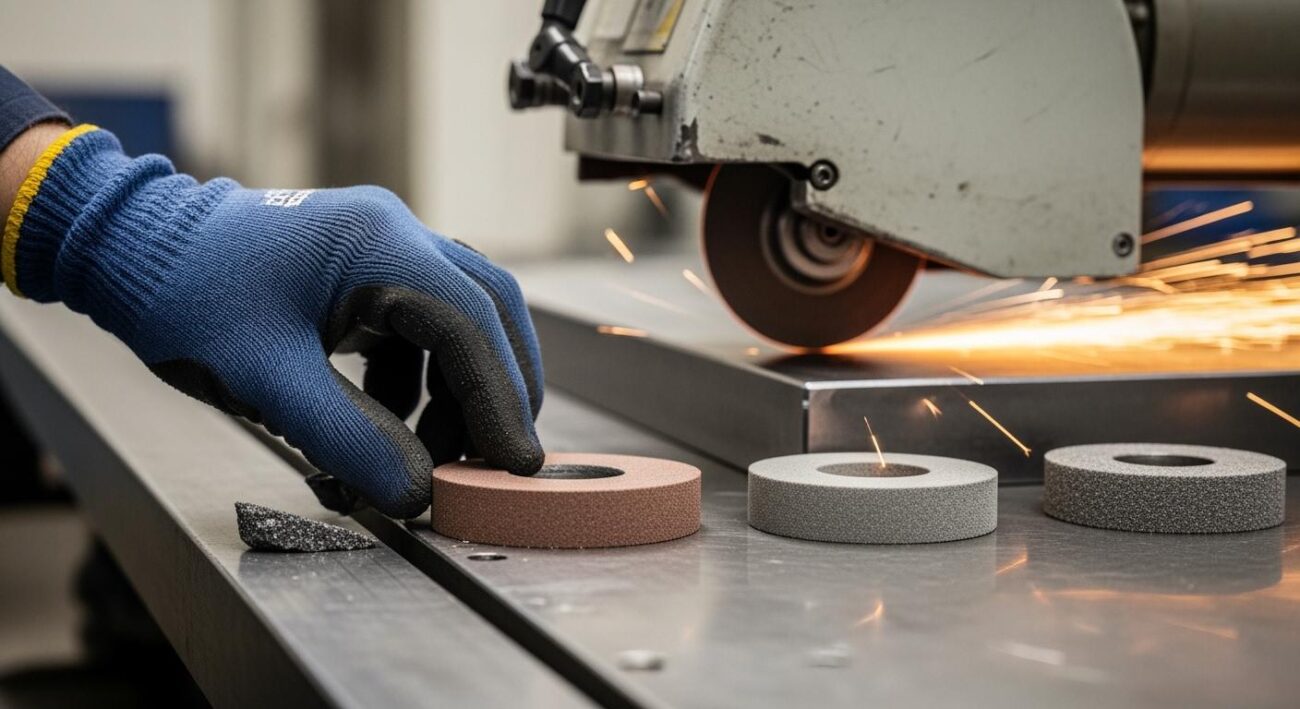
Select the right wheel for surface grinding by matching the abrasive to your material, grit to your finish, and grade to its hardness for efficient, precise results.
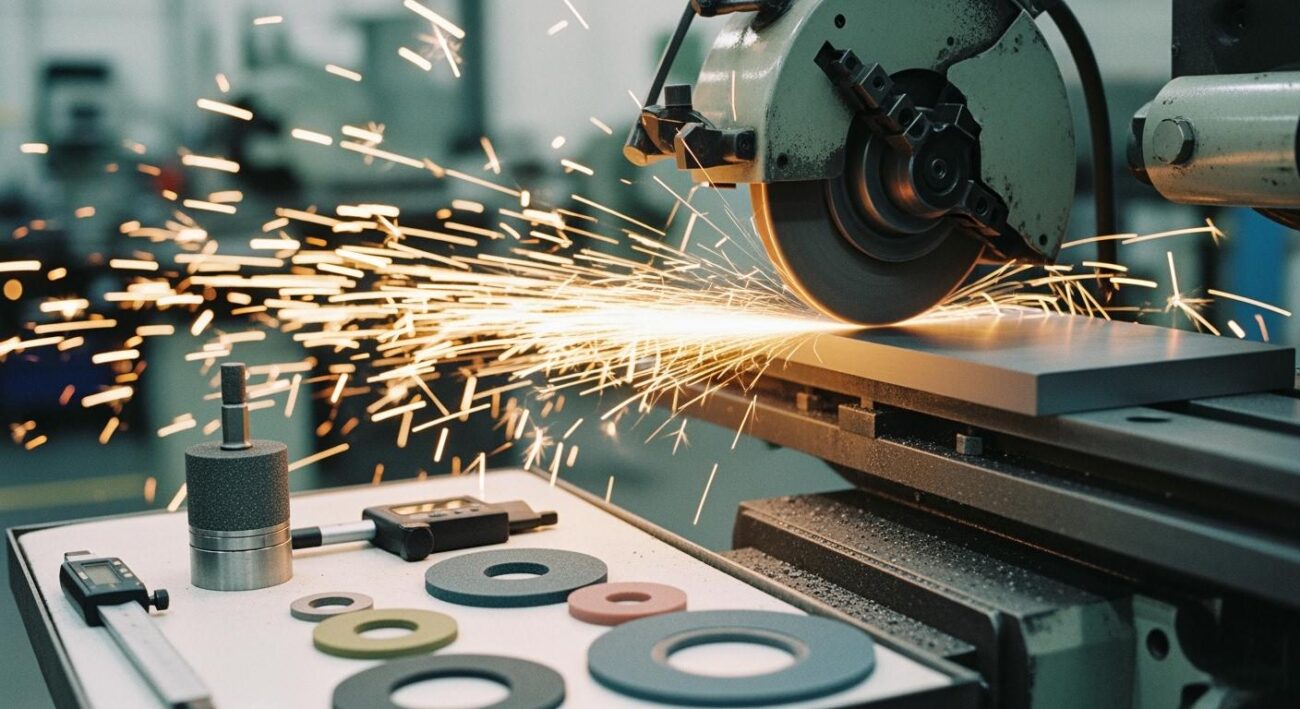
Ready to master surface grinding? This guide details the techniques, tools, and safety practices for achieving a superior finish, from wheel selection to coolant use.
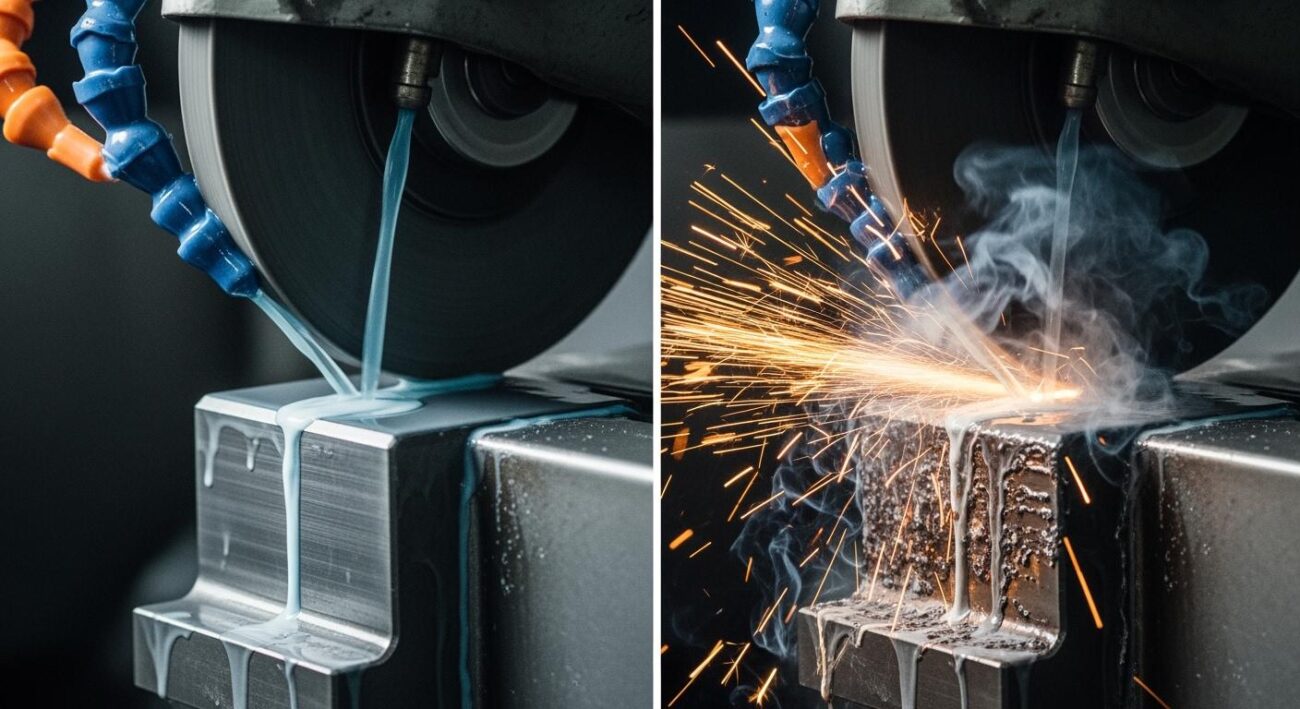
Poor coolant management directly causes workpiece burn, poor surface finish, and reduced wheel life. Ineffective cooling, lubrication, and chip removal compromise part quality.
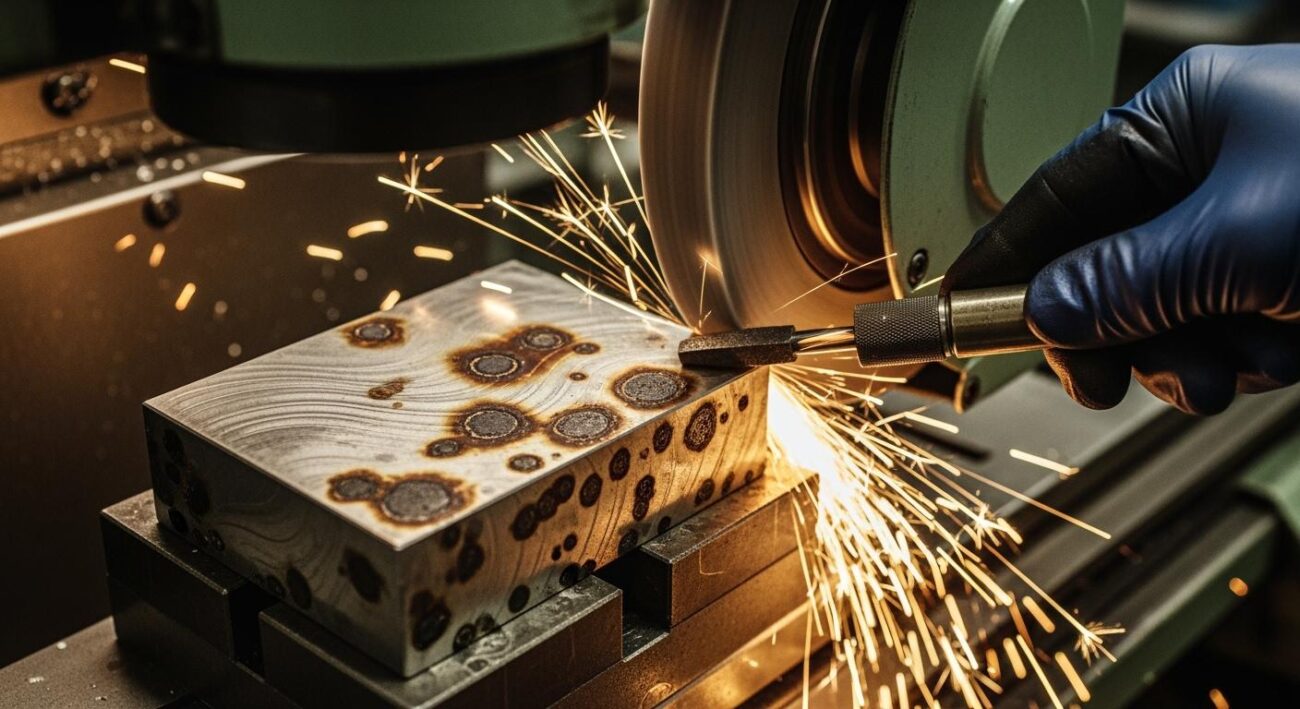
Fix common problems in surface grinding like burning, chatter, and poor finish. This guide offers solutions for these issues by adjusting your wheel, machine, and dressing process.
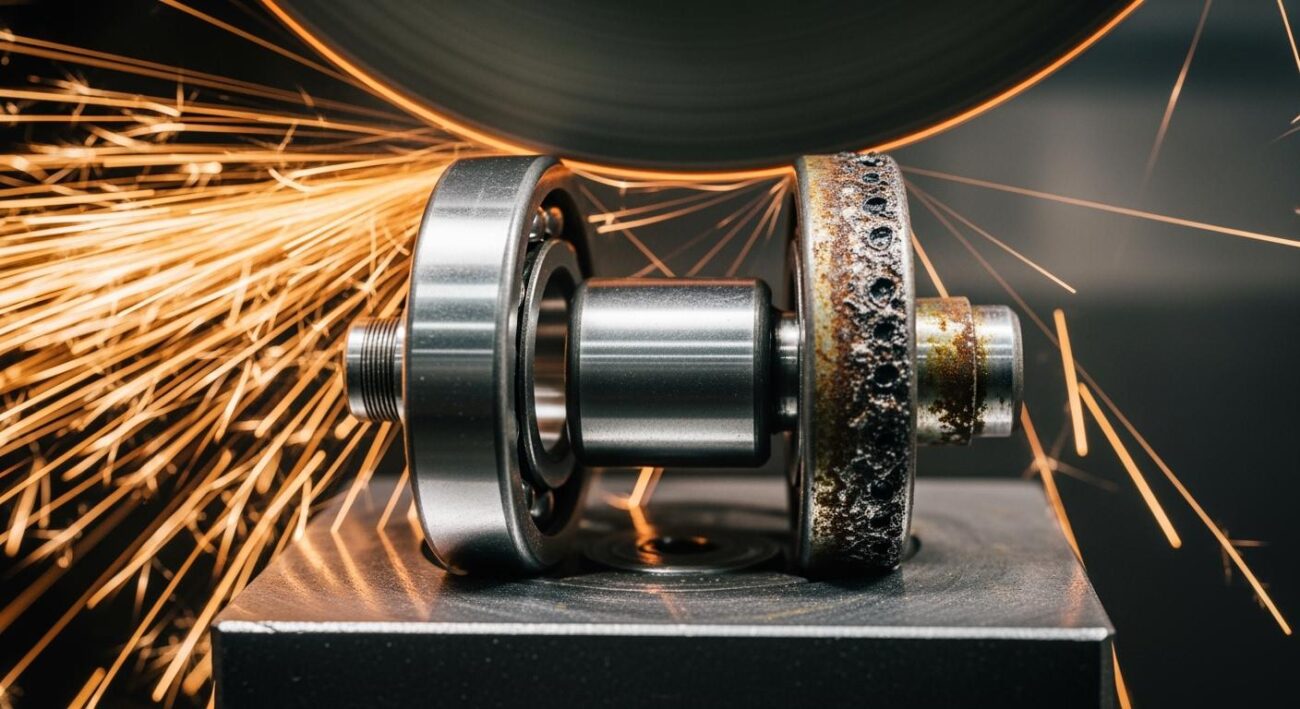
Worn spindle bearings degrade grinding process stability by causing vibration, runout, and stiffness loss, leading to poor surface finish and dimensional inaccuracy.
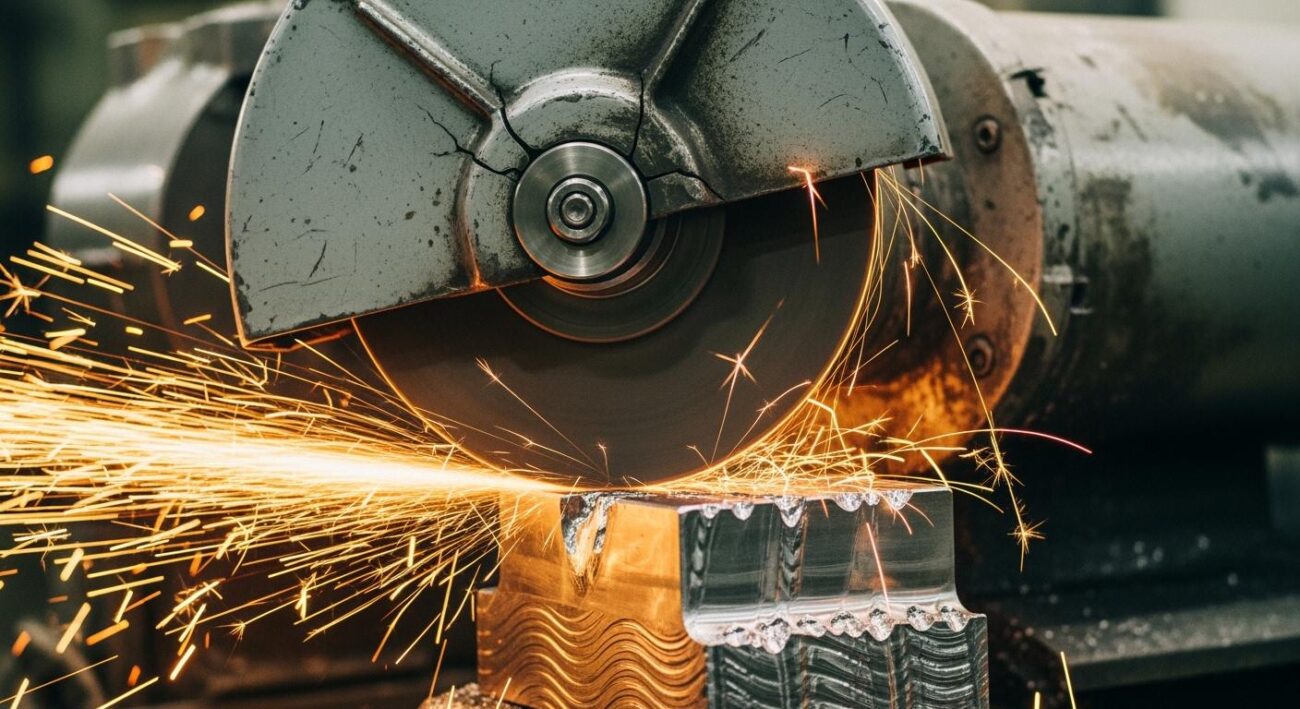
Insufficient grinder rigidity causes grinding problems like chatter, poor finish, and dimensional inaccuracy. Fix these issues by stabilizing the machine and setup.
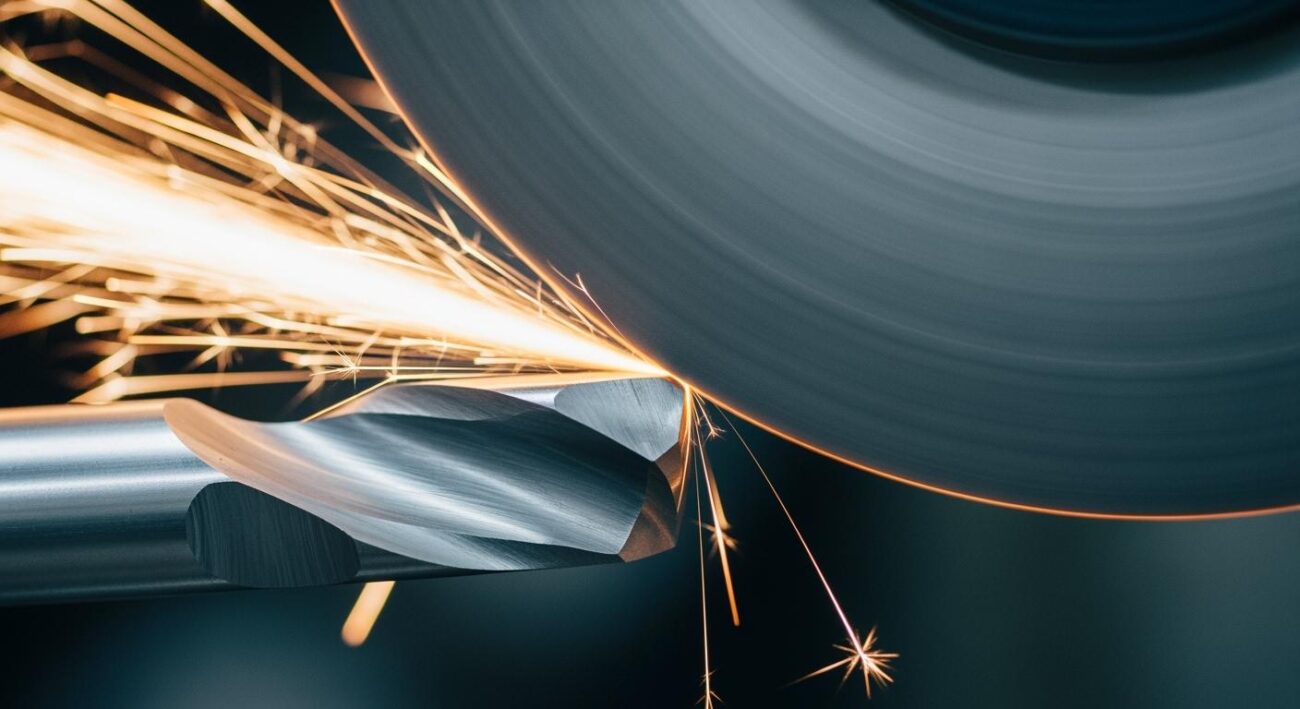
Prevent chipping in carbide grinding by using a fine-grit diamond wheel with a soft bond, reducing infeed rates, and ensuring proper coolant flow to avoid thermal shock.
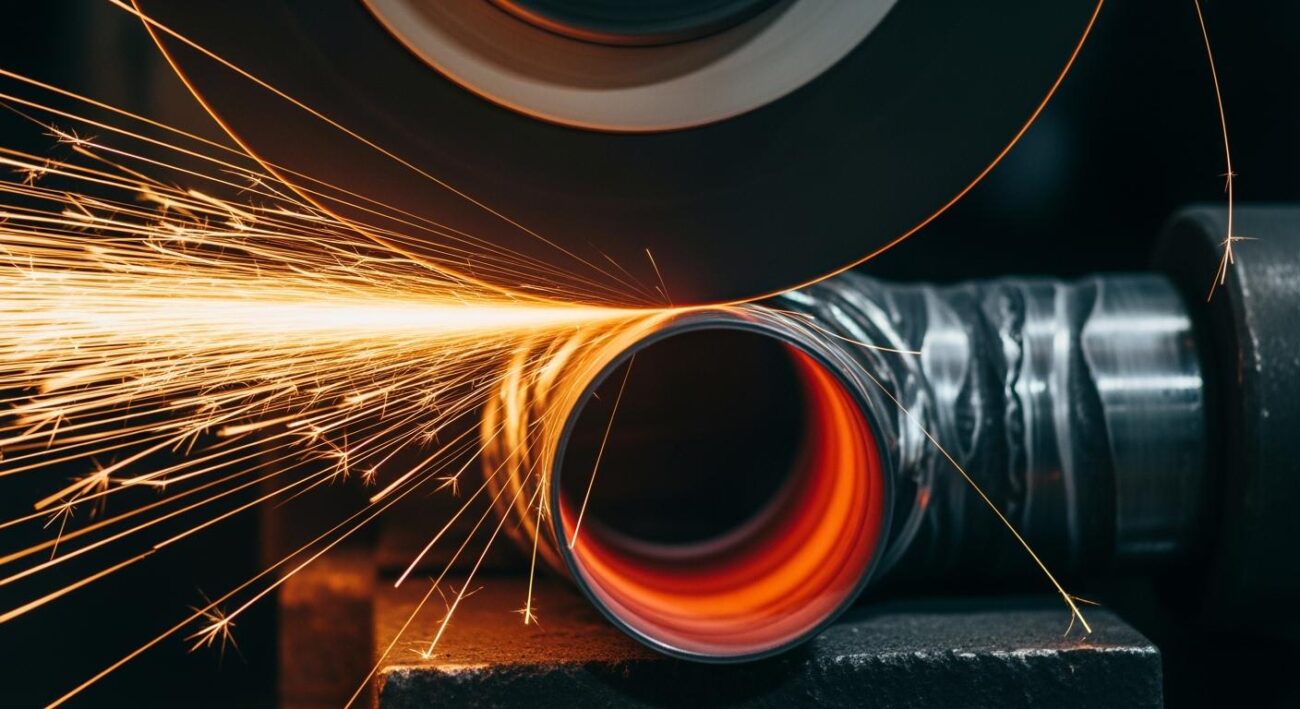
Distortion in thin-wall parts during grinding is caused by thermal stress from heat, mechanical force, improper clamping, and the release of internal material stress.
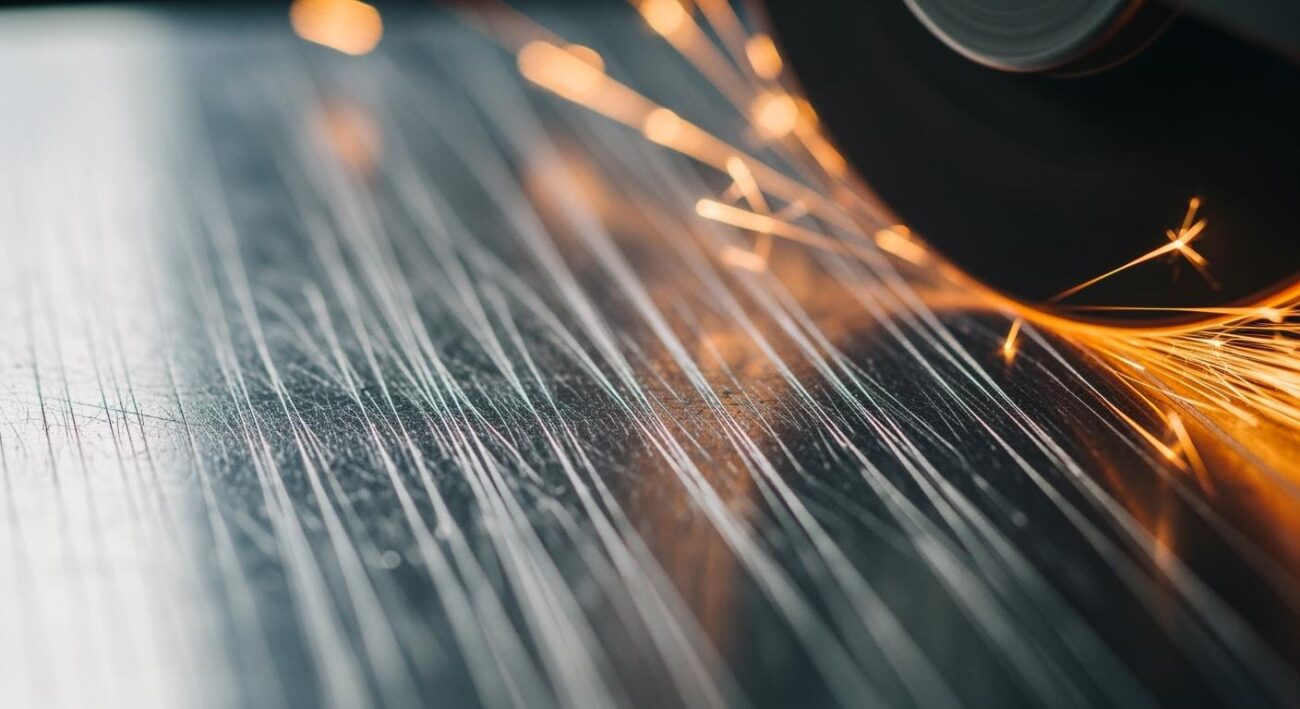
Grinding scratches on a workpiece are caused by wheel issues, machine vibrations, or process errors. Using the correct wheel, a stable setup, and clean coolant prevents them.
No account yet?
Create an Account