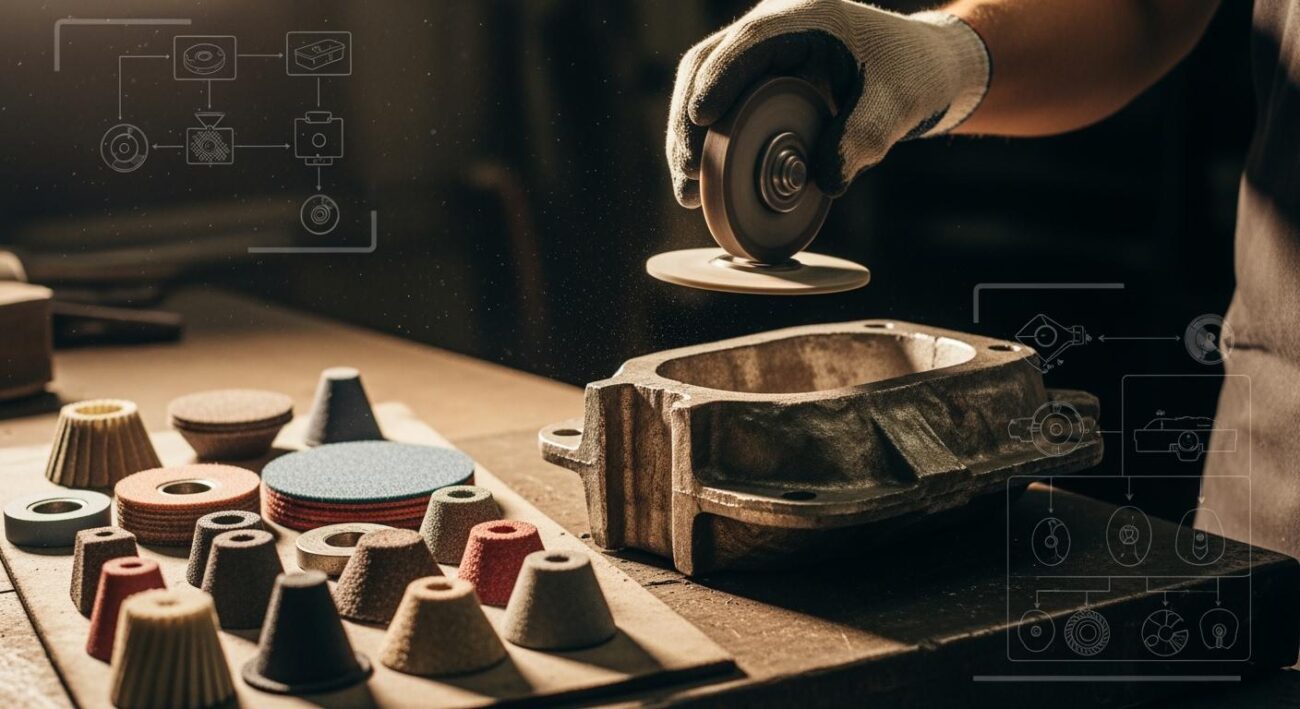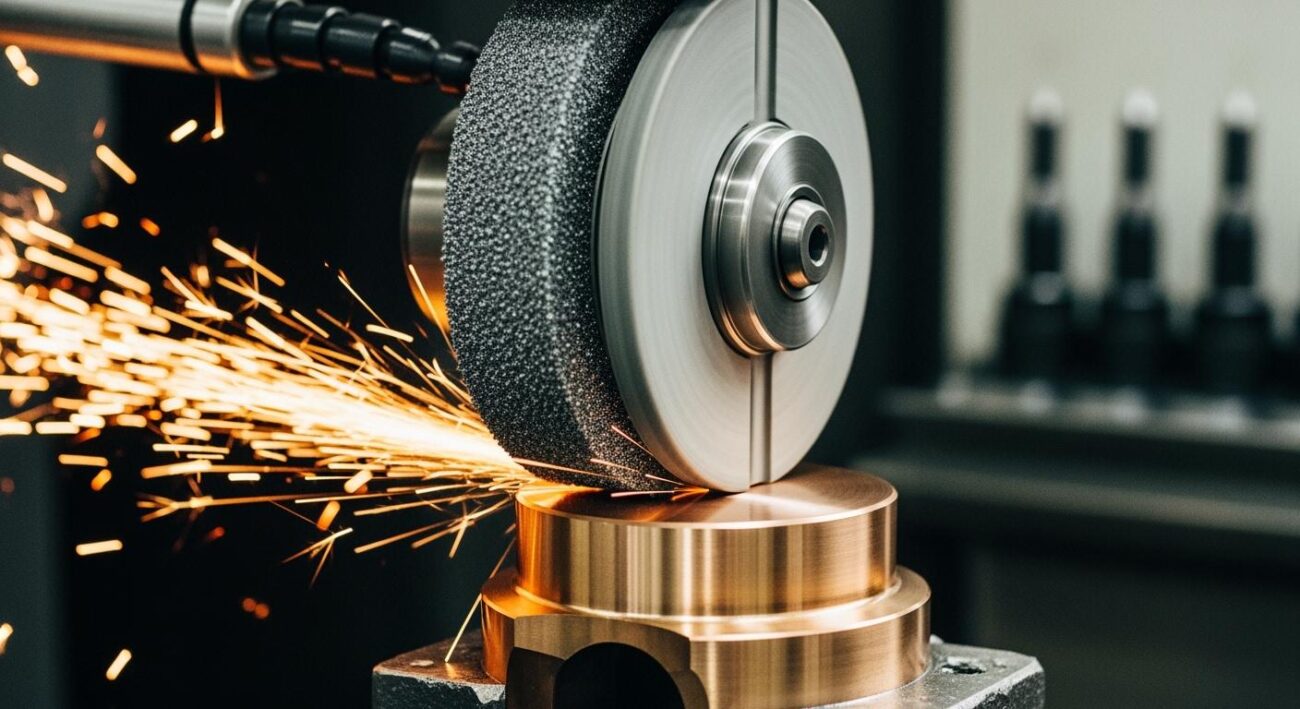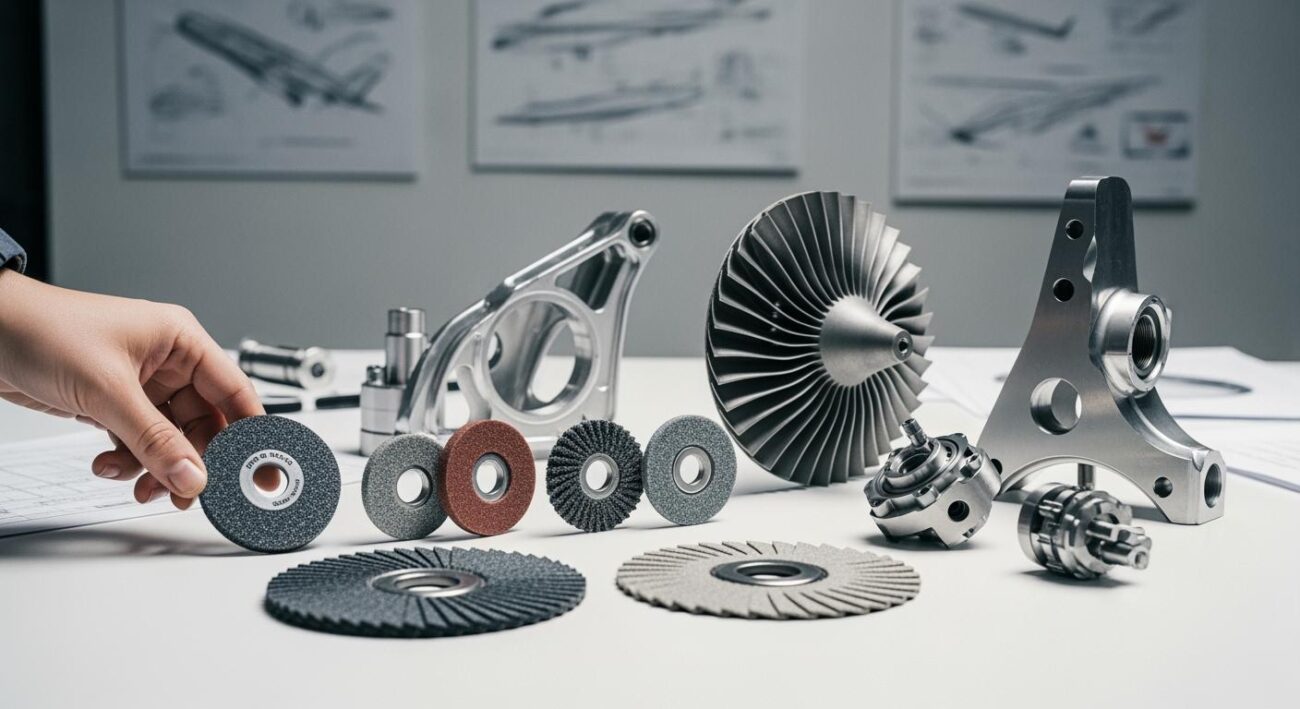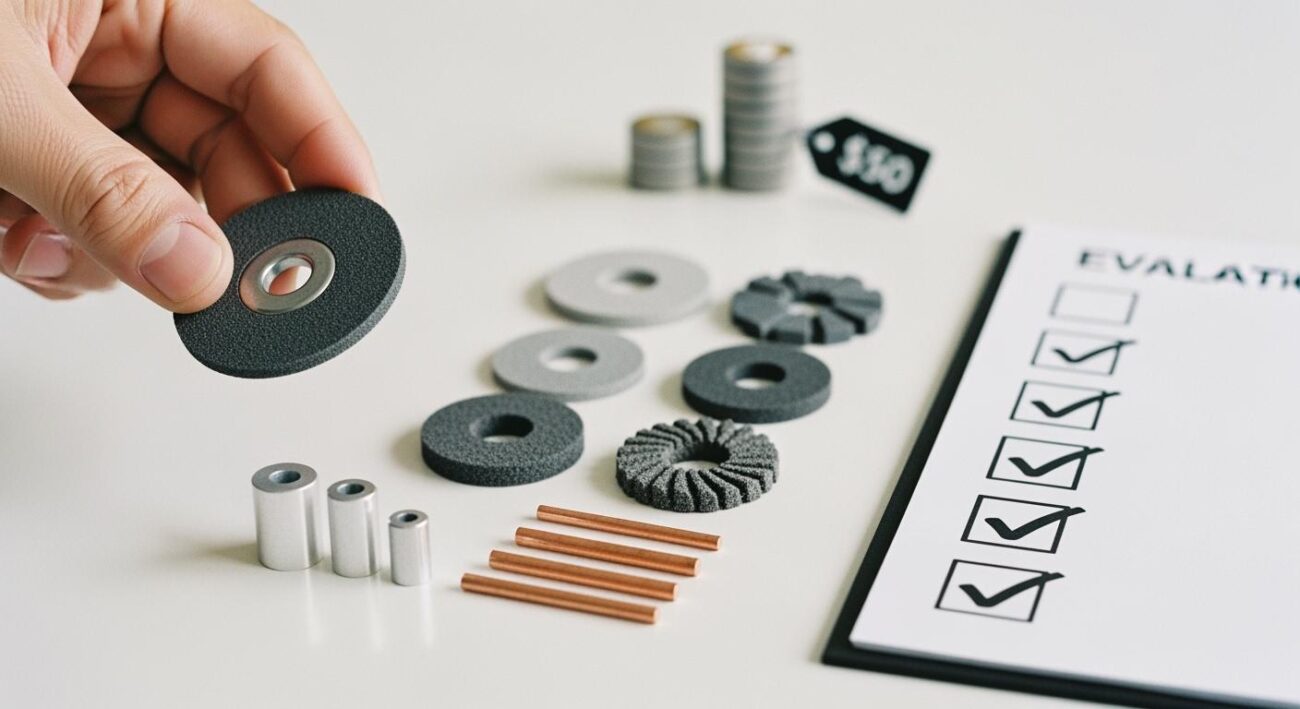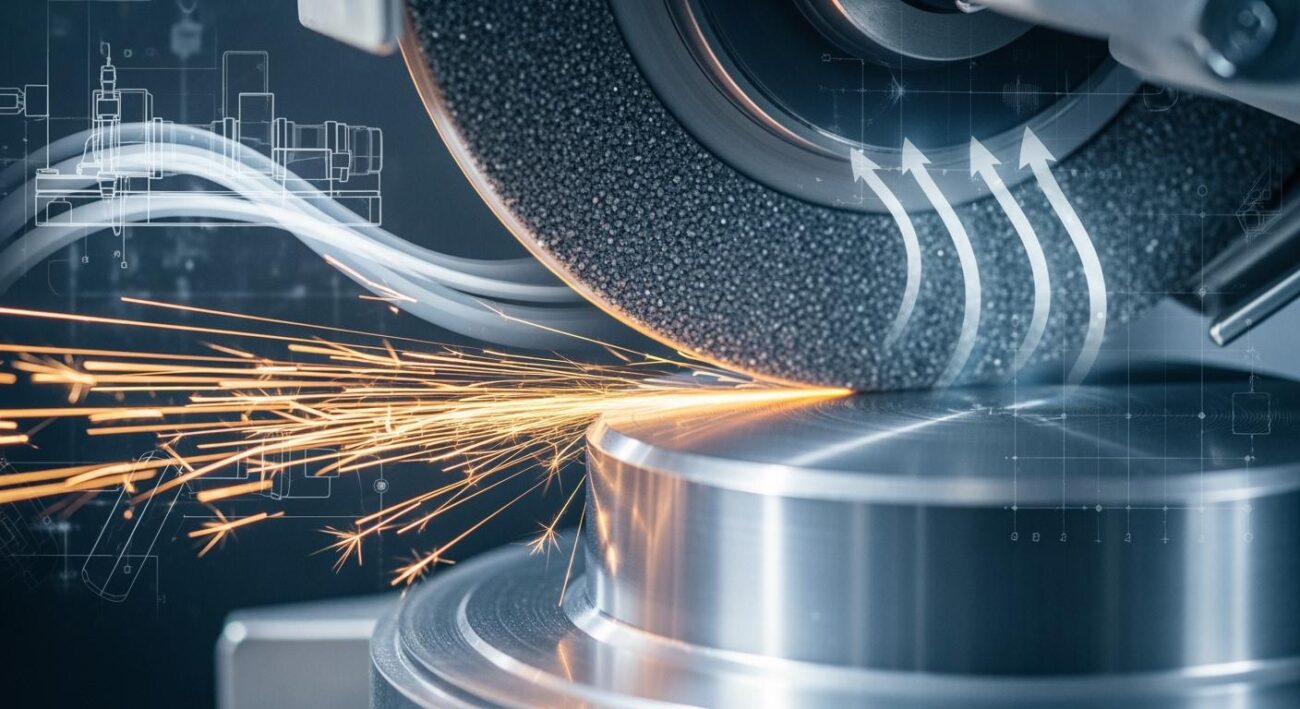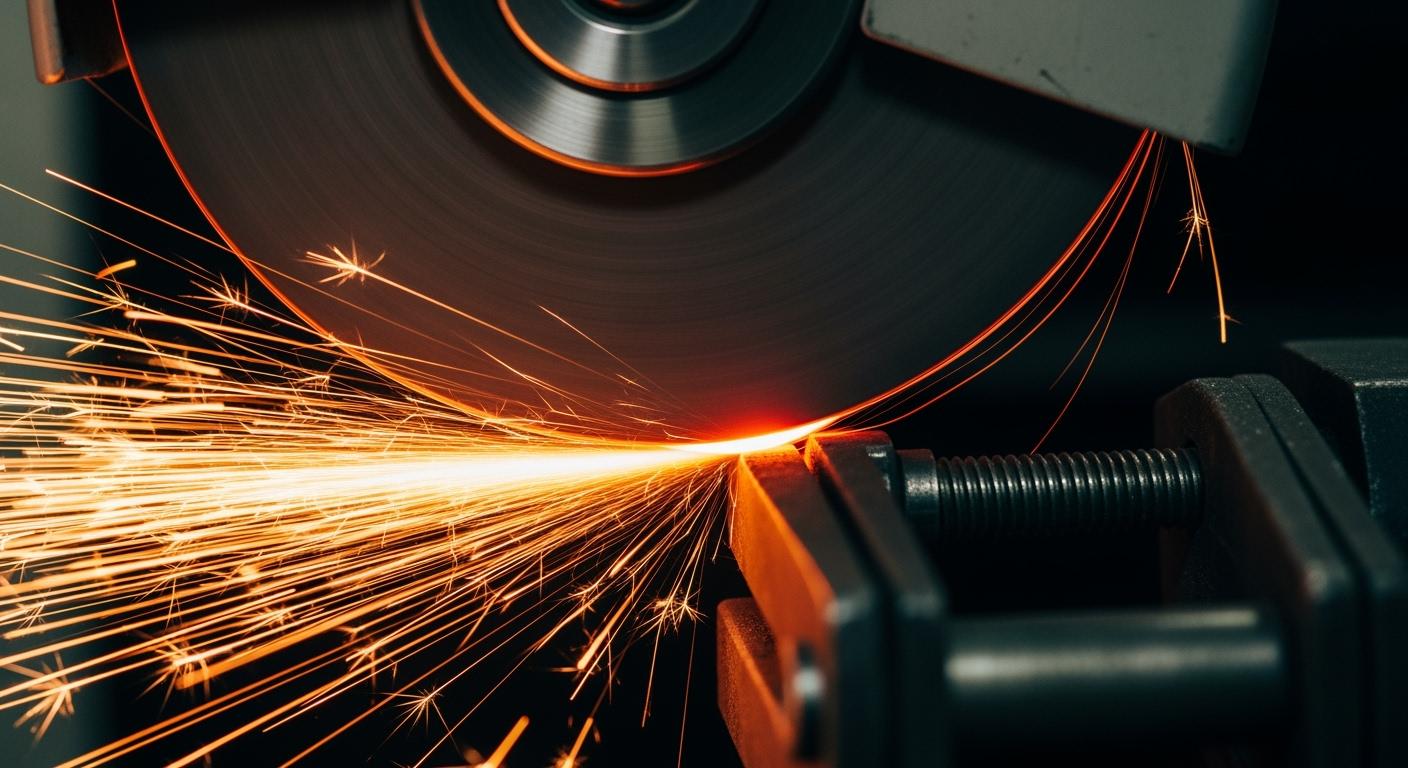
Superabrasive grinding wheels offer the best performance under high thermal loads. These wheels use materials like Cubic Boron Nitride (CBN) and Diamond. Advanced conventional abrasives also provide excellent heat resistance for many tasks. Selecting the right grinding wheel is crucial. The correct grinding wheel prevents thermal damage. A proper grinding wheel ensures grinding stability and optimizes the entire grinding process.
Key Takeaways
- Superabrasive grinding wheels, like those made from CBN or Diamond, work best in very hot conditions.
- CBN wheels are great for grinding steel because they do not react with iron at high temperatures.
- Diamond wheels are perfect for cutting materials that do not contain iron, such as ceramics and glass.
- Advanced conventional abrasives, like Ceramic Aluminum Oxide, also handle high heat well and can sharpen themselves.
- The grinding wheel’s bond and structure are important for controlling heat and keeping the wheel stable.
Superabrasive Grinding Wheels: Maximum Thermal Stability
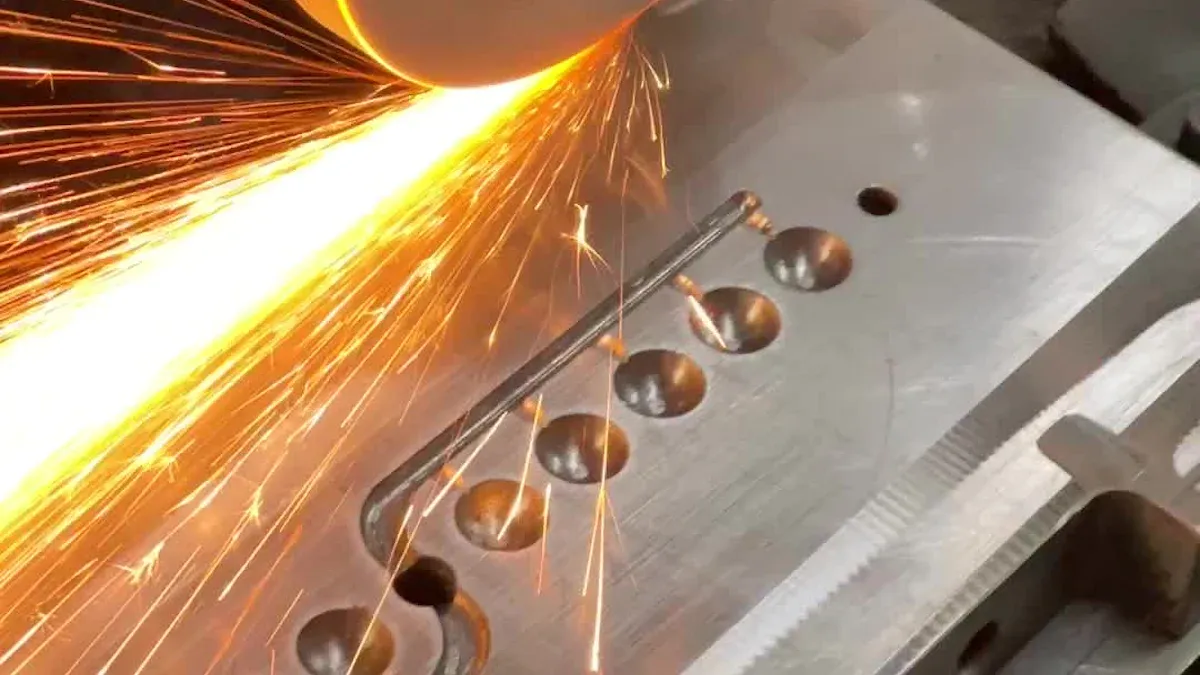
Superabrasive grinding wheels represent the peak of grinding technology. They provide maximum stability in high-heat environments. These wheels use Cubic Boron Nitride (CBN) or Diamond as the abrasive material. Their superior characteristics ensure excellent performance and durability. A superabrasive grinding wheel is the best choice for demanding applications.
Aimgrind’s CBN Wheels for Ferrous Metals
CBN is the second hardest material known, next to diamond. This exceptional hardness makes it perfect for grinding hard ferrous metals. Aimgrind has nearly two decades of experience in customized grinding solutions. The brand designs each grinding wheel to match specific equipment and processes.
Aimgrind’s CBN grinding wheels offer many benefits. They provide cooler cutting operations. This reduces the risk of thermal damage to the workpiece. A CBN grinding wheel also has a longer life than conventional wheels. This extended performance improves efficiency. The wheels excel at cutting hardened steels and superalloys. Their unique composition delivers superior cutting and consistent results. The right grinding wheel is essential for a smooth grinding process.
Diamond Wheels for Non-Ferrous Materials
Diamond is the hardest material on Earth. A diamond grinding wheel is the ultimate tool for cutting non-ferrous materials. It provides unmatched cutting performance. Diamond, however, reacts chemically with iron at high temperatures. This makes it unsuitable for grinding steel. Its primary use is for materials that do not contain iron.
Tip: Always match the abrasive to the material. Use CBN for ferrous metals and Diamond for non-ferrous materials to achieve the best grinding performance.
Diamond grinding wheels are essential for machining tough, abrasive materials. Examples include:
- Advanced ceramics like alumina, zirconia, and silicon nitride.
- Composite materials used in aerospace component finishing.
- Tungsten carbide and glass.
Thermal Conductivity in Superabrasives
Superabrasives have excellent thermal conductivity. This is a key factor in their stability. A grinding wheel with high thermal conductivity pulls heat away from the cutting zone. This action lowers the overall grinding temperature. CBN has a very high thermal conductivity. It transfers heat efficiently. This keeps the grinding process cool. A cooler cutting action protects the workpiece from burns and cracks. It also extends the life of the grinding wheel. This characteristic is vital for maintaining high performance.
Hardness Retention at High Temperatures
A material’s ability to retain its hardness at a high temperature is crucial. Superabrasives excel in this area. Both CBN and Diamond maintain their incredible hardness even when the grinding temperature rises. This hardness retention ensures the abrasive grains stay sharp. Sharp grains provide clean, efficient cutting.
A conventional grinding wheel can lose its hardness at a high temperature. Its grains dull quickly. This leads to poor cutting and more heat generation. A superabrasive grinding wheel avoids this problem. Its stable hardness ensures consistent cutting characteristics. This stability is why superabrasive grinding wheels deliver top-tier performance in high-heat applications. The material’s hardness directly impacts its cutting ability. The hardness of the grinding wheel ensures a precise cutting action.
Advanced Conventional Abrasives for High Heat
Superabrasives offer the ultimate solution, but advanced conventional abrasives also provide excellent performance in high-heat scenarios. These materials offer a balance of durability, efficiency, and cost-effectiveness. A modern conventional grinding wheel can handle significant thermal stress. This makes it a reliable choice for many industrial applications.
Ceramic Aluminum Oxide Performance
Ceramic Aluminum Oxide is a top-tier conventional abrasive. It delivers impressive results in high-temperature grinding. This material has a unique crystalline structure. The structure gives the grinding wheel superior toughness and cutting ability. Its strong performance makes it suitable for grinding tough alloys and hardened steels. The right grinding wheel ensures a precise cutting action. This abrasive’s performance often surpasses standard aluminum oxide, especially when heat is a factor. A ceramic grinding wheel provides consistent cutting throughout its life.
Self-Sharpening Micro-Fracturing Grains
The key to Ceramic Aluminum Oxide’s success is its self-sharpening ability. The abrasive grains fracture on a microscopic level during use. This process continuously exposes new, sharp cutting edges. A sharp grinding wheel requires less force for cutting. This reduces friction and lowers the grinding temperature. The self-sharpening mechanism offers several benefits:
- Microtextures on the grains create points of high stress.
- The grinding force causes tiny fractures at these stress points.
- This micro-fracturing generates fresh, sharp micro-edges.
- The new edges improve the self-sharpening ability and cutting performance.
This action prevents the grinding wheel from becoming dull. It maintains excellent grinding characteristics and extends the tool’s useful life. The constant renewal of the cutting surface ensures a cooler, more efficient operation.
Cost-Effective High-Heat Solutions
While Ceramic Aluminum Oxide is a premium choice, other abrasives also offer great value for high-heat tasks. Each material has unique properties. The selection depends on the specific application and budget.
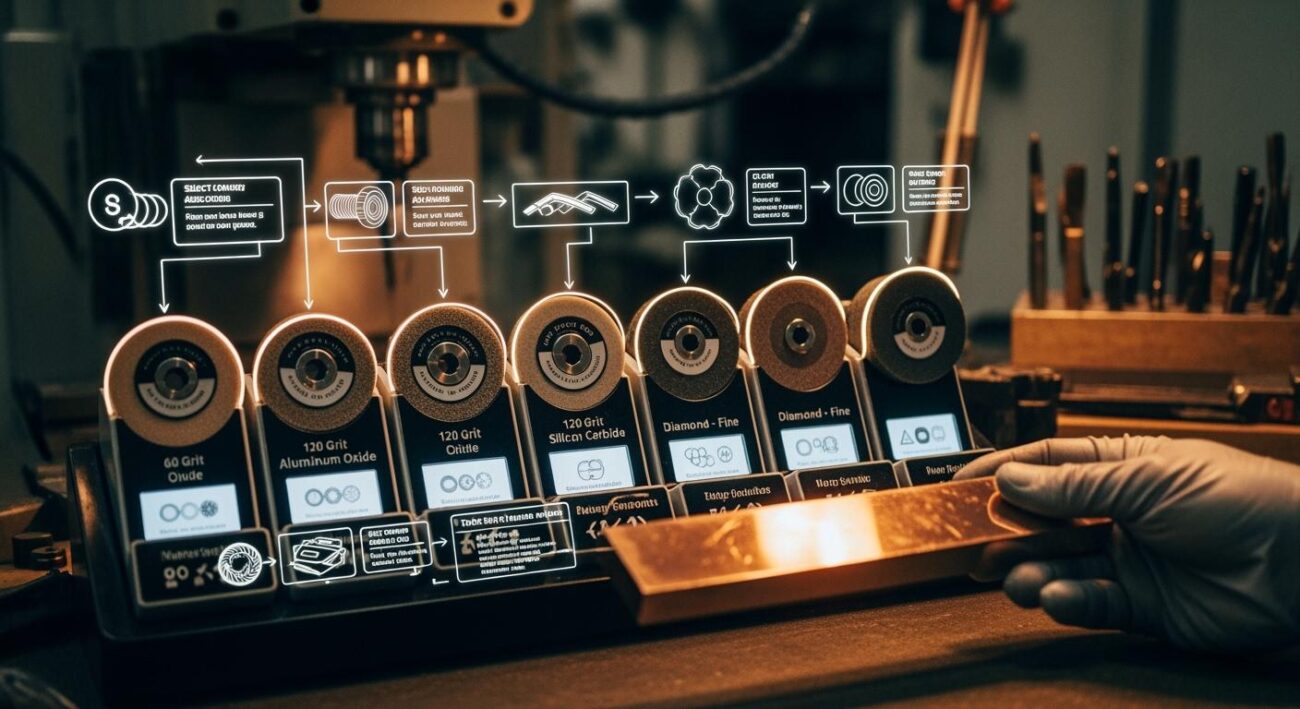
Silicon Carbide is another sharp abrasive with good thermal conductivity. Its thermal resistance makes it useful for applications with high temperature. It is effective for cutting hard materials like stone, metals, and ceramics. Zirconia Alumina is another tough, durable abrasive. It provides a great cost-performance ratio for heavy-duty jobs. A Zirconia Alumina grinding wheel excels under high pressure. This makes it a great choice for rapid stock removal.
Note: Choosing the right abrasive involves balancing cost and performance. Zirconia Alumina often provides a more economical solution for certain high-pressure tasks compared to Ceramic Aluminum Oxide.
The table below shows where Zirconia Alumina offers excellent value.
| Application/Property | Zirconia Alumina |
|---|---|
| Cost | Less expensive |
| Heavy Grinding (Stainless/Carbon Steel) | Best choice due to durability and heat resistance |
| Removing Burrs (Very Hard Metals) | Great choice for carbon steel, stainless steel, titanium |
| Removing Rust (Cast Iron) | Better option that withstands heavy pressure |
Ultimately, the best conventional grinding wheel matches the material, the machine, and the desired outcome. These advanced grinding wheels provide reliable characteristics for demanding jobs.
Grinding Wheel Bond and Structure: Keys to Heat Control
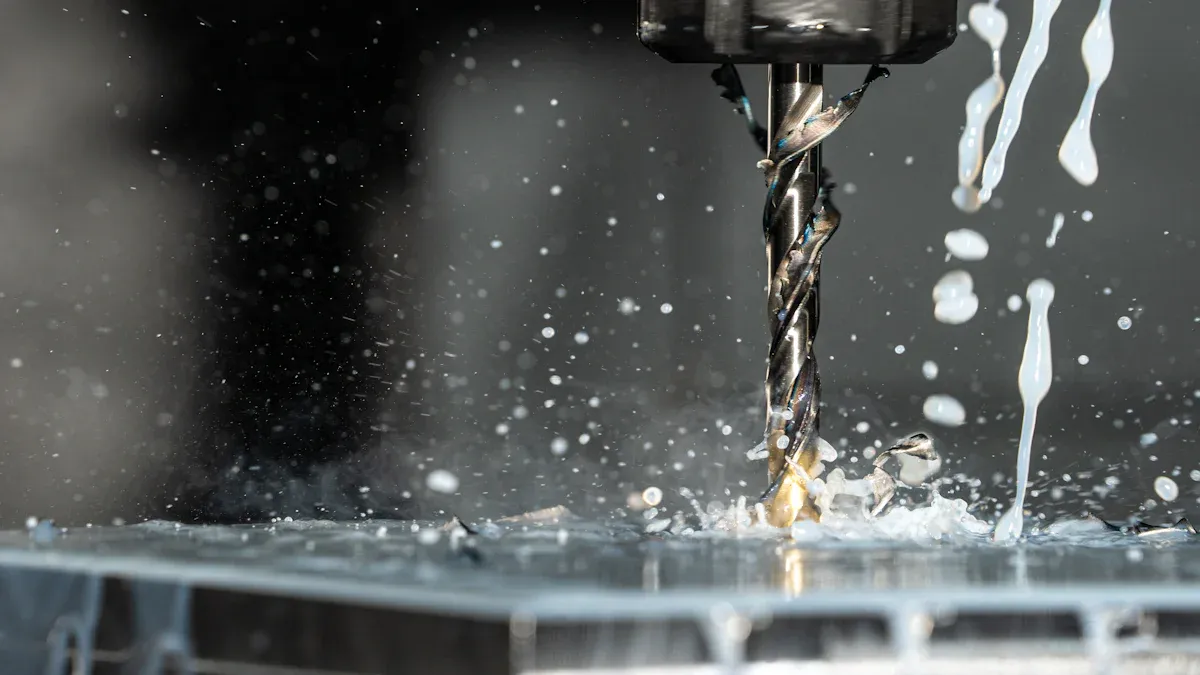
The abrasive material is only one part of the equation. The grinding wheel bond and structure are equally vital for managing heat. The bond holds the abrasive grains, while the structure defines the spacing between them. Both elements must work together to ensure stability at a high temperature. A well-designed grinding wheel balances these components perfectly.
Vitrified Bonds for High-Temperature Rigidity
Vitrified bonds are a type of ceramic material fired at a high temperature. This process creates a strong, rigid, and porous bond. The primary advantage of a vitrified grinding wheel bond is its rigidity under thermal stress. It holds the abrasive grains securely, even as the temperature rises. This stability prevents the grains from dislodging, ensuring the grinding wheel maintains its shape and cutting effectiveness.
Metal Bonds for Extreme Durability
Metal bonds offer exceptional durability and heat conductivity. A metal bond grinding wheel excels in demanding jobs that generate intense heat. The metal matrix efficiently pulls heat away from the cutting surface. This action lowers the operating temperature and extends the life of the grinding wheel.
Pro Tip: For diamond wheels, Polyimide bonds provide the highest thermal stability among polymer-based bindings. This makes them an excellent choice for precision tasks where temperature control is critical.
The Role of Open-Structure Wheels
The structure of a grinding wheel refers to the spacing of the abrasive grains. An open-structure grinding wheel has wider spacing between grains. This design creates more room for air and coolant to circulate, which helps dissipate heat. Key benefits include:
- Reduced heat buildup at the cutting point.
- Lower overall grinding temperature.
- Less risk of thermal damage to the workpiece.
A properly structured grinding wheel is essential for cool cutting.
Porosity for Coolant Flow and Chip Removal
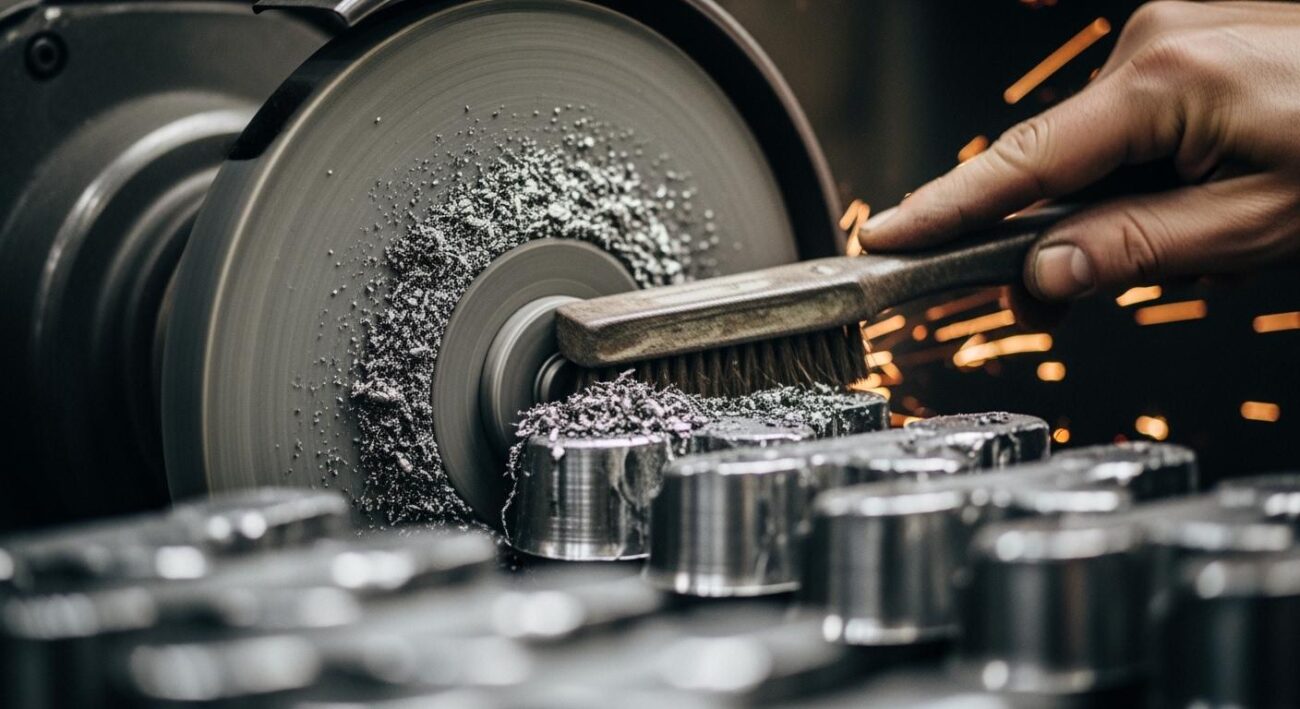
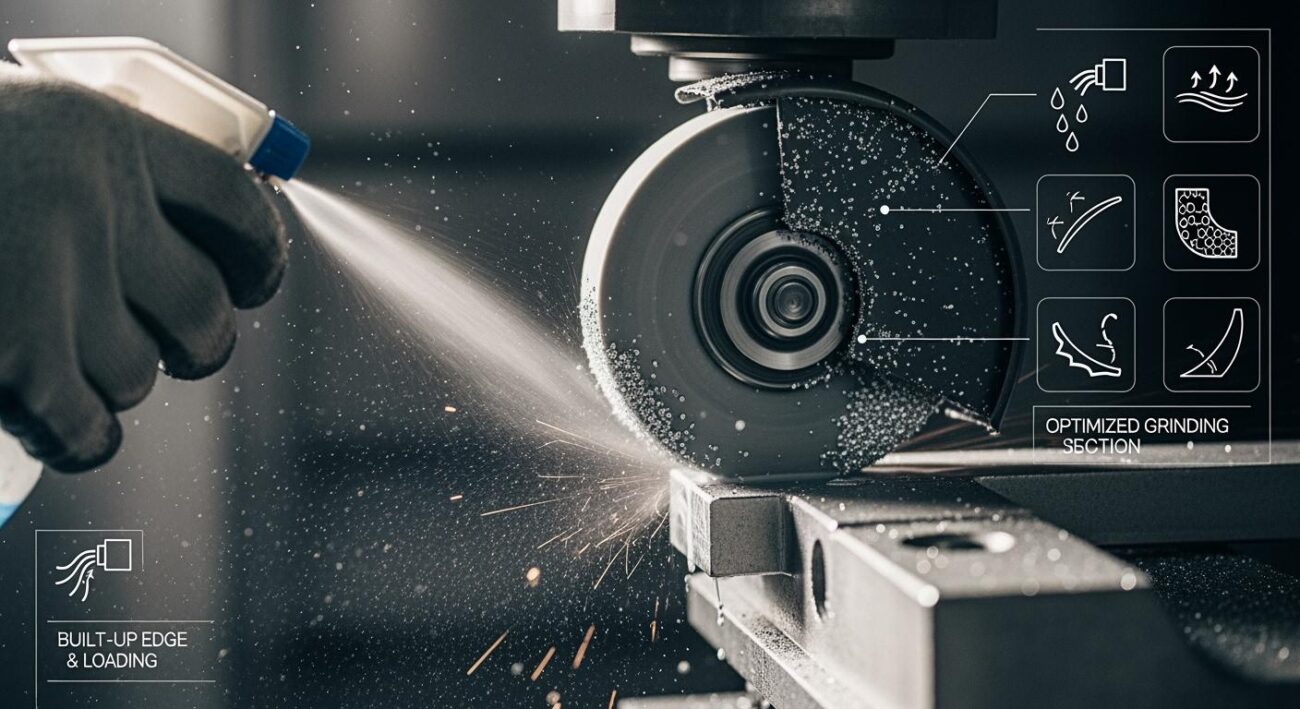
Porosity describes the tiny holes within the grinding wheel. These pores are critical for heat management. A porous grinding wheel allows coolant to flow freely to the grinding zone, carrying away heat and debris. This porosity also provides essential space for chip clearance. Effective chip removal prevents the grinding wheel from “loading” or clogging, especially with soft materials. A clean grinding wheel operates more efficiently and at a lower temperature.
Superabrasive grinding wheels provide the ultimate thermal stability. Aimgrind’s CBN products deliver top-tier performance. A specific grinding wheel can handle extreme heat. Advanced conventional abrasives also offer strong performance for many jobs. The best grinding wheel is a custom solution. A customized grinding wheel matches the abrasive, bond, and structure to the task. This perfect grinding wheel optimizes the entire grinding process. The right grinding wheel ensures a successful grinding process and excellent performance.
FAQ
What makes a grinding wheel stable at high temperatures?
A grinding wheel’s stability comes from its abrasive, bond, and structure. Superabrasives like CBN retain hardness at high heat. Strong bonds hold the grains securely. An open structure helps dissipate heat, keeping the operation cool and preventing thermal damage to the workpiece.
Why use CBN wheels for steel instead of diamond wheels?
Diamond reacts chemically with iron in steel at high temperatures. This reaction causes the diamond grinding wheel to break down quickly. CBN does not react with iron. It maintains its hardness and cutting ability, making it the ideal choice for grinding ferrous metals.
How does an open-structure wheel control heat?
An open structure creates more space between abrasive grains. This design allows coolant and air to flow freely to the cutting zone. The increased flow carries heat away from the workpiece. This action prevents thermal damage and keeps the operation cool.
Remember: Proper coolant application is essential. An open structure works best when coolant can reach the point of contact to remove heat and chips effectively.
Are advanced conventional abrasives good for high heat?
Yes, materials like Ceramic Aluminum Oxide perform well in high-heat situations. Their self-sharpening grains create new cutting edges during use. This action reduces friction and heat. It offers a cost-effective solution for many demanding applications that require good thermal resistance.