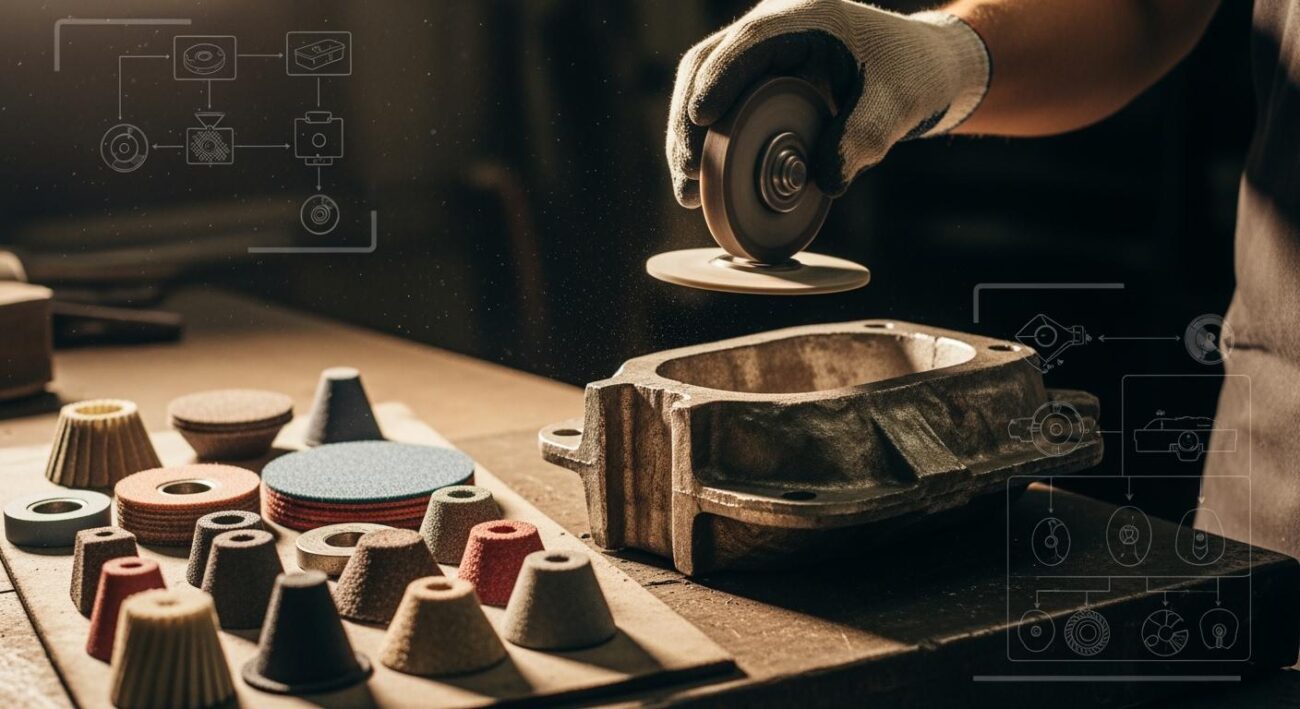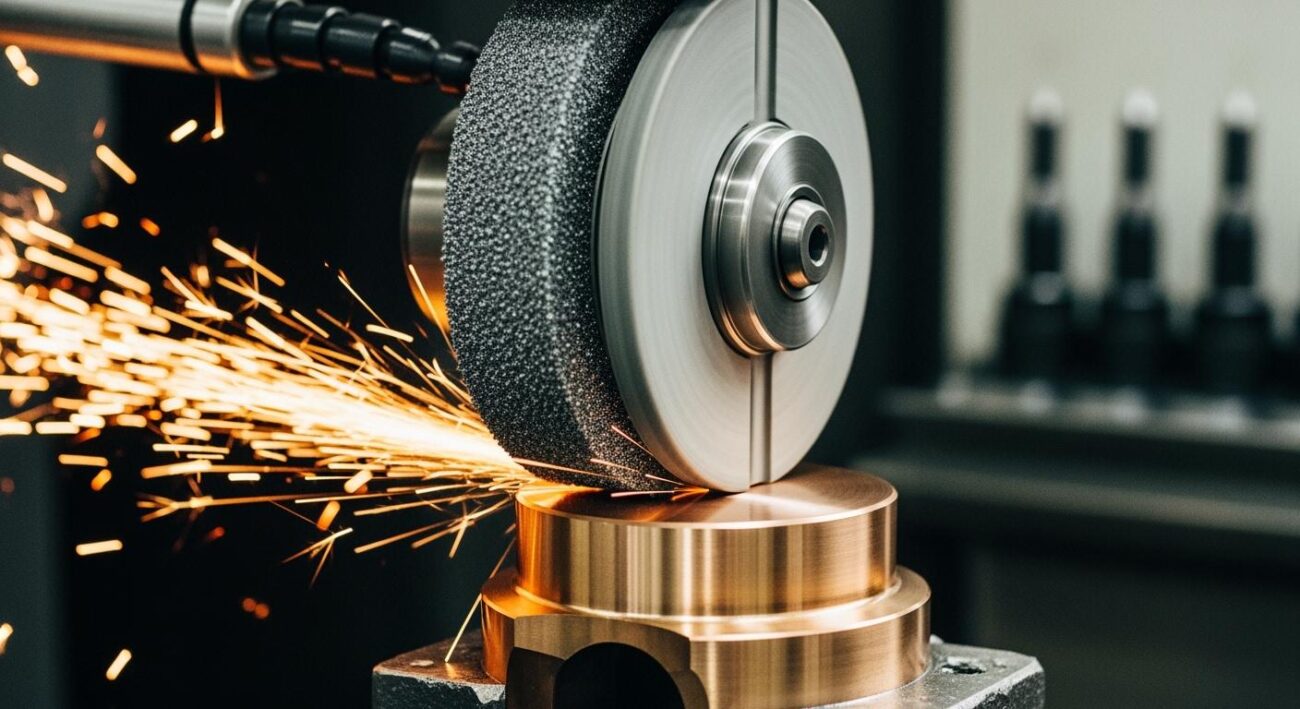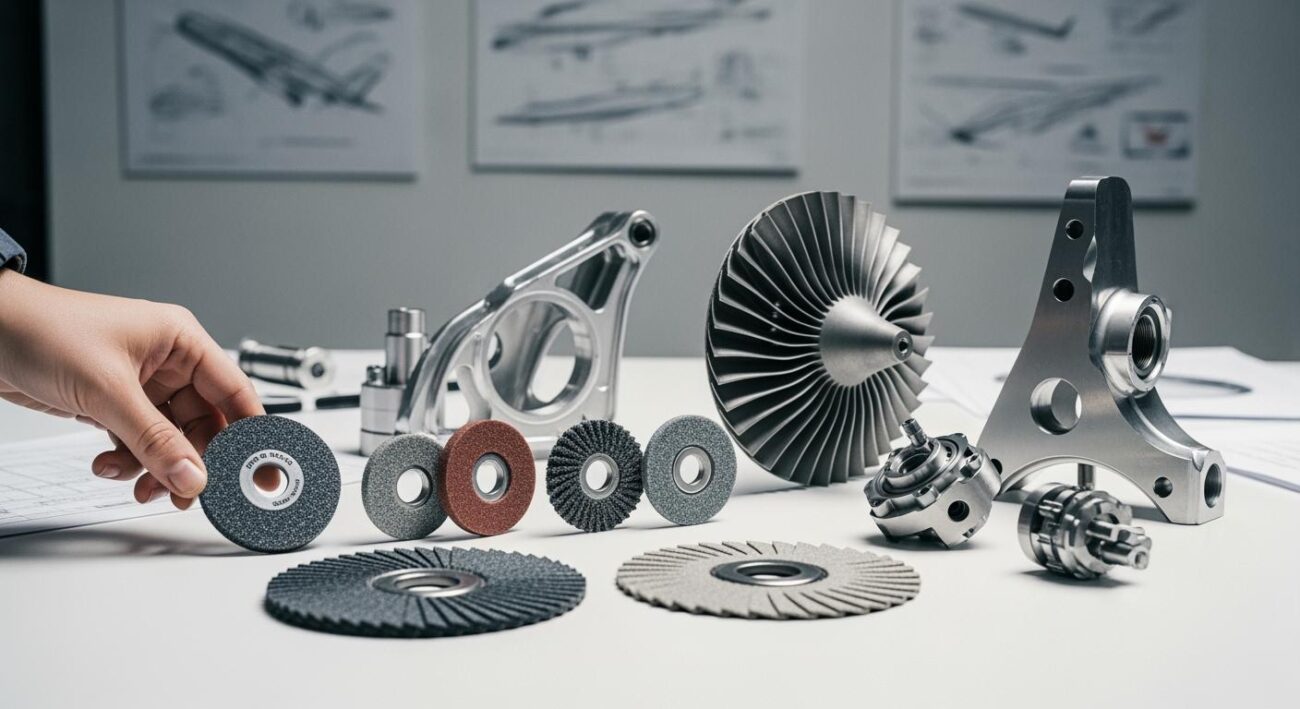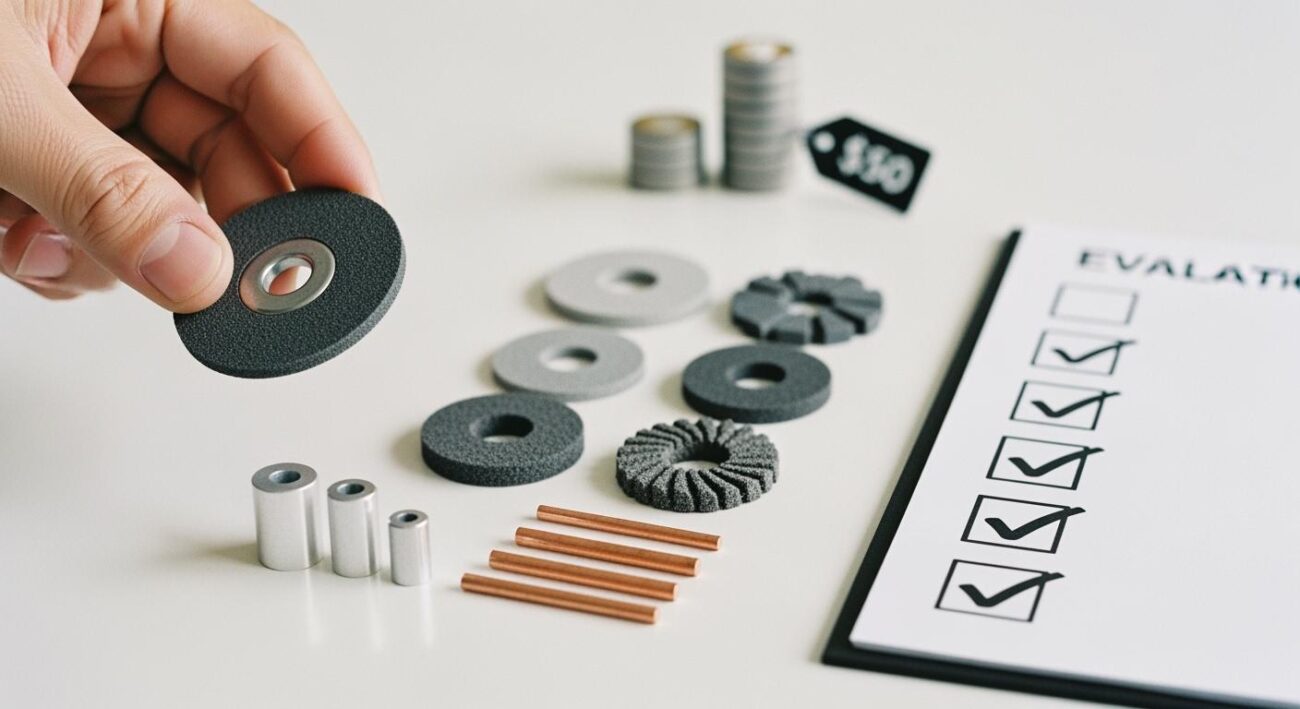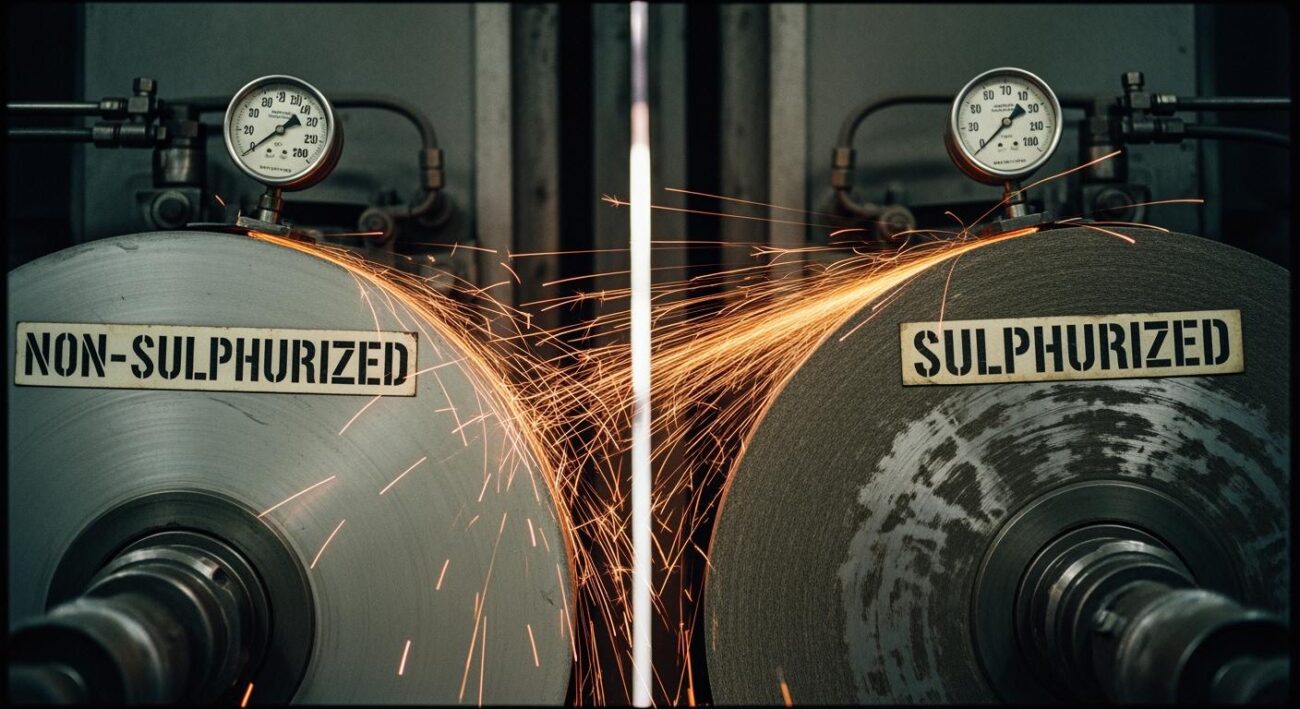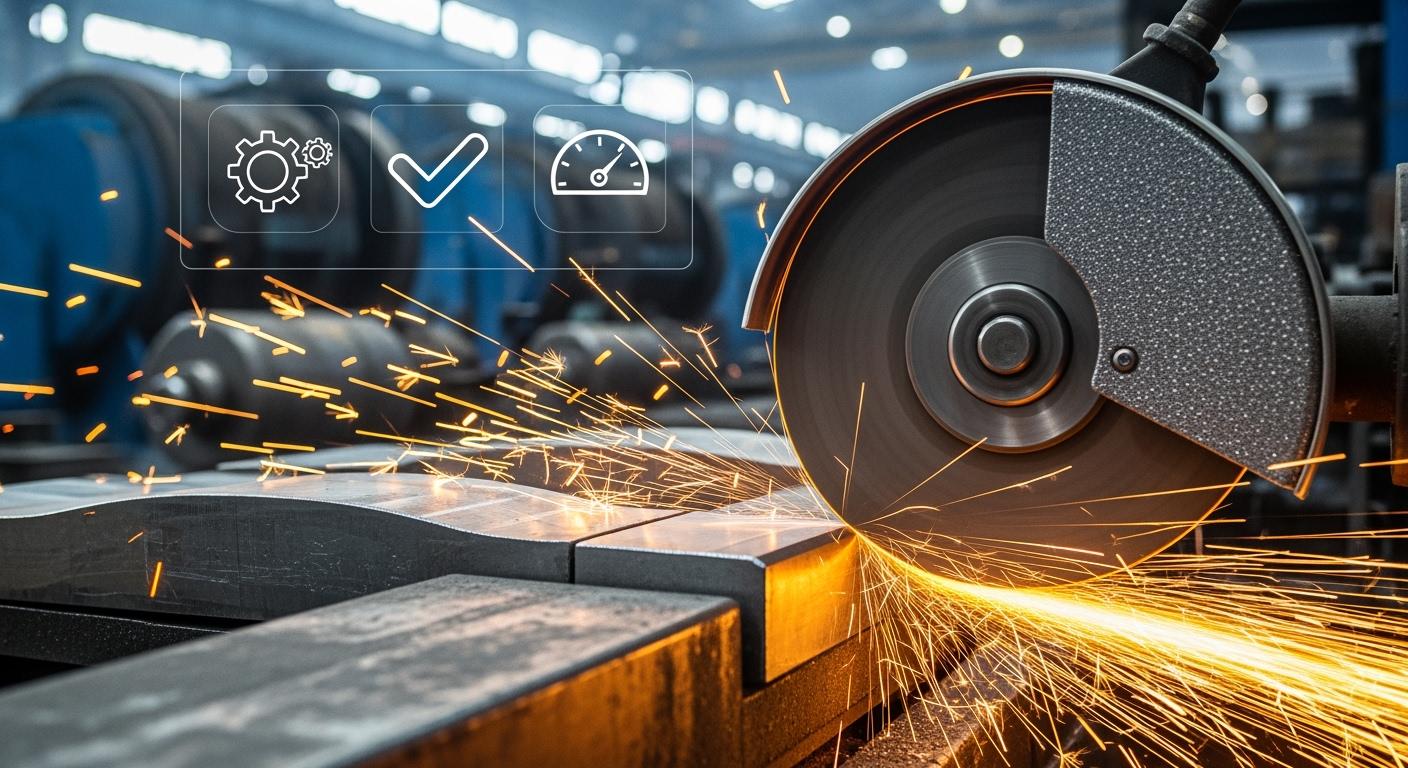
You can boost steel rolling mill efficiency by making careful grinding wheel selection. The grinding wheel you use shapes the surface finishing process, directly affecting both productivity and high-quality production. When you choose the right grinding wheel, you reduce roughness and improve the surface properties of your rolls. This leads to fewer problems like vibration and helps you avoid mistakes blamed on workmanship. Aimgrind brings expertise in customized grinding solutions and advanced diamond grinding wheels. You get tools that match your needs and support consistent grinding performance.
Key Takeaways
- Choose the right grinding wheel to improve surface quality and reduce production issues.
- Match grinding wheel specifications to your mill’s material for better efficiency and longer wheel life.
- Regularly test and monitor grinding performance to identify areas for improvement.
- Utilize Aimgrind’s diamond grinding wheels for advanced technology and consistent results.
- Assess your mill’s unique needs before selecting a grinding wheel to enhance overall performance.
Grinding Wheel Selection and Mill Performance
Defining Grinding Wheel Selection
You make many decisions when you choose a grinding wheel for your steel rolling mill. Grinding wheel selection shapes the quality and speed of your roll grinding process. You must consider several criteria to match your grinding wheel to your needs:
- Required form and finish accuracy
- Area of contact between the wheel and the roll
- Wheel speed
- Coolant use
- Machine horsepower
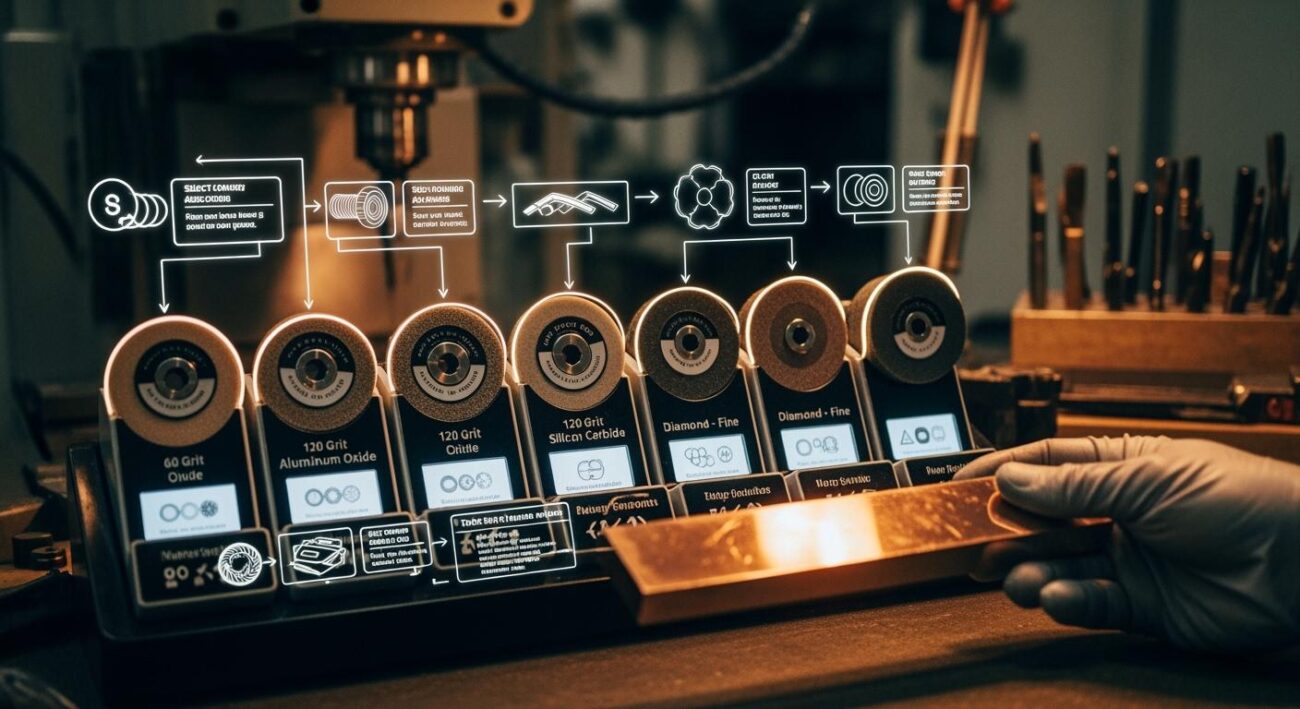
You also need to think about grit size and bond type. Finer grits help you achieve a smooth finish. Coarser grits remove more material quickly. The bond type changes how the grinding wheel behaves. Vitrified bonds work well for close tolerances. Organic bonds help you get a fine finish. Each choice you make in grinding wheel selection has a direct impact on grinding efficiency and the final surface quality.
Impact on Roll Grinding Efficiency
Your grinding wheel affects every part of roll grinding. The abrasive type, particle size, and wheel hardness all play a role in performance. Super hard abrasives, like those in Aimgrind diamond grinding wheels, give you higher efficiency and better results. Coarse abrasives work best for rough grinding. Fine abrasives help you reach lower surface roughness. The right hardness lets your grinding wheel stay sharp and last longer.
| Factor | Description |
|---|---|
| Abrasive Type | The type of abrasive affects cutting efficiency; super hard abrasives yield higher efficiency. |
| Particle Size | Coarser abrasives are used for larger grinding allowances, while finer abrasives improve surface quality. |
| Wheel Hardness | The hardness influences the self-sharpening ability of the wheel, affecting overall grinding performance. |
You see the impact on performance in your daily operations. Good grinding wheel selection means less downtime and better surface finishes. You also meet industry standards, such as ASTM E3 for surface preparation and ISO 8503 for surface roughness. When you use Aimgrind diamond grinding wheels, you benefit from advanced technology that supports automation and smart manufacturing. This leads to higher efficiency, reduced costs, and consistent wheel performance. You can trust Aimgrind to help you achieve the best results in roll grinding and overall mill performance.
Factors for Optimal Grinding Efficiency
Material Compatibility and Selection
You need to match your grinding wheel to the material you process in your steel rolling mill. Each material has unique properties that affect grinding. If you use the wrong grinding wheel, you risk poor performance and short wheel life. The table below shows common materials in steel rolling mills and why compatibility matters:
| Material Type | Description |
|---|---|
| Indefinite Chilled Cast Iron | Commonly used in steel rolling mills. |
| Ductile Iron / Spheroidal Graphite Iron | Known for its strength and ductility. |
| High Speed Steel (HSS) | Utilized for its hardness and wear resistance. |
| High-Cr Iron | Offers enhanced wear resistance. |
| High-Cr Steel | Known for its toughness and durability. |
When you select a grinding wheel that matches your roll material, you improve grinding efficiency and extend the life of both the wheel and the roll. Aimgrind offers diamond grinding wheels that work well with hard alloys and tough steels. These wheels help you achieve high performance and reduce downtime.
Wheel Specifications and Aimgrind Solutions
You must choose the right specifications for your grinding wheel to get the best results in roll grinding. The grit size, bond type, and wheel hardness all play a role in performance and efficiency. The table below shows recommended specifications for different steel grades:
| Steel Grade Type | Grit Size Range | Key Features |
|---|---|---|
| Hot Rolling Mills | 30 to 46 | Advanced self-sharpening, increased G-ratios, extended roll life |
| Cold Rolling Mills | 46 to 220 | Precision grinding, specific roughness levels (0.2µm to 0.5µm), minimal material removal |
Aimgrind’s diamond grinding wheels use advanced technologies like Ultralock and ceramic grain. These features extend wheel life by up to 20% and increase material removal rates. You get faster grinding and better surface finishes. Aimgrind customizes each grinding wheel to fit your mill’s needs. This approach helps you avoid defects such as feed lines or burns and supports efficiency improvement in your operations.
Tip: Custom-made grinding wheels from Aimgrind maximize G-ratios and material removal rates. You get quick material removal while keeping roll quality and safety high.
Operational Parameters for Roll Grinding
You control grinding efficiency by adjusting operational parameters. The speed of the grinding wheel, the feed rate, and coolant use all affect performance and wheel life. Here are the key points you should focus on:
- Speeds and Feeds: Set the right rotational speed for your grinding wheel and adjust the feed rate of your roll. This helps you balance material removal and surface finish.
- Material Removal Rate (Q-prime): Track how much material you remove in a set time. Higher rates mean shorter grinding cycles, but you must watch for wheel wear and surface quality.
- The G Ratio: Aim for a high G ratio. This means you remove more material with less wheel wear, which leads to extended life and better efficiency.
You also need to use coolant correctly. Proper coolant use keeps the grinding wheel cool and prevents damage to your rolls. Aimgrind’s diamond grinding wheels handle both wet and dry grinding, giving you flexibility in your process.
When you optimize these parameters, you see real benefits. You reduce energy use, lower costs, and improve the life of your grinding wheel. Aimgrind’s experts help you match the right wheel and settings to your mill. You get support for diagnosing problems and optimizing performance.
Note: Choosing the right grinding wheel and settings not only boosts efficiency but also helps the environment. Improved wheel life and less waste mean a smaller environmental impact.
You can trust Aimgrind to deliver grinding wheels that support optimal grinding efficiency. Their customized solutions help you achieve high performance, extended life, and consistent results in roll grinding.
Practical Steps for Grinding Wheel Selection
Assessing Mill Needs
You start the grinding wheel selection process by understanding your mill’s unique needs. Every steel rolling mill has different requirements based on the rolls, machines, and production goals. You should follow these steps to make a smart choice:
- Check the grinding contact area. Use coarser grit and softer grade wheels for large contact areas. Choose finer grits and harder grades for smaller contact points.
- Look at the severity of the grinding action. If you work with tough steel or steel alloys, pick abrasives made for severe conditions.
- Review your machine’s horsepower. Use harder grade wheels on high-power machines. Softer grade wheels work better on machines with less power.
- Monitor the grinding process closely. Check the surface finish and dimensions often to ensure accuracy.
- Stop the process if you see problems like uneven grinding or too much heat. Make adjustments as needed.
- Inspect the roll after grinding. Check the surface finish, dimensions, hardness, and look for any damage.
This careful assessment helps you match the grinding wheel to your mill’s needs. You improve roll grinding performance and avoid costly mistakes.
Choosing Aimgrind Diamond Grinding Wheels
Once you know your needs, you can select the right grinding wheel. Aimgrind offers diamond grinding wheels that fit many steel rolling mill applications. These wheels give you high efficiency, long life, and excellent performance. You can choose from different bond types, grit sizes, and wheel shapes to match your process.
Aimgrind’s service process makes grinding wheel selection simple and effective. You get:
- Personalized consultation to understand your mill’s requirements.
- Parameter matching to ensure the grinding wheel fits your machine and roll material.
- Sample optimization, where Aimgrind provides test wheels for your mill. You can try these wheels and see the results before making a final decision.
This approach helps you get the most benefits from your grinding wheel. You see faster material removal, better surface finishes, and less downtime. Aimgrind’s diamond grinding wheels support both wet and dry grinding, giving you flexibility in your roll grinding operations.
Tip: Custom grinding wheels from Aimgrind can boost your mill’s efficiency and help you reach your production targets.
Testing and Continuous Improvement
After you choose and install a grinding wheel, you need to test its performance. You can use several methods to check how well the wheel works in your mill:
- Ball mill abrasion test (BMAT) for studying grinding wheel performance in tumbling mills.
- Crushing pin-on-disc test for high-stress abrasion.
- ASTM B611 alumina slurry tester to simulate real grinding conditions.
- Dry-sand steel wheel abrasion test for checking abrasion resistance.
- ASTM G81 jaw crusher abrasion tester for high-stress conditions.
- Wet-sand rubber wheel abrasion test for wet grinding simulation.
You should monitor the grinding process and collect data on surface finish, material removal rate, and wheel wear. If you see problems, adjust the grinding parameters or try a different wheel specification.
Continuous improvement is key to long-term mill efficiency. When you select high-performing grinding wheels for each application, you increase material removal rates and extend wheel life. This reduces the number of wheel changes and keeps your mill running smoothly. Over time, you see better performance, lower costs, and higher quality.
You can measure the return on investment for grinding wheel upgrades using these metrics:
| Metric | Impact |
|---|---|
| Fastest ROI | Automated grinding improves profile consistency and reduces defects. |
| Revenue from Yield Improvement | Every 1% improvement on a 3M ton mill equals approximately $1.5M. |
| Payback Period | Typical payback period for upgrades is between 4 to 9 months. |
| Revenue Pillars | 1. Reduced roll inventory cost |
| 2. Reduced quality downgrades | |
| 3. Increased mill availability | |
| 4. Reduced safety incidents |
By following these steps, you make grinding wheel selection a powerful tool for improving roll grinding performance and mill efficiency. Aimgrind supports you at every stage, from assessment to testing and ongoing optimization.
Challenges and Solutions in Roll Grinding
Common Selection Issues
You face several challenges when you select a grinding wheel for roll grinding. Wheel performance issues can slow your process. Surface finish quality may drop if you use the wrong grinding wheel. Chatter during grinding can cause vibration and damage your rolls. Burning of the workpiece is another problem. Wheel life concerns often lead to frequent replacements. You can reduce chatter by using a softer grinding wheel, rebalancing it, and checking for external vibrations. To eliminate feed lines, use a freer cutting grinding wheel and make sure your machinery is aligned. Prevent scratches by cleaning the grinding wheel and increasing wheel speed. Aimgrind’s diagnostic services help you identify these issues and find solutions quickly.
Maintenance and Dressing Practices
Maintaining your grinding wheel is important for roll grinding efficiency. You should keep the coolant system in good condition. Regularly check coolant levels and quality. Clean the coolant tank to prevent clogging. Inspect grinding wheels for cracks or damage. Dressing a grinding wheel restores sharpness and improves performance. Balancing the grinding wheel eliminates vibrations and prevents uneven grinding. Dressing a grinding wheel exposes sharp grains, which increases speed and efficiency. Dressing a grinding wheel extends the life of the grinding wheel and prevents damage. The benefits of regular wheel dressing include better surface finishes and longer grinding wheel life. Maintaining your grinding wheel and dressing a grinding wheel regularly ensures consistent roll grinding performance.
| Step | Description |
|---|---|
| Visual Inspection | Check the grinding wheel for visible defects before use. |
| Ring Test | Perform a ring test to detect cracks in the grinding wheel. |
| Mounting | Safely mount the grinding wheel onto the grinding machine. |
| Truing | Adjust the grinding wheel to ensure it is round and balanced. |
| Balancing | Balance the grinding wheel to prevent vibrations during operation. |
| Dressing | Shape the grinding wheel for optimal grinding performance. |
Tip: The benefits of regular wheel dressing include improved cutting ability, extended grinding wheel life, and smoother workpiece surfaces.
Training and Knowledge Enhancement
You can improve roll grinding efficiency by learning more about grinding wheel selection and maintenance. Training programs teach you the basic principles of grinding. You learn how to select the right grinding wheel for roll grinding. Safety in grinding operations is important. You discover techniques for balancing grinding wheels. Courses cover the abrasive wheel marking system, proper handling, storage, and inspection of grinding wheels. You gain insights into grinding and cutting wheel selection. Aimgrind offers support and guidance to help you understand grinding wheel performance and the benefits of regular wheel dressing. You get the knowledge needed to maintain your grinding wheel and achieve high efficiency in roll grinding.
You can boost your steel rolling mill’s performance by following these grinding strategies:
- Assess your mill’s needs before choosing a grinding wheel.
- Select Aimgrind’s diamond grinding wheels for better results.
- Test and improve your grinding process for longer wheel life.
For expert support, reach out to Aimgrind. You will see higher grinding efficiency and better quality in every roll.
FAQ
What materials can you grind with Aimgrind diamond grinding wheels?
You can grind hard alloys, ceramics, and composite materials. These wheels work well for steel rolls and other tough metals in rolling mills.
How do you choose the right grit size for your application?
Select a coarser grit for fast material removal. Choose a finer grit for a smoother finish. Always match the grit size to your desired surface quality.
Can you use Aimgrind diamond grinding wheels for both wet and dry grinding?
Yes, you can use these wheels for both wet and dry grinding processes. Wet grinding helps reduce heat and extends wheel life.
How does Aimgrind help you optimize grinding wheel selection?
Aimgrind offers personalized consultations, parameter matching, and sample optimization. You get expert advice and test wheels to ensure the best fit for your mill.
Contact Us
For More Grinding Solution or Customized Abrasive Tools