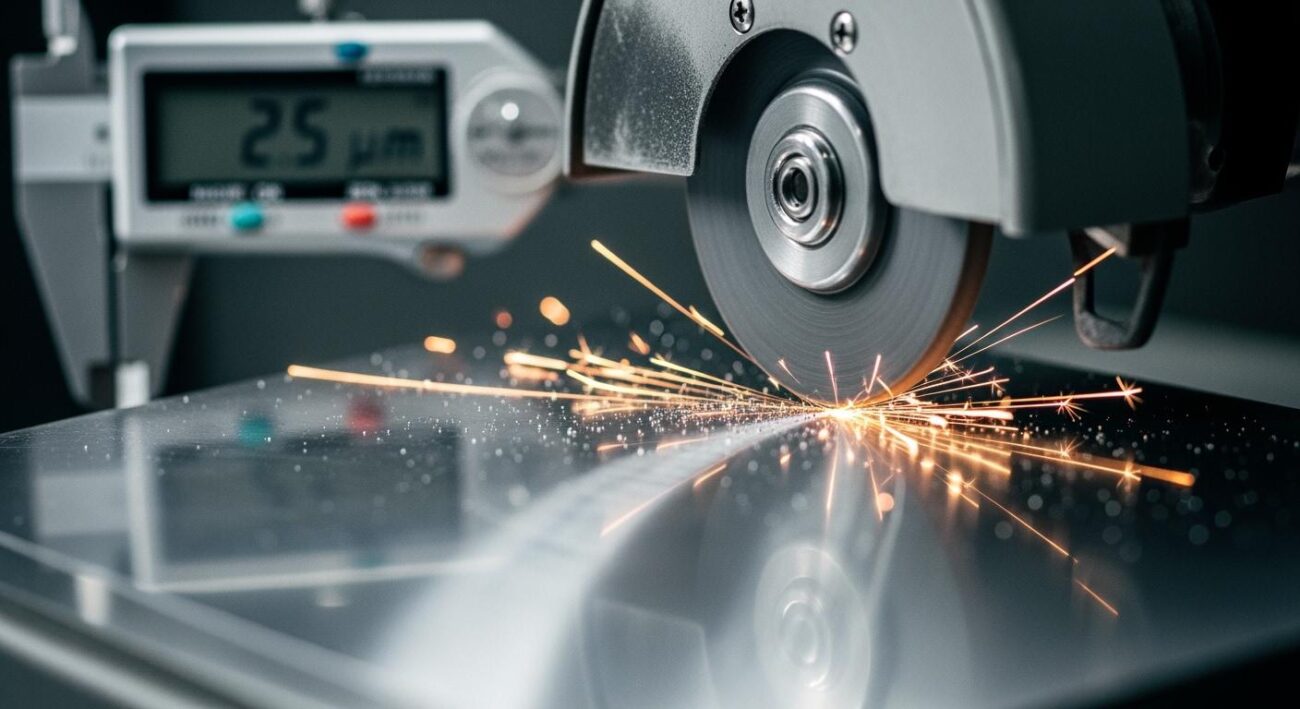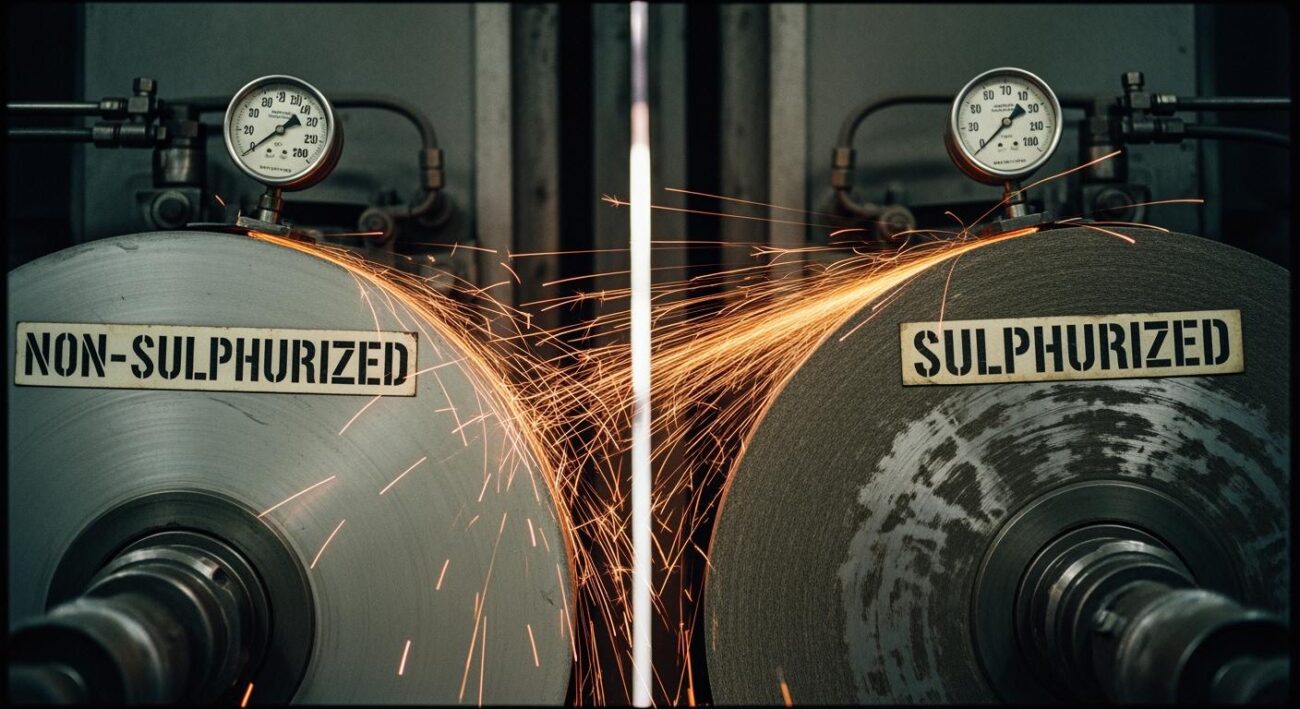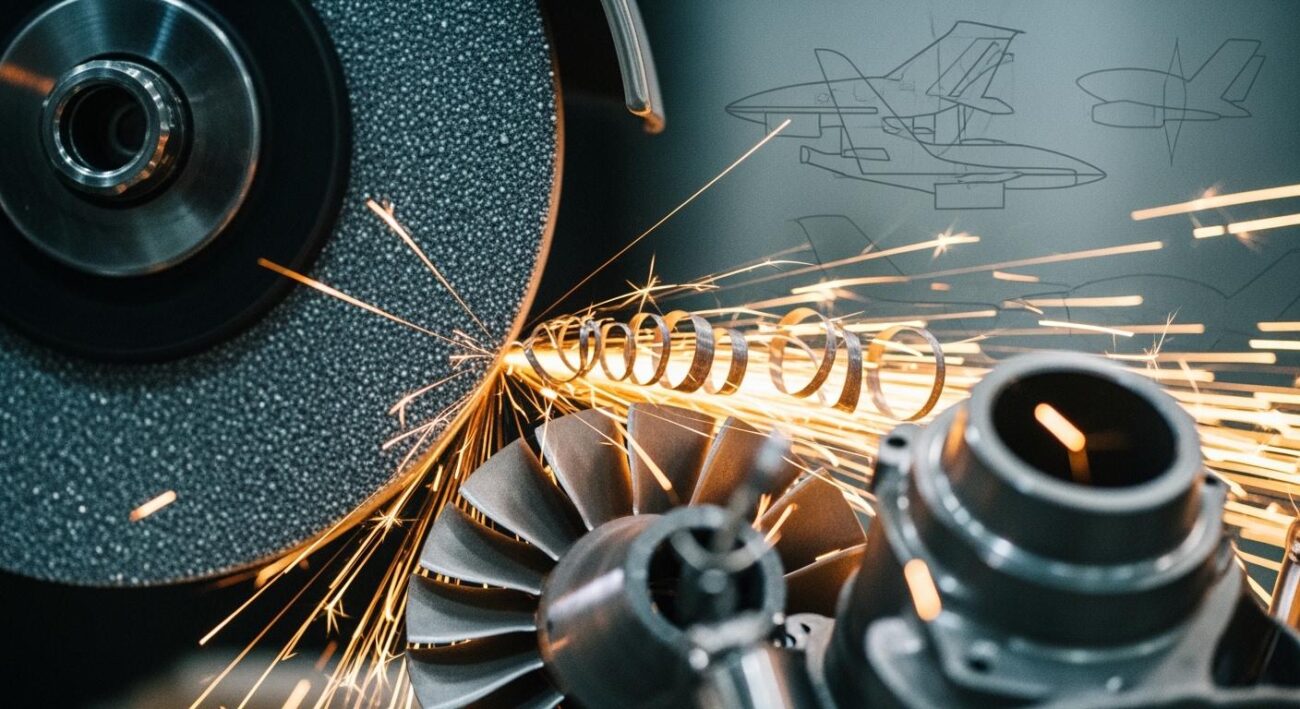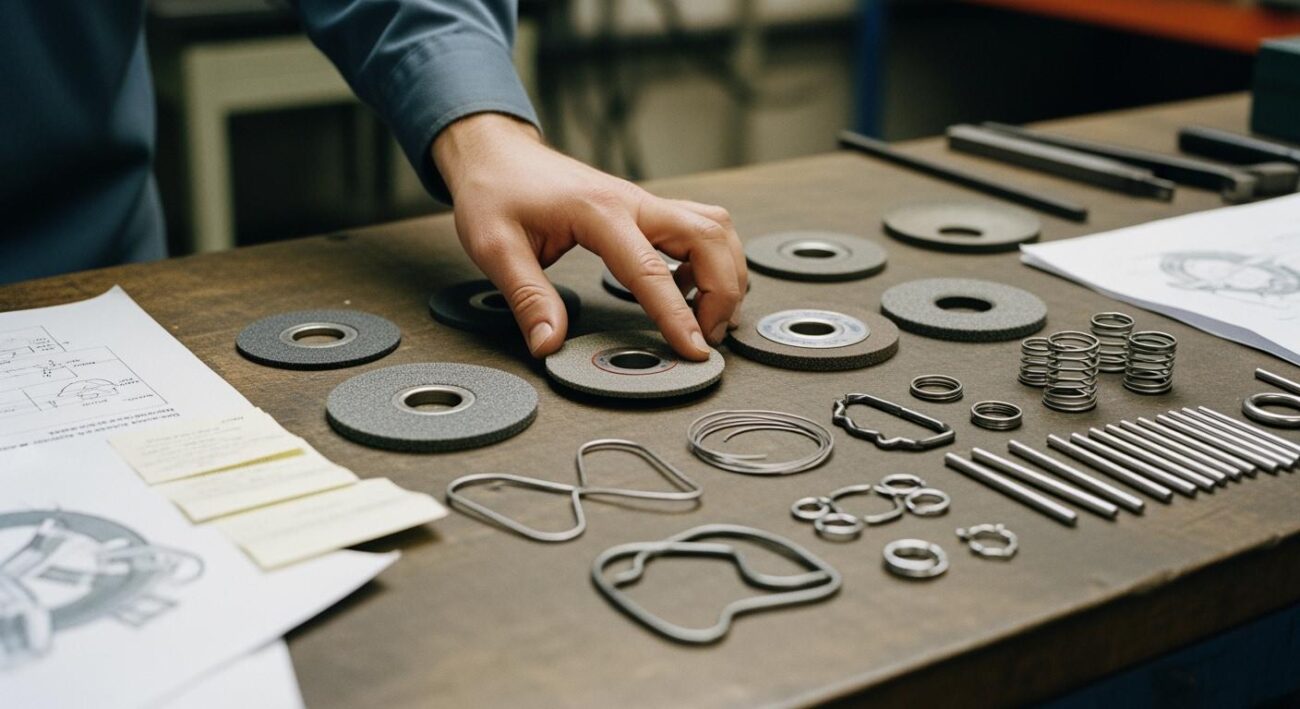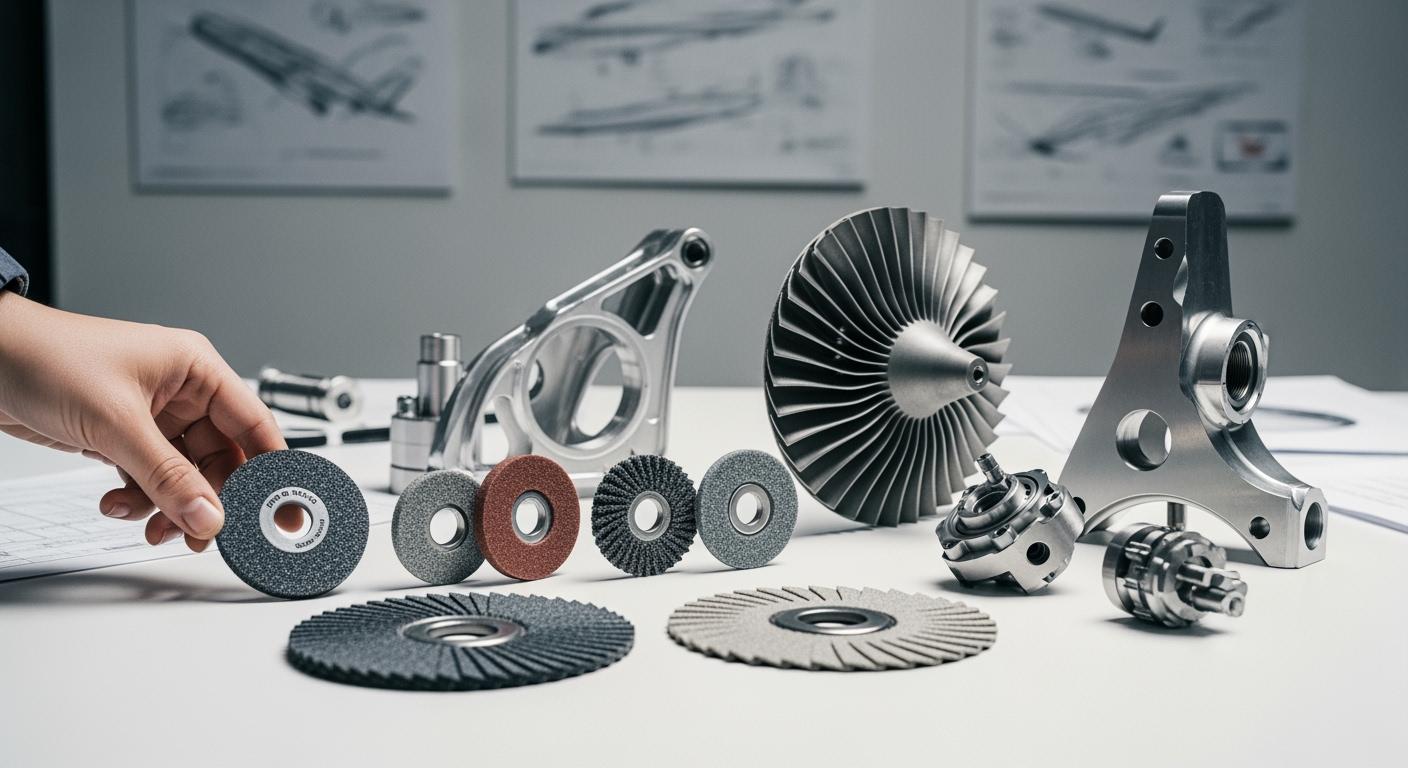
For aerospace non-ferrous components, you often achieve the best results by using a diamond or silicon carbide wheel. Grinding wheel selection shapes the success of every aerospace project. When you choose the right wheel, you secure high precision, top quality, and strong performance for your application. In aerospace and automotive applications, selecting the proper diamond tool improves both surface finish and efficiency. Poor grinding wheel selection can cause surface integrity problems, residual stresses, micro-cracks, thermal damage, or unwanted changes in hardness. These issues affect quality and increase costs. See the risks below:
| Risk/Cost | Description |
|---|---|
| Surface Integrity | Changes to the material’s surface and subsurface can compromise part strength. |
| Residual Stresses | Locked stresses can weaken parts, increasing the likelihood of cracks under fatigue. |
| Micro-cracks | Tiny cracks can form and grow under stress, leading to potential failure. |
| Thermal Damage | Heat from grinding can alter metal properties, causing issues like grinding burn and phase transformations. |
| Alteration of Hardness | Surface hardness may shift outside specified limits, affecting performance. |
Grinding wheel selection for aerospace relies on matching your application type, material, and finish needs. Aimgrind brings nearly two decades of experience in high precision grinding and application support. You can trust Aimgrind to guide your selection and help you achieve quality results every time.
Key Takeaways
- Choose the right grinding wheel type, like diamond or silicon carbide, to ensure high precision and quality in aerospace applications.
- Understand the unique properties of materials like titanium and aluminum to select the appropriate wheel and avoid issues like overheating and loading.
- Regularly maintain and dress your grinding wheels to keep them sharp and effective, which helps achieve better surface finishes and prolongs wheel life.
- Use proper coolant and lubrication to control heat and improve grinding quality, especially when working with difficult materials.
- Consult with experts, like Aimgrind, to customize your grinding wheels for specific needs, ensuring optimal performance and efficiency.
Challenges in Aerospace Non-Ferrous Grinding
Material Properties and Grinding Issues
You face unique challenges when you grind aerospace industry components made from non-ferrous materials. Titanium and aluminum alloys are common in the aerospace industry because they are strong and lightweight. These materials do not behave like steel during grinding. Titanium alloys have high strength and low thermal conductivity. This means heat builds up quickly, which can damage both the tool and the workpiece. You may also notice that titanium can stick to the grinding wheel, making the process harder. Aluminum alloys, especially those with metal matrix composites, need special grinding techniques to get the best results. The low elastic modulus of titanium can cause parts to bend or deform, which makes it tough to keep tight tolerances.
Here is a table showing the most common grinding challenges you may encounter:
| Challenge | Description |
|---|---|
| Overheating | Excessive heat can cause cracks, burns, or changes in the metal’s structure. |
| Vibration | Chatter marks from vibration can ruin surface finish quality and accuracy. |
| Wheel Loading | Softer materials can clog the wheel, lowering cutting efficiency and surface finish quality. |
| Dimensional Accuracy | Keeping tight tolerances is hard because of heat and part movement. |
| Short Wheel Life | Wheels can wear out fast, raising costs and downtime. |
| Limited Accessibility | Small spaces make it hard to cool and control the grinding process. |
| Balancing Productivity | Fast grinding can hurt surface finish quality if not managed well. |
Heat, Loading, and Surface Finish
You must control heat during grinding applications. If you do not, overheating can cause thermal cracks, burns, or even change the properties of your components. Many studies show that grinding burns can change hardness and create unwanted stresses in the metal. Wheel loading is another big problem. When you grind softer or sticky materials, the wheel can clog. This reduces cutting power and lowers surface finish quality. You need to pick the right grinding wheel and use good coolant to avoid these issues.
Surface finish quality is very important in the aerospace industry. You must meet strict standards for roughness and smoothness. The type of abrasive, grit size, and bond type all affect the final surface finish quality. For example, Ra, Rz, and Rt are common ways to measure how smooth a surface is. If you do not achieve the right surface finish quality, your components may not perform well or last as long. Good grinding applications help you reach the high surface finish quality needed for aerospace components.
Grinding Wheel Types for Aerospace Metals
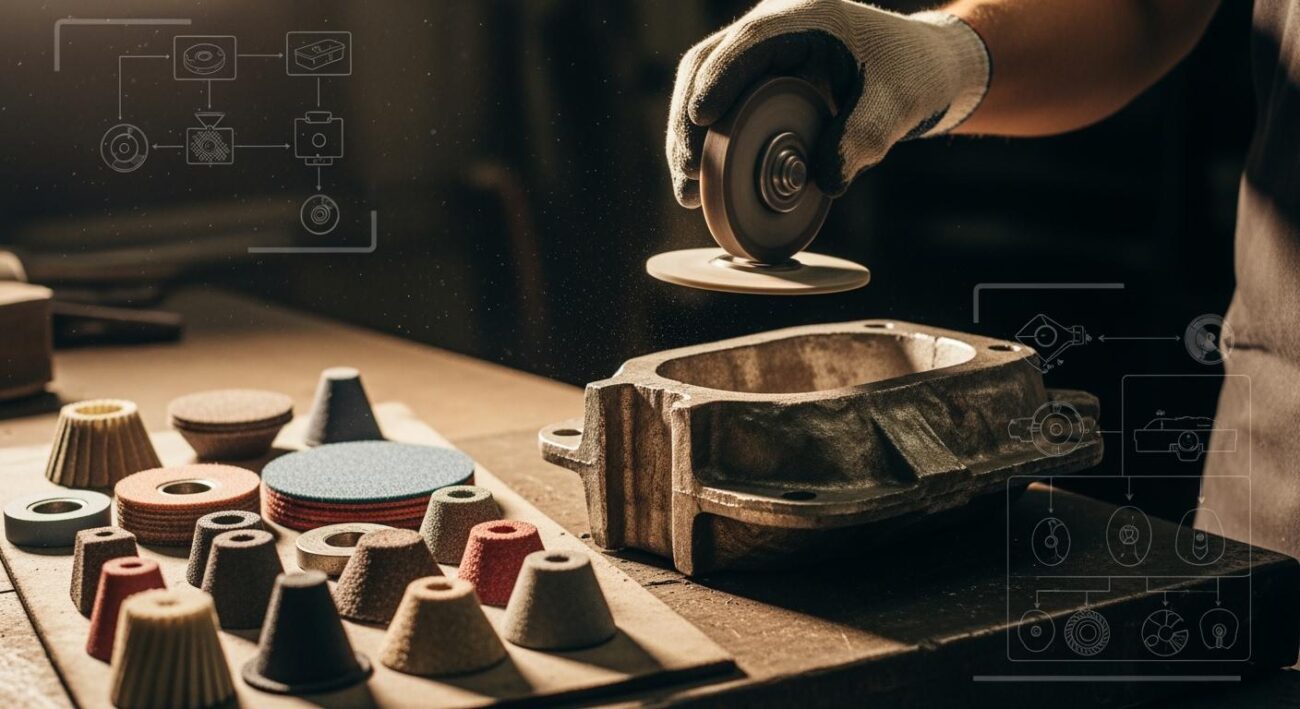
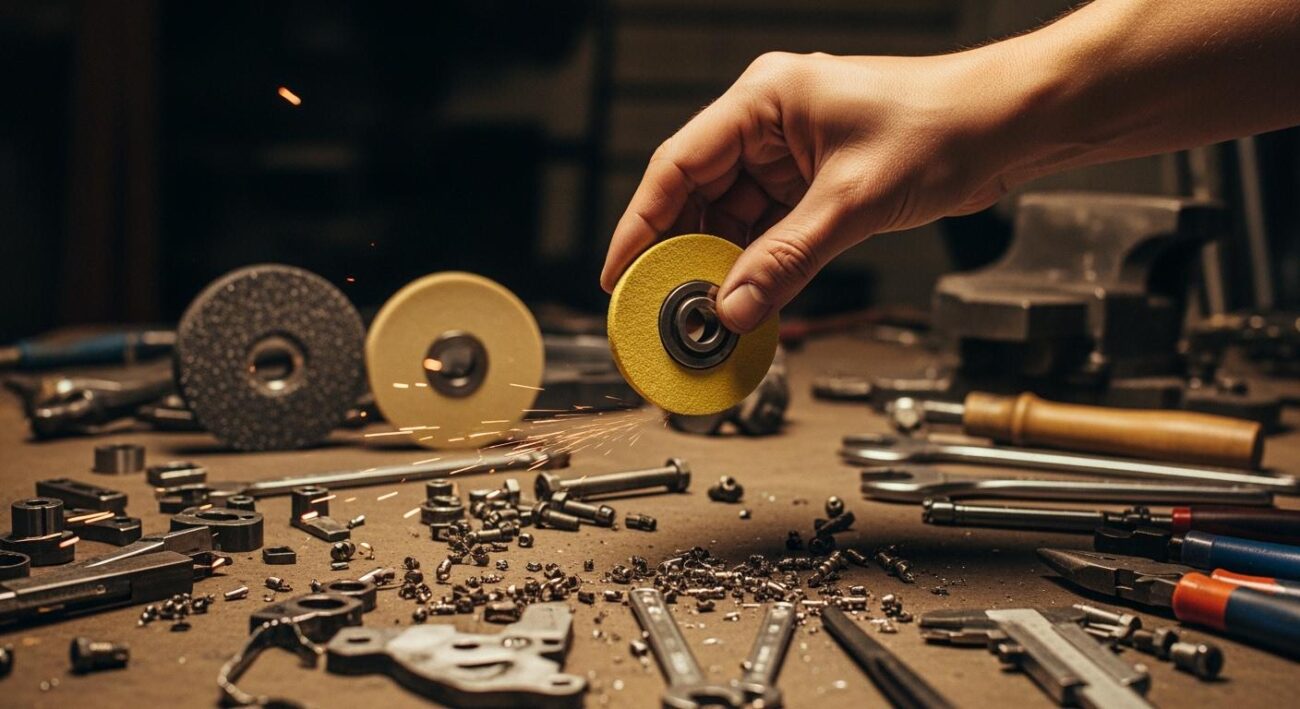
When you work with aerospace non-ferrous metals, you need to choose the right grinding wheels for the job. Each type of wheel has its own strengths. You can find diamond grinding wheels, cbn grinding wheels, silicon carbide wheels, and metal grinding wheels in the market. These wheels help you handle tough materials like titanium and aluminum alloys.
Diamond Grinding Wheels by Aimgrind
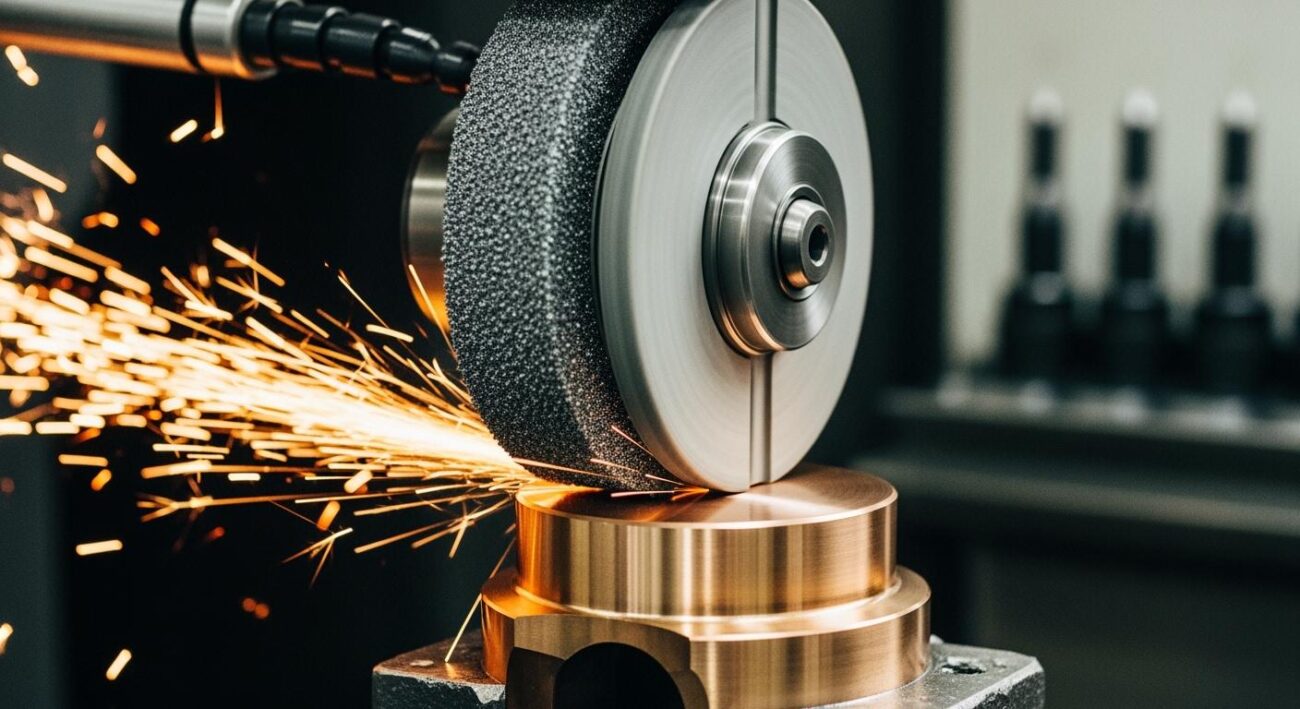
You get the hardest material when you use diamond grinding wheels. These wheels cut hard and brittle materials with ease. You can use diamond grinding wheels for titanium, aluminum matrix composites, and ceramics. Aimgrind offers diamond grinding wheels with advanced bonding systems. These systems give you better strength and thermal stability. You will notice that diamond grinding wheels last longer and keep their shape. You can use them for both wet and dry grinding. Aimgrind’s diamond grinding wheels help you achieve a fine surface finish and high material removal rates. You can also find diamond grinding tools for special shapes and edges. Many aerospace companies trust Aimgrind for custom diamond grinding wheels.
CBN Grinding Wheels for Aerospace
You can use cbn grinding wheels for nickel-based alloys and other tough metals. These wheels have high thermal conductivity and resist wear. Cbn grinding wheels work well when you need to control heat and avoid burns. You will see that cbn grinding wheels keep their cutting power for a long time. You can use them for high-speed grinding and heavy-duty jobs. Cbn grinding wheels help you get a smooth finish and keep tight tolerances. Many grinding shops use cbn grinding wheels for aerospace parts that need high precision.
Silicon Carbide and Metal Grinding Wheels
You can use silicon carbide wheels for softer non-ferrous metals. These wheels give you a good balance of cutting speed and finish. Metal grinding wheels are strong and last a long time. You can use metal grinding wheels for rough grinding and shaping. New structured abrasives and hybrid bonds make these wheels even better. You will find that metal grinding wheels help with chip evacuation and reduce heat. You can use metal grinding wheels for many grinding tasks in aerospace.
Tip: You can improve your grinding results by choosing the right wheel type and using advanced wheels with new bonding systems.
Key Factors in Grinding Wheel Selection
Choosing the right grinding wheels for aerospace non-ferrous components requires careful attention to several important factors. You need to match the wheel to your material, process, and desired results. Aimgrind helps you customize wheels for your unique needs, making sure you get the best performance and lifespan.
Abrasive Type and Grit Size
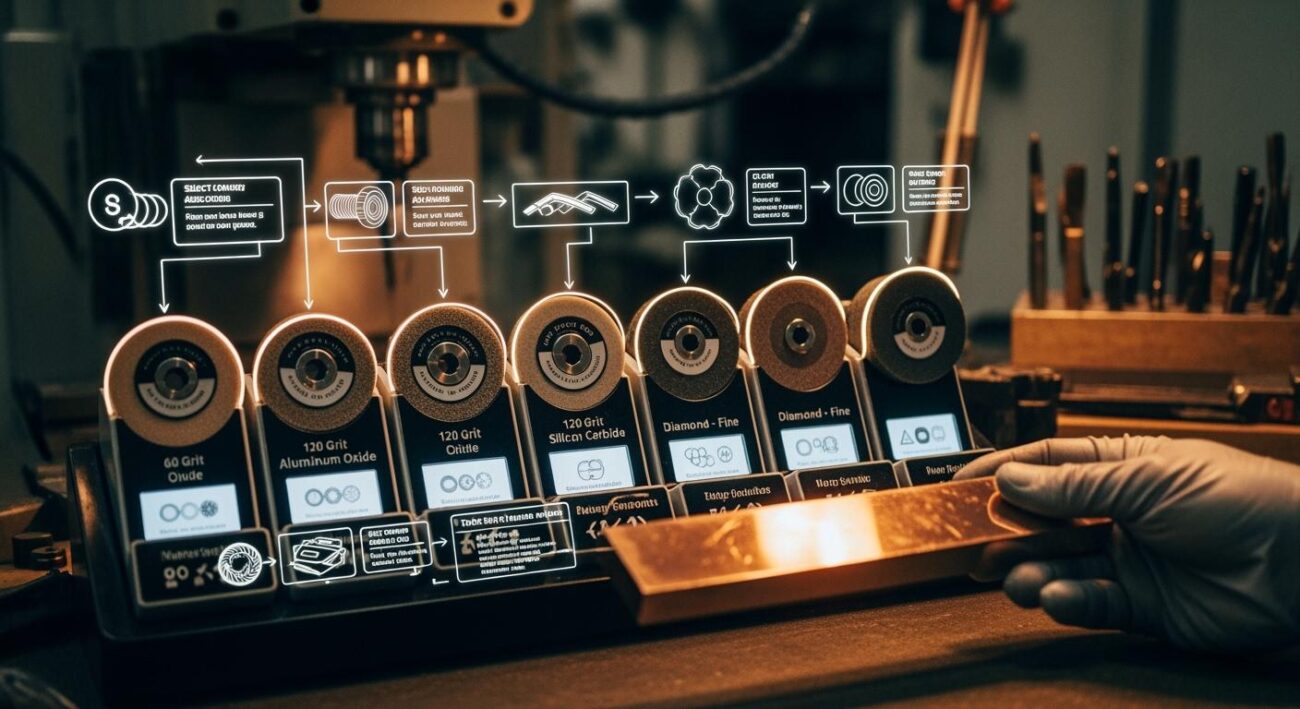
You must select the correct abrasive type for your material. Diamond works best for hard and brittle materials like ceramics and composites. Cbn grinding wheels are ideal for tough metals such as titanium and nickel alloys. Silicon carbide is suitable for softer metals like aluminum. The table below shows which abrasive fits each material:
| Material Type | Recommended Abrasive | Key Considerations |
|---|---|---|
| Hardened Steel | cbn grinding wheels | Resistant to wear, generates minimal heat |
| Aluminum | Silicon Carbide | Prevents loading or clogging due to softness |
| Ceramics | diamond | Cuts brittle materials with precision |
| Stainless Steel | Zirconia Alumina | High strength and durability for tough metals |
| Composite Materials | diamond | Ensures clean cuts on layered or reinforced parts |
You also need to choose the right grit size. Fine grit gives you a smooth surface finish and high precision. Coarse grit increases material removal rate and speeds up grinding. Balancing grit size helps you achieve both quality and efficiency. You can optimize your grinding by matching grit size to your material and finish requirements.
Tip: If you want high precision machining, select a fine grit diamond wheel. For faster material removal rate, use a coarser grit cbn grinding wheel.
Bond Type and Wheel Structure
Bond type and wheel structure play a big role in wheel performance and lifespan. Resin bonds offer flexibility and good surface finish. Metal bonds provide strength and durability for heavy-duty grinding. Vitrified bonds give you stability and high precision. Aimgrind offers advanced bonding systems that improve wheel lifespan and performance.
Structured wheels with enhanced bonding reduce grinding force and temperature. This helps you protect your aerospace components from heat damage. Some wheels form special layers, like TiC, which improve self-sharpening and mechanical properties. You get better precision and longer lifespan with these wheels.
Note: Aimgrind can customize bond types and wheel structures to match your equipment and process. You get wheels that fit your exact needs.
Coolant and Lubrication
Coolant and lubrication are essential for maintaining wheel performance and quality. You must use coolant to control heat and prevent burns or cracks. Coolant also helps remove chips and keeps the grinding area clean. Lubrication reduces friction and extends wheel lifespan.
High porosity wheels allow better coolant flow and chip removal. This is important when you grind difficult materials like titanium. Porous cbn grinding wheels maintain strength even at high porosity levels. You can achieve high precision machining and protect your components from thermal damage.
Alert: Always check your coolant system and wheel porosity. Proper coolant and lubrication increase wheel lifespan and improve grinding quality.
Main Factors Checklist
You should consider these main factors when selecting grinding wheels for aerospace non-ferrous components:
- Material hardness
- Material toughness
- Material composition
- Material density
- Thermal sensitivity
- Surface finish requirements
- Abrasive type
- Grit size
- Bond type
- Wheel structure
- Hardness
- Porosity
- Coolant and lubrication
Aimgrind’s experts help you match these factors to your process. You get customized wheels that deliver high precision, quality, and performance. You also maximize wheel lifespan and material removal rate.
Choosing the Best Metal Grinding Wheels: Step-by-Step
Selecting the best metal grinding wheels for aerospace non-ferrous components requires a clear and practical approach. You need to focus on quality, precision, and performance at every stage. Follow this step-by-step guide to make sure you choose the best metal grinding wheels for your needs.
Assessing Material and Application
Start by understanding your material and the task you want to complete. Each metal has unique properties. You must know if you are working with titanium, aluminum, or a composite. The condition of the base metal matters too. For example, soft aluminum needs a different wheel than hard titanium.
Use the table below to help you assess your material and application:
| Criteria | Description |
|---|---|
| Abrasive Grain Type | The type of abrasive in the wheel affects cutting efficiency and durability. |
| Grain Size | Finer grains give a smoother finish. Coarser grains remove material faster. |
| Bonding Strength | Strong bonds hold the abrasive grains in place and improve wheel performance. |
| Interaction Factors | The way these elements work together with your material and machine conditions. |
You must also define your grinding task. Are you rough grinding, finishing, or precision shaping? Each task requires a different approach. Confirm your machine’s specifications. Check speed, power, and coolant system. This helps you match the best metal grinding wheels to your equipment.
Matching Wheel to Process
Now, you need to match the grinding wheel to your process. Choosing the best metal grinding wheels means you look at the hardness of your material. For high hardness metals, like titanium alloys, you should use diamond wheels. These wheels give you high precision and long life. If you work with softer metals, silicon carbide wheels may be better.
Think about the speed and depth of your cut. Use the right grit size for your process. Fine grit wheels give you a smooth finish. Coarse grit wheels remove more material quickly. The bonding material also matters. Resin bonds work well for smooth finishes. Metal bonds give you strength for heavy grinding.
Here are some key points to consider when matching wheels to your process:
- Material hardness: Use superabrasive wheels, such as diamond, for hard metals.
- Speed and cutting depth: Choose the right grit size and wheel speed for your process.
- Bonding material: Pick a bond that matches your material and coolant system.
You must always check the certification and labeling of your wheels. This ensures you use quality products that meet aerospace standards.
Testing and Optimization
After you select the best metal grinding wheels, you need to test and optimize them. Start by running a trial on your machine. Watch for wheel dressing problems. Dressing keeps your wheels sharp and ready for precision work. Use the right coolant to prevent burns and protect your parts.
You can use special tests, like nital etching and microhardness testing, to check for grind burns. These tests help you see if your grinding process causes damage. Adjust your parameters if you see any problems. Change the speed, feed, or coolant flow to improve quality and performance.
Here are some tips for testing and optimizing your wheels:
- Test wheels on your actual parts before full production.
- Dress wheels often to keep them sharp.
- Use enough coolant to control heat.
- Check for burns or cracks with simple tests.
- Adjust your process until you get the best results.
Tip: If you want the best results, consult Aimgrind’s experts. They can help you with choosing the best metal grinding wheels for your exact needs. Aimgrind offers custom diamond wheels and support for every step of your process.
By following these steps, you ensure quality, precision, and performance in your aerospace grinding operations. Choosing the best metal grinding wheels protects your parts, saves costs, and helps you achieve top results every time.
Best Practices and Mistakes to Avoid
Wheel Maintenance and Dressing
You need to keep your diamond grinding wheels in top shape to achieve precision and strong performance. Regular inspections help you spot wear and misalignment early. You should use proper dressing techniques to maintain the wheel’s shape and surface quality. Dressing restores the diamond surface and keeps the wheel sharp for precision work. Effective coolant flow management reduces heat and prolongs wheel life. Scheduled maintenance minimizes wear and ensures optimal performance.
Tip: Clean your diamond wheels after each use. This prevents buildup and keeps your grinding process efficient.
- Inspect diamond wheels often for cracks or uneven wear.
- Dress wheels regularly to maintain precision and surface finish.
- Manage coolant flow to protect diamond abrasives and extend wheel life.
- Set a maintenance schedule for your grinding equipment.
Preventing Loading and Glazing
Loading and glazing can lower the performance of your diamond wheels. You must avoid common mistakes to keep your grinding process smooth and precise.
- Choose the correct diamond wheel for your material and task.
- Set the right wheel speed to prevent overheating and glazing.
- Use enough coolant and lubrication to reduce friction and heat.
- Dress diamond wheels often to maintain cutting efficiency.
- Adjust feed rate and grinding pressure for precision and even wear.
- Store diamond wheels properly to avoid damage.
- Keep your workspace clean and inspect wheels regularly.
Note: Using the right diamond wheel and keeping it clean helps you achieve precision and high performance.
Safety in Grinding Operations
Safety is vital in every grinding operation. You must wear personal protective equipment like safety glasses, gloves, and respiratory gear. Machine safety features such as guards and emergency stop buttons protect you from accidents. Handle diamond grinding equipment with proper posture and grip. Regular maintenance and inspection of machinery help you spot hazards early.
| Safety Protocol | Description |
|---|---|
| Personal Protective Gear | Wear safety glasses, gloves, and masks |
| Machine Safety Features | Use guards and emergency stop buttons |
| Proper Handling | Maintain correct posture and grip |
| Maintenance & Inspection | Check machines often for safety and performance |
Alert: Always follow safety rules when using diamond wheels. This protects you and ensures precision in every grinding task.
Quick Checklist for Grinding Wheel Selection
You want to make the right choice when picking a grinding wheel for aerospace non-ferrous components. Use this checklist to guide your decision and avoid common mistakes:
Know Your Material
Start by confirming the exact material you need to grind. Is it titanium, aluminum, a composite, or something else? Each material needs a different type of grinding wheel. You get better results when you match the wheel to the material.Set Your Main Goal
Decide what matters most for your job. Do you want a smooth surface finish, fast material removal, or a wheel that lasts a long time? Your main goal helps you pick the right abrasive, grit size, and bond type.Check Your Machine Setup
Look at your grinding machine. Does it run at the right speed for the wheel you want to use? Can it handle wet or dry grinding? Make sure your machine matches the wheel’s design. This keeps your process safe and efficient.Think About Value
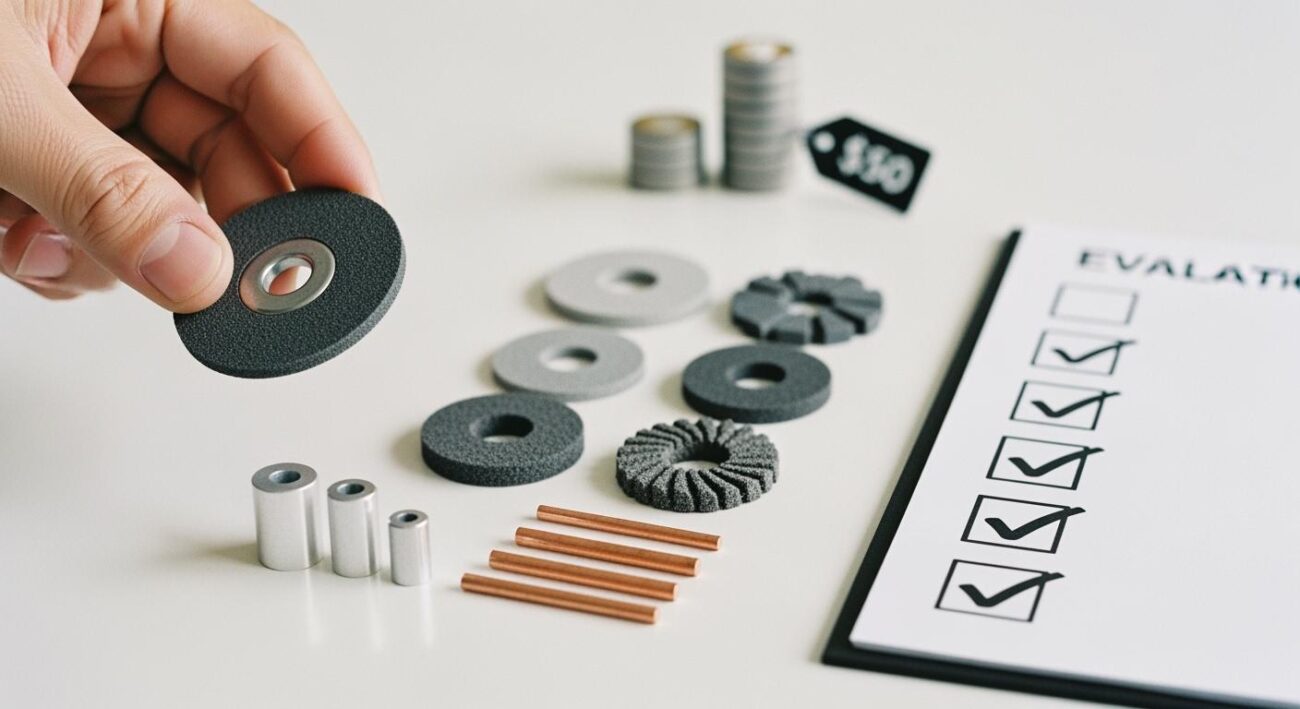
Consider the long-term value of your grinding wheel. Sometimes, a wheel with a higher price lasts longer and saves you money over time. Do not focus only on the initial cost. Look at how much you will save on wheel changes and downtime.Talk to an Expert
Speak with a grinding wheel specialist. You can share details about your material, machine, and goals. An expert can help you choose a wheel that fits your needs. Aimgrind offers custom solutions and support for aerospace grinding.
📝 Tip: Keep this checklist handy. Review it before every grinding wheel purchase. You will make smarter choices and get better results for your aerospace projects.
You need to match the grinding wheel to your aerospace material for the best results.
- Aerospace alloys demand precise grinding to meet tight tolerances and smooth finishes.
- Using the right wheel, like Aimgrind’s custom diamond wheels, helps control heat and prevents damage.
- Always select the wheel for your specific alloy and application.
Aimgrind’s experts can guide you through complex or high-precision needs. Review your grinding practices and consider advanced cooling methods to improve quality and efficiency. Contact Aimgrind to upgrade your grinding process today.
FAQ
What grinding wheel works best for titanium aerospace parts?
You should use diamond grinding wheels. Diamond wheels cut titanium with high precision and resist loading. Aimgrind offers custom diamond wheels for aerospace applications.
How do you prevent wheel loading when grinding aluminum?
You can select silicon carbide wheels. Use plenty of coolant and dress the wheel often. Aimgrind’s experts help you choose the right wheel and process.
Can you use diamond wheels for both wet and dry grinding?
Yes, you can use diamond wheels for wet and dry grinding. Wet grinding improves cooling and surface finish. Aimgrind’s diamond wheels work well in both conditions.
How do you know which grit size to choose?
You should pick fine grit for smooth finishes and coarse grit for fast material removal. Aimgrind can help you match grit size to your aerospace material and process.
Contact Us
For More Grinding Solution or Customized Abrasive Tools