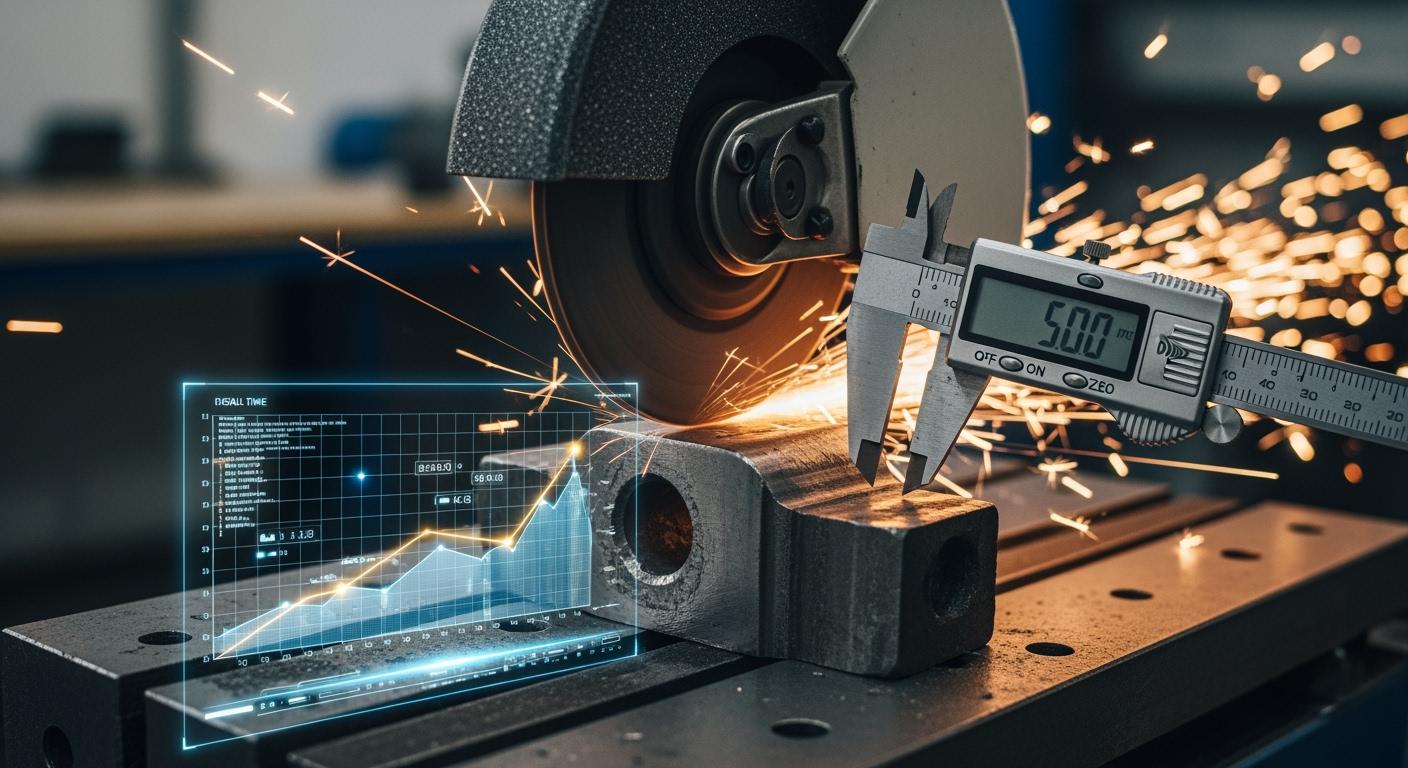
A quick evaluation of your new grinding wheel is essential for safety and efficiency. You can perform these simple quality checks without expensive tools. Making this a routine prevents costly mistakes and ensures excellent grinding wheel performance. The right grinding wheel removes material faster, directly boosting your productivity. This professional habit guarantees high-quality results from the very first use.
Key Takeaways
- Choose the right grinding wheel for your material. Different materials need different types of wheels to work best.
- Always check your new grinding wheel for damage. Look for cracks or chips before you use it.
- Do a “ring test” to find hidden cracks. A good wheel makes a clear sound when tapped.
- Make sure the wheel fits your grinder correctly. A loose or tight fit can be dangerous.
- Test the wheel for one minute before grinding. This helps check for problems and keeps you safe.
Choosing the Right Wheel for Optimal Grinding Wheel Performance
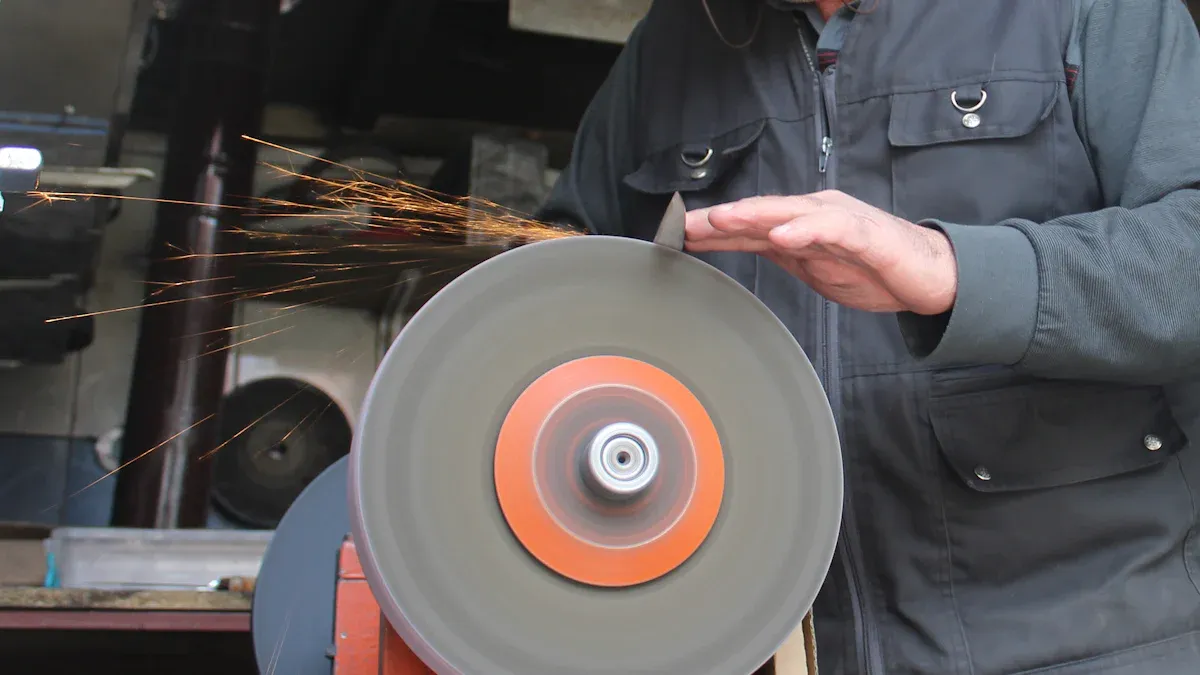
Excellent grinding wheel performance starts long before you mount the wheel. You must first choose the right tool for the job. Proper selection is the most critical step in evaluating a new grinding wheel. This initial material and bond verification ensures safety and top-tier results.
Matching Abrasive and Bond to Your Material
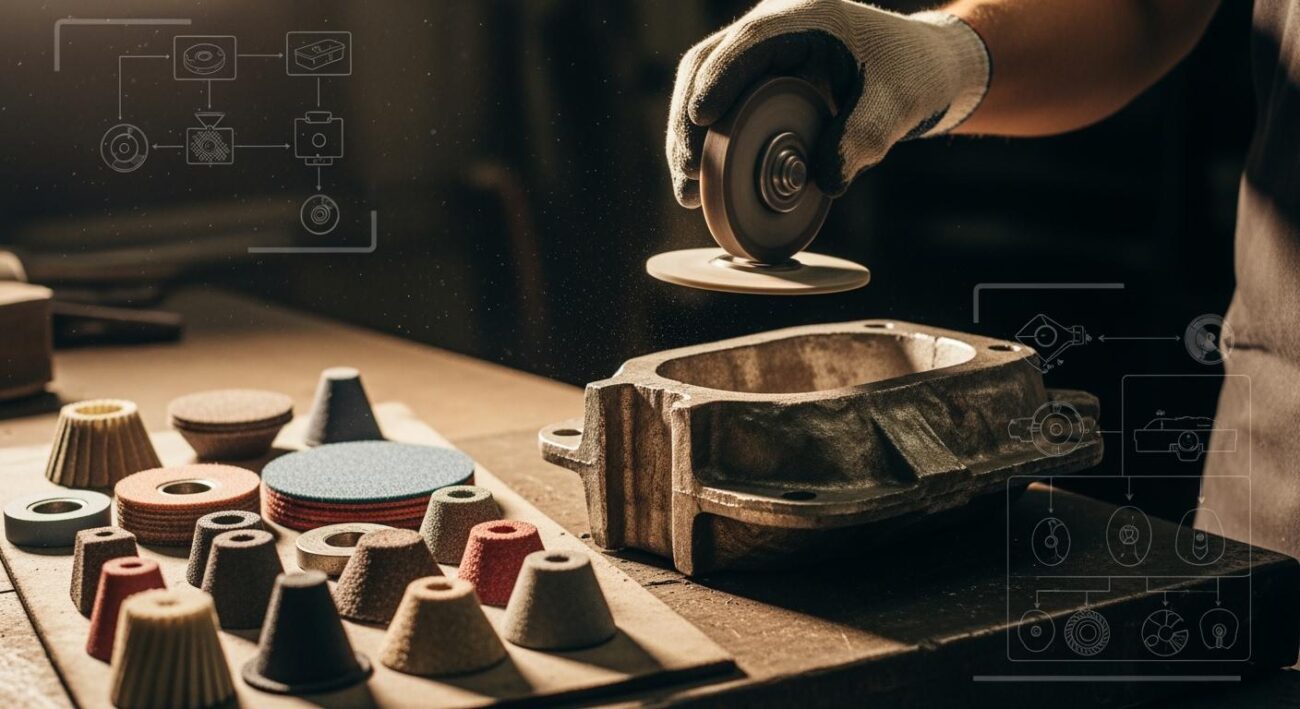
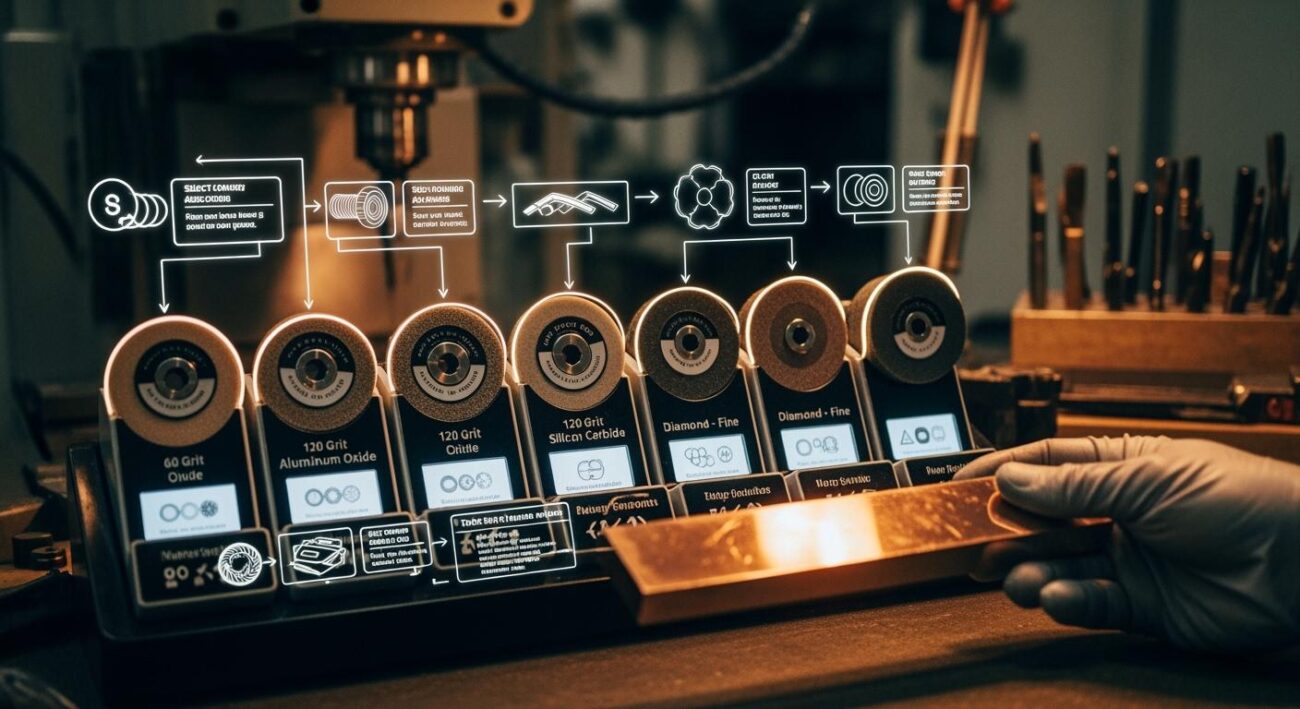
Your workpiece material determines the best abrasive grain and bond type. Using the wrong combination leads to poor results and premature wheel wear. A simple material and bond verification can prevent these issues.
Quick Tip: Abrasives like Aluminum Oxide work well for steels. Silicon Carbide is better for harder or non-metal materials like glass and ceramics.
| Material Type | Recommended Abrasive |
|---|---|
| Steels & Ferrous Metals | Aluminum Oxide |
| Cast Iron & Ceramics | Silicon Carbide |
| Glass & Stone | Silicon Carbide |
| Hardwoods | Zirconia Alumina |
The bond holds the abrasive grains together. Your choice affects the wheel’s cutting action.
- Vitrified Bonds (V) are strong and porous. They are great for fast, heavy-duty grinding.
- Resinoid Bonds (B) offer more flexibility. They are ideal for tasks needing a fine surface finish.
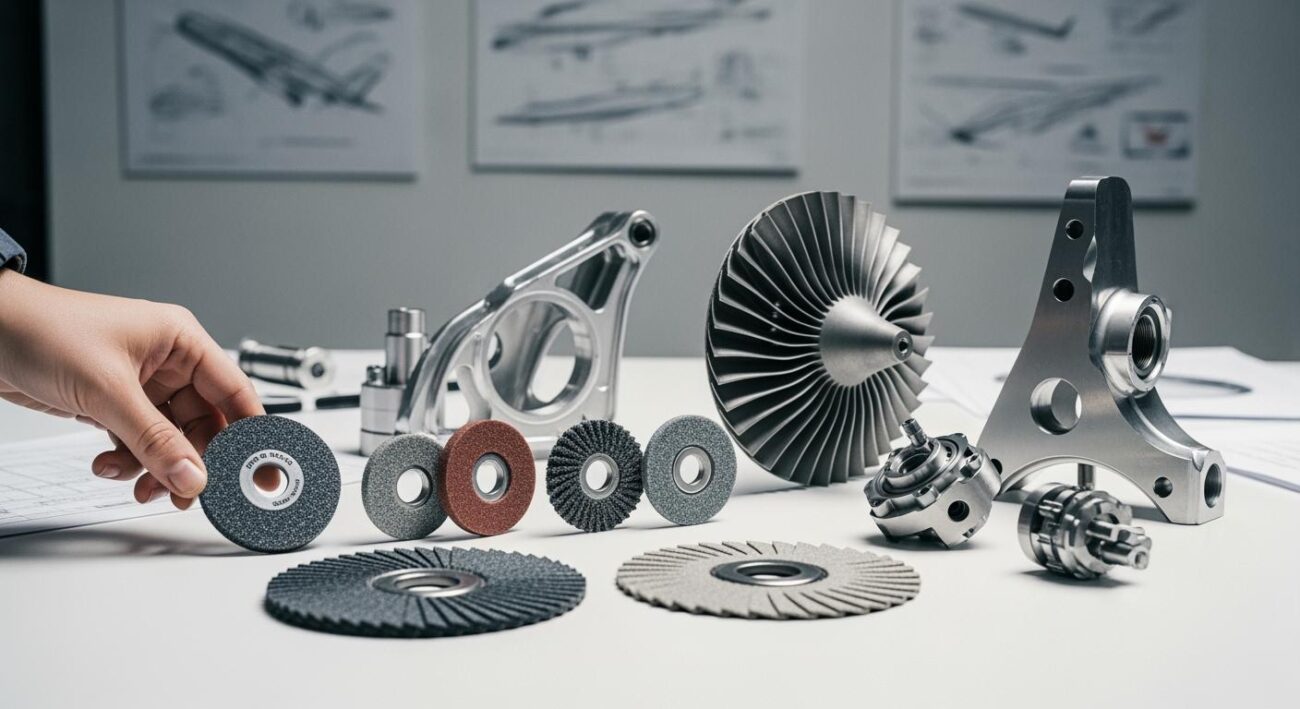
For very hard materials like composites, hard alloys, or ceramics, you need a specialized grinding wheel. Standard wheels will fail to deliver good wheel performance. In these cases, tools like Aimgrind’s diamond grinding wheels are essential for finishing aerospace components or automotive parts. As specialists in customized solutions, Aimgrind excels at this type of problem diagnosis and parameter matching.
Verifying Wheel Specifications for Your Grinder
Every grinding wheel has a code printed on its label. This code tells you everything about its design. Understanding this code is a key part of material and bond verification. For example, a code like A 24 R BF tells you:
- A: The abrasive is Aluminum Oxide.
- 24: The grain size is coarse.
- R: The bond hardness is medium-hard.
- BF: The bond type is Resinoid Reinforced.
You must also check the wheel’s maximum operating speed (RPM) on the label. Never exceed this speed. Ensure the wheel’s arbor hole matches your grinder’s spindle size for a secure fit. This simple check is vital for safe operation and optimal grinding wheel performance.
The Pre-Mounting Visual and Physical Inspection
You have selected the perfect wheel. Now, you must perform a few hands-on quality checks before mounting it. A new grinding wheel can get damaged during shipping or handling. These simple inspections protect you and your equipment from catastrophic failure.
Checking for Cracks, Chips, and Damage
First, you need to give the grinding wheel a thorough visual inspection. Damage is not always obvious, so take your time and check carefully in a well-lit area. Dropping or bumping the wheels during transit can cause hidden flaws.
Look for these specific signs of damage:
- Cracks: Examine the entire surface and sides for any visible cracks. A tiny fracture can cause the wheel to shatter at high speeds. You must discard a wheel if you find any cracks.
- Chips and Flaws: Inspect the edges and corners for chips. These imperfections can cause dangerous vibrations and will result in a poor surface finish.
- Uneven Surface: The wheel’s surface should feel smooth and uniform. Any bumps, distortions, or depressions are signs of a manufacturing defect or damage.
Performing the Ring Test for Internal Integrity
A visual check only shows you surface-level problems. You must also check for hidden internal cracks. The “ring test” is a simple and effective way to do this. It is one of the most important hardness and density tests you can perform by hand.
According to safety standards, “All abrasive wheels shall be closely inspected and ring tested before mounting to ensure that they are free from cracks or defects.”
Follow these steps to perform the test correctly:
- Hold the grinding wheel by placing your finger through the center hole. You can also suspend it on a pin or small rod. Make sure it is dry and clean.
- Use a nonmetallic object, like a plastic screwdriver handle or a wooden dowel, to gently tap the wheel. Tap it about 1-2 inches from the outer edge.
- Listen carefully to the sound it makes. 👂
- A clear, metallic ring means the wheel is sound and safe to use.
- A dull, dead thud indicates a hidden crack or internal flaw.
- Rotate the wheel 45 degrees and tap it again. A healthy wheel will produce a consistent clear ring all the way around. If you hear a dull sound at any point, do not use the wheel. This is one of the most reliable hardness and density tests for structural integrity.
Confirming Dimensions and Fit on the Spindle
The final pre-mounting step is to confirm the wheel fits your grinder’s spindle correctly. The arbor hole of the wheel should slide onto the spindle snugly, without being too tight or too loose.
- A loose fit can cause the wheel to wobble, leading to vibration, chatter, and a poor surface finish.
- A tight fit requires you to force the wheel onto the spindle. This can crack the wheel and create dangerous stress points.
Always use the paper washers, called blotters, that come with a new grinding wheel. These blotters serve a critical purpose. They cushion the wheel from the metal mounting flanges, distribute clamping pressure evenly, and help dampen vibrations. Never mount a wheel without them. These final quality checks ensure your tool operates safely and performs at its best from the very first spin.
The Trial Grind: Final Performance Testing
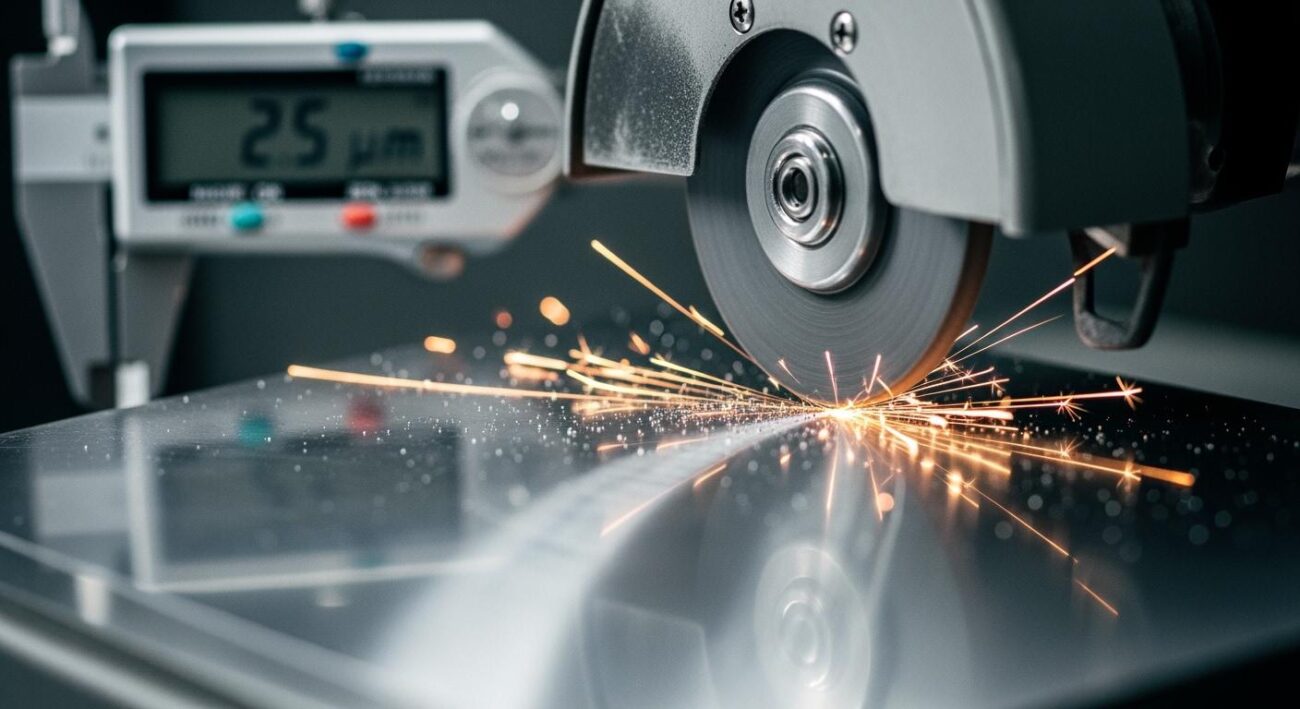
You have selected and inspected your new grinding wheel. Now it is time for the final evaluation: the trial grind. This crucial stage of performance testing confirms the wheel works safely and effectively on your machine. You will observe the wheel in action and analyze the results on a test piece.
The Critical One-Minute Spin-Up Safety Check
Before the grinding wheel touches any material, you must perform a one-minute spin-up test. This is a critical safety check. First, ensure all guards are securely in place. Then, stand to the side of the grinder, never in front of it. Turn on the machine and let the wheel run at its full operating speed for at least one minute.
Safety First! ⚠️ This test allows you to:
- Check for any balance issues or defects in the newly mounted wheel.
- Warm up the wheel, which helps prevent thermal cracking when you start grinding.
An improperly mounted or defective wheel will often fail during this initial spin-up. This simple step helps you identify potential problems early and prevents unexpected failure under load.
Observing for Vibration and Imbalance
During the spin-up test, pay close attention to vibration. A smooth, quiet hum is normal. However, excessive shaking or loud noises signal a problem. Vibration can come from several sources:
- An unbalanced grinding wheel with uneven mass distribution.
- An error during installation that causes eccentricity.
- A bent shaft or an imbalance in the grinder’s spindle.
- Coolant absorption that makes one side of the wheel heavier.
If you detect significant vibration, stop the machine immediately. You may need to correct the imbalance. A common method involves using balance weights. You can identify the wheel’s heavy side and place weights on the adapter to counteract it. By carefully adjusting these weights, you can achieve a smooth rotation and improve overall wheel performance.
Evaluating Cutting Action and Surface Finish
After the safety checks, you can begin the final performance testing on a scrap piece of material. This trial grind provides concrete data on whether the wheel is performing as expected. You should focus on three key performance indicators (KPIs).
Material Removal Efficiency
A good wheel removes material quickly and easily. You can measure this by calculating the Material Removal Rate (MRR). A simple way to do this is to weigh your test part, grind it for a specific time, and then weigh it again. The amount of weight removed over time tells you how efficiently the wheel is cutting. A higher MRR often means better grinding wheel performance.Quality of the Surface Finish
Next, inspect the surface finish on the workpiece. The result should match your project’s requirements. A good surface finish will look and feel smooth, while a poor one may have visible defects. This visual check gives you immediate feedback on the surface quality.
| Feature | Good Surface Finish | Poor Surface Finish |
|---|---|---|
| Visual Look | Smooth, often with a polished appearance | Dull, with visible lines or patterns |
| Pitting | Little to no micropitting | Obvious pits and scuff marks |
| Roughness | Substantially reduced and uniform | Higher and inconsistent |
For a quick assessment, you can use a surface comparator to visually compare your workpiece against standard reference profiles. This helps you judge the surface finish more objectively.
-
Signs of Premature Wheel Wear Finally, examine the grinding wheel itself. Look for signs of glazing or loading.
- Glazing occurs when the abrasive grains become dull and the wheel surface gets slick. A key sign is when ceramic dust from the material embeds into the wheel, creating a smooth, glassy layer that reduces cutting ability.
- Loading happens when material chips clog the wheel’s pores. This is common with soft materials.
If you notice either of these issues during a short trial, the wheel may be too hard for your material or your parameters may be incorrect.
You can guarantee excellent grinding wheel performance by following a few simple steps. Proper selection, hands-on quality checks, and a monitored trial run are your keys to success. These routines protect you and your equipment, ensuring a consistent surface finish. Starting with a high-quality grinding wheel from a provider like Aimgrind makes the process more reliable. A tailored grinding wheel boosts efficiency, delivering a superior surface finish and a quality surface finish for an excellent final surface finish.
FAQ
Can I still use a wheel with a small chip?
No, you should never use a damaged wheel. Even a small chip or crack can cause the wheel to break apart at high speed. This creates a serious safety hazard. Always discard a wheel if you find any damage during your inspection.
What if my wheel fails the ring test?
A wheel that fails the ring test has a hidden internal crack. You must not use it. A dull thud means the wheel is unsafe and could shatter during operation. Always choose a new, undamaged wheel that produces a clear ring.
What causes a wheel to glaze over?
Glazing happens when the wheel’s abrasive grains become dull. This often means the wheel is too hard for your material, or your grinding speed is too high. The wheel stops cutting and starts rubbing, creating a smooth, glassy surface.
How can I get a better surface finish?
You can improve your surface finish by choosing a wheel with a finer grit size. Also, make sure your wheel is balanced and running smoothly. Regularly dressing the wheel exposes fresh, sharp abrasive grains, which helps create a smoother result.
What wheel should I use for hard materials like ceramics?
For very hard materials, you need a superabrasive wheel. Aimgrind’s diamond grinding wheels are designed for this purpose. They cut efficiently and provide a superior finish on materials like ceramics, composites, and hard alloys where standard wheels fail.
Expert Tip: If you are unsure about the right wheel, consult a specialist. Experts like Aimgrind can help you match the perfect wheel to your material and machine for optimal performance.