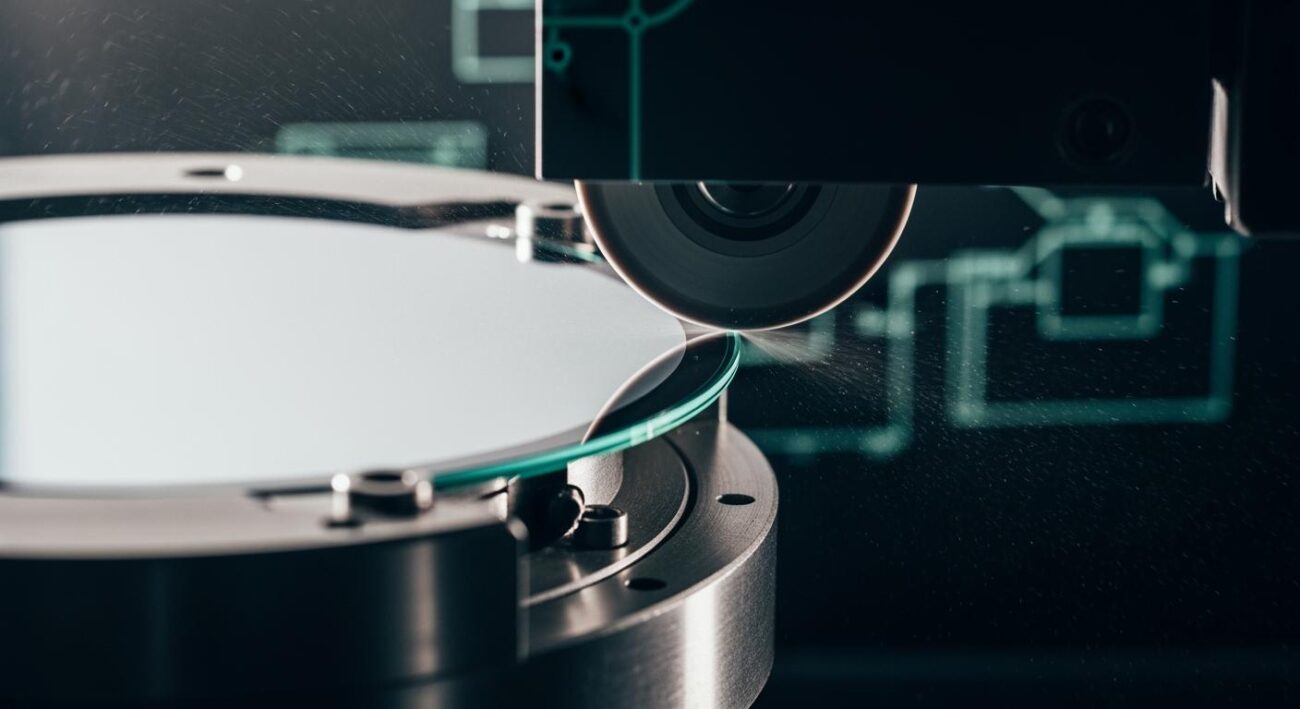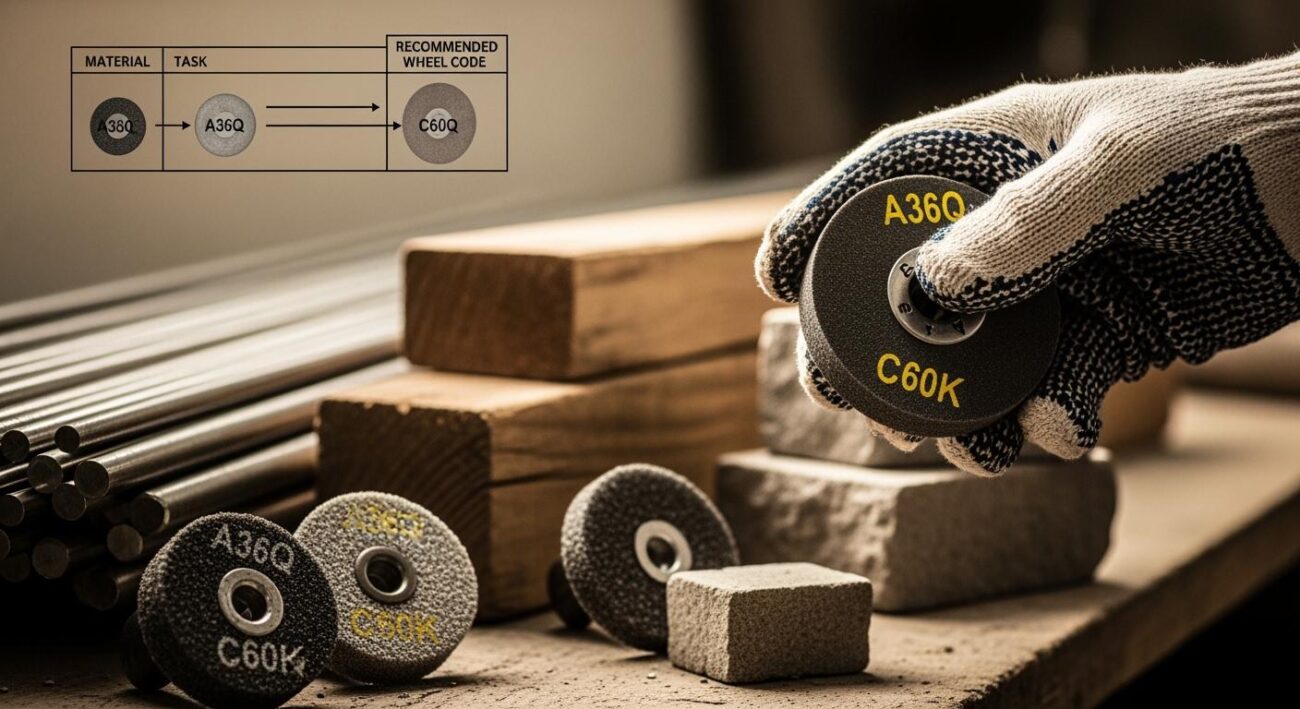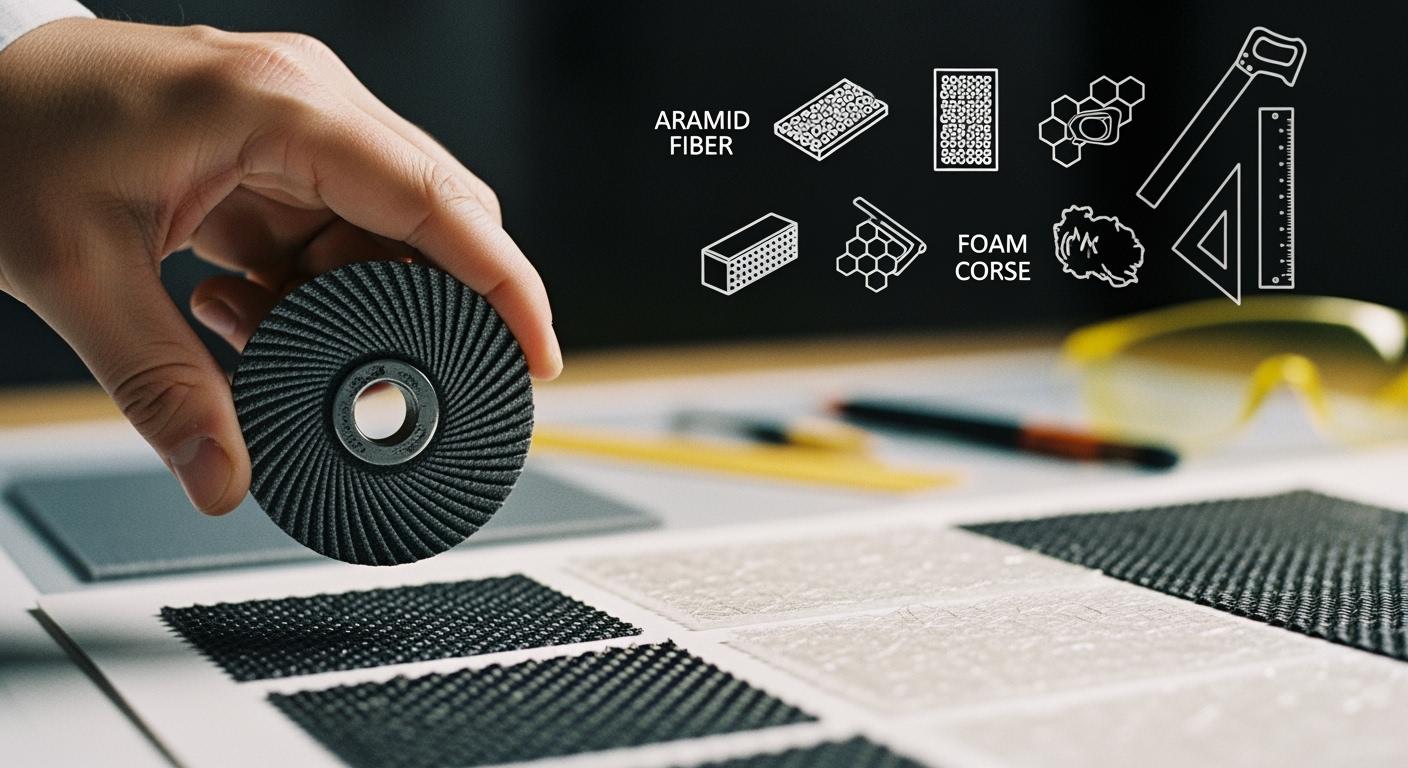
You need to choose the right grinding wheel by matching the abrasive type, grit size, bond, and shape to your composite material and application. This choice improves grinding performance, safety, and cost. The table below shows how each factor affects your results:
| Factor | Impact on Grinding Performance and Safety |
|---|---|
| Abrasive Type | Affects removal rates and finish quality |
| Grit Size | Impacts smoothness and material removal efficiency |
| Bond Material | Changes durability and wheel performance |
| Wheel Shape | Improves grinding effectiveness and safety |
A careful selection can also reduce your costs by lowering wheel replacements, improving workpiece quality, and increasing productivity. Aimgrind uses years of expertise to design customized grinding solutions for composites.
Key Takeaways
- Identify your composite material before selecting a grinding wheel. Understanding material properties ensures better performance and finish.
- Choose the right abrasive type for your application. Different abrasives affect material removal rates and surface quality.
- Match grit size to your desired finish. Coarse grits remove material quickly, while fine grits provide a smoother surface.
- Select the appropriate bond type for your grinding needs. Resin, metal, and vitrified bonds each have unique advantages for different applications.
- Consider practical factors like wheel size, machine compatibility, and coolant use. These elements impact grinding efficiency and safety.
Material Type Determines Grinding Wheel Type
Identifying Composite Material Properties
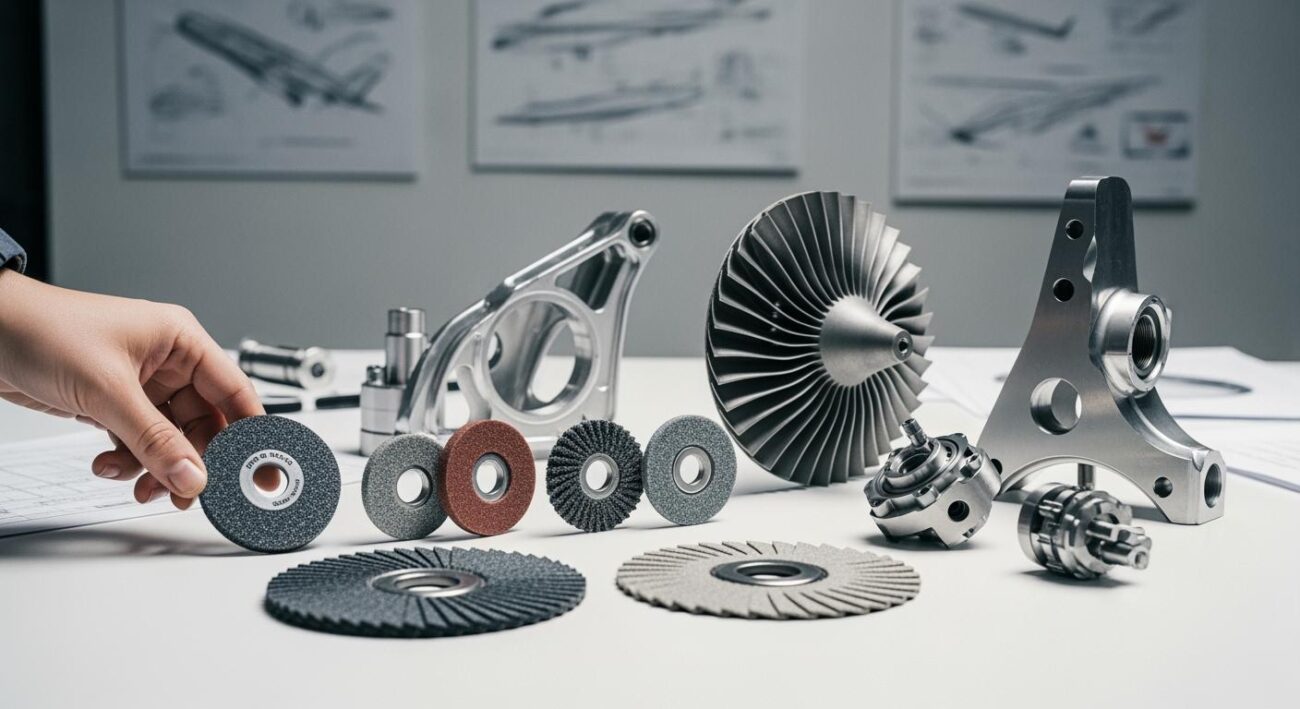
You need to start by understanding the type and properties of workpiece before choosing a grinding wheel. Composite materials come in many forms. Some of the most common materials to be ground include:
- Fiberglass: Used in cars and sports equipment.
- Ceramic Matrix Composites (CMCs): Found in aerospace parts because they handle high temperatures.
- Fiber Matrix Composites (FMCs): Used in wind turbines and boats for their strength and light weight.
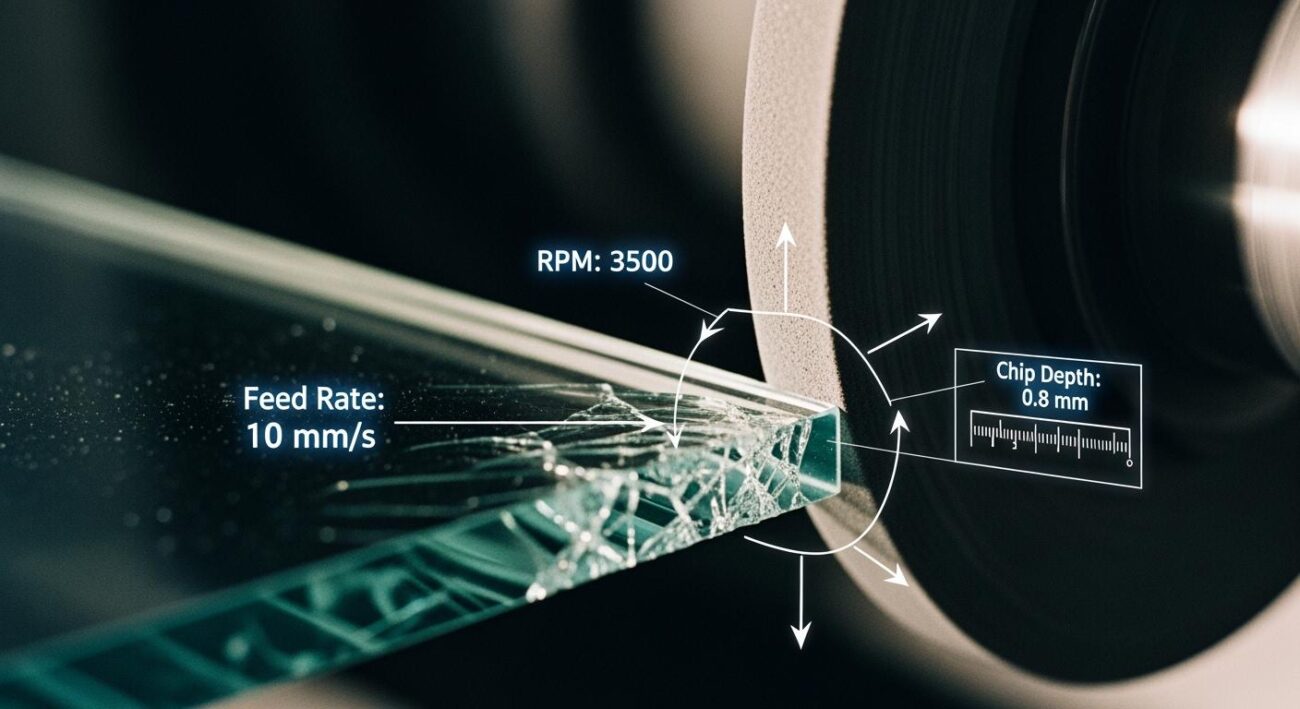
Each material type determines grinding wheel type. For example, composites with glass, carbon, or aramid fibers can wear down conventional abrasives quickly. These materials often cause fiber pull-out or delamination during grinding. You must consider these challenges when selecting the shape of the grinding wheel and compatible grit size.
Aimgrind offers diagnostic services to help you identify the material to be ground. Their experts analyze the type and properties of workpiece and recommend the best grinding solution. Aimgrind’s parameter matching services ensure you get a grinding wheel that fits your process and equipment.
Matching Wheel to Material Hardness and Brittleness
You must check the hardness of the material and its brittleness before grinding. Different composites need different grinding wheels. You can use several methods to test hardness:
| Hardness Testing Scale | Description |
|---|---|
| Brinell | Measures indentation diameter, good for large materials. |
| Rockwell | Quick and direct, works for many materials. |
| Vickers | Measures diagonal of indentation, fits all materials. |
| Knoop | Best for brittle materials, measures long diagonal. |
You should polish uneven surfaces to improve measurement accuracy. Adjust lighting to see the contrast between composite parts. Use lighter loads for brittle materials to avoid cracks.
When you grind hard and brittle composites like CMCs, diamond grinding wheels work best. These wheels last longer and give a better finish. For deep grinding, you may need metal bond or hybrid bond wheels. The shape of the grinding wheel and compatible grit size also affect performance and surface quality.
Aimgrind’s parameter matching services help you select the right diamond grinding wheels for your material to be ground. Their team focuses on vibration control, burn prevention, and wheel lifespan. You get a grinding wheel that matches your needs and improves your results.
Tip: Always match the grinding wheel to the hardness and brittleness of your composite. This step helps you avoid damage and get a smoother finish.
Types of Grinding Wheels for Composites
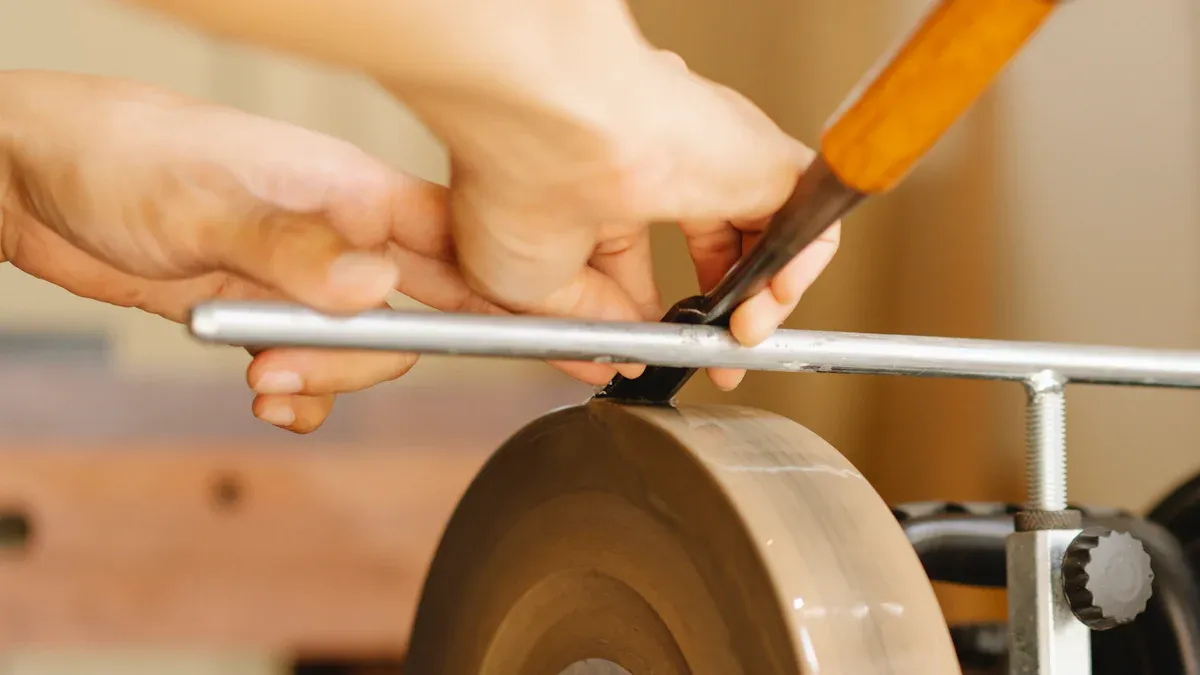
Aluminum Oxide, Silicon Carbide, Diamond
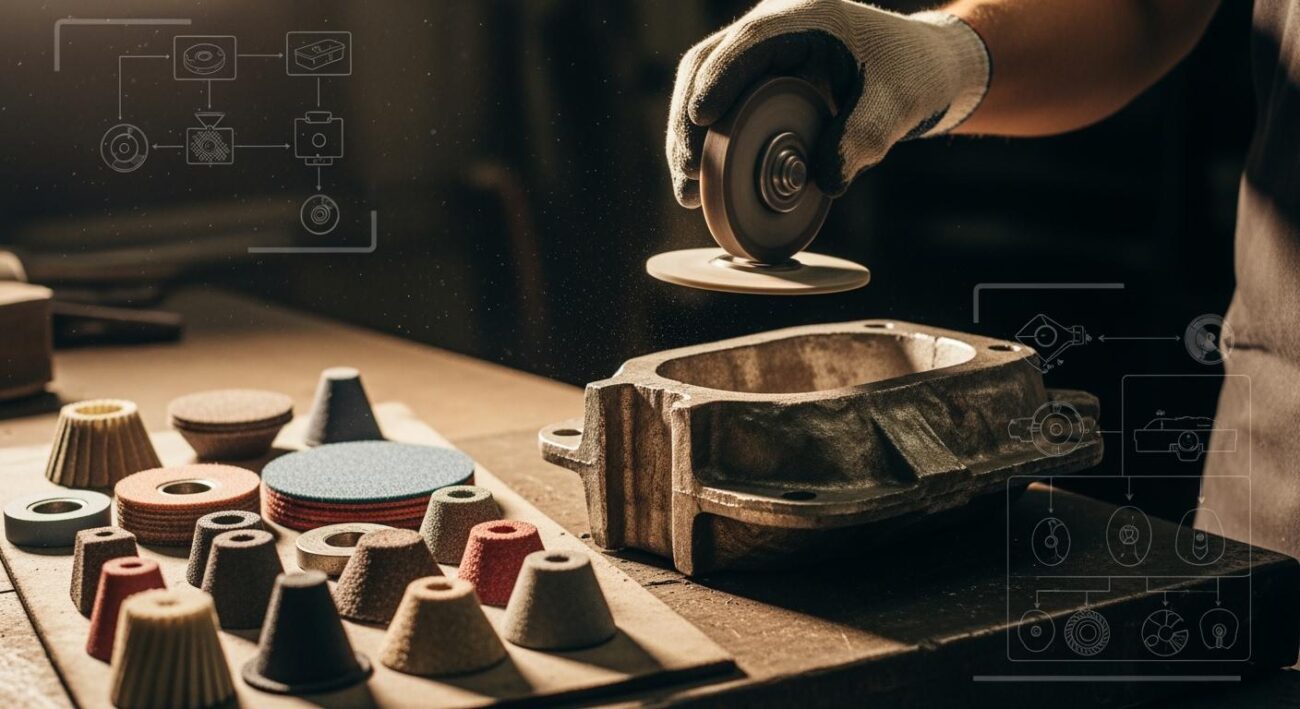
You will find several types of grinding wheels when working with composites. Each type has unique features that affect the surface and finish of your workpiece. Understanding these important factors helps you choose the right tool for your job.
Here is a table to show which abrasive works best for different materials:
| Abrasive Type | Best Suited For |
|---|---|
| Aluminum Oxide | Low-tensile steels and ferritic cast irons |
| Silicon Carbide | Metals, rough materials, and wood refinishing |
| Diamond | Very hard materials, including carbide and hardened steel |
Aluminum oxide grinding wheels work well for strong metals. You can use them for low-tensile steels and cast irons. Silicon carbide wheels are good for soft metals and rough materials. They also help with wood refinishing. Diamond wheels are the best choice for very hard materials. You will get a smooth surface and a fine finish when you use them on glass, ceramics, or carbide.
When you select a grinding wheel, you must think about the finish you want. Some wheels remove material quickly but leave a rough surface. Others give a smooth finish but work slower. These important factors help you decide which wheel to use.
Aimgrind Diamond Grinding Wheels for Precision
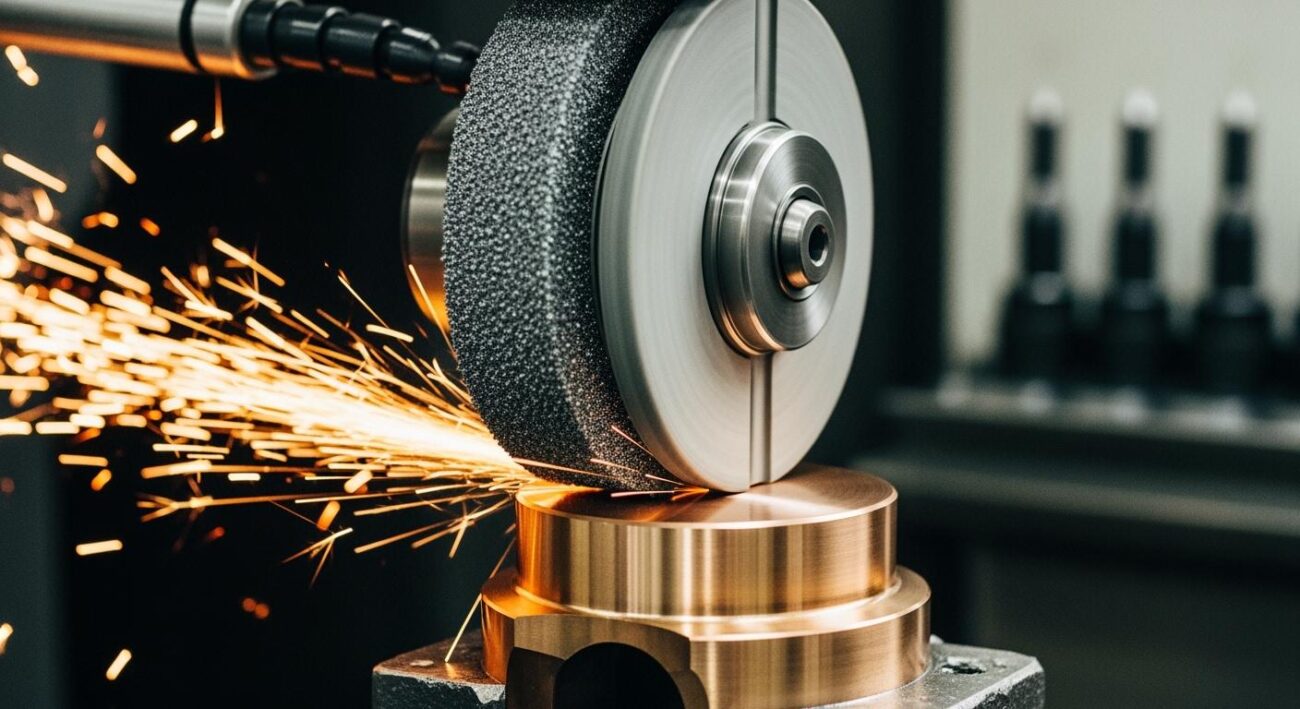
You need high precision and a perfect finish when grinding composites. Aimgrind diamond grinding wheels give you both. These wheels use advanced technology to keep their shape and sharpness. You can use them for both wet and dry grinding. They work well on hard and brittle materials.
Aimgrind diamond wheels have a strong bond and a special design. This design helps remove chips and keeps the grinding temperature low. You get a better surface and avoid burns or cracks. These wheels last longer and need fewer changes, which saves you time and money.
Tip: For the best finish and surface quality on composites, choose Aimgrind diamond grinding wheels. You will see better results and higher productivity.
You should always consider the types of grinding wheels, the finish you need, and other important factors before making your choice.
Choose the Right Grinding Wheel: Grit & Bond
Grit Size for Finish and Speed
You need to choose the right grinding wheel by understanding grit size. Grit size tells you how coarse or fine the abrasive particles are on the wheel. Coarse grit sizes remove material quickly. Fine grit sizes give you a smoother finish. If you want to increase the material removal rate, use a coarser grit. For example, a 100 grit wheel works well for heavy stock removal and fast grinding. This helps when you need to shape a part quickly or remove a lot of material.
If you want a fine surface on carbon fiber composites, you should use a finer grit. Finer grits, such as 800, 1000, 1500, or even 2000, help you achieve a smooth finish. These sizes are best for sanding and polishing. You can see the recommended grit sizes for fine finishing in the table below:
| Grit Size | Purpose |
|---|---|
| 800 | Fine sanding |
| 1000 | Fine sanding |
| 1500 | Fine sanding |
| 2000+ | Fine sanding (for smoother surface) |
When you choose the right grinding wheel, think about your goal. If you want speed and a high material removal rate, pick a coarse grit. If you want a smooth surface, pick a fine grit. Finer grit sizes, such as 400 and above, are also used for superfinishing and for strict geometric tolerances. This is important for precision grinding, where you need a perfect surface.
Tip: Start with a coarse grit for fast material removal, then switch to a finer grit for the final finish. This method gives you both speed and quality.
Aimgrind offers custom grit size selection. You can match the grit size to your specific composite and application. This helps you get the best grinding wheel performance for your needs.
Bond Types: Resin, Metal, Vitrified
The bond type holds the abrasive particles together in the grinding wheel. You must choose the right grinding wheel bond to match your material and process. The three main bond types are resin, metal, and vitrified. Each bond type has unique features that affect performance, material removal rate, and surface quality.
Here is a comparison of the main bond types:
| Bond Type | Advantages | Limitations | Applications |
|---|---|---|---|
| Vitrified | Excellent heat resistance, low grinding force, superior shape retention | Not suitable for flexible grinding; more brittle than resin or metal bonds | Ideal for precision grinding of hard and brittle materials like semiconductors, ceramics, and tungsten carbide |
| Resin | Smooth surface finish, self-sharpening properties, lower cost | Lower thermal resistance and shorter lifespan compared to vitrified and metal bonds | Suitable for general-purpose grinding, including carbide tools, glass, and composites |
| Metal | Long life, excellent form-holding, high material removal rate | Generates more heat and may require dressing to maintain sharpness | Commonly used for grinding hard materials like sapphire, ceramics, and stone |
Resin bonds use polymer-based materials. They give you flexibility and a smooth surface finish. This is important when you grind composites and want to avoid scratches. Resin bonds also have self-sharpening properties. They are cost-effective and work well for general-purpose grinding.
Metal bonds are very durable. They hold their shape and last a long time. You should use metal bonds for rough grinding and when you need a high material removal rate. These wheels are good for aggressive grinding jobs. They may generate more heat, so you need to watch the temperature.
Vitrified bonds are rigid and stable at high temperatures. They give you excellent shape retention and low grinding force. You should use vitrified bonds for precision grinding of hard and brittle materials. These wheels are not as flexible as resin or metal bonds, but they give you the best results for tight tolerances.
Note: A softer bond is better for hard materials because it exposes new sharp points as you grind. A harder bond works well for softer materials and helps the wheel last longer.
Aimgrind lets you customize the bond type for your grinding wheel. You can choose the right grinding wheel bond for your composite and application. Aimgrind’s customization options go beyond industry standards. You get a wheel that matches your performance needs, not just a standard product.
| Feature | Aimgrind Customization | Industry Standards |
|---|---|---|
| Grit Selection | Tailored to specific performance needs | Standardized for general applications |
| Bond Type | Customizable based on unique requirements | Typically fixed for common uses |
| Application Flexibility | High-volume and specialized applications | Limited to standard applications |
When you focus on grit size and bond type, you can choose the right grinding wheel for your composite. This helps you control the material removal rate, improve grinding performance, and get the finish you want. Aimgrind’s experts can help you select the best combination for your job.
Choosing a grinding wheel with the right grit size and bond type is the key to better results and longer wheel life.
Best Grinding Wheel: Practical Considerations
Wheel Size, Machine Compatibility, Coolant Use
You need to look at several practical factors before you choose the best grinding wheel for composites. Start by checking the size of the grinding wheel. The right size depends on your machine and the part you want to grind. If you use the wrong size, you can damage your equipment or get poor results.
Think about these points when you select a grinding wheel:
- Material properties: Harder composites need superabrasives like diamond or CBN.
- Wheel design: Shape and thickness affect how the wheel cuts.
- Performance needs: Fast removal or fine finish? Choose the best grinding wheel for your goal.
- G ratio: This tells you how much material you remove compared to wheel wear.
- Wheel speed: Make sure your machine can handle the speed of superabrasive grinding wheels.
- Coolant delivery: Good coolant flow keeps the wheel cool and prevents loading.
- Core material: Lighter wheels reduce machine stress.
- Cost: Superabrasives cost more at first but last longer.
Coolant plays a big role in grinding. It helps your grinding wheel last longer by reducing heat and wear. Coolant also gives you a better finish by washing away grit and chips. Neat oil coolants work best for superabrasives because they give a smoother surface than water-based coolants.
Aimgrind offers sample optimization. You can test different superabrasive grinding wheels to see which one fits your machine and process. Their team helps you match the best grinding wheel to your needs.
Safety and Cost Factors
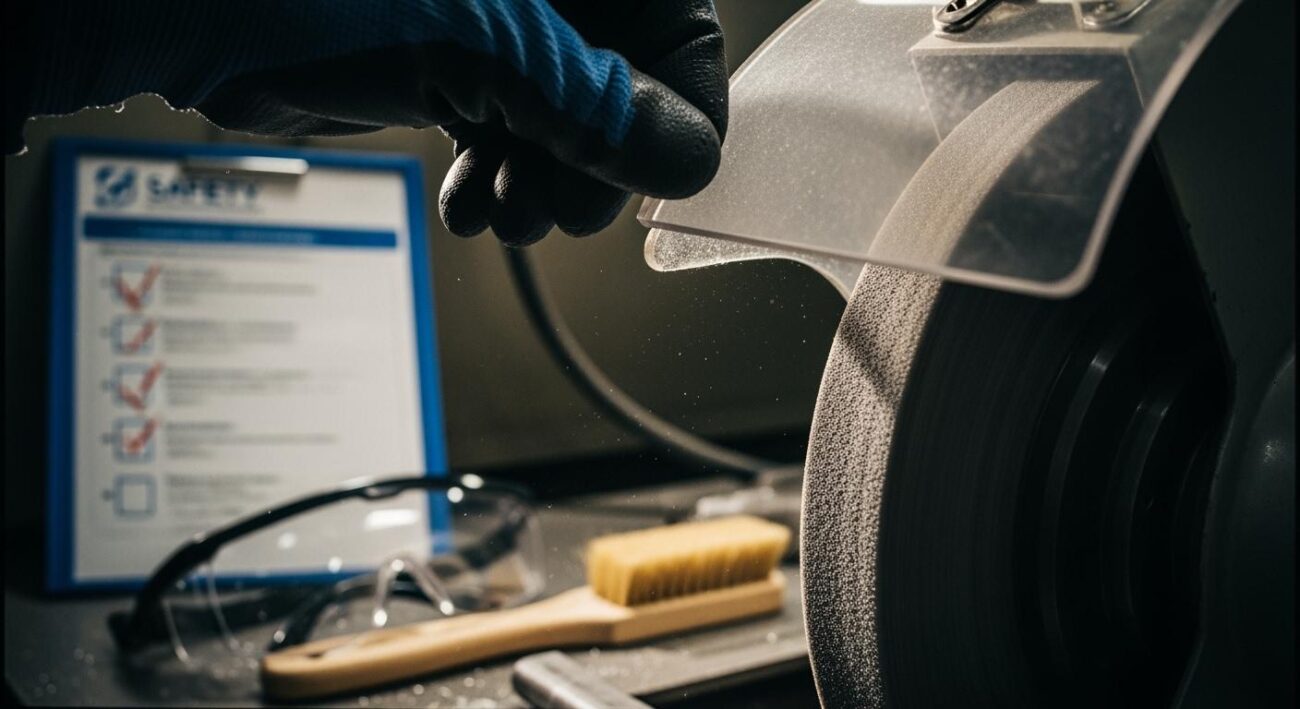
You must think about safety when you use the best grinding wheel for composites. Grinding can create dust, noise, and vibration. The table below shows common hazards and how to stay safe:
| Safety Hazard | Description | Mitigation Strategy |
|---|---|---|
| Airborne Particles | Dust from composites and abrasives | Use the right wheel, good ventilation, and dust control |
| Vibration | From tool use and wheel imbalance | Pick wheels that reduce vibration and use ergonomic tools |
| Physical Injury | From damaged wheels or wrong use | Use high-quality wheels and follow safety training |
| Noise | Loud grinding sounds | Choose quiet wheels and wear hearing protection |
Cost matters too. Superabrasive grinding wheels like diamond types cost more at first. They last much longer than regular wheels. Over time, you save money because you change wheels less often. Reports show that diamond wheels can last up to 20 times longer than standard wheels.
You should also care about the environment. Some grinding wheels can be recycled. This helps reduce waste and supports sustainability.
Aimgrind gives you a full service process. They help you pick, test, and optimize the best grinding wheel for your job. You get expert advice and support at every step.
Tip: Always match your grinding wheel to your machine, material, and safety needs. This helps you get the best results and keeps your workplace safe.
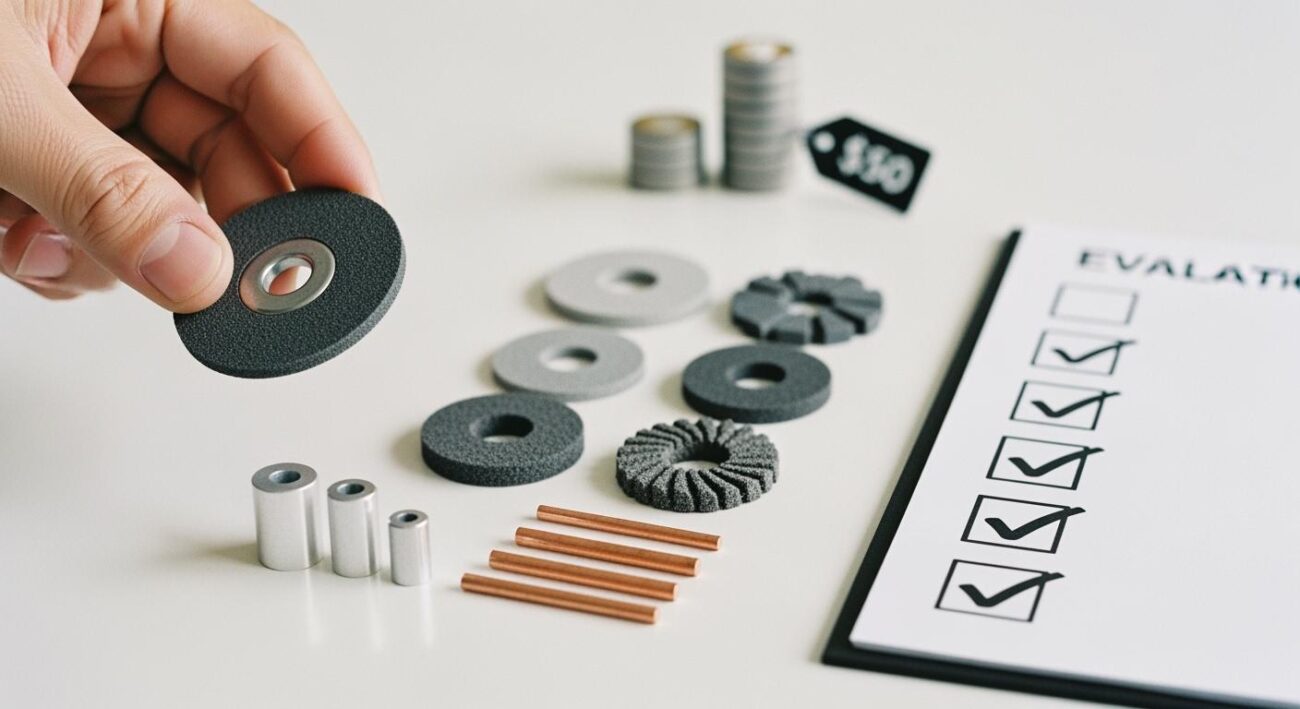
You can choose the right grinding wheel for composites by following these steps:
- Identify your material.
- Select the best abrasive.
- Pick the right grit size.
- Assess the bond system.
- Review your process needs.
Use this checklist for better results:
- Check for strong adhesion.
- Look for a uniform abrasive layer.
- Ensure good heat flow.
- Start with a clean wheel core.
For expert advice and custom solutions, reach out to Aimgrind. You will get support for every grinding challenge.
FAQ
What type of grinding wheel works best for carbon fiber composites?
You should use a diamond grinding wheel for this type of material. This type gives you a smooth finish and reduces fiber pull-out. Always match the type of wheel to your composite for the best results.
How do I know which type of grit size to choose?
You need to decide the type of finish you want. Coarse grit removes material fast. Fine grit gives a smooth surface. Start with a coarse type, then switch to a finer type for polishing.
Can I use the same type of grinding wheel for all composites?
You should not use the same type for every composite. Each type of composite needs a specific type of grinding wheel. Always check the type of material before you pick the type of wheel.
Why does the bond type matter in grinding wheels?
The bond type holds the abrasive in place. You need to match the bond type to your grinding process. Resin bond type works for smooth finishes. Metal bond type lasts longer. Vitrified bond type gives you high precision.
How do I choose the right type of grinding wheel for my machine?
You must check your machine’s size and speed. Pick the type of wheel that fits your equipment. Make sure the type matches your grinding needs and the type of composite you work with.