
How to Eliminate Taper and Size Variation in Bearing Race Grinding

Eliminate taper and size variation in bearing race grinding with precise measurement, process control, and optimized grinding tools.
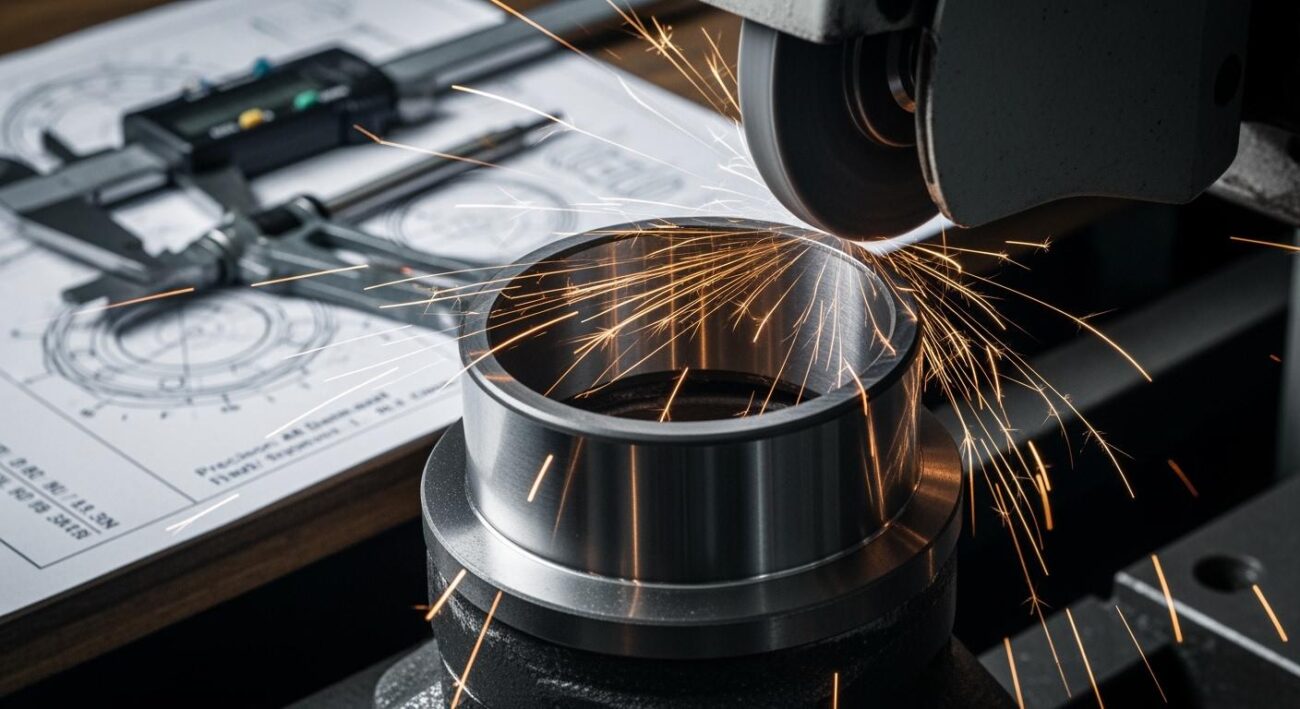
Eliminate taper and size variation in bearing race grinding with precise measurement, process control, and optimized grinding tools.
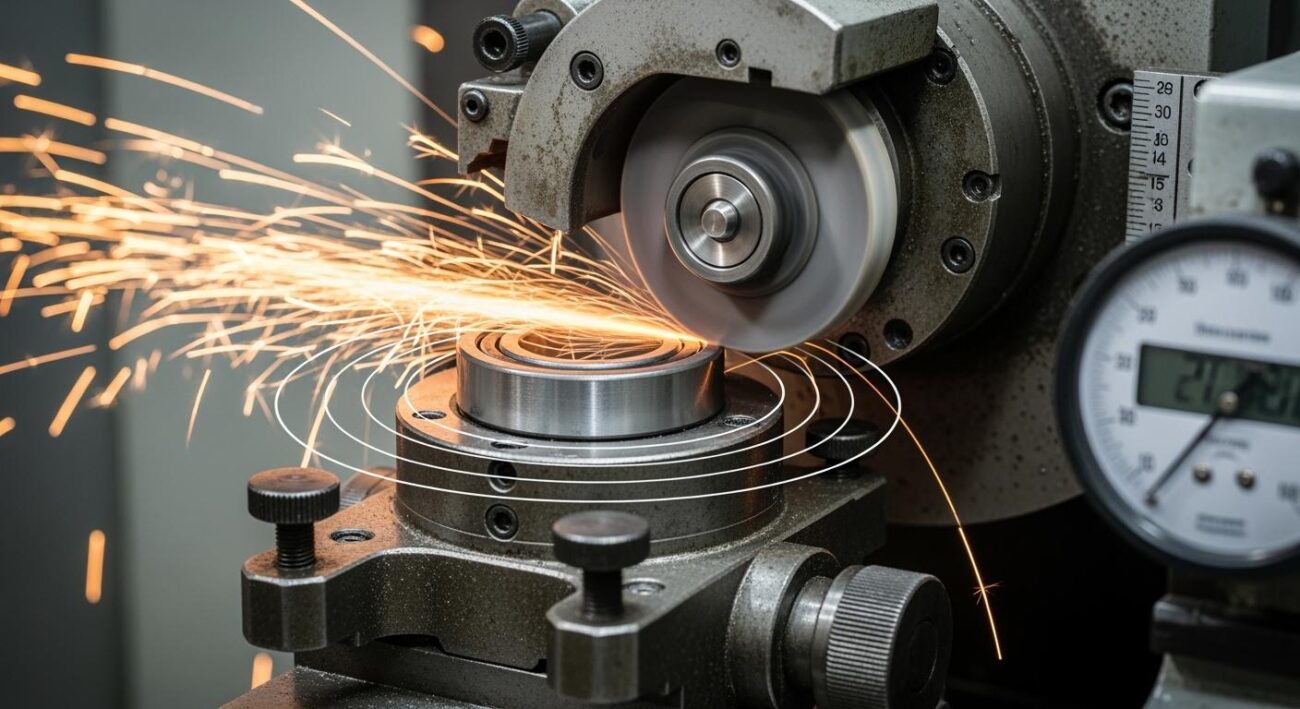
Solve chatter and vibration in bearing ring grinding by adjusting process setup, selecting proper grinding wheels, and ensuring machine stability for better results.
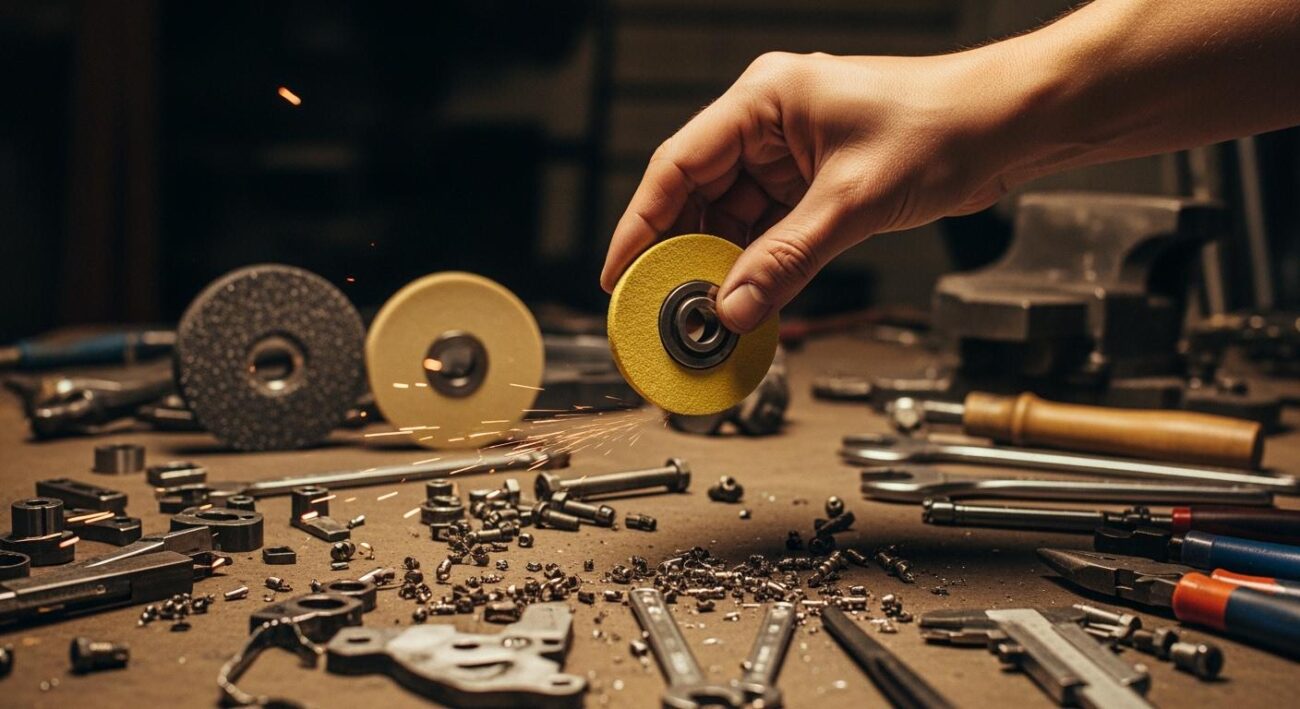
Choose a sulphurized grinding wheel for ferrous metals when you need heat control, smooth finishes, and longer tool life in demanding applications.
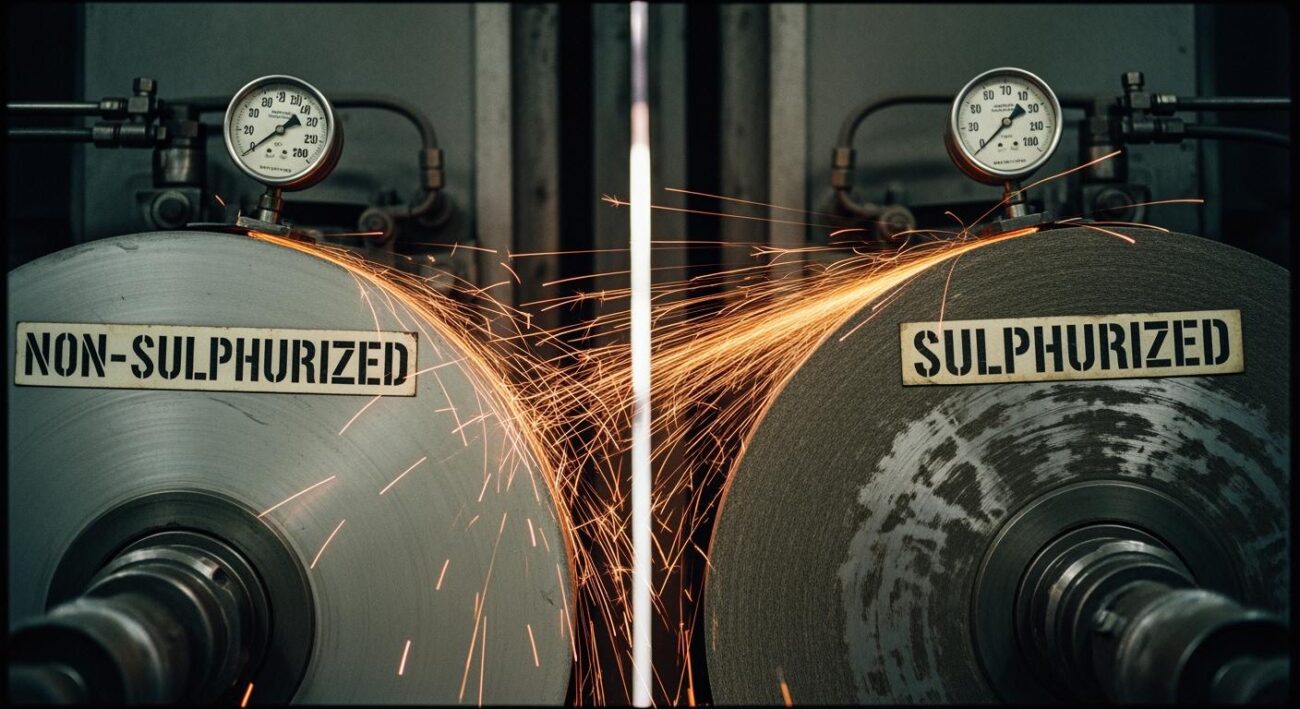
Compare non-sulphurized and sulphurized grinding wheel performance for durability, heat control, and material removal in metalworking and precision jobs.
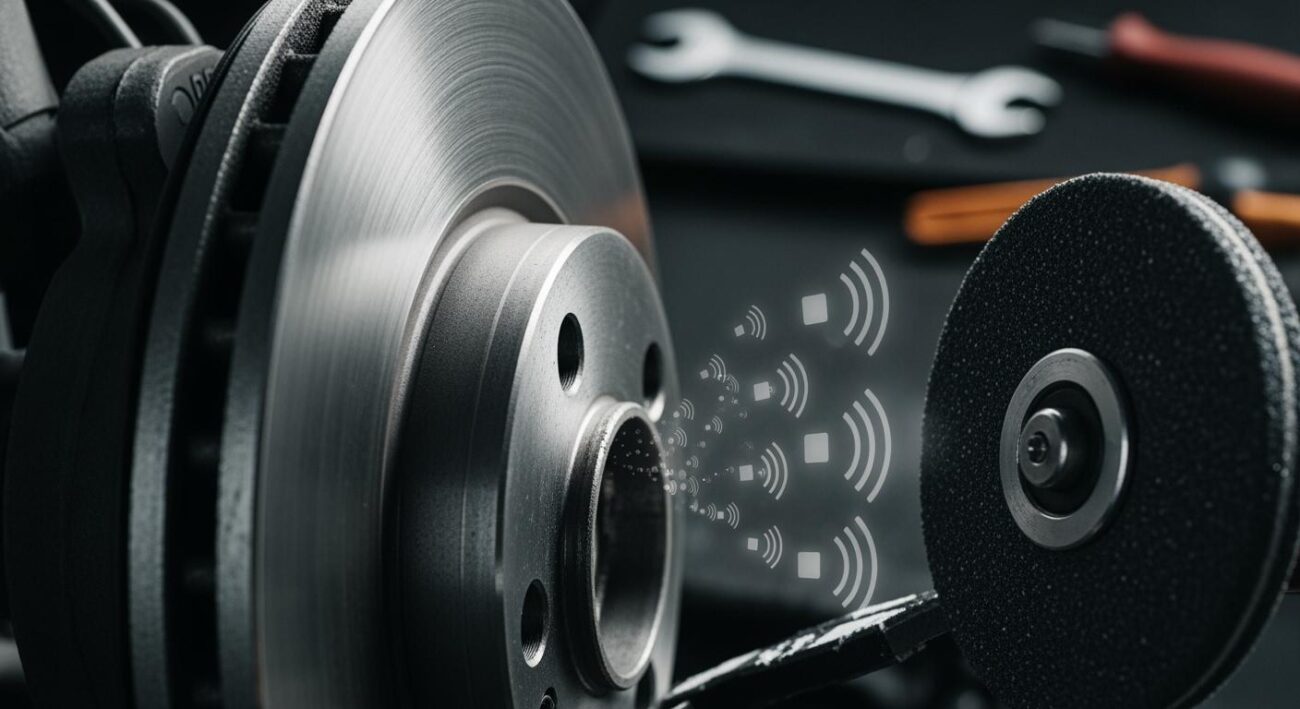
Brake Disc Grinding noise can be reduced by choosing the right grinding wheel material, grit, and bond for quieter, smoother brake disc results.
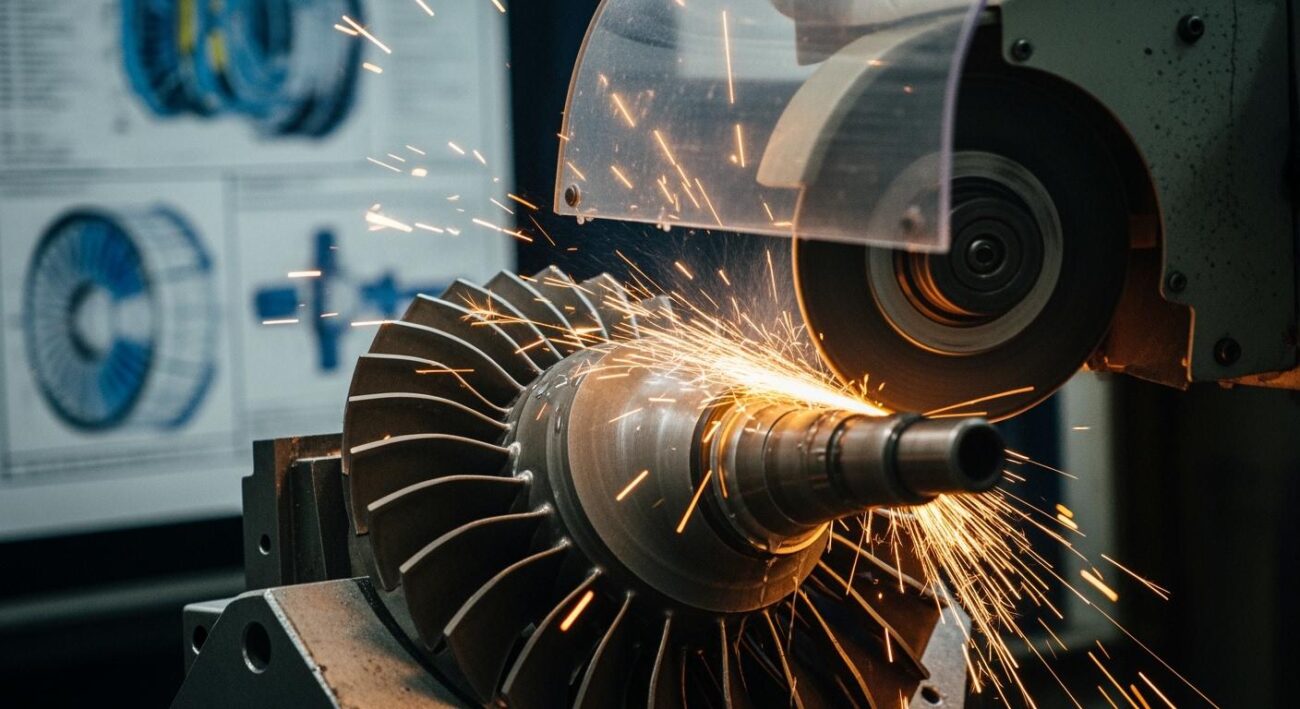
Prevent thermal damage in jet engine component grinding by optimizing parameters, ensuring coolant supply, and selecting the right grinding wheels.
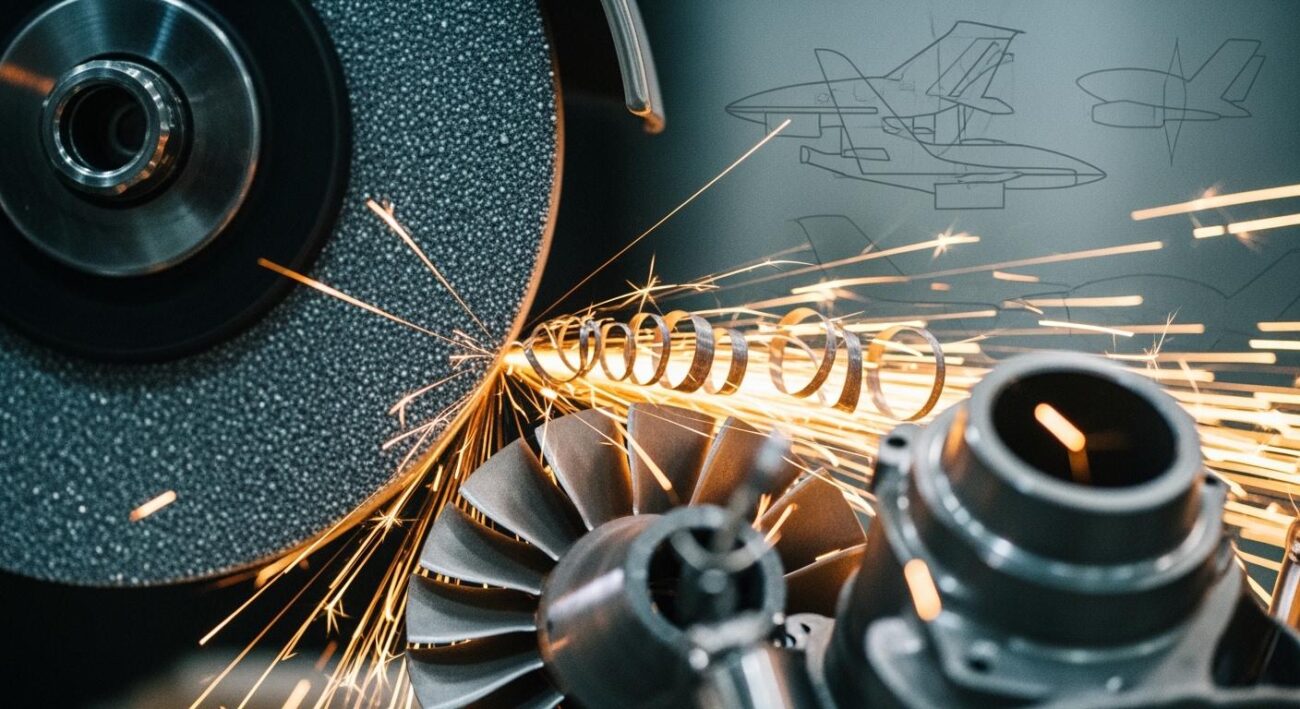
Titanium Alloy Grinding Wheel solutions enhance precision, tool life, and surface quality for aerospace parts, meeting strict manufacturing standards.
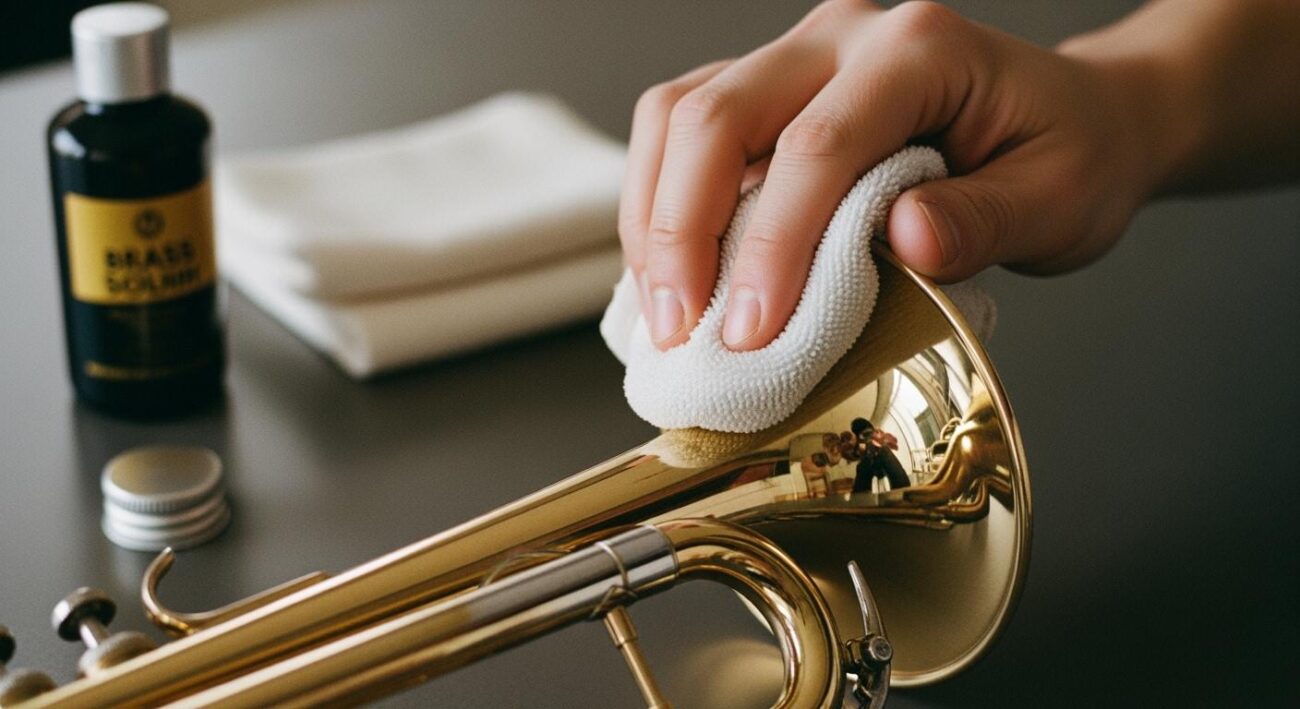
Avoid scratches when polishing brass instruments by using soft cloths, gentle polishes, and proper techniques for each finish to keep your brass flawless.
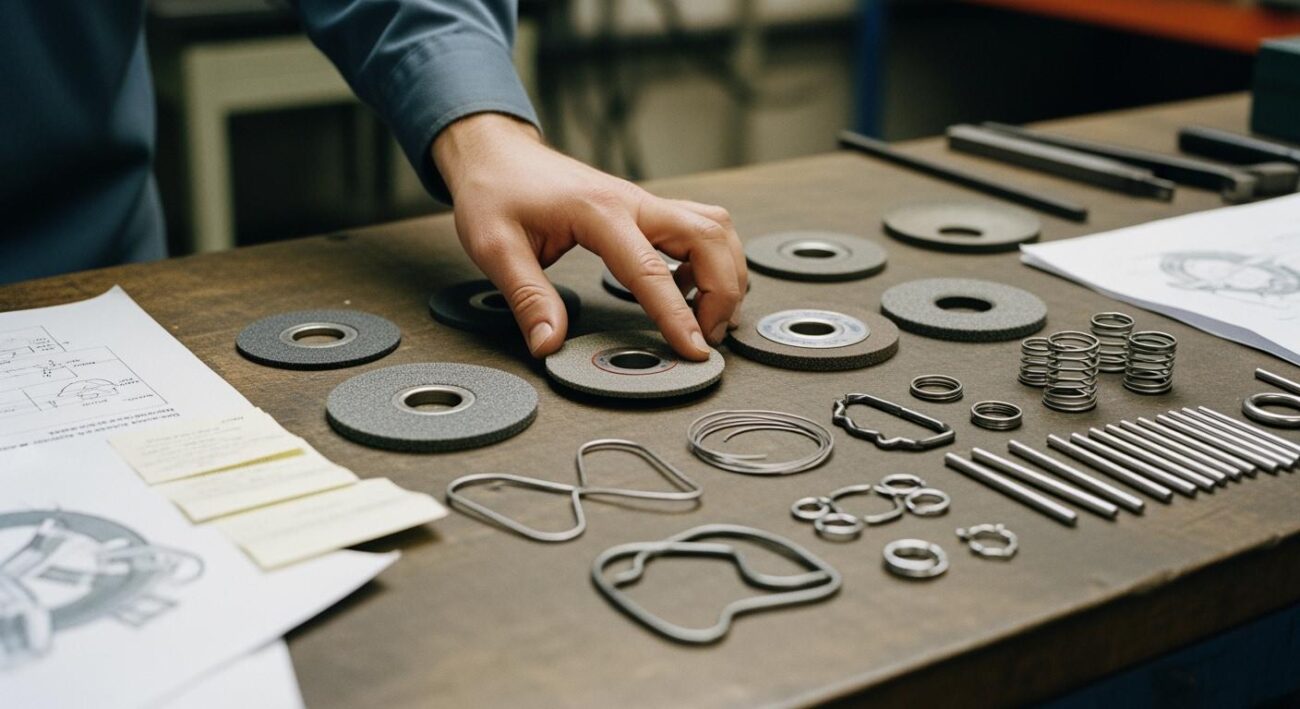
Choose the right grinding wheels for shape memory alloys by matching abrasive, bond, and grit to your project for optimal performance and tool life.
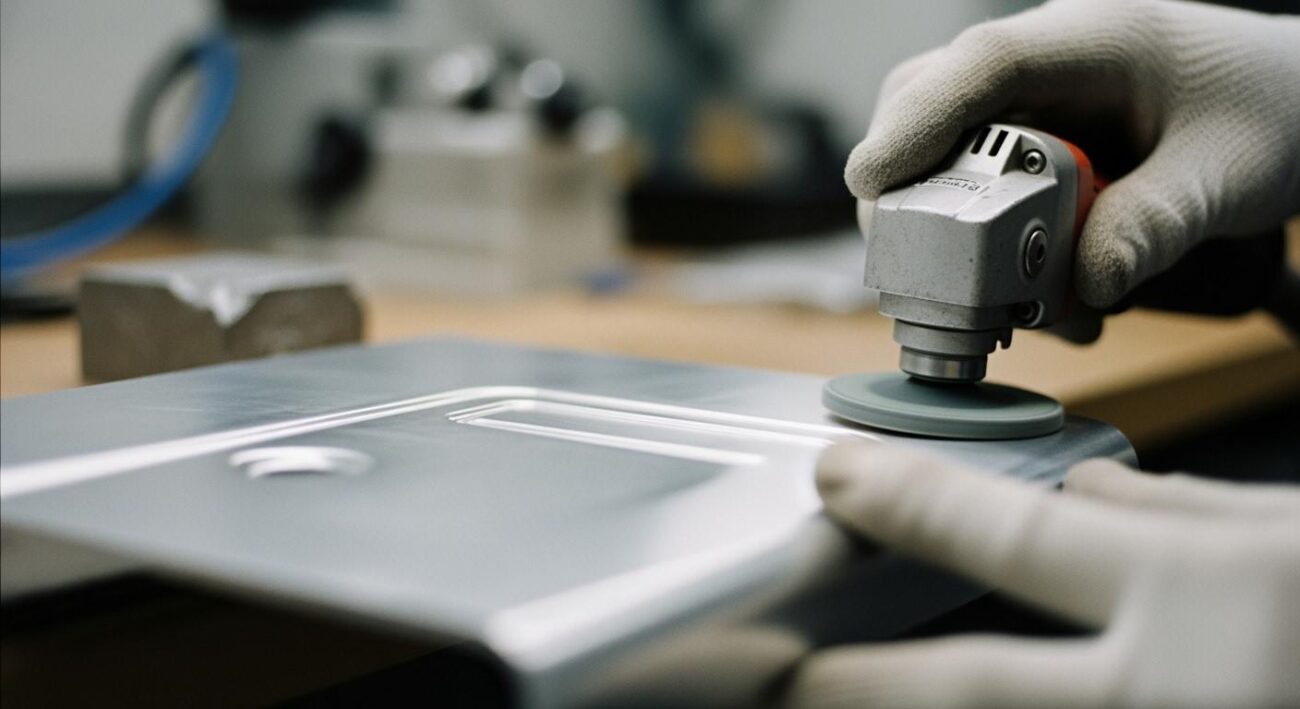
Avoid surface discoloration during silver grinding by controlling heat, using proper abrasives, and keeping tools clean for a flawless, untarnished finish.
No account yet?
Create an Account