
Can a bench grinder be used for wood?

Using a bench grinder for wood is dangerous and ineffective, causing burning and kickback. Its true value is sharpening tools like chisels, not shaping wood.
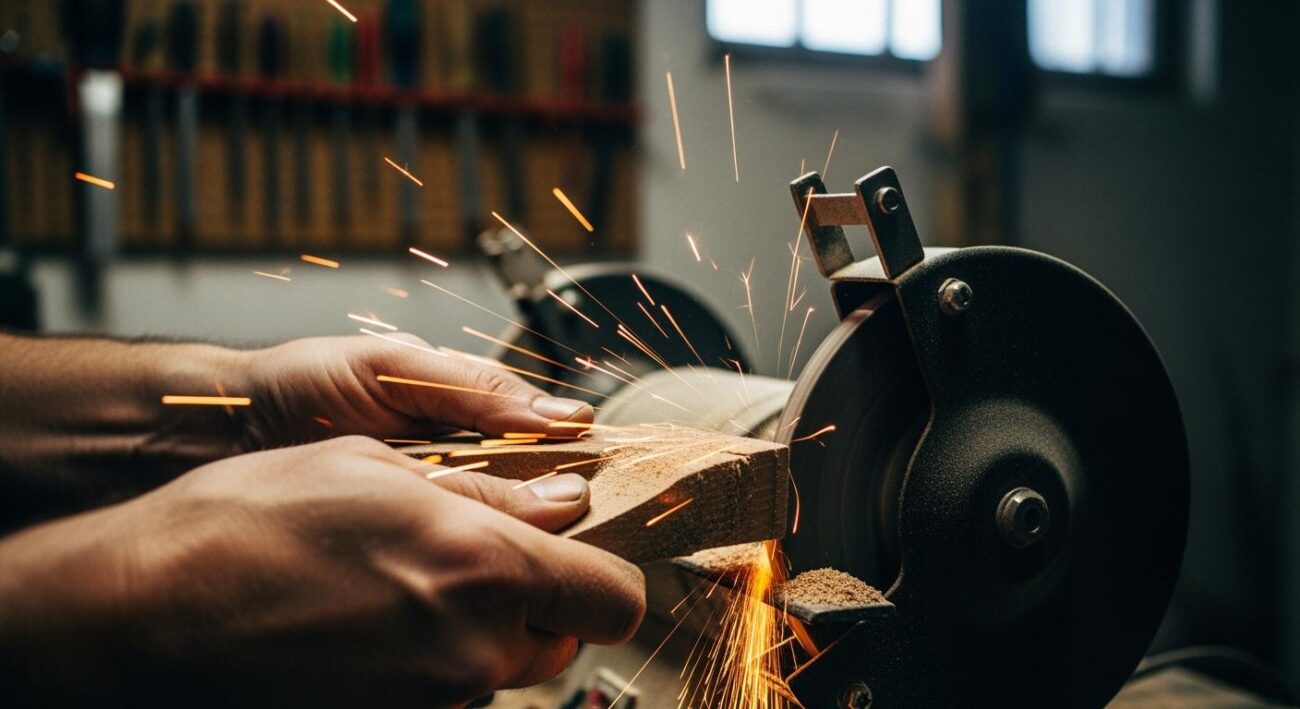
Using a bench grinder for wood is dangerous and ineffective, causing burning and kickback. Its true value is sharpening tools like chisels, not shaping wood.
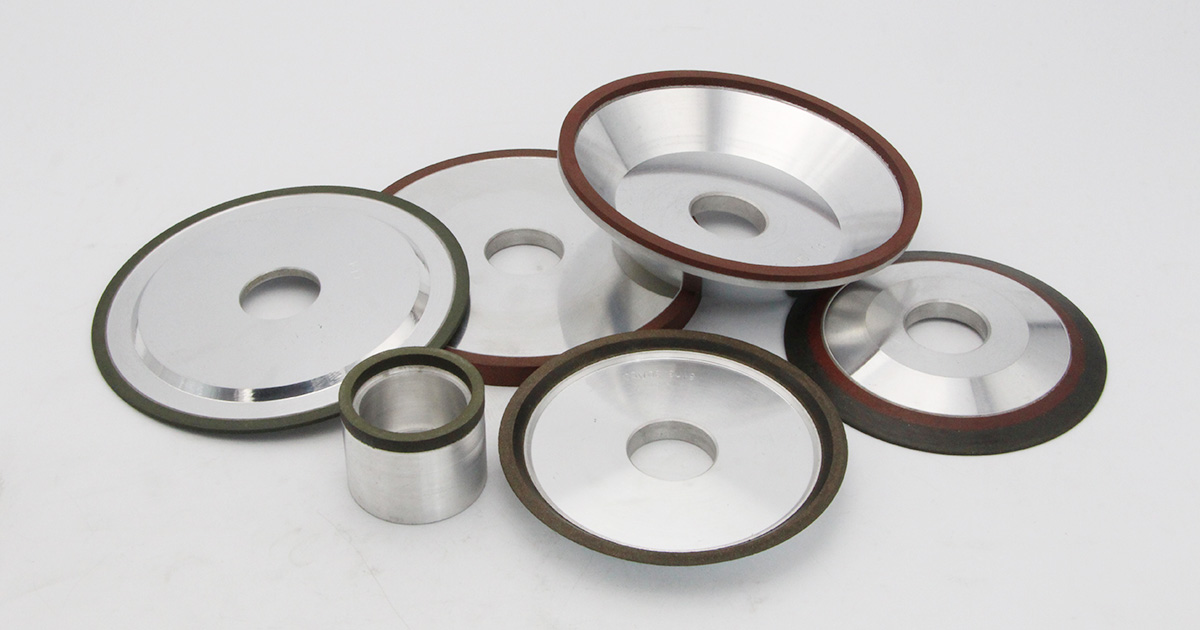
No, you should never grind on the side of a standard grinding wheel. It’s not designed for side pressure and can shatter, causing serious injury. Use the right wheel.
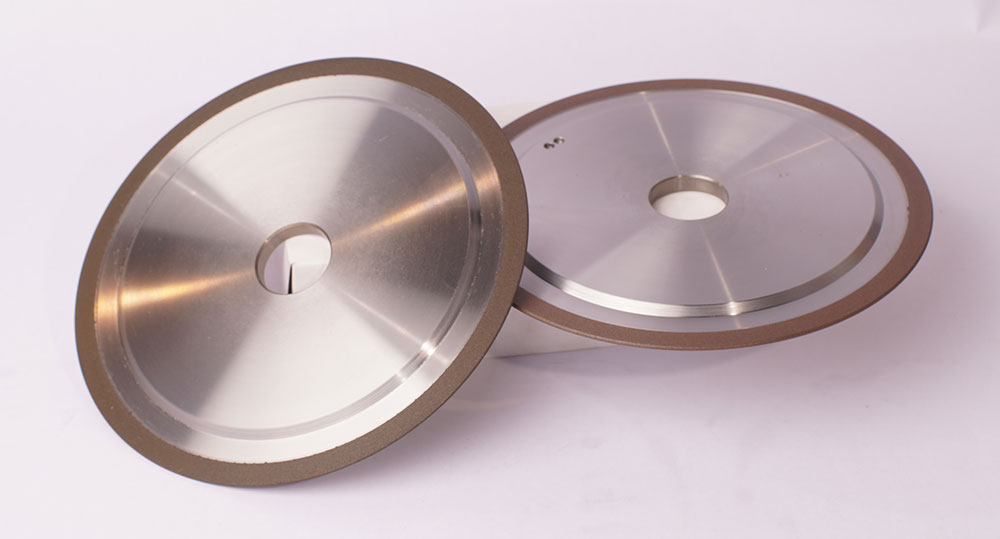
Avoid grinding soft metals like aluminum, wood, plastics, and rubber. These materials cannot be ground safely, as they clog the wheel, create fire risks, and release toxic fumes.
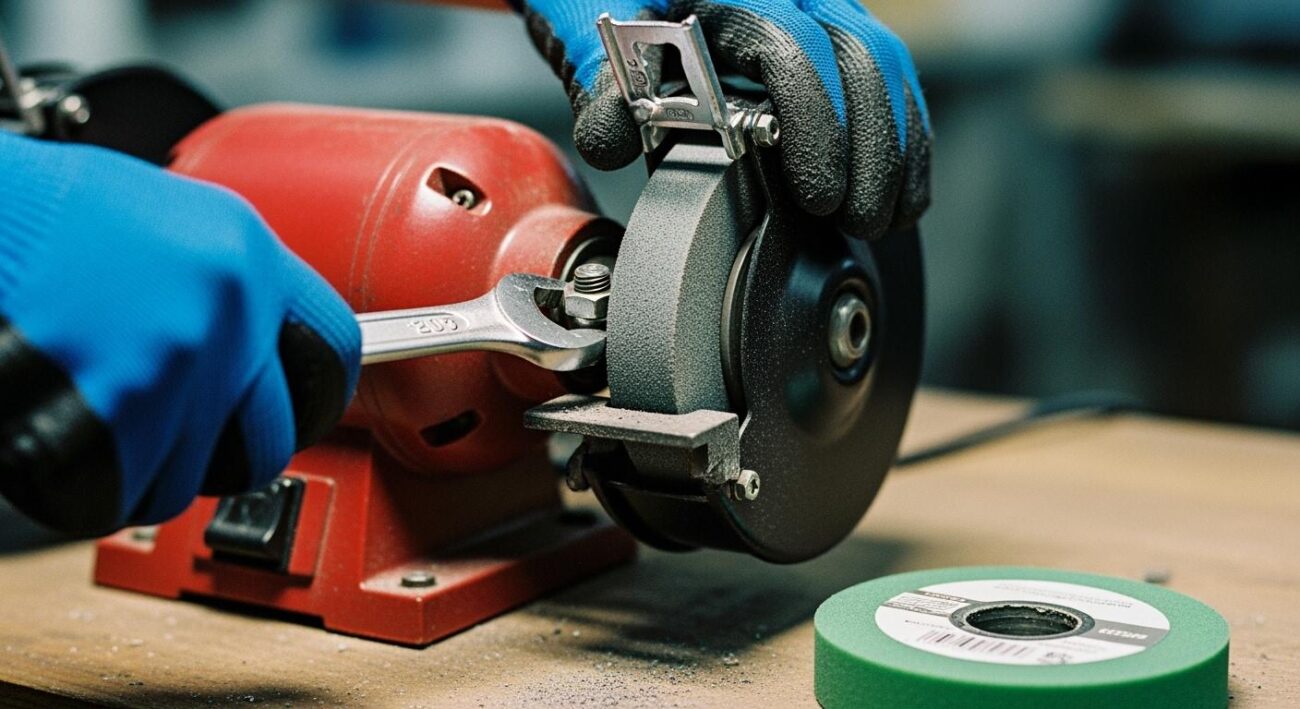
To change a grinding wheel, unplug the grinder and remove the guards. Loosen the arbor nut—remembering the left side is reverse-threaded—then swap the old wheel.
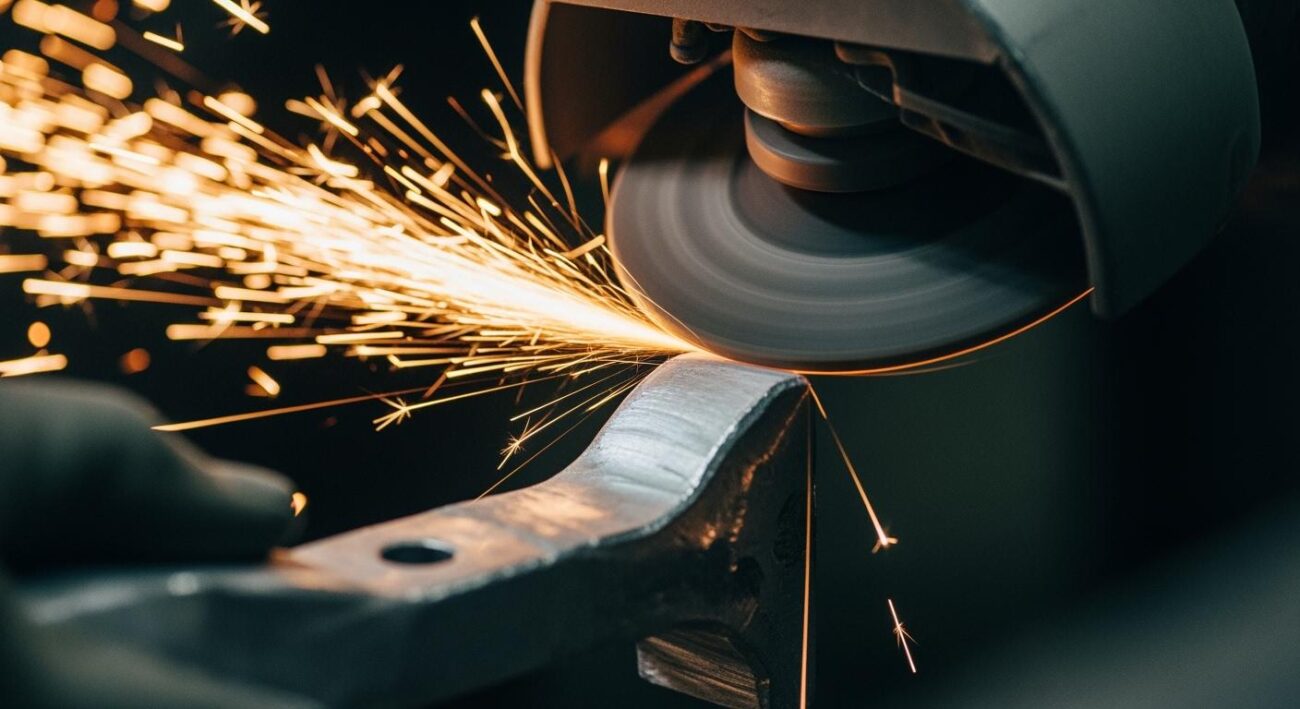
For heavy grinding on aluminum, use a silicon carbide grinding wheel to prevent clogging. For finishing and blending, a ceramic flap disc provides a cooler cut.
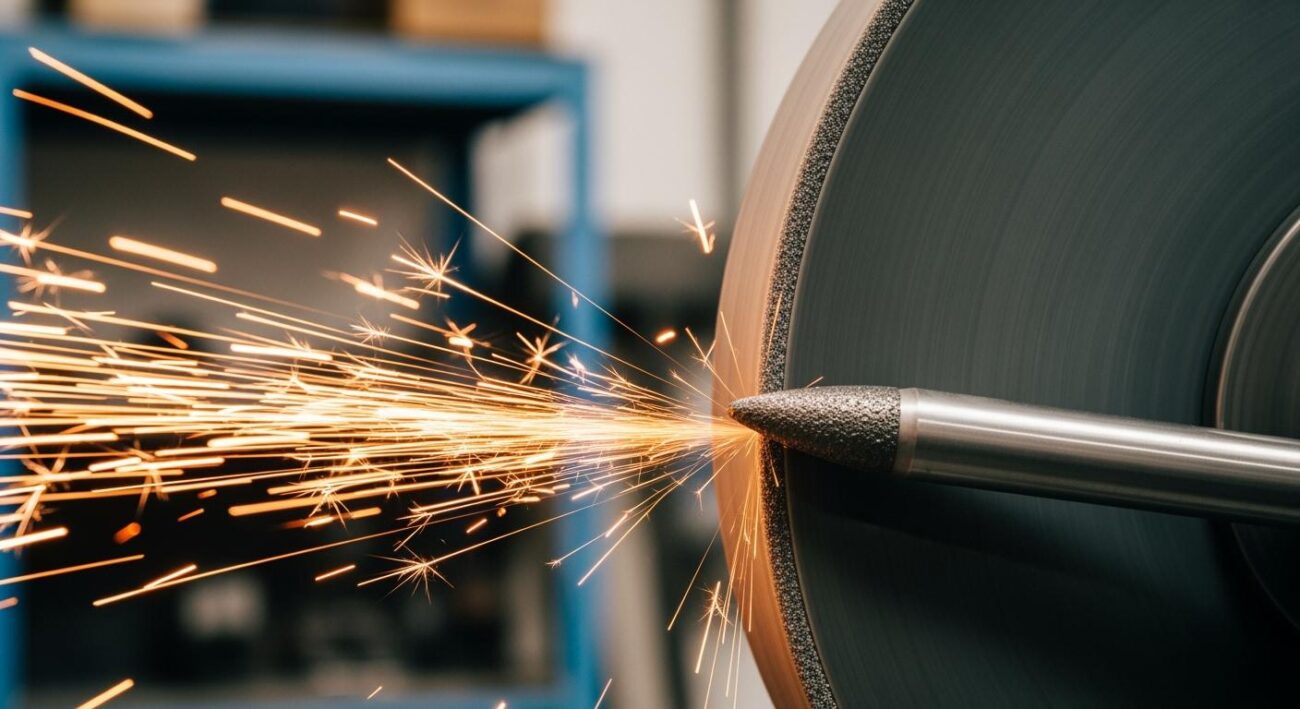
A grinding wheel is sharpened through a process called ‘dressing’. This involves using a dressing tool to remove clogged material and dull grit, which keeps the wheel sharpened for safer, more effective grinding.
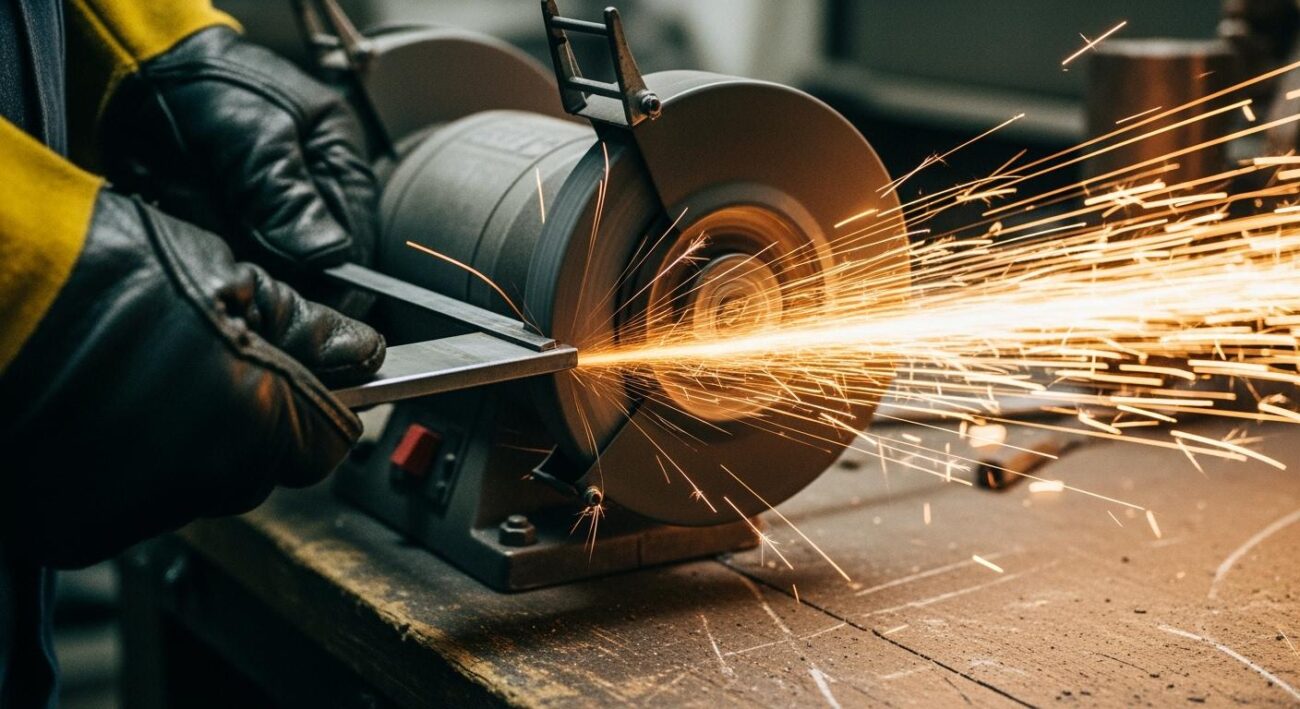
No, you should never grind on the side of a standard grinding wheel. It’s not designed for side pressure and can shatter, causing severe injury. Only use wheels specifically rated for side grinding.
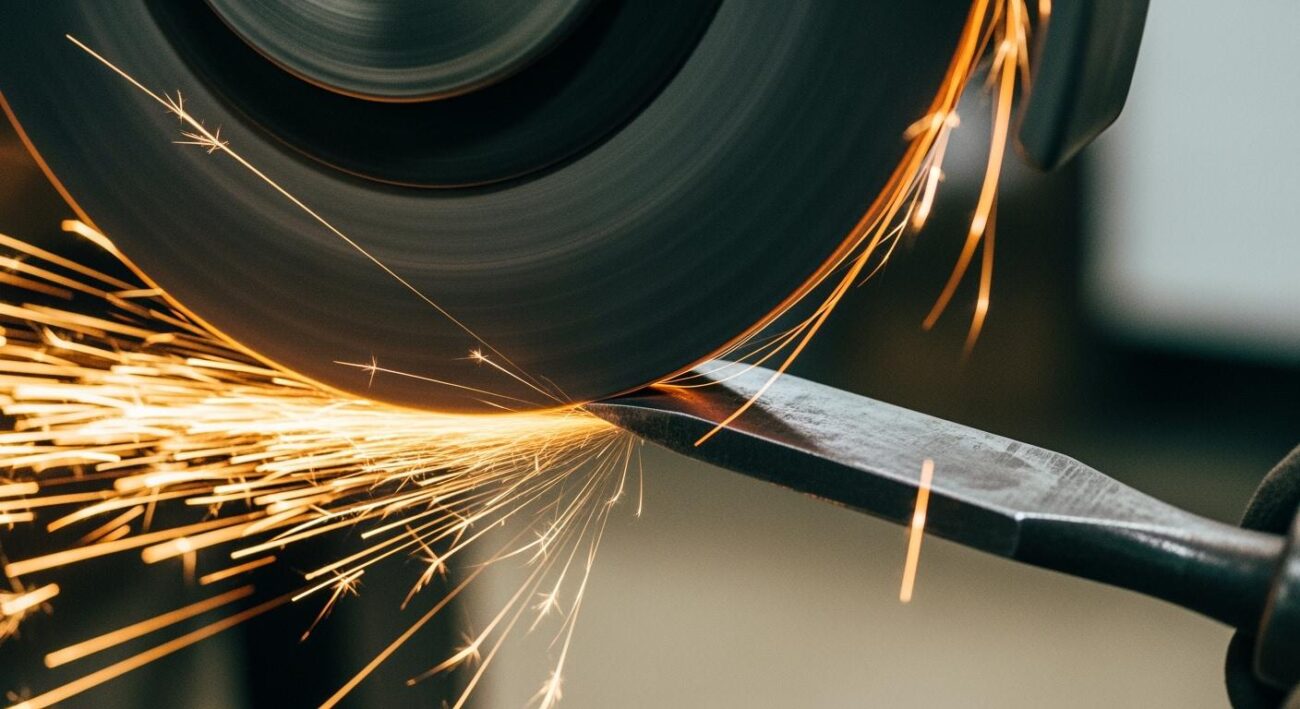
A grinding wheel is made from two main materials: an abrasive grain that cuts the workpiece and a bond that holds the grains. Common abrasives are aluminum oxide, silicon carbide, and superabrasives like diamond and CBN.
A standard grinding wheel should not be used on soft metals like aluminum, wood, plastics, or glass. Grinding these materials clogs the wheel and creates safety risks.

Reduce burning when grinding stainless steel by using ceramic or CBN abrasives and applying light, consistent pressure. A lower grinder speed and steady motion also help.
No account yet?
Create an Account