
Which stone is used to grind grains?

The best stones to grind grains are hard, abrasive rocks like granite, basalt, and especially French buhrstone, which was prized for its self-sharpening texture.
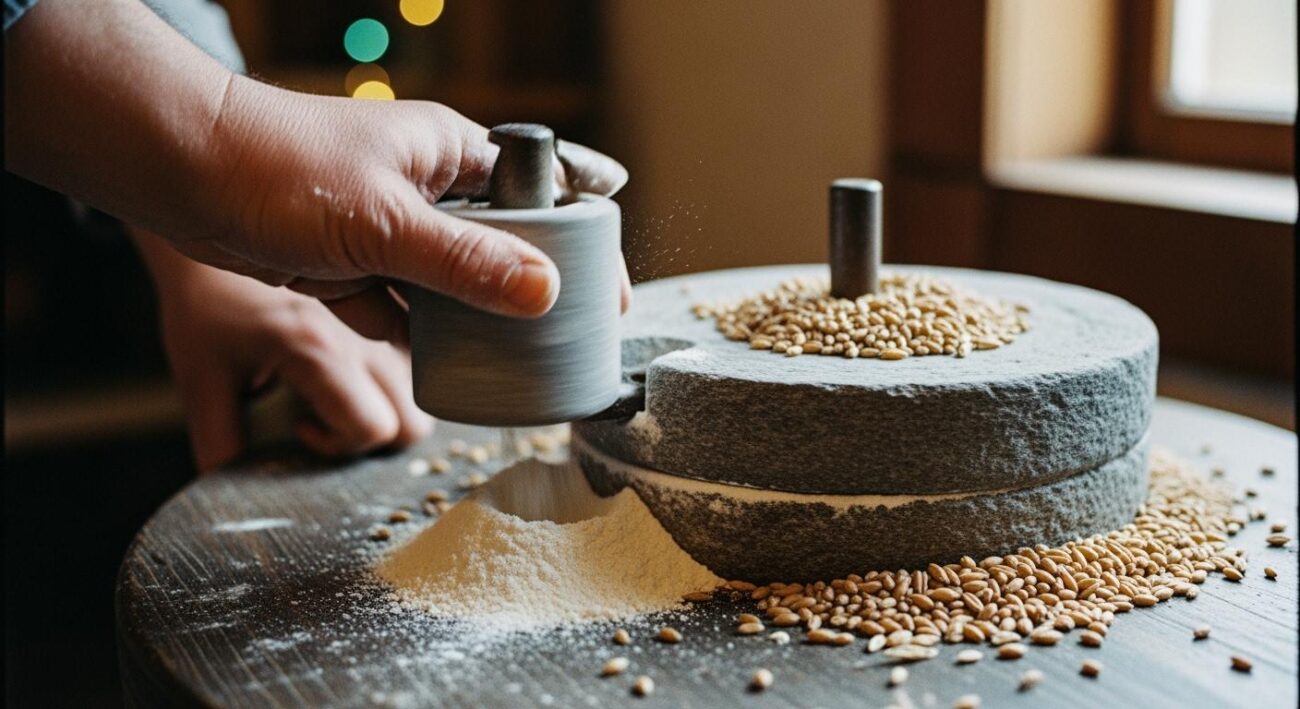
The best stones to grind grains are hard, abrasive rocks like granite, basalt, and especially French buhrstone, which was prized for its self-sharpening texture.
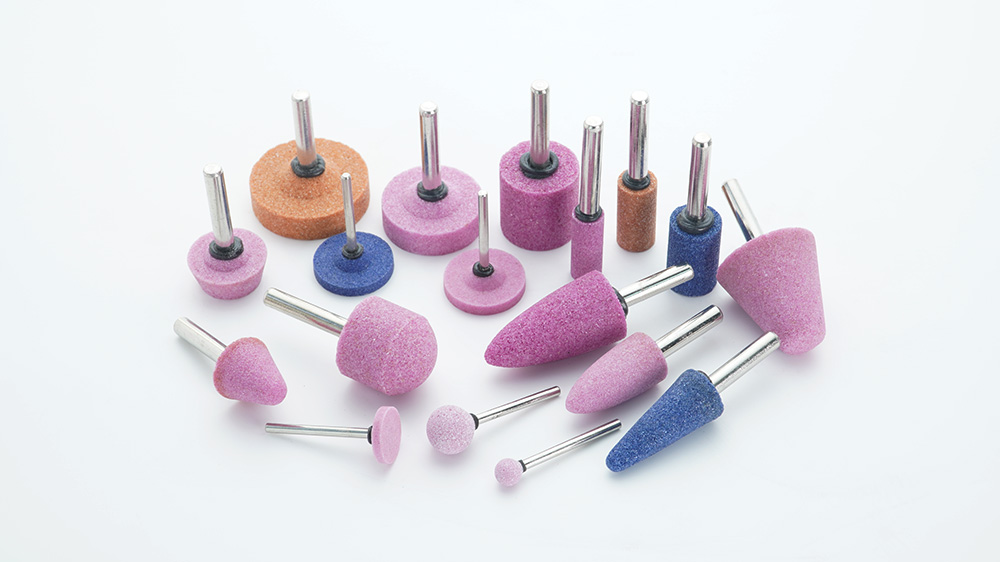
Is your mounted grinding wheel wearing out too fast? This is often caused by excessive pressure, incorrect speed, or a mismatch between the wheel and material.
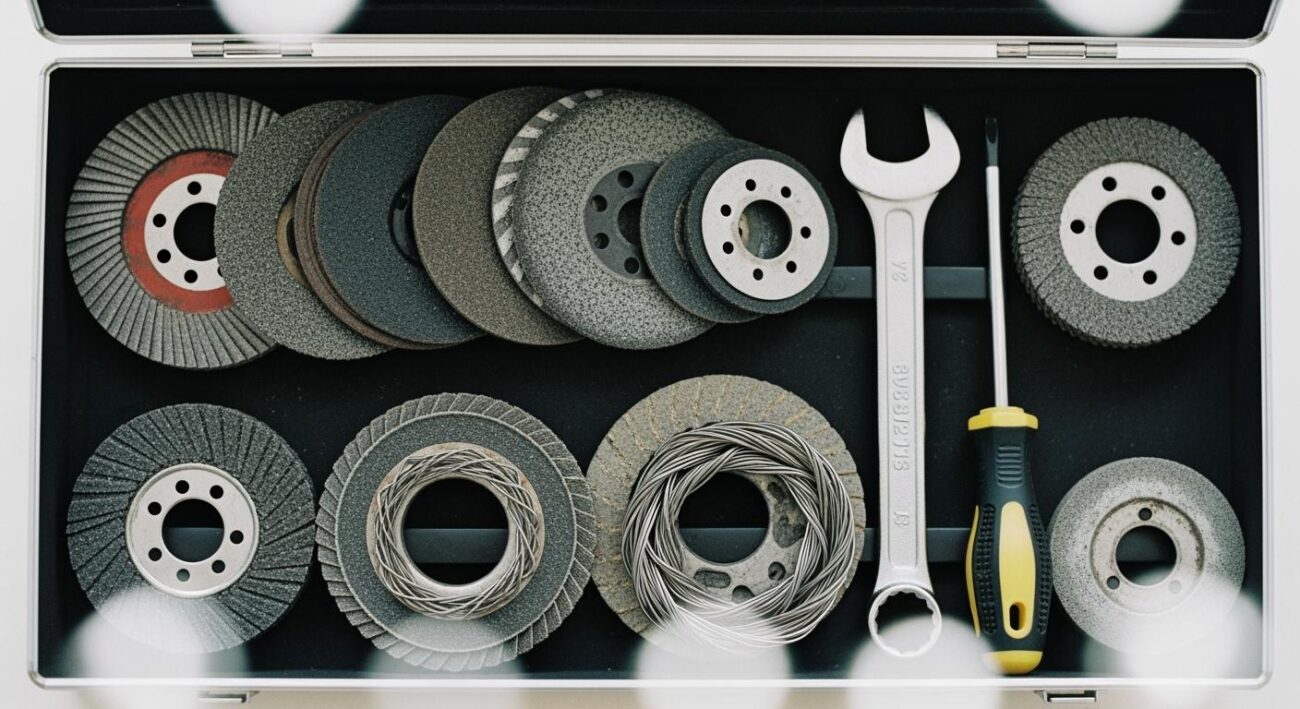
Equip your toolbox with the five essential grinding wheels for any DIY job. This guide covers the right wheels for metal, masonry, cleaning, and finishing.
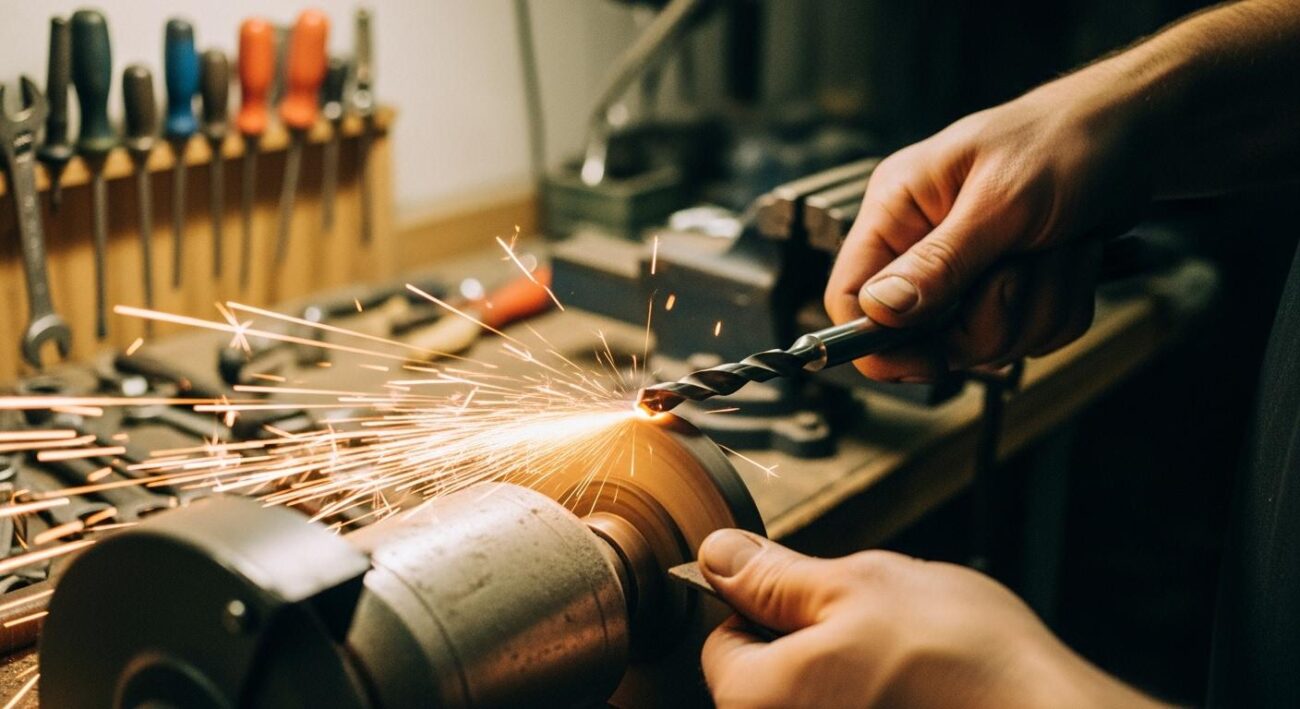
For sharpening drills made of HSS, use a 60-80 grit aluminum oxide wheel. For cobalt or carbide, use a diamond wheel. Grind a 118° point angle on the wheel face.
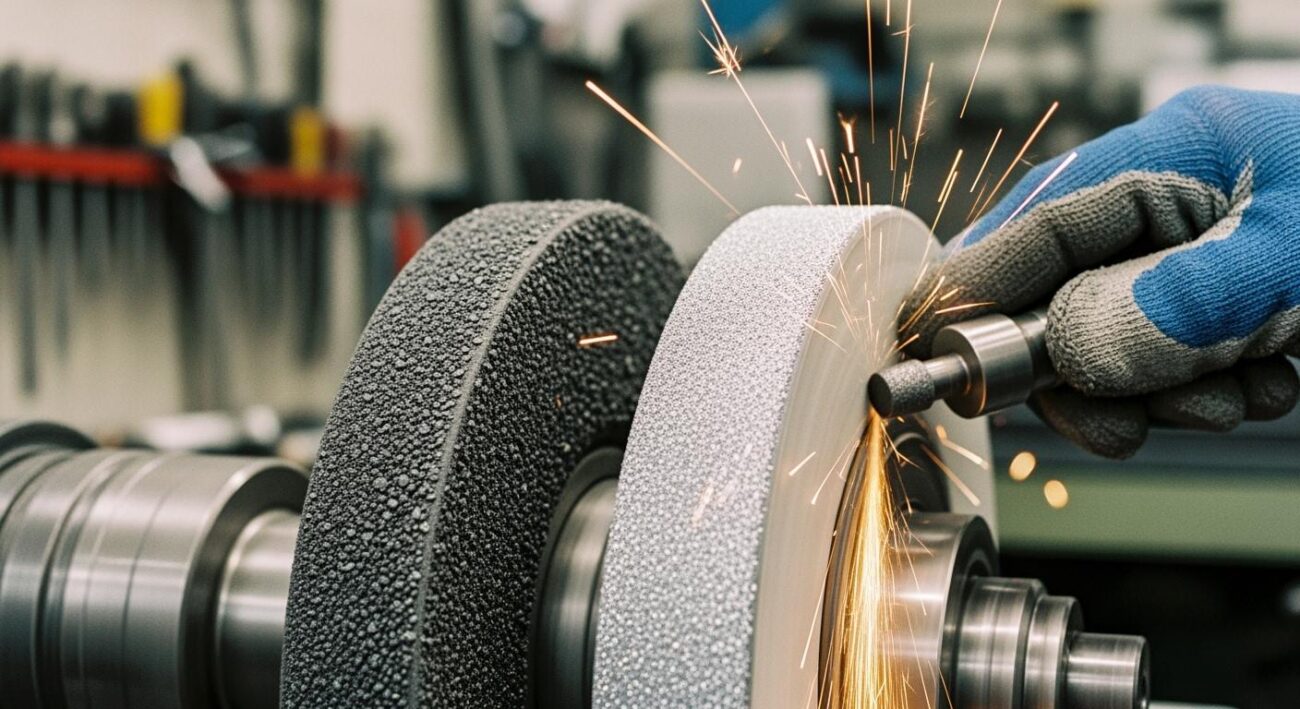
Fix grinding wheel loading with practical strategies. Use a softer grade, coarser grit wheel, optimize speeds, and apply coolant correctly to prevent clogging.

No, it is not safe to use an angle grinder with wood cutting blades. The tool’s high RPM and lack of safety features cause violent kickback and blade shatter.

No, not all grinding wheels can be dressed. Conventional wheels need dressing to restore sharpness, but superabrasive wheels require conditioning to expose grit.
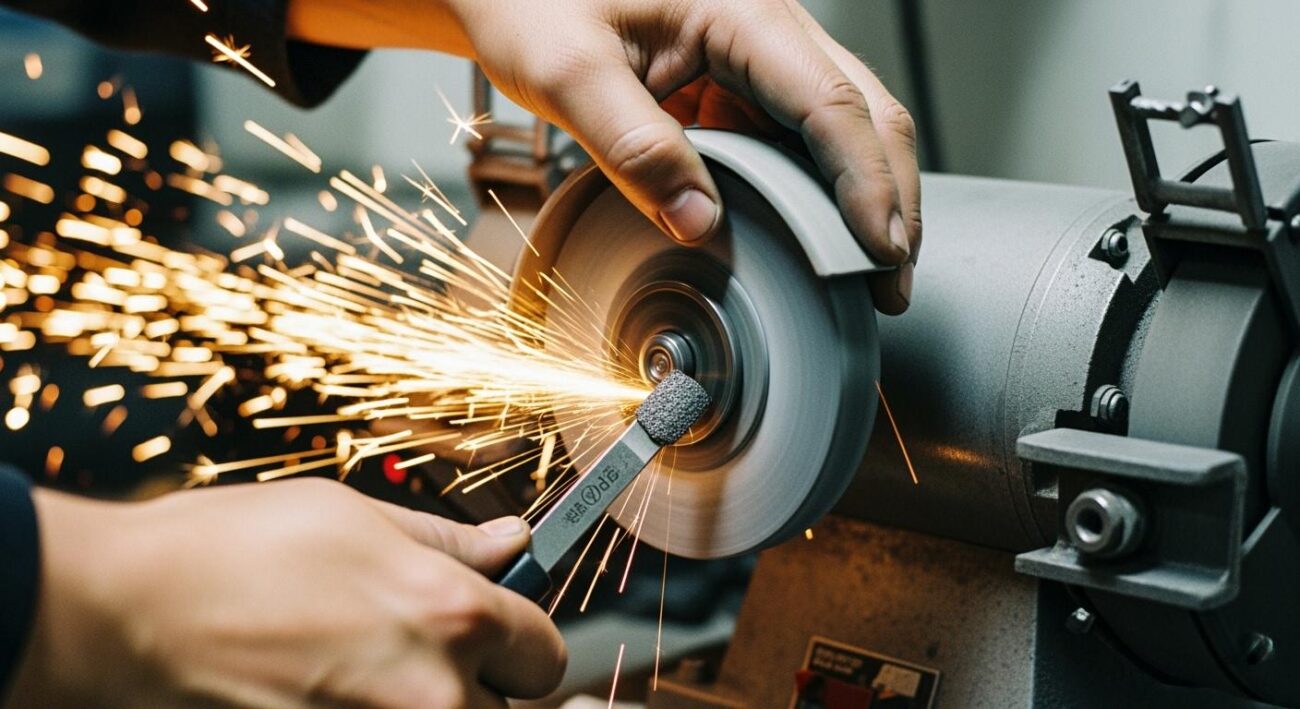
Dress a grinding wheel by using a dressing tool to clean and true its surface. Brace the tool on the tool rest and move it smoothly across the spinning wheel to remove glazing and restore a flat, sharp cutting face.
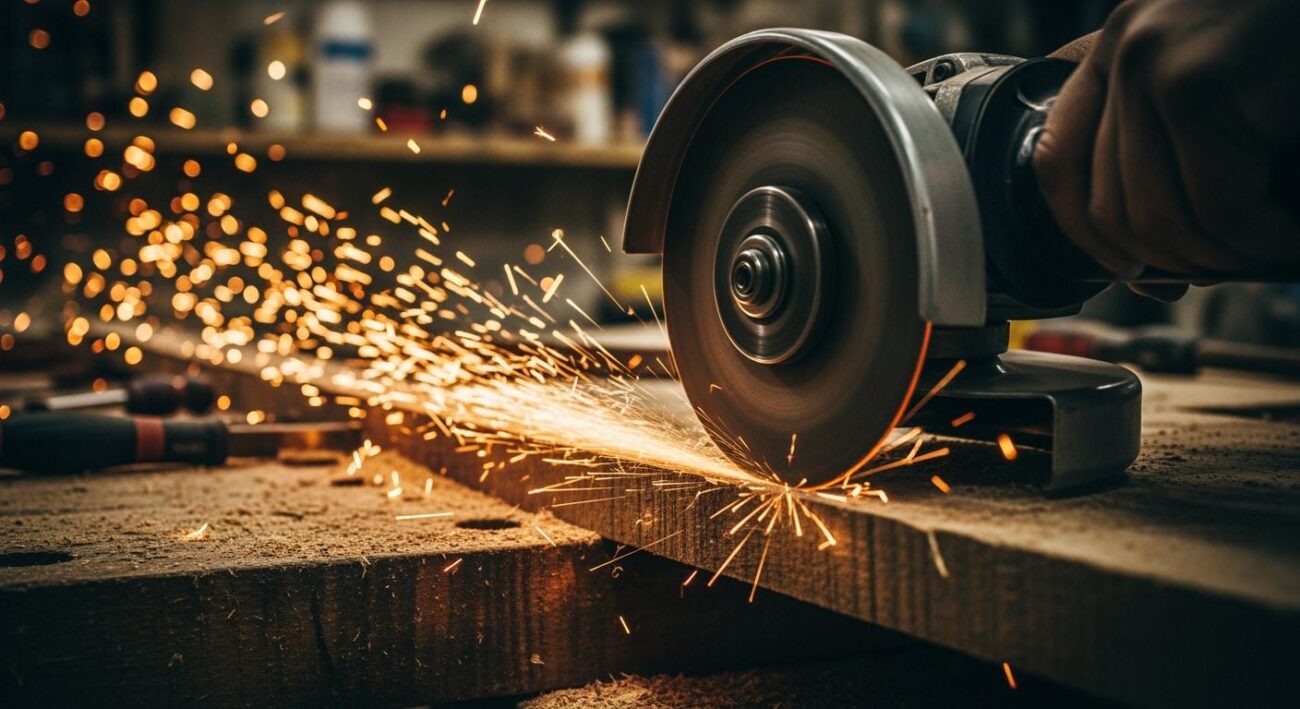
No, you must never use a standard cutoff grinder wheel on wood. It causes dangerous kickback and can shatter, leading to serious injury. Use a specialized blade.
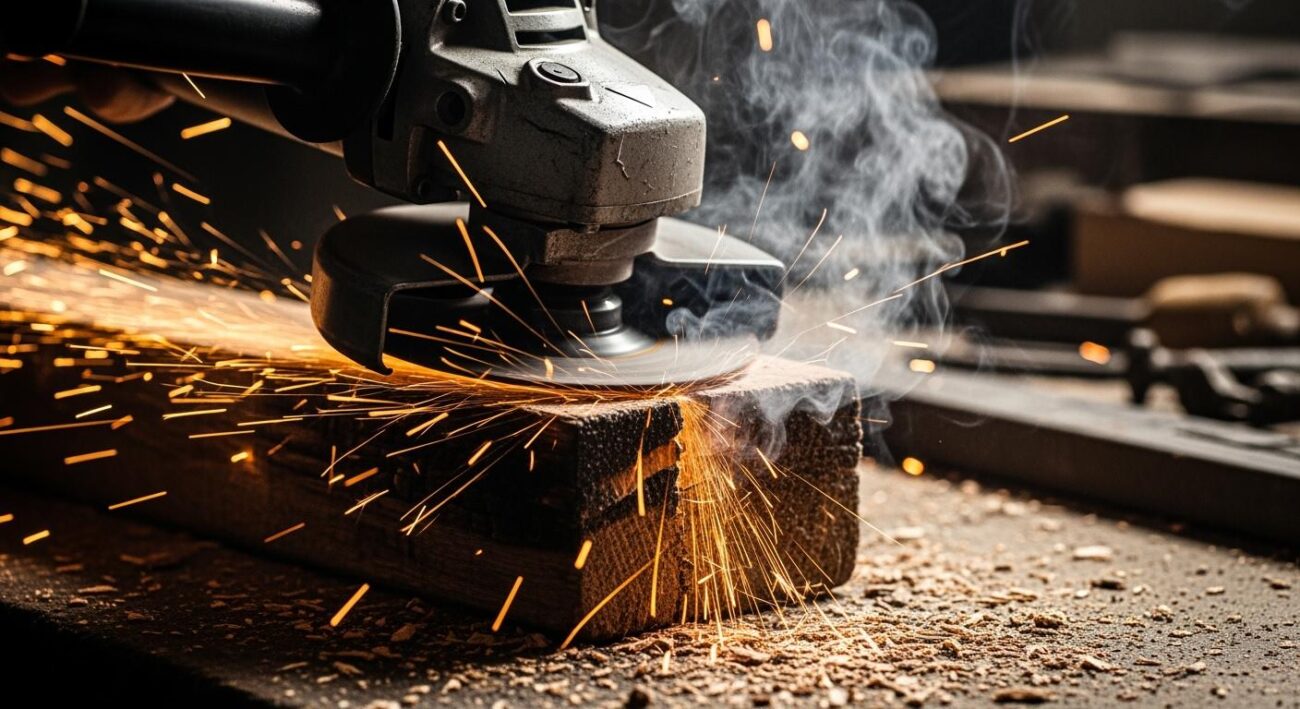
No, you should never use a metal grinding wheel on wood. It creates a serious fire risk, clogs the wheel, and causes dangerous kickback. Use flap discs instead.
No account yet?
Create an Account