
Grit, Grade, Structure, Bond: The 4 Pillars of Aluminum Oxide Wheel Selection

Master the 4 pillars of aluminum oxide wheel selection. This guide explains how grit, grade, structure, and bond determine the right wheel for your grinding task.

Master the 4 pillars of aluminum oxide wheel selection. This guide explains how grit, grade, structure, and bond determine the right wheel for your grinding task.
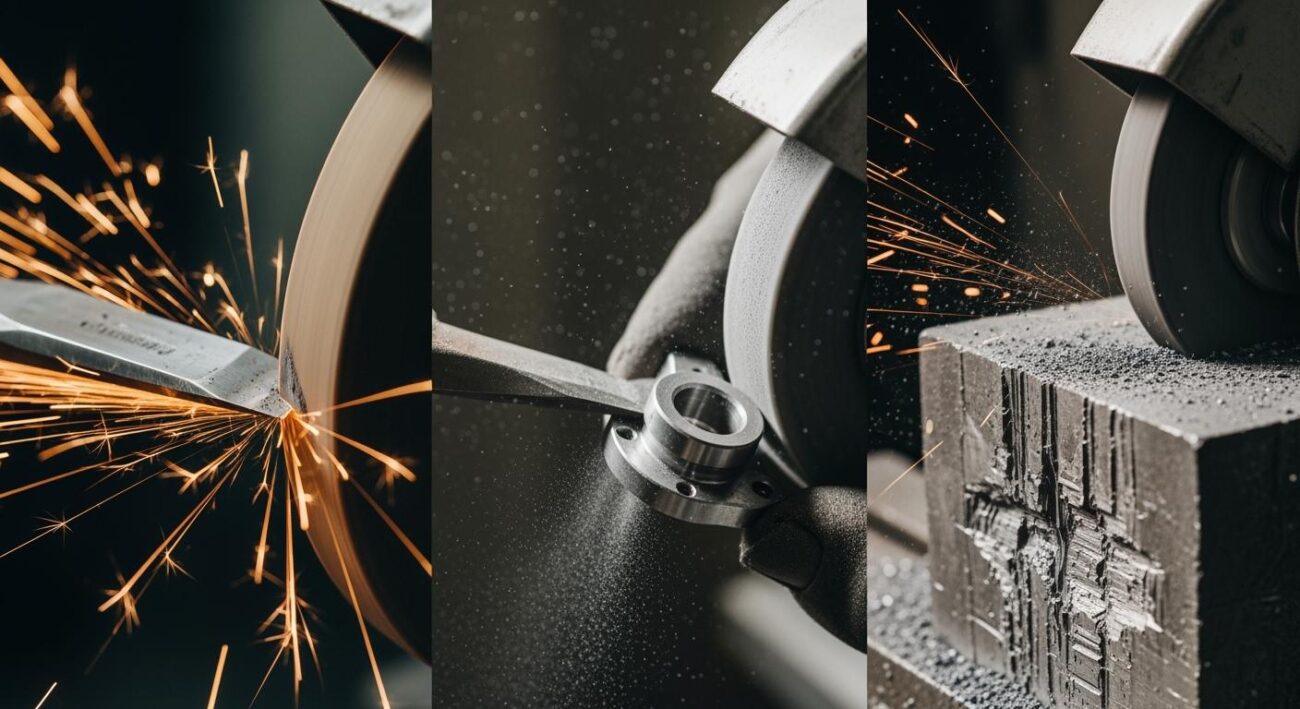
Select the right grinding wheels for your job. Use coarse grits for stock removal, medium for deburring, and fine grits for precision tool sharpening.
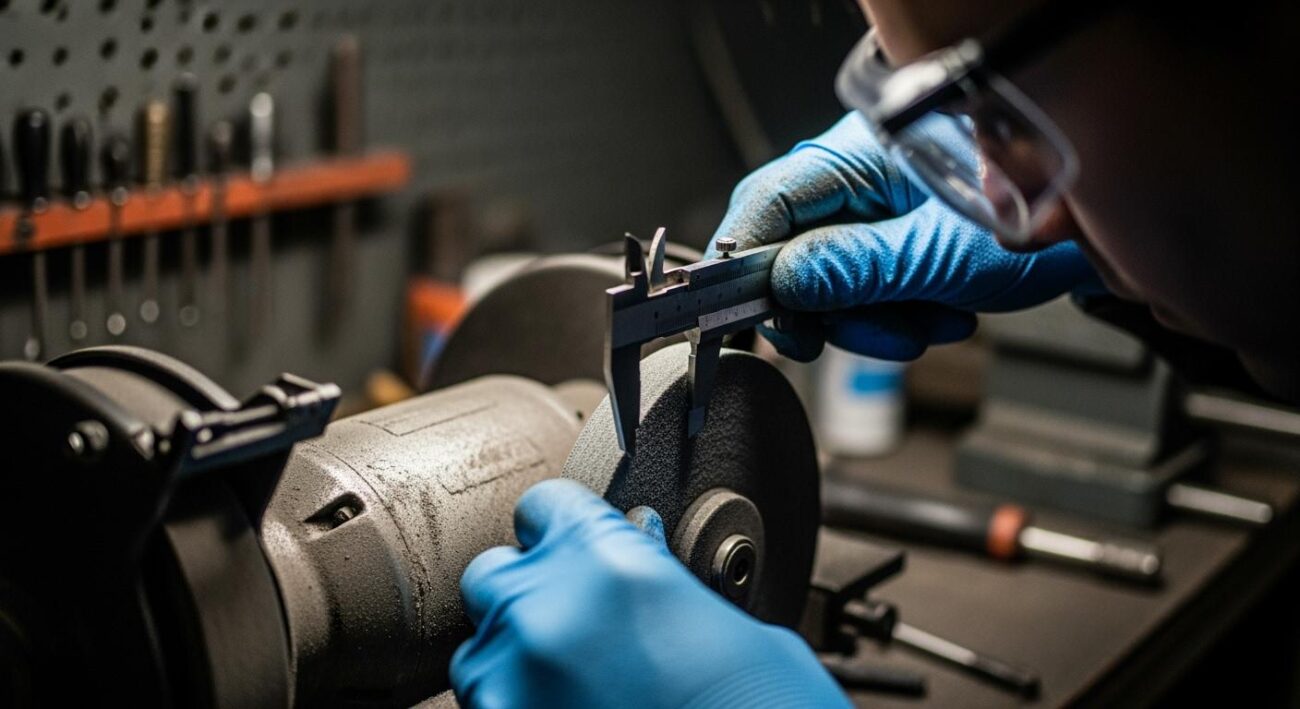
What tests are needed for an abrasive wheel? Key checks include the ring test for vitrified wheels, visual inspection for cracks, and verifying the wheel’s RPM.
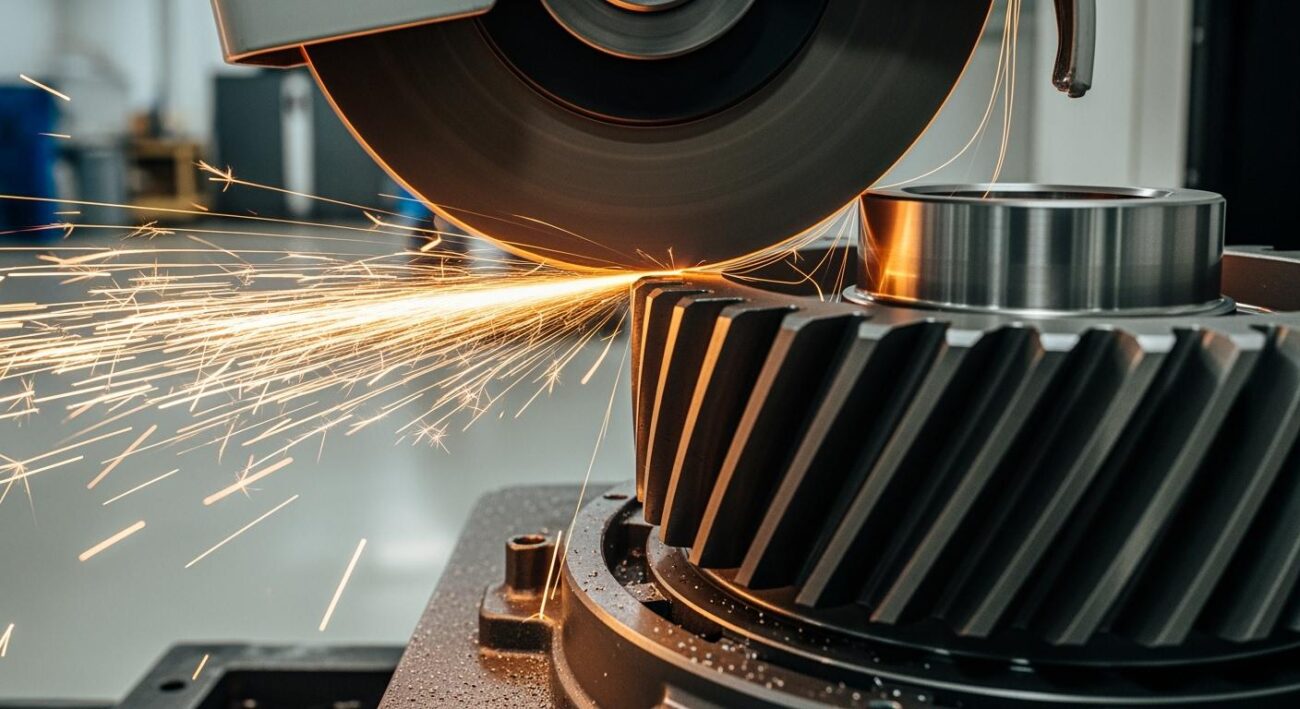
High-speed grinding delivers superior precision on automotive transmission gears, reducing NVH and improving fuel efficiency by creating perfect tooth profiles.

Ultra-thin diamond blades dice silicon wafers through high-speed grinding, not cutting. Spinning at 40,000 RPM, these blades use diamond particles to grind away material.
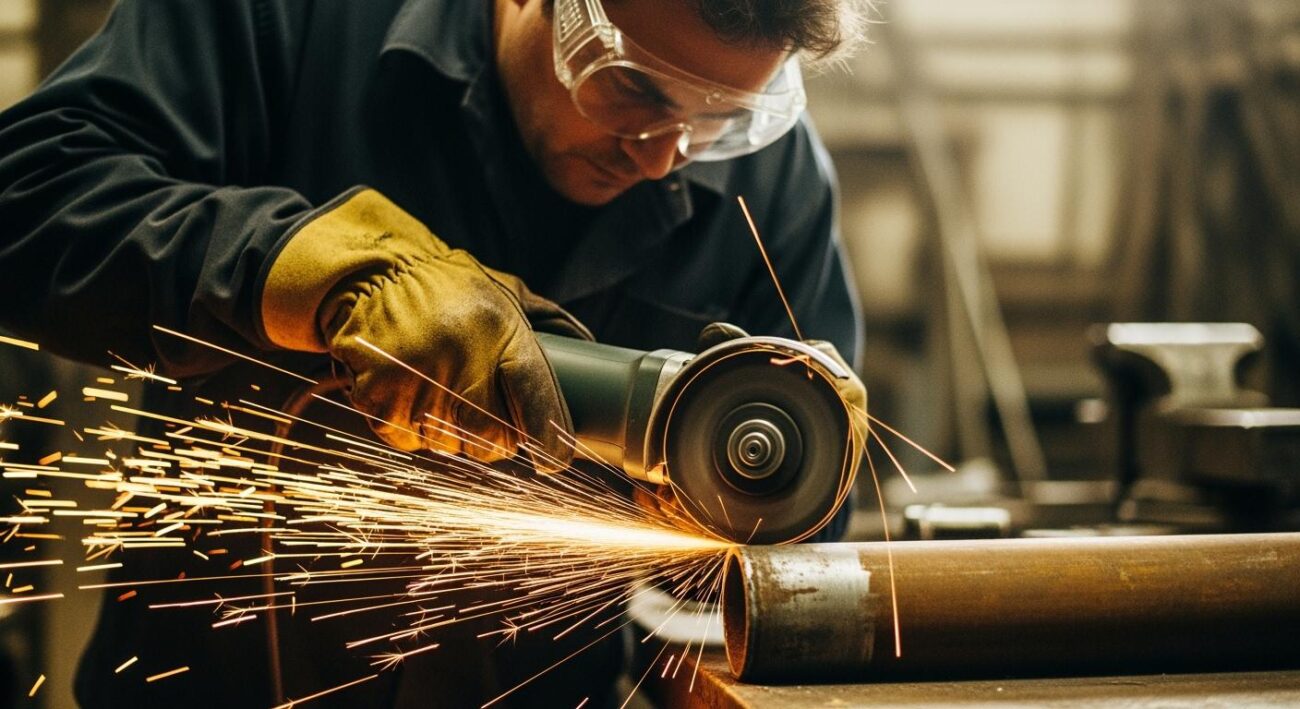
Using cut-off wheels correctly means matching the wheel to your material, verifying tool RPM, and maintaining a strict 90-degree angle with light pressure.
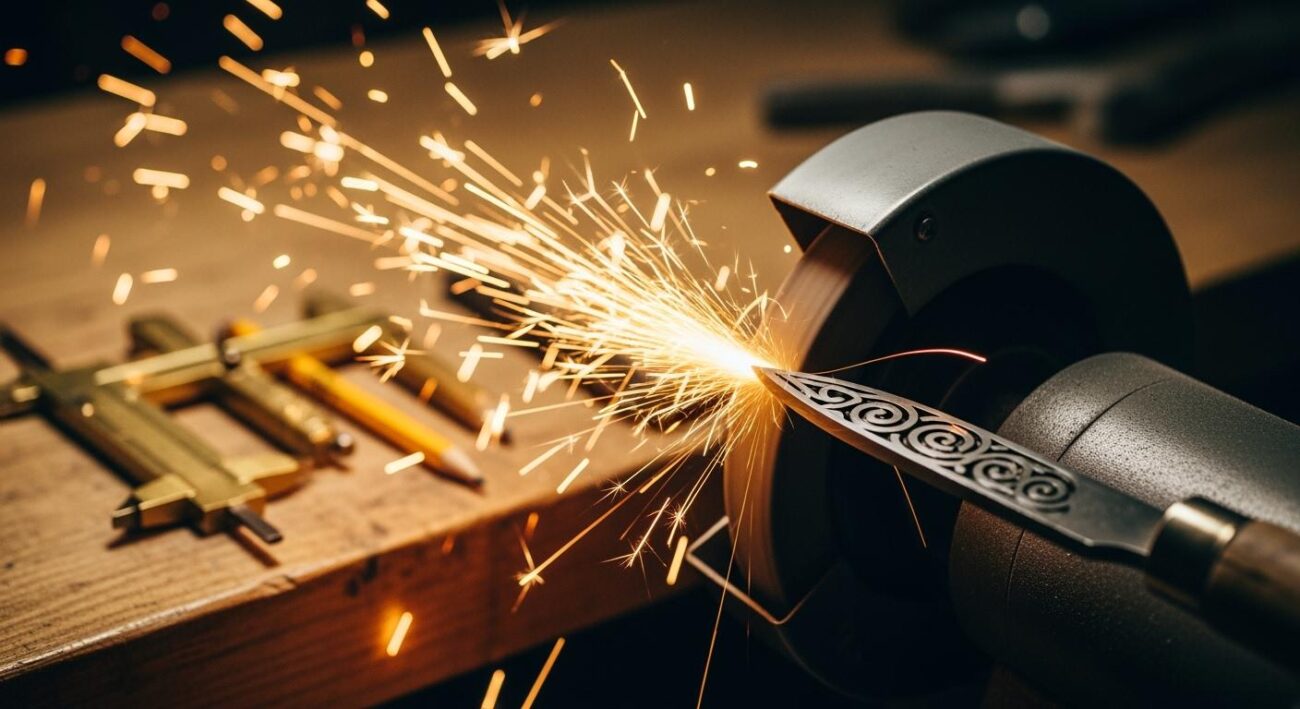
Master profile grinding for custom woodworking knives. This guide details the process, from creating templates and choosing CBN wheels to final sharpening techniques.
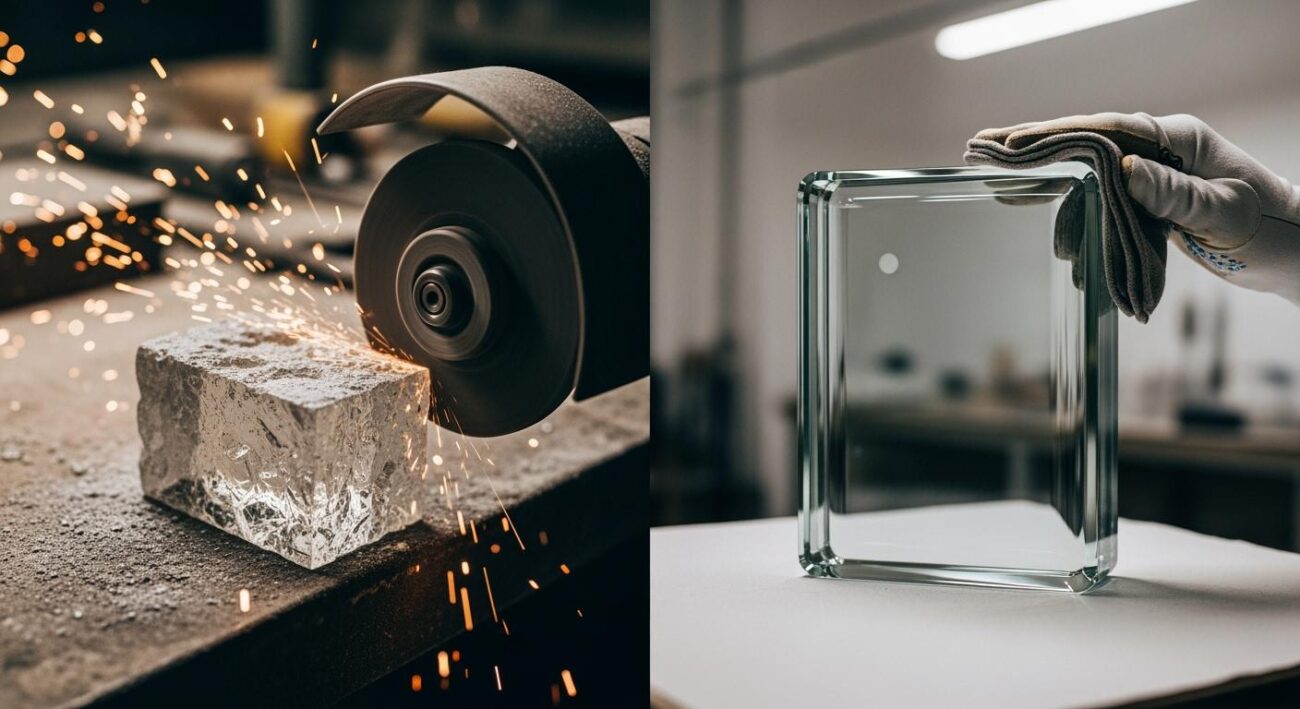
Achieve perfect optical clarity by following the three core stages of glass restoration. This guide details the process from grinding to final polishing.
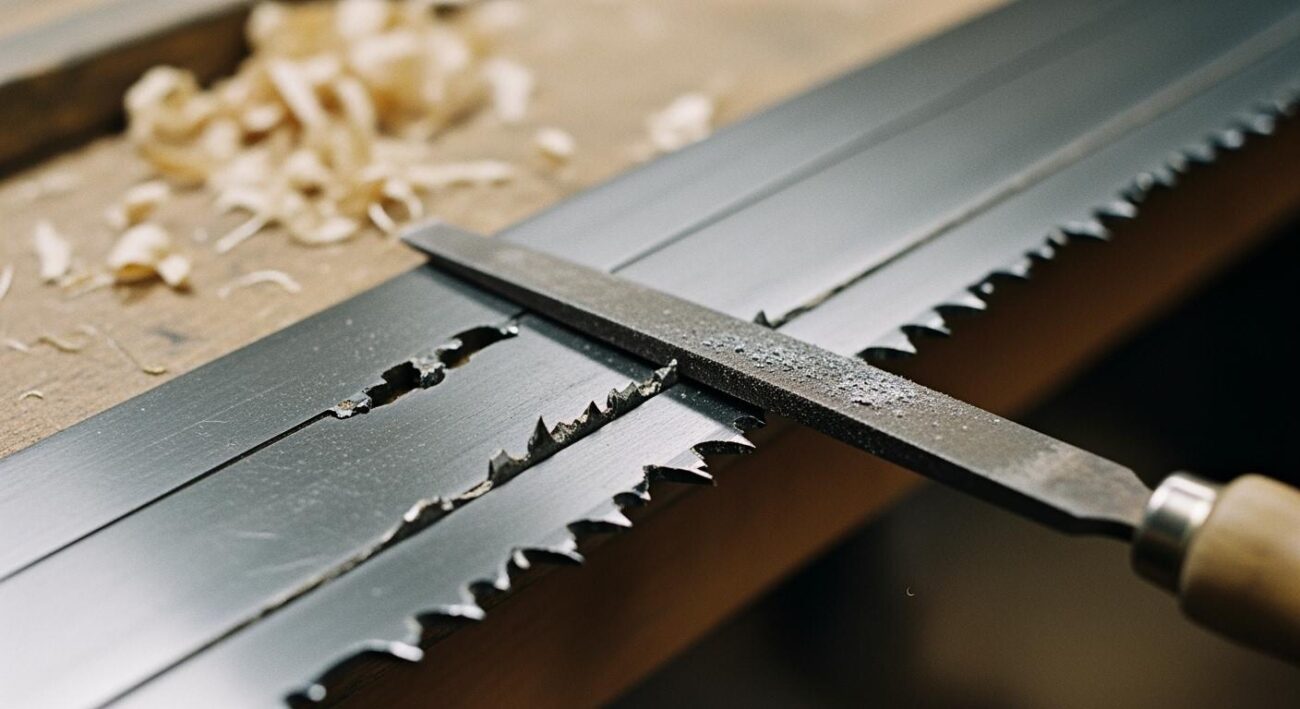
Avoid ruining your cuts by learning the common mistakes in sharpening band saw blades, like using wrong tools, ignoring tooth angles, and overheating the steel.
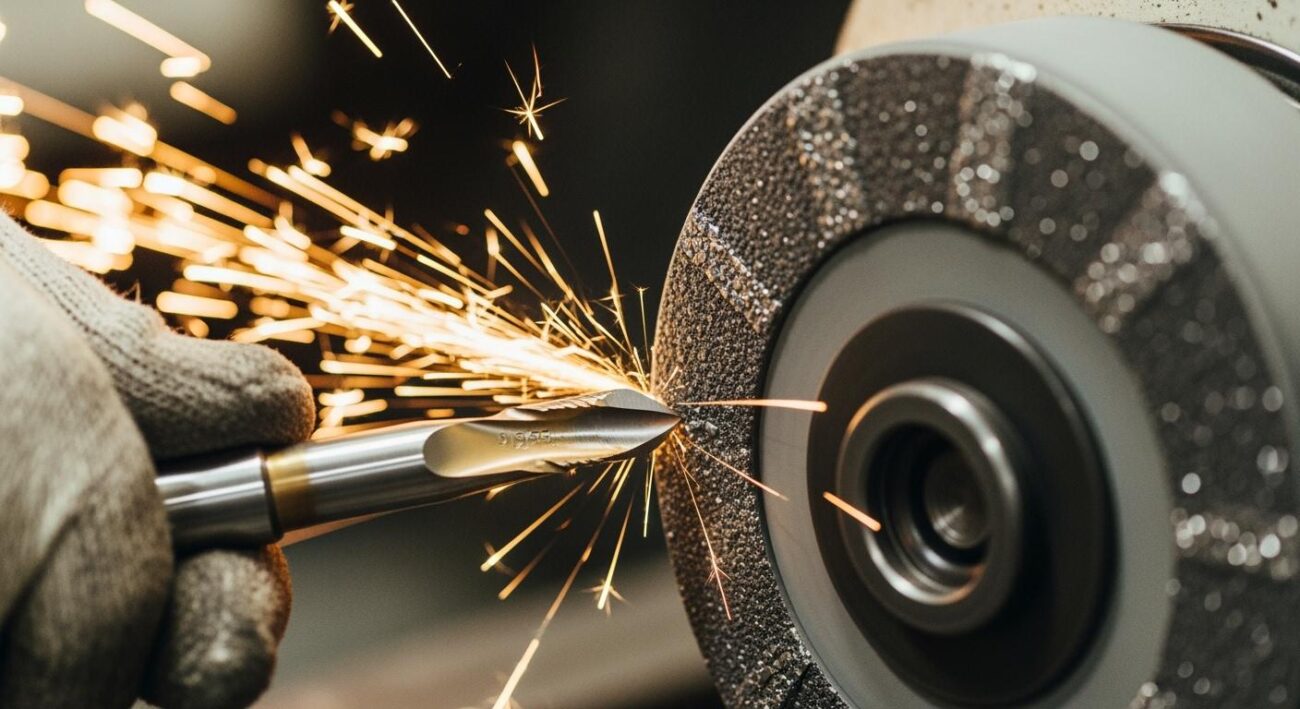
Sharpening carbide requires an abrasive harder than the tool itself. Standard wheels cause heat damage, but diamond wheels offer superior hardness for a fast, cool cut.
No account yet?
Create an Account