
Who Prefers to Choose Superabrasive Grinding Wheels?

Professionals grinding hard materials prefer superabrasive grinding wheels. Diamond wheels are for non-ferrous materials like carbide, while CBN is for ferrous metals.
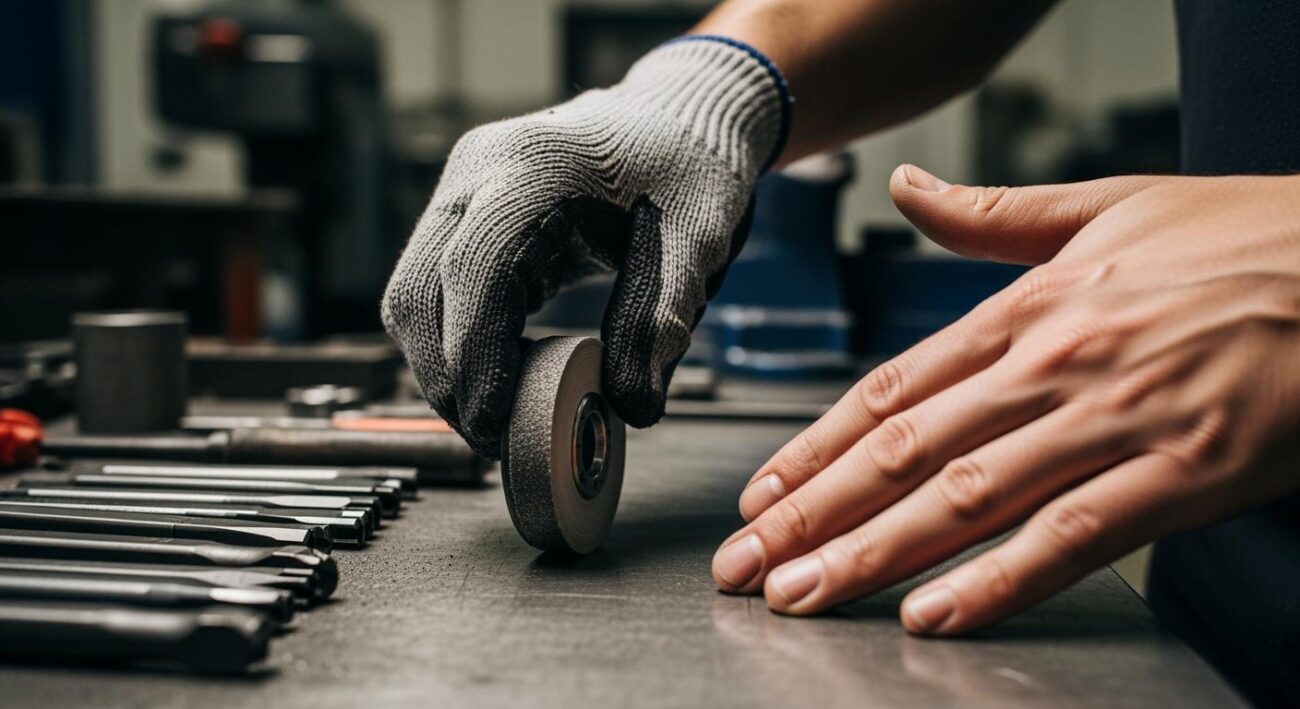
Professionals grinding hard materials prefer superabrasive grinding wheels. Diamond wheels are for non-ferrous materials like carbide, while CBN is for ferrous metals.

Dimensional inaccuracy in grinding is caused by machine issues, workpiece instability, wheel wear, and wrong process parameters. Address these root causes to fix errors.
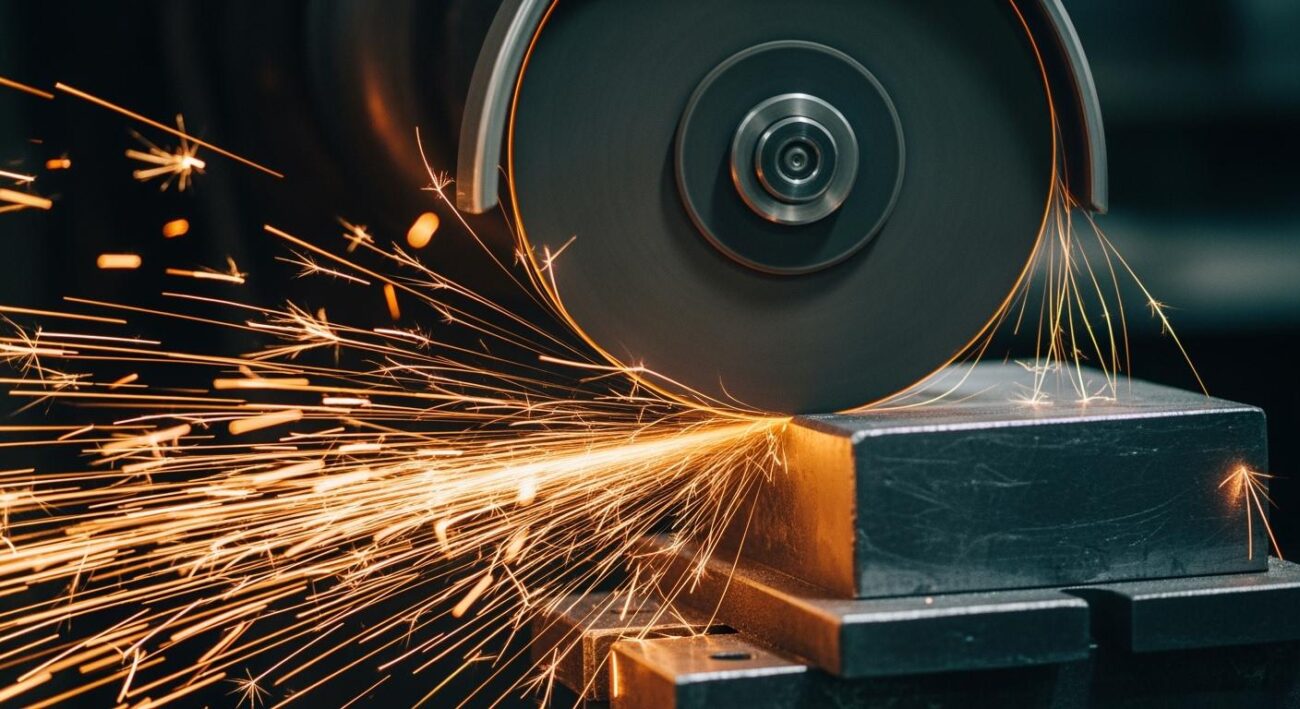
For high-toughness workpieces, ceramic alumina grinding wheels offer cool, fast cutting. For extreme hardness, CBN wheels excel on ferrous metals and diamond on carbides.
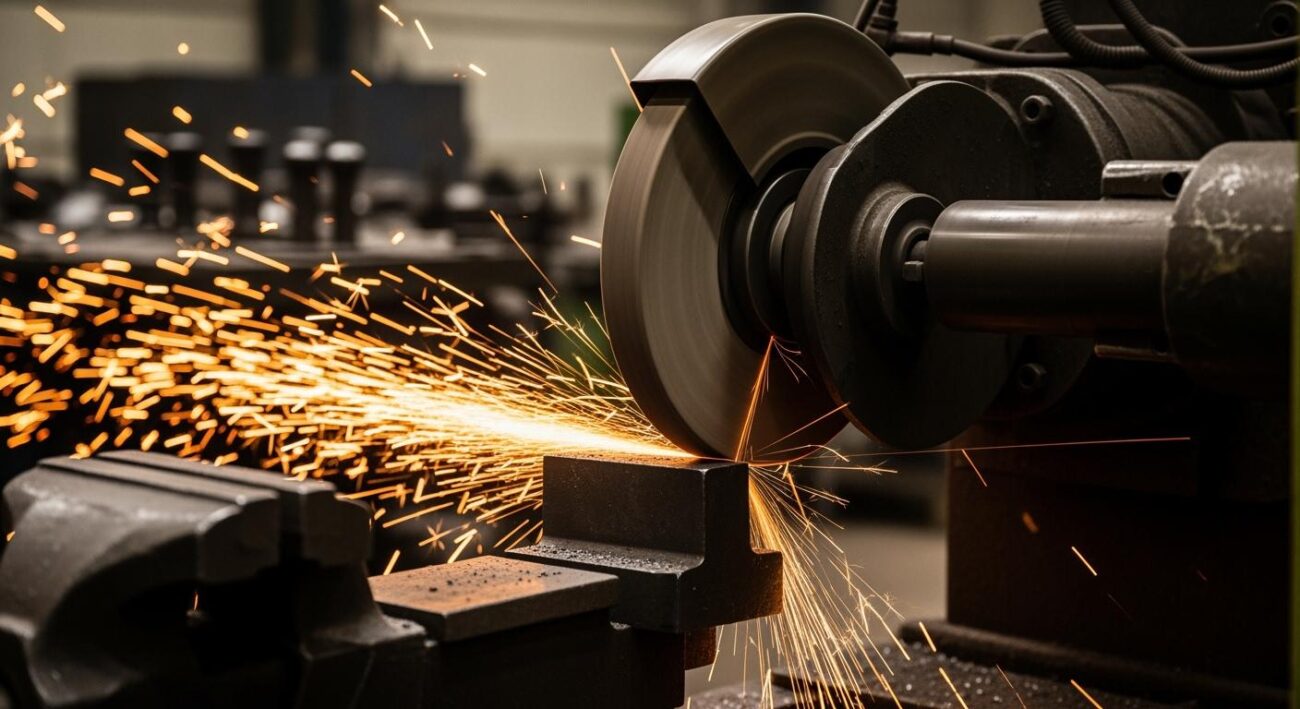
For heavy-duty jobs, the best grinding wheels use zirconia or ceramic abrasives, a hard grade for grain retention, and a reinforced bond for safety and durability.
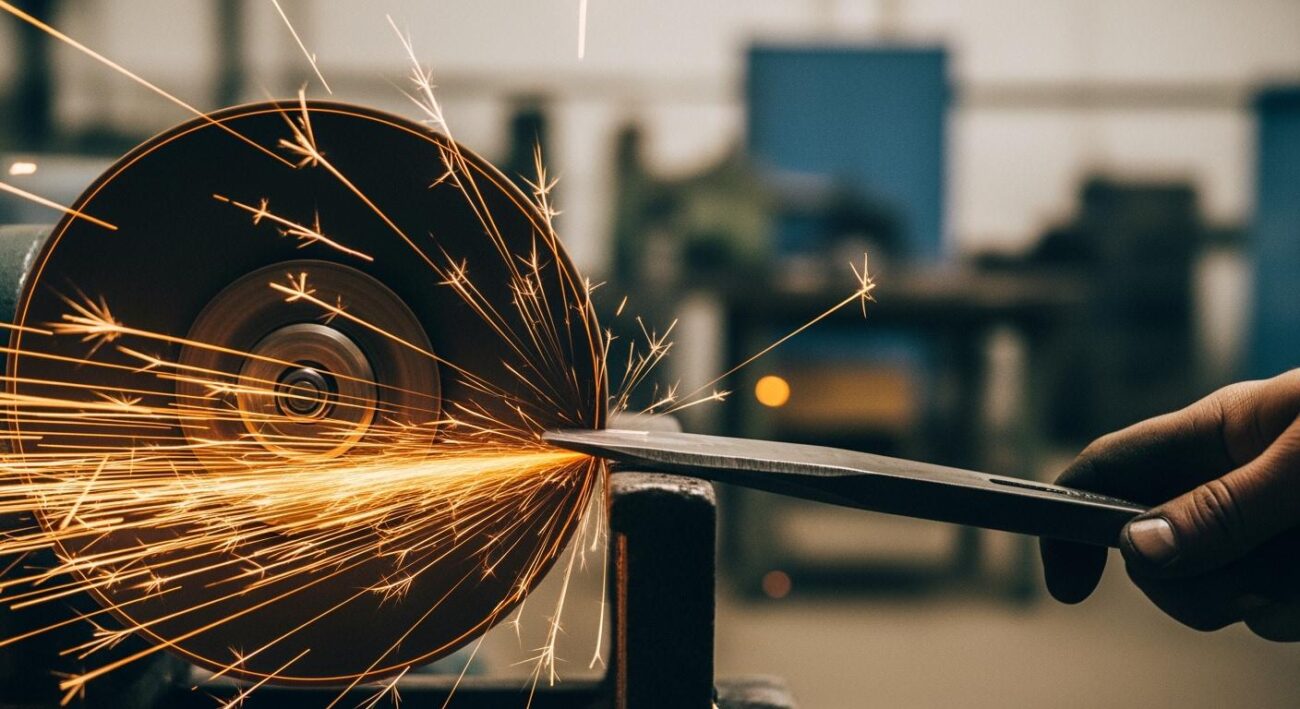
Select the right grinding wheel for high-speed jobs by matching key characteristics to your needs. This guide covers abrasive, grain size, bond, grade, and structure.
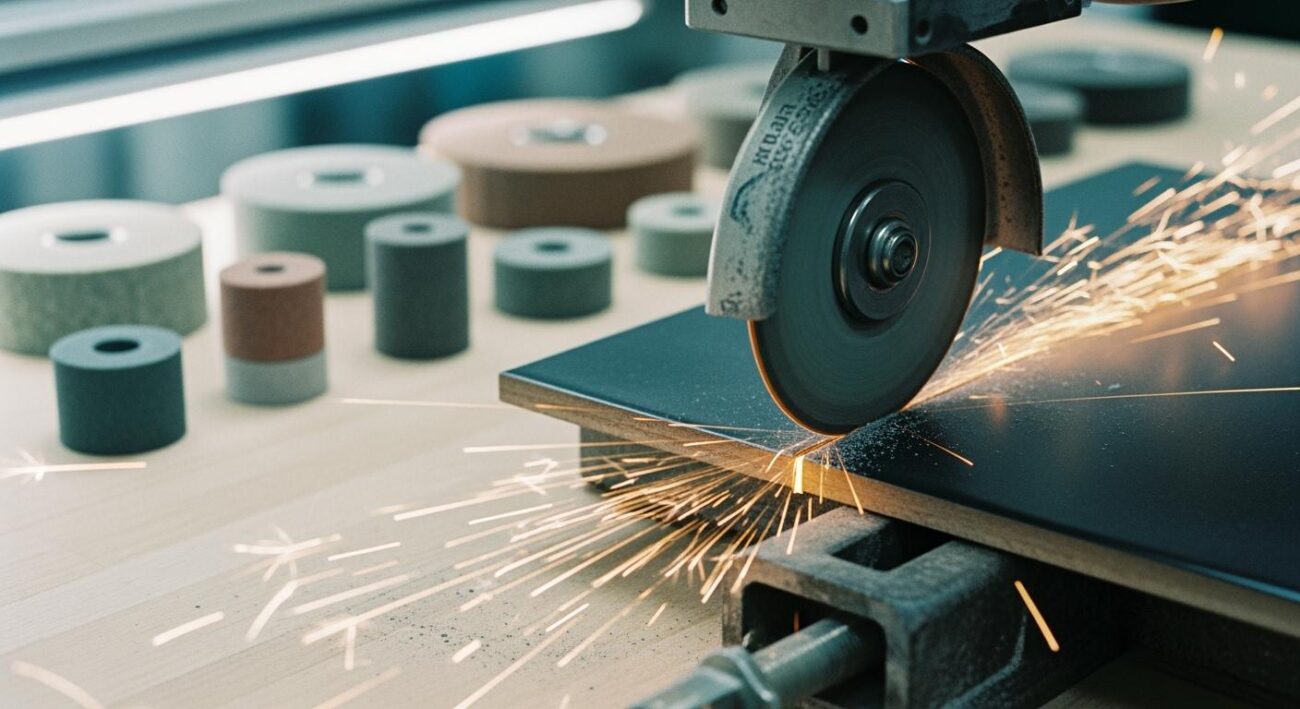
Select the right grinding wheel for brittle materials by matching the abrasive, bond, and grit to your application. Diamond wheels are best for ceramics and glass.
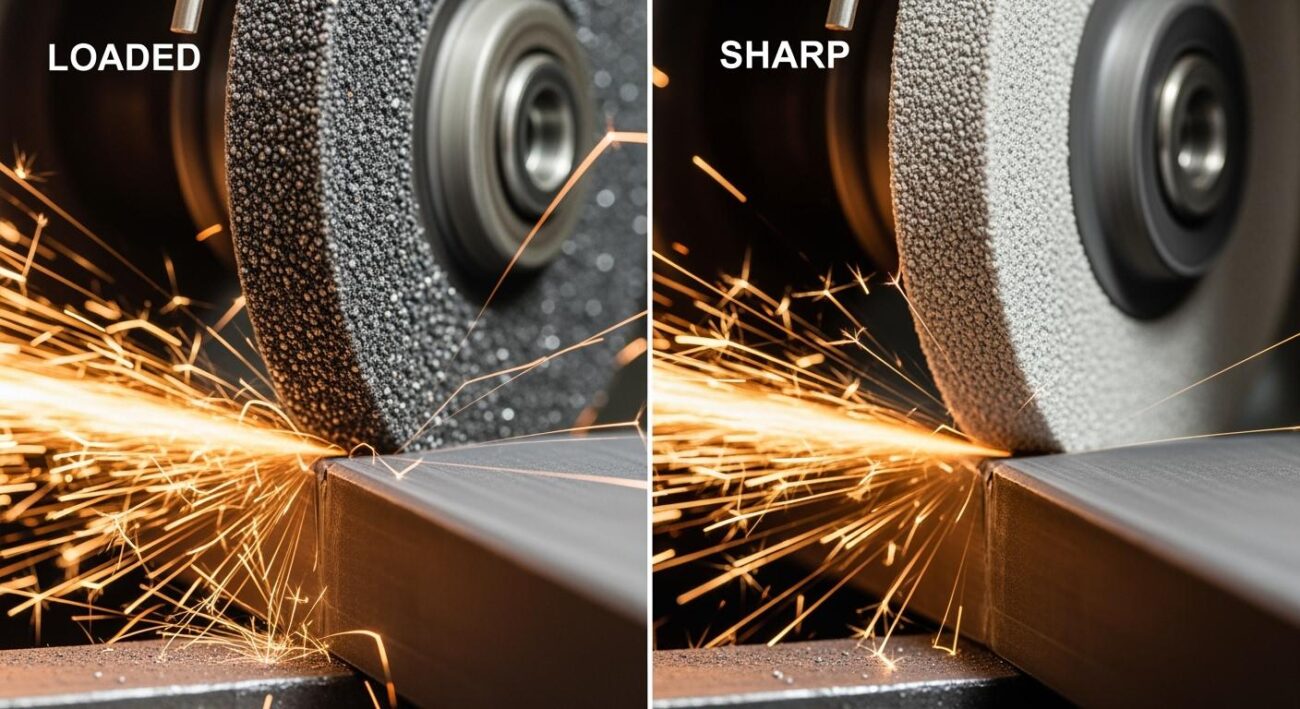
Effectively prevent and resolve grinding wheel loading by choosing the right wheel and optimizing coolant flow. If loading occurs, dress the wheel to restore its cutting surface.

Reduce heat buildup in grinding by matching coolant velocity to wheel speed. This guide details adjusting parameters like feed rate and depth of cut for cooler results.
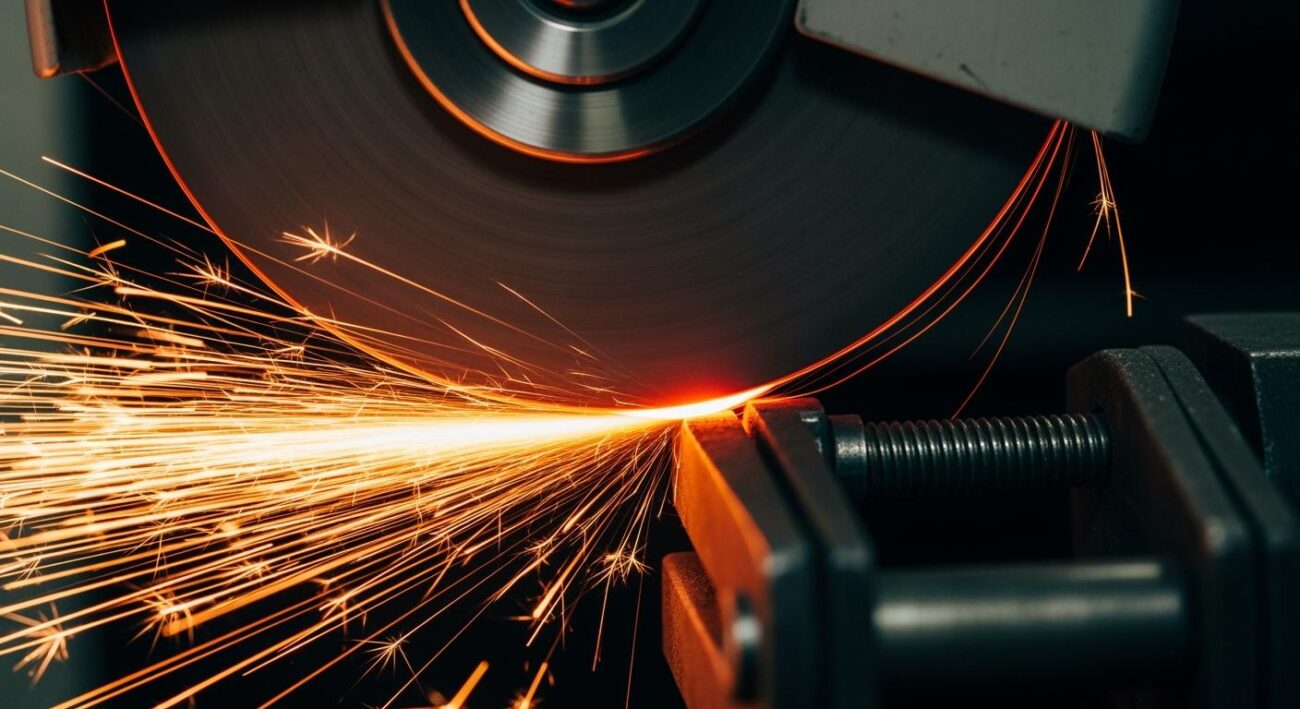
Superabrasive grinding wheels with CBN or Diamond offer maximum stability under high thermal loads. Advanced conventional abrasives also provide excellent heat resistance.
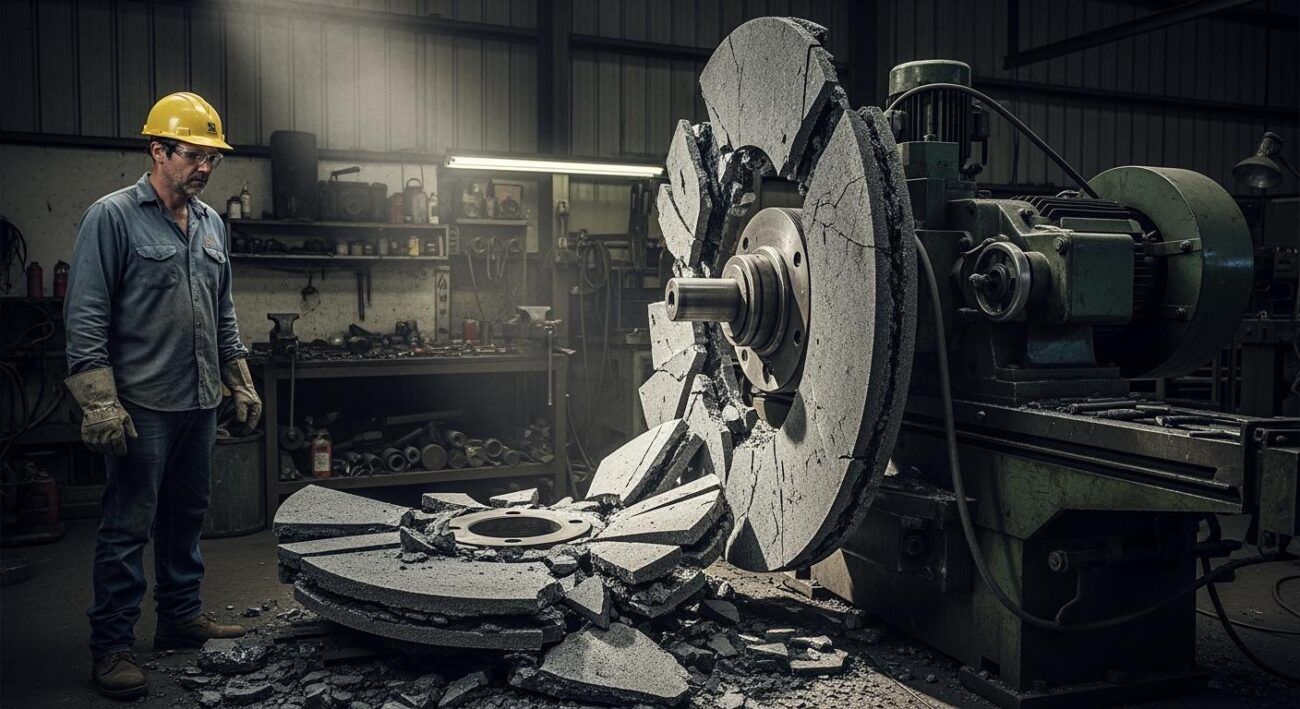
Grinding wheel breakage is often caused by operational errors like overspeeding, improper mounting, excessive pressure, or using a damaged wheel. Following safety rules prevents these failures.
No account yet?
Create an Account