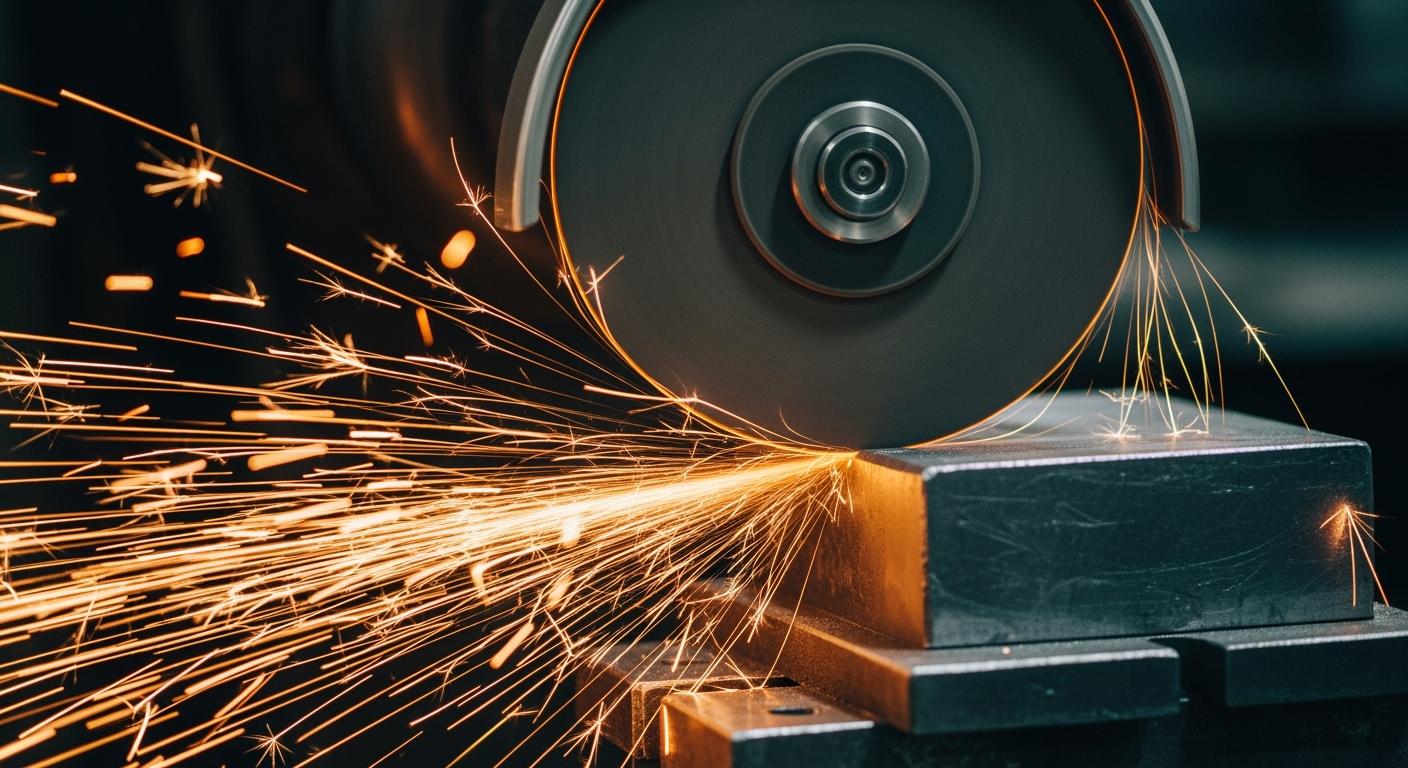
Optimal performance on high-toughness workpieces depends on the right abrasive. Choices range from ceramic alumina to advanced superabrasives like CBN and diamond. The correct grinding tool must match the workpiece material precisely.
Note: While the abrasive grain is critical, factors like bond hardness and grit size are equally important for achieving the best results with your grinding wheels. Selecting the right grinding tool requires a complete understanding of these variables.
Key Takeaways
- Choose the right abrasive for your workpiece. Ceramic alumina works for tough steels. Zirconia alumina is for heavy-duty metal removal. Superabrasives like CBN and diamond are for very hard materials.
- CBN wheels are best for hard metals like steel. Diamond wheels are best for hard, non-metal materials like carbide and ceramics.
- A soft bond helps grinding wheels work better on hard materials. It lets dull abrasive grains fall off and new sharp ones appear. This keeps the wheel cutting well.
- Use coarse grits to remove a lot of material quickly. Then, use finer grits to make the surface smooth.
- Match the grinding wheel to the specific metal. For example, use ceramic alumina for stainless steel and a soft bond for titanium.
Key Abrasive Types of Grinding Wheels
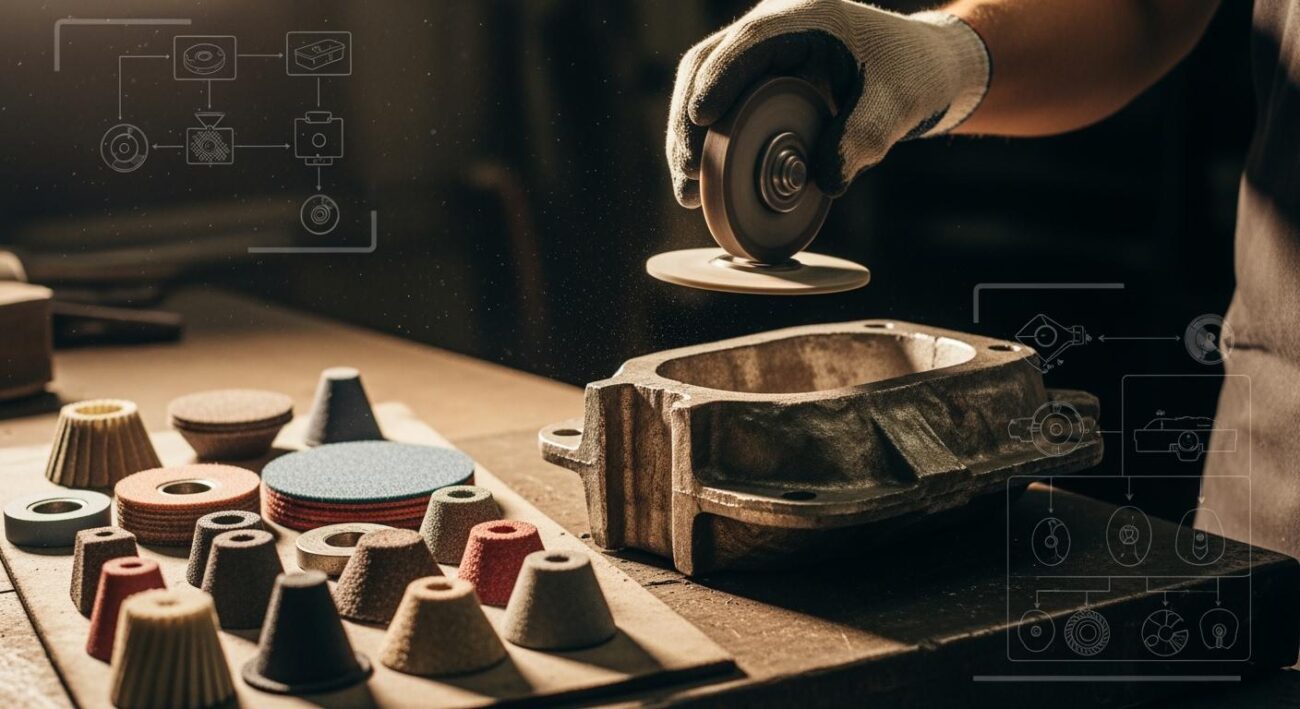
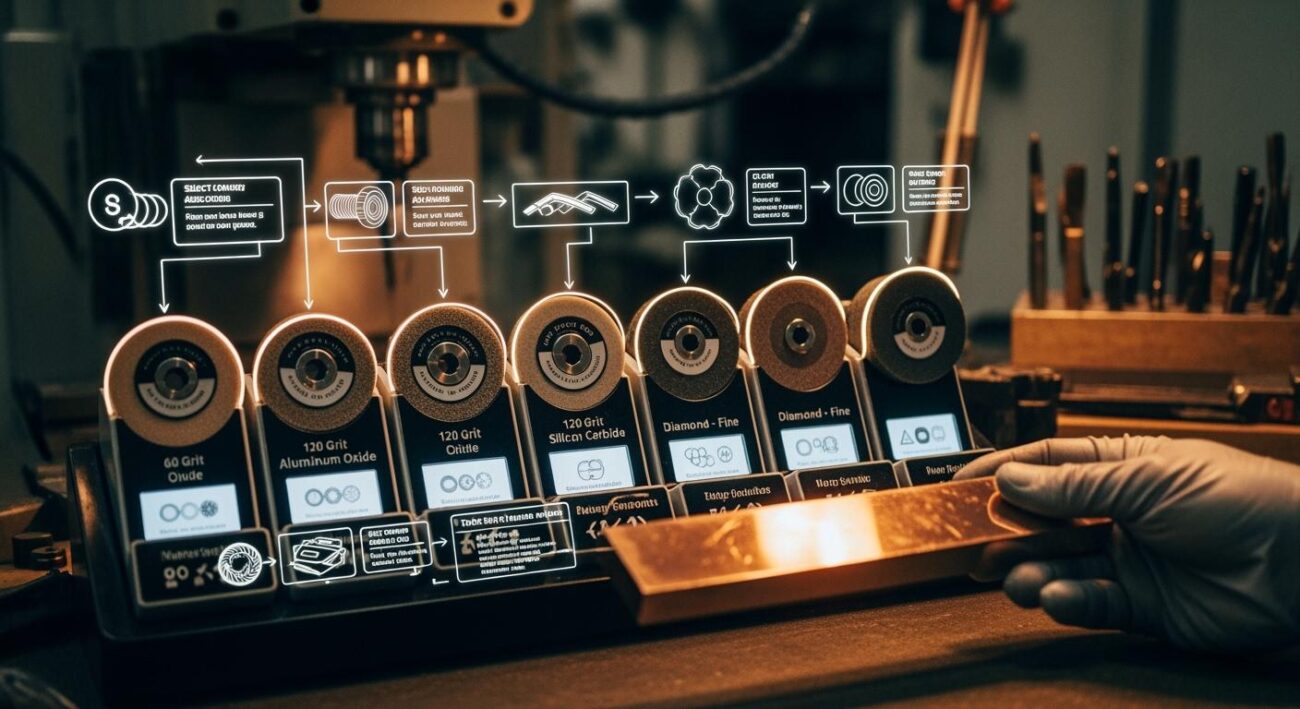
Selecting the right abrasive is the first step toward high performance. The various types of grinding wheels are defined by their abrasive grains, each offering unique benefits for specific materials and applications. Conventional abrasives like aluminum oxide and silicon carbide serve a wide range of general-purpose needs. However, high-toughness workpieces demand more advanced solutions.
Ceramic Alumina for Cool, Fast Grinding
Ceramic alumina represents a significant advancement in abrasive technology. This high-performance grain is exceptionally hard and durable, making it ideal for precision grinding on tough steels and alloys.
Its key advantage is a unique micro-fracturing characteristic. As the grain wears, it breaks away in tiny pieces, constantly exposing new, sharp cutting edges. This self-sharpening action allows the grinding tool to cut faster and cooler, reducing the risk of workpiece burn and extending the life of the grinding wheels.
Zirconia Alumina for Heavy-Duty Applications
For aggressive, heavy-duty metal removal, zirconia alumina is a top contender. This abrasive is a tough blend of aluminum oxide and zirconium oxide, creating an exceptionally durable grinding tool. It excels in high-pressure applications where standard abrasives would quickly wear down. Industries that rely on this powerful abrasive include:
- Automotive
- Metal Fabrication
- Aerospace & Defense
Compared to standard aluminum oxide, zirconia alumina offers superior toughness and heat resistance, making it perfect for aggressive stock removal and weld grinding.
Engineered Abrasive Blends
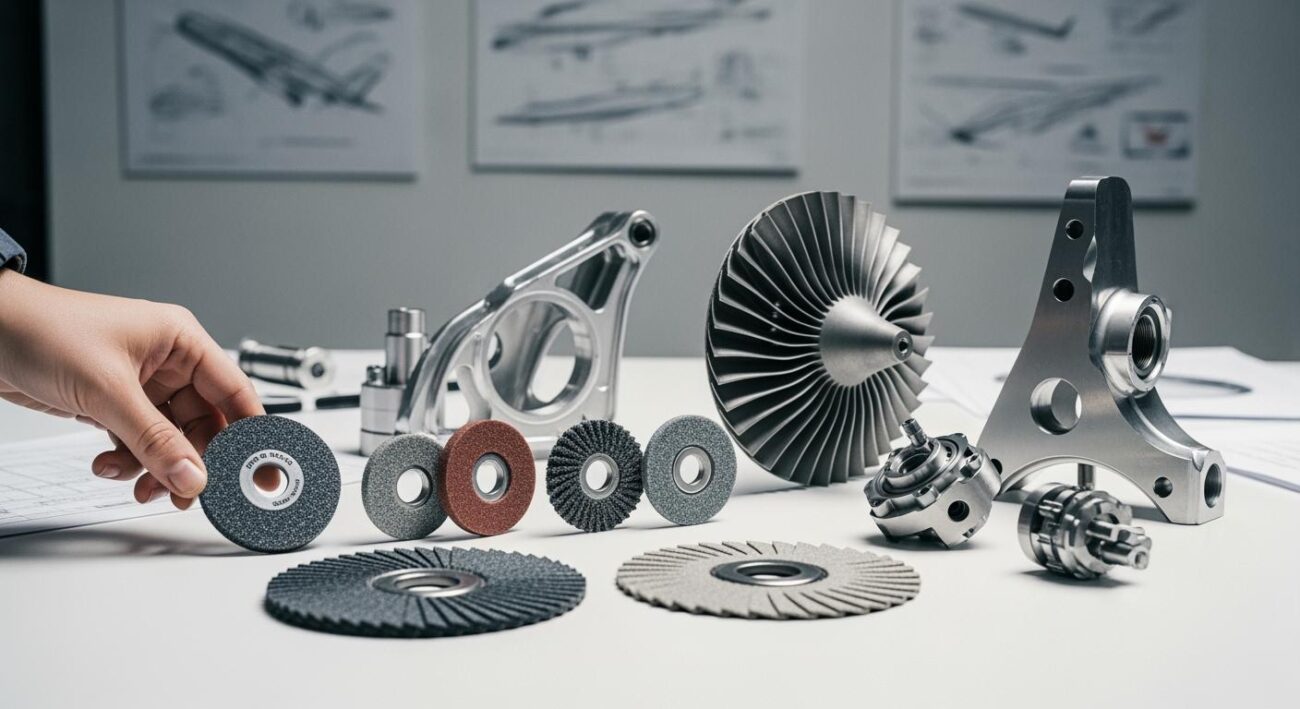
Modern manufacturing often requires a specialized grinding tool tailored to a unique process. Engineered abrasive blends meet this need by combining different grains to achieve specific performance goals. For instance, a proprietary mix of aluminum oxide and silicon carbide can prevent loading when grinding soft metals like aluminum or brass. Other advanced blends are designed for precision tasks, such as deburring automotive castings or preparing aerospace components for plating, ensuring a consistent finish and high efficiency. These custom formulations optimize the types of grinding wheels for very specific outcomes.
Superabrasive Grinding Wheels for Extreme Hardness
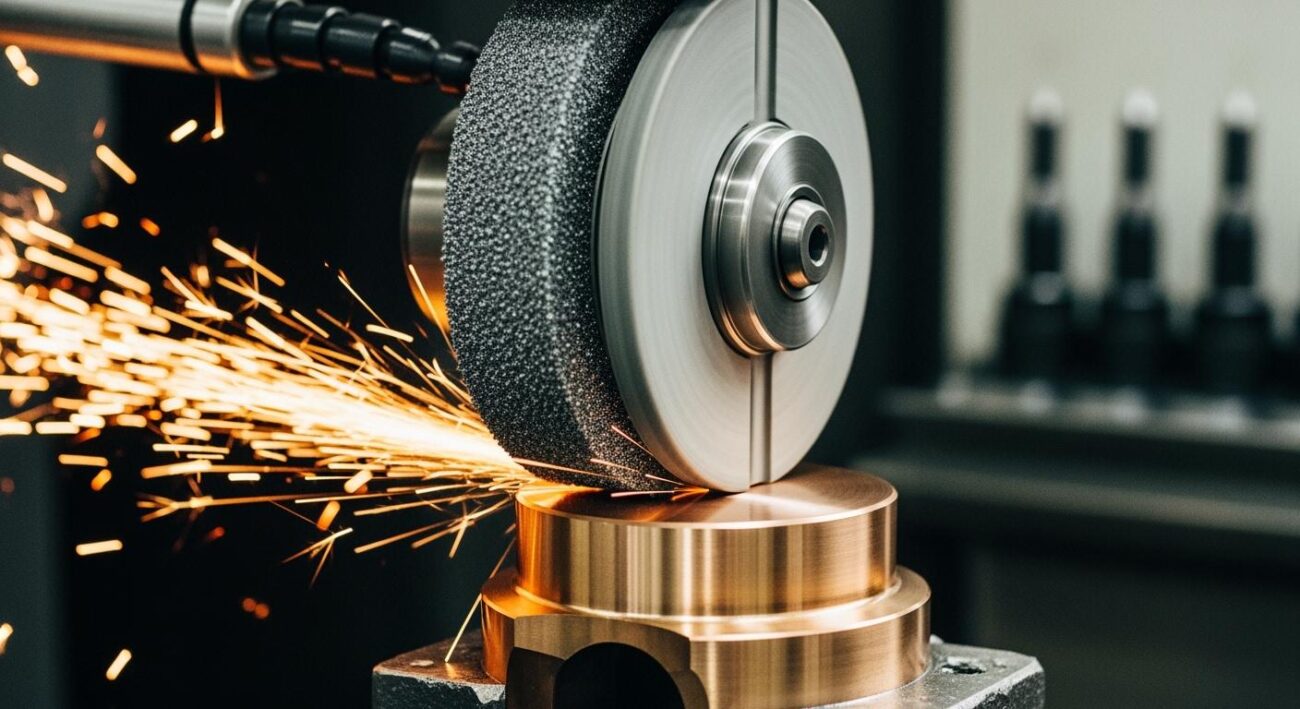
When conventional abrasives reach their limit, superabrasives provide the necessary power and precision. These top-tier solutions, Diamond and Cubic Boron Nitride (CBN), are designed for the most difficult-to-grind materials. Their exceptional hardness allows them to machine workpieces that other abrasives cannot touch.
| Material | Knoop Hardness Rating |
|---|---|
| Diamond | ~7,000 |
| Cubic Boron Nitride (CBN) | 4,700 |
| Conventional Grains | 2,100 to 2,500 |
This significant jump in hardness translates to superior performance on extremely tough applications.
CBN Wheels for Hardened Ferrous Metals
Cubic Boron Nitride (CBN) is the second hardest material after diamond. It is the ideal grinding tool for hardened ferrous metals with a hardness above 60 HRC. CBN possesses incredible thermal and chemical stability. It can withstand temperatures over 1200°C and does not react with iron-based materials. This prevents workpiece burn and tool degradation.
- High-speed steel (HSS)
- Hardened tool steels
- Bearing steel
- Cast iron
Its properties make it the perfect grinding tool for creating high-precision gears, blades, and other complex steel components.
Diamond Grinding Wheels for Carbides and Composites
Diamond is the ultimate abrasive for grinding hard, brittle, and non-ferrous materials. It excels where CBN cannot, making it essential for applications involving:
- Tungsten Carbide
- Advanced Ceramics
- Glass
- Composite Materials
Specialized providers like Aimgrind engineer diamond grinding wheels for unmatched precision on these challenging materials. Because every application is unique, a one-size-fits-all approach is not effective. Aimgrind leverages its expertise to provide customized solutions, designing a specific formula for each grinding tool. This personalized selection ensures the abrasive, bond, and grit are perfectly matched to the material and process, delivering maximum efficiency. These types of grinding wheels are critical in industries from aerospace to medical device manufacturing.
Matching Bond and Grit to Grinding Wheels
Selecting the right abrasive grain is only the first step. The performance of a grinding tool also depends heavily on its bond and grit size. The bond holds the abrasive grains together, while the grit size determines the coarseness of the cut. Matching these two elements to your workpiece material is essential for achieving efficiency and a quality finish.
Why a Softer Bond Works Best on Hard Materials
Abrasive grains possess a quality called friability. This is the grain’s ability to fracture under pressure and expose new, sharp cutting edges. This self-sharpening action is critical for maintaining a high cutting rate. The bond’s role is to support this process.
When grinding hard materials, a softer bond is often the superior choice. A soft bond wears away at a controlled rate, releasing dull abrasive particles. This action continuously exposes fresh, sharp grains, making the grinding tool “free-cutting.”
This mechanism prevents the surface of the grinding wheels from glazing over or loading with material. If the bond is too hard for the workpiece, the grains will dull faster than they are shed. This leads to increased heat, poor surface finish, and inefficient grinding. A softer bond ensures the grinding tool remains aggressive and effective throughout the operation.
Selecting Coarse Grits for Material Removal
The grit size of a grinding tool refers to the size of the individual abrasive particles. Grit sizes are categorized into coarse, medium, and fine ranges, each suited for different tasks.
| Grit Size | Typical Application |
|---|---|
| 10-24 | Rough grinding, heavy stock removal |
| 30-60 | General purpose, shaping |
| 70-220 | Precision grinding, tool sharpening, finishing |
For high-toughness workpieces, the process often begins with rapid material removal. Coarse grits, such as 24 to 40, are ideal for this initial stage. The larger particles take deeper cuts, removing more material with each pass. This results in a higher material removal rate but leaves a rougher surface finish. Operators typically start with a coarse-grit grinding tool for shaping and then switch to finer grits for finishing. This multi-step approach balances speed with precision, ensuring an optimal outcome.
Wheel Recommendations for Specific Metals
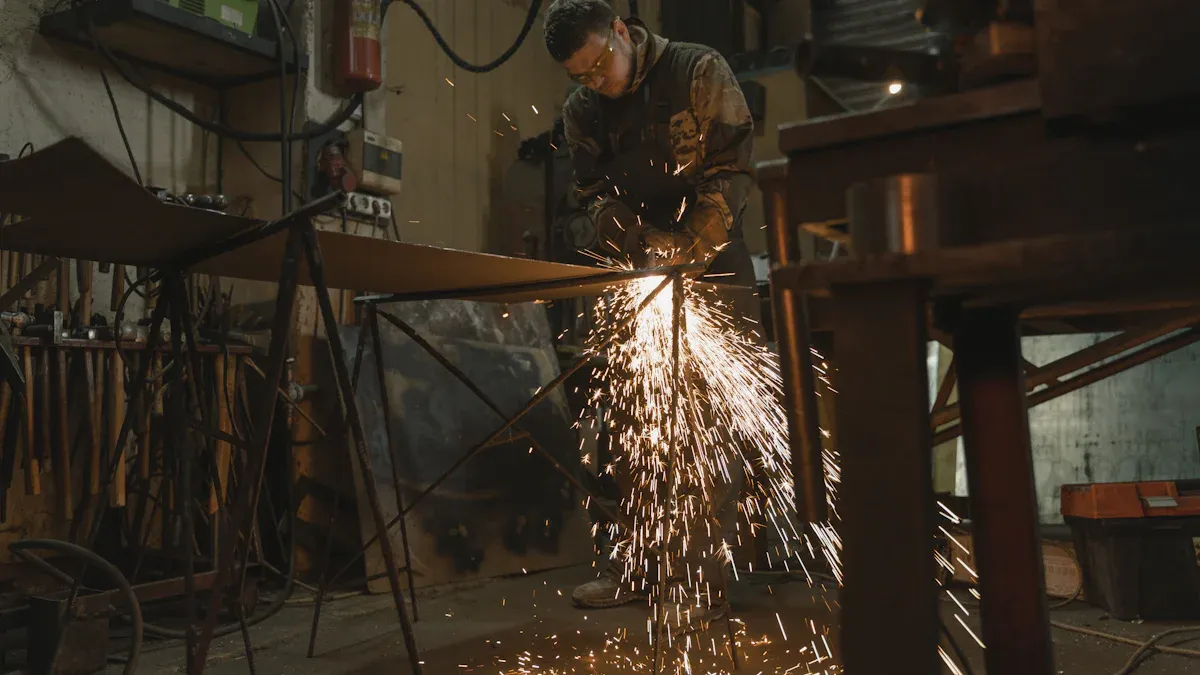
Matching the grinding tool to the specific metal is the final step in ensuring optimal performance. High-toughness metals each have unique properties that demand a tailored approach. The right combination of abrasive, bond, and grit can overcome common challenges and deliver superior results.
For Stainless Steel: Ceramic Alumina Wheels
Stainless steel is known for its toughness and ductility. These properties, however, create significant challenges during grinding. Operators often face issues that compromise efficiency and quality.
Common Grinding Problems with Stainless Steel:
- Wheel Loading: The ductile material clogs the wheel’s surface, reducing its cutting ability.
- Built-Up Edge: Metal fragments weld to the abrasive grains, leading to a poor surface finish.
- Heat Generation: Excessive friction can cause thermal damage and warp the workpiece.
Ceramic alumina grinding wheels are the ideal solution for these problems. Their self-sharpening micro-fracturing action keeps the wheel clean and cool. This allows the grinding tool to maintain a high cut rate without loading or causing workpiece burn. For most stainless steel grinding wheel applications, a medium-grit ceramic wheel with a medium-soft bond provides an excellent balance of material removal and surface finish.
For Nickel Alloys (Inconel): Ceramic or CBN Wheels
Nickel-based superalloys like Inconel are exceptionally difficult to grind. They maintain their strength at high temperatures, which causes rapid tool wear. The primary wear mechanisms include the adhesion of workpiece material to the tool and attritious wear, where grains are flattened and dulled.
For general-purpose work, ceramic alumina wheels can be effective. However, for high-precision or high-volume production, Cubic Boron Nitride (CBN) is the superior choice. CBN is the second hardest material known and is chemically stable when grinding ferrous materials like Inconel. This stability prevents the adhesion and diffusion that cause other abrasives to fail.
| Feature | CBN (Cubic Boron Nitride) |
|---|---|
| Hardness | Second hardest material |
| Best For | Ferrous materials (steels, superalloys like Inconel®) |
| Key Benefit | Chemically stable with iron at high temps |
| Avoid With | Very soft, gummy materials |
Using a CBN grinding tool enables faster grinding speeds, extends wheel life, and achieves precise shapes with smooth finishes. These different types of grinding wheels offer distinct advantages depending on the job’s demands.
For Titanium: Ceramic Alumina with a Soft Bond
Titanium presents a unique set of grinding challenges due to its low thermal conductivity and high chemical reactivity. The material does not dissipate heat well, making it highly susceptible to thermal damage, deformation, and cracking.
A soft bond is crucial for preventing thermal damage when grinding titanium. The softer bond helps reduce the adhesion of abrasive grains and chips. This reduction in adhesion directly minimizes the grinding heat generated during the process.
The recommended grinding tool for titanium combines a ceramic alumina abrasive with a very soft bond. The ceramic grain provides the necessary sharpness, while the soft bond ensures that dull grains are shed quickly. This action keeps the wheel “free-cutting,” which minimizes heat buildup and prevents workpiece damage.
Pro Tip: 💡 Coolant selection is critical for titanium. Studies show that alkaline-based coolants, such as alkaline soap water, can be highly effective. They improve anti-frictional properties in the grinding zone and reduce wheel loading, often outperforming other cooling methods.
Selecting the best grinding tool follows a clear hierarchy. Operators should start with ceramic or zirconia alumina for general high-toughness work. They can upgrade to CBN or diamond for extreme hardness and precision. Pairing the right abrasive with a softer bond and appropriate grit size is crucial for optimal performance.
For a solution that boosts efficiency and lowers costs, consult with specialists. Aimgrind provides a customized grinding tool perfectly matched to your material and process, ensuring maximum productivity.
FAQ
What is the main difference between CBN and diamond wheels?
Cubic Boron Nitride (CBN) wheels are best for grinding hard ferrous metals like tool steel and Inconel. Diamond wheels excel with non-ferrous materials. These include tungsten carbide, ceramics, and composites. Each superabrasive has a specific material focus for optimal performance.
Why does a soft bond work better on a hard workpiece?
A softer bond is crucial for grinding hard materials. It wears away at a controlled rate, releasing dull abrasive grains. This action constantly exposes new, sharp cutting edges.
This self-sharpening process prevents heat buildup and ensures the grinding tool remains effective and “free-cutting.”
When should an operator choose a coarse grit?
Operators select coarse grits for rapid material removal. These larger abrasive particles take deeper cuts, quickly shaping a workpiece. Finer grits are then used for finishing.
Pro Tip: 💡 Start with a coarse grit (e.g., 36) for stock removal and switch to a fine grit (e.g., 120) for the final surface.
Is it possible to get a wheel for a unique material?
Yes, custom grinding wheels offer superior performance for unique applications. A specialized provider like Aimgrind can design a specific formula. This process matches the abrasive, bond, and grit to the exact workpiece material and grinding parameters for maximum efficiency.