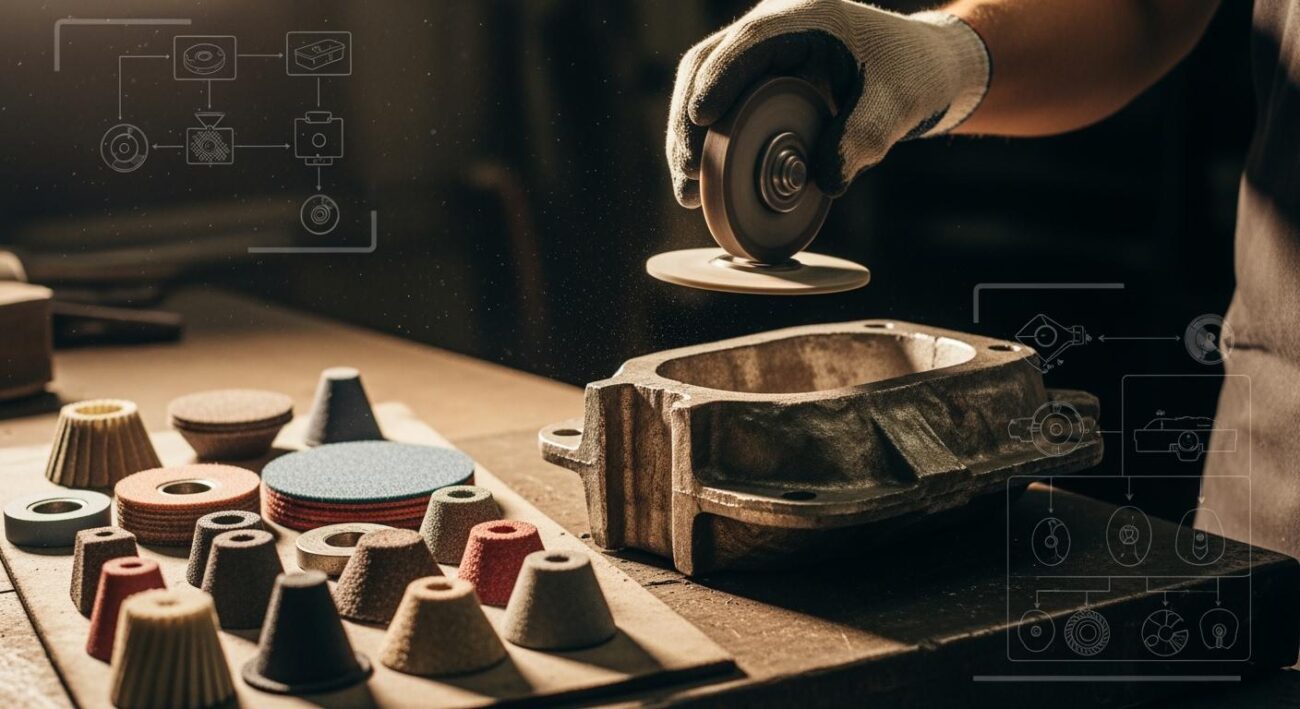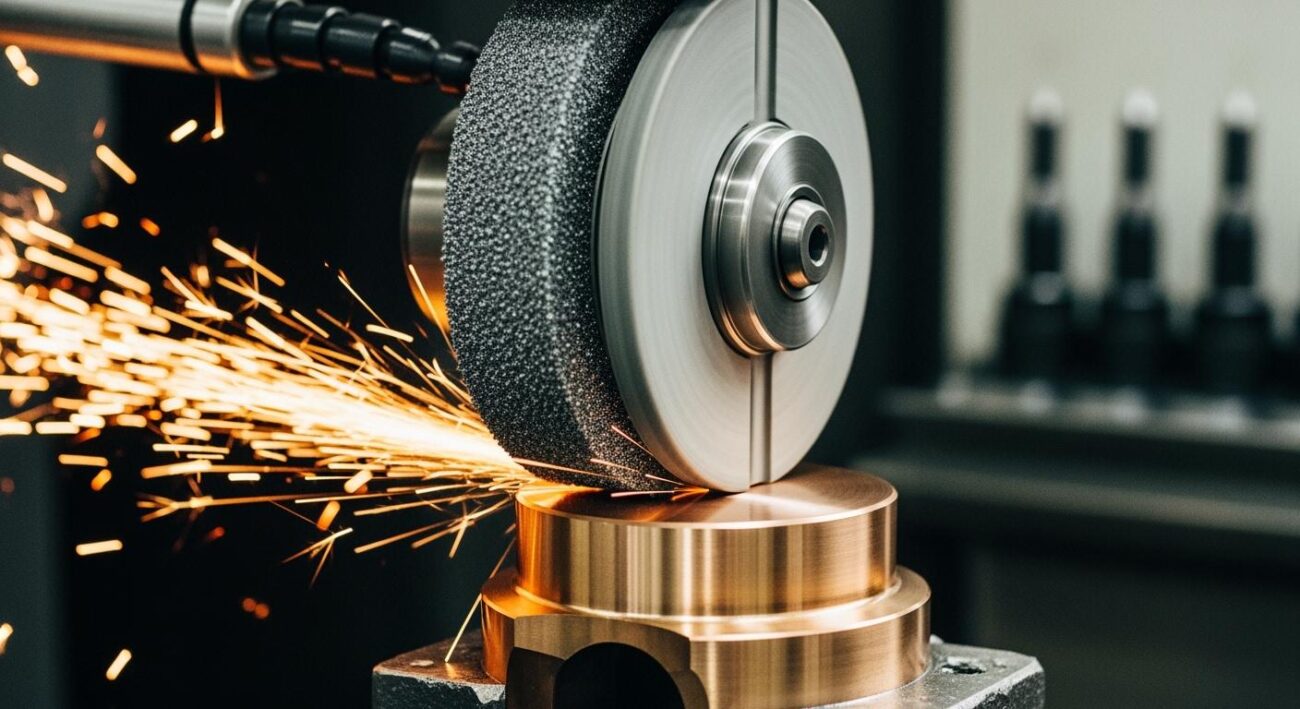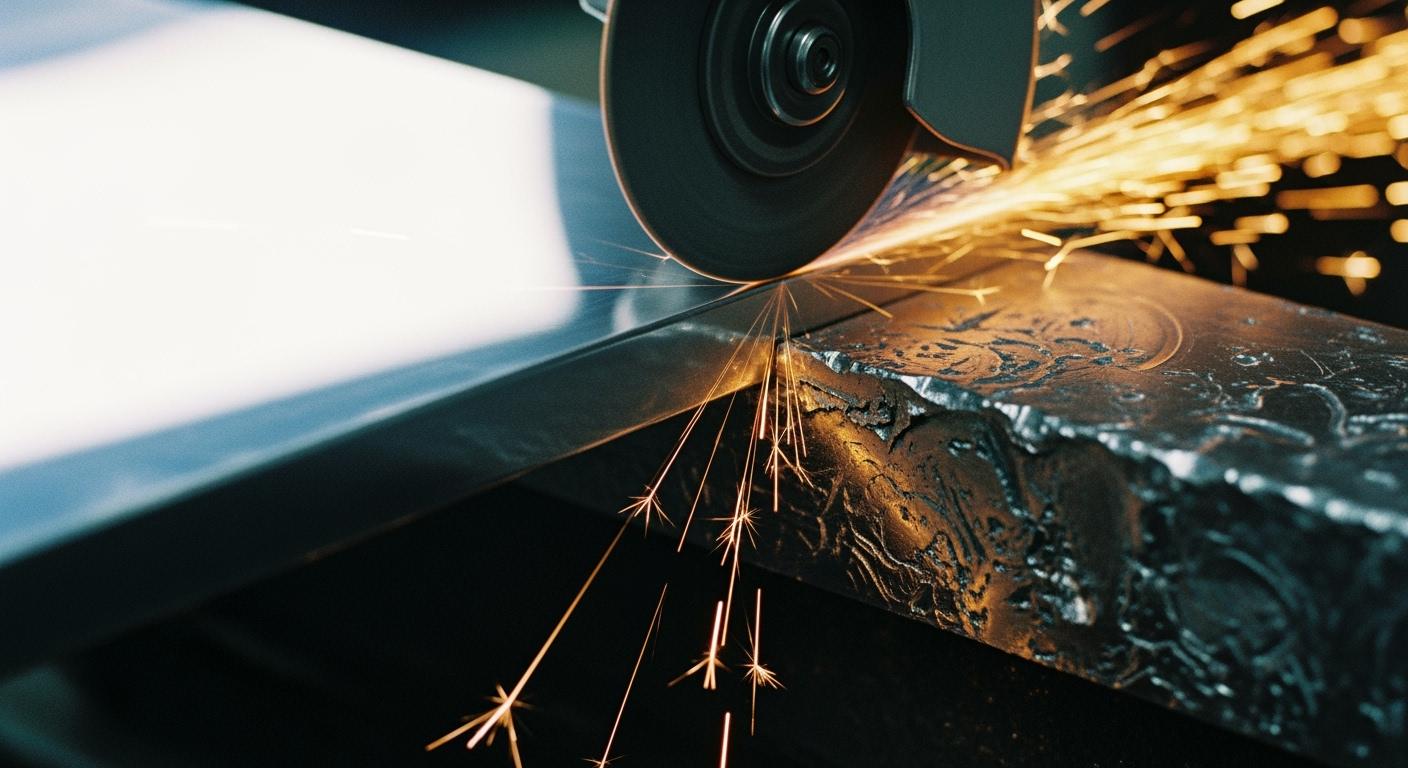
Improper abrasive wheel feed speeds are a primary cause of poor surface quality in grinding operations. During high-speed grinding, the abrasive grains cannot cut effectively. Instead, they enter a state of plowing or rubbing, which compromises the entire grinding process.
- Plowing: Plastic deformation without material removal.
- Rubbing: Friction-based interaction.
This flawed grinding leads to thermal damage, increased surface roughness, and subsurface defects. Correcting the results of poor grinding can ultimately double production costs, making proper technique essential.
Key Takeaways
- High feed speeds in grinding cause problems like heat damage and rough surfaces.
- Too much speed can damage the grinding wheel by clogging or dulling it.
- Use the right coolant to control heat and keep the wheel clean.
- Regularly clean and reshape the grinding wheel to keep it working well.
- Find the best feed speed for your material to get a good finish and avoid damage.
How High Abrasive Wheel Feed Speeds Degrade Surfaces
Excessive abrasive wheel feed speeds introduce destructive forces into the grinding process. The specific material removal rate, often denoted as q-prime, is a critical parameter in grinding. A higher feed speed directly increases the q-prime. This elevated q-prime forces each abrasive grain to remove more material than it can handle efficiently. The result is a shift from clean cutting to a damaging plowing and rubbing action, which degrades the workpiece surface in three primary ways.
Thermal Damage from Excess Heat
Heat is the primary enemy of precision grinding. When the q-prime is too high, friction between the wheel and the workpiece skyrockets. This intense friction generates excessive thermal energy that the coolant cannot dissipate quickly enough.
The consequences of this thermal overload are severe:
- Metallurgical Burns: The surface can discolor, showing blue or brown temper marks. These burns are visible indicators of altered material properties.
- Changes in Hardness: The intense heat can soften (temper) or harden (martensite formation) the surface layer, compromising its intended mechanical properties.
- Residual Stresses: Rapid heating and cooling cycles introduce tensile residual stresses. These stresses make the component more susceptible to cracking and fatigue failure during its service life.
A high q-prime increases both cutting and passive forces during grinding. This force growth leads to a greater mechanical load, which in turn generates more heat and accelerates tool wear. Managing the q-prime is essential for controlling thermal damage in all grinding operations.
The Impact on Surface Roughness in Grinding
Surface roughness is directly influenced by the feed speed. A higher q-prime results in the formation of larger, thicker chips. The abrasive grains tear material away instead of shearing it cleanly. This aggressive material removal process leaves behind a rougher, more irregular surface texture. High speed and high feed combinations almost always produce a worse surface quality. This happens because of rapid tool wear and irregularities on the worn-out cutting edge.
The relationship between feed rate and surface integrity is clear.
| Aspect | Impact of Feed Rate |
|---|---|
| Surface Roughness | Has a direct impact. Higher feed rates from an elevated q-prime usually lead to rougher surfaces. |
| Scallop Marks | Plays a key role. Higher rates create more visible marks from the tool path. |
| Machine Stability | High feed rates can destabilize the machine, especially if the tool or workpiece lacks rigidity. |
Note: A poor surface finish is more than just a cosmetic issue. Rough surfaces contain microscopic peaks and valleys that act as stress concentration points. This significantly reduces the fatigue strength and service life of a component, as fatigue failure often originates at the surface. Improving surface quality by controlling the
q-primeenhances the fatigue limit and overall part reliability.
Subsurface Damage and Microcracks
The most insidious damage from high feed speeds occurs beneath the surface. The immense mechanical forces associated with a high q-prime do not stop at the surface layer. They propagate into the material, creating a zone of plastic deformation and structural defects.
This can lead to:
- Microcracks: Tiny fractures that form just below the surface. These cracks are difficult to detect but can grow under operational stress, leading to catastrophic component failure.
- Phase Transformations: The combination of high pressure and temperature can alter the material’s crystalline structure in the subsurface region.
- Amorphous Layers: In the grinding of certain materials like silicon, a high
q-primecan cause mechanochemical oxidation. This process forms a nanoscale amorphous layer that increases the risk of surface damage and raises surface roughness.
Detecting these microcracks requires sophisticated methods. Modern quality control uses advanced imaging and AI models to find these hidden flaws. For example, a joint Mask R-CNN and TransUNet model can automatically detect and quantify microcracks from Scanning Electron Microscope (SEM) images of a ground surface. The existence of such complex detection methods highlights the importance of preventing these defects during the grinding process itself by maintaining an optimal q-prime. Achieving a high-quality finish depends on a controlled material removal rate, not just speed.
Wheel Degradation: Loading and Glazing
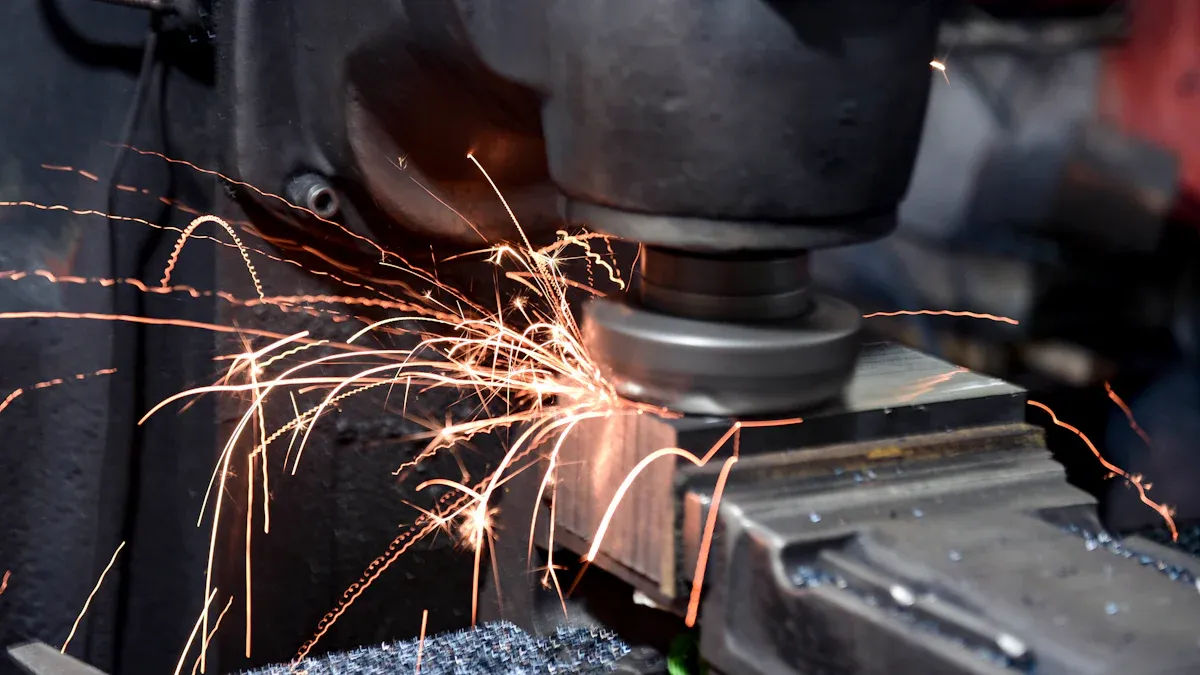
Excessive feed speeds not only damage the workpiece but also degrade the grinding wheel itself. This degradation typically manifests as two distinct problems: wheel loading and wheel glazing. Both conditions severely reduce grinding efficiency and compromise the G ratio, which measures the volume of material removed relative to wheel wear. A low G ratio signifies an inefficient grinding process.
The Problem of Wheel Loading
Wheel loading occurs when chips from the workpiece clog the spaces between the abrasive grains on the wheel. High feed rates in grinding create larger, thicker chips that can become mechanically wedged in the wheel’s pores.
This problem is especially common with certain materials:
- Soft or sticky metals like aluminum and copper.
- Non-ferrous alloys such as brass.
- Wood and other organic materials.
The mechanism involves the adhesion of workpiece material directly onto the abrasive grits. This buildup prevents the wheel from cutting effectively. The G ratio plummets because the wheel is no longer performing its primary grinding function. A low G ratio from loading indicates that the grinding operation is failing. Improving the G ratio requires addressing the root cause of loading. A poor G ratio is a clear sign of an inefficient grinding setup.
Note: A low G ratio is a critical indicator of process inefficiency. When a wheel is loaded, the G ratio drops significantly, signaling that the grinding process requires immediate correction to restore performance. The G ratio is essential for optimizing any grinding operation.
The Issue of Wheel Glazing
Wheel glazing is a different form of degradation where the abrasive grains become dull and smooth. Instead of fracturing to expose new, sharp cutting edges, the grains wear down and develop a shiny, “glazed” surface. This happens when the grinding forces are too high, causing the wheel to rub instead of cut.
A glazed wheel loses its cutting ability, leading to several negative outcomes:
- Increased Friction and Heat: The wheel slides across the workpiece, generating excessive heat.
- Reduced Cutting Efficiency: Material removal slows dramatically, which severely lowers the G ratio.
- Poor Surface Finish: The rubbing action degrades surface quality.
Glazing directly impacts the G ratio by reducing the material removal rate. A low G ratio is a direct consequence of a glazed wheel. To maintain a healthy G ratio, operators must prevent glazing through proper grinding parameters. The G ratio is a key metric for tracking the health of a grinding wheel.
Grinding Process Optimization Strategies
Achieving a flawless surface finish while maintaining production efficiency requires a deliberate strategy. Grinding process optimization is not about finding the single fastest setting; it is about creating a balanced system where the machine, tool, and parameters work in harmony. This involves finding the right feed speed, managing thermal energy with coolant, and performing regular wheel maintenance.
Finding the Optimal Feed Speed
The ideal feed speed is a delicate balance between the desired material removal rate and the physical limits of the tool and workpiece. While maximizing q-prime can increase throughput, pushing it too far leads to the surface defects discussed earlier. The key is to find the sweet spot where the q-prime is high enough for efficiency but low enough to ensure clean cutting action.
However, the right parameters are only half the equation. The right tool is just as important. The material being ground heavily influences the optimal settings.
- Hardness: Harder materials like hardened steel or ceramics require slower feed speeds to prevent excessive tool wear. Softer materials like aluminum can often be ground at higher rates.
- Thermal Conductivity: Materials with low thermal conductivity retain heat at the cutting zone. This requires slower speeds to prevent thermal damage.
- Chip Formation: Brittle materials that form small chips can often be ground faster than ductile materials that produce long, continuous chips.
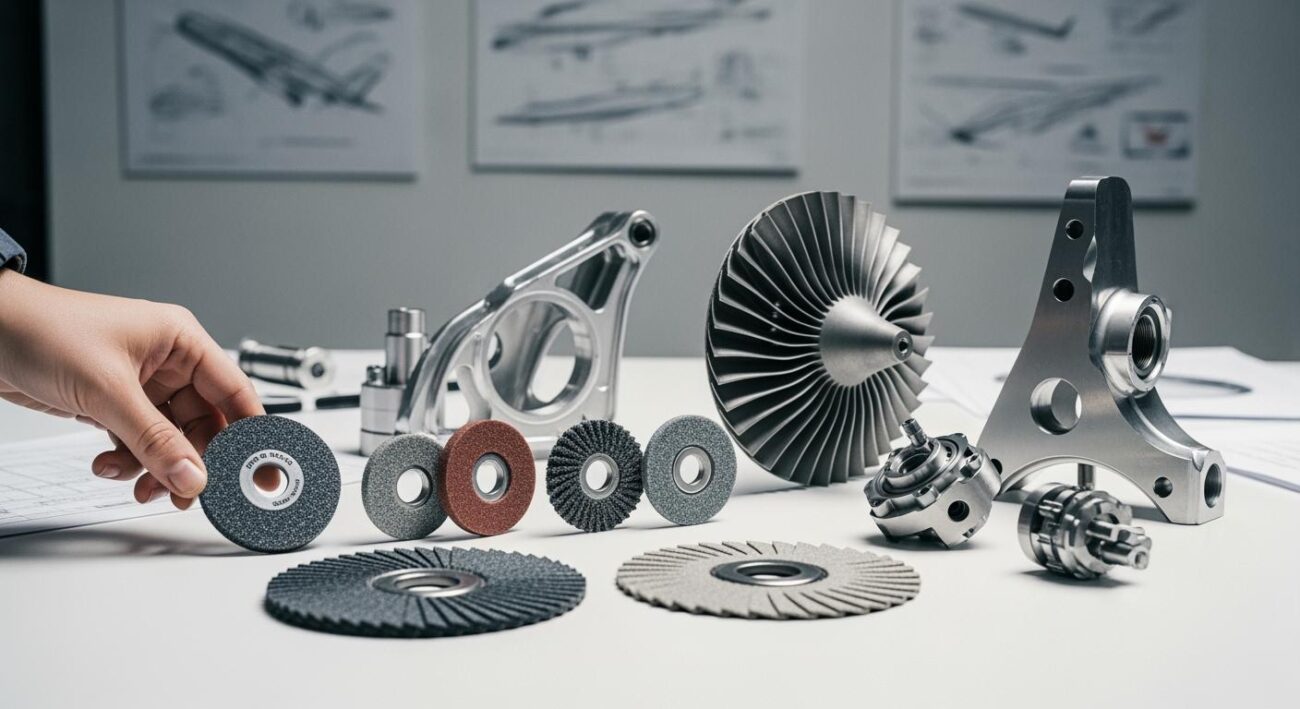
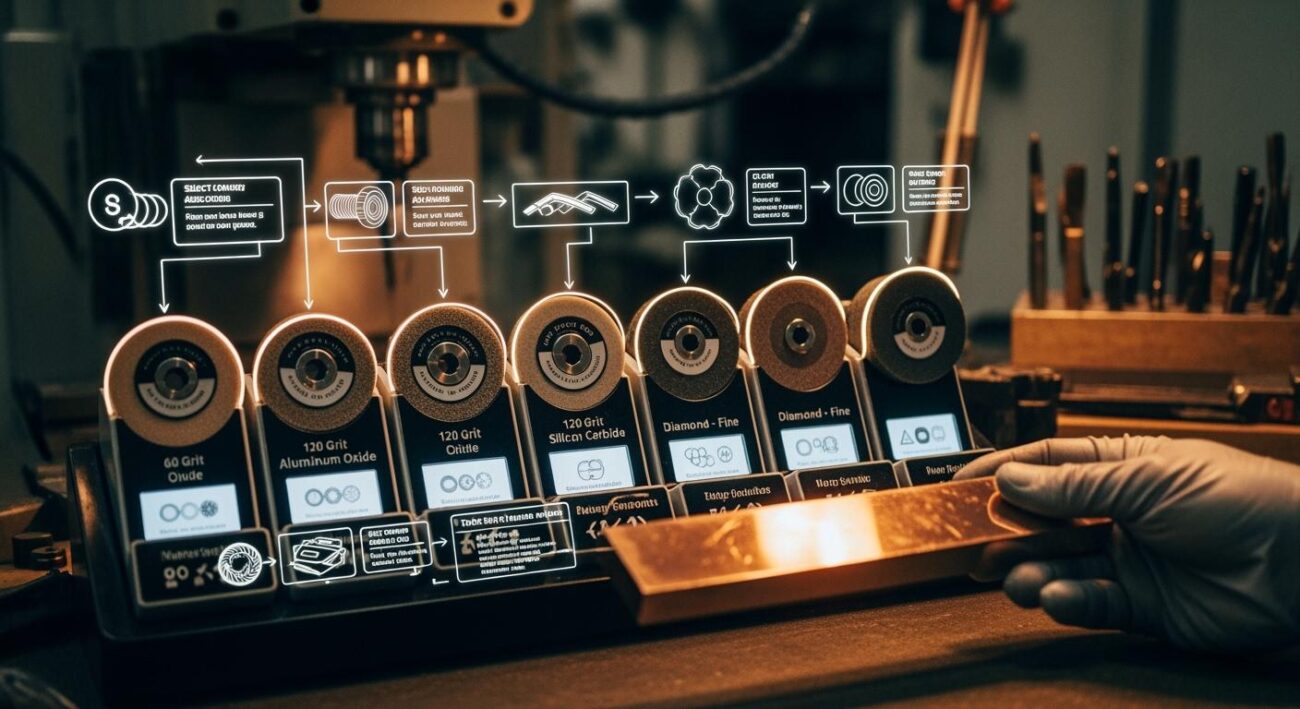
For challenging materials, a standard abrasive wheel may not be enough. This is where specialized solutions become critical for precision manufacturing.
Aimgrind‘s Expertise in Precision Manufacturing
For difficult-to-grind materials like ceramics, composites, or hard alloys, a specialized tool like an Aimgrind diamond grinding wheel is essential. These wheels are engineered with superior hardness and wear resistance, allowing them to maintain surface integrity even at efficient production rates. They are designed to manage heat effectively and hold their form, which is crucial for preventing thermal damage and microcracks when maximizing q-prime.A holistic approach that combines Aimgrind’s tailored grinding solutions with optimized machine parameters leads to superior results, turning a difficult grinding task into a predictable, high-quality process.
The Critical Role of Coolant
Coolant is a cornerstone of high-quality grinding operations. Its primary role is to dissipate the intense heat generated at the grinding zone, preventing thermal damage. However, it also serves to lubricate the cutting interface and flush away chips that could otherwise load the wheel or mar the workpiece surface. Choosing the right coolant and application method is a key part of grinding process optimization.
Different coolants offer different balances of cooling and lubrication.
| Coolant Type | Composition | Best For |
|---|---|---|
| Soluble Oils | Oil-in-water emulsions | General-purpose grinding with good cooling and lubricity. |
| Synthetics | No petroleum oil; chemical-based | High-speed grinding where superior cooling is the priority. |
| Semi-Synthetics | Blend of synthetic and mineral oil | A versatile balance of cooling, lubrication, and cleanliness. |
| Straight Oils | Petroleum or mineral oil base | Heavy-duty grinding where maximum lubricity is needed. |
Beyond the type of fluid, the application method is critical. The goal is to optimize coolant delivery directly into the cutting zone. Methods like high-pressure and through-spindle systems are highly effective at penetrating the air barrier surrounding a fast-spinning wheel, ensuring the fluid reaches the point of contact. This precise delivery is vital for controlling temperature when maximizing q-prime and achieving the best possible surface quality.
Corrective Actions: Wheel Dressing and Truing
Even with perfect parameters, a grinding wheel degrades over time. Two essential maintenance procedures, dressing and truing, restore the wheel to optimal condition, ensuring consistent performance and a healthy G ratio. While often used together, they serve different purposes.
| Aspect | Truing | Dressing |
|---|---|---|
| Purpose | Restores the wheel’s geometry and concentricity. | Cleans the wheel’s surface and exposes fresh abrasive grains. |
| When to Perform | When the wheel is out of balance, has lost its shape, or is first mounted. | When the wheel is loaded (clogged) or glazed (dull), and cutting efficiency drops. |
| Outcome | Ensures the wheel runs true, leading to dimensional accuracy. | Restores the wheel’s cutting ability, improving the G ratio and surface finish. |
Neglecting these tasks leads directly to poor grinding results. A wheel that is not true will introduce geometric errors into the workpiece. A wheel that is not dressed will rub instead of cut, generating excess heat and a poor surface finish. Regular dressing and truing are not just “good practice”—they are fundamental requirements for any precision manufacturing environment. By keeping the wheel in peak condition, operators can maintain a stable grinding process, maximize material removal rates safely, and produce parts that meet strict quality standards. This proactive approach to maintenance is a hallmark of efficient grinding.
Excessive abrasive wheel feed speeds compromise surface quality through thermal damage, increased roughness, and wheel degradation. Successful grinding operations depend on finding an optimal balance between production speed and the physical limits of the grinding process. Achieving high-quality grinding involves a holistic approach.
Key takeaways for successful grinding include:
- Managing heat during high-speed grinding with proper coolant.
- Selecting durable wheels for better form retention in grinding.
Ultimately, mastering the grinding process is a critical skill. It ensures superior results in all grinding applications, proving that precision is more valuable than just speed.
FAQ
What is the G ratio in grinding?
The G ratio measures grinding efficiency. It compares the volume of material removed from the workpiece to the volume of wheel wear. A higher G ratio indicates a more efficient and cost-effective grinding process.
Is wheel loading or glazing worse?
Both conditions are detrimental. Loading clogs the wheel with workpiece material. Glazing dulls the abrasive grains. Both stop effective cutting, reduce surface quality, and require immediate wheel dressing to restore the grinding performance.
What is the most critical factor for a good surface finish?
A balanced material removal rate is the most critical factor. The feed speed must match the tool’s cutting ability. This balance prevents thermal damage and ensures a clean cutting action for high-quality grinding.
How do I find the best feed speed for my job?
Start with the wheel manufacturer’s recommendations. Make small, incremental adjustments from there. Observe the surface finish and listen for changes in the grinding sound. This helps you find the optimal speed for your specific material.