

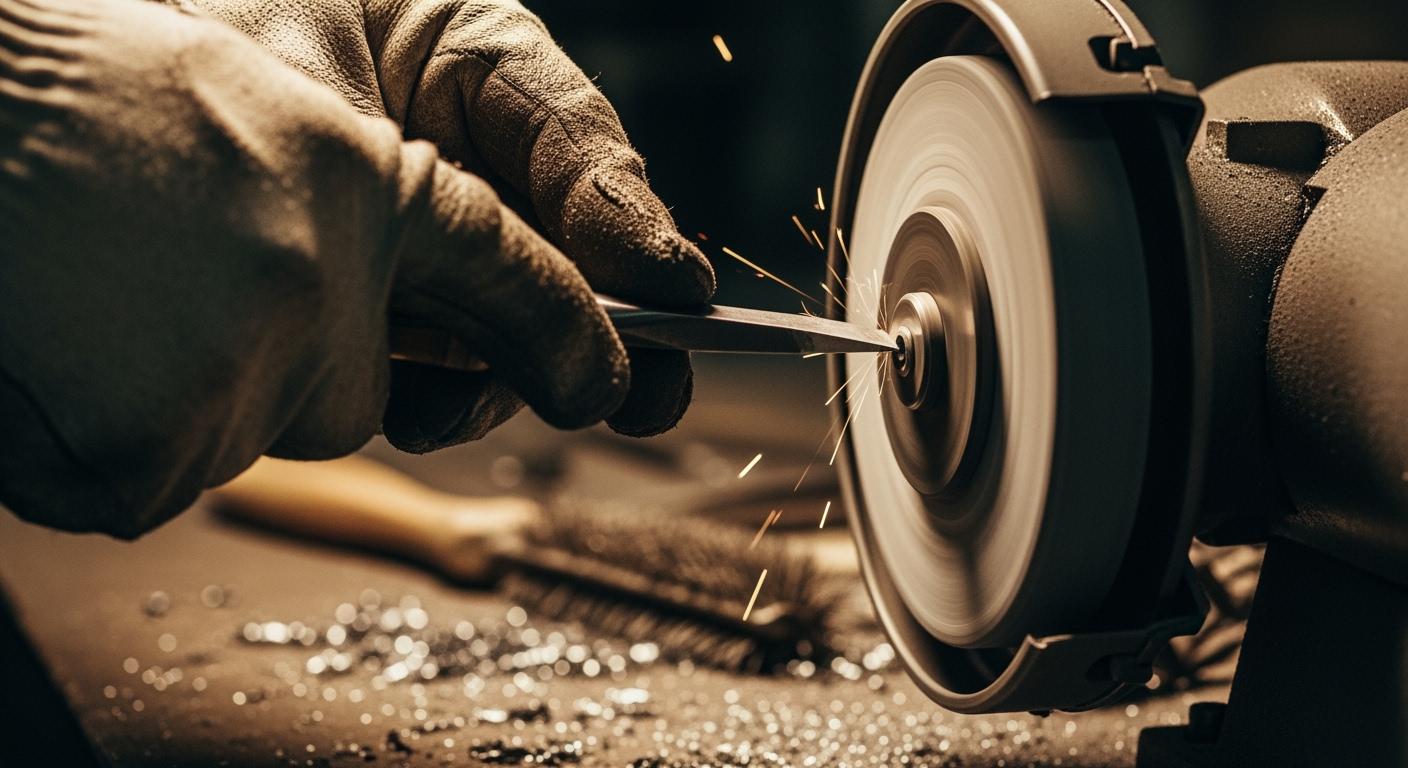
To prevent grinding wheel glazing, you need to start with the basics. Select the right grinding wheel for your material. Dress your grinding wheels regularly. Maintain proper speed and pressure during grinding. Use coolant to keep the wheel and workpiece cool. Glazing leads to slow cutting speeds and sometimes the wheel stops cutting completely. Aimgrind offers customized grinding solutions and diamond grinding wheels that help you achieve efficient grinding results.
Key Takeaways
- Choose the right grinding wheel for your material to prevent glazing and improve efficiency.
- Regularly dress your grinding wheel to expose fresh abrasive grains and maintain cutting ability.
- Maintain proper speed and pressure during grinding to avoid excessive heat and glazing.
- Use coolant effectively to reduce friction and keep the grinding zone cool, preventing wheel damage.
- Schedule routine maintenance to extend wheel life and ensure consistent, high-quality grinding results.
What Is Grinding Wheel Glazing?
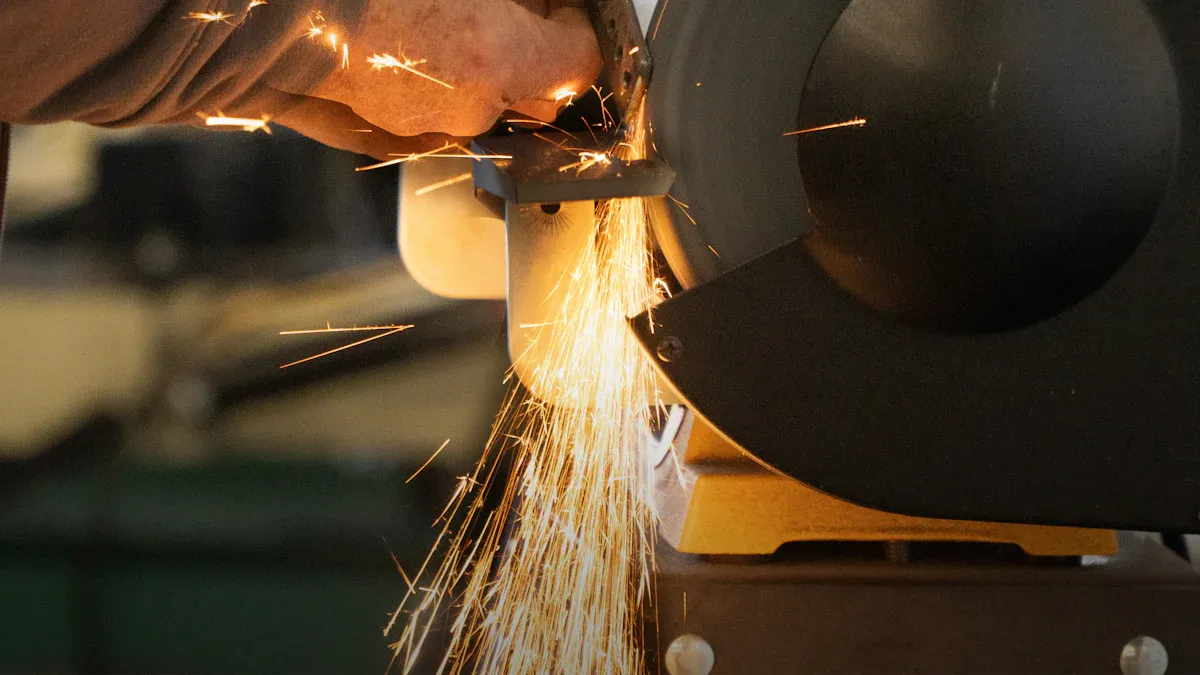
Glazing Definition
Grinding wheel glazing happens when the surface of your grinding wheel becomes smooth and shiny. This usually means the abrasive grains on the wheel have dulled and stopped cutting. Instead of removing material, the wheel starts to slide over the workpiece. You may notice the wheel looks glassy or polished.
Glazing occurs when the wheel’s bond is too hard for the workpiece or insufficient pressure is applied, leading to dull grains that do not shed properly.
You can spot glazing by checking the wheel’s surface. If it looks shiny and feels slick, your wheel may be glazed. This condition often results from using the wrong wheel type or not applying enough pressure during grinding.
Why Glazing Matters
Glazing can cause several problems in your grinding process. When your wheel becomes glazed, it loses its ability to cut effectively. This leads to more heat during grinding and can leave poor surface finishes on your workpiece. You may also notice that you need to replace or dress your wheel more often.
Grinding wheel glazing leads to a reduction in the wheel’s cutting ability, which can cause increased heat generation and poor surface finishes. This directly impacts the efficiency and quality of grinding processes, as a glazed wheel can damage the workpiece and necessitate more frequent wheel changes.
Tip: Regularly check your grinding wheel for signs of glazing. Early detection helps you avoid costly downtime and maintain high-quality results.
If you understand what glazing is and why it matters, you can take steps to prevent it and keep your grinding operations running smoothly.
Causes of Grinding Wheel Glazing
Grinding wheel problems often start with the wrong choices or poor technique. You can prevent glazing by understanding the main causes and adjusting your grinding process.
Incorrect Wheel Choice
Selecting the wrong abrasive for material leads to glazing. If you use a grinding wheel that is too hard or not suited for your workpiece, the abrasive grains dull quickly. This causes the wheel to slip instead of cut, creating a shiny, glassy surface. You may see excessive pressure needed to remove material, which increases heat and accelerates tool wear. Always match the wheel type to your material and application.
Tip: Use a wheel designed for your specific material to avoid grinding wheel problems.
Improper Speed or Pressure
Operating speed mismatch and improper wheel speed are common causes of glazing. When you run the grinding wheel at low speeds, abrasive grains lose responsiveness. The wheel clogs with material, and the cut rate drops. Excessive pressure can also damage the wheel, making the grains dull and smooth. Incorrect feed rate and incorrect grinding angle further reduce effectiveness.
- Poor technique and excessive pressure generate heat.
- High temperatures cause glazing and burn the workpiece.
Lack of Coolant
Neglecting coolant during grinding increases friction and heat. Without proper lubrication, abrasive grains dull faster. Excessive heat buildup leads to glazing and loading. You may notice poor chip evacuation and uneven pressure at the grinding zone.
- Excessive heat buildup
- Wheel glazing and loading
- Poor chip evacuation
Note: Lubrication is crucial. Coolant helps abrasive grains stay sharp and prevents grinding wheel problems.
Infrequent Wheel Dressing
Missing or improper dressing is a major cause of glazing. If you do not dress your grinding wheel regularly, dull grains remain on the surface. The wheel loses its cutting ability and develops a shiny appearance. Regular dressing exposes fresh abrasive grains and restores performance.
- Dress your wheel often to avoid glazing.
- Infrequent dressing leads to grinding wheel problems and poor results.
Understanding the causes of glazing helps you maintain efficient grinding and avoid costly downtime.
How to Recognize Glazing
Visual Signs
You can spot glazing on your grinding wheel by looking for specific changes on the wheel’s surface. The most reliable way is to check the texture and shine under shop lights. A glazed wheel will look smooth, glassy, and highly reflective. You will not see any metal deposits on the wheel. These signs help you identify problems before they lead to inefficient grinding or machine downtime.
| Indicator Type | Description |
|---|---|
| Surface Texture | Smooth, glassy, highly reflective surface under shop lights |
| Metal Deposits | No visible metal deposits present |
If you notice these visual signs, you should check your grinding process for clogging. Clogging often appears as a buildup of material on the wheel, but with glazing, the surface stays clean and shiny. This difference helps you decide if you need to dress the wheel or adjust your grinding parameters.
Tip: Always inspect your grinding wheel before and after each use. Early detection of glazing prevents inefficient grinding and reduces the risk of excessive pressure during operation.
Performance Issues
You may also recognize glazing by changes in your grinding results. When the wheel becomes glazed, it cannot cut the material well. The grinding rate drops, and the surface finish on your workpiece becomes rough or uneven. The wheel starts to rub instead of cut, which leads to inefficient grinding and more heat. You might notice that you need to use excessive pressure to keep the process going. This extra force can cause clogging and make the wheel wear out faster.
Inefficient grinding often results in more frequent wheel dressing and increased downtime. If you see sparks decrease or hear a change in the grinding sound, check for clogging. Clogging and inefficient grinding usually happen together when the wheel surface becomes too smooth. By watching for these performance issues, you can take action before the problem gets worse.
How to Prevent Grinding Wheel Glazing
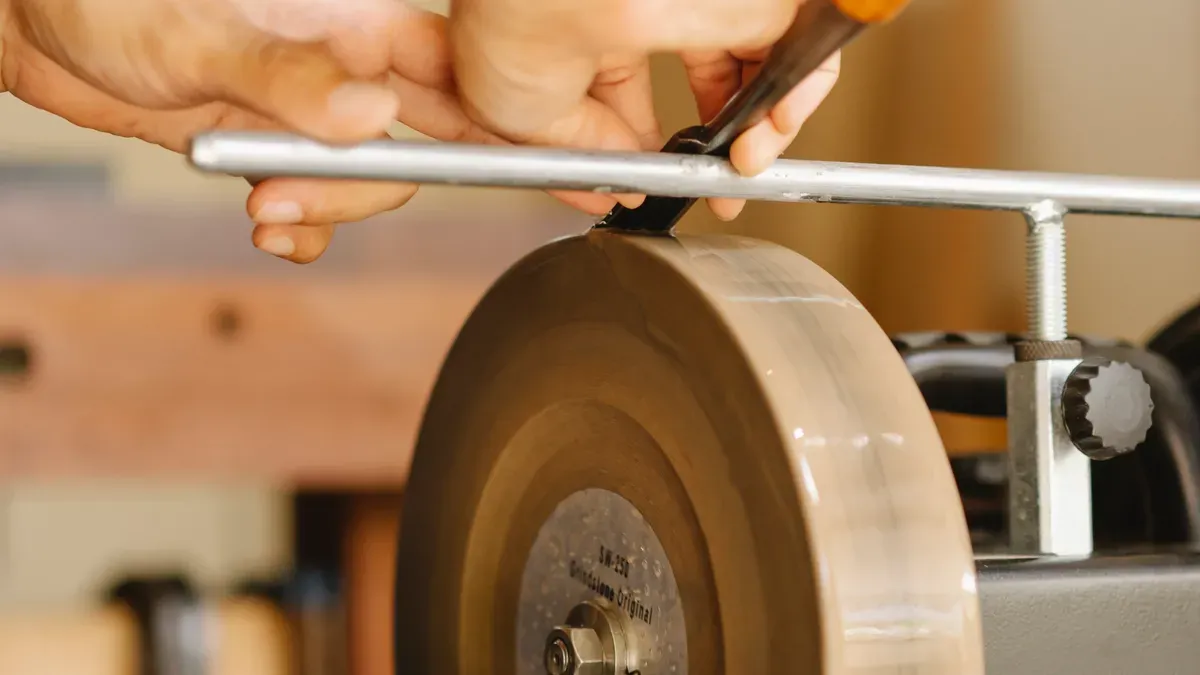
Grinding wheel glazing can slow down your production and reduce the quality of your work. You can prevent grinding wheel glazing by following a few essential steps. Aimgrind specializes in customized grinding wheels and offers diamond grinding wheels that deliver excellent results, especially when you work with hard materials like tungsten carbide or ceramics. Use these troubleshooting and prevention tips for glazing to keep your grinding process efficient and your wheels in top condition.
Choose the Right Grinding Wheel
Wheel selection is the first step to prevent grinding wheel glazing. You need to match the grinding wheel to the material you are working on. Using the wrong wheel can cause loading and glazing, which reduces wheel life and grinding efficiency. The table below shows the recommended grinding wheel types for different materials:
| Material | Recommended Grinding Wheel Type |
|---|---|
| Carbon Steel | BFA (Brown Fused Alumina) |
| Hardened Steel & HSS | WFA (White Fused Alumina) or CBN |
| Tungsten Carbide | Diamond or GC (Green Silicon Carbide) |
| Cast Iron | Black SiC (Black Silicon Carbide) |
If you often grind hard alloys, ceramics, or composites, choose diamond grinding wheels from Aimgrind. These wheels offer high cutting efficiency and long wheel life. Customized grinding wheels from Aimgrind ensure you get the best match for your equipment and application.
Tip: Always check the manufacturer’s recommendations and consult with experts like Aimgrind for personalized wheel selection.
Regular Wheel Dressing
Wheel dressing is crucial to prevent grinding wheel glazing. Dressing removes dull abrasive grains and exposes fresh, sharp edges. This process keeps your grinding wheels effective and extends their wheel life. Regular dressing also helps prevent loading, which can lead to glazing.
- Regular wheel dressing maintains the sharpness of your grinding wheel.
- Glazing happens when the wheel surface becomes smooth and loses its cutting ability.
- Frequent dressing statistically reduces the chance of glazing and keeps your grinding process efficient.
You should schedule dressing based on your grinding volume and the type of material you process. If you notice a shiny or glassy wheel surface, dress the wheel immediately.
Maintain Proper Speed and Pressure
Grinding speed and pressure play a big role in preventing glazing. If you use low speed or too little pressure, the abrasive grains do not break away as they should. This causes the wheel to become smooth and glazed. On the other hand, excessive pressure can cause loading and damage the wheel.
Set your grinding machine to the recommended speed for your wheel and material. Apply steady, even pressure during grinding. Avoid sudden changes in force, as this can lead to uneven wear and poor maintenance of the wheel.
Note: Consistent speed and pressure help you maintain sharp abrasive grains and prevent grinding wheel glazing.
Use Coolant Effectively
Coolant is essential in grinding operations. It reduces heat, prevents loading, and extends wheel life. Using the right coolant also helps prevent glazing by keeping the grinding zone cool and lubricated.
- Water-based coolants work well for general grinding and help prevent bacterial growth.
- Oil-based coolants are best for intricate grinding tasks, as they prevent overheating and improve surface finish.
- For glass grinding, use specific glass grinding fluids to reduce heat and improve wheel life.
- Test coolant concentration and pH regularly to maintain cooling efficiency and prevent glazing.
Always direct the coolant flow at the contact point between the grinding wheel and the workpiece. This ensures maximum cooling and chip removal.
Schedule Maintenance
Grinding wheel maintenance is key to long-term performance. A scheduled maintenance program helps you prevent most wheel-related problems, including glazing and loading. Poor maintenance can lead to unexpected downtime and reduced grinding efficiency.
| Maintenance Practice | Impact on Grinding Wheels |
|---|---|
| Scheduled dressing intervals | Prevents most wheel-related problems |
| Regular vibration monitoring | Identifies developing problems before serious damage occurs |
| Maintenance record keeping | Tracks component performance and optimizes replacement intervals |
| Predictive maintenance programs | Schedules repairs based on actual component condition |
Regular inspection of your grinding wheels, especially diamond grinding wheels, helps you spot wear and damage early. Routine maintenance checks prevent costly downtimes and keep your grinding process running smoothly. Optimizing feed rate and speed also enhances efficiency and wheel life.
Implementing proper dressing techniques can extend the operational lifespan of your grinding wheels by up to 50%. This reduces waste and keeps your manufacturing process efficient.
Tip: Keep detailed maintenance records and follow a strict schedule to prevent grinding wheel glazing and maximize productivity.
By following these steps, you can prevent grinding wheel glazing, reduce loading, and ensure your grinding wheels deliver consistent, high-quality results. Aimgrind’s expertise in customized grinding wheels and diamond grinding wheels gives you the advantage you need for demanding applications.
Troubleshooting Glazed Grinding Wheels
Restoring Wheel Performance
When you notice your grinding wheel has become glazed, you need to act quickly to restore its performance. A glazed wheel cannot cut efficiently and may cause downtime. You can use these steps to bring your wheel back to optimal condition:
- Dress the wheel regularly. Dressing removes the smooth, glossy layer and exposes fresh abrasive grains.
- Check the wheel bond. Make sure the hardness of the wheel matches the material you are grinding.
- Adjust the speed. Always follow the manufacturer’s recommended operating speeds for your grinding wheel.
- Inspect the wheel visually. Look for a shiny or glassy surface, which signals glazing.
- Clean the wheel between steps. Rinse under running water or use ultrasonic cleaning to prevent contamination.
If you use these troubleshooting and prevention tips for loading, you will keep your grinding process efficient and avoid unnecessary wear on your equipment. Poor technique often leads to glazing, so always review your grinding method if problems persist.
Tip: If you see no improvement after dressing, consider replacing the wheel with a new one from Aimgrind for consistent results.
Adjusting Techniques
You can resolve glazing issues by adjusting your grinding parameters and maintenance routines. The table below outlines effective techniques and their descriptions:
| Technique | Description |
|---|---|
| Continuous Lubricant Flow | Removes heat, flushes swarf, and reduces friction to prevent abrasive loading. |
| Water | Serves as a cost-effective lubricant for most grinding applications. |
| Water with Surfactant | Improves wetting and swarf removal, especially for materials prone to abrasive loading. |
| Oil-based | Essential for water-reactive metals and specialty grinding tasks. |
| Visual Inspection | Adjust grinding time based on the scratch pattern, not a fixed schedule. |
| Cleaning Between Steps | Rinse and dry the wheel to prevent contamination and maintain performance. |
| Adjusting Grit and Force | Use finer grits and reduce force to avoid excessive deformation or smearing. |
| Replace Glazed Paper | If grinding stalls after 2-3 minutes, replace the paper to restore efficiency. |
You should always monitor your grinding results. If you notice troubleshooting and prevention tips for inefficient grinding are not working, review your coolant flow and wheel dressing schedule. Small adjustments can make a big difference in wheel life and workpiece quality.
Note: Consistent inspection and parameter adjustments help you maintain high grinding performance and reduce the risk of glazing.
You can prevent grinding wheel glazing by choosing the right grinding wheels, scheduling regular maintenance, and using proper grinding techniques. Aimgrind’s diamond grinding wheels deliver superior performance for hard materials and help you achieve consistent results.
- Different grinders suit specific materials, improving efficiency.
- Regular maintenance and operator training extend equipment life.
- Coolant placement and wheel dressing play vital roles in preventing glazing.
Investing in precision alignment and effective grinding methods reduces waste, lowers costs, and boosts productivity. Future trends like intelligent grinding wheels and AI-driven process optimization will further enhance grinding quality.
Implement these steps to optimize your grinding process and maintain high product quality.
FAQ
What causes grinding wheel glazing most often?
You usually see glazing when you use the wrong wheel, apply low pressure, or skip regular dressing. You can avoid these issues by following troubleshooting and prevention tips for your grinding process.
How do you know if your grinding wheel is glazed?
You can spot glazing by checking for a shiny, glassy surface and poor cutting performance. If you notice these signs, use troubleshooting and prevention tips to restore your wheel’s effectiveness.
How often should you dress your grinding wheel?
You should dress your grinding wheel whenever you see a drop in performance or a shiny surface. Regular dressing, as part of your troubleshooting and prevention tips, keeps your wheel sharp and efficient.
Can diamond grinding wheels help prevent glazing?
Diamond grinding wheels from Aimgrind work well for hard materials. You can use them with troubleshooting and prevention tips to reduce glazing and extend wheel life.
What should you do if your grinding wheel keeps glazing?
Start by reviewing your troubleshooting and prevention tips. Check wheel selection, speed, pressure, and coolant use. Dress the wheel and adjust your process as needed for better results.