You see centerless grinding play a vital role in precision manufacturing. This process gives you unmatched accuracy and boosts efficiency. Manufacturers rely on centerless grinding because it eliminates workpiece fixturing, cuts setup time, and reduces distortion risks. You benefit from continuous grinding, which ensures consistent quality and lowers downtime. Advanced tools like diamond grinding wheels help you achieve superior surface finishes and exact specifications. Aimgrind stands out as a leader in grinding solutions, offering innovative products that enhance your productivity and meet the demands of high-precision industries.
Key Takeaways
- Centerless grinding enhances precision manufacturing by eliminating workpiece fixturing, reducing setup time, and minimizing distortion risks.
- Understanding the principles of centerless grinding, including wheel dynamics and workpiece support, is crucial for achieving high-quality results.
- Automation and advanced technologies in centerless grinding lead to increased efficiency, reduced downtime, and improved surface finishes.
- Selecting the right grinding wheel based on material and desired finish is essential for optimal performance and longevity.
- Regular maintenance and proper setup of grinding machines ensure consistent quality and prevent errors in production.
Centerless Grinding Evolution
Historical Milestones
You can trace the roots of centerless grinding back to the early 20th century. Manufacturers needed faster ways to produce precision parts. Centerless grinding solved many problems that older methods could not handle. You see this process become popular in industries like automotive and aerospace. It allowed you to grind parts continuously, which increased speed and efficiency. This change helped you meet the demands for high-quality components, especially for items like bicycle bearing rollers.
| Year | Milestone Description |
|---|---|
| 1924 | Cincinnati Milacron purchased the patents for centerless grinding technology. |
| Recent | Automated centerless technology improved precision and production rates. |
| Recent | Composite machine beds enhanced thermal stability and vibration dampening. |
Key Industry Shifts
You notice several important shifts in the industry that shape how you use centerless grinding today.
- North America generates 35% of the global market revenue for centerless grinding machines.
- Over 60% of U.S. manufacturers use CNC technology, which boosts production efficiency by 40%.
- The demand for electric vehicle components has grown by 200% since 2022. You need precision-ground parts for more than 1 million vehicles each year.
- The medical device sector processes over 5 million precision components annually. You achieve reliability rates of 99.99%.
Advancements in materials and automation also change your approach:
- New materials and automation improve efficiency, precision, and consistency.
- Automation helps you address labor shortages by reducing the need for skilled operators.
- IoT devices and real-time data analytics let you monitor performance and predict maintenance needs.
- Industry 4.0 gives you flexible grinding solutions for different production runs and complex shapes.
- Sustainability efforts encourage you to use greener practices, such as waste reduction and energy-efficient machines.
You see centerless grinding evolve with each shift, making your manufacturing processes faster, more reliable, and more sustainable.
Principles of Centerless Grinding
Process Overview
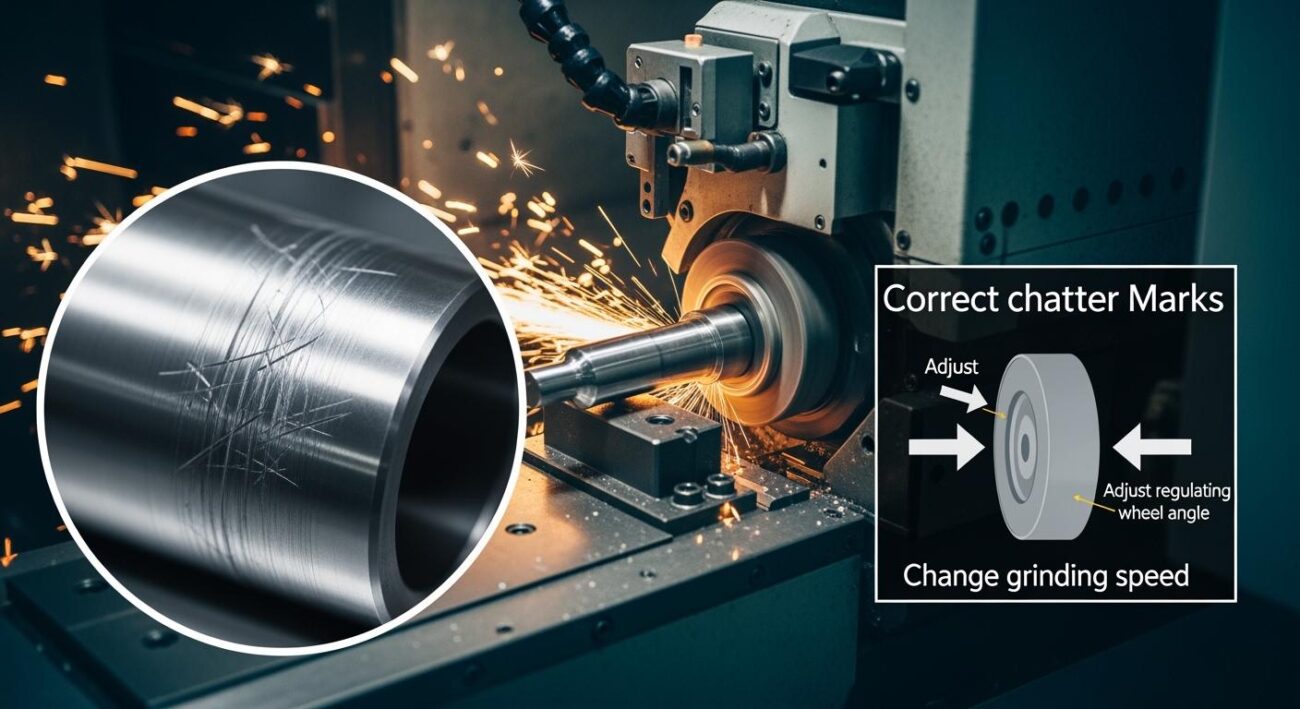
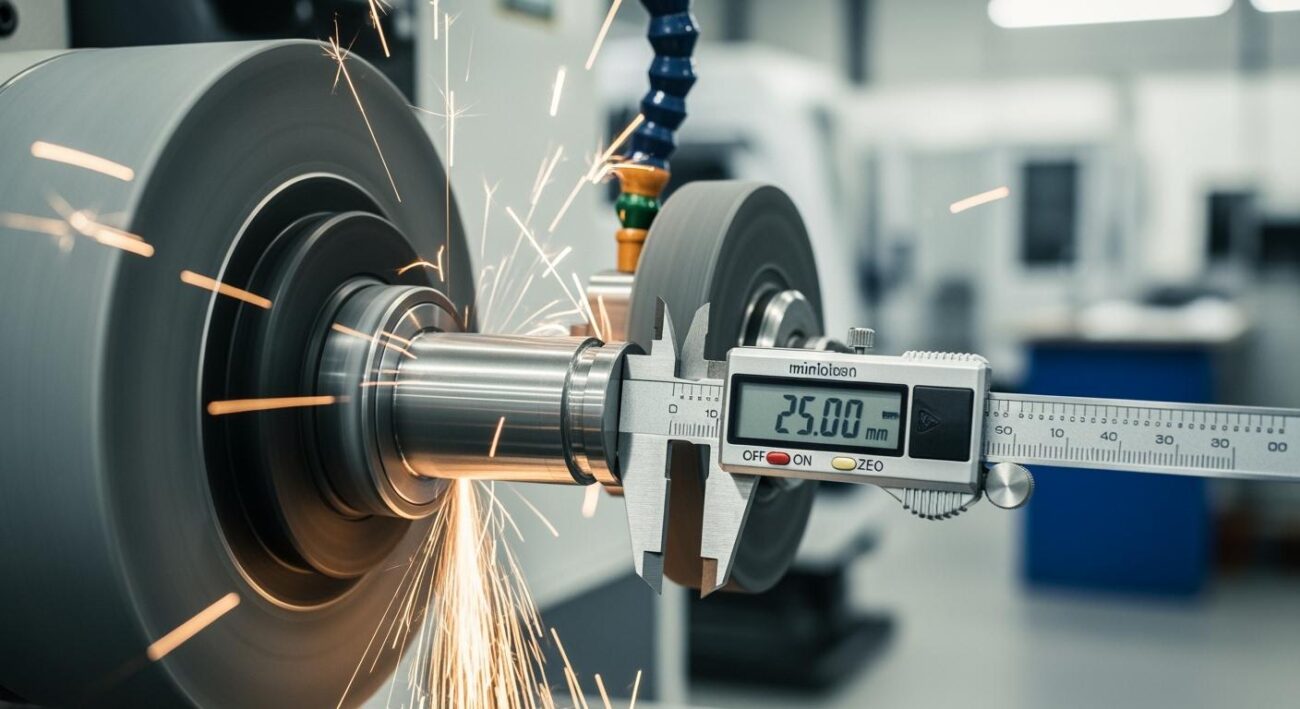
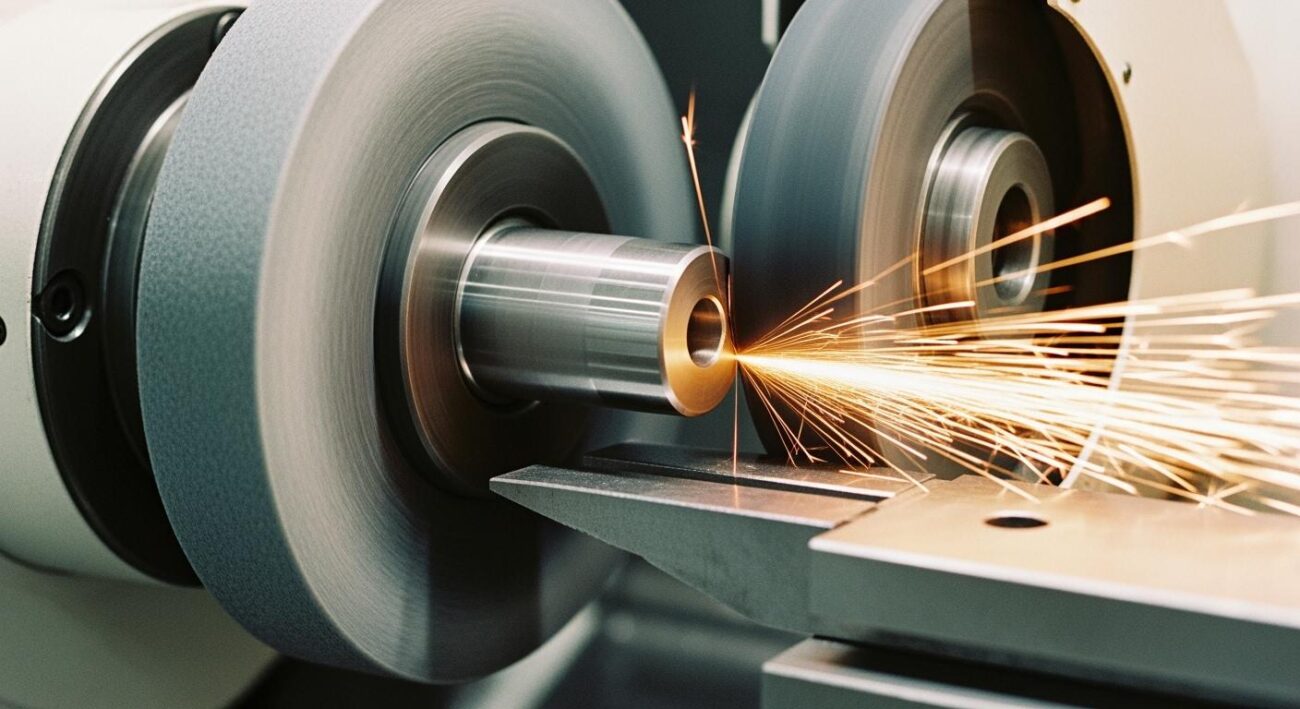
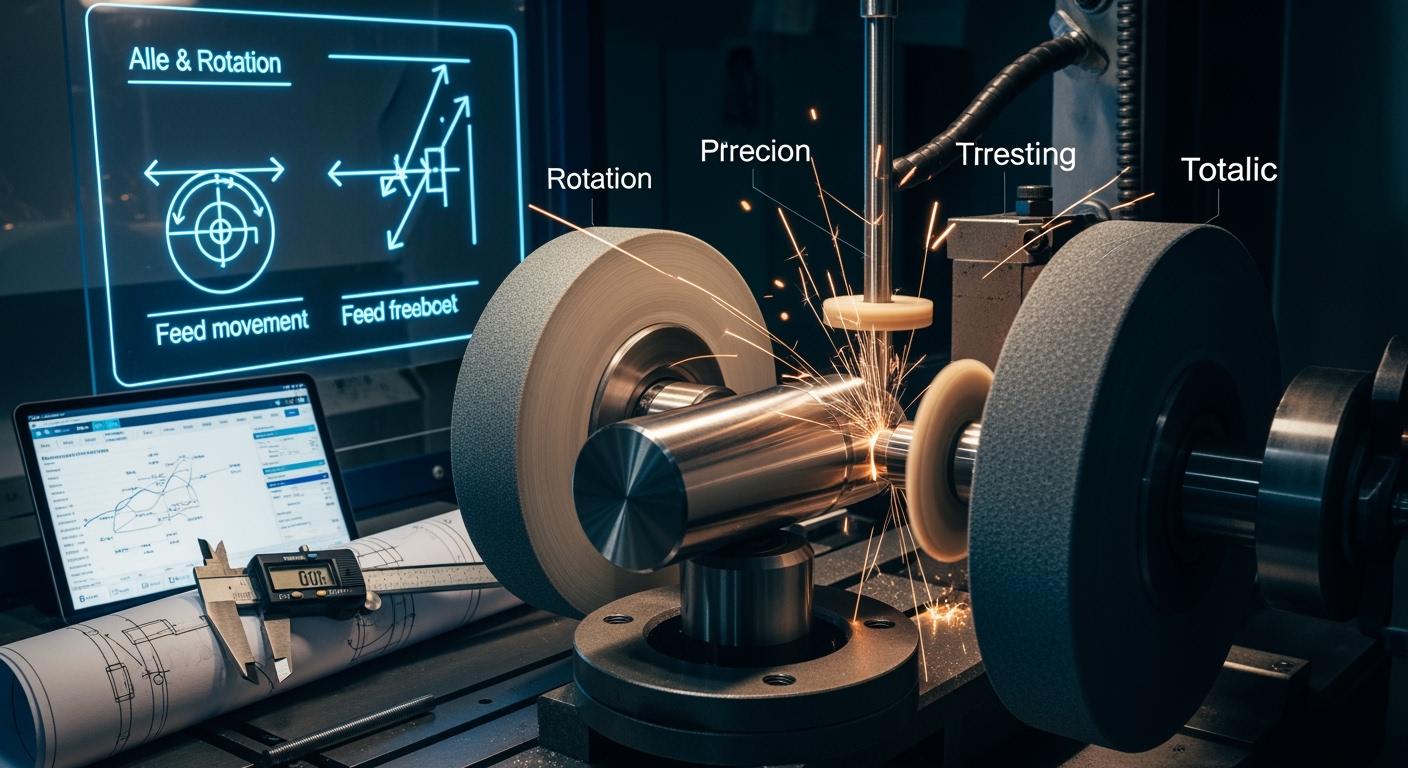
You start the centerless grinding process by supporting the workpiece on a blade. The regulating wheel rotates the workpiece and controls its speed. You set the regulating wheel at an angle to the grinding wheel. This angle helps the workpiece feed itself through the machine. The grinding wheel removes material from the surface. You achieve a round and smooth finish. Coolant flows over the workpiece to keep it cool and prevent heat damage. You select the right grinding wheel based on the material and the finish you want.
Here are the main steps you follow in centerless grinding:
- Workpiece support and rotation
- Wheel angles and positioning
- Material removal and surface finish
- Coolant use
- Grinding wheel selection
Tip: Always check the alignment of your wheels and blade before you start. This helps you get the best results.
Types and Methods
You can use different types and methods of centerless grinding, depending on your needs. Each method works best for certain shapes and production goals.
| Type/Method | Application Description | Efficiency Characteristics |
|---|---|---|
| External Centerless Grinding | Grinding external parts like rollers and tubes. | Effective for cylindrical shapes, requires less setup time than conventional methods. |
| Internal Centerless Grinding | Grinding the inner portions of workpieces like tubes and holes. | Suitable for complex internal geometries, maintains high precision. |
| Through-Feed Grinding | Ideal for uniform diameter, long bar processing, and fast production. | High efficiency, excellent straightness, and consistency across batches. |
| In-Feed Grinding | Best for parts with multiple diameters, shoulders, or custom profiles. | Provides precision for complex shapes that through-feed cannot achieve. |
| End-Feed Grinding | Suitable for components with long heads, fed lengthwise during grinding. | Efficient for specific geometries, allows for continuous processing. |
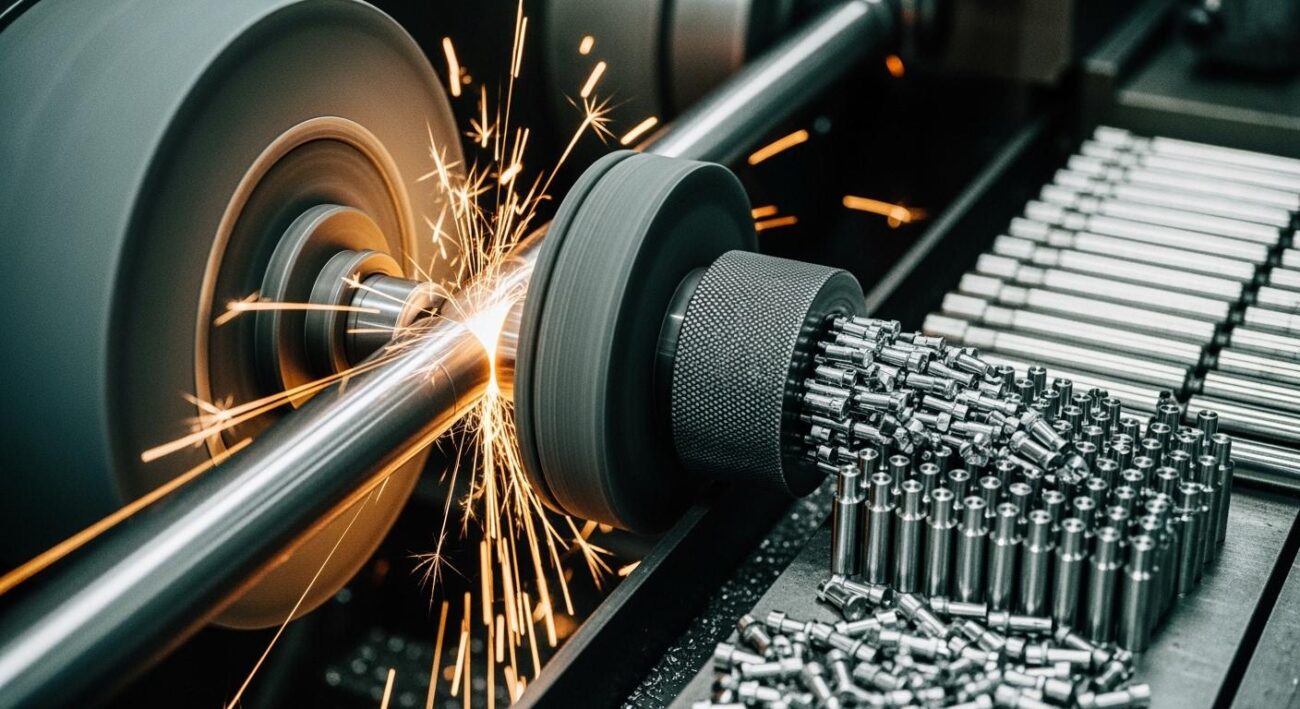
You find that centerless grinding is more efficient than using a lathe for cylindrical parts. You do not need a chuck or spindle, so you save time on setup. You can produce many parts with high accuracy and less operator effort. This makes centerless grinding a smart choice for high-volume production.
Core Mechanisms
Workpiece Support
You rely on the work rest blade to keep your workpiece steady during centerless grinding. The blade sits between the grinding wheel and the regulating wheel. It supports the workpiece and helps you achieve a smooth surface finish. When you set the blade at the right angle, you control how much pressure the workpiece feels against the regulating wheel. A steeper angle gives you more control over rotation. A flatter angle reduces vibration and improves stability. You must make sure the work rest assembly holds the workpiece at the correct height and angle. This prevents movement or deflection, which can cause errors in size and surface quality. You see that stability is key for precision. If the workpiece moves, you lose accuracy and the finish suffers.
Tip: Always check the position and angle of your work rest blade before you start grinding. This helps you avoid mistakes and keeps your results consistent.
Wheel Dynamics
You need to understand how wheel dynamics affect your grinding results. The grinding wheel rotates at high speed and removes material from the workpiece. The guide wheel turns the workpiece and keeps it aligned. The support plate limits radial runout and stabilizes the process. Each part plays a role in surface finish and accuracy.
| Component | Function | Impact on Surface Finish and Dimensional Accuracy |
|---|---|---|
| Grinding Wheel | Rotates at high speed, performing material removal. | Grit selection affects surface quality; fine grit yields better finish. |
| Guide Wheel | Rotates the workpiece, ensuring proper alignment during grinding. | Precise control of tilt angle enhances dimensional accuracy. |
| Support Plate | Limits radial runout, stabilizing the grinding process. | Reduces errors in machining, contributing to overall accuracy. |
You choose the wheel speed based on the material and the finish you want. Grit selection matters because finer grit gives you a better surface. You balance the grinding wheel to keep performance steady. If you set up these parts correctly, you get accurate dimensions and a smooth finish. Centerless grinding depends on these mechanisms to deliver high-quality results.
Process Variables
Understanding process variables helps you achieve the best results in centerless grinding. You control these variables to improve precision, efficiency, and quality. Let’s look at the main factors you need to manage.
Speed and Feed
You set the speed of both the grinding wheel and the regulating wheel. The grinding wheel spins fast to remove material from your workpiece. The regulating wheel turns slower and controls how quickly the workpiece moves through the machine. You need to balance these speeds for the best results.
- The regulating wheel manages the rotation speed and feed rate of your workpiece. This control is critical for precision.
- The grinding wheel runs at high speed for material removal. The regulating wheel usually runs between 50 and 200 surface feet per minute.
- If you set the grinding wheel too fast, you may see more heat and vibration. This can hurt the accuracy of your finished part.
- A proper balance between the grinding and regulating wheels keeps your process stable and prevents too much heat.
You also adjust the feed rate. The angle of the regulating wheel sets how fast your workpiece moves. Most setups use angles between 1° and 6°. Angles of 2-3° give you a good mix of productivity and surface finish. If you increase the feed rate, you can make more parts quickly, but the surface may not be as smooth. If you slow down the feed rate, you get a better finish, but you make fewer parts.
Tip: Always check your wheel speeds and feed rates before you start. Small changes can make a big difference in your results.
Material Factors
You must match your grinding wheel to the material you want to grind. The type of abrasive, grain size, bond type, and hardness all matter. These factors change how well you can remove material and how long your wheel lasts.
- The abrasive type (like diamond or CBN) affects how fast you can grind.
- Grain size and bond type change the surface finish and wheel life.
- Wheel specifications such as grit size, grade, and bond system must fit your workpiece material and the finish you want.
- You need to pick the right wheel for each job to get the best performance.
Aimgrind helps you with this process. You can use their parameter matching and sample optimization services. Aimgrind’s experts look at your material and process. They help you choose the right grinding wheel formula. This means you get better results and less waste.
| Wheel Feature | Impact on Grinding Outcome |
|---|---|
| Abrasive Type | Controls material removal rate |
| Grain Size | Affects surface finish and wheel durability |
| Bond Type | Influences wheel strength and heat resistance |
| Hardness | Determines wheel wear and grinding efficiency |
Setup and Alignment
You need to set up your centerless grinding machine with care. Proper alignment gives you stable support and consistent quality.
- Align the work rest blade, regulating wheel, and grinding wheel for the best support.
- Set the work rest blade at the centerline of your workpiece for maximum stability. You can adjust the height for special jobs.
- Use a regulating wheel angle of 2-3° for a good balance between speed and finish. Smaller angles give you a smoother surface.
- Make sure the grinding wheel is parallel to the workpiece axis. This prevents tapers and keeps your parts accurate.
- Check your setup often. Regular maintenance and alignment checks stop problems before they start.
If you do not set up your machine correctly, you may see poor surface finish or wrong part sizes. Misalignment can also wear out your grinding wheels faster. Always adjust the work rest blade to avoid vibration. Keep the blade just above the centerline of the grinding wheels for best results.
Note: Aimgrind’s team can help you with setup and alignment. Their experts make sure your grinding wheels match your machine and process. This support helps you get the best quality and longest wheel life.
Centerless grinding gives you high precision and efficiency, but only if you control these process variables. You can trust Aimgrind to help you match parameters and optimize your setup for every job.
Advancements in Centerless Grinding
Machine Innovations
You see many new machines in the world of centerless grinding. These machines use strong frames that reduce bending and keep your parts accurate. CNC controls and robotic handling now help you reach levels of precision that manual work cannot match. Real-time process monitoring lets you make quick changes, so you keep your process efficient and your parts high quality. Closed-loop feedback systems adjust grinding parameters as you work. This means you get repeatable results and less variation in your finished parts. Some machines use creep-feed and plunge grinding modes to control heat and keep results steady. These changes help you achieve consistent production and reduce errors by up to 75%.
Automation and Control
Automation has changed how you work with centerless grinding. You can now use automatic loading and unloading, which means your machines run longer without stopping. CNC technology gives you control over speed, pressure, and feed rate. This leads to faster production and a safer, cleaner workspace. High-speed robotic spindles remove material quickly. Automation also helps you get a more even finish on every part. You spend less time setting up and more time making quality products. Advanced servo controls keep grinding pressure steady, even as the wheel wears down or heats up. This is important for industries like aerospace and automotive, where every part must meet strict standards.
Note: Aimgrind always looks for new ways to improve grinding solutions. The brand’s diamond grinding wheels play a big part in these advancements. These wheels help you achieve better finishes and longer tool life, making your process more efficient.
Modeling and Simulation
You can use modeling and simulation tools to make your grinding process better. These tools let you adjust things like the workrest angle and workpiece height without stopping the machine. You see how changes affect your results before you make them. This saves time and helps you get the best quality. Modeling helps you find the right settings for each job, so you do not waste materials or time. You get a smoother workflow and higher productivity.
Aimgrind Solutions and Applications
Diamond Grinding Wheels in Centerless Grinding
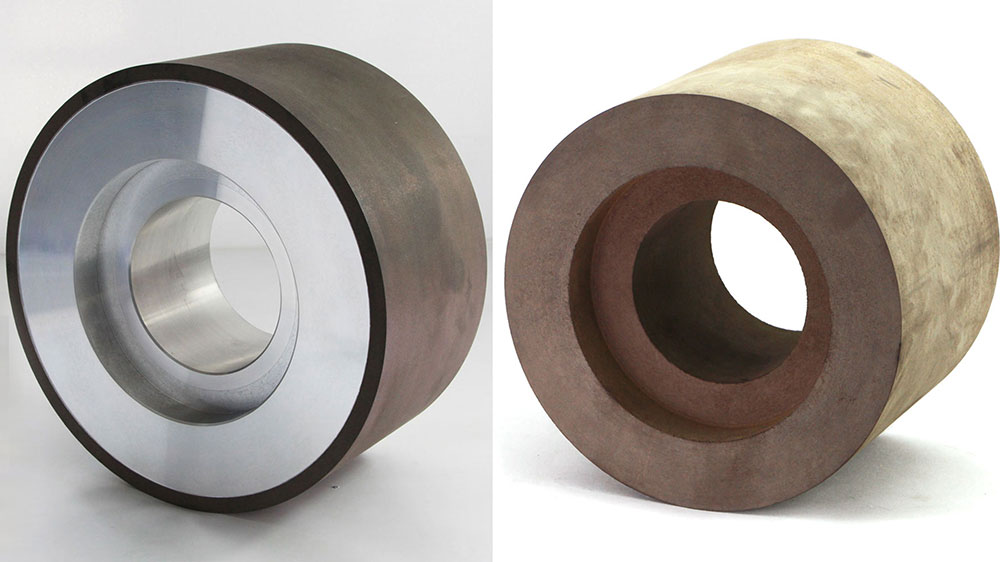
You want tools that give you accuracy and long life. Aimgrind’s diamond grinding wheels help you reach these goals in centerless grinding. These wheels use a strong diamond abrasive layer. This layer cuts hard materials like ceramics, composites, and hard alloys. You get a smooth finish and fast material removal. The wheels come in different bond types, such as resin, metal, and vitrified. You can choose the right wheel for your job. Aimgrind also offers custom sizes to fit your machine and process.
Tip: You can use Aimgrind’s diamond grinding wheels for both wet and dry grinding. This gives you more options for your production needs.
Industry Use Cases
You see Aimgrind’s diamond grinding wheels in many industries. In aerospace, you need to grind tough alloys for engine parts. The wheels help you get tight tolerances and a fine surface. In the cutting tool industry, you use these wheels to sharpen carbide and superhard tools. This keeps your tools sharp and ready for work. In woodworking, you grind saw blades made of tungsten. The wheels give you a clean edge and reduce downtime. Glass processing also uses these wheels for edging and polishing. You get clear, smooth glass for buildings and cars.
| Industry | Application Example | Benefit Achieved |
|---|---|---|
| Aerospace | Engine part grinding | High precision, smooth finish |
| Cutting Tools | Sharpening carbide tools | Long tool life, sharp edges |
| Woodworking | Saw blade grinding | Clean cuts, less downtime |
| Glass Processing | Edging and polishing glass | Clear surfaces, reduced chipping |
Process Optimization
You can make your grinding wheels last longer with the right steps. Aimgrind recommends that you select the best grinding parameters. Adjust the speed, feed rate, and grinding depth for your material. Use coolants to keep the grinding zone cool. This stops heat from damaging your workpiece or wheel. Keep your machine in good shape with regular maintenance. A well-maintained machine gives you better results. Operator skill also matters. You should learn how to set up and run your machine for the best outcome.
- Choose the right grinding speed and feed rate.
- Use a coolant system to reduce heat.
- Maintain your grinding machine often.
- Train operators for better results.
You get better performance and longer wheel life when you follow these steps. Aimgrind supports you with parameter matching and sample optimization. This helps you get the most from your centerless grinding process.
You gain better results when you understand how centerless grinding works. You learn which method fits your part and how to set the right variables. See the table below for a quick review:
| Method | Characteristics | Applications |
|---|---|---|
| Through-feed | Fast, simple shapes | Cylindrical parts without shoulders |
| In-feed | Handles complex shapes with CNC precision | Guide wires, parts with varying diameters |
Aimgrind helps you meet new challenges. You see trends like automation, AI, and green practices shaping the future. Aimgrind leads with solutions that match these trends. Choose Aimgrind to keep your grinding process efficient and ready for tomorrow.
FAQ
What materials can you grind with Aimgrind’s diamond grinding wheels?
You can grind hard alloys, ceramics, and composites. These wheels work well for tough materials in aerospace, tooling, and glass industries.
How do you choose the right grinding wheel for your job?
You match the wheel’s abrasive type, grit size, and bond to your material. Aimgrind experts help you select the best wheel for your process.
Tip: Always check your material and finish requirements before choosing a wheel.
Can you use diamond grinding wheels for both wet and dry grinding?
Yes, you can use Aimgrind’s diamond grinding wheels for wet and dry grinding. This gives you flexibility for different production needs.
| Grinding Type | Suitable for Diamond Wheels |
|---|---|
| Wet | ✅ |
| Dry | ✅ |
How does Aimgrind help you optimize your grinding process?
Aimgrind offers parameter matching and sample optimization. You get expert advice to improve wheel performance and achieve better results.
Contact Us
For More Grinding Solution or Customized Abrasive Tools