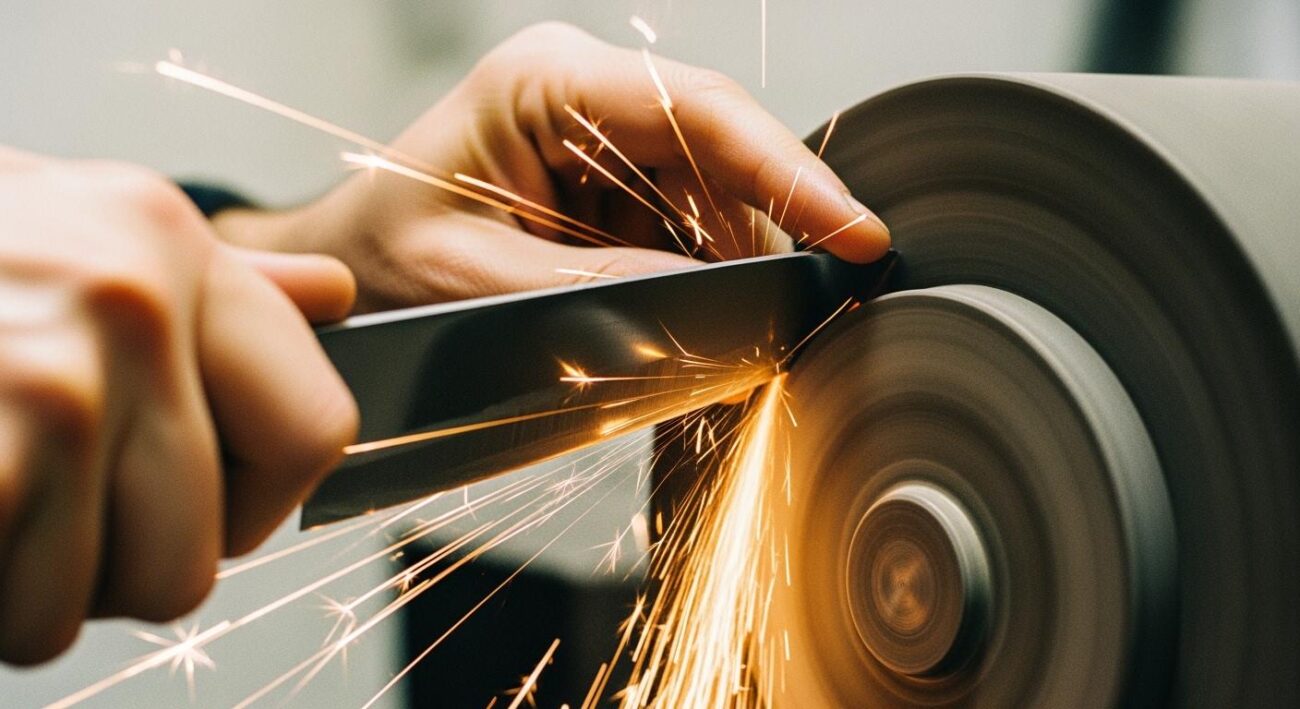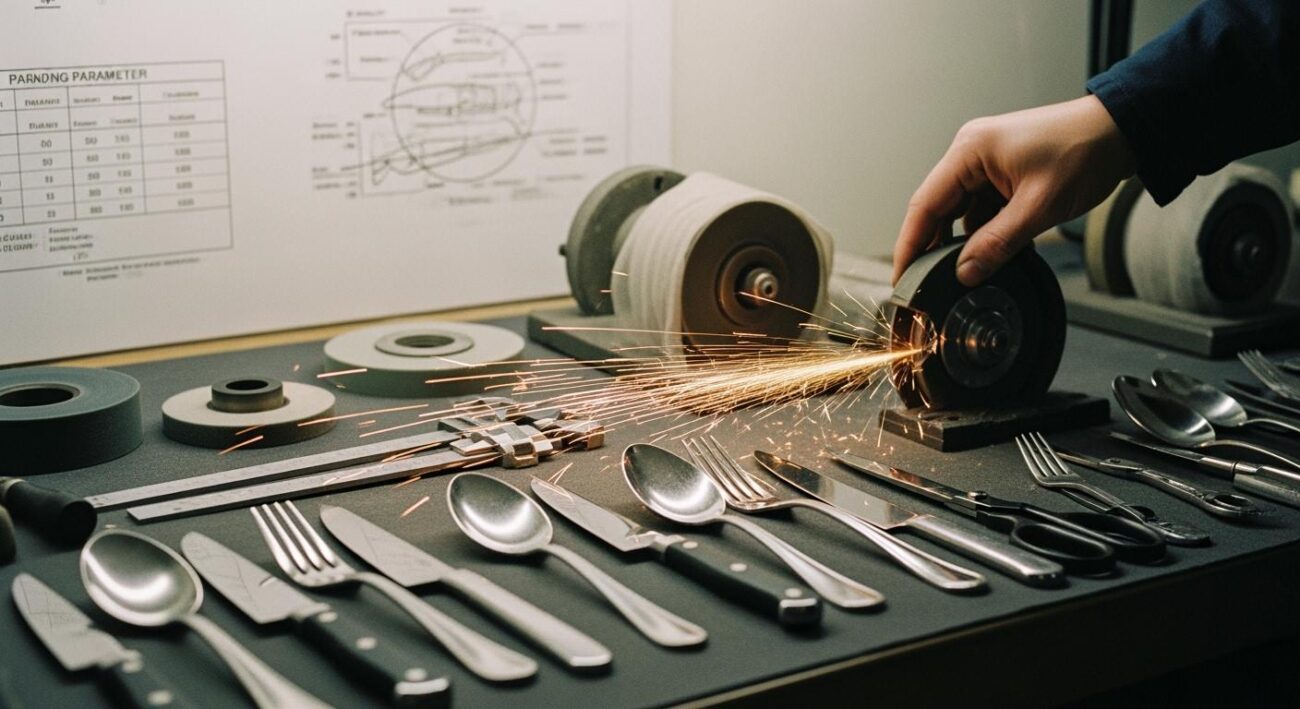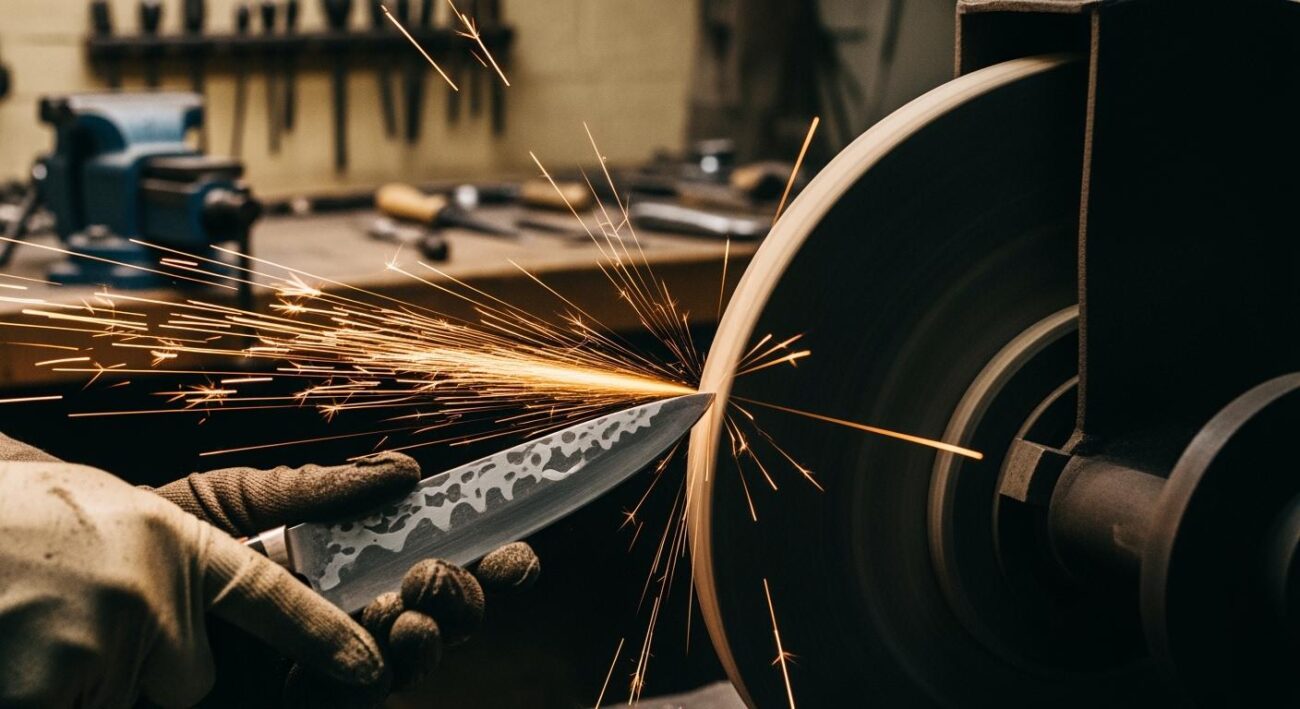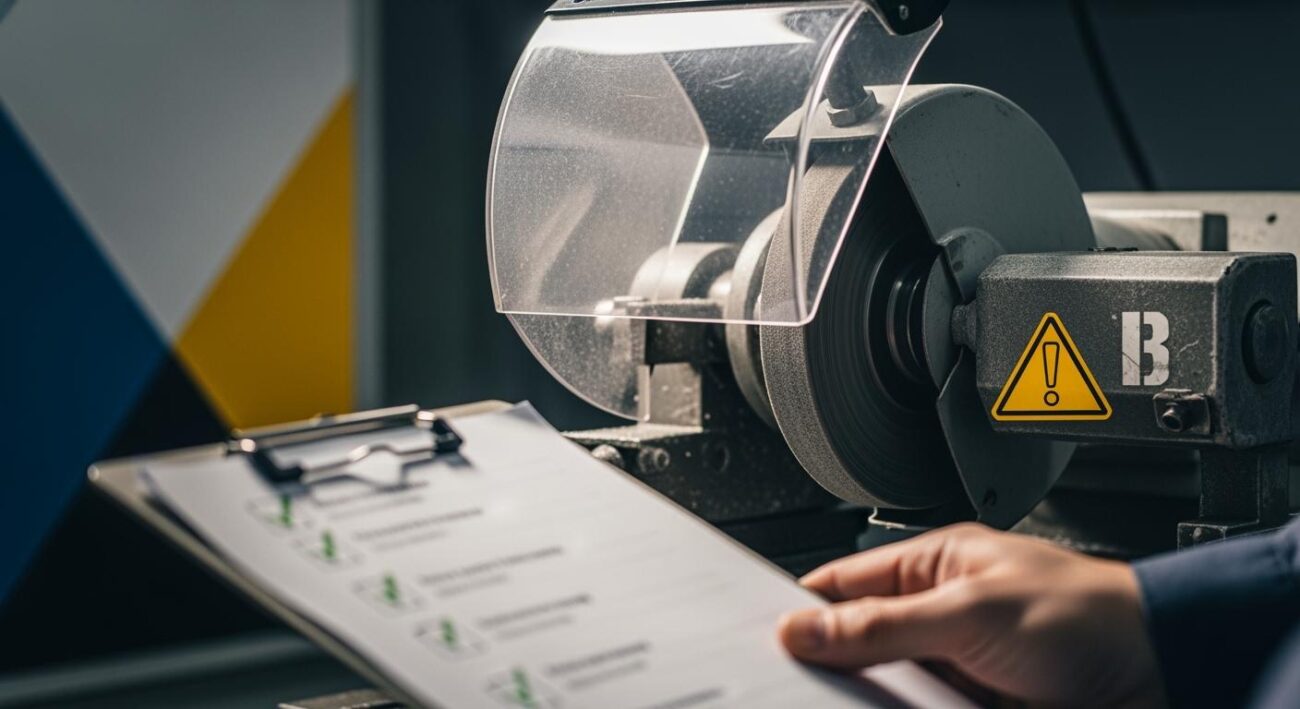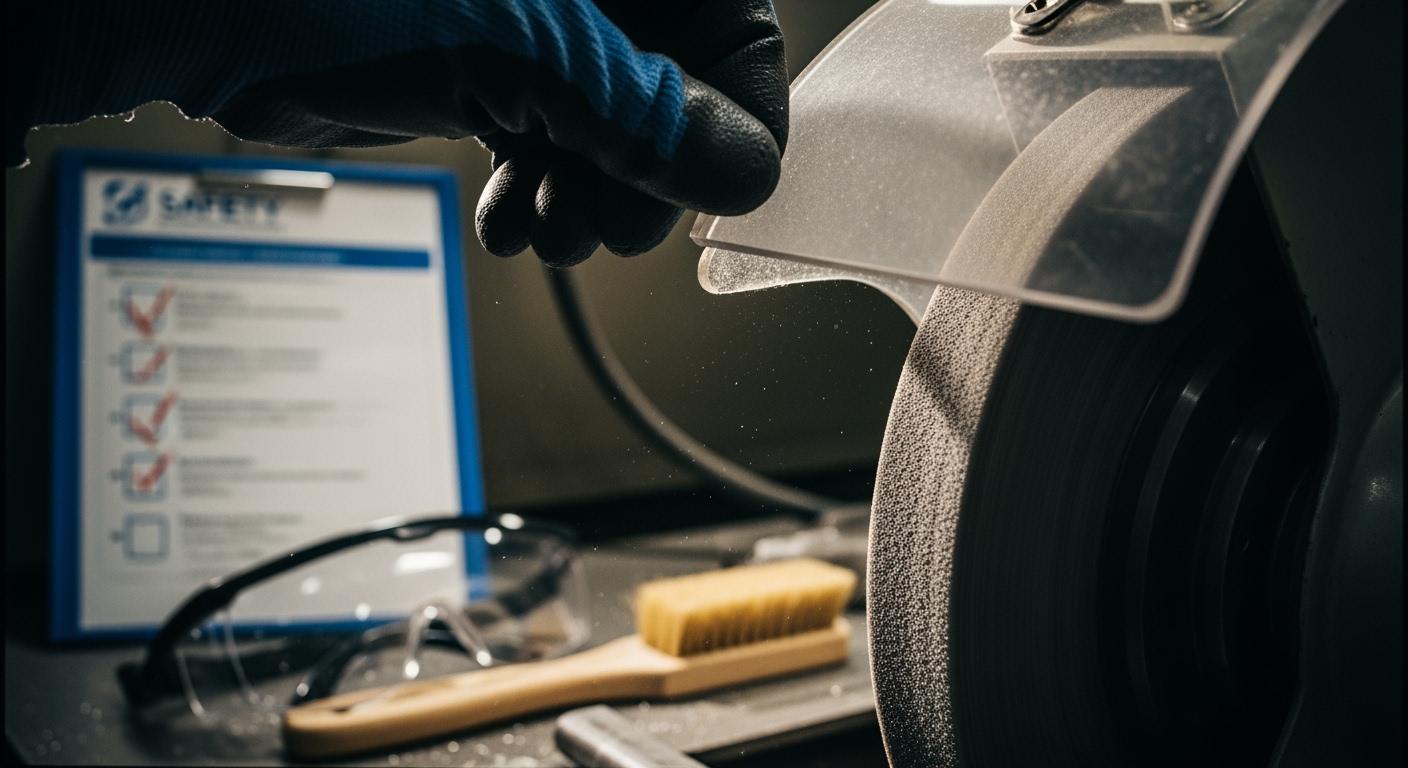
You must protect your grinding wheel from edge chipping to keep your equipment running well and to stay safe. Following a Standard Operating Procedure helps you avoid accidents and keeps your grinding wheel in top condition. Aimgrind provides expert advice and high-quality conventional bonded abrasives, which support your focus on safety. Using the right steps every time will help you prevent costly damage and reduce risks. You improve both your work and your safety when you follow these best practices.
Key Takeaways
- Always inspect your grinding wheel for damage before use. Look for cracks or irregularities to ensure safety and effectiveness.
- Use proper mounting and balancing techniques to extend wheel life. Clean the wheel and tighten screws evenly to prevent edge chipping.
- Select the right grinding wheel material for your application. A higher coefficient of friction reduces the risk of chipping and improves performance.
- Maintain a consistent coolant flow during grinding. This prevents overheating and keeps the wheel sharp, reducing the chance of damage.
- Monitor for unusual vibrations and sounds while grinding. Address any issues immediately to prevent potential damage to the wheel.
Pre-Operation Safety Checks
Inspect Grinding Wheel for Damage
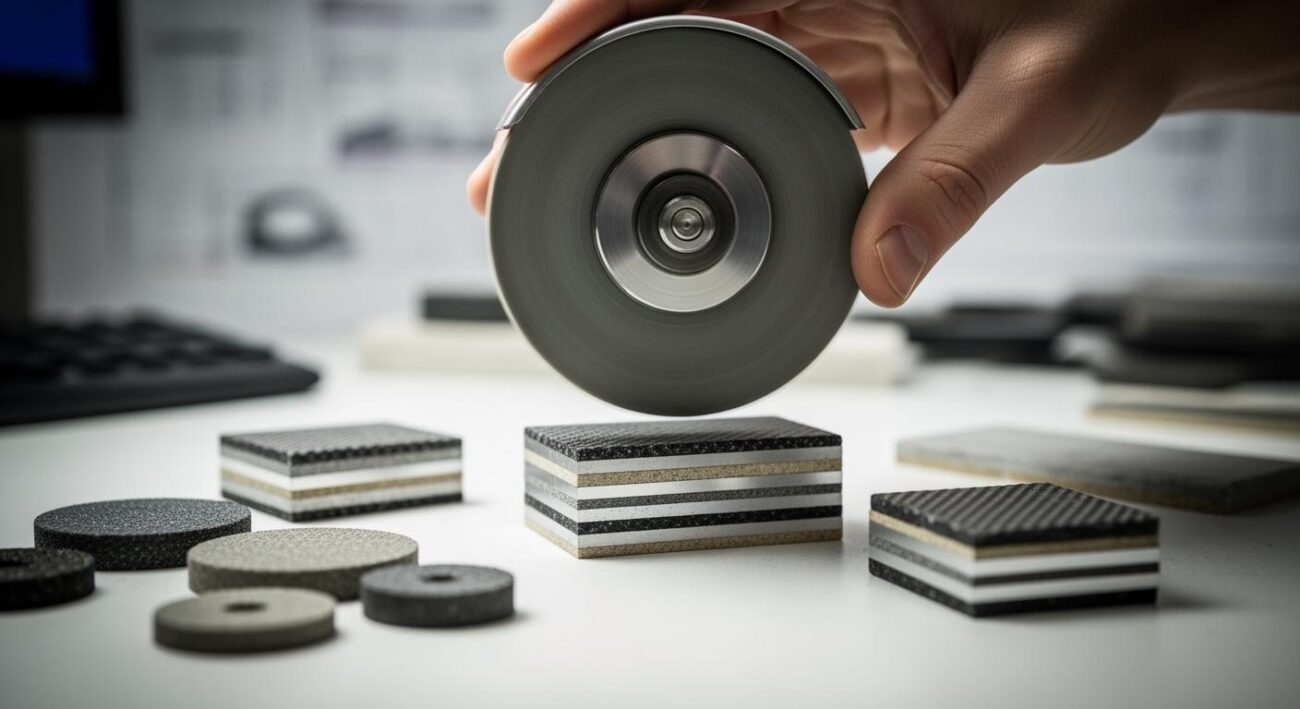
You must always begin with a thorough inspection before you start grinding. Aimgrind recommends checking every grinding wheel for signs of abrasive wear, detachment, cracks, or deformations. These issues can create a hazard and reduce the effectiveness of your equipment. You should look closely at the wheel and use your hands to feel for any irregularities. Visual inspection helps you spot problems early and optimize wheel life. If you find any damage, replace the wheel immediately. This step protects you and meets safety requirements.
Tip: Regular inspection prevents unexpected failures and keeps your workspace safe.
Mounting and Balancing Procedures
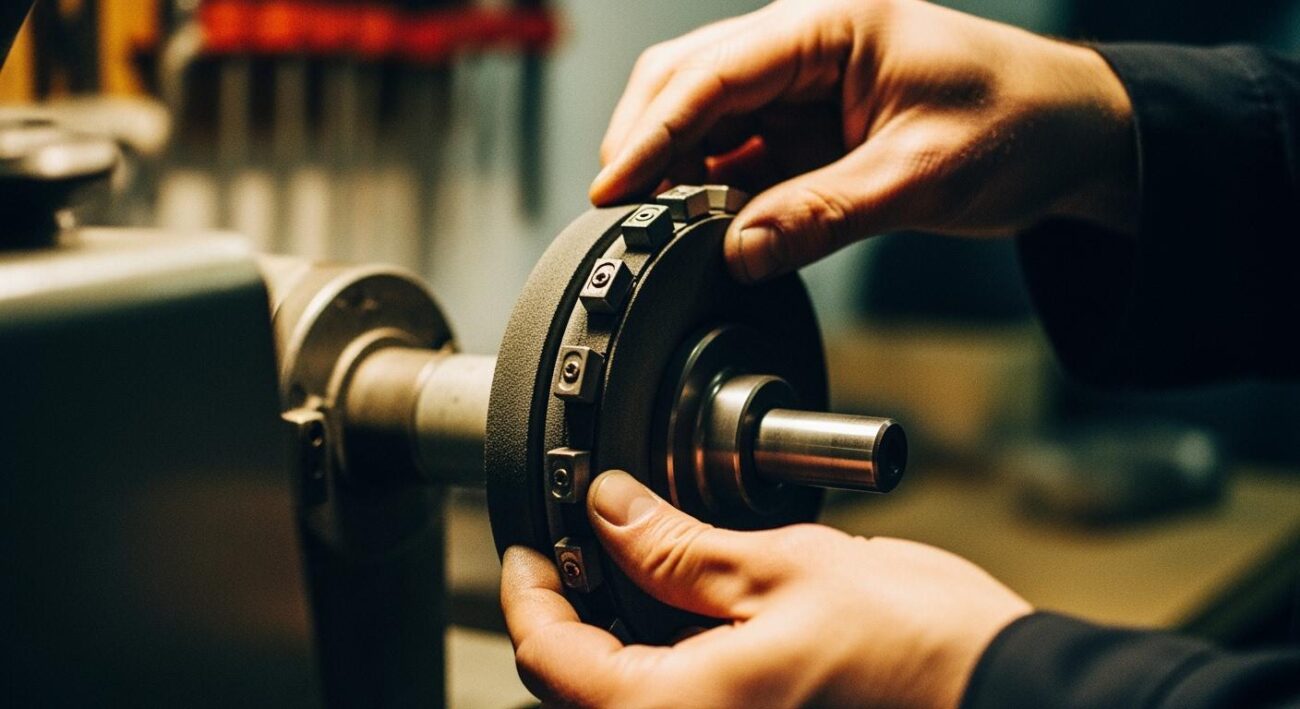
Proper mounting and balancing are essential for preventing edge chipping and extending wheel life. You need to follow these steps:
- Inspect and clean the wheel and mounting flanges. Make sure the wheel bore is free from debris.
- Mount the wheel using the correct wheel and appropriate blotters. Tighten flange screws in a star pattern to apply even pressure.
- Balance the wheel using a dynamic balancing machine. This step ensures smooth operation and reduces vibration.
You must always use PPE, such as gloves and goggles, during mounting. These safety requirements protect you from injury. Aimgrind’s conventional bonded abrasives fit standard machines and help you optimize wheel life.
Choosing the Right Wheel Material
Selecting the right grinding wheel is crucial for safety and performance. The properties of the wheel material, like the coefficient of friction, affect the risk of edge chipping. A higher coefficient of friction improves cutting efficiency and lowers the chance of chipping. Flat grain faces on the wheel separate material better than convex ones. You should choose the right grinding wheel for your application. Aimgrind offers conventional bonded abrasives that meet safety requirements and help you optimize wheel life.
| Safety Check | Requirement |
|---|---|
| Side guards | Cover spindle, nut, flange, and 75% of wheel diameter |
| Work rest | Adjusted to within 1/8 inch of the wheel |
| Tongue guard | Kept within 1/4 inch of the wheel |
| RPM rating | Compatible with grinder motor |
| Visual inspection | Conducted before mounting new wheels |
| Cleanliness | Maintained around grinders |
| Eye protection | Goggles or face shields worn during grinding |
| Mounting | Grinders permanently mounted |
| Grounding | Effective path to ground for electrically operated grinders |
| Connection | Fixed grinders connected with metallic conduit |
| Control switch | Individual on and off control switch for each grinder |
You must wear PPE and check all guards before starting. These steps reduce the risk of hazard and keep you safe. Aimgrind’s products help you meet all safety requirements and optimize wheel life.
Machine Setup and Adjustment
Setting up your grinding machine the right way helps you avoid edge chipping and keeps your grinding wheel working longer. Aimgrind’s conventional bonded abrasives fit most standard machines, so you can trust that you have the right tools for the job. Careful setup protects both you and your equipment.
Spindle Speed and Feed Rate
You need to set the spindle speed and feed rate correctly to prevent edge chipping. If you remove too much material in one pass, the wheel can overheat. This heat stresses the material and makes chipping more likely. You should use several light passes instead of one heavy pass. This method keeps the wheel cool and reduces the risk of damage.
- High grinding speed and low grinding depth improve edge integrity.
- A low feed rate can cause the wheel to rub instead of cut, which creates heat and friction.
- Too much friction wears down the wheel and increases the chance of chipping.
Tip: Always check the manufacturer’s recommended speed and feed settings for your grinding wheel.
Wheel Alignment and Dressing
Proper wheel alignment and regular dressing keep your grinding wheel sharp and effective. You should align the wheel so it runs true on the spindle. Dressing removes worn grains and exposes fresh abrasive, which helps the wheel cut cleanly.
- The dressing process is important for the wheel’s cutting ability.
- Analyzing both grinding and dressing movements helps you get the best results.
- High-pressure coolant streams help manage heat and prevent burns.
You should also use proper filtration to remove debris. Clean coolant and a well-dressed wheel give you a better surface finish and longer wheel life.
Securing Workpieces and Fixtures
You must secure your workpiece and fixtures before you start grinding. Loose parts can shift and cause the wheel to chip or break. Always check that clamps and supports hold the workpiece firmly.
| Safety Feature | Description |
|---|---|
| Proper Flange Use | Use recessed flanges next to the wheel to reduce stress near the wheel hole. |
| Gap Settings | Mount the wheel with even force to prevent stress points and breakage. |
| Blotters Usage | Place blotters between the wheel and flanges to spread out clamping force. |
Aimgrind’s wheels work well with these safety features, helping you keep your grinding process safe and efficient.
Standard Operating Procedure During Grinding
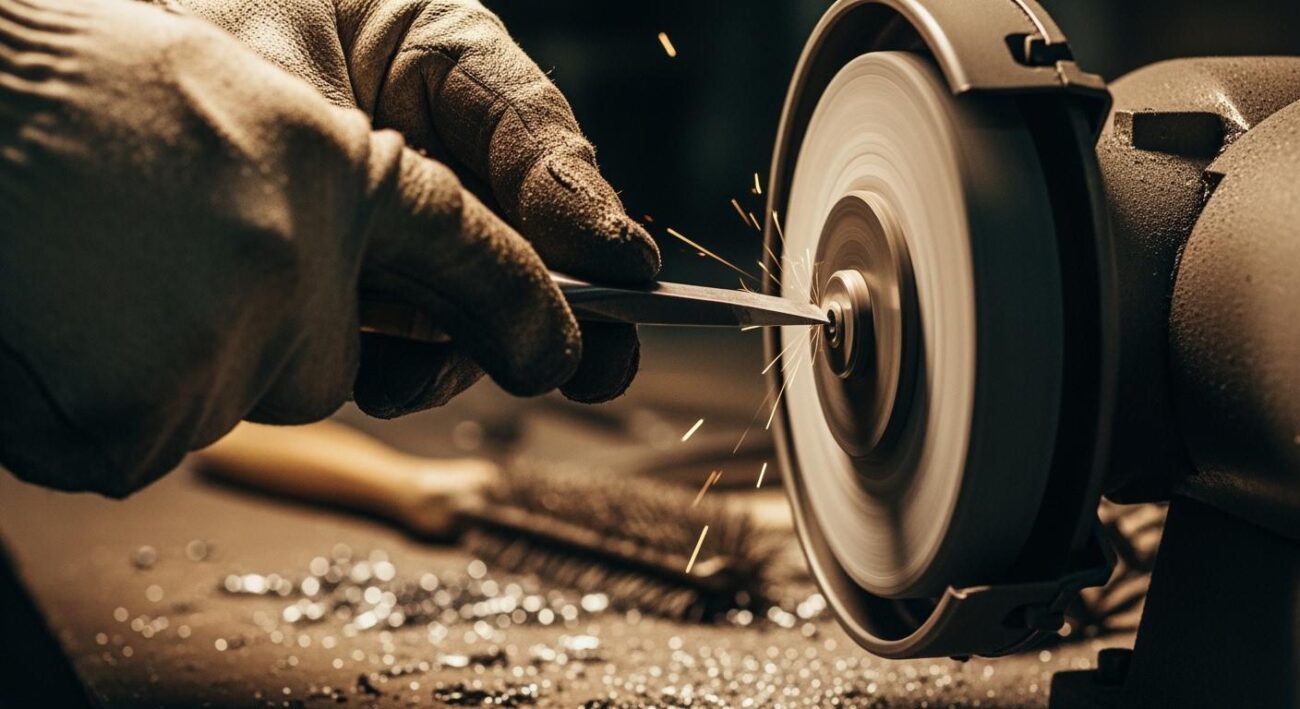
When you follow a standard operating procedure during grinding, you protect both your grinding wheel and your safety. Aimgrind recommends that you pay close attention to every step. This approach helps you avoid edge chipping and keeps your grinding process smooth and efficient.
Gradual Engagement and Light Cuts
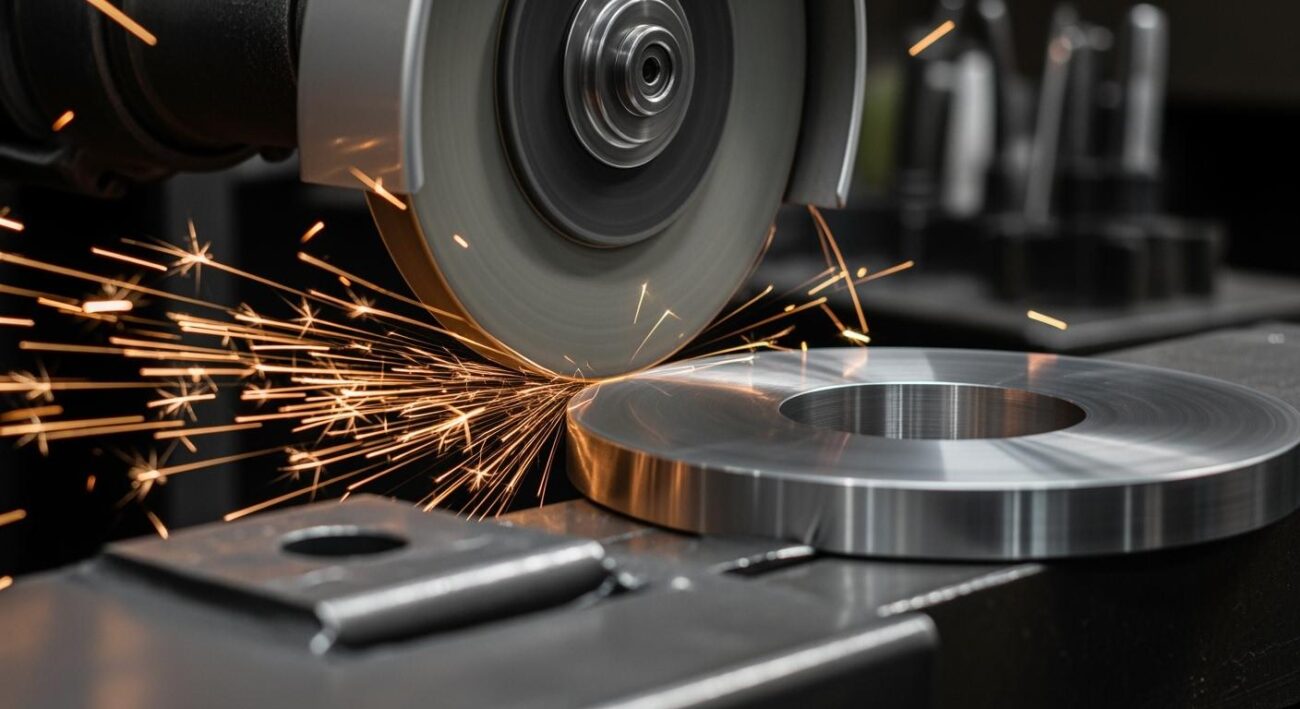
You should always start the grinding process with gradual engagement. Bring the grinding wheel into contact with the workpiece slowly. This method reduces the shock on the wheel and prevents sudden stress that can cause chipping. Take light cuts instead of heavy ones. When you use light cuts, you spread the grinding force over a larger area. This makes the edge of the wheel stronger and less likely to chip. Edge preparation, such as edge radiusing, also helps. It changes the shape of the grinding edge, making it tougher and more resistant to micro-chipping. You should avoid forcing the grinding wheel into the material. Let the wheel do the work at its own pace.
Tip: Gradual engagement and light cuts help you maintain control and extend the life of your grinding wheel.
Consistent Coolant Flow
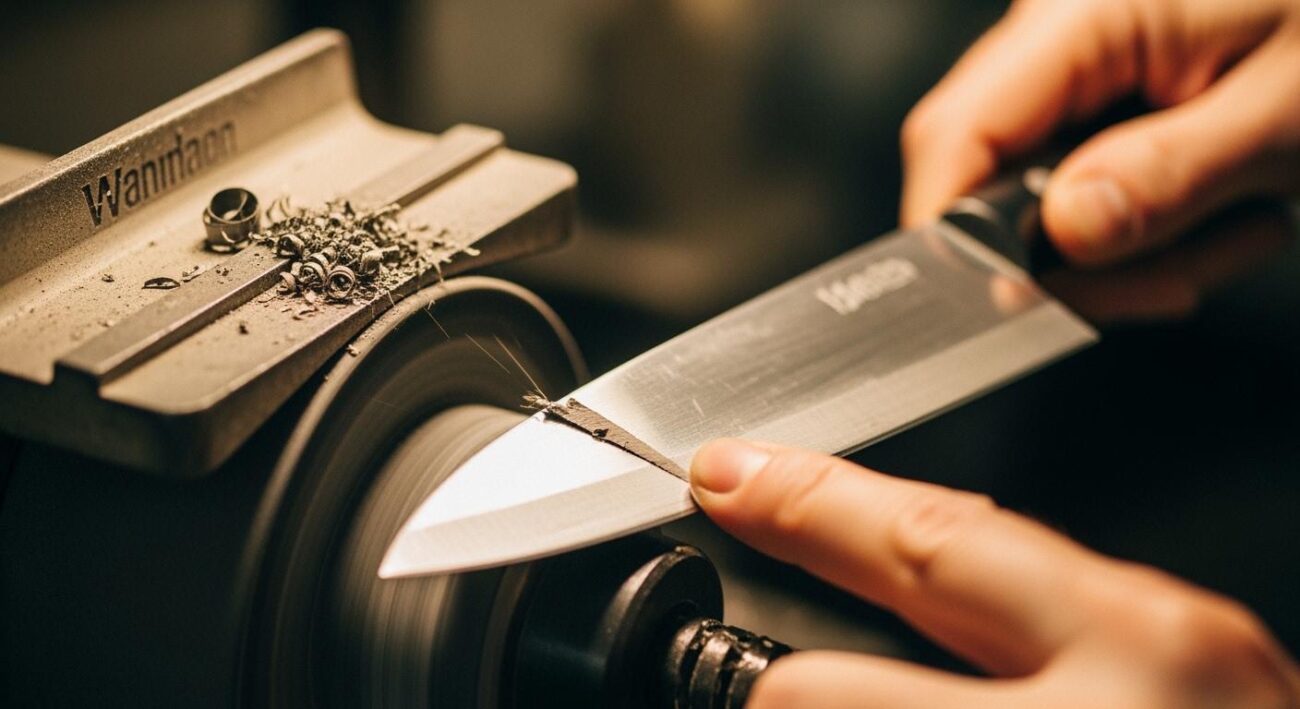
Coolant plays a key role in your standard operating procedure. You must keep a steady flow of coolant directed at the grinding wheel and the workpiece. Coolant absorbs heat from the grinding zone and carries it away. This prevents the grinding wheel edge from overheating, which can lead to chipping. Coolant also reduces mechanical stress on the wheel and keeps the abrasive bond strong. High-pressure coolant flushes chips out of the wheel structure, keeping the wheel open and aggressive. It also prevents metal build-up on the wheel face, which helps maintain sharpness and reduces vibration.
| Evidence Description | Impact on Grinding Wheel Edge Temperature and Chipping Prevention |
|---|---|
| Coolant absorbs and carries away thermal energy generated at the contact point. | Prevents uncontrollable temperature spikes that can cause structural damage. |
| Coolant reduces mechanical stress on abrasive bond posts. | Helps maintain the integrity of the grinding wheel, reducing chipping. |
| High-pressure coolant flushes chips out of the wheel’s structure. | Keeps the wheel open and aggressive, preventing chipping. |
| High-pressure coolant directed at the wheel’s face prevents metal build-up. | Maintains sharpness and reduces vibrations that cause chatter marks. |
You should check the coolant system before every grinding session. Make sure the flow is strong and directed at the right spot. This step is essential for grinding wheel safety and performance.
Monitoring for Vibration and Sounds
You need to monitor your grinding machine for unusual vibration and sounds during operation. These signs can warn you about problems with the grinding wheel or the machine itself. If you feel or hear something unusual, stop the grinding process and inspect the wheel. Common issues include wheel imbalance, bearing wear, and mechanical misalignment. Each of these problems can cause vibration and increase the risk of edge chipping.
| Mechanical Issue | Description |
|---|---|
| Wheel Imbalance | Causes excessive vibration, indicating potential problems with the grinding wheel. |
| Bearing Wear | Leads to irregular vibration patterns that can signal developing issues. |
| Mechanical Misalignment | Creates periodic vibration patterns that may indicate the need for maintenance. |
| Grinding Wheel Runout | Exceeding tolerance limits can produce vibrations that signal potential edge chipping. |
| Worn Conveyor Bearings | Produce irregular vibrations that vary with belt speed, indicating possible mechanical failure. |
| Loose Mounting Bolts | Allow components to shift during operation, leading to increased vibration and potential damage. |
| Foundation Problems | Can amplify normal machine vibrations, contributing to the risk of edge chipping. |
You should listen for any changes in sound or feel for extra vibration. These checks are part of your standard operating procedure. They help you catch problems early and prevent damage to your grinding wheel.
Note: Routine inspection and quick response to vibration or noise keep your grinding process safe and reliable.
Essential Steps in the Standard Operating Procedure
You can follow these steps to make sure your grinding process is safe and effective:
- Wear protective gear and review your task list before starting.
- Inspect semi-finished products for correct size and surface quality.
- Monitor the grinding process for cracks and use proper technique.
- Handle materials carefully to avoid damage.
- Control the amount of grinding based on the thickness of the material.
- Perform daily inspections of the grinding machine.
- Check the grinding wheel and coolant system before each session.
By following this standard operating procedure, you protect your grinding wheel, improve grinding results, and reduce the risk of chipping. Aimgrind’s focus on safety and product reliability supports you at every step. You can trust Aimgrind’s conventional bonded abrasives to deliver consistent performance and long-lasting results.
Post-Operation Focus on Safety
After you finish grinding, you must focus on safety to protect yourself and your equipment. Good post-operation habits help you avoid injury and reduce the risk of future problems. Aimgrind recommends a clear maintenance routine for all users of conventional bonded abrasives.
Inspect for Chipping or Damage
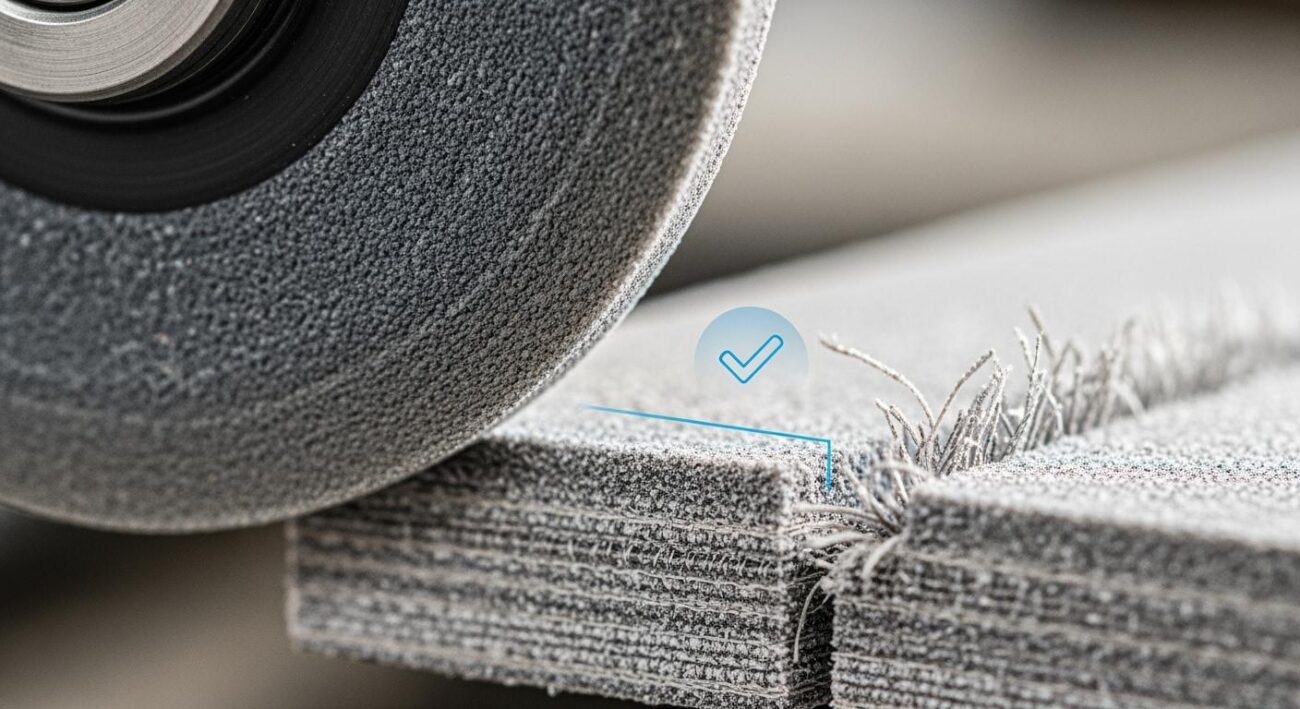
You should always inspect the grinding wheel after each use. This step helps you spot any edge chipping or cracks that could lead to injury. Use your eyes and hands to check for damage. Look for chips, cracks, or worn spots. If you find any, replace the wheel right away. Never use a wheel that shows signs of damage, as this increases the risk of injury.
| Method | Description |
|---|---|
| Visual Inspection | Check for cracks, water, oil, or bump marks before and after use. |
| Handling | Move the wheel smoothly to avoid new damage. |
| Regular Checks | Inspect during downtime for hidden dangers like loose screws. |
| Alignment Check | Mark alignment and check for slippage after grinding. |
| Parallelism Check | Make sure the wheel is not out of parallel by more than 0.1 mm. |
- Inspect for cracks and chips.
- Check the expiry date on the abrasive.
- Make sure the wheel is not expired.
These steps lower the risk of injury and keep your grinding process safe.
Cleaning and Storage of Wheels
Proper cleaning and storage are key parts of maintenance. Clean the grinding wheel with a non-metallic brush and an alkaline cleaner. This keeps the abrasive grains and bonds strong. Never use harsh tools that can damage the edge. After cleaning, store the wheel in a dry, stable place. Keep the area free from dust and moisture. Good storage prevents warping and keeps the edge sharp for the next use.
You should also power down the machine fully and clean the workspace. Remove all dust and fragments. This reduces the risk of injury and keeps your equipment in top shape. Aimgrind suggests regular maintenance checks. If you notice an increase in motor current or see the ammeter jump, dress the wheel or replace it. Stick to a set maintenance schedule to avoid unexpected problems.
Tip: Regular maintenance and careful storage help you avoid injury and extend the life of your grinding wheel.
By following these steps, you lower the risk of edge chipping and keep your grinding wheels ready for safe use every time.
Common Mistakes and How to Avoid Them
Grinding wheel edge chipping often happens because of a few common mistakes. You can avoid these problems by following Aimgrind’s standard operating procedure and using high-quality products. This approach keeps your grinder safe, improves protection, and boosts productivity.
Overloading the Wheel
Many operators overload the grinder by applying too much pressure or using the wrong speed. This mistake causes burning, thermal damage, and excessive wear. You might see the wheel glaze or load up with material. Overloading reduces protection for both you and your equipment. It also lowers productivity because you need to stop and fix problems more often.
- Too much force on the grinder increases the risk of chipping.
- Incorrect speed settings can damage the wheel and the workpiece.
- Poor quality materials make the grinder less effective.
You should always use light, steady pressure and follow the recommended speed for your grinder. Aimgrind’s SOP helps you set the right parameters, which means better protection and higher productivity.
Tip: Dress the wheel with the correct tool and reduce the feed rate to keep your grinder running smoothly.
Skipping Maintenance
If you skip regular maintenance, your grinder will wear out faster. Heat builds up, and the edge of the wheel becomes weak. This leads to poor grinding results and more chipping. You lose protection and waste time fixing mistakes. Regular checks keep your grinder in top shape and help you maintain high productivity.
| Maintenance Task | Benefit for Protection and Productivity |
|---|---|
| Clean the grinder | Reduces heat and wear |
| Inspect the wheel | Prevents unexpected chipping |
| Check coolant flow | Keeps grinding cool and safe |
Aimgrind recommends a maintenance schedule for every grinder. This routine gives you better protection and keeps your productivity high.
Using Damaged or Wrong Wheels
Using a damaged or incorrect wheel puts your grinder at risk. You lose protection because the wheel can break or chip easily. Internal stresses in hard materials can cause chipping if you do not use the right wheel. A worn wheel needs more force, which lowers productivity and increases the chance of accidents.
- Uneven stress release leads to chipping.
- Dull wheels require more effort from the grinder.
- Wrong speeds or feed rates cause extra pressure and damage.
You should always check your grinder for the correct wheel before starting. Aimgrind’s SOP and quality wheels help you avoid these mistakes. You get smoother edges, fewer grinding marks, and better overall productivity.
Note: Aimgrind’s procedures and products have shown clear improvements in edge quality and protection. You can trust these steps to keep your grinder safe and your work efficient.
You improve grinding wheel edge protection when you follow each step of the standard operating procedure. You boost performance by wearing safety goggles, checking the grinder, and adjusting the work rest. You keep performance high by using the right flanges and safety guards. You maintain performance by checking the tongue guard and standing aside during startup. You raise performance by applying work gradually and avoiding side grinding. You protect performance by turning off the power after use. Aimgrind’s focus on safety and quality helps you achieve top performance. Ongoing training and Aimgrind’s conventional bonded abrasives support your performance goals. For more tips and resources, visit Aimgrind’s website.
FAQ
What should you check before using a grinding wheel for any application?
You should always check for cracks, chips, or other hazardous conditions. Review your inspection and maintenance program. Make sure the grinding wheel matches your application. Wear personal protective equipment before you start. This keeps you safe and improves grinding wheel performance.
How do you prevent premature edge breakage during grinding?
You must select the right grinding wheel for your application. Always consider the application and use light pressure. Keep the wheel cool with proper coolant flow. Follow your inspection and maintenance program. This helps you avoid premature edge breakage.
Why is personal protective equipment important in every application?
Personal protective equipment protects you from flying debris and dust. You must wear goggles, gloves, and a face shield for every application. This reduces the risk of injury and keeps you safe during grinding.
How does the application affect grinding wheel performance?
The application decides the type of grinding wheel you need. You must match the wheel to your application for the best grinding wheel performance. Always consider the application to avoid hazardous conditions and get the best results.
When should you replace a grinding wheel in your application?
Replace the grinding wheel if you see cracks, chips, or unusual wear during any application. Do not use a wheel that shows signs of damage. This keeps your grinding process safe and effective.
Contact Us
For More Grinding Solution or Customized Abrasive Tools