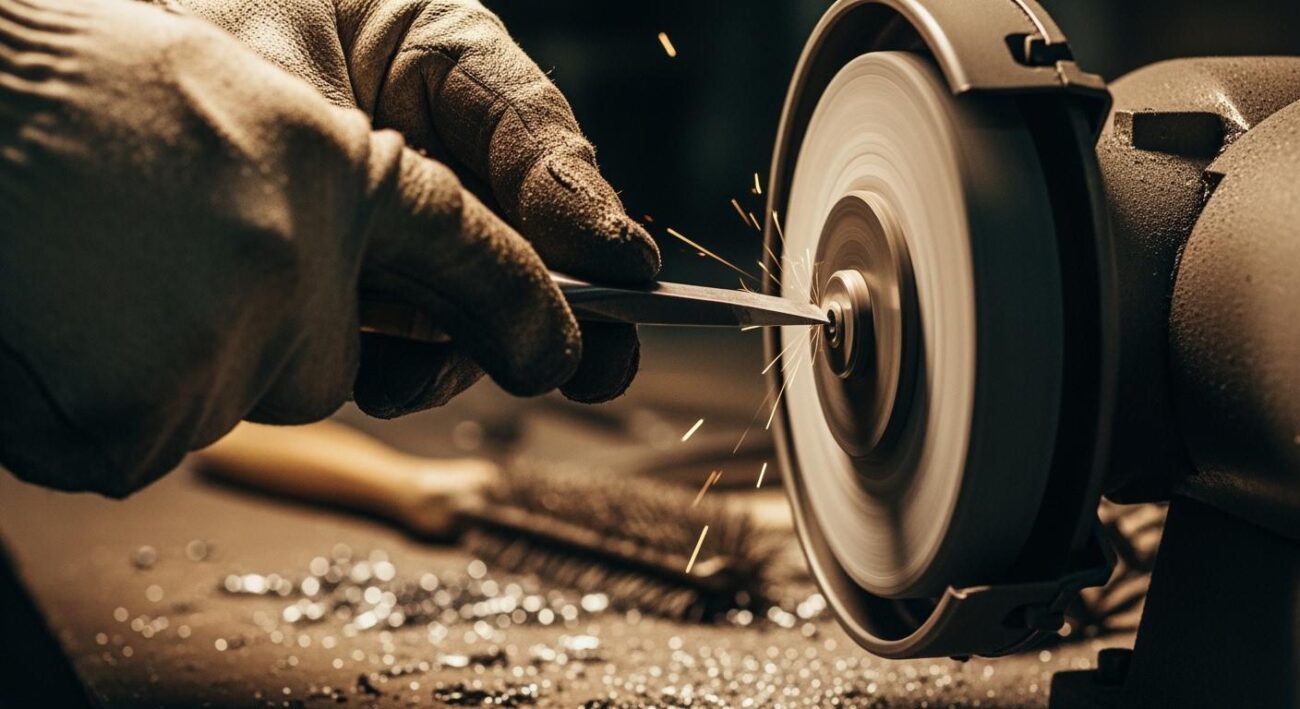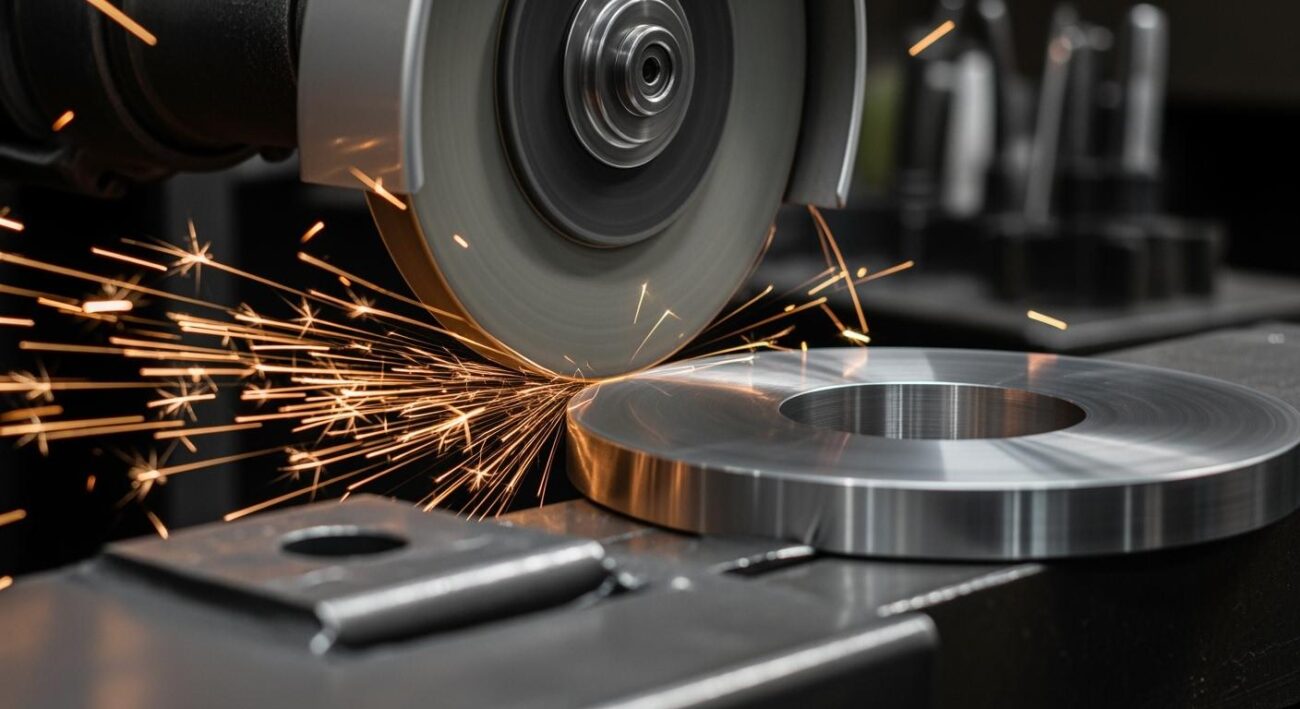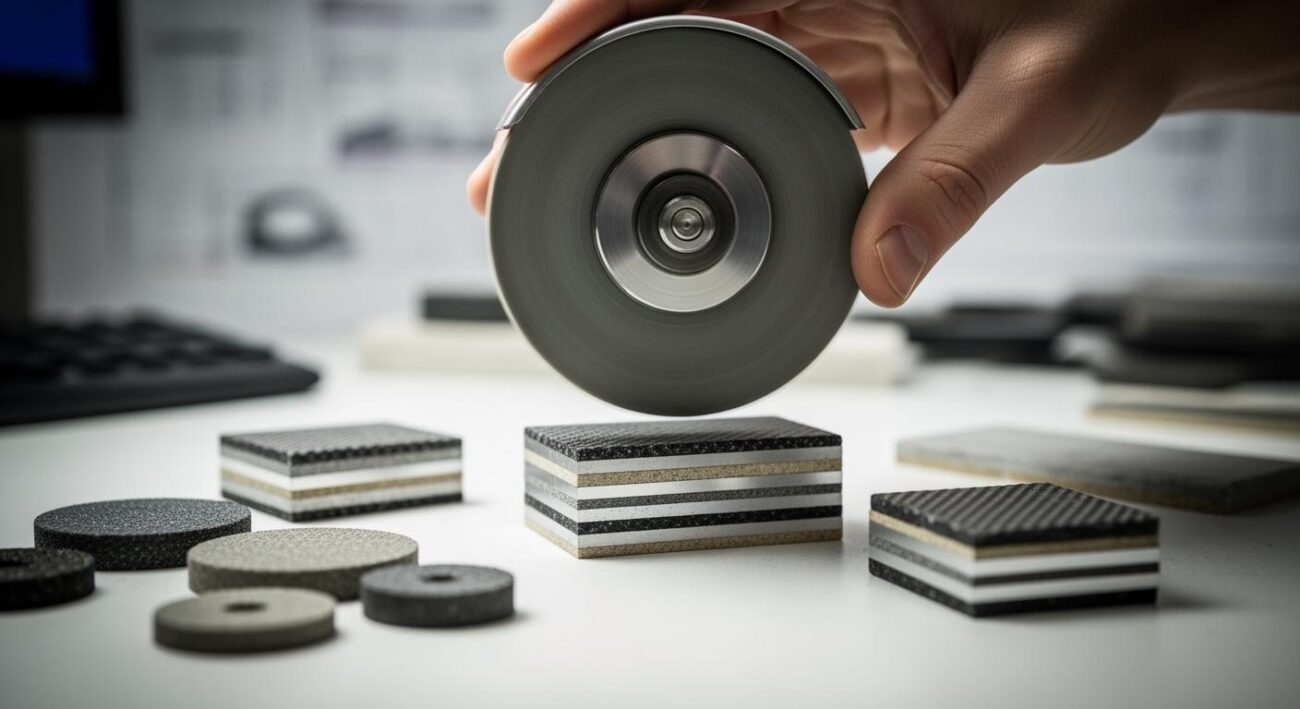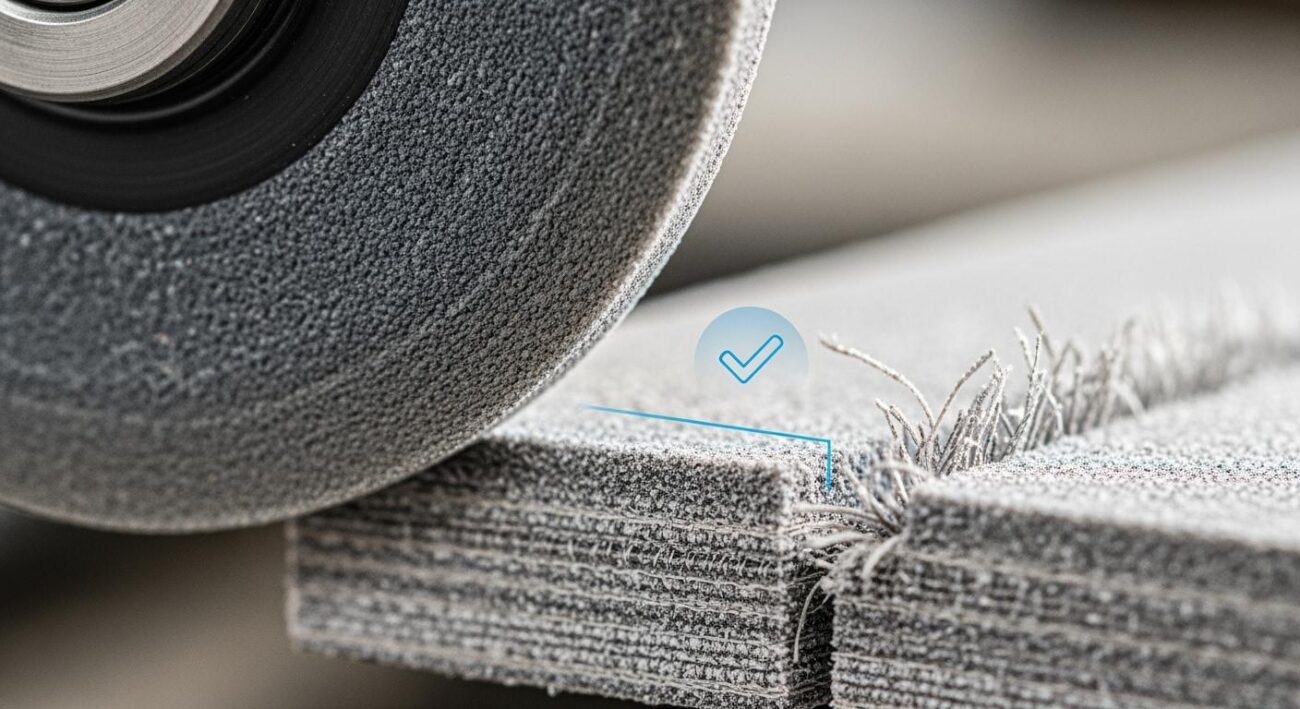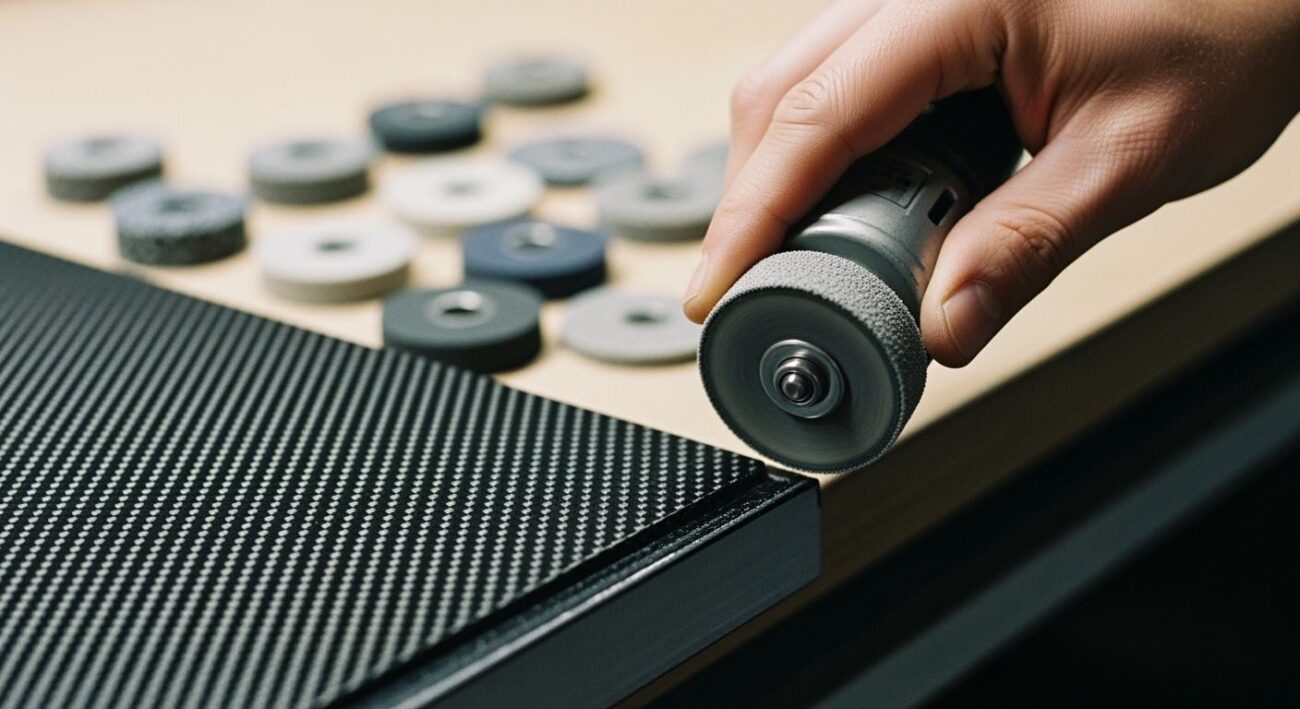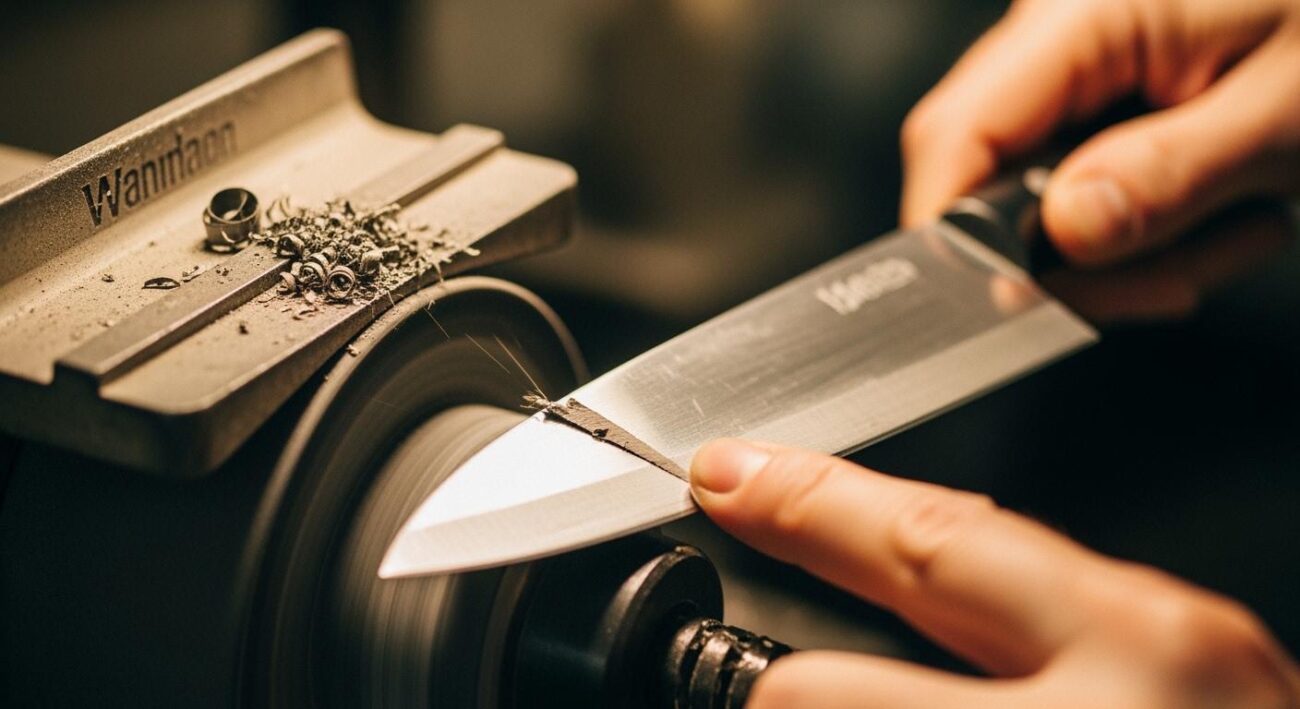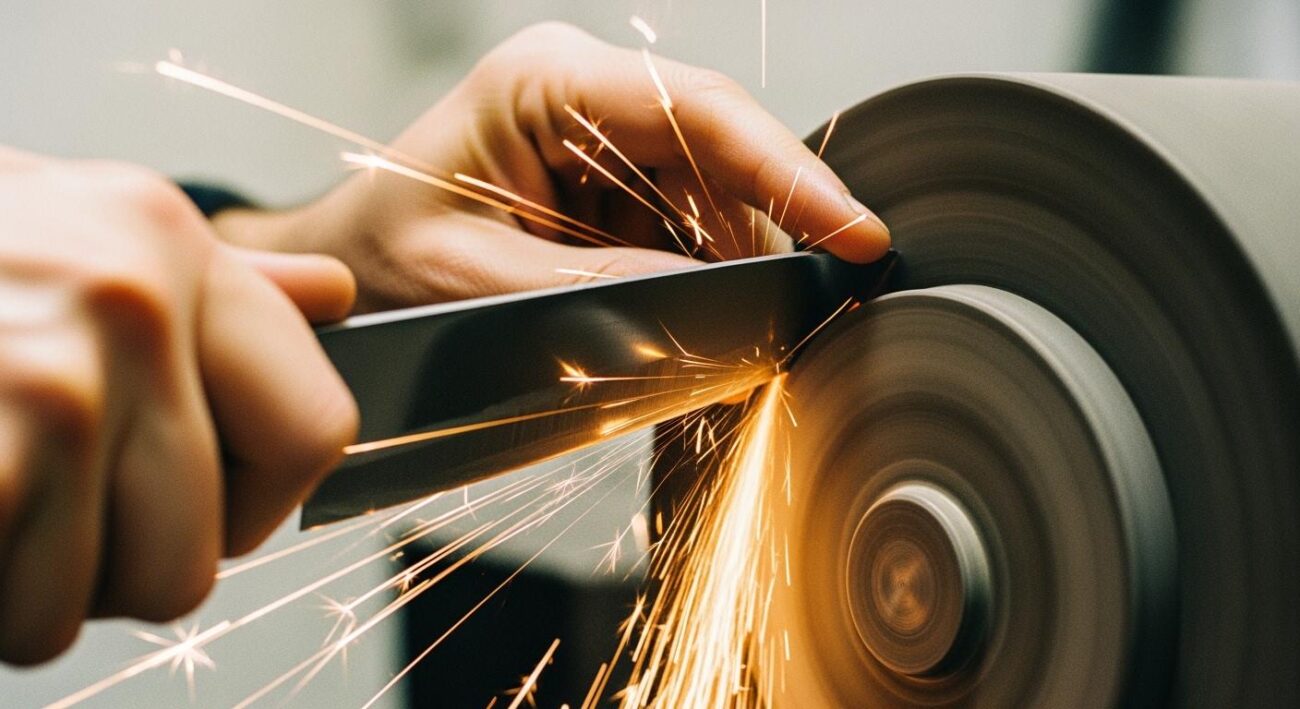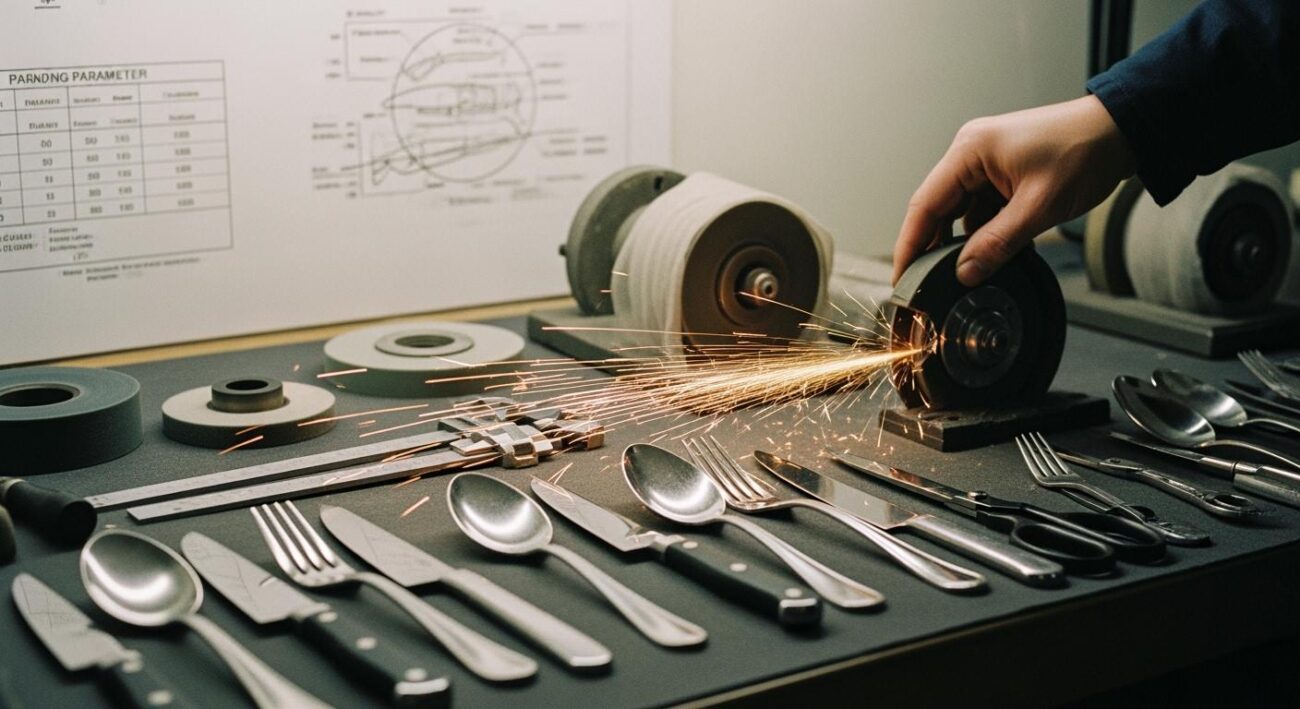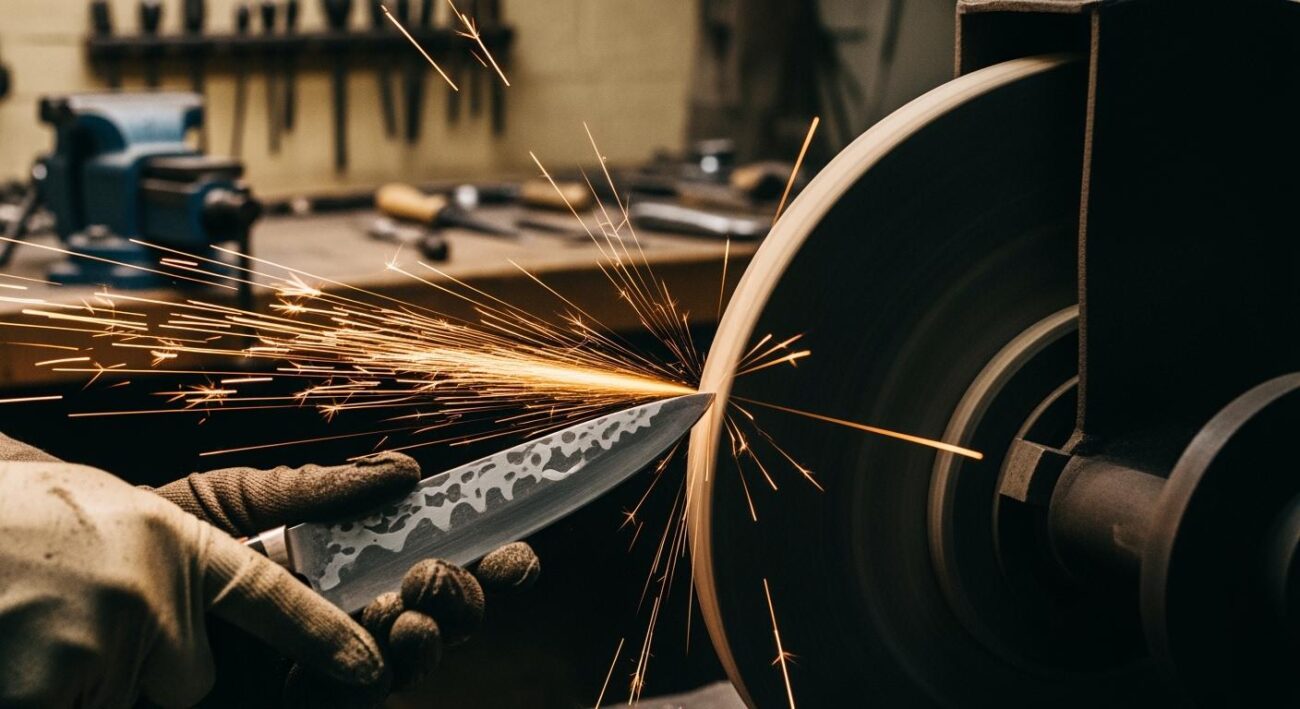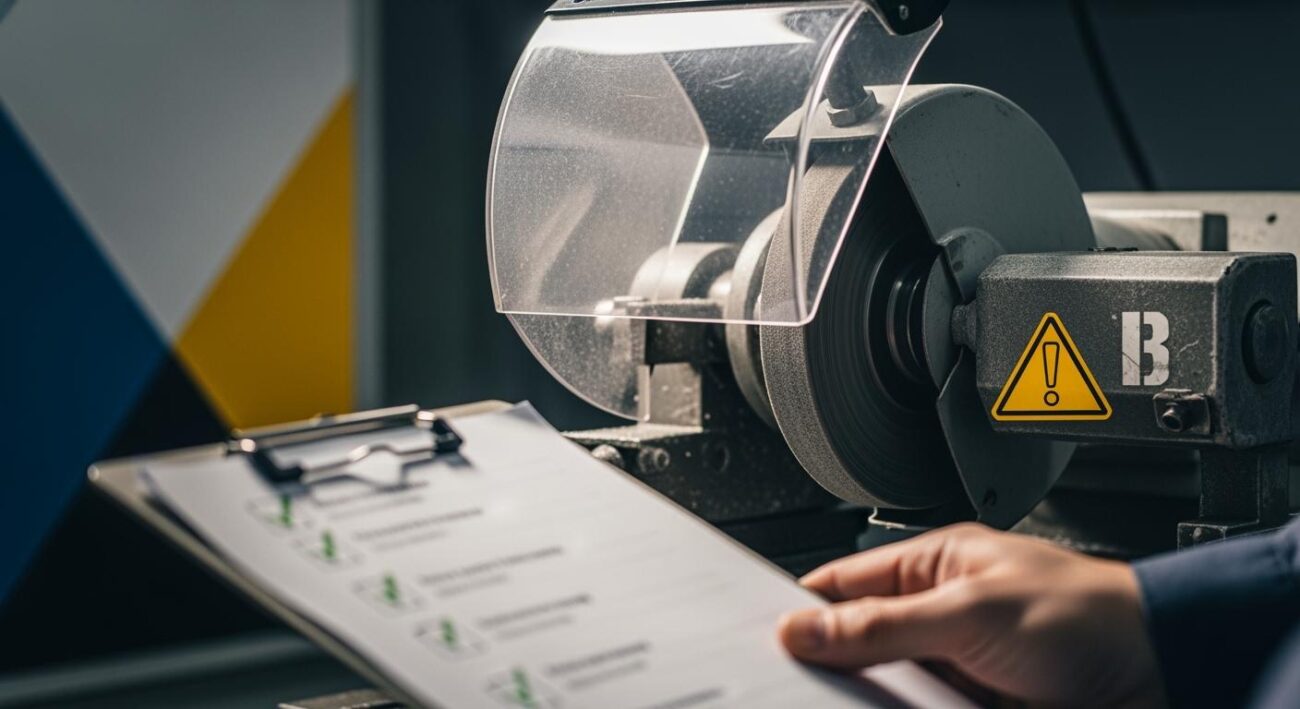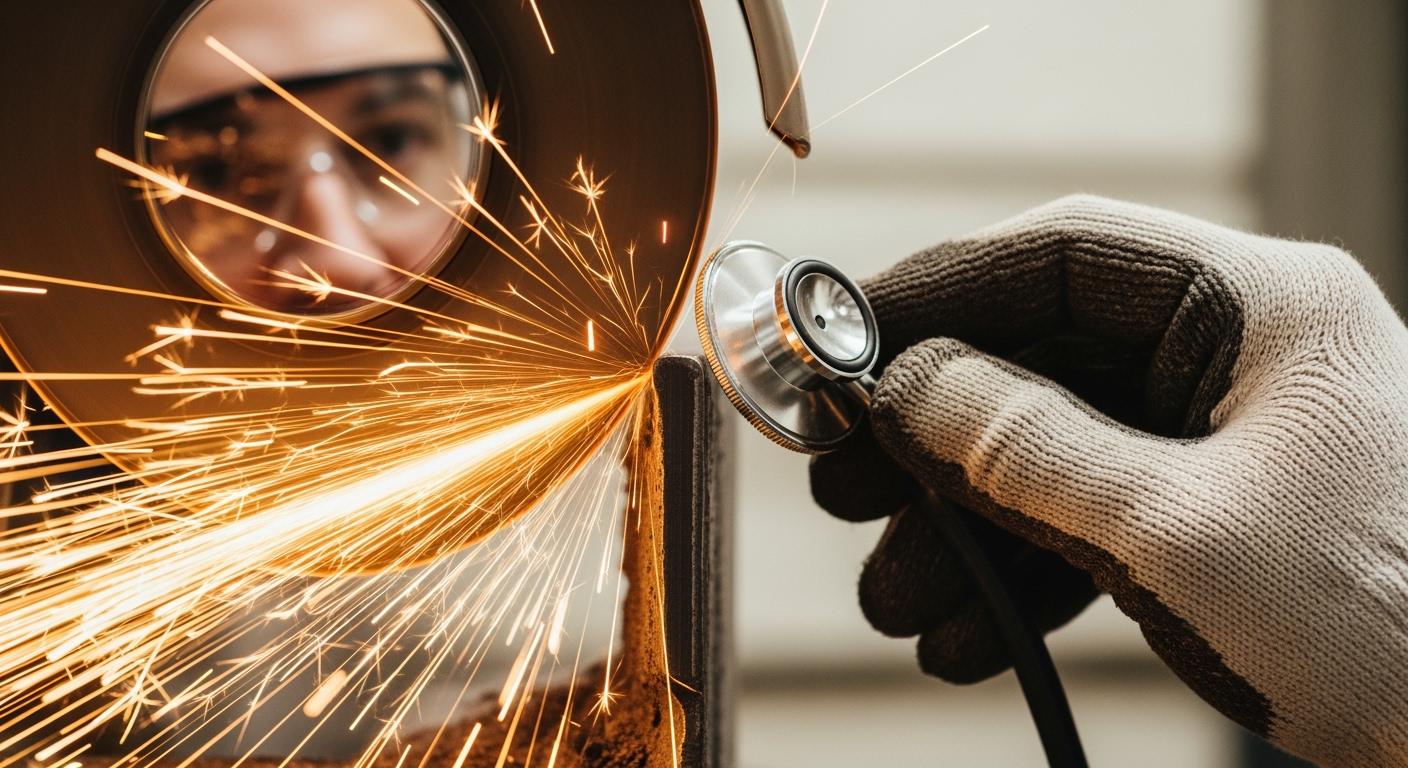
When you use a grinding machine, pay close attention to the sound and sparks during operation. A smooth, steady sound often means the grinding wheel condition is good. Bright, consistent sparks show proper feed pressure. If you hear loud screeching or see erratic sparks, stop and check the wheel. These signs help you prevent damage and keep your work safe.
Key Takeaways
- Listen for smooth, steady sounds during grinding. This indicates a healthy grinding wheel condition.
- Watch for bright, consistent sparks. They show proper feed pressure and effective material removal.
- Stop and inspect the grinding wheel if you hear loud screeching or see erratic sparks. These signs indicate potential issues.
- Perform regular inspections and use the ring test to detect cracks in the grinding wheel before use.
- Adjust feed pressure based on spark patterns. Too much pressure can cause excessive wear, while too little slows down the process.
Grinding Sounds and Wheel Condition
Normal vs. Abnormal Sounds
When you start a grinding job, listen closely to the sounds your machine makes. A normal grinding sound is steady and smooth. You might hear a gentle tick-tock rhythm as the wheel moves across the material. This means your grinding wheel condition is good, and the process is safe.
Abnormal sounds are different. You may hear grinding, squeaking, clicking, or rattling. These noises often mean something is wrong. Grinding noises suggest rough contact between the wheel and the workpiece. Squeaking can mean parts need lubrication. Clicking or rattling may point to loose or damaged parts. If you notice these sounds, stop and check your grinding wheel condition right away.
The study demonstrates that acoustic emission monitoring can assist in the initial setup of machine tools and during the grinding process, acting as an online detection system. It emphasizes the correlation between the frequency spectrum of acoustic emission signals and surface quality metrics such as surface roughness, cylindricity, and roundness.
Listening for Changes
You should always pay attention to changes in sound during grinding. If the sound suddenly gets louder or changes from smooth to rough, this can signal a problem. Sometimes, a wheel that was working well can develop cracks or wear out. These changes in sound help you catch issues before they cause damage.
Aimgrind recommends regular checks and listening for any new or unusual noises. This practice helps you keep your grinding wheel condition safe and your results consistent. Many industries use sound analysis to improve grinding. For example, companies use acoustic emission sensing technology to extend grinding wheel life and control dressing. This technology helps you get better results and save money.
| Application | Description |
|---|---|
| Acoustic Emission Sensing Technology | Utilized to enhance grinding wheel life and optimize the dressing process, leading to improved productivity and cost reduction. |
| Schmitt Industries’ AE Sensing | Detects minute sounds from grinding wheel contact, enabling automated functions like grind detection and dressing control. |
| ExactDress System | Automates wheel dressing by analyzing live acoustic emission signatures, ensuring correct dressing and reducing guesswork. |
Common Sound Issues
Many common problems in grinding show up as unusual sounds. Here are some issues you might hear:
- Worn or failing wheel bearings can cause grinding noises, especially when you turn the wheel.
- Dry or failing joints may produce grinding or clicking sounds.
- Worn brake parts can lead to grinding noises during operation.
- Low or dirty fluids in the machine can create grinding sounds.
- Worn suspension parts may also cause grinding noises.
You can prevent many of these problems with regular inspection. One important test is the ring test. This test helps you find cracks or defects in your grinding wheel before you start work.
The ring test is crucial for detecting internal cracks that could lead to wheel failure during operation. Conducting this test helps prevent accidents and maintains optimal performance of the grinding wheel.
To do a ring test, follow these steps:
- Remove the grinding wheel from the machine and clean it.
- Tap the wheel gently with a non-metallic object at different spots around its edge.
- Listen for the sound. A clear, ringing sound means the wheel is in good condition. A dull sound means there may be cracks or defects.
Regular inspection and listening for changes in sound help you keep your grinding safe and effective. Aimgrind’s expertise in diagnosing wheel issues can guide you in choosing the right wheel and keeping your grinding process smooth. Always watch for changes in sparks, too. If you see more or fewer sparks than usual, check your wheel and feed pressure. Sparks and sound together give you the best clues about your grinding wheel condition.
Spark Patterns and Feed Pressure
Spark Color and Shape
You can learn a lot about your grinding wheel condition by watching the sparks. When you use Aimgrind’s conventional bonded abrasives, look for bright, steady sparks. These usually mean your grinding process is working well. If you see short, weak sparks, your wheel may be glazed or worn. Long, bright sparks often show good material removal and proper feed.
Researchers have studied how spark images change with grinding parameters. The table below shows how spark length, brightness, and frequency connect to grinding speed, feed rate, and abrasive wear.
| Study Title | Focus | Methods | Findings |
|---|---|---|---|
| Analysis of Spark Image Characteristics in Abrasive Belt Grinding and Its Application | Relationship between spark images and grinding parameters | Collected spark images under various grinding parameters; used image processing techniques | Established a model linking spark characteristics (length, brightness, frequency) to grinding parameters (speed, feed rate) and abrasive belt wear state |
Feed Pressure Effects
Feed pressure changes the way sparks look and how much material you remove. If you use low feed pressure, you will see fewer sparks. The grinding wheel condition may stay good, but you will not remove much material. If you use high feed pressure, you will see more sparks. The grinding action becomes stronger, but the wheel can wear out faster. Too much pressure can also make the abrasive grains break down, changing the spark pattern and making the process less stable.
Adjusting Based on Sparks
You should always adjust your grinding process if you see abnormal sparks. Here are some steps you can take:
- Reduce the cut depth during finishing to lower force and heat.
- Dress and true the grinding wheel often to keep a sharp cutting surface.
- Use spark-out passes to smooth out the surface.
- Apply coolant to control temperature and remove chips.
- Use smart controls on CNC machines to adjust grinding conditions.
If you see too many or too few sparks, check for wheel glazing. Glazing happens when the wheel surface gets smooth and shiny. This reduces grinding ability. Dress the wheel to bring back sharpness. Always match your feed and pressure to the grinding wheel condition for the best results.
Real-Time Judgement Steps
Observation Steps
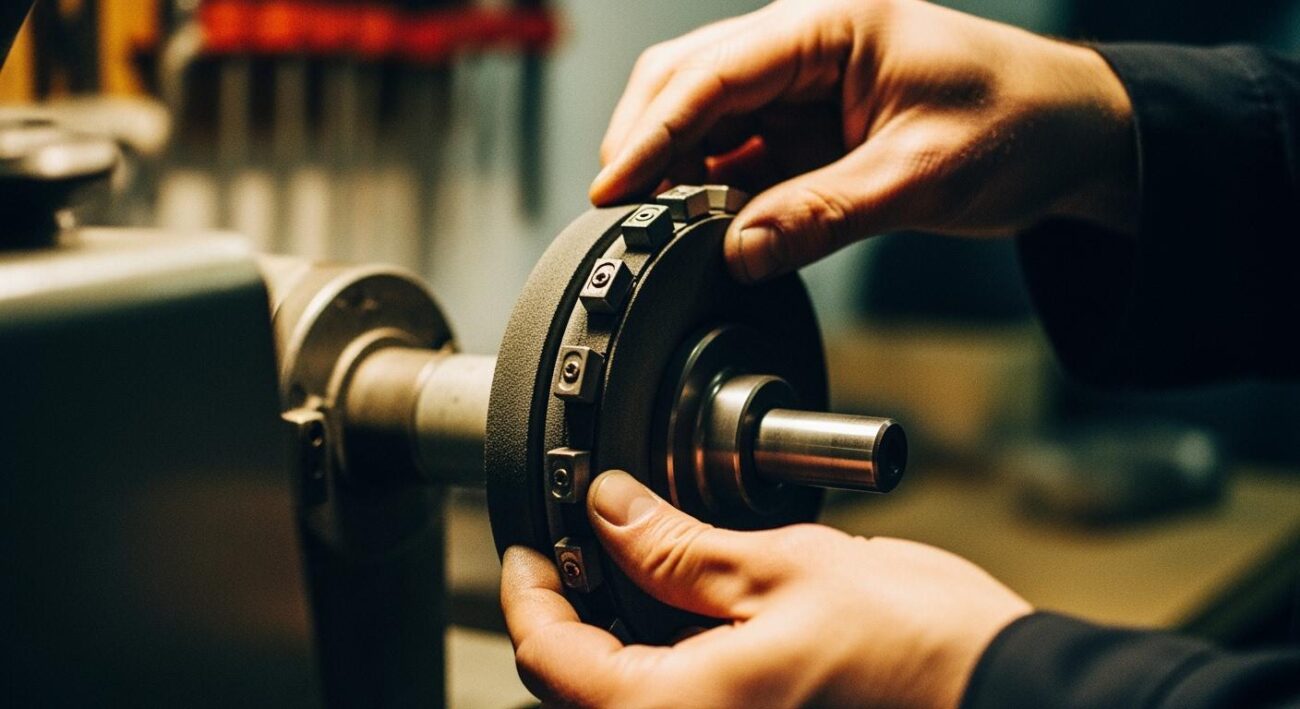
You need to observe and listen carefully during every grinding operation. Start by checking the grinding wheel before you turn on the machine. Look for cracks or chips. Use the ring test to make sure the wheel is safe. When you begin grinding, listen for a smooth sound. Watch the sparks. Bright and steady sparks show good grinding. If you see weak or uneven sparks, stop and check the wheel. Always keep your focus on the grinding area. This helps you spot problems early and keeps safety high.
Troubleshooting Tips
If you hear a strange noise or see a change in sparks, act fast. First, stop the grinding machine. Check the wheel for damage. If you find a problem, replace the wheel. If the wheel looks fine, check the feed pressure. Too much pressure can cause loud grinding sounds. Too little pressure can make the process slow. Adjust the pressure until you hear a steady sound. Dress the wheel if it looks glazed or worn. Aimgrind’s conventional bonded abrasives help you get consistent results. They make troubleshooting easier and improve safety.
Tip: Keep a log of grinding sounds and spark patterns. This helps you spot changes and improve safety over time.
Safety Reminders
Safety must always come first. Wear safety goggles and gloves before you start grinding. Make sure the work area is clean. Never use a damaged wheel. Always use the right wheel for your grinding job. Stand to the side when you start the machine. This protects you if the wheel breaks. Keep guards in place at all times. Do not touch the wheel while it is moving. Use proper lighting so you can see the grinding area clearly. Check all safety equipment before each use. Follow the manufacturer’s safety instructions. Aimgrind’s conventional bonded abrasives are designed for safety and reliability. Replace worn wheels right away. Store wheels in a dry, safe place. Train everyone on your team about grinding safety. Review safety rules often. Report any safety issues to your supervisor. Remember, good grinding habits protect you and your coworkers. Safety is not just a rule. Safety is a habit you build every day.
Quick Reference: Sounds, Sparks, and Condition
You can quickly judge the condition of your grinding wheel and feed pressure by using this reference guide. These tables help you understand what you see and hear during grinding. Aimgrind’s conventional bonded abrasives give you reliable results, so you can trust these signs.
Sound and Spark Table
| Grinding Sound | Spark Pattern | Wheel Condition | Feed Pressure | Action Needed |
|---|---|---|---|---|
| Smooth, steady | Bright, consistent | Healthy, sharp | Proper | Continue grinding |
| Loud, screeching | Erratic, scattered | Damaged or glazed | Too high | Reduce feed, dress wheel |
| Clicking or rattling | Weak, short | Loose or worn | Too low | Inspect wheel, increase feed |
| Dull, uneven | Few or no sparks | Cracked or defective | Variable | Replace wheel, check machine |
| Tick-tock rhythm | Long, bright | Well-dressed | Balanced | Maintain current settings |
Tip: If you notice changes in sound or sparks, stop grinding and check your wheel. Safety comes first.
Feed Pressure Table
| Feed Pressure | Grinding Sound | Spark Pattern | Result | Aimgrind Product Recommendation |
|---|---|---|---|---|
| Proper | Smooth, steady | Bright, consistent | Efficient grinding | Conventional bonded abrasives |
| Too high | Loud, screeching | Erratic, scattered | Excessive wear | Dress wheel, reduce feed |
| Too low | Clicking, rattling | Weak, short | Slow material removal | Increase feed, check wheel |
| Balanced | Tick-tock rhythm | Long, bright | Optimal performance | Maintain settings |
You can use these tables during grinding to make quick decisions. Listen to the sounds and watch the sparks. Adjust your feed pressure as needed. Aimgrind’s conventional bonded abrasives help you achieve safe and effective grinding every time.
You can improve grinding safety and efficiency by listening to sounds and watching sparks. Check your wheel often. Adjust feed pressure when you notice changes. Use the quick reference tables to guide your decisions. Stay alert during every grinding job. Aimgrind offers reliable grinding wheels and expert advice. Visit Aimgrind’s website for more information and support.
Tip: Practice these steps each day. You will build safer habits and achieve better results.
FAQ
What do spark images show during the grinding process?
Spark images give you important clues about the grinding process. You can see changes in spark images when you adjust the depth of cut or material removal rate. Spark images help you with target detection and improve grinding accuracy. Always watch spark images for safety.
How do spark images help with target detection?
You use spark images to spot problems in the grinding process. Spark images change when the material removal rate or depth of cut changes. You can use spark images for target detection. Spark images help you find the best grinding settings and keep your grinding process safe.
Why do spark images change with the depth of cut?
When you change the depth of cut, spark images look different. A deeper cut makes more spark images and increases the material removal rate. You can use spark images to check if you need to adjust the grinding process. Spark images help you control target detection.
How do spark images affect material removal rate?
Spark images show you how fast you remove material. If you see more spark images, the material removal rate is higher. Fewer spark images mean a lower material removal rate. You can use spark images to adjust the grinding process and improve target detection.
Can spark images improve grinding accuracy?
Yes, spark images help you improve grinding accuracy. You can use spark images for target detection and to check the grinding process. Spark images change with the depth of cut and material removal rate. Always watch spark images to keep your grinding process safe and accurate.
Contact Us
For More Grinding Solution or Customized Abrasive Tools