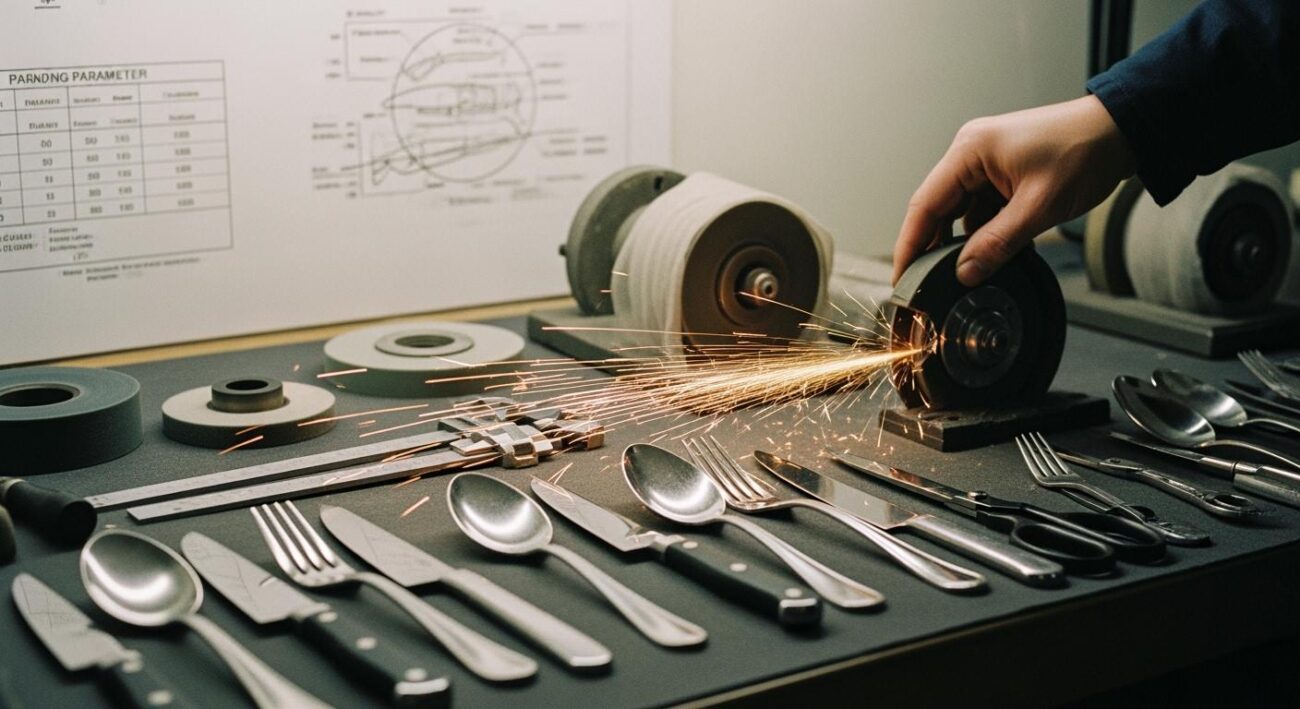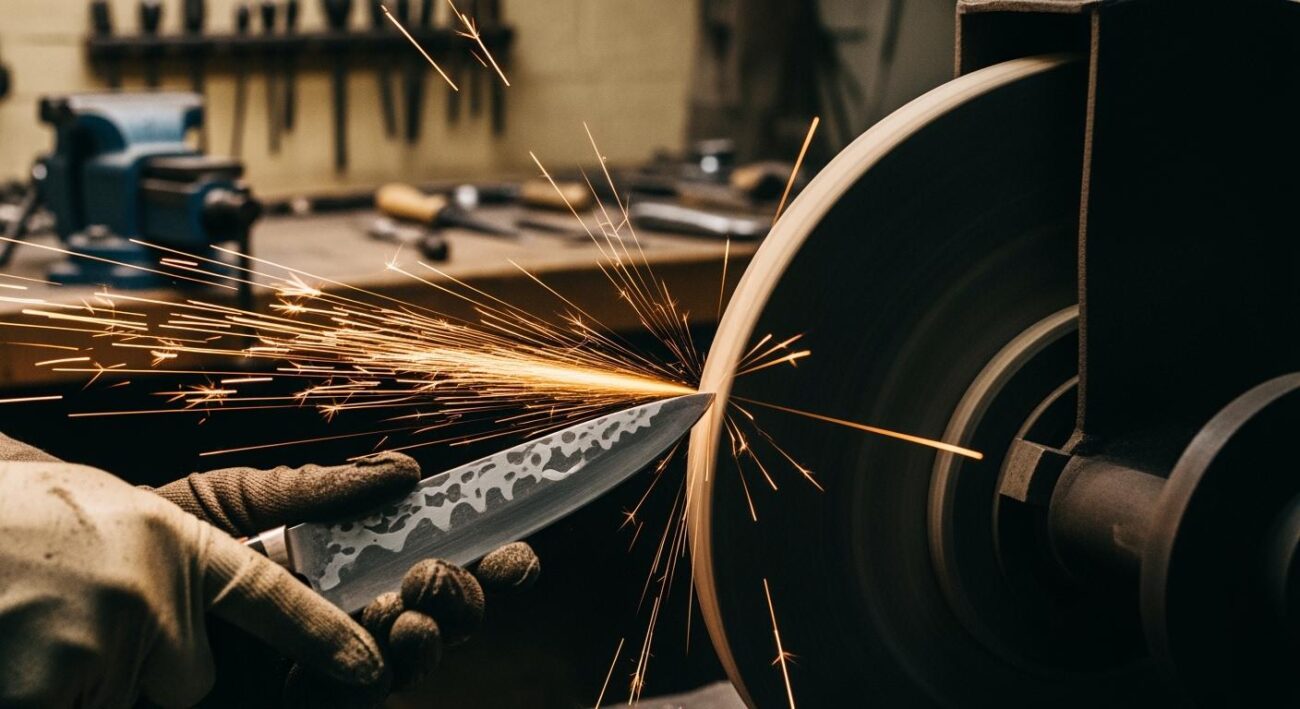
You often see that aluminum makes your grinding wheel clogging much faster than other metals. This creates a real challenge for machinists, engineers, and hobbyists. When clogging happens, you need to stop grinding more often to clean or dress the wheel. These stops make your process slower and increase your energy and labor costs. You can improve your results by understanding why aluminum causes this issue and how to manage it.
Key Takeaways
- Aluminum’s softness and ductility cause chips to clog grinding wheels quickly. Use specialized grinding techniques to minimize this issue.
- Select the right grinding wheel for aluminum, such as flap discs or silicon carbide wheels, to reduce clogging and improve performance.
- Regularly clean and dress your grinding wheel to maintain its effectiveness and prevent aluminum buildup.
- Use coolants and lubricants during grinding to lower temperatures and prevent aluminum from sticking to the wheel.
- Prioritize safety by wearing protective gear, ensuring proper ventilation, and keeping your workspace clean to avoid health risks.
Aluminum Properties and Clogging Issues
Softness and Ductility of Aluminum
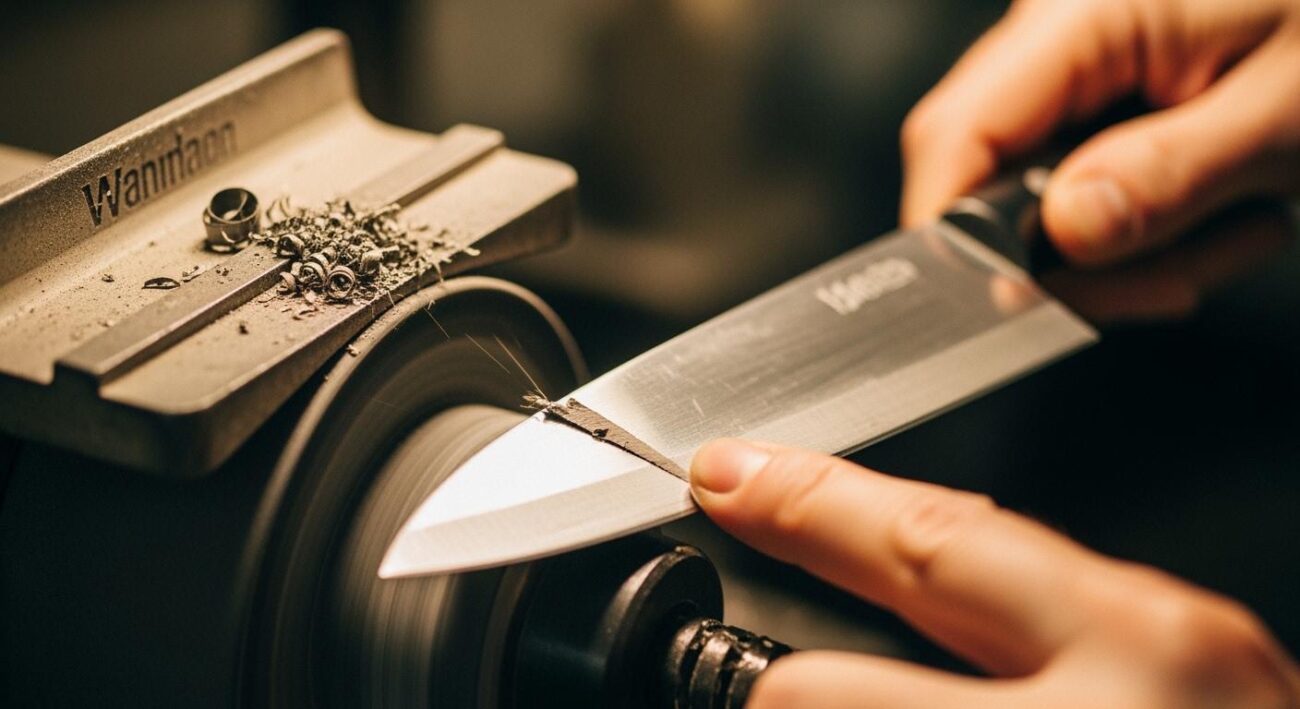
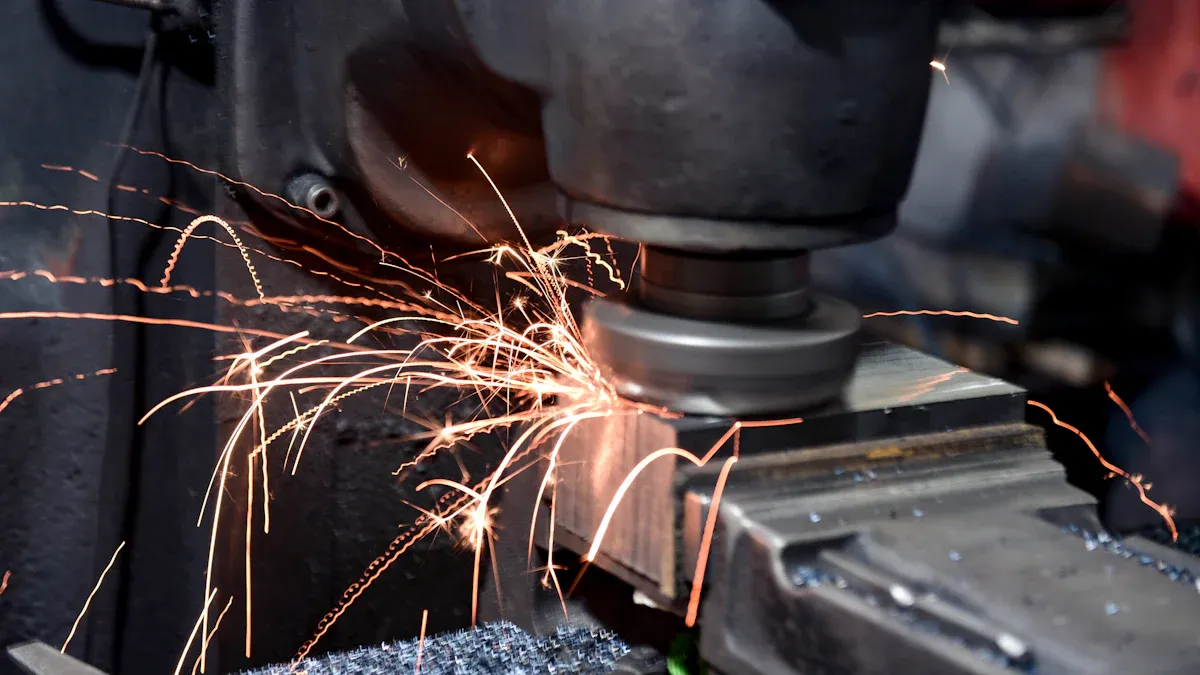
You notice that aluminum feels softer than steel when you use a grinding wheel. This softness allows abrasive grains to dig in easily, creating thick chips. Aluminum also has high ductility, which means it bends and stretches without breaking. These properties cause long chips to form during aluminum grinding. The chips can quickly fill the spaces between abrasive grains, leading to clogging.
Tip: Softer metals like aluminum often require special grinding techniques to avoid clogging.
Here is a simple comparison of aluminum alloys and their clogging risk:
| Aluminum Alloy | Chip Characteristics | Clogging Risk |
|---|---|---|
| 6061 | Shorter, less abrasive chips | Low risk of clogging |
| 7075 | Longer, stringy chips | Higher risk of clogging |
Low Melting Point and Wheel Loading
Aluminum melts at a much lower temperature than steel. When you grind aluminum, the heat from friction can quickly soften or even melt the metal. Melted aluminum sticks to the abrasive surface, causing wheel loading. This buildup blocks the cutting edges of the grinding wheel. You see the wheel lose its sharpness and efficiency. Wheel loading makes clogging happen faster, so you need to clean or dress the wheel more often.
Why Aluminum Sticks to Grinding Wheels
During aluminum grinding, chips stick to the rake face of the abrasive grains. These chips bond together and form a compact mass on the grinding wheel. This process depends on the grinding conditions, such as speed and pressure. When chips stick and build up, you get more clogging and wheel loading. The grinding wheel wears out faster, and you see a drop in performance.
Note: Regular wheel dressing helps remove stuck aluminum and keeps the abrasive surface clean.
Grinding Wheel and Aluminum Interaction
Clogging Mechanisms Explained
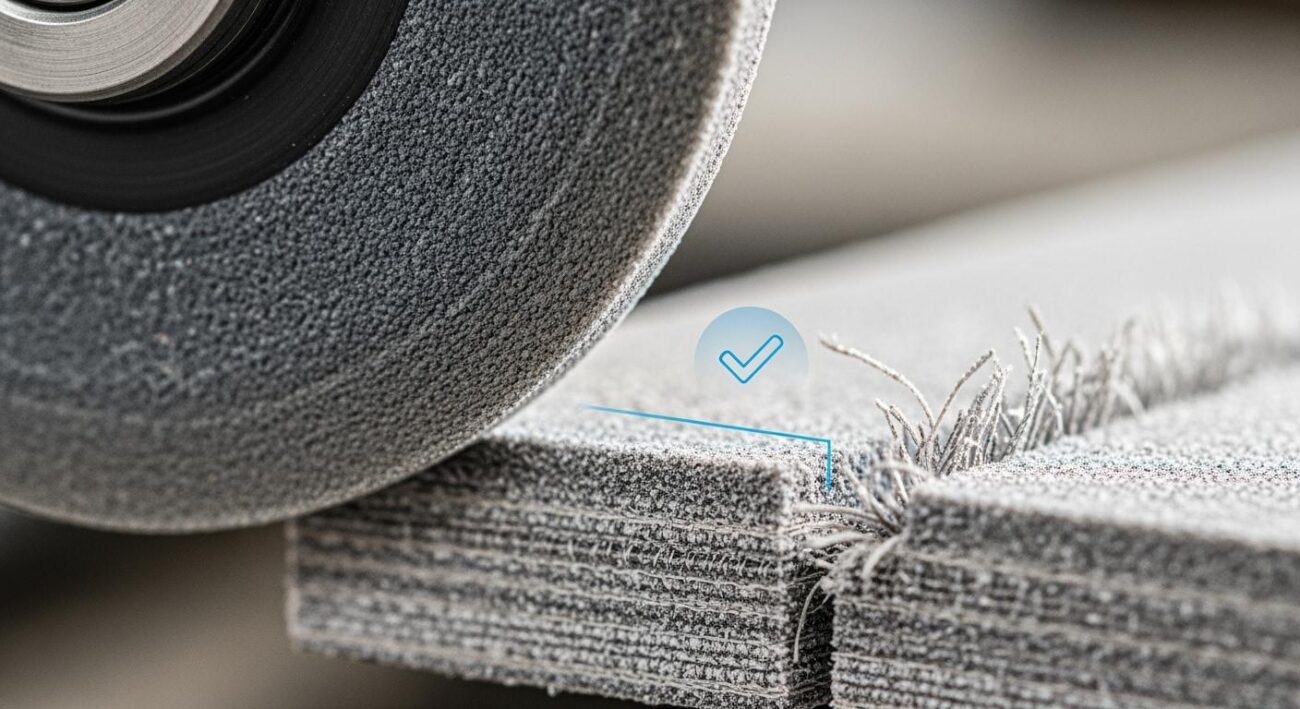
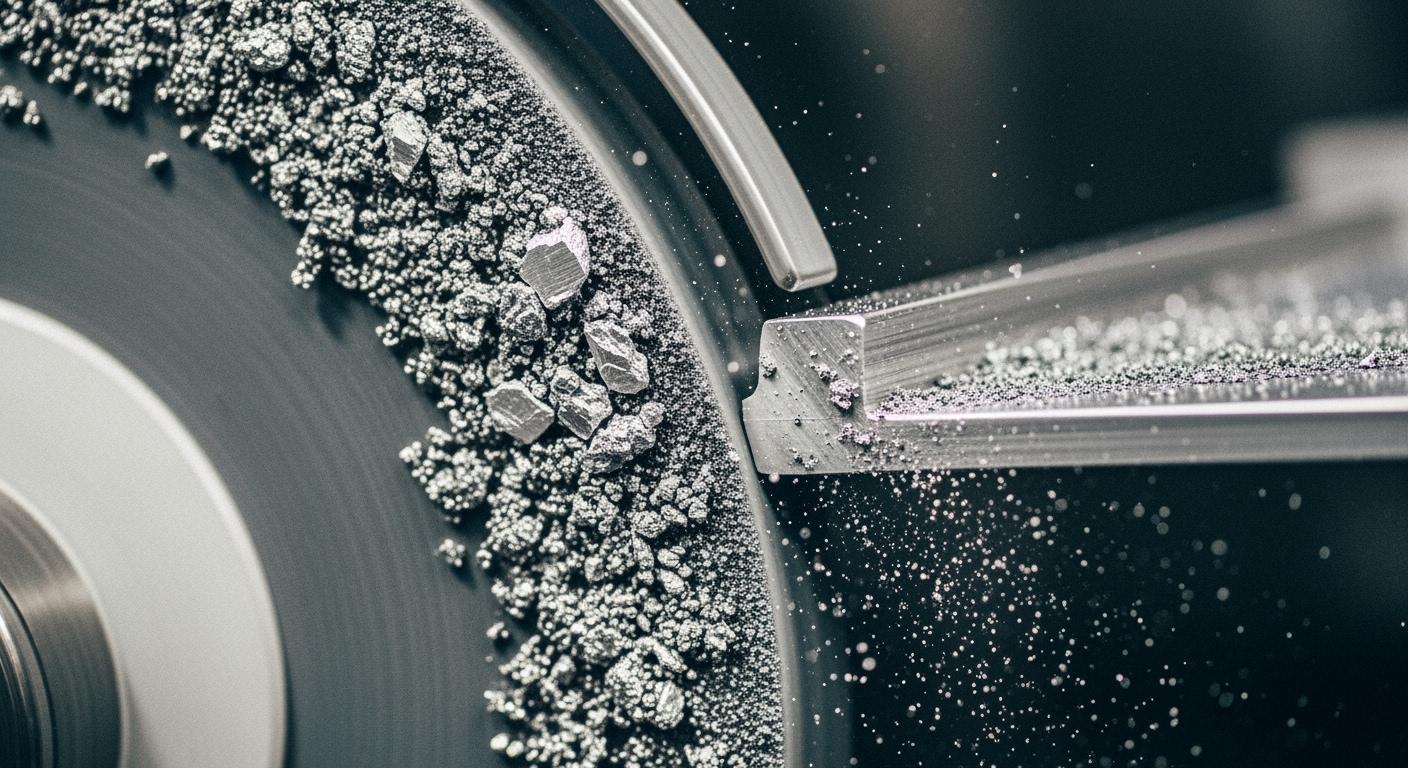
When you use a grinding wheel for aluminum grinding, you notice clogging happens quickly. The abrasive grains on the wheel cut into the aluminum, but the soft metal forms chips that stick between the grains. These chips fill the gaps and block the abrasive surface. You see the grinding wheel become dull and less effective. The main reason for clogging is chip adhesion. Instead of wearing down from hard materials, the grinding wheel loses its cutting ability because aluminum chips stick to the abrasive grains. This process makes aluminum grinding more difficult and slows down your work.
Heat, Smearing, and Material Transfer
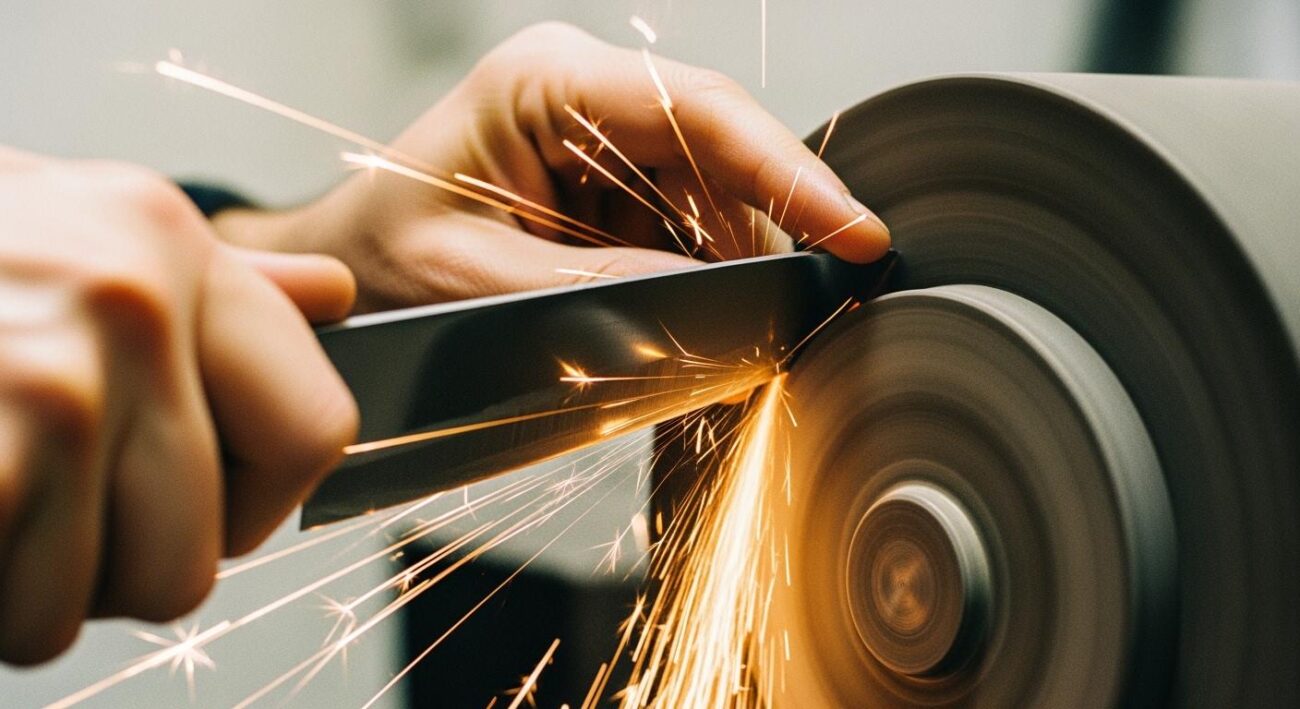
Heat plays a big role in aluminum grinding. The low melting point of aluminum means the metal heats up fast during grinding. High temperatures cause aluminum particles to lodge between the abrasive grains. As you continue grinding, more aluminum embeds into the wheel. You end up grinding aluminum against itself, which raises the temperature even more. This smearing effect leads to material transfer from the workpiece to the grinding wheel. The abrasive surface gets covered with aluminum, making clogging worse and risking damage to both the wheel and the workpiece.
- The low melting point of aluminum makes clogging more likely.
- High temperatures during grinding cause aluminum particles to stick to the abrasive grains.
- Grinding aluminum against itself increases heat and can damage the grinding wheel.
Impact on Grinding Efficiency
Clogging affects your grinding efficiency in several ways. You see rougher surfaces and more roundness deviation on your finished parts. The grinding wheel needs more power to cut through clogged areas, which lowers material removal rates. If you use cleaning systems, you can reduce surface roughness and wheel wear. Without proper cleaning, clogging makes aluminum grinding less productive and increases your costs. You need to pay attention to wheel maintenance to keep your grinding process efficient.
Effects of Clogging on Grinding Wheel Performance
Reduced Cutting and Surface Quality
When you grind aluminum, clogging quickly reduces the cutting ability of your grinding wheel. The abrasive grains lose their sharp edges because aluminum chips fill the spaces between them. You notice that the grinding process becomes slower and less effective. The surface finish of your aluminum workpiece suffers. You see scratches, uneven marks, and a dull appearance. Using a regular grinding wheel for aluminum is not recommended. The wrong abrasive tool leads to clogging and poor results. Specialized grinding wheels designed for aluminum grinding help you avoid these problems and protect your workpiece.
- Clogging blocks abrasive grains and lowers cutting efficiency.
- Surface finish quality drops when you use the wrong grinding wheel.
- Specialized abrasive wheels for aluminum grinding prevent damage and improve results.
Overheating and Safety Risks
Clogging causes overheating during aluminum grinding. The grinding wheel cannot remove heat efficiently when aluminum chips cover the abrasive surface. High temperatures create safety risks for you and your equipment. You must watch for signs of overheating, such as burning smells or discoloration. Overheating can lead to dangerous situations in your workspace.
| Safety Risk | Description |
|---|---|
| Grinding Wheel Explosion | Excessive heat may cause the grinding wheel to explode, creating hazards. |
| Aluminum Dust Combustion | Aluminum dust can ignite, leading to fire risks in your workshop. |
| Health Risks from Inhalation | Breathing aluminum dust can harm your health, so proper ventilation matters. |
You should keep your workspace clean and use dust extraction tools. Good ventilation helps you avoid health risks and fire hazards. Regular maintenance of cooling systems keeps your grinding wheel safe and efficient.
Shortened Wheel Life
Clogging shortens the life of your grinding wheel. When abrasive grains get covered with aluminum, they cannot cut or grind effectively. You need to replace your grinding wheel more often, which increases your costs. Overheating from clogging also damages the abrasive structure. Your equipment works harder and may fail sooner. Regular wheel dressing and cooling system maintenance help you extend the life of your abrasive tools. You protect your investment and keep your grinding process running smoothly.
- Overheating reduces performance and increases risk of failure.
- Safety risks include fires and explosions.
- Maintenance of abrasive tools and cooling systems is essential for safe aluminum grinding.
How to Grind Aluminum Without Clogging
Choosing the Right Grinding Wheel for Aluminum
You need to start by selecting a grinding wheel for aluminum that matches the material’s properties. Aluminum is soft and ductile, so you want a wheel that resists clogging and keeps the abrasive surface open. Flap discs work well because they create airflow and help cool the surface during grinding. This cooling effect reduces heat buildup and prevents aluminum from sticking to the wheel. You can also choose wheels made with aluminum oxide or zirconia alumina. These abrasives cut efficiently and keep the surface clean. Silicon carbide wheels are another good choice. They have sharper grains that slice through aluminum and reduce heat. When selecting a grinding wheel, look for products designed for aluminum. This step helps you avoid common mistakes and keeps your grinding operation smooth.
- Flap discs provide cooling and minimize clogging.
- Aluminum oxide and zirconia alumina wheels offer efficient cutting and cleaning.
- Silicon carbide wheels reduce heat and improve grinding performance.
- Always check the best grinding wheel grit for aluminum. A 46 grit wheel works well for most tasks.
Using Aimgrind Conventional Bonded Abrasives
You can rely on Aimgrind’s conventional bonded abrasives for grinding aluminum. These wheels use high-quality aluminum oxide and silicon carbide, which deliver strong cutting power and long-lasting performance. Aimgrind designs its abrasive products to match your equipment and process. The wheels come in different shapes and sizes, so you can find the right fit for your grinding operation. The robust construction of Aimgrind wheels ensures that the abrasive surface stays sharp and resists clogging. You get consistent results and a smooth finish on your aluminum workpiece. Aimgrind’s formula includes special coatings that help reduce aluminum adhesion and keep the surface clean. The brand’s expertise in abrasive technology means you can trust their wheels for reliable grinding and cleaning.
Tip: Aimgrind’s conventional bonded abrasives combine durability, efficient cutting, and advanced coating technology to help you achieve the best results when grinding aluminum.
Coolants, Lubricants, and Wheel Dressing
You should use coolants and lubricants during grinding to keep the surface temperature low and prevent aluminum from sticking. Coolant acts as a slick barrier, reducing mechanical stress on the abrasive bond. High-pressure coolant works like a power washer, blasting away metal chips and keeping the grinding wheel for aluminum free from debris. Lubricants add slickness, allowing the abrasive grains to cut more effectively and for longer periods. If you run a tap dry, friction dulls the cutting edges instantly. When you add tapping oil, the tool glides through, and the cutting edges stay sharp for hundreds of holes.
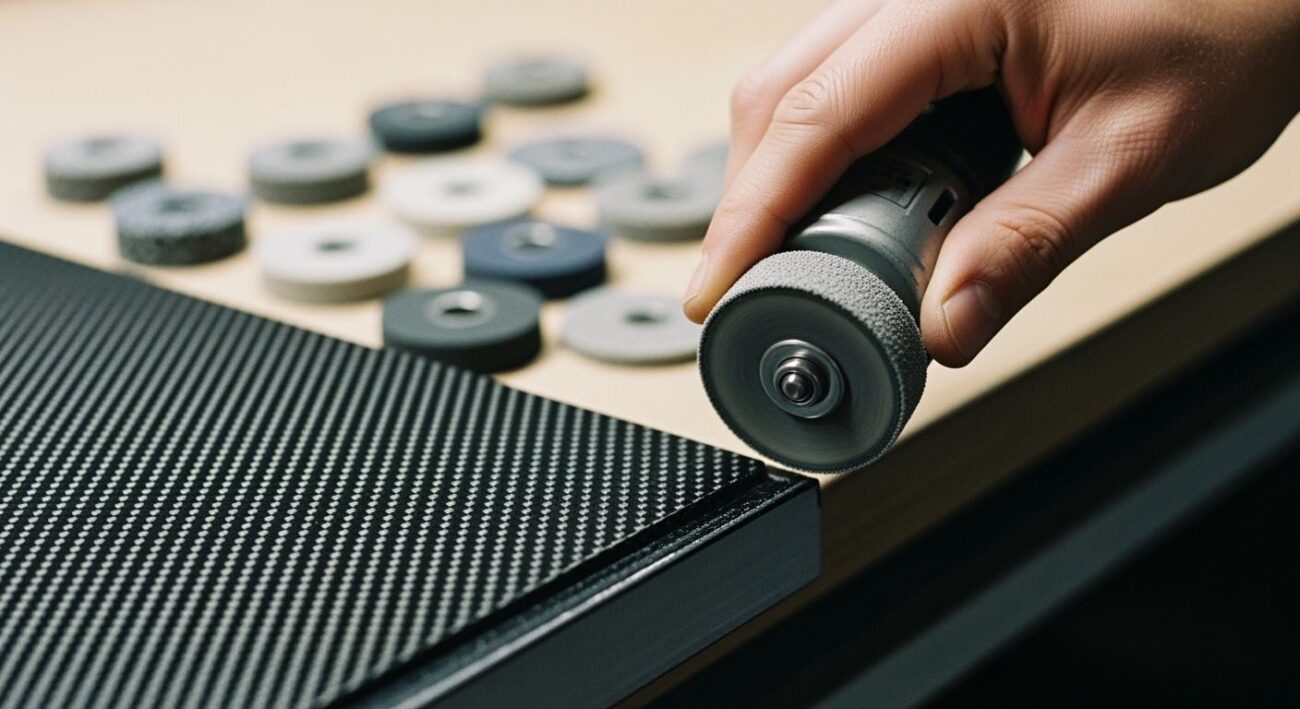
Regular wheel dressing is important for cleaning and maintaining the abrasive surface. You can use diamond dressers for hard-bonded wheels, rotary tools for aluminum oxide wheels, and abrasive sticks for resin-bonded wheels. Dressing removes aluminum buildup and exposes fresh abrasive grains, keeping your grinding wheel for aluminum in top condition.
| Dressing Tool | Best For |
|---|---|
| Diamond dressers | Hard-bonded wheels like CBN or diamond abrasives |
| Rotary tools | Rapid conditioning of aluminum oxide wheels |
| Abrasive sticks | Light cleaning of resin-bonded wheels |
Best Practices for Grinding Aluminum
You can follow several best practices to minimize clogging and keep your grinding operation safe and efficient. Take breaks during long grinding sessions to let the surface and grinding wheel cool down. Clean the wheel regularly to remove aluminum particles and maintain effectiveness. Apply coolant or lubricant to reduce heat and prevent warping. Use water-soluble coolants in a richer mix for better results. Monitor the condition of your grinding wheel for aluminum to prevent loading up. Select abrasives like blends of aluminum oxide and silicon carbide, and use calcium stearate wax or grinding aids to improve metal removal and reduce chip binding.
- Take frequent breaks to cool the surface and grinding wheel.
- Clean the grinding wheel for aluminum often to remove debris.
- Apply suitable coolant or lubricant to dissipate heat and reduce friction.
- Use a 46 grit wheel for effective grinding.
- Consider green wheels for better performance.
- Monitor the wheel’s condition and dress it as needed.
- Use coatings like calcium stearate wax to enhance grinding and reduce aluminum adhesion.
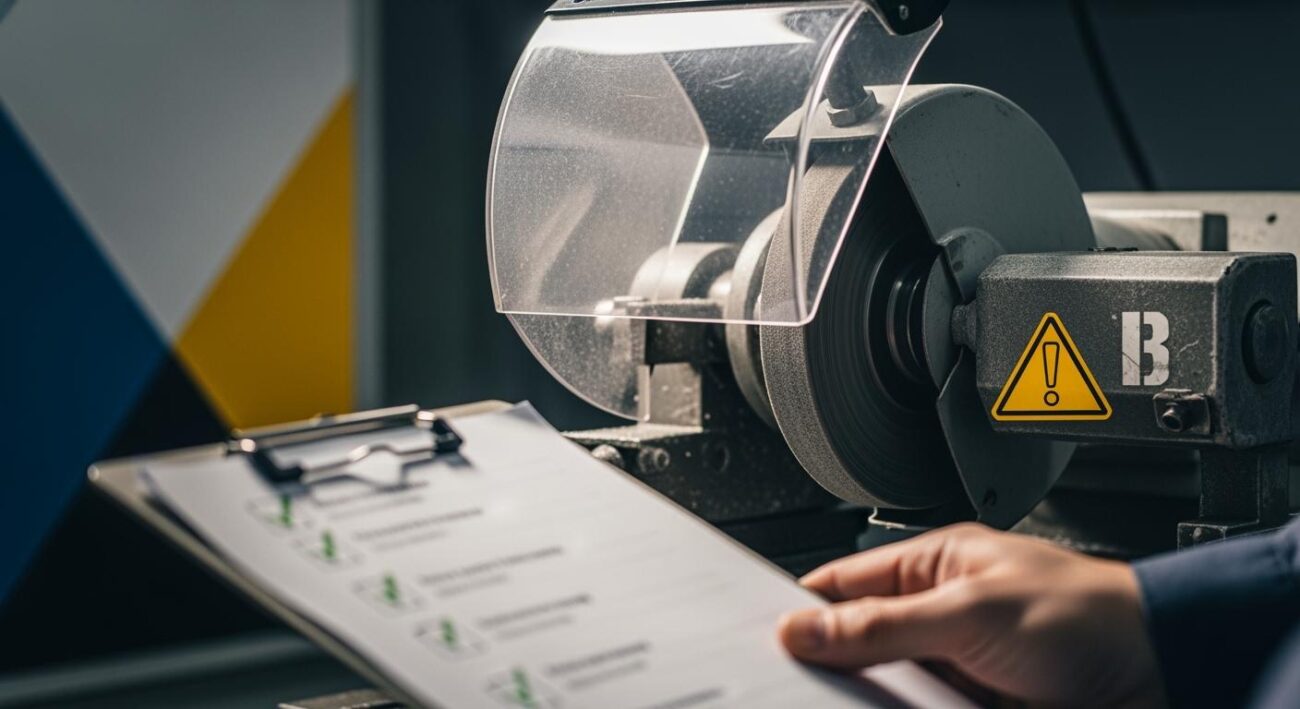
Safety tips when grinding aluminum: Always wear protective gear, use proper ventilation, and keep your workspace clean to avoid health risks and fire hazards.
You can achieve better results by following these steps and using the right abrasive products. Aimgrind’s conventional bonded abrasives, advanced coatings, and expert support help you solve the challenge of how to grind aluminum without clogging. You protect your equipment, improve surface quality, and keep your grinding operation running smoothly.
You see aluminum clogging grinding wheels because chips fill the spaces between grains. This loading leads to overheating, vibration, and loss of accuracy. You notice reduced wheel life and increased cutting forces. You must focus on safety every step. You need a grinding wheel designed for aluminum to prevent clogging and improve safety. You should use proper techniques and coolant to boost safety and efficiency. You keep safety in mind by cleaning your workspace and reducing dust. You protect your equipment and yourself by following safety guidelines. You rely on Aimgrind’s solutions for safety and better results. You achieve safety by choosing the right wheel, using coolant, and maintaining your tools. You improve safety with regular wheel dressing. You increase safety by monitoring wheel condition. You ensure safety by wearing protective gear. You maintain safety by using ventilation. You reach safety by applying these strategies every time.
| Step | Safety Benefit |
|---|---|
| Wheel selection | Prevents clogging, reduces risks |
| Coolant use | Lowers heat, improves safety |
| Workspace cleaning | Reduces dust, increases safety |
Tip: You always put safety first when grinding aluminum. You choose Aimgrind for safety and efficiency.
FAQ
Why does aluminum clog grinding wheels so easily?
You see aluminum clog grinding wheels because it is soft and sticky. The chips fill the spaces between the abrasive grains. This blocks the cutting action and makes the wheel less effective.
How can you prevent aluminum from sticking to the wheel?
You can use coolants or lubricants. These keep the wheel cool and slippery. You should also choose a grinding wheel designed for aluminum, like Aimgrind’s conventional bonded abrasives.
What is wheel dressing, and why is it important?
Wheel dressing means cleaning and reshaping the grinding wheel. You remove aluminum buildup and expose fresh abrasive grains. This keeps your grinding wheel sharp and ready for use.
Which Aimgrind product works best for aluminum?
You get the best results with Aimgrind’s conventional bonded abrasives. These wheels use aluminum oxide and silicon carbide. They resist clogging and provide a smooth finish on aluminum.