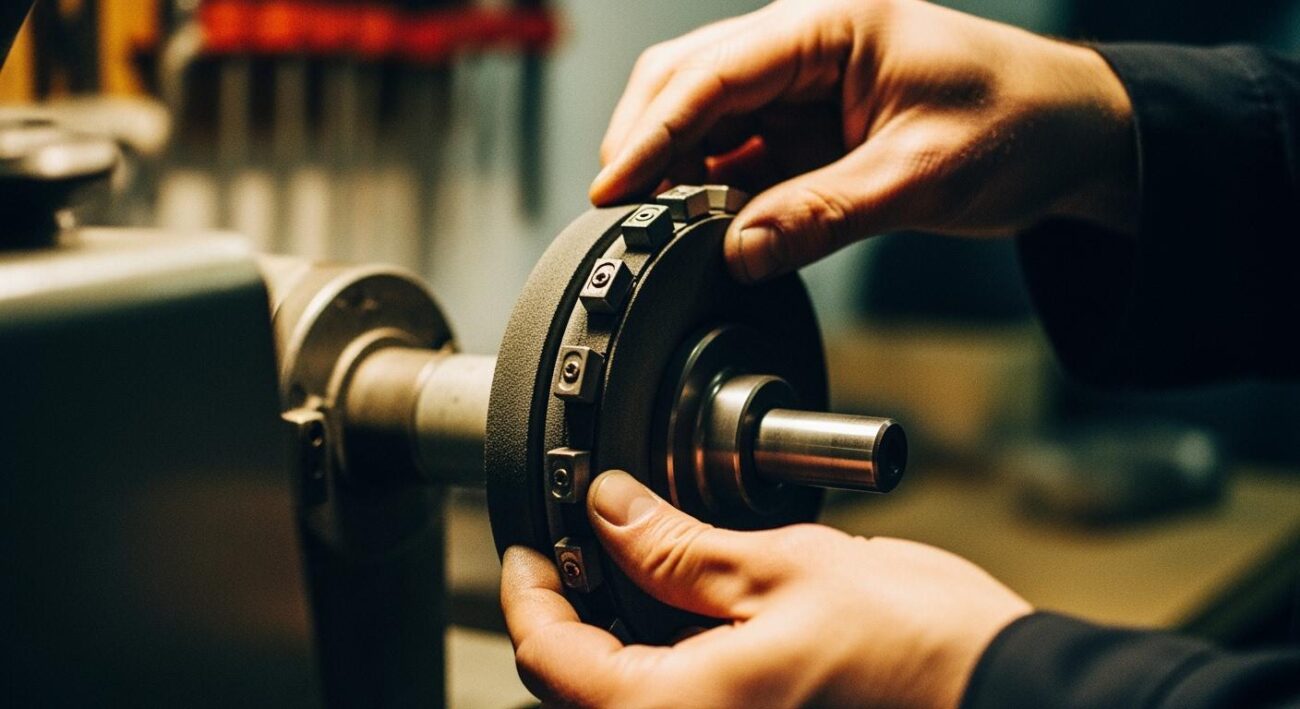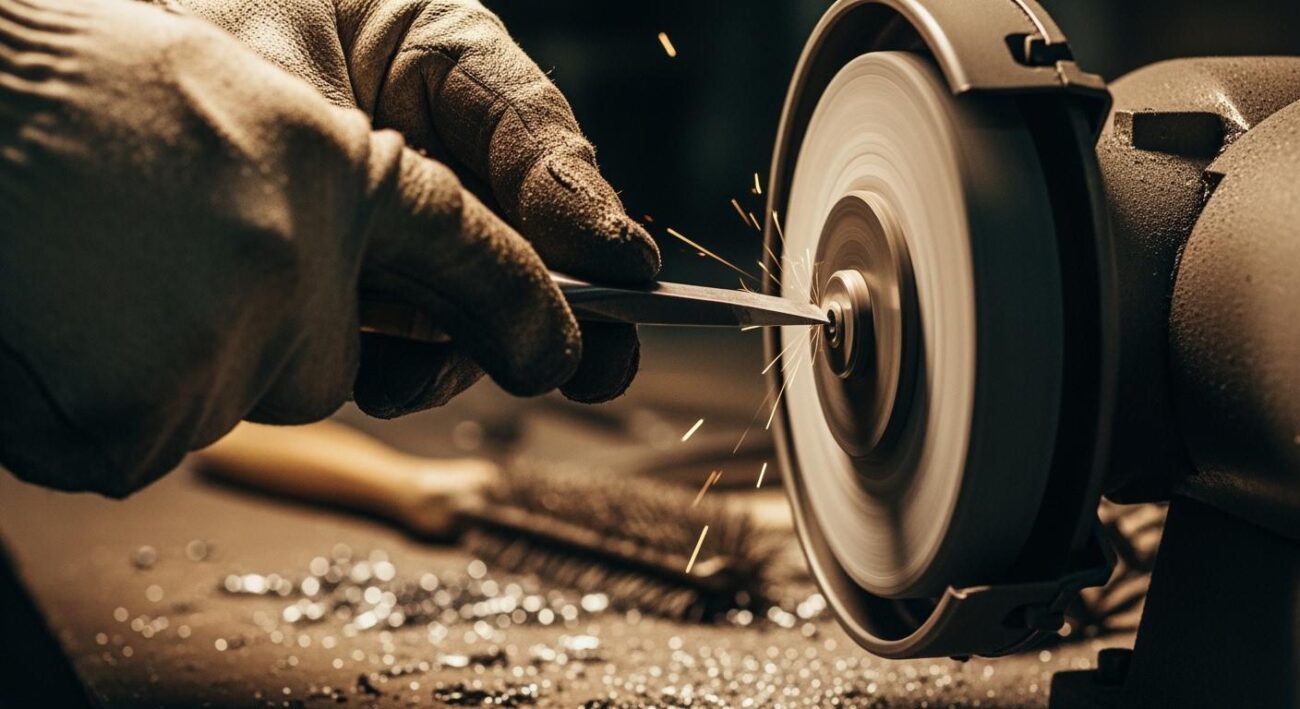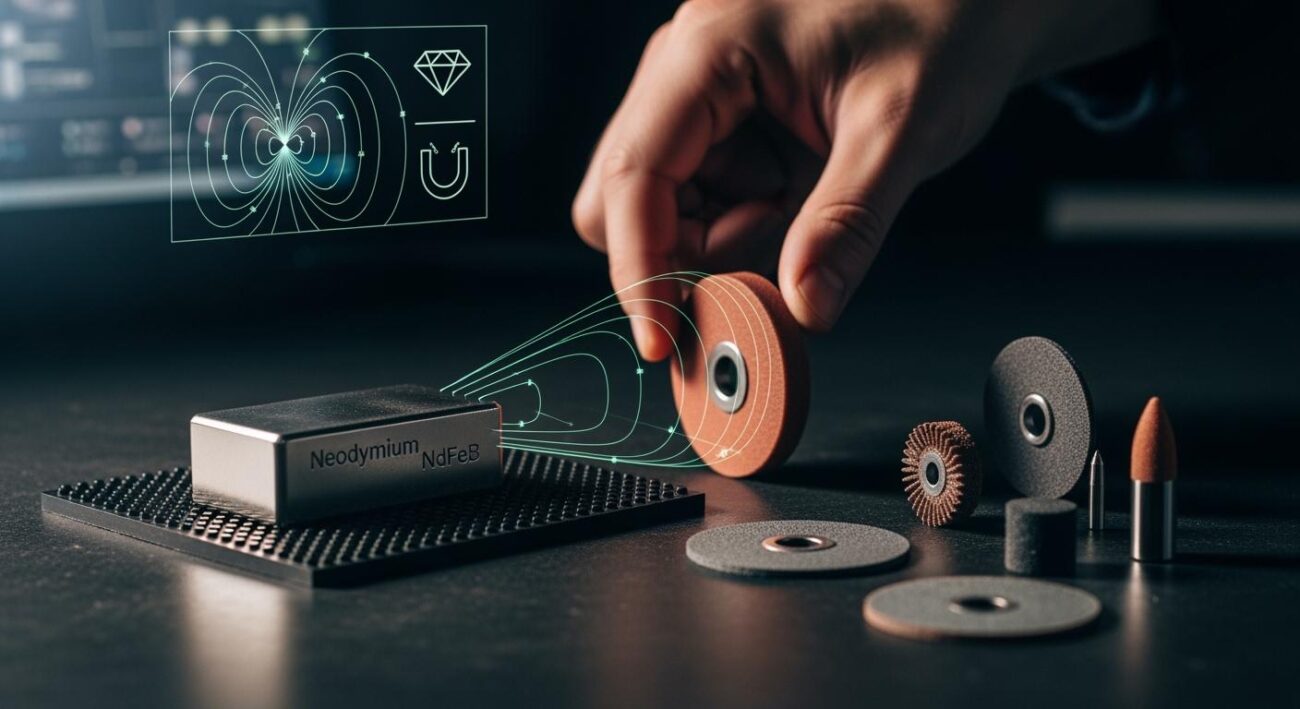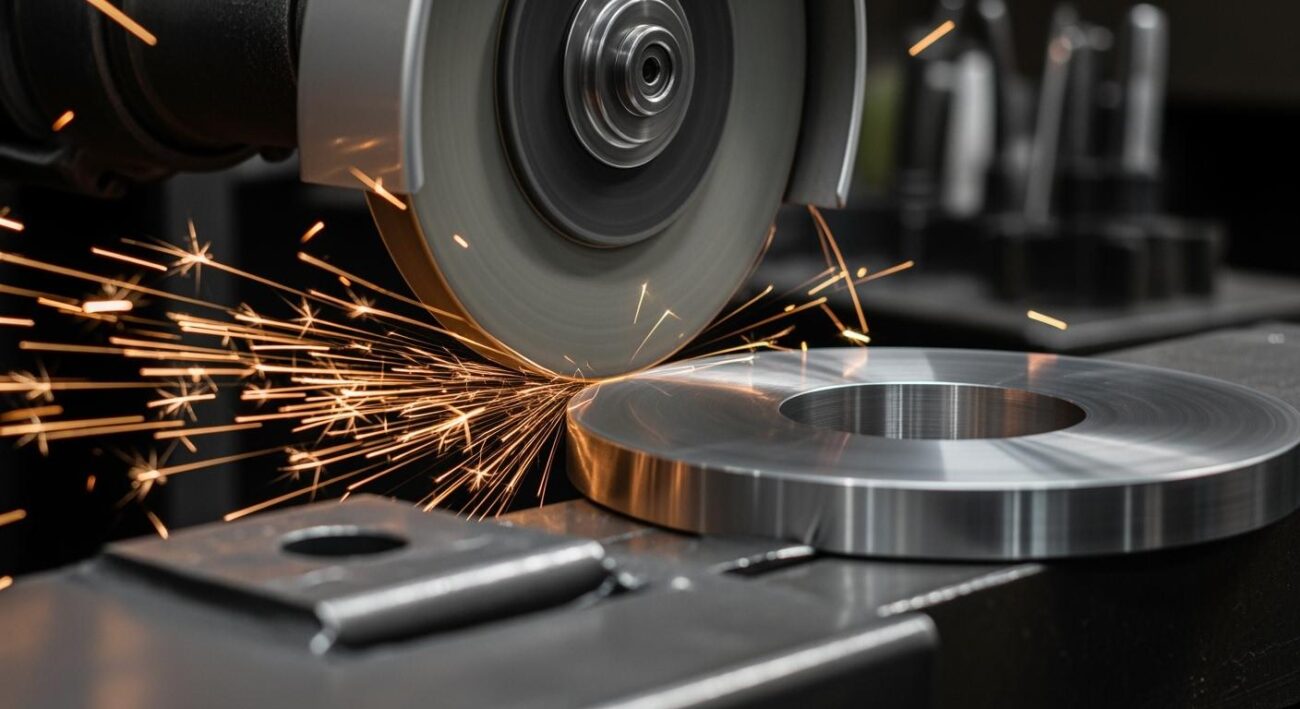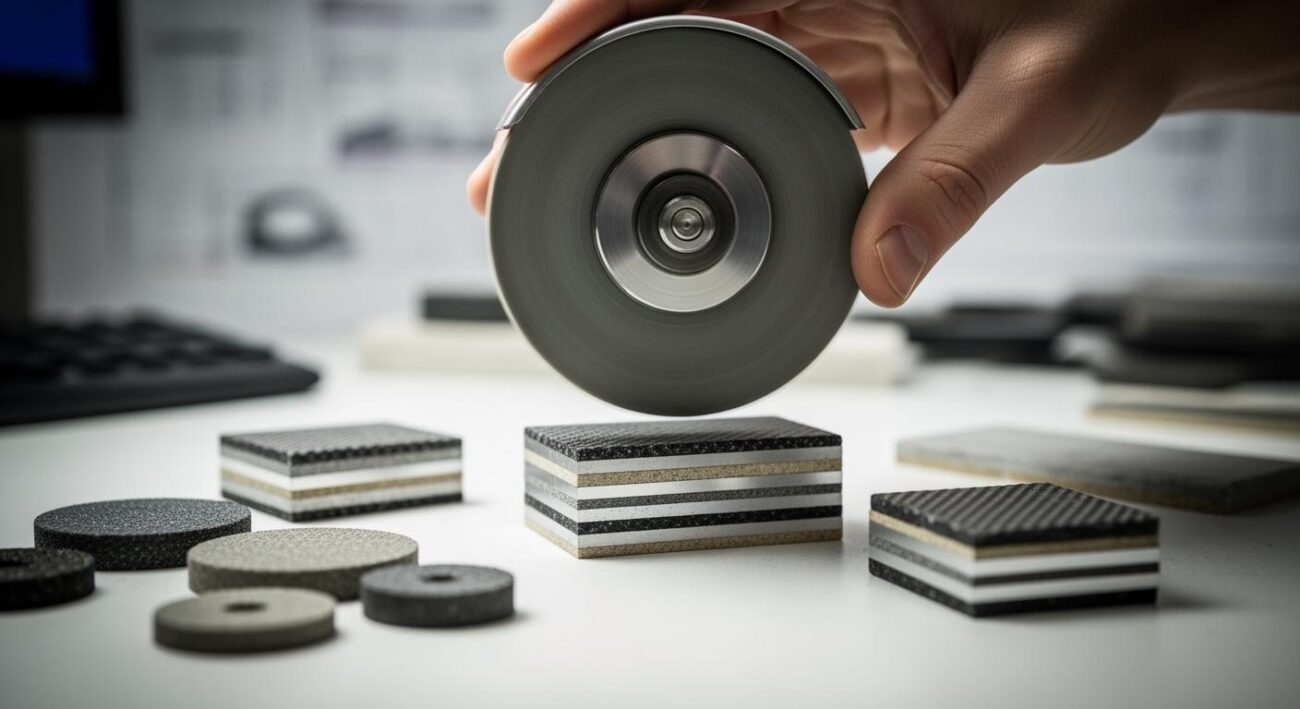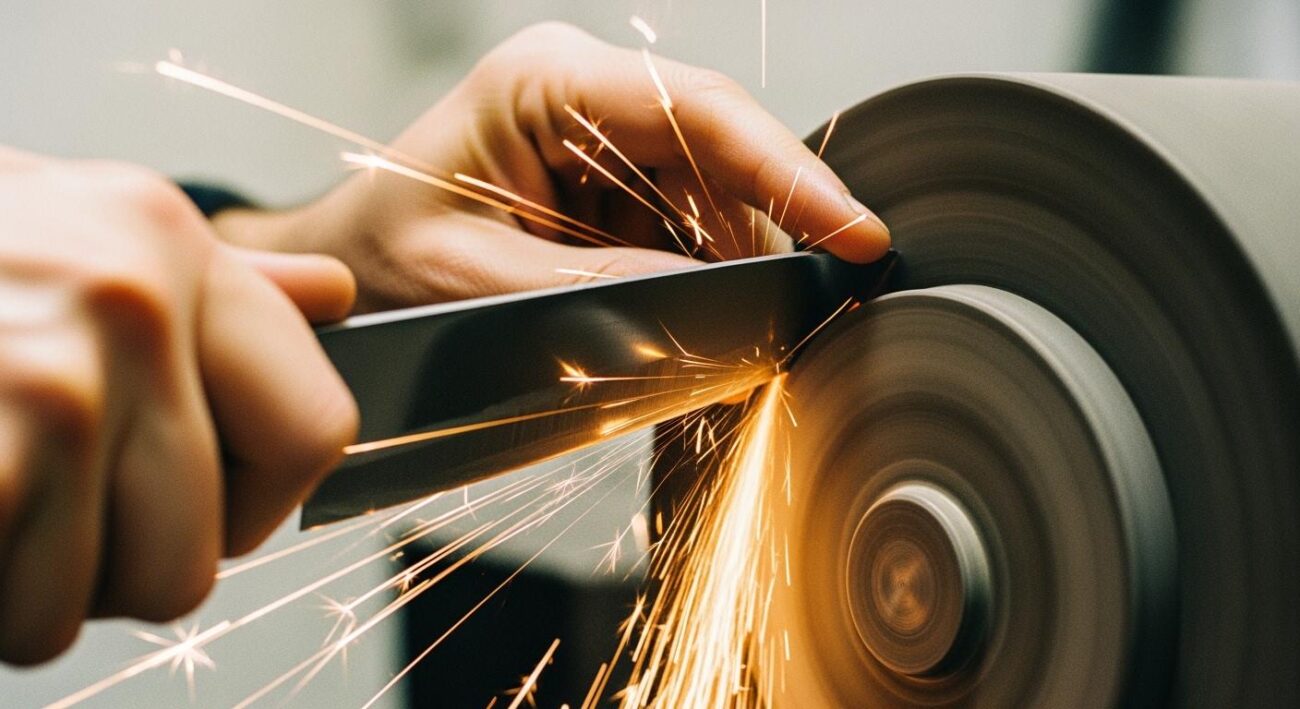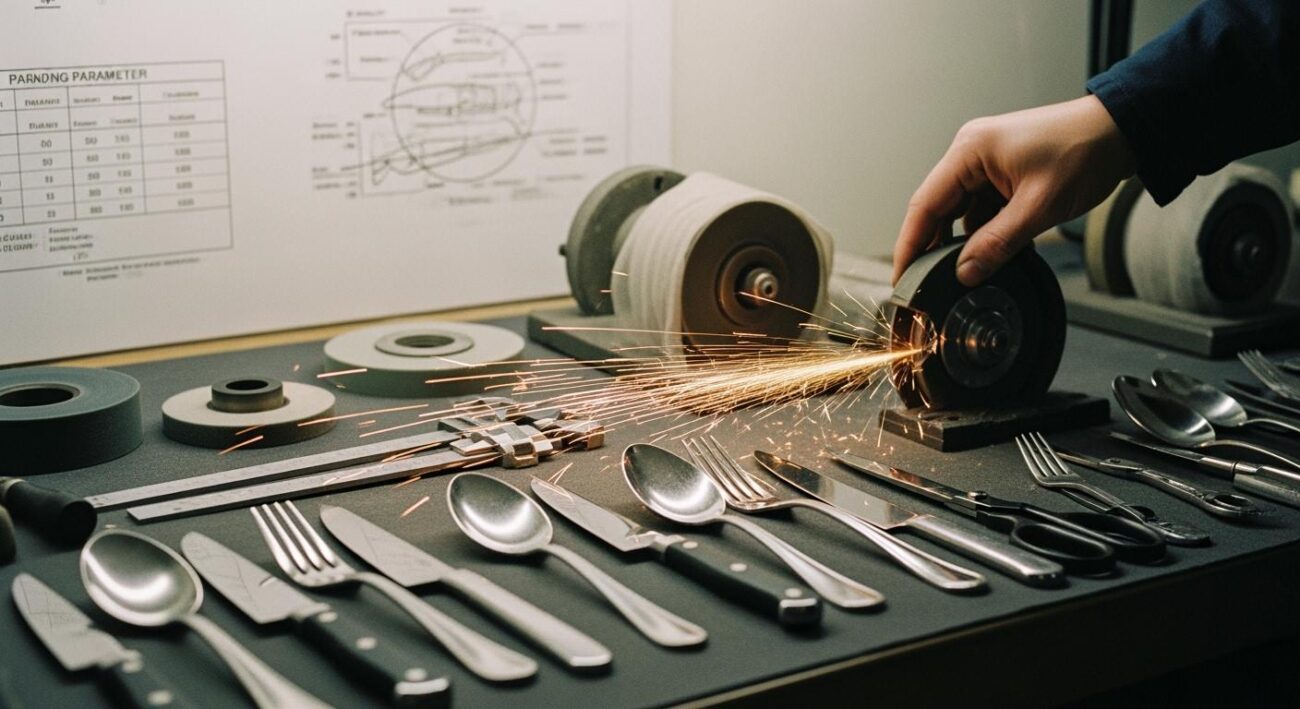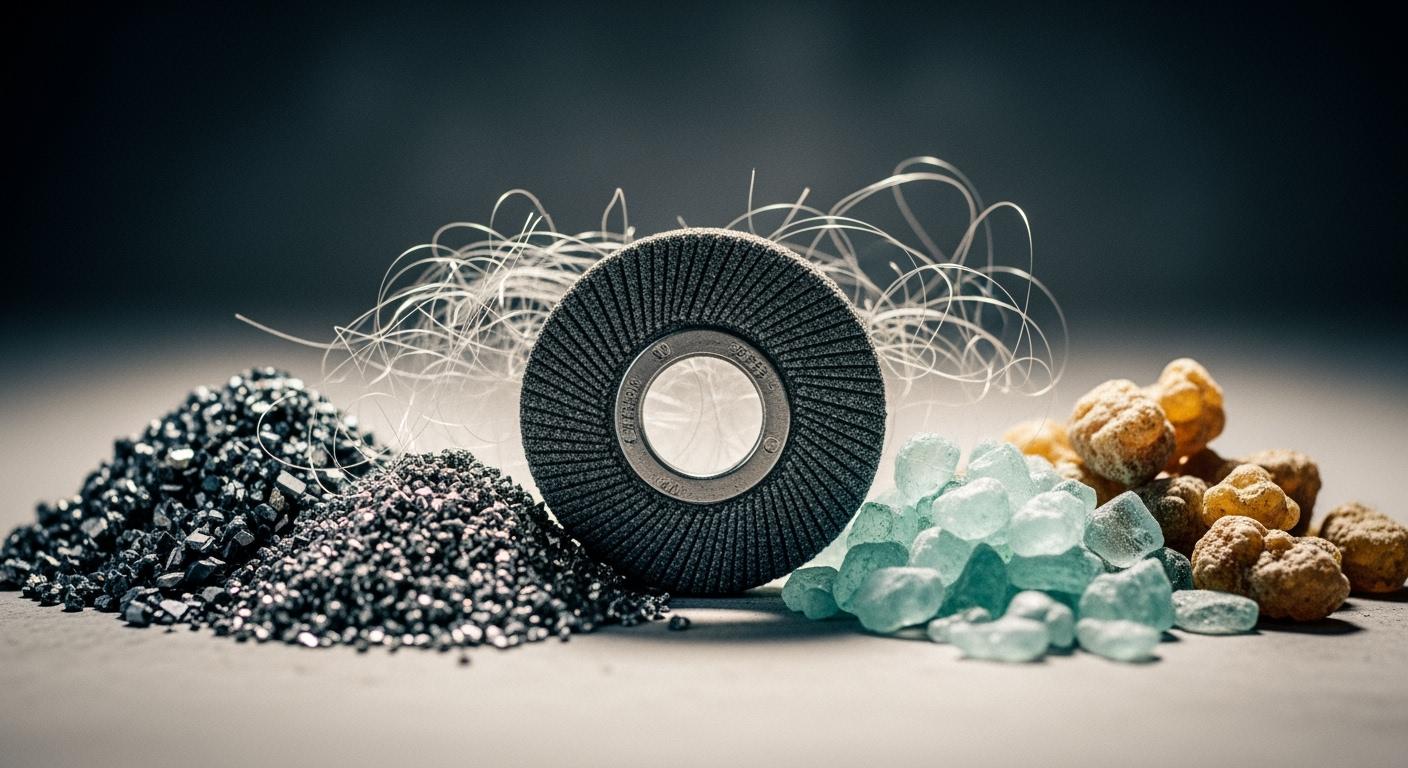
A grinding wheel uses two foundational materials. The primary material is abrasive grains. The second material is a bonding material. This material holds the grains together. Certain grinding wheel types also use reinforcing materials for safety. The synergy of this material mix dictates the grinding wheel’s performance. This is vital in grinding wheel manufacturing. The right grinding wheel material ensures effective grinding for any grinding application. This material science supports the entire manufacturing sector.
Note on Industry Growth 📈
The global grinding market shows steady growth. This trend highlights the importance of correct material selection for every grinding wheel.
| Metric | Value (2024) | Value (2032) | CAGR (2024-2032) |
| :— | :— | :— | :— |
| Market Size | USD 6288 million | USD 8420 million | 3.8% |
Key Takeaways
- Grinding wheels use two main parts: abrasive grains that cut and a bonding material that holds them together.
- Different abrasive grains, like aluminum oxide or silicon carbide, work best for different materials, from soft metals to hard ceramics.
- The bonding material, such as vitrified or resinoid, controls how the wheel works, affecting its speed and how smooth the finish will be.
- Reinforcing materials, like fiberglass mesh, make grinding wheels safer and stronger, especially for fast grinding jobs.
- Choosing the right materials for a grinding wheel helps it work better, last longer, and make precise cuts.
Abrasive Grains in Grinding Wheel Manufacturing
Abrasive grains are the cutting tools of a grinding wheel. They perform the actual material removal during the grinding process. The selection of the right abrasive material is a critical step in grinding wheel manufacturing. This choice directly impacts grinding efficiency, surface finish, and the overall cost of the operation. Different materials possess unique properties. These properties make them suitable for specific grinding tasks, from rough weld grinding to high-precision surface polishing.
Aluminum Oxide (Al₂O₃): The Versatile Workhorse
Aluminum oxide is the most widely used abrasive in the industry. Its combination of hardness and toughness offers excellent cost-effectiveness. This material provides a sharp initial cut and good wear resistance for many applications. Manufacturers produce several grades of aluminum oxide. Each grade has a different level of purity and is suited for a specific type of grinding.
Note on Aluminum Oxide Types 💡
The purity of the aluminum oxide grain determines its primary use. Higher purity generally means better performance for precision work, while lower purity is great for general-purpose tasks.
| Type | Purity | Primary Use |
|---|---|---|
| Brown Aluminum Oxide | Lower Purity | General-purpose grinding, rust removal, deburring |
| White Aluminum Oxide | High Purity | Precision grinding, polishing, finishing delicate parts |
Brown aluminum oxide is a tough, durable material. It is the go-to choice for grinding ferrous metals like steel and iron. Its durability provides good performance at a reasonable cost. White aluminum oxide has a higher purity. This makes it more friable, meaning it fractures more easily to expose new, sharp cutting edges. This characteristic is ideal for grinding harder steels and for applications where a cool grinding action is needed to prevent heat damage. The high purity also makes it a preferred material for the medical and aerospace industries. The correct selection of this material ensures optimal grinding.
Silicon Carbide (SiC): For Hard and Brittle Materials
Silicon carbide is harder than aluminum oxide. It has very sharp grains that cut extremely fast. This makes it the perfect material for grinding hard and brittle materials. However, it is also more brittle, leading to faster wear when grinding tough, high-tensile-strength metals.
| Abrasive Material | Mohs Hardness |
|---|---|
| Silicon Carbide | 9.5 |
| Aluminum Oxide | 9.0 |
The exceptional hardness of silicon carbide allows it to excel in specific areas. Its primary applications include:
- Non-ferrous metals: aluminum, brass, bronze, and copper.
- Brittle materials: cast iron, ceramics, and glass.
The selection of a silicon carbide grinding wheel provides high efficiency for these specific materials. Its sharp grains ensure a clean cut with minimal pressure, reducing the risk of damage to the workpiece. This abrasive demonstrates excellent wear resistance when used on appropriate materials.
Ceramic Alumina: The Self-Sharpening Abrasive
Ceramic alumina represents a significant advancement in abrasive technology. Engineers create this material through a gel-sintering process. The result is a grain with a unique microcrystalline structure. During grinding, these grains micro-fracture. This process constantly exposes new, sharp cutting points. This self-sharpening action leads to a much longer wheel life and a more consistent cutting rate.
This advanced material offers superior performance and reduces wear. It is especially effective for precision grinding on tough-to-grind metals like:
- Hardened tool steels
- Titanium alloys
- Stainless steel
The cool cutting action of ceramic alumina minimizes heat discoloration, improving the quality of the finished part. This high level of precision and efficiency makes it a valuable material in demanding manufacturing environments.
Aimgrind’s Super Hard Abrasives: Diamond and CBN
For the most demanding applications, manufacturers turn to super hard abrasives. These are diamond and cubic boron nitride (CBN). They are the hardest materials known. Aimgrind is a specialized brand in this field, providing customized solutions for high-precision industries.
Aimgrind’s super hard abrasives offer exceptional durability and superior surface finishes. This makes them essential in sectors like aerospace and automotive. For example, CBN is the material of choice for grinding hardened ferrous metals, while diamond excels on non-ferrous and non-metallic materials.
Industry Application: Aerospace ✈️ In the aerospace industry, precision is paramount. CBN grinding wheels are used to manufacture critical components with extreme accuracy, including:
- Turbine blades
- Landing gear components
- Engine seal teeth
These advanced tools provide a much longer service life compared to conventional abrasives. This extended life reduces downtime and lowers the total cost of the grinding operation. Aimgrind offers these abrasives with various bond types. This allows for perfect matching with a customer’s specific equipment and grinding process. This custom approach ensures maximum performance, wear resistance, and precision for every unique application, reflecting the brand’s commitment to quality and efficiency. The right grinding wheel selection is key to achieving superior results.
Bonding Agents for Grinding Performance
While abrasive grains do the cutting, the bonding agent is the backbone of the grinding wheel. The selection of this material is a critical decision in grinding wheel manufacturing. It directly dictates the wheel’s structural characteristics, such as rigidity, strength, and heat resistance. These properties, in turn, determine the wheel’s overall performance and suitability for a specific grinding application. The right bond ensures the abrasive grains are held securely but also released at the optimal rate to maintain grinding efficiency.
Vitrified Bonds: For Rigidity and Precision
Vitrified bonds are the most common type used in precision grinding. They consist of a mixture of clays and other ceramic materials. During manufacturing, these materials are fired at extremely high temperatures, often exceeding 1000°C (1832°F). This process fuses the materials into a strong, glass-like structure that locks the abrasive grains firmly in place. The result is a rigid, strong, and porous grinding wheel ideal for tasks that demand high precision.
The porosity of a vitrified bond is one of its most important features. This open structure is vital for superior grinding performance.
- It allows coolant to flow freely to the grinding zone, reducing heat and preventing damage to the workpiece.
- It provides ample space for chip clearance, which stops the grinding wheel from clogging.
- This efficient cooling and chip removal process reduces wear and extends the wheel’s life, lowering the overall operational cost.
This combination of rigidity and porosity makes vitrified bonds the top choice for precision grinding applications where dimensional accuracy and surface finish are paramount. The material offers excellent form-holding ability, ensuring consistent performance throughout the grinding process.
Resinoid Bonds: For Speed and Flexibility
Resinoid bonds use synthetic organic resins, such as phenolic resin (Bakelite), to hold the abrasive grains. These bonds are cured at lower temperatures than vitrified bonds, resulting in a grinding wheel with more flexibility and shock resistance. This makes them perfect for high-speed grinding operations and applications involving heavy stock removal, like cutting off, deburring, and rough grinding. For example, foundries often use Bakelite-based resinoid bonds for finishing steel castings.
The main advantage of a resinoid bond is its ability to operate safely at higher speeds. A flexible resinoid bond is better for high-speed, rough grinding, while a rigid vitrified bond allows for precision. The selection of the right material is key.
Note on Operating Speeds ⚙️
Resinoid bonded wheels are engineered for higher speeds, making them suitable for rapid material removal where precision is less critical than speed and efficiency.
| Wheel Type | Typical Operating Speed Range (SFM) |
|---|---|
| Vitrified Wheels | Under 6,500 SFM |
| Resinoid Wheels | Between 6,500 and 9,500 SFM |
This higher speed capability improves productivity in many manufacturing environments. However, this flexibility comes at the cost of lower wear resistance compared to harder bonds.
Rubber Bonds: For a Fine, Smooth Finish
Rubber bonds use natural or synthetic rubber as the primary bonding material. This creates a grinding wheel with a high degree of flexibility and a soft grinding action. The main application for rubber-bonded wheels is in tasks that require an exceptionally fine and smooth surface finish, often approaching a mirror-like quality.
Their unique properties make them ideal for:
- Centerless grinding: Grinding the outside diameter of cylindrical parts.
- Polishing: Creating highly reflective surfaces on ball bearings and other precision components.
- Cutting-off wheels: Thin wheels used for making precise, clean cuts in delicate materials.
The flexibility of the rubber bond reduces vibration and provides a gentle touch, which is essential for achieving high precision without causing surface damage. The material selection here focuses on finish over aggressive material removal.
Metal Bonds: For Ultimate Durability
Metal bonds are the toughest and most durable of all bond types. They are made by sintering powdered metals to hold the abrasive grains, typically super hard abrasives like diamond and CBN. This bond type offers the highest level of wear resistance, ensuring the abrasive grains are held securely for an extended period. This exceptional wear resistance makes metal bonds the most cost-effective choice for grinding very hard or abrasive materials.
The primary advantage of a metal bond is its long life and excellent form-holding ability. This makes it the go-to choice for demanding applications where maintaining the wheel’s profile is crucial for precision. While they have a slower cutting rate compared to other bonds, their extreme resistance to wear means less frequent wheel replacement and a lower long-term cost. This makes them indispensable in high-production manufacturing settings where consistency and durability are essential for efficiency.
Reinforcing Materials for Wheel Safety
Abrasives and bonds form the body of a grinding wheel, but a third category of materials ensures its safety. Reinforcing materials provide structural integrity, especially for organic bonded wheels used in high-speed grinding. These materials prevent the grinding wheel from fracturing under immense centrifugal force. This is a critical part of grinding wheel manufacturing. The right material selection here is essential for operator safety and achieving precision.
Fiberglass Mesh: Enhancing Structural Integrity
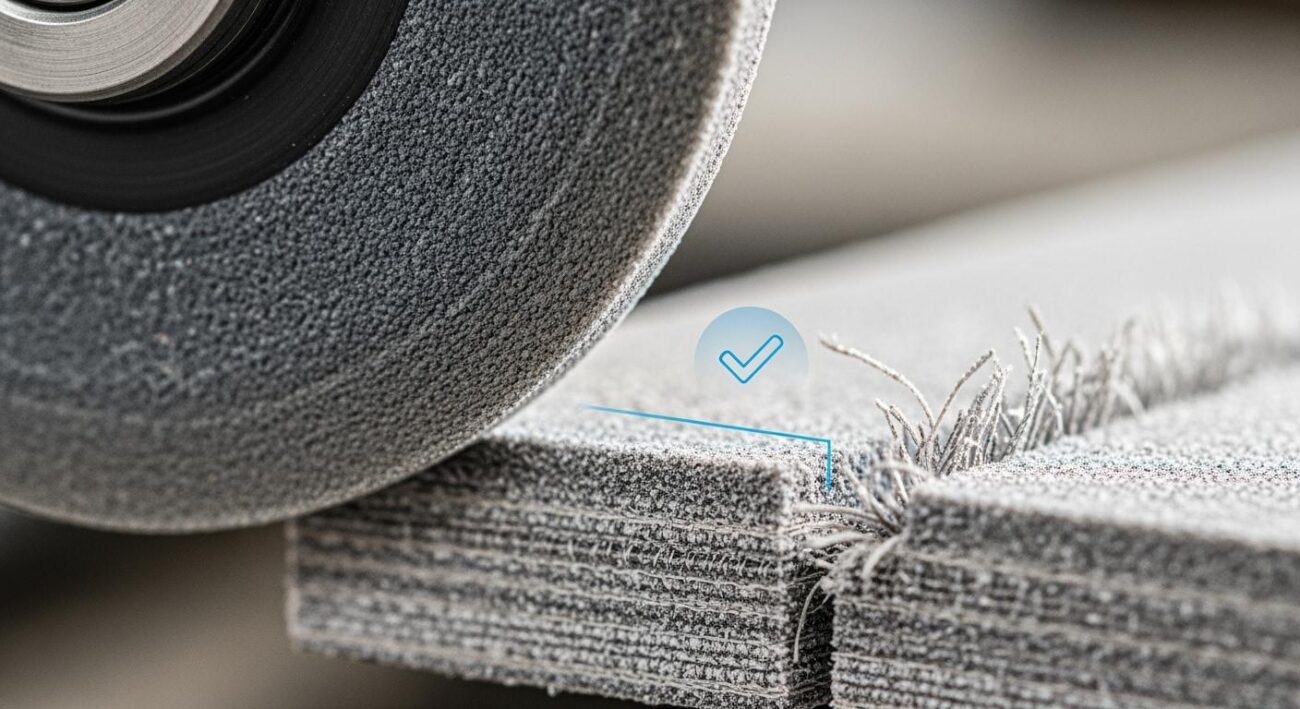
Fiberglass mesh is the most common reinforcing material used in grinding wheel manufacturing. This material adds significant strength and wear resistance. Organic bonded wheels, such as cutting-off wheels and depressed center wheels, legally require this reinforcement. The mesh holds the grinding wheel together, reducing the risk of bursting during a demanding grinding operation. This added resistance to wear and fracture improves both safety and the total cost of the grinding process.
The number of mesh layers directly affects the wheel’s strength, wear resistance, and suitability for a specific grinding task. This material choice impacts the precision of the cut.
- Single Layer Mesh: This provides basic strength and wear resistance for general-purpose grinding. It is a low-cost option for simple tasks.
- Double Layer Mesh: This offers superior rigidity and resistance to bending. It is ideal for heavy-duty grinding, providing better precision and wear resistance.
- Multilayer Structures: These are used in large-diameter wheels for the toughest grinding jobs. This material structure offers maximum wear resistance and precision.
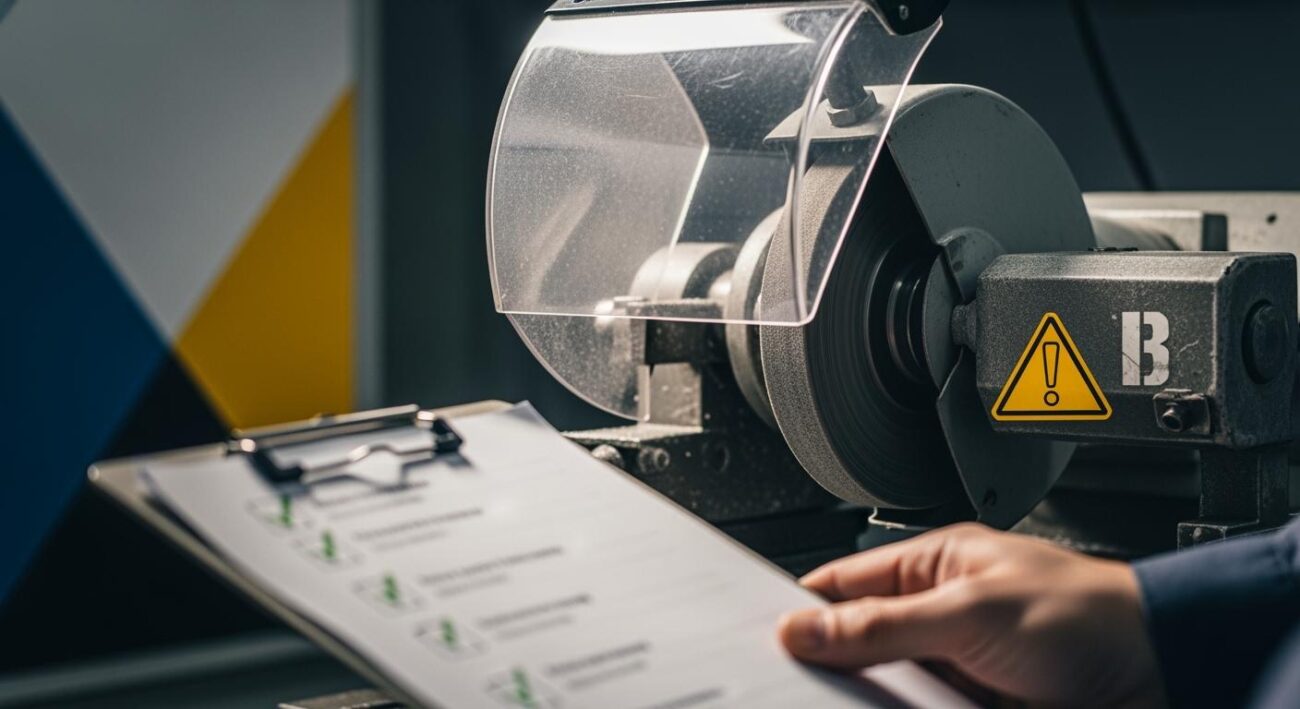
Safety standards govern the manufacturing and use of every grinding wheel. Following these rules is not optional.
Every person involved in operating, repairing and/or supervising grinding machines or wheels should be familiar with the contents of ANSI B7.1. Never mount non-reinforced grinding wheels on any Dynabrade tool.
Adhering to these standards ensures that the selected material provides the necessary precision and safety for the grinding application. The correct reinforcing material lowers the long-term cost by preventing accidents and extending the life of the grinding wheel.
A grinding wheel’s effectiveness is not determined by a single material but by the precise, engineered combination of its abrasive, bond, and reinforcement materials. The selection of these materials is a critical step in grinding wheel manufacturing. Choosing the correct grinding wheel, such as a specialized tool from Aimgrind, involves matching the material properties to the specific grinding application for ultimate precision.
Grind with Passion, Achieve with Aim
This synergy of material science enables the vast range of precision grinding applications in modern manufacturing. A custom grinding wheel ensures optimal grinding performance and precision for any grinding task. This precision grinding is vital for achieving superior results in every grinding application. The right grinding wheel material delivers precision grinding performance.
FAQ
Why is material selection important for a grinding wheel?
Material selection directly impacts grinding wheel performance. The right materials improve grinding efficiency and reduce the overall operational cost. A well-chosen grinding wheel ensures successful grinding results for any task.
What determines an abrasive grain’s properties?
The purity of the material often defines the grain’s characteristics. For example, high-purity aluminum oxide is great for precision grinding. The grain’s purity affects its hardness, and this purity is a key factor for the grinding wheel.
How does the bond type affect the grinding process?
The bond controls how the grinding wheel wears. A rigid bond provides high precision for finishing tasks. A flexible bond allows for faster, rougher grinding. The correct bond choice is essential for efficiency in the grinding process.
What is the main benefit of a super hard abrasive grinding wheel?
Super hard abrasives offer excellent cost-effectiveness. They provide superior precision and a very long life. This reduces the long-term cost of manufacturing and grinding operations, lowering the total cost of grinding. This precision makes them ideal for demanding jobs.
Contact Us
For More Grinding Solution or Customized Abrasive Tools