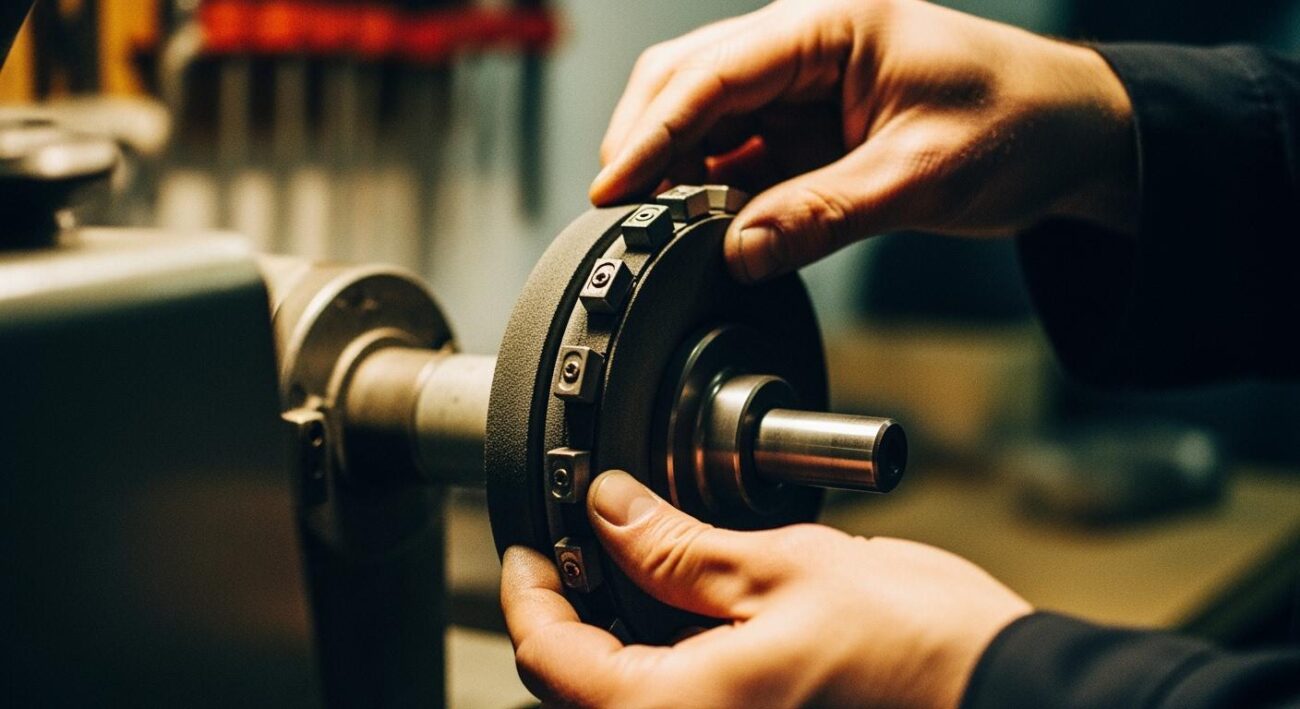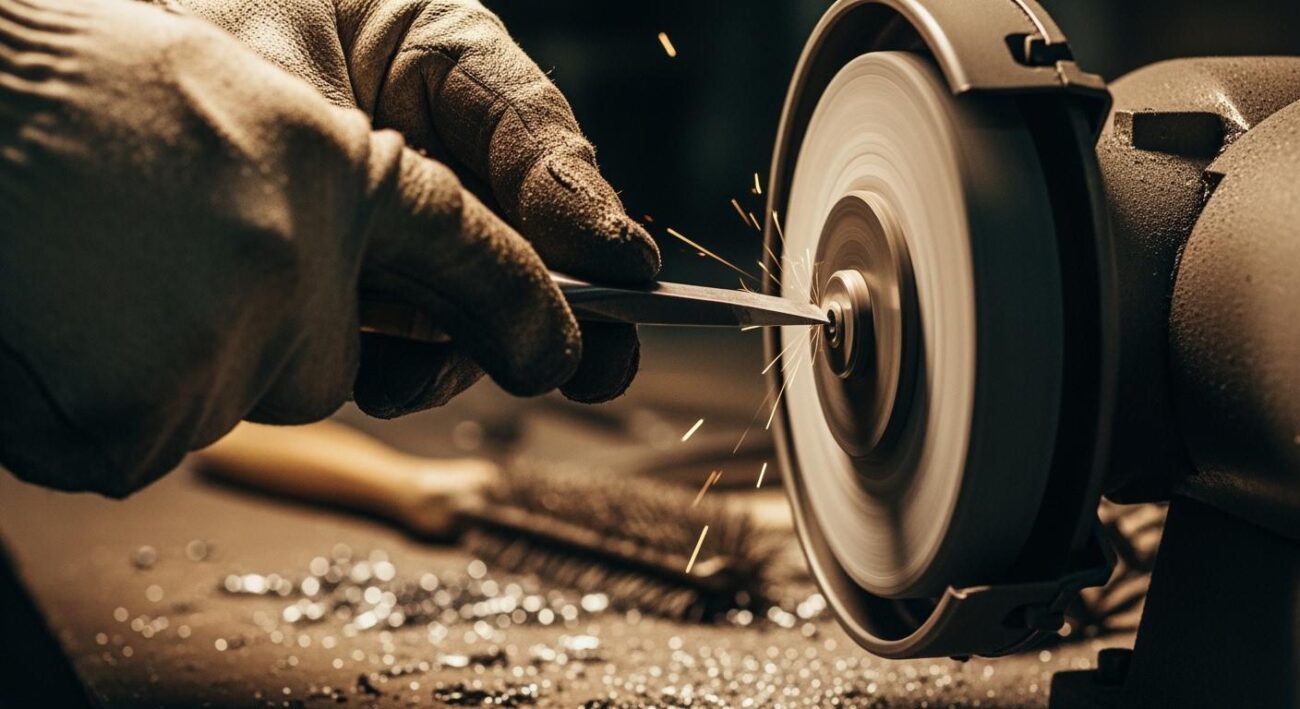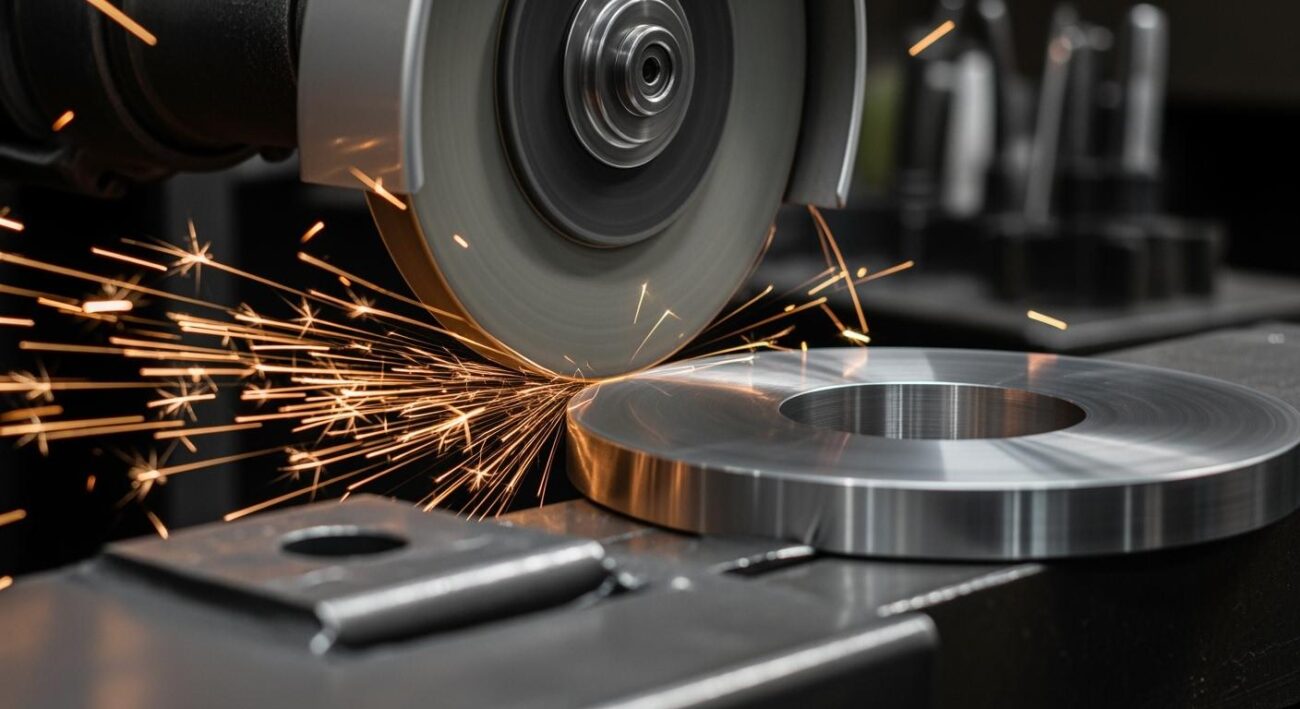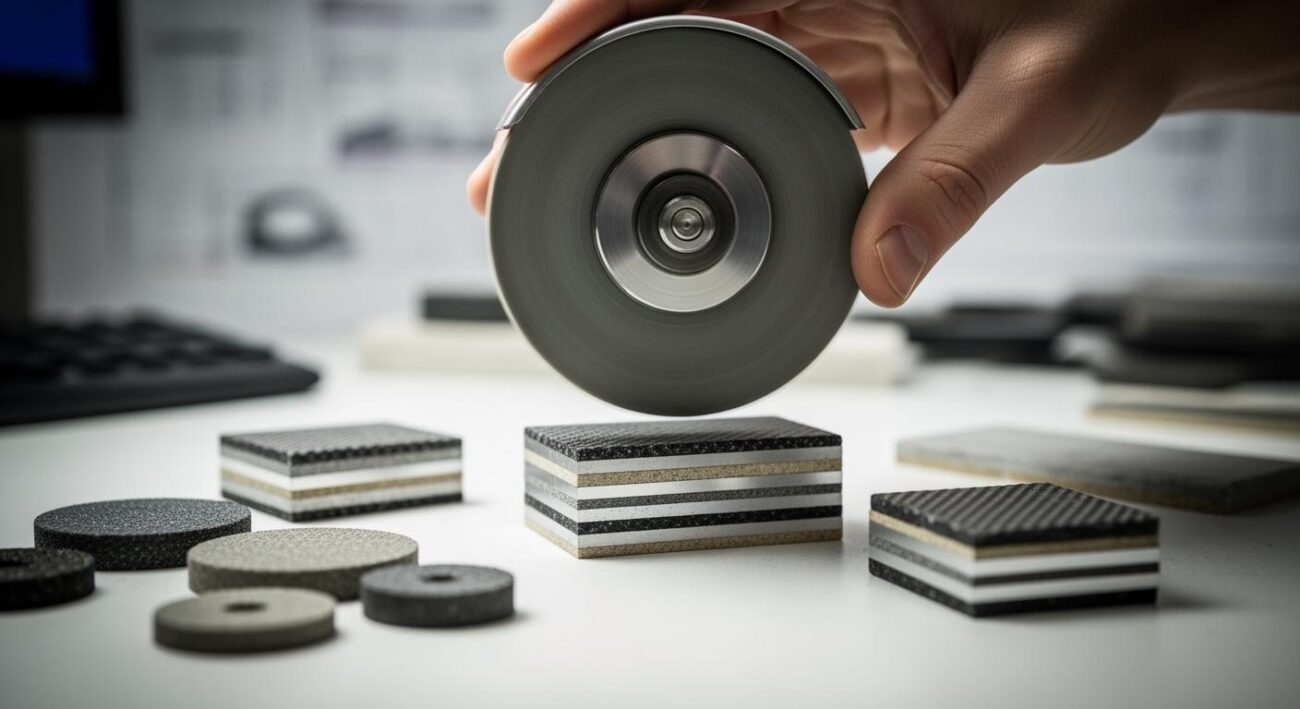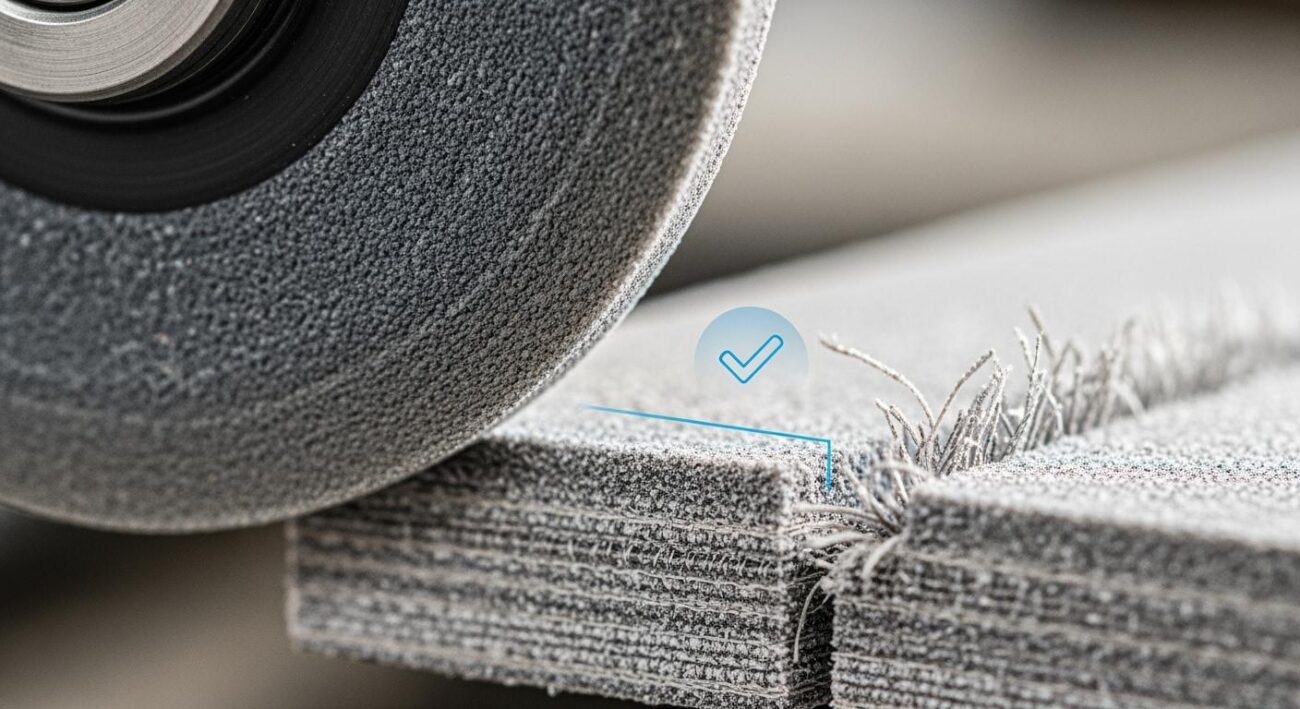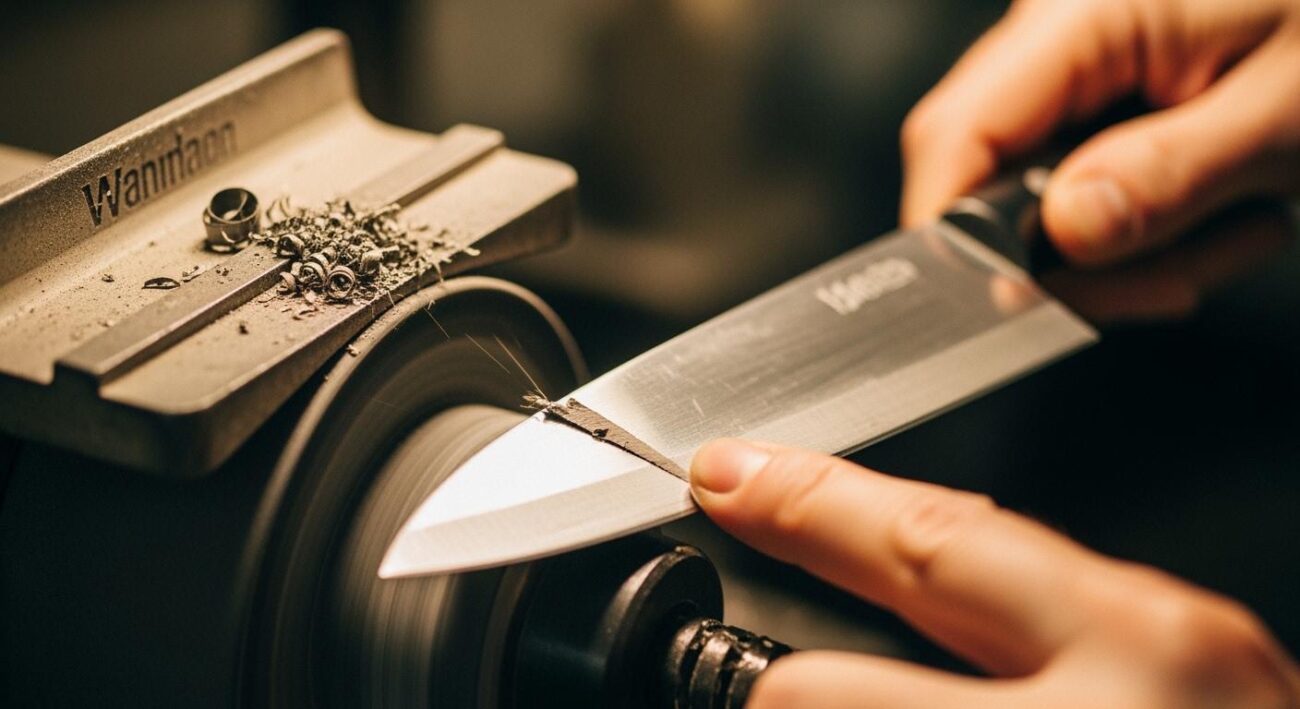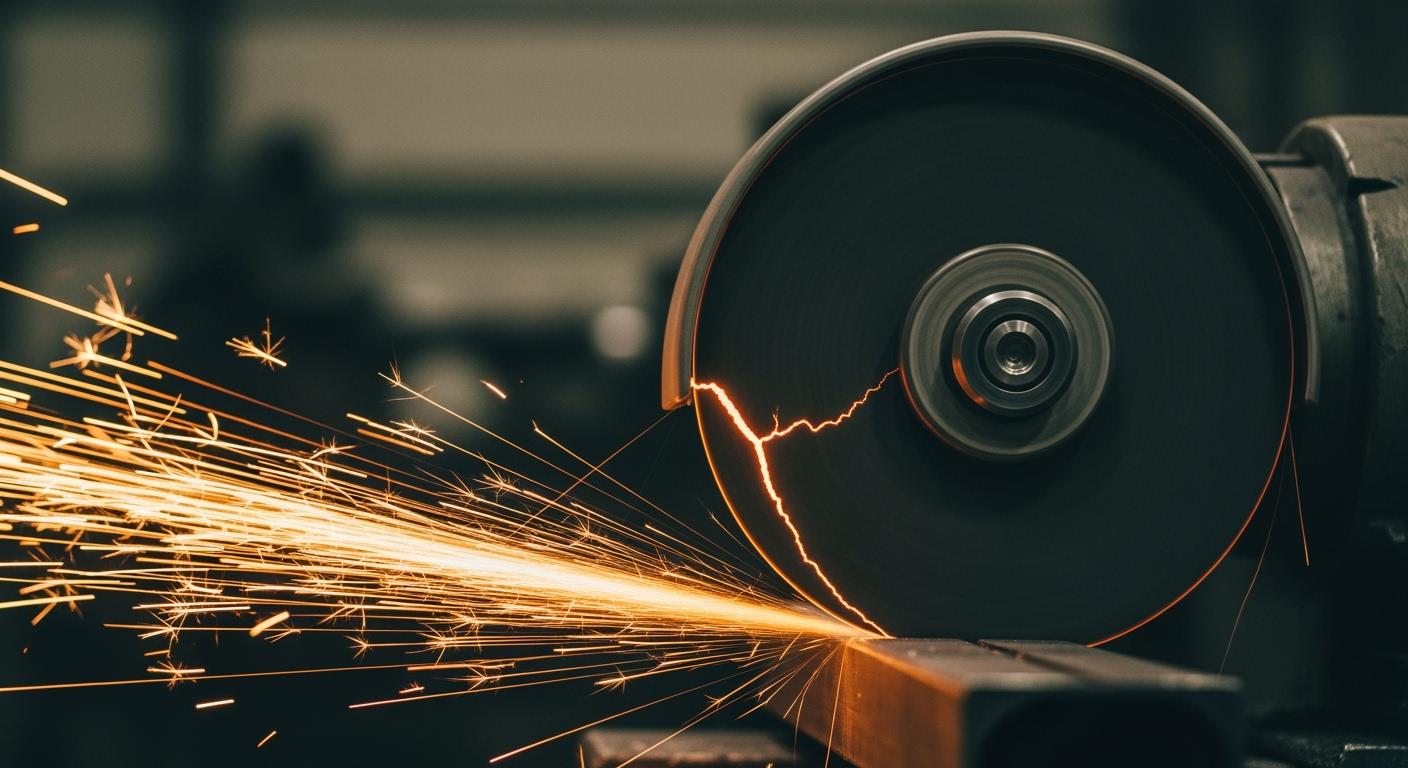
You can prevent grinding wheel failure in high-heat environments. Your success depends on a three-part strategy: proper wheel selection, correct operating procedures, and rigorous maintenance.
Note: Specialized tools are often key. The market for an advanced grinding wheel like CBN is projected to grow significantly, showing its rising importance for precision work on hard materials.
Key Takeaways
- Choose the right grinding wheel. Select wheels with strong abrasives like CBN and good porosity for high heat.
- Operate the wheel correctly. Control speed, use coolant well, and avoid sudden impacts to prevent damage.
- Maintain your grinding wheel often. Inspect wheels, perform ring tests, and dress them to keep them sharp.
- Follow safety rules. Always check wheel RPM and inspect for cracks to prevent accidents.
Select the Right Grinding Wheel to Prevent Failure
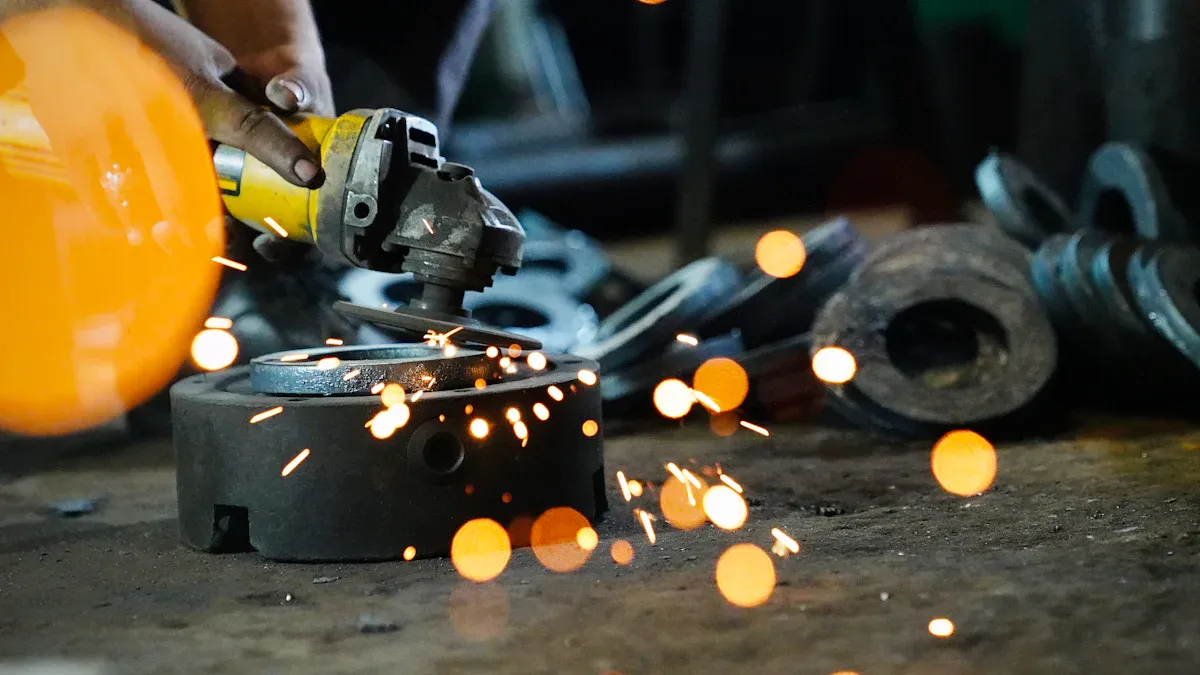
Your first step to prevent grinding wheel failure is careful wheel selection. Many failures, like cracking from thermal stress, happen because of errors in wheel selection. You must choose a grinding wheel designed to handle the intense heat of your job.
Choose the Correct Abrasive and Bond
The abrasive material is the heart of your grinding wheel. For high-temperature work, you need abrasives that stay hard when hot. Cubic Boron Nitride (CBN) is an excellent choice. It maintains its sharp cutting edge under extreme thermal loads. This makes it perfect for tough materials.
Common materials that require CBN wheels include:
For these demanding grinding applications, you need a specialized solution. Aimgrind’s custom CBN grinding wheels offer superior thermal stability and cutting performance. Our vitrified and resin bonds are engineered to resist degradation, ensuring your wheel performs reliably. The right selection here is critical.
Optimize Wheel Structure and Porosity
The structure of a grinding wheel affects how it manages heat. A more open or porous wheel creates space. This space allows coolant to reach the cutting zone easily and helps remove hot chips. Better fluid transport directly leads to lower grinding temperatures.
Choosing a wheel with an optimized structure can dramatically improve coolant delivery. Certain patterns are more effective than others. For example, a structured pattern can significantly increase flow rate compared to a standard disordered wheel.
| Wheel Structure Type | Average Coolant Flow Rate Increase |
|---|---|
| Diamond-shaped staggered | 42.3% |
| Disordered (Standard) | 0% (Baseline) |
This improved flow keeps both the wheel and workpiece cooler. Thoughtful selection of wheel porosity and structure is a simple way to avoid problems caused by errors in wheel selection.
Proper Operation to Extend Grinding Wheel Life
After selecting the right wheel, your next step is to use it correctly. Proper operating techniques are essential to prevent grinding wheel failure and ensure operator safety. Even the best grinding wheel can fail if you use it improperly.
Control Speed and Feed Rates
You must operate your grinding wheel within its specified speed limits. Exceeding the maximum rated RPM is a major safety hazard. It dramatically increases centrifugal force, which can cause the wheel to shatter. This also generates excessive heat, leading to premature wear, workpiece burning, and a poor surface finish.
Safety First: Always check the RPM rating on the grinding wheel and ensure it matches your grinder’s speed. This simple check is one of the most important safety precautions you can take.
Applying too much pressure during the cutting process is another common mistake. Forcing the wheel does not speed up the job. It only increases heat, causes burning, and can damage both the wheel and your workpiece, resulting in a low-quality finish. Let the wheel do the cutting work.
Ensure Effective Coolant Application
Effective coolant usage is critical for managing heat in high-temperature grinding. The goal is to get the fluid directly into the cutting zone. A high-speed grinding wheel creates an air barrier around it that can block coolant. To be effective, your coolant flow must have enough pressure and velocity to penetrate this barrier.
For optimal protection, you should:
- Match the coolant exit speed to the surface speed of the grinding wheel.
- Position the nozzle tangentially to the wheel.
- Ensure the nozzle is undamaged to maintain a steady stream.
Incorrect coolant application leads to thermal damage, surface burning, and a poor surface finish. Proper coolant usage extends the life of your wheel and protects the quality of your workpiece during the grinding process.
Minimize Mechanical and Thermal Shock
You can prevent damage by introducing the grinding wheel to the workpiece gently. Abrupt contact creates shock that can chip or crack the wheel. Before you begin cutting, let the wheel run at its free-spin speed for at least 30 seconds. This ensures it operates correctly and avoids binding.
When you start the grinding process, use a pulling motion rather than a push. This technique gives you better control and a flatter approach, improving the final finish. Following these simple precautions helps avoid sudden impacts, which is key to preventing wheel life too short and ensuring a safe, high-quality finish.
Maintenance to Solve Common Grinding Problems
Consistent maintenance is your best defense against common grinding problems. Issues like glazing, loading, excessive vibration, or a wheel not cutting are often signs that your grinding wheel needs attention. A proactive maintenance routine is essential to prevent grinding wheel failure, ensure operator safety, and produce a high-quality finish.
Follow Strict Mounting and Balancing Protocols
Your safety precautions must begin before you even start the grinding process. A damaged grinding wheel can shatter under thermal and rotational stress. You must perform a “ring test” on every new wheel to detect hidden cracks that are not visible to the naked eye.
The ring test is a simple but critical inspection. OSHA standard 1910.215 and ANSI B7.1 detail this procedure as a mandatory safety check.
To perform the test:
- Make sure the wheel is dry and clean. Suspend it on your finger or a pin through the center hole.
- Gently tap the side of the wheel with a nonmetallic object, like a screwdriver handle.
- Listen for the sound. A clear, metallic ring means the wheel is safe to use. A dull thud indicates a crack, and you must discard the wheel immediately.
Conduct Regular Wheel Inspections
Before every use, you must conduct a thorough visual inspection of the grinding wheel. Look for any signs of damage that could compromise safety and performance. Immediate inspection is required if you see:
- Cracks, chips, or grooves on the surface.
- Signs of uneven wear or a loss of the wheel’s original shape.
- Glazing, which is a shiny, glassy surface that indicates the wheel is dull.
This quick inspection is one of the most effective safety precautions you can take. It helps you identify grinding problems early and protects the quality of your surface finish.
Address a Wheel Not Cutting via Dressing
If you find your wheel not cutting efficiently, it is likely glazed or loaded. These two grinding problems cause increased heat, potential burning, and a poor surface finish.
| Problem | Appearance | Cause |
|---|---|---|
| Loading | Clogged, dark surface | Swarf is stuck in the wheel’s pores. |
| Glazing | Shiny, smooth surface | Abrasive grains have become dull. |
You can solve both issues with dressing. Dressing is the process of removing the outermost layer of the wheel to expose fresh, sharp abrasive grains. This action restores the wheel’s cutting ability and reduces heat generation. For a perfect finish, you should also true the wheel. Truing restores the wheel’s concentricity, ensuring it runs perfectly balanced. This minimizes vibration and prevents burning, giving you a superior surface finish and extending the life of your tool.
You can prevent grinding wheel failure. Your success hinges on three actions: careful wheel selection, proper operation, and proactive maintenance. These steps are crucial for your safety and maximizing the life of your grinding wheel. A focus on safety through correct selection and maintenance is vital for operator safety. Partner with Aimgrind to find a customized grinding wheel solution that prioritizes efficiency and safety. This commitment to safety ensures a secure work environment.
Grind with Passion, Achieve with Aim.
FAQ
What is the best abrasive for high-temperature grinding?
You need an abrasive that stays hard under intense heat. Cubic Boron Nitride (CBN) is an excellent choice for this purpose. It maintains its sharp cutting edge on materials like hardened steel and superalloys. This ensures reliable performance and prevents premature wheel failure.
Why is my grinding wheel not cutting anymore?
Your wheel is likely glazed or loaded. Glazing means the abrasive grains are dull. Loading means metal chips clog the wheel’s surface. You can solve both problems by dressing the wheel. This process exposes fresh, sharp abrasive grains and restores cutting ability.
How can I tell if a new wheel is cracked?
You must perform a “ring test” before mounting any new wheel. Suspend the wheel and tap it gently with a nonmetallic handle. A clear, metallic ring indicates the wheel is safe. A dull thud means it is cracked and you must discard it immediately.
What happens if I run the wheel too fast?
You create a major safety hazard by exceeding the wheel’s maximum RPM. The increased force can cause the wheel to shatter. It also generates excessive heat, which leads to:
- Workpiece burning
- Poor surface finish
- Premature wear on your grinding wheel