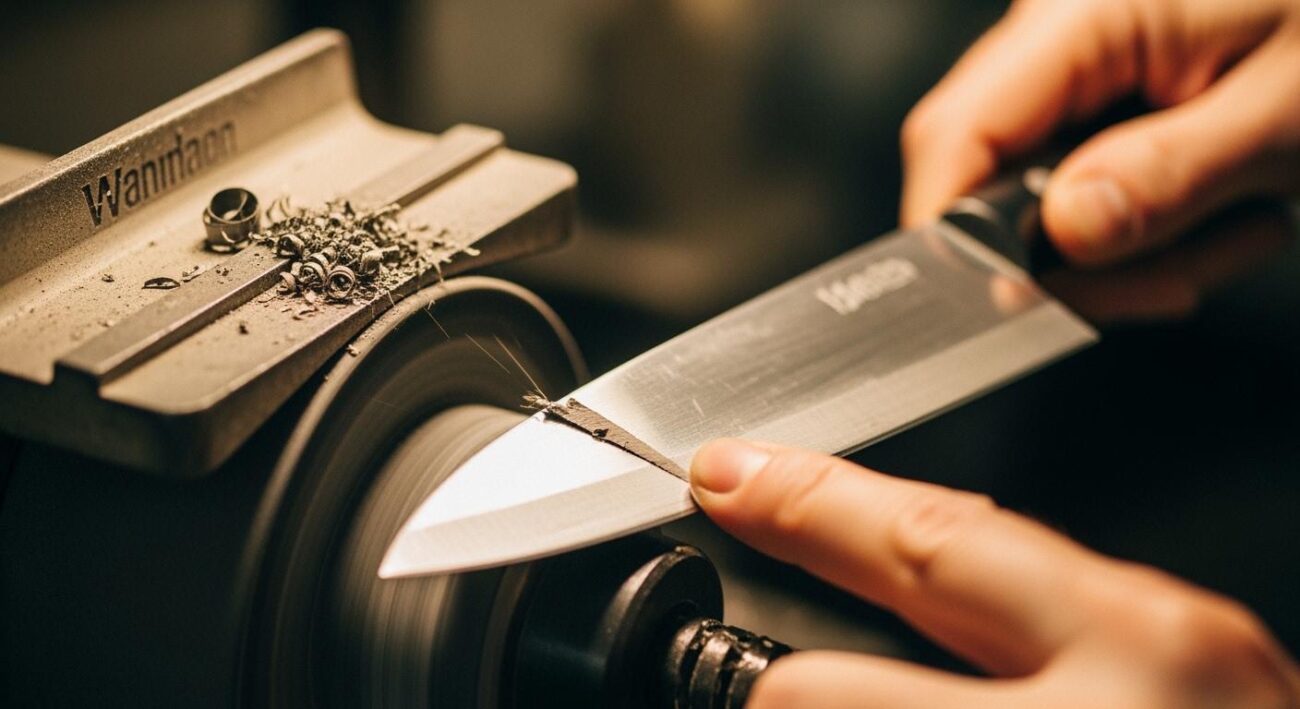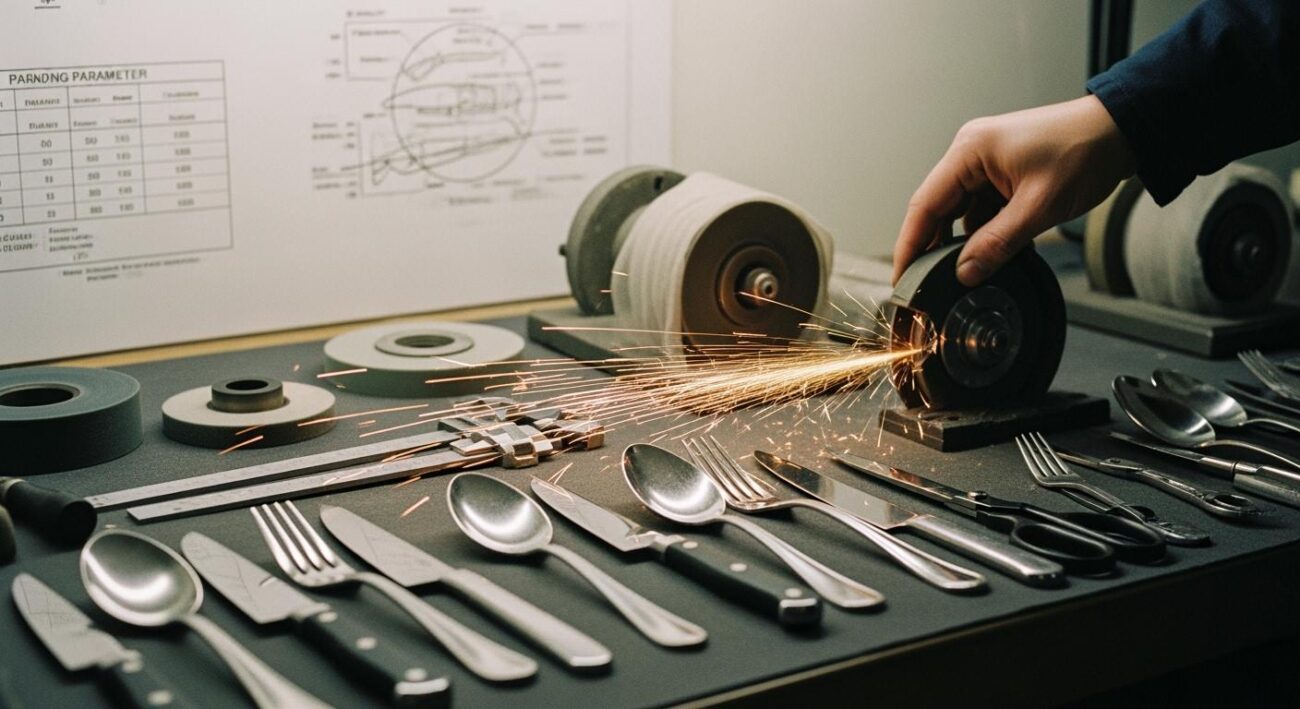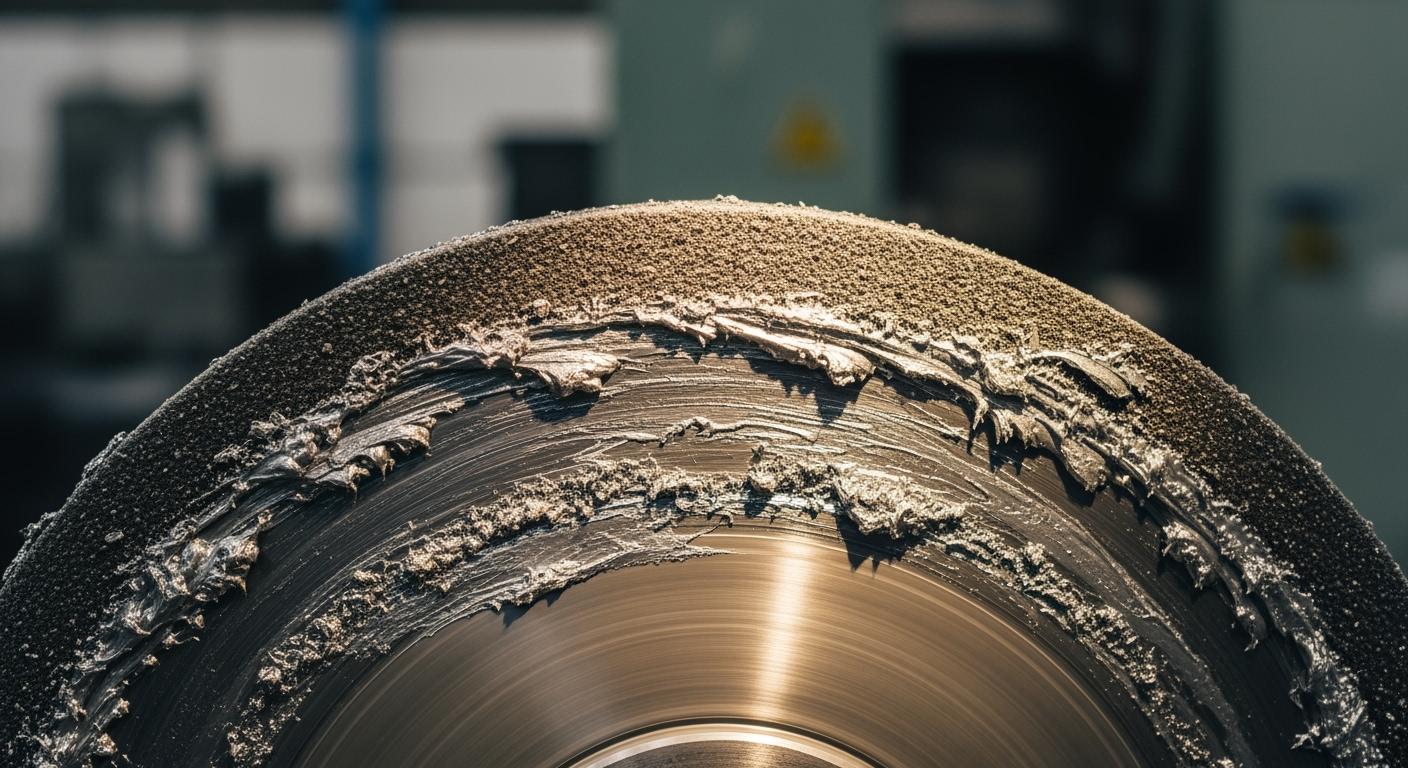
Quick Fix: To prevent grinding wheel loading, use a coarser, softer wheel and apply a high-lubricity coolant or wax stick.
This article explains why that quick fix works. We will explore a complete strategy for your grinding process. You will learn how to stop loading when grinding soft, gummy materials. This knowledge will improve your grinding results and make your grinding work easier.
Key Takeaways
- Choose the right grinding wheel. It should be coarse, soft, and have an open structure. This helps chips clear easily.
- Adjust machine settings for an aggressive cut. Reduce wheel speed and increase feed rate. This makes larger chips that are easier to remove.
- Dress the wheel often and coarsely. This cleans the wheel and exposes new, sharp cutting edges. It stops the wheel from getting clogged.
- Use good coolants and lubricants. High-lubricity coolants or wax sticks prevent sticky chips. They keep the wheel from loading up.
Choose the Right Grinding Wheel
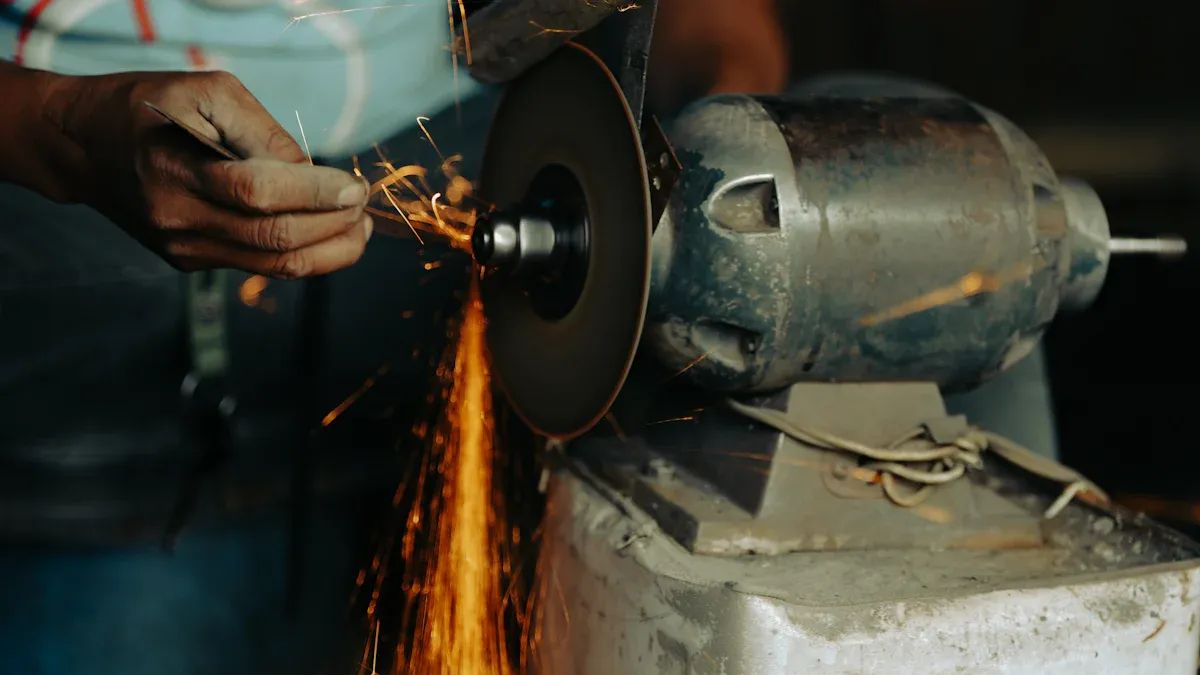
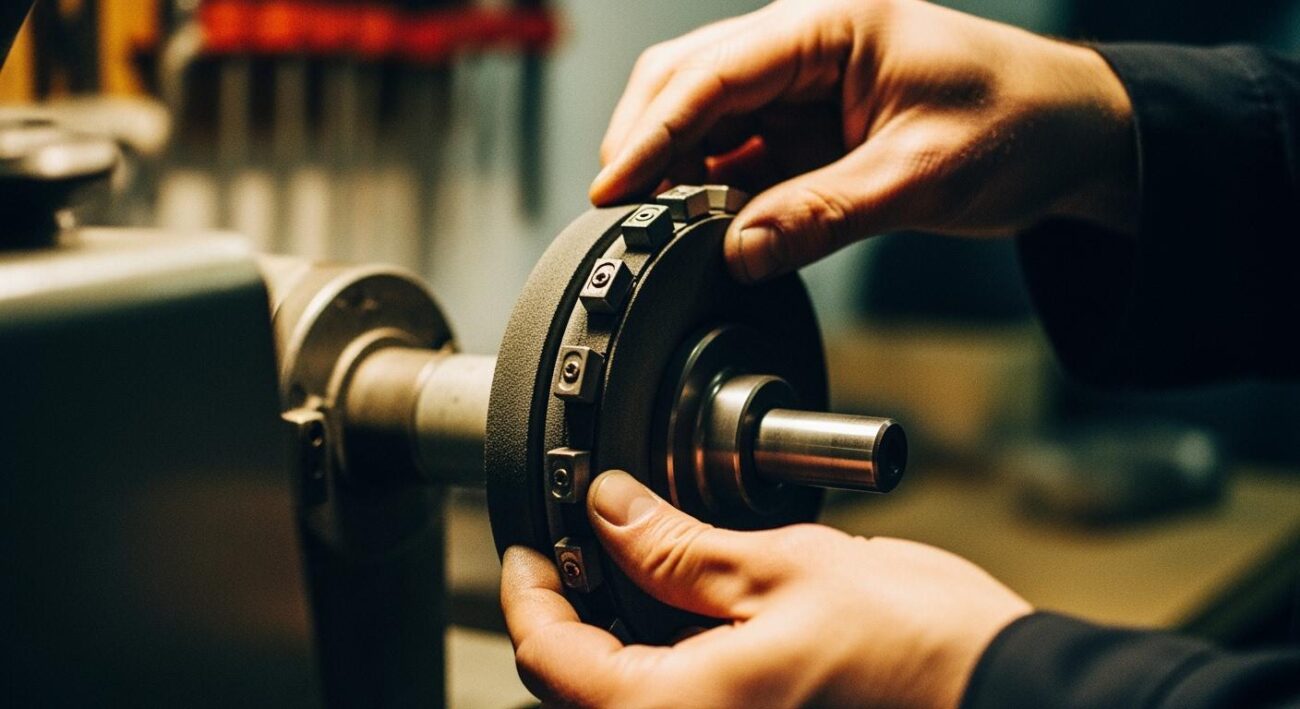
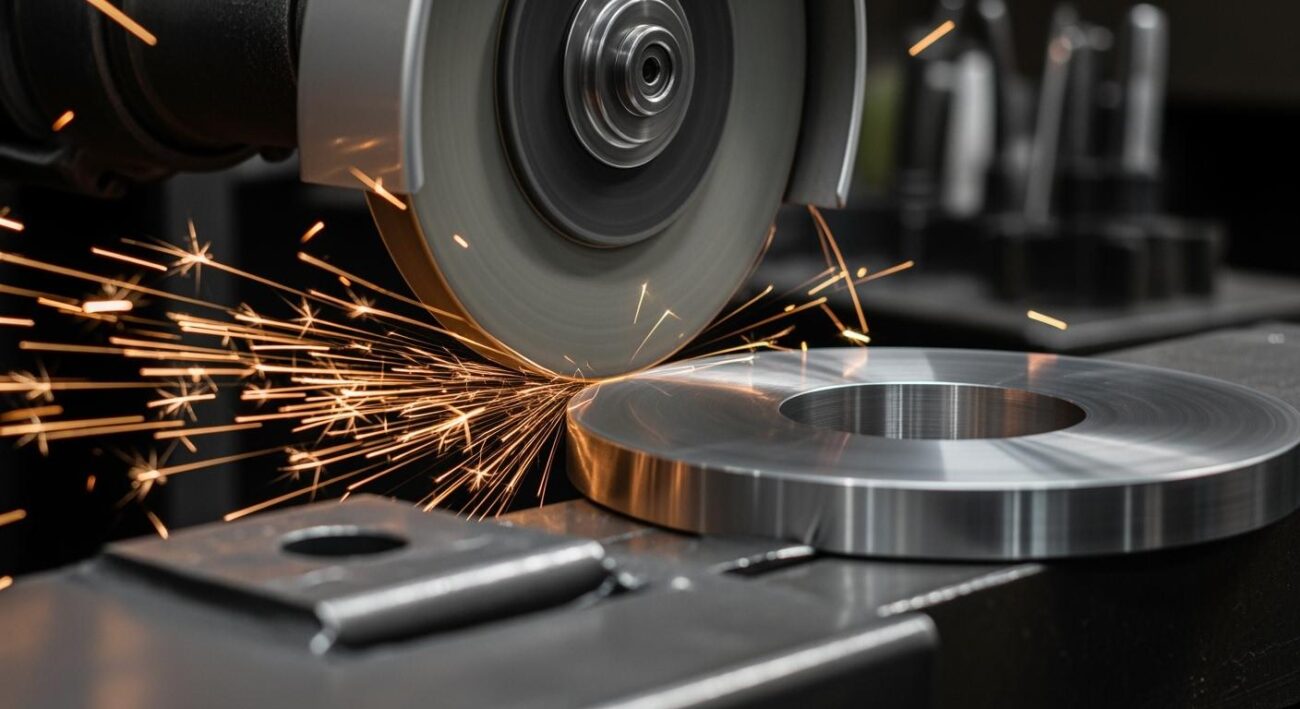
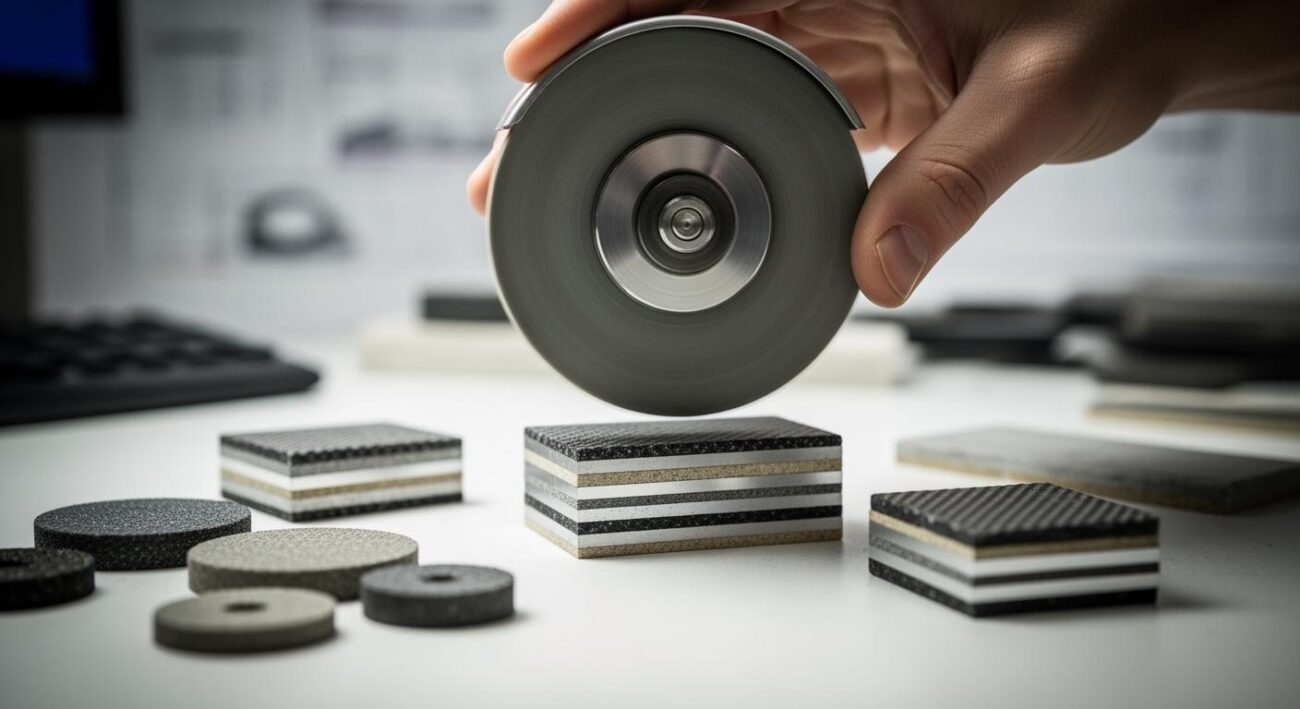
Your grinding wheel is the most important tool in your process. It is made of abrasives, bonding agents, and pores. The right combination directly affects your grinding accuracy and efficiency. Choosing the wrong wheel is a primary cause of wheel loading, where metal particles clog the wheel’s pores and stop it from cutting.
Use a Coarser Grit Size
You should use a wheel with a coarser grit. Grit size is measured by a number; a lower number means larger abrasive particles.
- Coarse Grits (e.g., P24-P80): These have fewer, larger grains. They create more space for chips to be carried away.
- Fine Grits (e.g., P240+): These have smaller, tightly packed grains that clog easily with soft metals.
For soft materials, a coarse grit allows for faster material removal and helps prevent the wheel from becoming clogged.
Select a Softer Wheel Grade
The wheel’s grade measures its hardness on a scale from A (softest) to Z (hardest). For grinding soft metals, you need a softer wheel (grades G-K). A soft grade means the bond holding the abrasive grains is weaker. When a grain gets dull from grinding, the pressure causes it to break away, exposing a new, sharp grain underneath. This self-sharpening action is vital to prevent grinding wheel loading.
Opt for an Open Structure
A wheel’s structure number tells you the spacing between the abrasive grains. A higher number indicates an open structure with more space. This space acts as a pocket for chip clearance. For gummy materials that produce long, stringy chips, an open-structure wheel is essential. It gives the chips a place to go instead of getting stuck in the wheel.
Use Silicon Carbide Abrasives
For many soft, non-ferrous metals like aluminum, silicon carbide is an excellent abrasive choice. It is harder and more friable than aluminum oxide. Friability means the grains fracture easily, constantly creating new sharp cutting edges. This property helps the wheel stay sharp and resist loading during the grinding process.
When Standard Wheels Aren’t Enough
Sometimes, even with the right specifications, standard wheels fail on unique alloys. Materials used when grinding aerospace parts, for example, can present extreme machining and finishing challenges. For these persistent loading issues, you need a custom solution. Aimgrind specializes in creating personalized grinding wheels. With nearly two decades of experience, their team can perform a problem diagnosis and design a custom formula, such as a unique resin bond, to engineer loading out of your process entirely. You can learn more by visiting their consultation services at https://www.aimgrind.com.
Optimize Parameters to Prevent Grinding Wheel Loading
Choosing the right wheel is a great start, but your machine settings play an equal role. You can fine-tune your grinding parameters to create an aggressive cut. This approach helps the wheel shed material instead of holding onto it. Proper setup is key to a successful grinding operation.
Adjust Wheel Speed and Feed Rate
You need to control how the wheel and workpiece interact. The relationship between wheel speed and feed rate directly impacts chip size. For soft materials, your goal is to create larger, thicker chips that the wheel can easily eject.
- Reduce Wheel Speed: A slower wheel speed gives each abrasive grain more time to bite into the material. This creates a larger chip.
- Increase Feed Rate: A faster feed rate pushes the material into the wheel more aggressively. This also contributes to a thicker chip.
This combination increases your material removal rates and makes the grinding process more efficient. It forces the wheel to act more like a milling cutter, which is ideal for avoiding loading during the grinding of soft metals.
Implement Frequent and Coarse Dressing
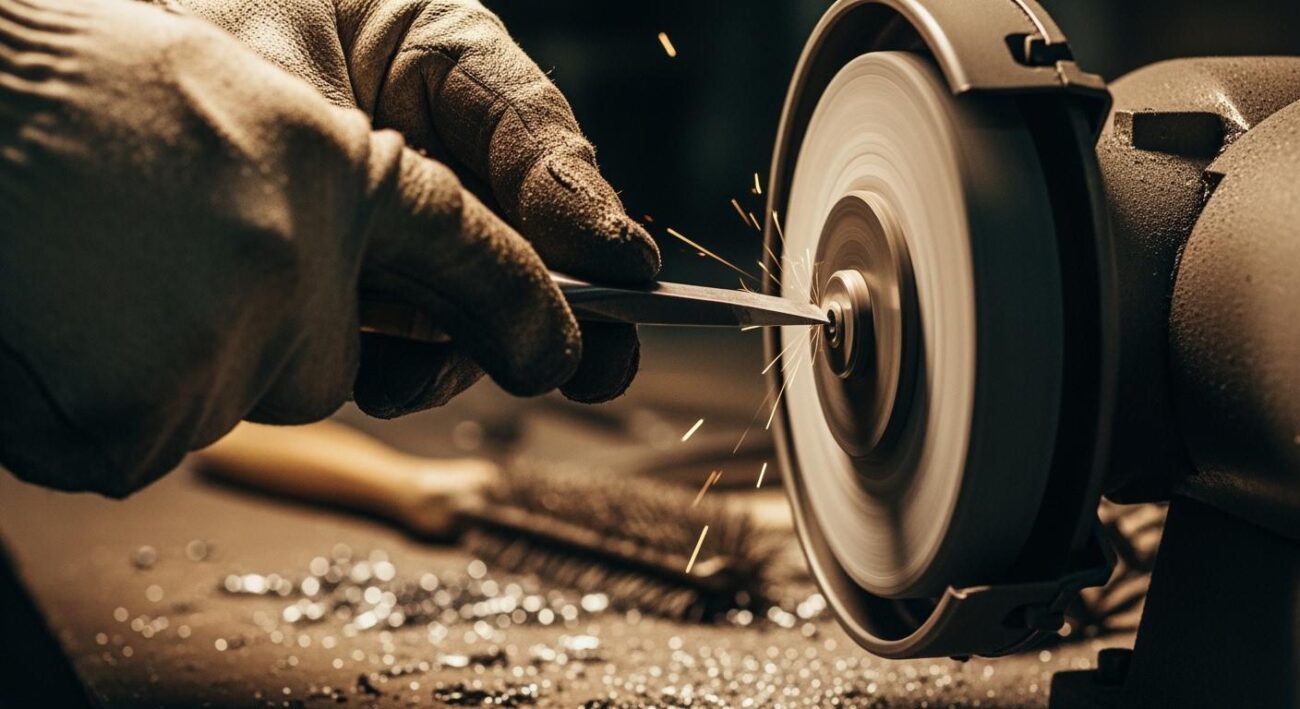
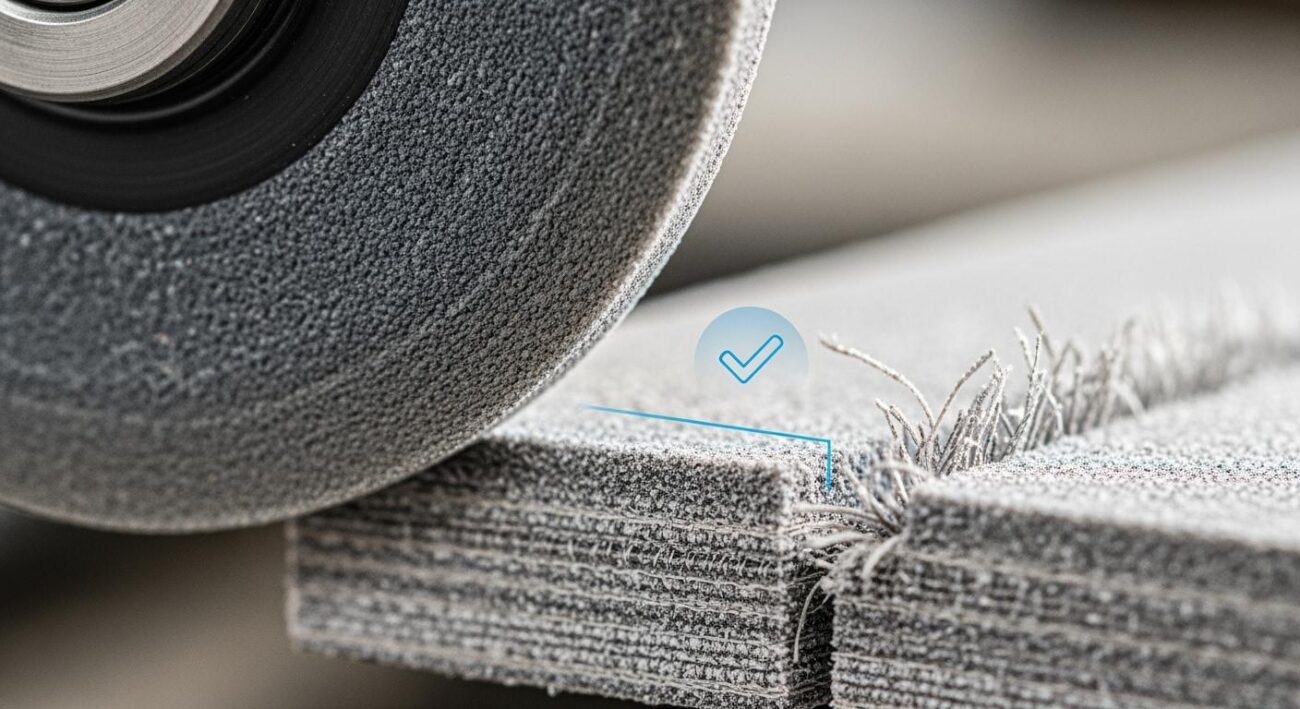
Dressing is the process of cleaning and sharpening your grinding wheel’s surface. When grinding gummy materials, you must dress the wheel often. Frequent dressing removes clogged material and exposes fresh, sharp abrasive grains. This action is essential to prevent grinding wheel loading.
Pro Tip: For soft materials, you should perform a coarse or “open” dress. This technique creates a rougher wheel surface with more space for chip clearance, enhancing your grinding performance.
You can use several tools for this job. Each has a specific purpose in maintaining your grinding wheel.
- Star Dressers: These tools have serrated discs and long handles. They are excellent for coarse dressing and quickly removing heavy loading from the grinding wheel.
- Single-Point Diamond Dressers: This tool uses a single industrial diamond to true and condition the grinding wheel. It restores the wheel’s shape and exposes sharp grains for precise grinding.
Regular and proper dressing keeps your wheel in optimal condition for every grinding task.
Master Coolants and Lubricants
Proper lubrication is your secret weapon against wheel loading. While a grinding wheel cuts material, a good lubricant prevents the gummy chips from sticking to it. You can use a liquid coolant or a solid wax stick to keep your grinding process smooth and efficient.
Apply High-Lubricity Coolants
You need a coolant that does more than just cool the workpiece. For soft materials, you need high lubricity to reduce friction. Grinding fluids are specialty lubricants made for this purpose. They help you remove metal efficiently during grinding.
There are several types of coolant you can use:
- Soluble Oils: These are great for general-purpose grinding. They offer a good balance of cooling and lubrication.
- Synthetic Lubricants: You should choose these for high-speed grinding. They provide excellent lubricity at high temperatures.
- Semi-Synthetic Lubricants: These mix mineral and synthetic oils. They are a cost-effective choice for many grinding tasks.
Using the right coolant makes your grinding operation cleaner and more effective.
Use Grinding Wax Sticks
Grinding wax sticks, or grease sticks, are another excellent tool. They provide lubrication to prevent your wheel from clogging. This helps you achieve a finer finish and extends the life of your grinding wheel. You apply the stick by simply touching it to the wheel while it is running. The wax melts onto the surface, creating a lubricating film for your grinding work.
How Wax Sticks Work
Different waxes use different ingredients to lubricate and improve your grinding results.
| Ingredient Base | Function as Lubricant |
| :— | :— |
| Pure Tallow | Fills the wheel with a heavy grease film. |
| Light-Bodied Grease | Penetrates the abrasive surface to keep it clean. |
| Crystalline Wax | Allows for super-fine grinding and polishing. |
Ensure High-Volume Coolant Flow
The amount of coolant you use is very important. A weak flow will not clear away the chips from your grinding wheel. For effective chip flushing, you should aim for a coolant flow rate of 2 to 3 gallons per minute (GPM) for every inch of wheel width. This high volume of coolant washes away material before it can load the wheel.
Proper coolant delivery is also critical. You must aim the nozzle precisely at the point where the wheel meets the material.
- A poorly aimed nozzle can lose most of its coolant to mist, especially at high speeds.
- Using a high-pressure “scrubber” nozzle helps keep the wheel clean during grinding.
Correctly applying your coolant ensures it can do its job, leading to a successful grinding outcome.
You can prevent grinding wheel loading by using three key strategies for your grinding work. A combined approach gives you the best grinding results.
- Select the correct grinding wheel: coarse, soft, and open.
- Optimize your grinding settings for an aggressive cut.
- Apply a high-lubricity coolant or wax during grinding.
This method will help you prevent grinding wheel loading. For persistent grinding challenges with unique materials, seek expert advice. Aimgrind can provide a custom grinding solution to perfect your grinding process.
FAQ
What is the most important step to prevent wheel loading?
Your most important step is choosing the right wheel. You need a coarse, soft, open-structure wheel. This combination gives you the best chip clearance. It helps the wheel self-sharpen when grinding soft materials.
How do I know if my grinding wheel is loaded?
You can look at the wheel’s surface. You will see shiny metal particles clogging the pores. A loaded wheel also creates more heat, makes more noise, and produces a poor surface finish on your workpiece.
Can I use a hard wheel if I use enough coolant?
You should avoid using a hard wheel. A hard wheel does not release dull abrasive grains, even with good lubrication. The wheel will load quickly and stop cutting. You must use a soft-grade wheel for gummy materials.
Why is a wax stick helpful for grinding?
A wax stick adds lubrication directly to the wheel. It melts and creates a film. This film stops gummy chips from sticking to the abrasive grains. This simple tool helps you prevent loading and achieve a better finish.