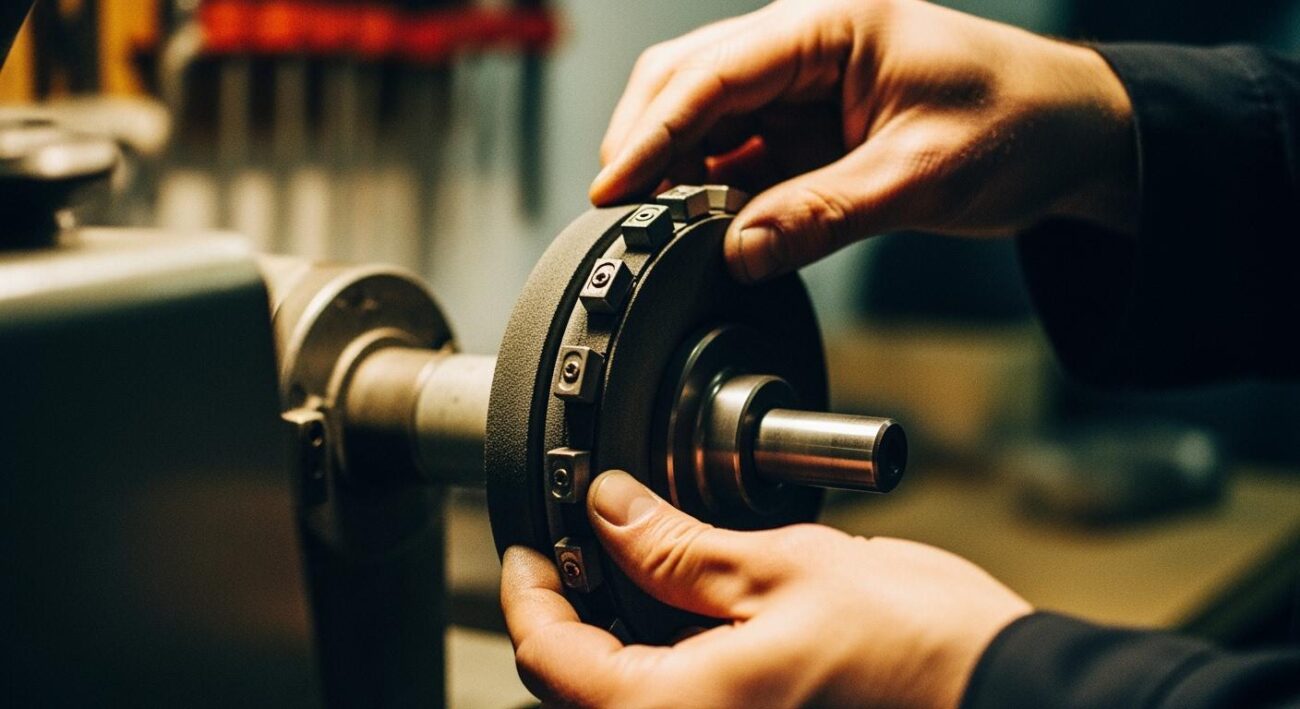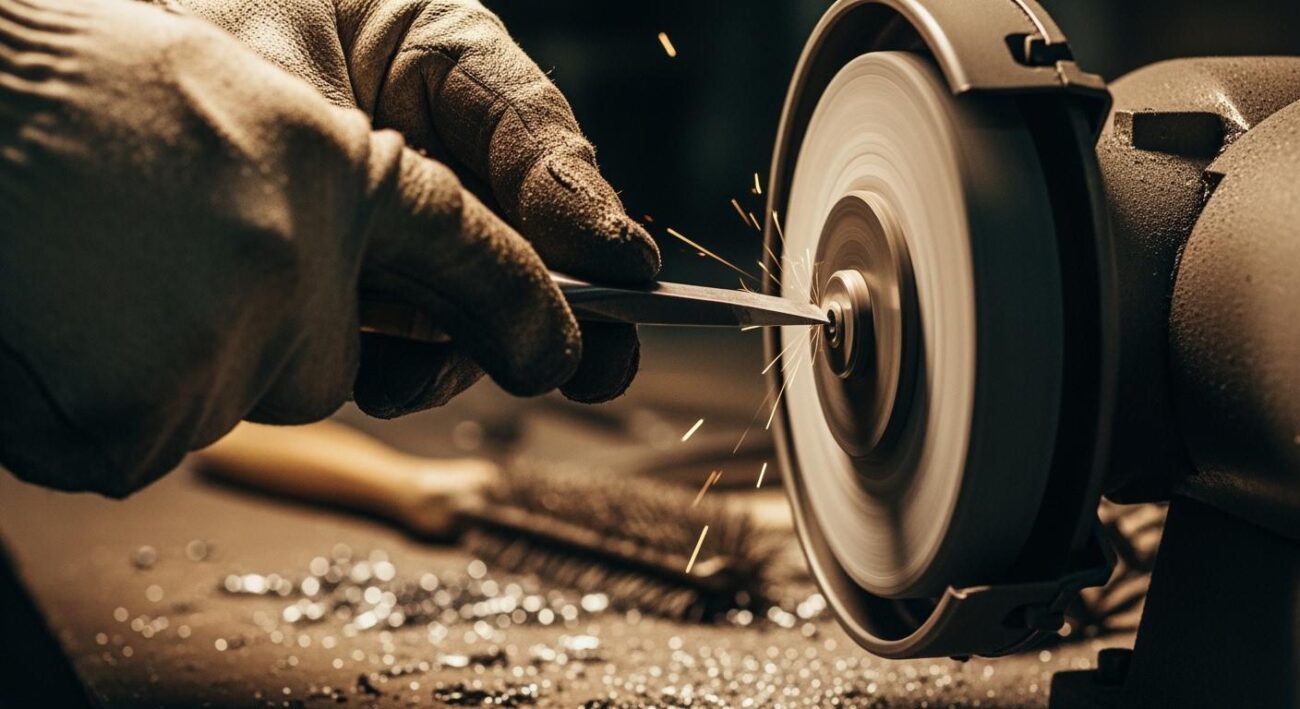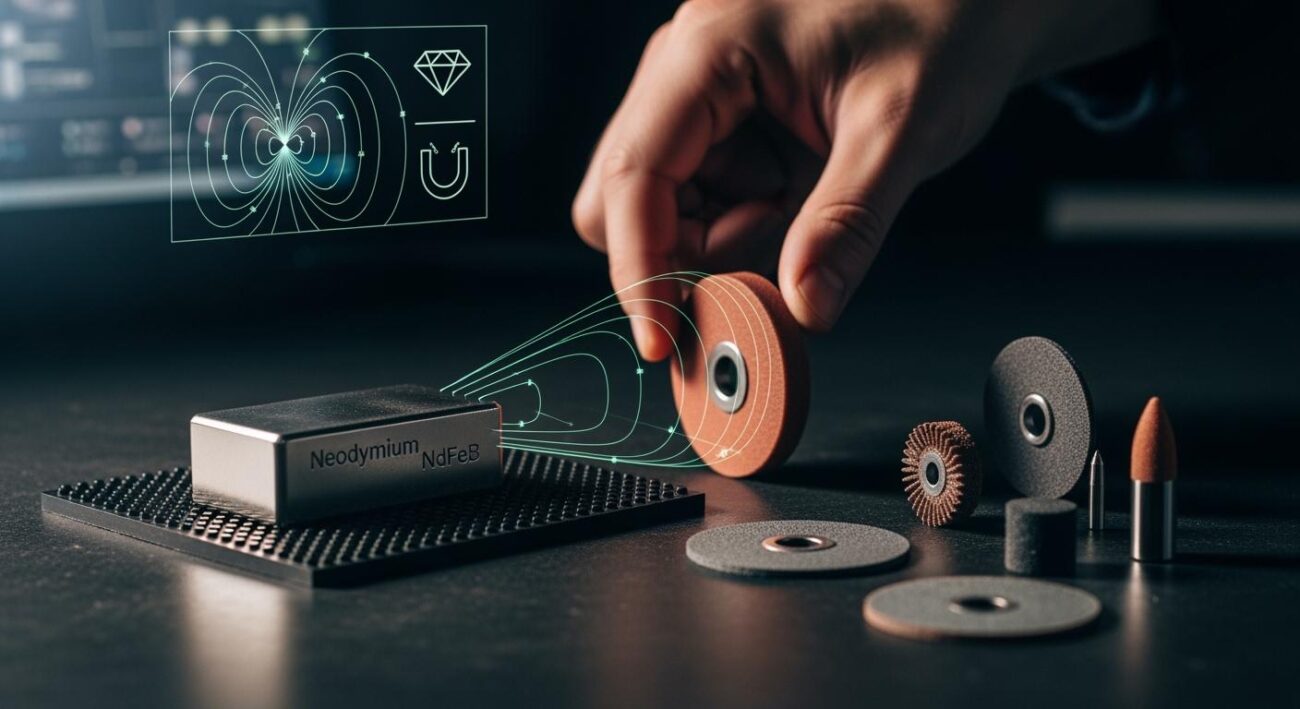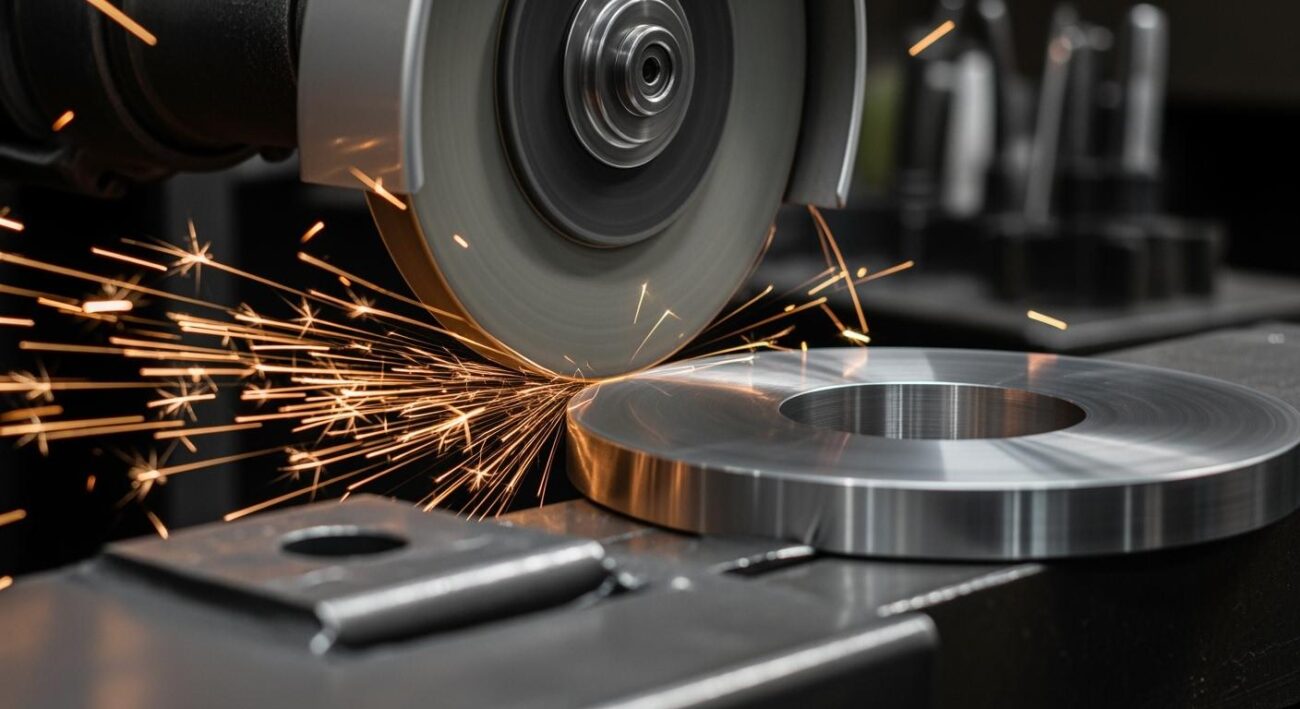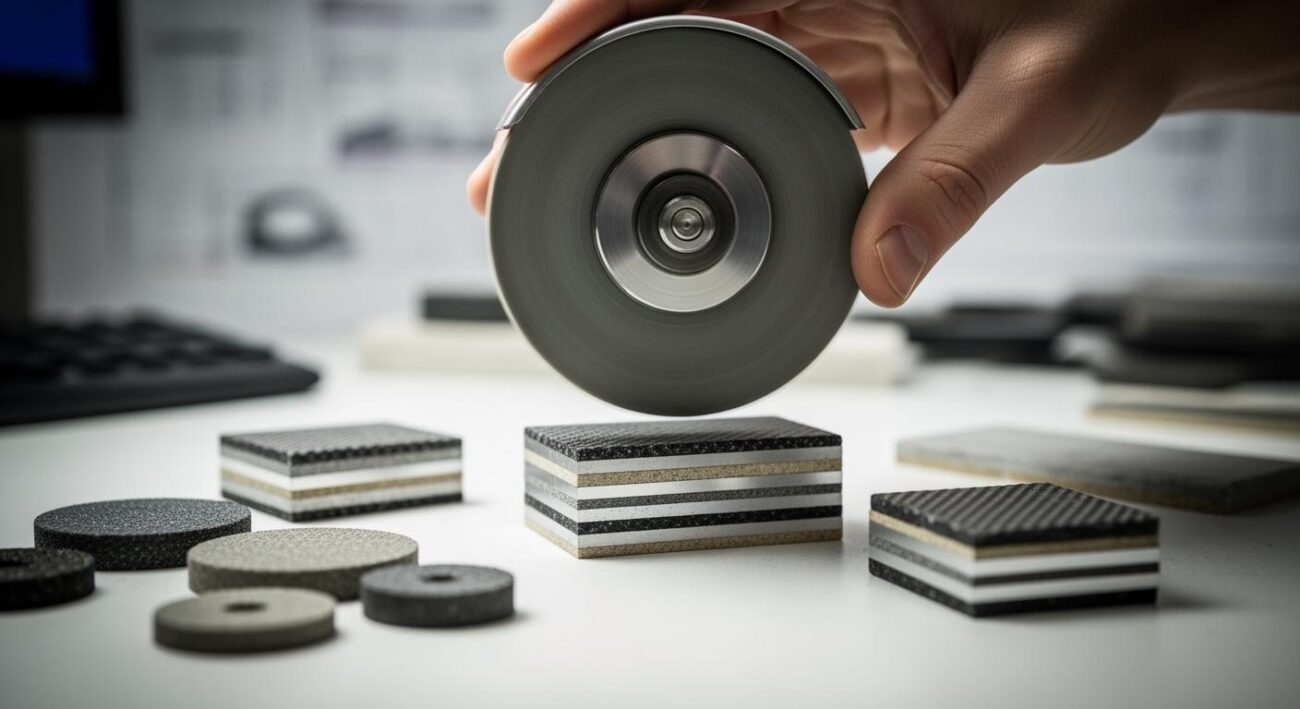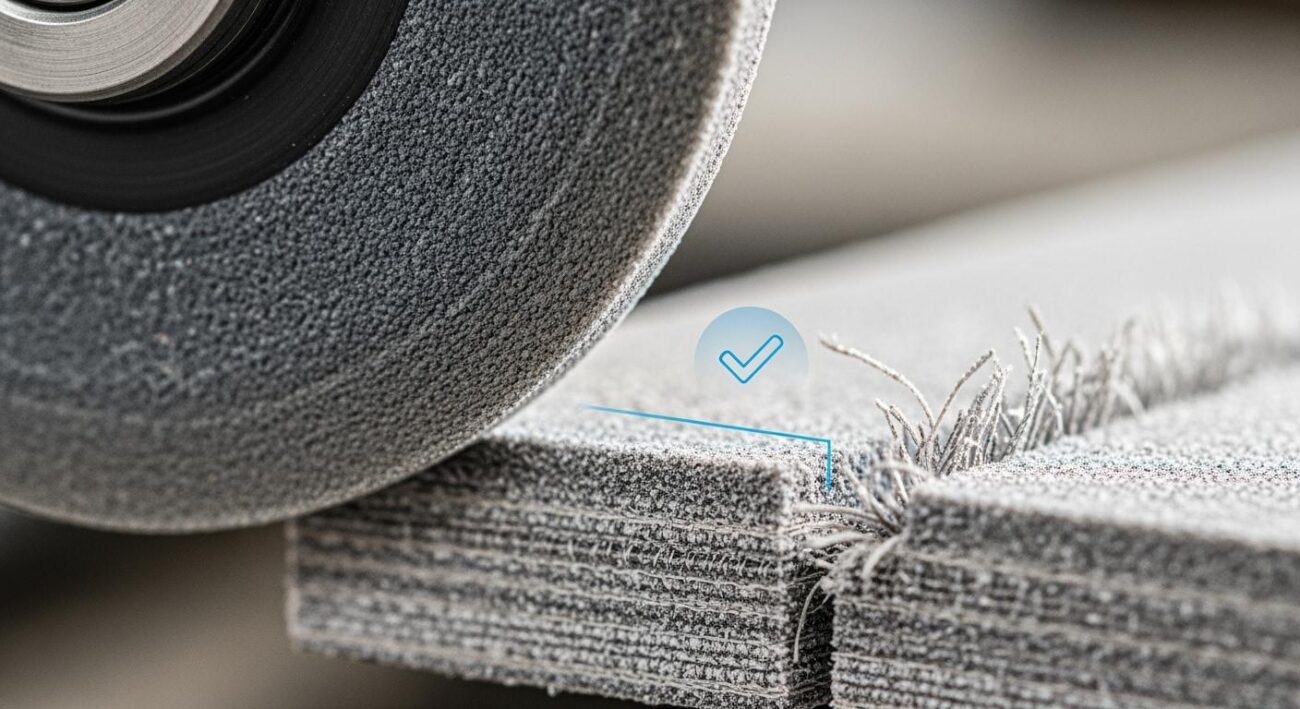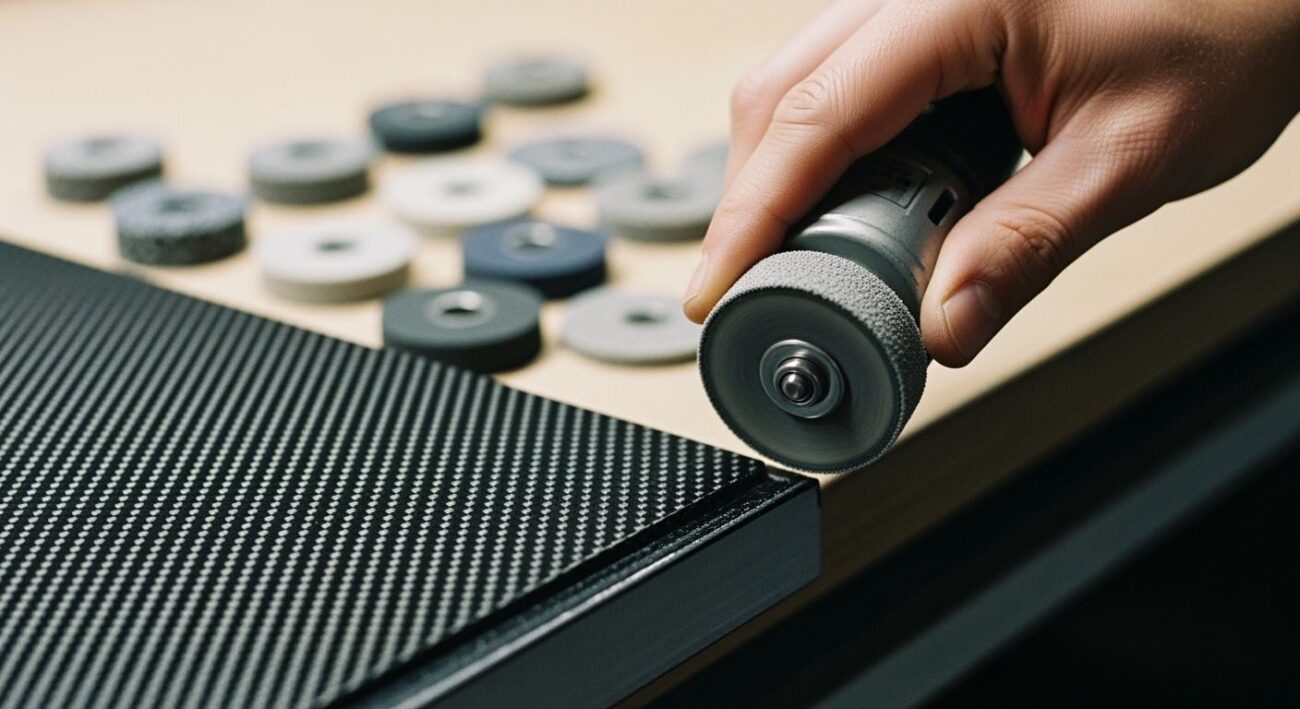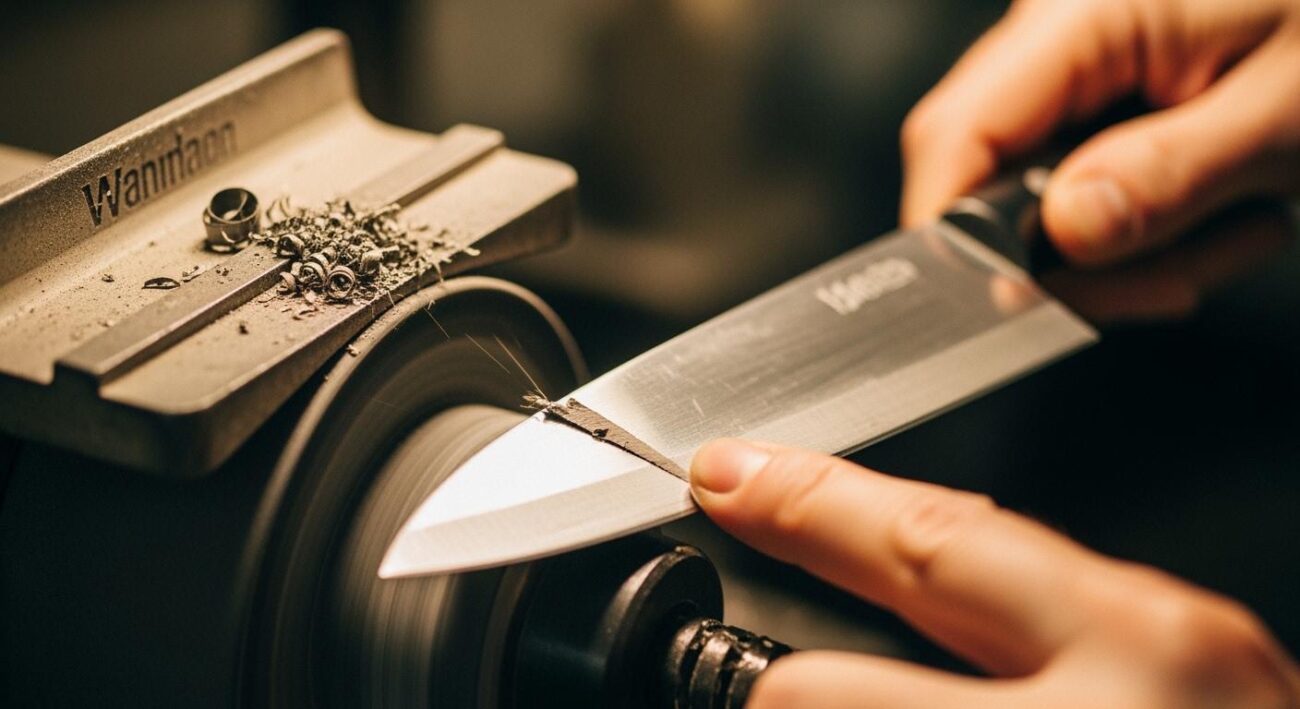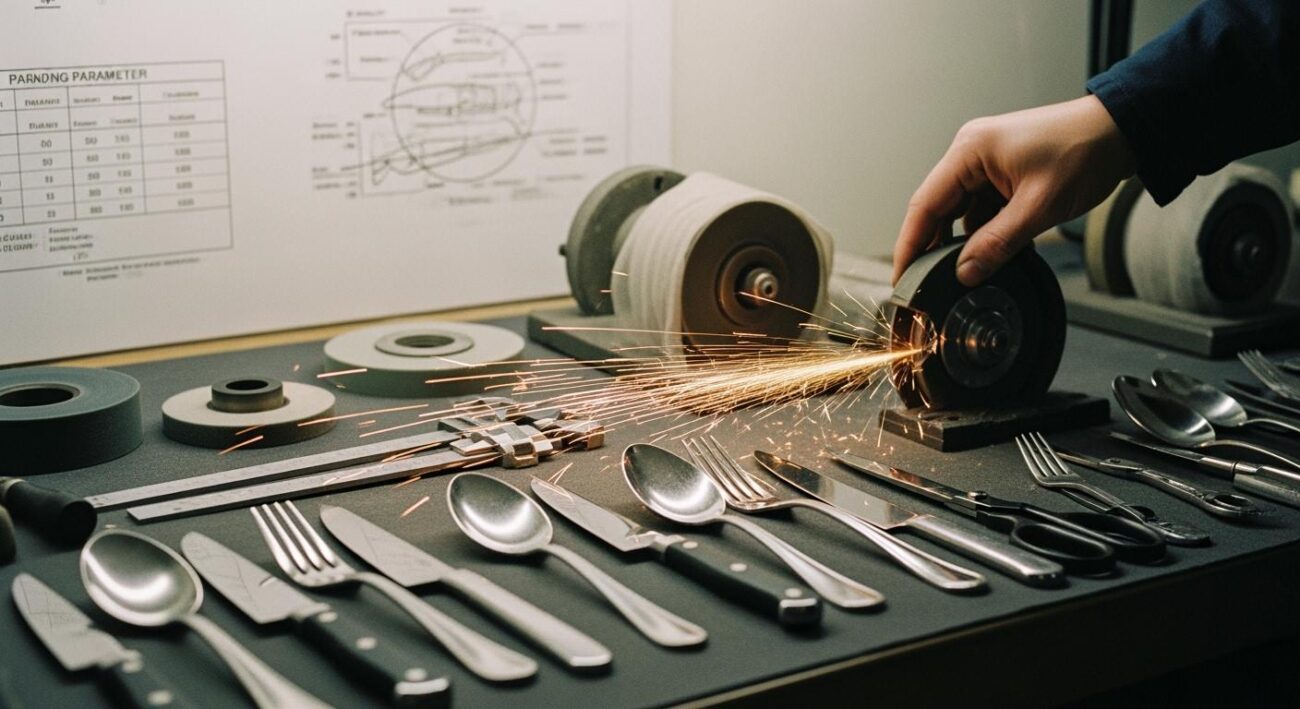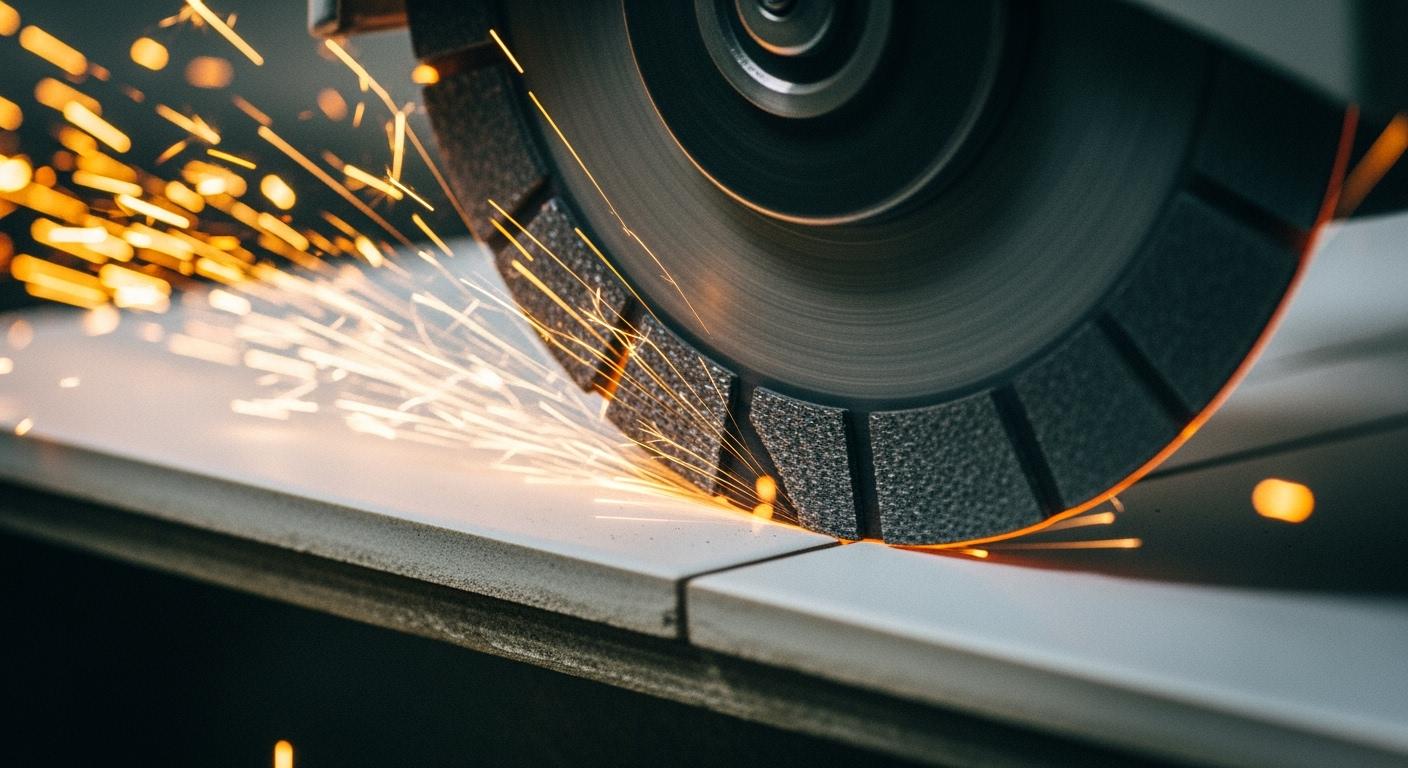
To grind brittle materials without causing damage, you must use a grinding wheel that minimizes pressure and heat. The ideal choice combines a fine grit, a soft grade, and a silicon carbide or superabrasive. This setup allows the wheel to self-sharpen continuously. This action keeps cutting forces low, preventing the shock that creates cracks. Industries like semiconductors, with a market value expected to reach USD 96.24 billion by 2032, depend on this precision to manufacture their delicate components successfully.
Key Takeaways
- Choose a grinding wheel that is softer and has fine grit. This helps prevent damage to brittle materials.
- Select the right abrasive. Green silicon carbide works for hard materials like glass, and black silicon carbide works for ceramics. Diamond wheels offer the best precision for very hard materials.
- Use a fine grit size, like 80 to 220. Fine grits remove small amounts of material. This prevents cracks and makes surfaces smooth.
- Pick a soft-grade grinding wheel. A soft bond lets dull abrasive grains fall off. This keeps the wheel sharp and reduces heat and pressure.
- Select a vitrified bond for precision work. It keeps the wheel cool and clean. Metal bonds work best with diamond wheels for very hard materials.
Choosing the Right Abrasive
The first rule of grinding is simple. You must choose an abrasive that is harder than your workpiece material. A harder abrasive cuts efficiently. It removes material cleanly instead of rubbing or creating excess heat. This choice is the foundation for preventing cracks and achieving a perfect finish.
Green Silicon Carbide for Carbides and Glass
You should select green silicon carbide for its high purity and hardness. This abrasive excels at grinding very hard materials with precision. Its sharp, friable nature creates new cutting edges under pressure, which keeps the grinding action cool. Use it for demanding jobs like:
- Grinding cemented carbides and carbide-tipped tools.
- Processing optical glass and quartz for electronics.
- Machining intricate designs for medical devices.
Black Silicon Carbide for Ceramics and Stone
Black silicon carbide is tougher than its green counterpart. This makes it a great choice for general-purpose grinding on brittle materials with lower tensile strength. It provides a durable, reliable cutting action. You can effectively use it to process a wide range of materials, including:
- General ceramics and glass
- Granite
- Marble
- Other natural stones
Aimgrind Diamond Wheels for Ultimate Precision
For the highest level of performance, you need a superabrasive like diamond. When your project demands ultimate precision and tool life, nothing surpasses it. Aimgrind’s diamond grinding wheels are engineered for the most challenging applications. They offer exceptional durability and a long service life, reducing downtime. This grinding wheel is the ideal solution for high-volume production or for working with advanced ceramics. With them, you can achieve a superior surface finish, often reaching a smoothness of 0.1-0.4 μm Ra.
Determining the Correct Grit Size
After choosing your abrasive, you must select the correct grit size. Grit size refers to the size of the individual abrasive particles on the grinding wheel. For brittle materials, a finer grit is almost always the right choice. It helps you control the material removal process and avoid catastrophic fractures.
The Importance of Fine Grits (80-220+)
You should start with a fine grit for brittle materials. Fine grits, typically in the 80 to 220 range and higher, take smaller “bites” out of the material. This gentle action is crucial for preventing cracks. The U.S. Commercial Standard CS 271-65 provides a framework for these sizes. For example, when grinding optical glass, your starting grit depends on the workpiece size.
- For pieces 6 inches or smaller, you can start with an 80 grit.
- For larger pieces up to 16 inches, a 60 grit is more appropriate.
From there, you would progress through a sequence like 80, 120, and 220 grit to refine the surface.
How Fine Grits Prevent Micro-Fractures
A fine grit wheel has more cutting points per square inch. Each point removes a very small amount of material. This action distributes the grinding pressure evenly and reduces the depth of impact on the surface. While a finer grit can sometimes increase overall grinding forces, the individual cuts are much shallower. This controlled, shallow cutting is what prevents the formation of deep micro-fractures that can weaken the entire workpiece.
Pro Tip: Think of it like sanding wood. You use coarse sandpaper to remove a lot of material quickly, but you use fine sandpaper to create a smooth surface without leaving deep scratches. The same principle applies here.
Matching Grit to Surface Finish Goals
Your final grit choice depends on your desired surface finish. Different industries have unique requirements. For precision electronic components, the main goal is a surface free of dust and residue. Medical devices, however, demand an extremely smooth, biocompatible surface to ensure safety and performance. Finer grits produce smoother surfaces. A 220 grit wheel will leave a much finer finish than an 80 grit wheel. You should always select a grit that meets or exceeds the surface quality standards for your specific application.
Choosing Your Grinding Wheel Grade
The “grade” of a grinding wheel does not refer to the hardness of the abrasive itself. Instead, it measures the hardness of the bond holding the abrasive particles together. A harder grade means the bond is stronger and holds onto the grains more tightly. For brittle materials, you need a softer grade that releases dull grains easily. This prevents excess pressure and heat buildup.
Understanding the A-Z Hardness Scale
You can identify a wheel’s grade using a standard A-Z scale. The letter ‘A’ represents the softest bond, while ‘Z’ represents the hardest. This scale helps you select a wheel with the right bond strength for your specific material. A softer bond allows the wheel to act more gently on the workpiece.
| Letter Range | Bond Strength |
|---|---|
| A – H | Soft |
| I – P | Medium |
| Q – Z | Hard |
Soft Grades (G-K) and Self-Sharpening
You should choose a soft grade, typically in the G-K range, for hard and brittle materials like tool steels, carbides, and ceramics. A soft grade enables a crucial process called “self-sharpening.” This action keeps the grinding wheel cutting efficiently.
How Self-Sharpening Works ⚙️
- As you grind, the abrasive grains on the wheel’s surface become dull.
- The soft bond releases these worn-out grains under normal grinding pressure.
- This action exposes the fresh, sharp abrasive grains underneath.
- This constant renewal ensures the wheel maintains a sharp cutting surface.
Reducing Grinding Pressure and Heat
The self-sharpening action of a soft-grade wheel is key to minimizing pressure and heat. Dull abrasive grains rub against the material instead of cutting it. This rubbing creates friction, which generates intense heat and requires more pressure. This combination of heat and pressure can easily cause thermal shock and fractures in brittle materials.
By using a soft grade, you ensure the wheel is always cutting with sharp points. This reduces friction, keeps temperatures low, and lowers the overall grinding force. This gentle, cool cutting action is exactly what you need to protect your delicate workpiece from damage.
Picking the Appropriate Bond Type
The bond is the glue that holds the abrasive grains together in a grinding wheel. Your choice of bond affects the wheel’s rigidity, heat resistance, and cutting action. Selecting the right bond helps you balance cutting efficiency with the need to protect your delicate workpiece.
Vitrified Bonds for Precision and Form Holding
You should choose a vitrified bond for most precision grinding jobs. This bond type is very rigid and strong. It holds its shape well, which is essential for creating parts with tight tolerances in industries like aerospace and medical manufacturing. The key feature of a vitrified bond is its porous structure.
How Porosity Helps You 💧
- The pores act like channels. They allow coolant to reach the cutting zone easily.
- This action keeps both the wheel and your material cool, preventing thermal damage.
- Pores also create space for chips to escape, which stops the wheel from clogging.
This structure results in a cool, clean cutting action, making vitrified bonds ideal for heat-sensitive materials like ceramics and semiconductors.
Resinoid Bonds for a Cushioned Action
You can use a resinoid bond when you need a tougher, more flexible wheel. Resinoid bonds have good strength and can handle more mechanical stress than vitrified bonds. This gives them a slightly cushioned cutting action, which is useful for high-performance operations where shock resistance is important. These wheels are very durable and can withstand high temperatures. This makes them a reliable choice for many cutting and grinding tasks across different industries.
Metal Bonds for Superabrasive Durability
You should pair a metal bond with superabrasives like diamond or CBN. Metal bonds offer exceptional wear resistance and provide the longest wheel life. This makes them perfect for high-force applications or for grinding the hardest materials, such as advanced ceramics or tungsten carbide. The strength of the metal bond holds the expensive superabrasive grains securely. This ensures you get maximum performance and durability, making it a cost-effective choice for high-volume production.
Grinding brittle materials is about finesse, not force. Your goal is to cut with minimal pressure and thermal stress. A soft-grade, fine-grit, silicon carbide wheel with a vitrified bond is your most reliable starting point. For example, achieving a mirror finish on ceramics requires a different setup than rough grinding tungsten carbide.
Final Tip 💡
Start with these recommendations. Then, make small adjustments to the grit, grade, or bond based on your specific material and desired finish.
FAQ
Why use a soft wheel for a hard material?
You use a soft grade for hard materials to enable self-sharpening. The soft bond releases dull grains easily. This action exposes fresh, sharp grains, which reduces pressure and heat. This process prevents cracks in your workpiece.
When should I choose a diamond wheel over silicon carbide?
You should choose a diamond wheel for the hardest materials, like advanced ceramics. Aimgrind‘s diamond wheels also provide the best durability for high-volume production. They ensure maximum precision and a long service life, reducing your overall costs.
What is the best grinding speed for brittle materials?
You should generally use a lower grinding speed. Slower speeds reduce heat buildup and minimize the risk of thermal shock. This gentle approach helps protect your delicate material from cracking. Always check the wheel manufacturer’s speed recommendations.
Is coolant necessary when grinding brittle materials?
Yes, you should always use a coolant. It performs two critical jobs. Coolant prevents thermal shock by keeping your workpiece cool. It also flushes away grinding debris, which helps prevent the wheel from clogging and maintains a clean cut.
Contact Us
For More Grinding Solution or Customized Abrasive Tools