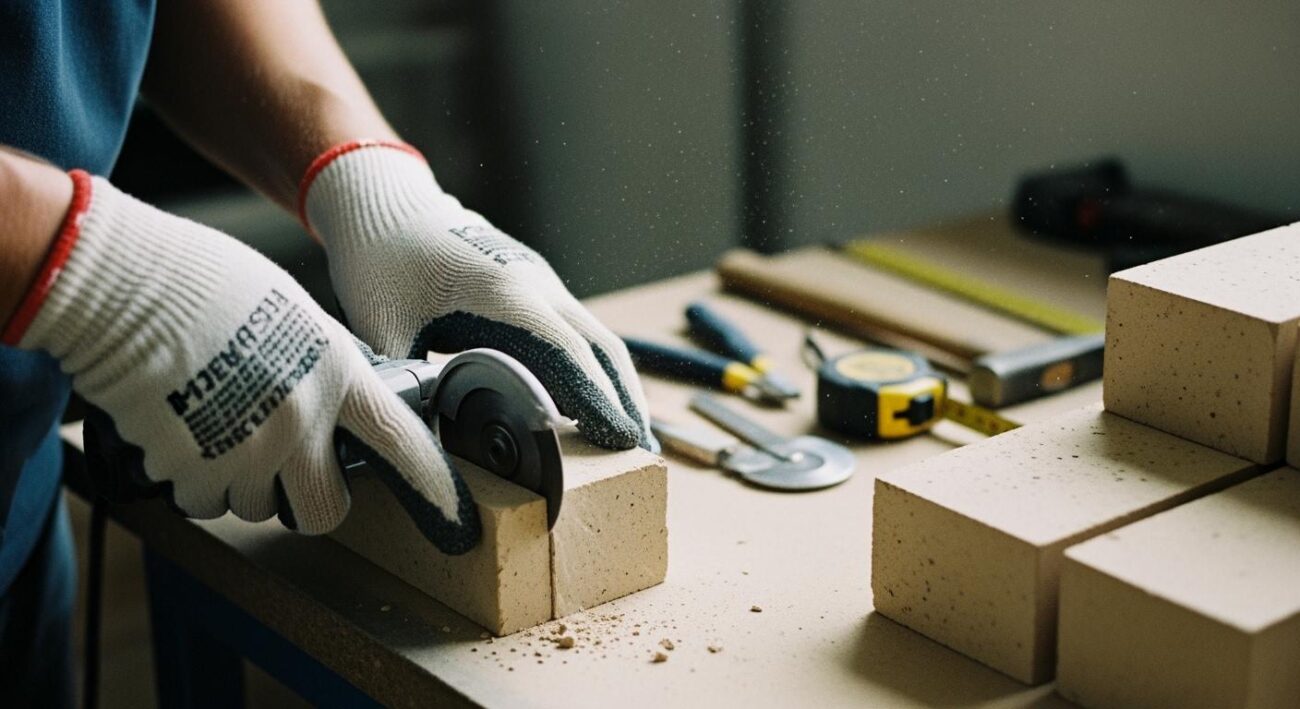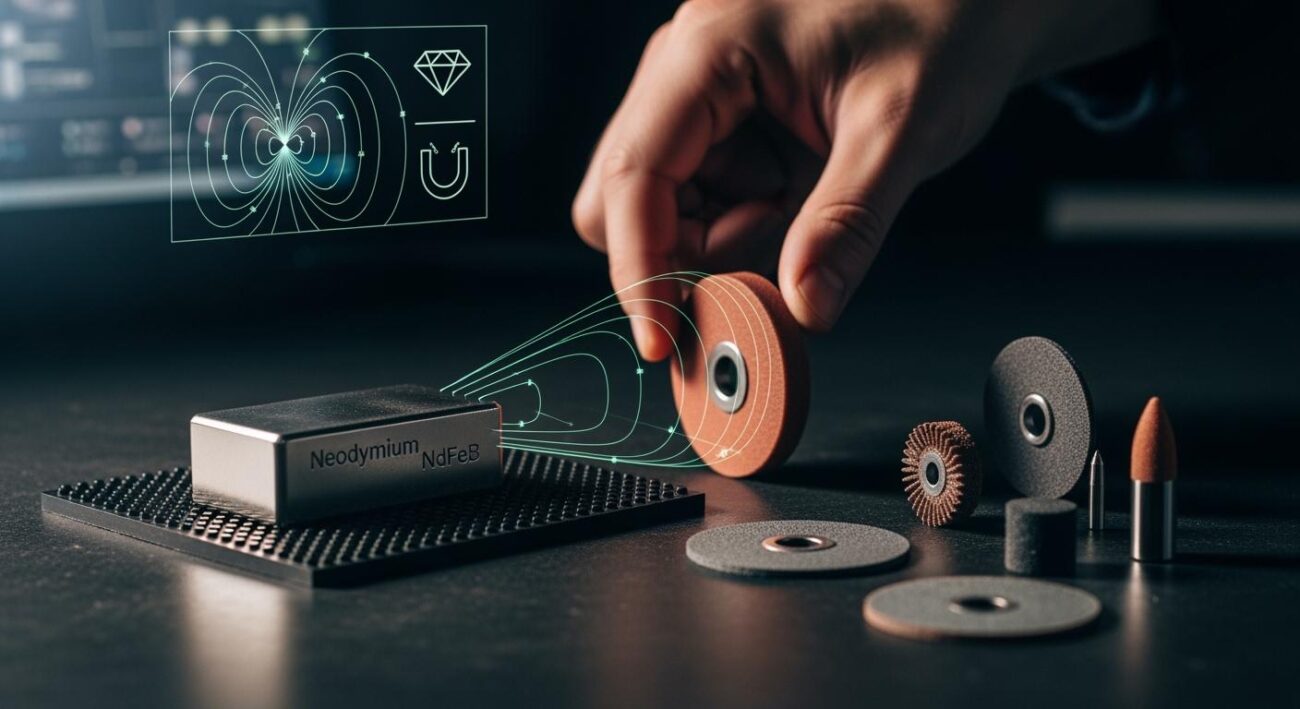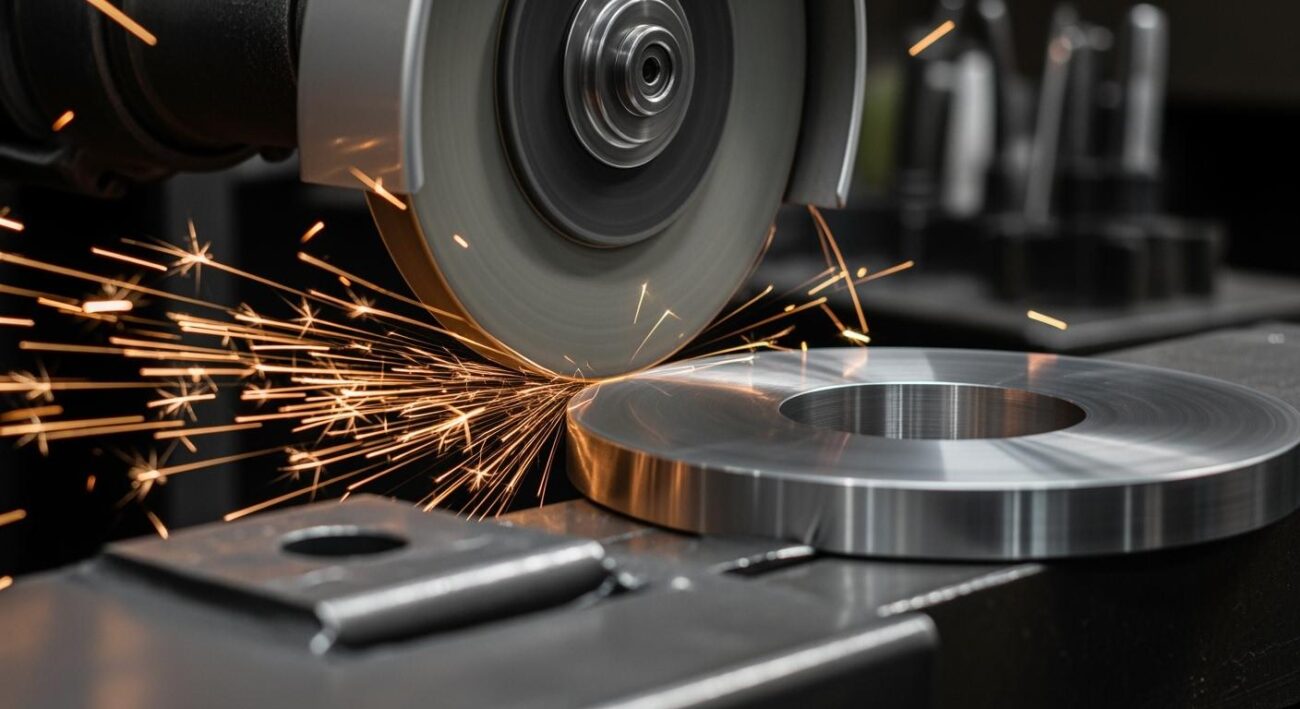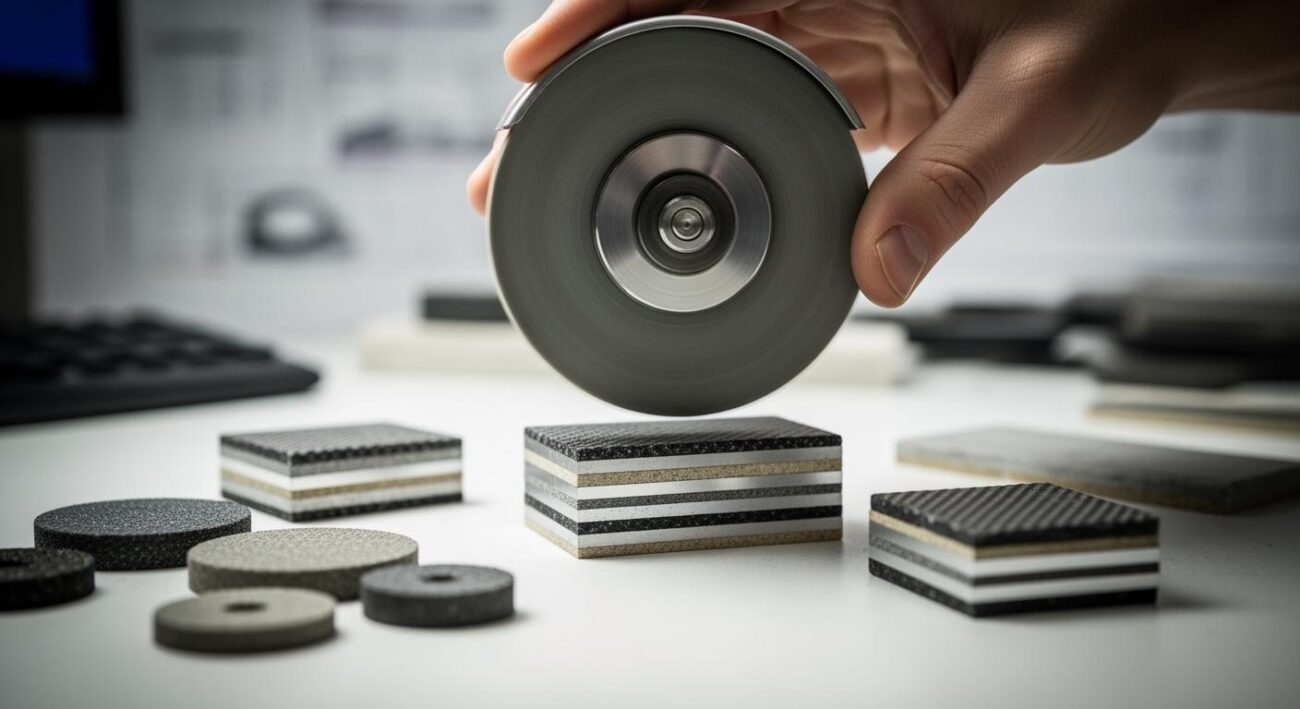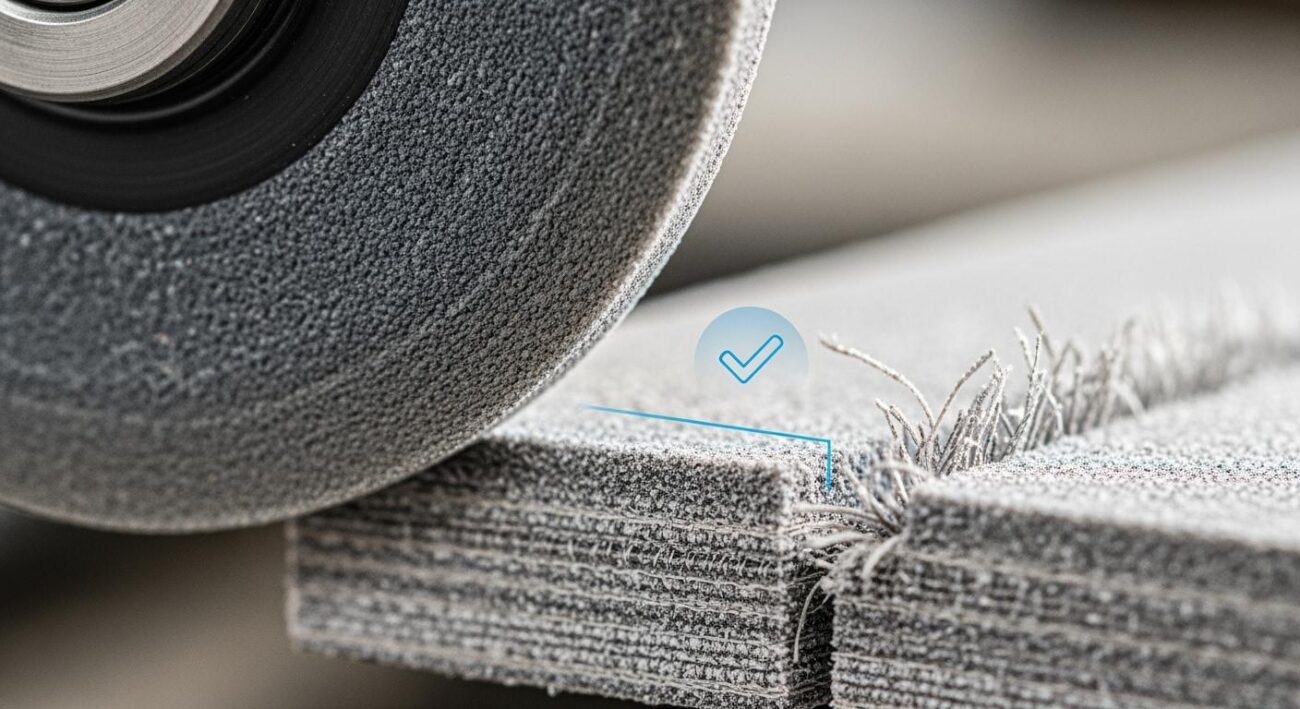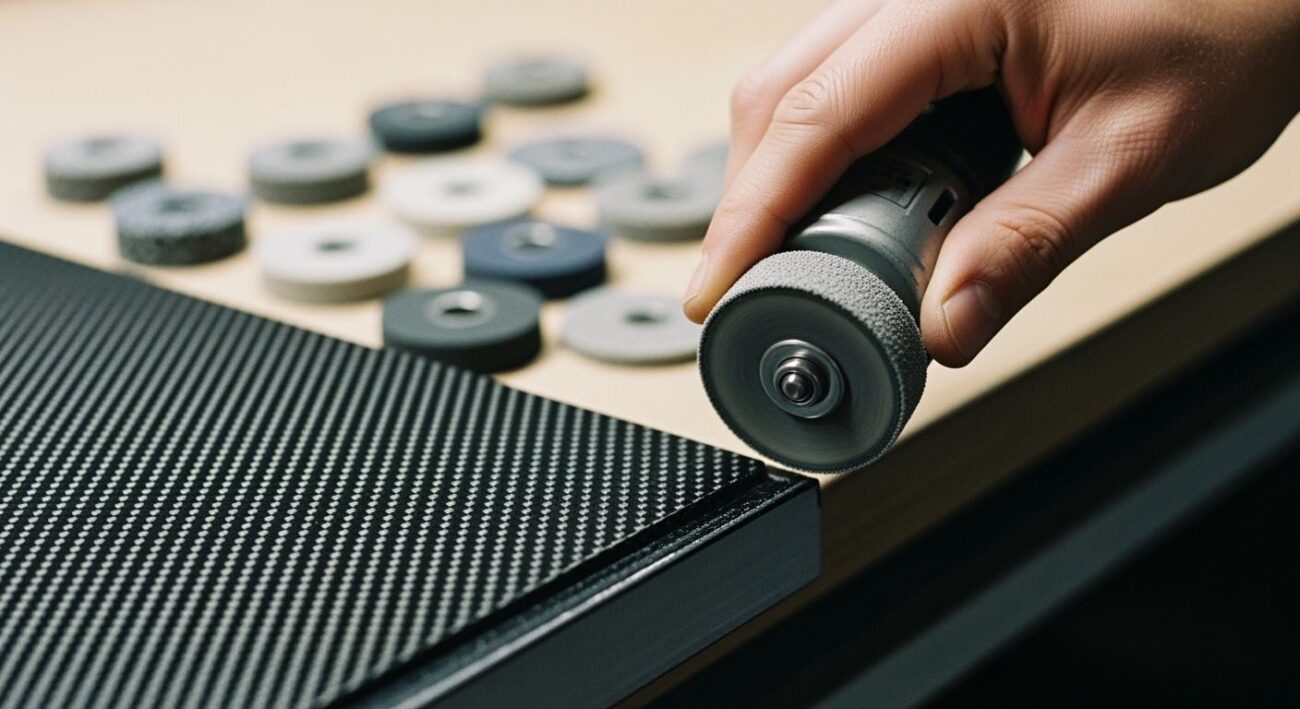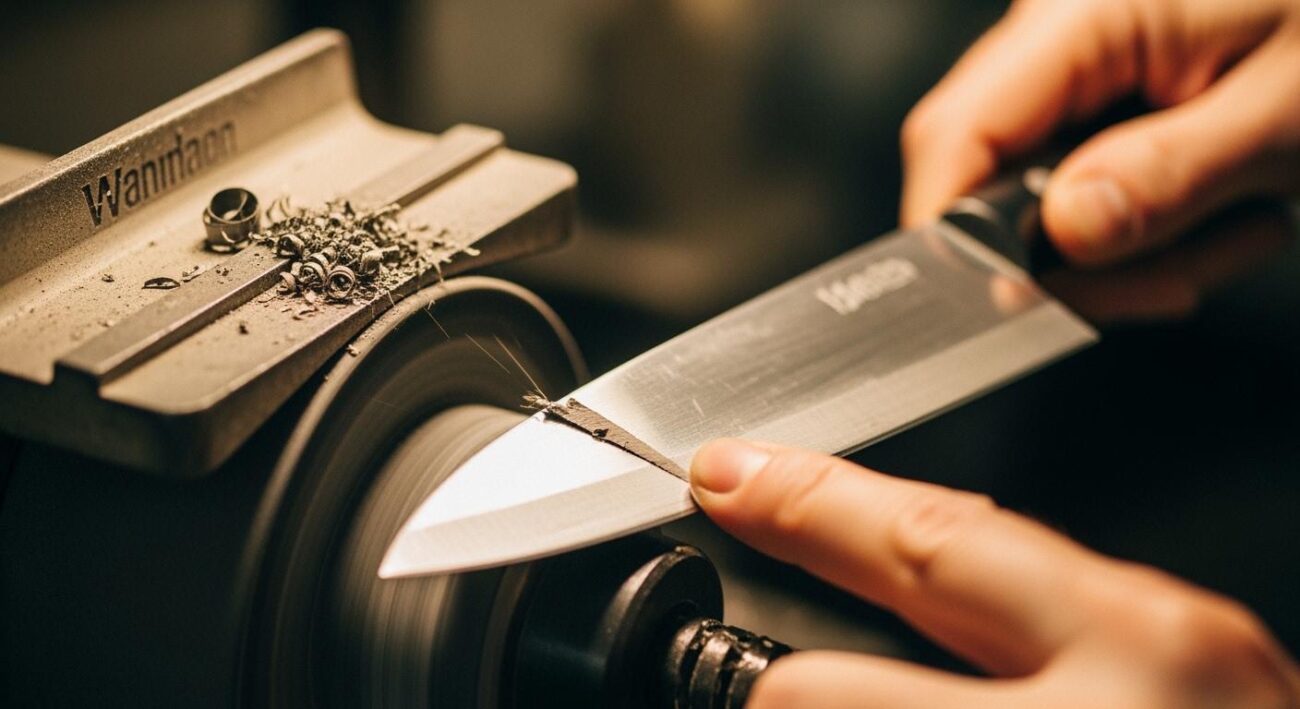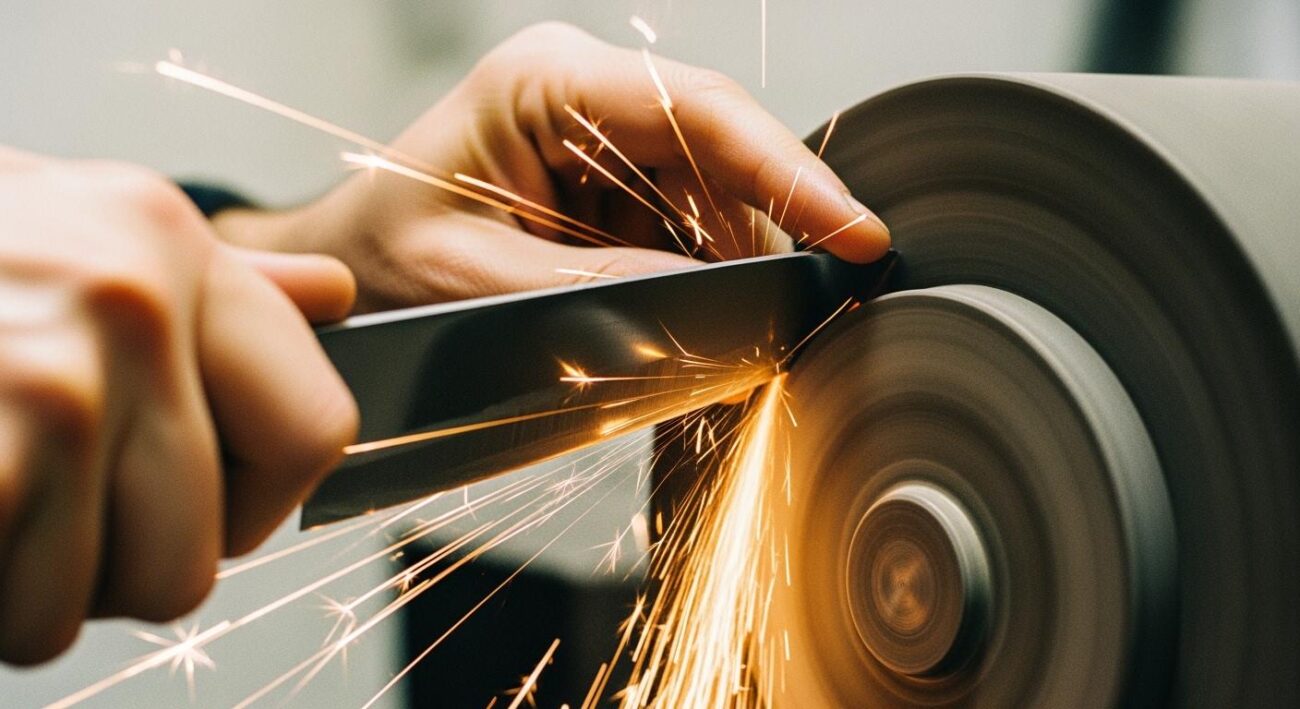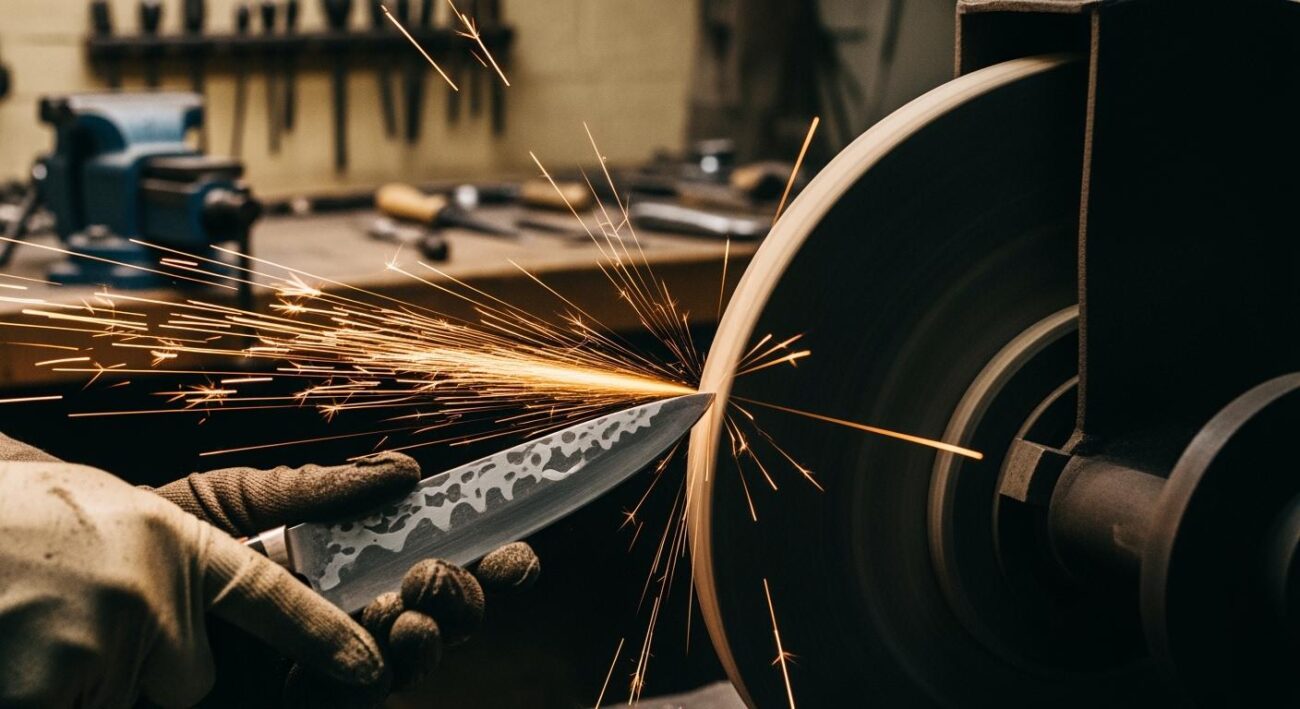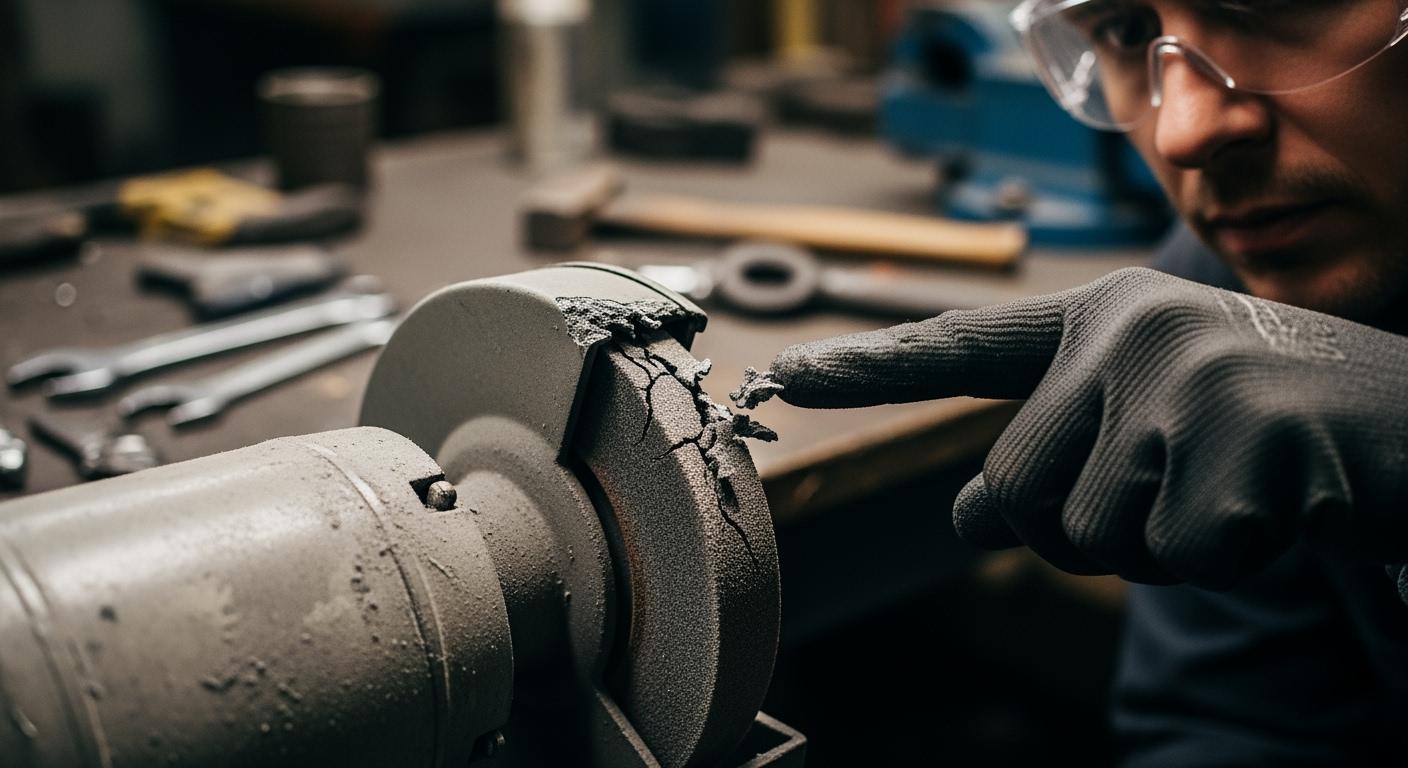
You may face grinding wheel edge breakdown for several reasons. Excessive pressure during your grinding application is a primary cause. Using the wrong grinding wheel or improperly dressed wheels also leads to a weak edge. Machine vibration can create similar grinding problems.
Troubleshooting Tip: To boost your grinding performance, you must diagnose the issue correctly. This guide walks you through Operator Technique, Wheel Selection, and Machine Setup to solve the problem with your grinding wheel.
Key Takeaways
- Operator technique, like using too much pressure or incorrect speed, can damage your grinding wheel.
- Choosing the right grinding wheel for your material and application prevents poor performance.
- Machine problems, such as vibration or imbalance, can cause the grinding wheel edge to break.
- Proper wheel dressing and adequate coolant flow are important for good grinding and wheel life.
Operator Technique and Common Grinding Problems
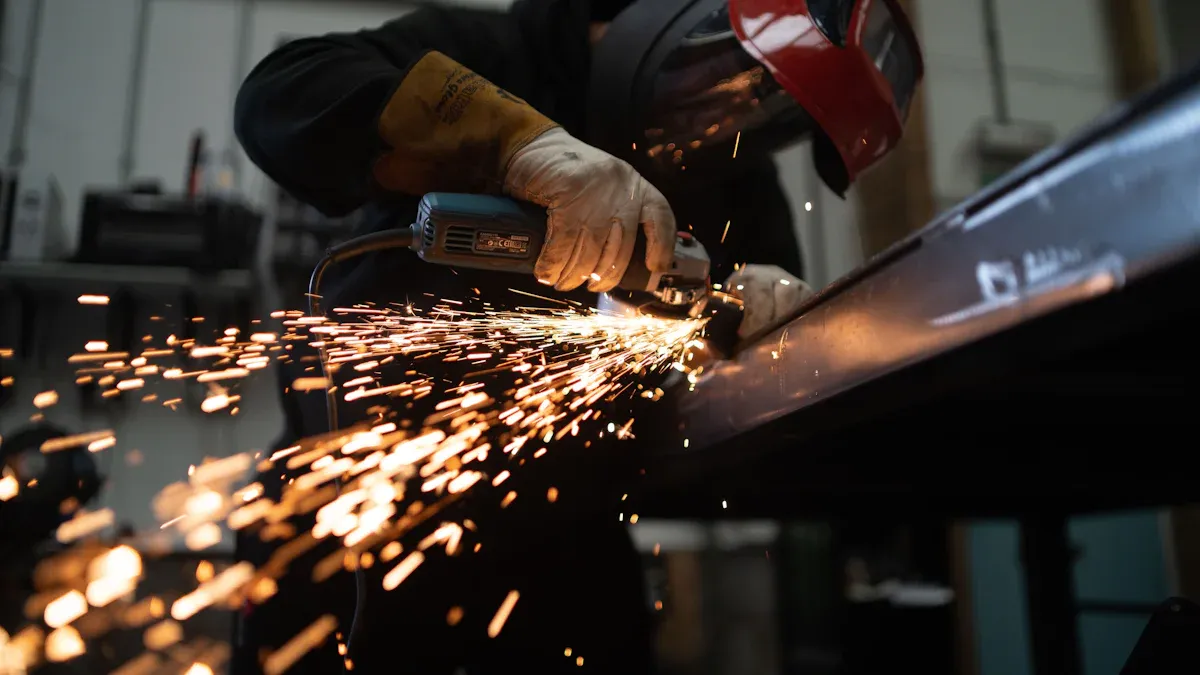
Your technique as an operator directly impacts grinding performance and the lifespan of your wheels. Many grinding problems, including grinding wheel edge breakdown, often start with how you handle the tool and the workpiece. Proper training is the foundation for excellent results and workplace safety. Effective training programs focus on safety and help you develop core skills in a controlled setting.
Operator Training Best Practices To optimize productivity and prevent errors, your training should cover:
- Core Skills: Learning to select the right grinding wheel and use proper pressure for the application.
- Tool Maintenance: Understanding how to set up tools correctly and perform routine maintenance.
- Safety Rules: Following essential dos and don’ts, like checking new wheels for damage and never removing guards.
- Continuous Learning: Participating in annual training to stay updated on hazards and risk controls.
Let’s explore three common technique-related issues that can damage your grinding wheel.
Excessive Grinding Pressure
Applying too much force is a primary cause of a weak or broken edge. You might think more pressure equals faster material removal, but it actually overloads the abrasive grains. This can cause the grinding wheel to fracture.
When you increase grinding pressure, the abrasive grains dig too deeply. This action creates thicker, irregular chips from the workpiece. The material bulges and forms plow grooves on the surface, which results in a poor surface finish. To avoid this, you need to use proper pressure for your specific application. For pneumatic tools, a general guideline can help you stay in the right range.
| Application | Recommended PSI Range |
|---|---|
| Most Pneumatic Tools | 90-120 PSI |
| Die Grinders | 70-90 PSI |
Note: Always check the manufacturer’s specifications for your specific tool. Most pneumatic tools operate best around 90 PSI.
Incorrect Traverse Speed
The speed at which you move the grinding wheel across the workpiece is just as important as the pressure you apply. Both a traverse speed that is too fast and one that is too slow can cause grinding issues.
- Too Fast: Moving the wheel too quickly can create impact shock on the wheel’s leading edge, causing it to chip or break. This aggressive approach compromises both safety and the quality of your work.
- Too Slow: A slow traverse speed increases friction and heat at the point of contact. This can lead to glazing, where the wheel’s surface becomes smooth and loses its cutting ability. A glazed wheel reduces productivity and may tempt you to apply more pressure, starting a cycle of problems.
Finding the right speed helps you achieve a balanced grinding process, leading to better performance and longer wheel life.
Improper Wheel Dressing
Dressing is the process of cleaning and re-sharpening the surface of a grinding wheel. An improperly dressed wheel cannot perform its job correctly. Over time, the abrasive grains on wheels become dull, or the wheel gets loaded with material from the workpiece. This reduces its cutting efficiency.
You can spot a poorly dressed wheel by looking for:
- Worn, flattened abrasive grains on the wheel’s surface.
- Metal particles stuck between the abrasive grains.
Dressing removes these loaded particles and dull grains, exposing a fresh, sharp cutting layer. The method you use depends on the type of wheel. Conventional abrasive wheels can be dressed with a diamond pen or roller. However, superabrasive wheels, like those made from diamond or CBN, are much harder and require specialized dressing techniques. Proper dressing restores the wheel’s performance, improves productivity, and is essential for safety.
Choosing the Right Grinding Wheel
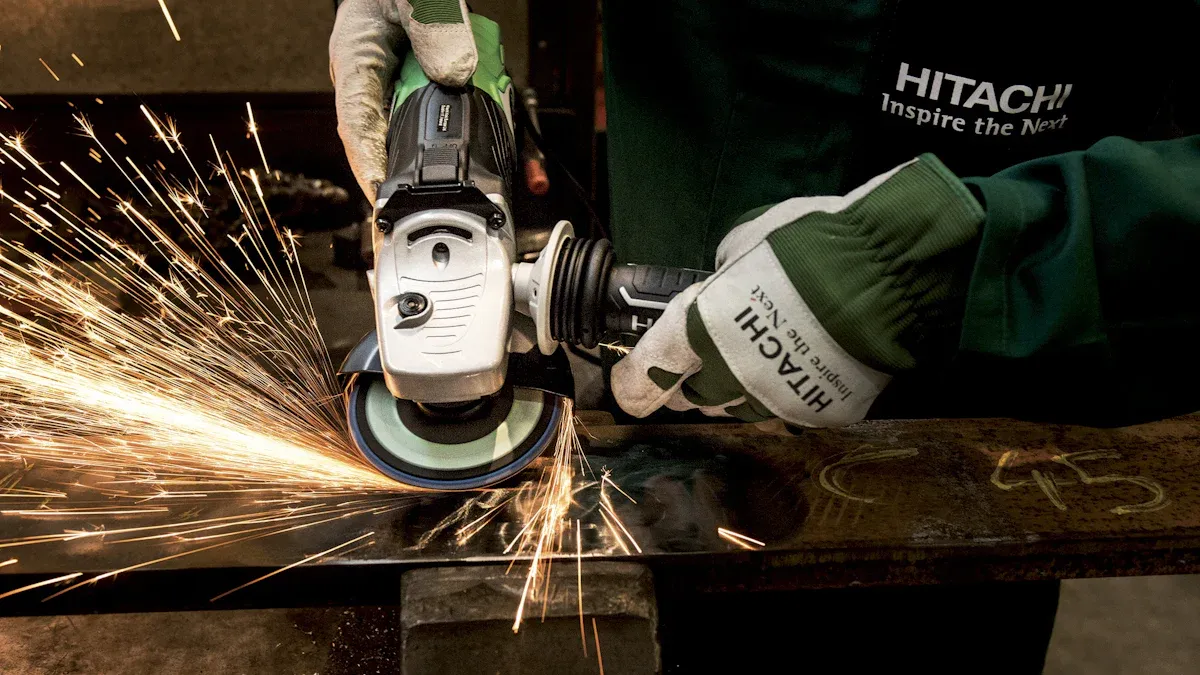
Selecting the correct grinding wheel is critical for your application. The wrong choice can lead to poor performance, low productivity, and grinding wheel edge breakdown. Your grinding success depends on matching the wheel’s specifications to the material and your desired finish.
Wrong Wheel Hardness or Grit Size
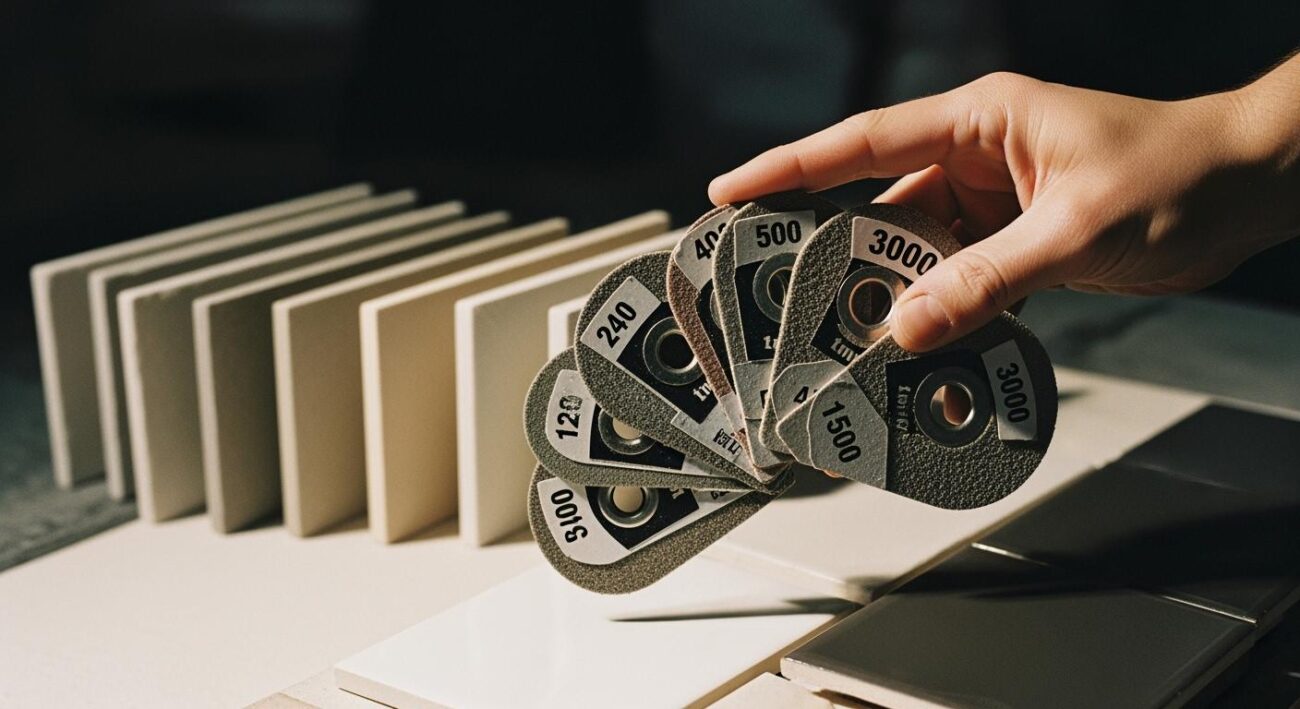
You must consider both wheel hardness (grade) and grit size for any grinding job.
- Hardness: A wheel that is too hard for your material will not break down correctly. The abrasive grains become dull, causing the wheel to rub instead of cut. A wheel that is too soft will wear down too fast, leading to a
wheel life too shortproblem. - Grit Size: Coarse grits are for rapid material removal, while fine grits produce a smoother surface finish. Using the wrong grit can hurt your productivity and the quality of your work.
Wheel Not Cutting: Glazing and Loading
If your grinding wheel is not cutting effectively, it may be glazed or loaded. These two issues directly impact grinding performance.
- Glazing: This happens when the abrasive grains on the wheel’s surface become dull. The wheel looks shiny and polished. A glazed wheel causes
wheel cutting slowlyand generates excess heat. - Loading: This occurs when particles from the workpiece get stuck between the abrasive grains. You will see bits of metal embedded in the grinding wheel face.
When your wheel is not cutting, dressing it will remove the dull or loaded layer and expose fresh, sharp abrasives.
Incorrect Abrasive or Bond for the Material
The abrasive material and the bond holding it together are key to a wheel’s success. Common abrasives like aluminum oxide work well for steel, but advanced materials require specialized wheels. Standard off-the-shelf wheels often fail when grinding hard alloys, ceramics, or composites, causing the edge to break down.
Expert Tip: Custom Solutions for Hard Materials
For challenging grinding applications, a custom solution ensures optimal performance. Aimgrind specializes in creating custom formulas to match specific materials and processes. Our diamond grinding wheels are engineered for the high-precision cutting of hard materials, preventing wheel failure and boosting productivity.
Using Damaged or Poorly Stored Wheels
Always inspect your grinding wheels before mounting them. A dropped or improperly stored grinding wheel can have hidden cracks. Using a damaged wheel is extremely dangerous and will result in poor cutting performance. Proper storage helps you optimize wheel life and ensures your wheels are ready for the next application.
Solving Grinding Wheel Edge Breakdown from Machine Issues
Sometimes, the problem isn’t your technique or the grinding wheel itself. Your machine’s condition is just as crucial for good grinding performance. Issues like vibration, imbalance, or poor alignment can directly cause grinding wheel edge breakdown. Let’s look at how you can diagnose and fix these machine-related problems.
Spindle Vibration and Runout
Your machine’s spindle holds and rotates the grinding wheel. If the spindle vibrates or has “runout” (wobbles off its axis), it creates serious problems. This movement causes the grinding wheel to hammer against the workpiece instead of cutting smoothly. The result is often chatter marks, a poor surface finish, and a damaged wheel edge.
You can identify these mechanical issues with a few diagnostic tests.
- Vibration Analysis: You can use sensors to monitor vibrations. This test detects early signs of bearing defects or alignment problems. Experts look at vibration frequency to pinpoint the exact issue. For example, a specific frequency might point to chatter, while another might indicate a problem with the spindle speed.
- Temperature Monitoring: You can use infrared tools to find hot spots. Overheating can signal lubrication problems or excessive loading on the spindle.
- Oil Analysis: You can test the machine’s lubricating oil. This analysis reveals information about component wear and contamination levels.
Troubleshooting Tip: Detective If you see chatter marks on your workpiece, the vibration frequency is a key clue. If the highest peak frequency is different from the tooth passing frequency, you likely have chatter. These vibrations are often more severe in the X-direction of the machine.
Wheel Imbalance
A balanced grinding wheel is essential for safety and productivity. An unbalanced wheel has a heavy spot. As the wheel spins, this heavy spot acts like a hammer, striking the spindle bearings with intense force on every rotation. This constant hammering causes several problems:
- It rapidly wears out spindle bearings, leading to costly repairs.
- It creates vibration that travels through the machine, damaging other components.
- It prevents the abrasive grains from making a clean, consistent cut, resulting in a wavy surface.
You must balance your wheels to prevent these issues. There are two main methods: static and dynamic balancing.
Static Balancing (Wheel is stationary)
- Remove all existing balancing weights from the grinding wheel.
- Place the wheel on a balancing stand and let it settle. The heaviest point will naturally move to the bottom.
- Mount one weight at this heaviest point.
- Place the other two weights at roughly 120° intervals from the first one.
- Rotate the wheel 90° and check its movement. Adjust the two side weights toward or away from the main weight until the wheel stays put in any position.
Dynamic Balancing (Wheel is spinning) This method often uses a balancing unit built into the grinding machine.
- Mount the grinding wheel in the machine.
- Start a measurement cycle while the wheel is rotating. The machine detects the imbalance.
- The balancing unit calculates the precise positions for the weights.
- The unit then automatically moves internal weights to their corrective positions to balance the wheel.
Properly balanced wheels are critical for any high-performance grinding application.
Machine Rigidity and Alignment
Your grinding machine must be stiff and properly aligned to work correctly.
- Rigidity is the machine’s ability to resist bending or flexing under the pressure of grinding. A machine that lacks rigidity will deflect during material removal, leading to inaccurate parts.
- Alignment refers to the correct positioning of all machine components, like the spindle, workpiece holder, and table.
Poor alignment can cause major issues. If the grinding wheel and workpiece are not perfectly parallel, you might produce tapered parts. This leads to higher scrap rates and more rework, which costs time and money. Think of it like the alignment on a car. Incorrect alignment causes tires to wear unevenly on one side. Similarly, machine misalignment can cause one side of your grinding wheels to wear down faster. While there is no single industry standard for measuring overall machine rigidity, you can use tools like load cells and ball bar testers to measure deflection under force.
Inadequate Coolant Flow
Coolant is the lifeblood of many grinding operations. It serves two main purposes: it lubricates the cutting action and it removes heat. Without enough coolant, you will face serious thermal damage. The intense friction from grinding generates a huge amount of heat. Inadequate coolant flow allows this heat to build up in both the workpiece and the grinding wheel.
This is similar to a car engine running without enough coolant. The engine overheats, which can cause parts to weld together and lead to total engine failure. In grinding, overheating can:
- Burn or warp the workpiece surface.
- Cause the bond in the grinding wheel to break down.
- Lead to “loading,” where melted bits of the workpiece clog the wheel’s cutting face.
Always ensure your coolant system is working correctly. Check that nozzles are aimed directly at the grinding zone and that the flow rate and pressure are set for your specific application. A clean, well-maintained coolant system is vital for protecting your wheels and ensuring high-quality productivity.
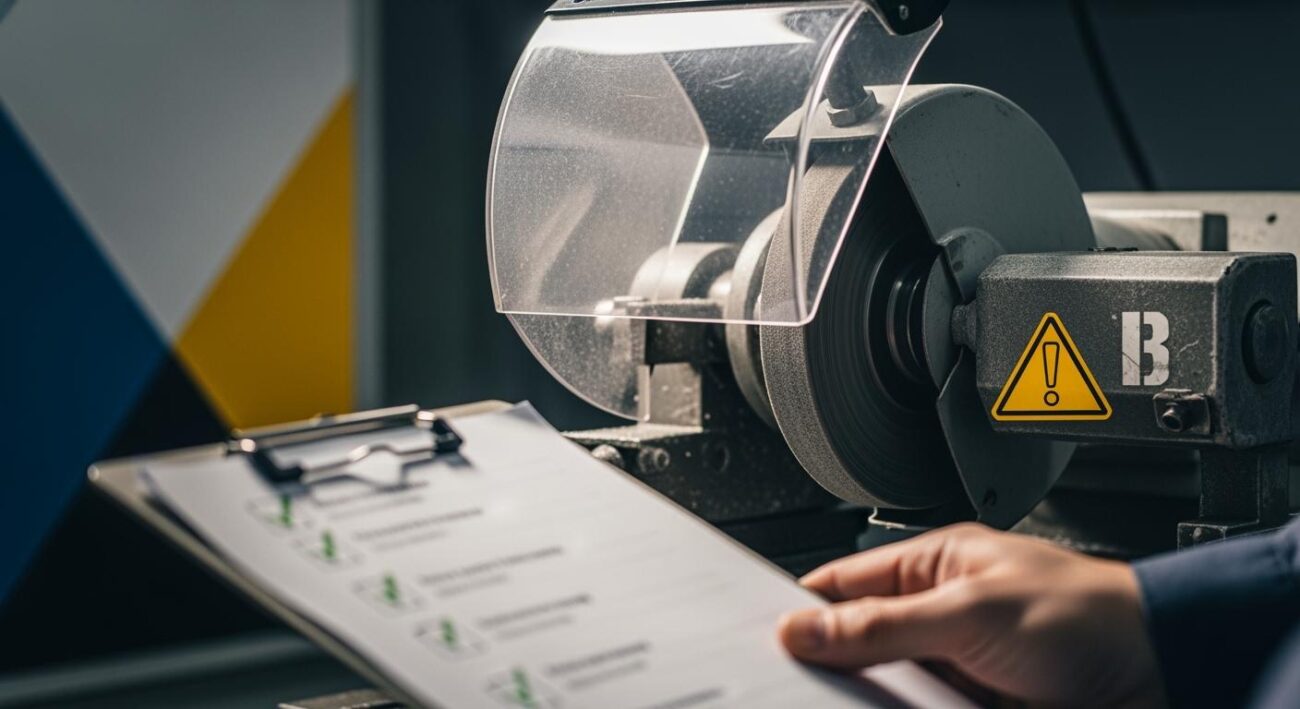
Solving grinding wheel edge breakdown requires a systematic approach. A simple checklist can help you prevent most grinding problems and optimize wheel life. This improves your grinding performance and productivity.
- ✅ Verify Wheel Specs: Ensure the grinding wheel matches your application.
- ✅ Inspect Wheels: Check for damage before every grinding use.
- ✅ Dress Properly: Keep your wheels sharp and clean.
- ✅ Check Machine: Confirm your spindle is balanced and the machine is rigid.
For persistent grinding problems or a challenging grinding application, a standard grinding wheel may not be enough. You can improve performance by consulting a specialist. Aimgrind provides custom wheels to solve your toughest grinding issues and boost productivity.
FAQ
How can I tell if I am using too much grinding pressure?
You can spot excessive pressure by observing the results. Look for burn marks on the workpiece, a poor surface finish, or rapid wheel wear. These signs indicate you need to reduce the force you apply during your grinding application.
Why is dressing my grinding wheel so important?
Dressing restores your wheel’s cutting ability. It removes dull grains and clogs from the wheel face. A properly dressed wheel ensures efficient grinding, improves part quality, and extends the life of your tool.
Can I use a grinding wheel that has a small chip?
No, you should never use a damaged wheel. Even a small chip can unbalance the wheel, creating a serious safety hazard. Always inspect your wheels before use and discard any that show signs of damage.
What is the first thing to check for machine-related grinding issues?
Start by checking for vibration. An unbalanced wheel or a worn spindle can cause chatter. This affects your grinding performance. Balancing your wheel and checking the machine’s speed can often solve the problem quickly.