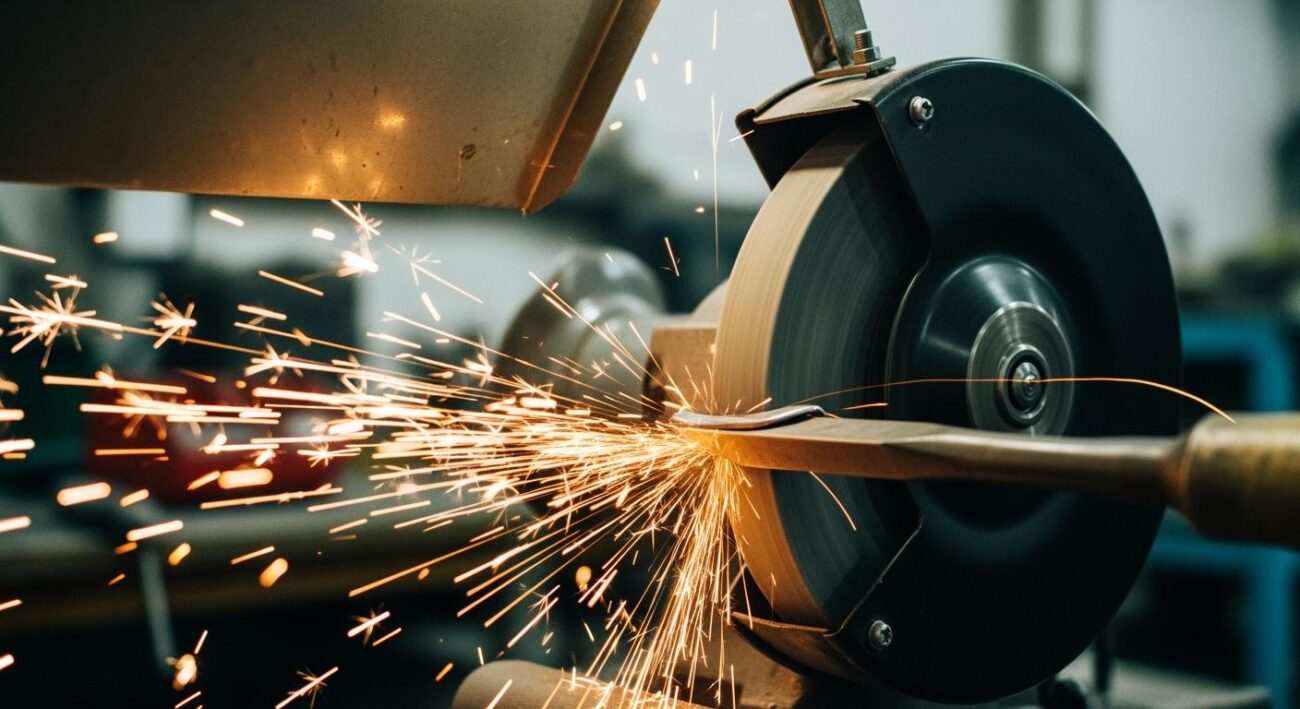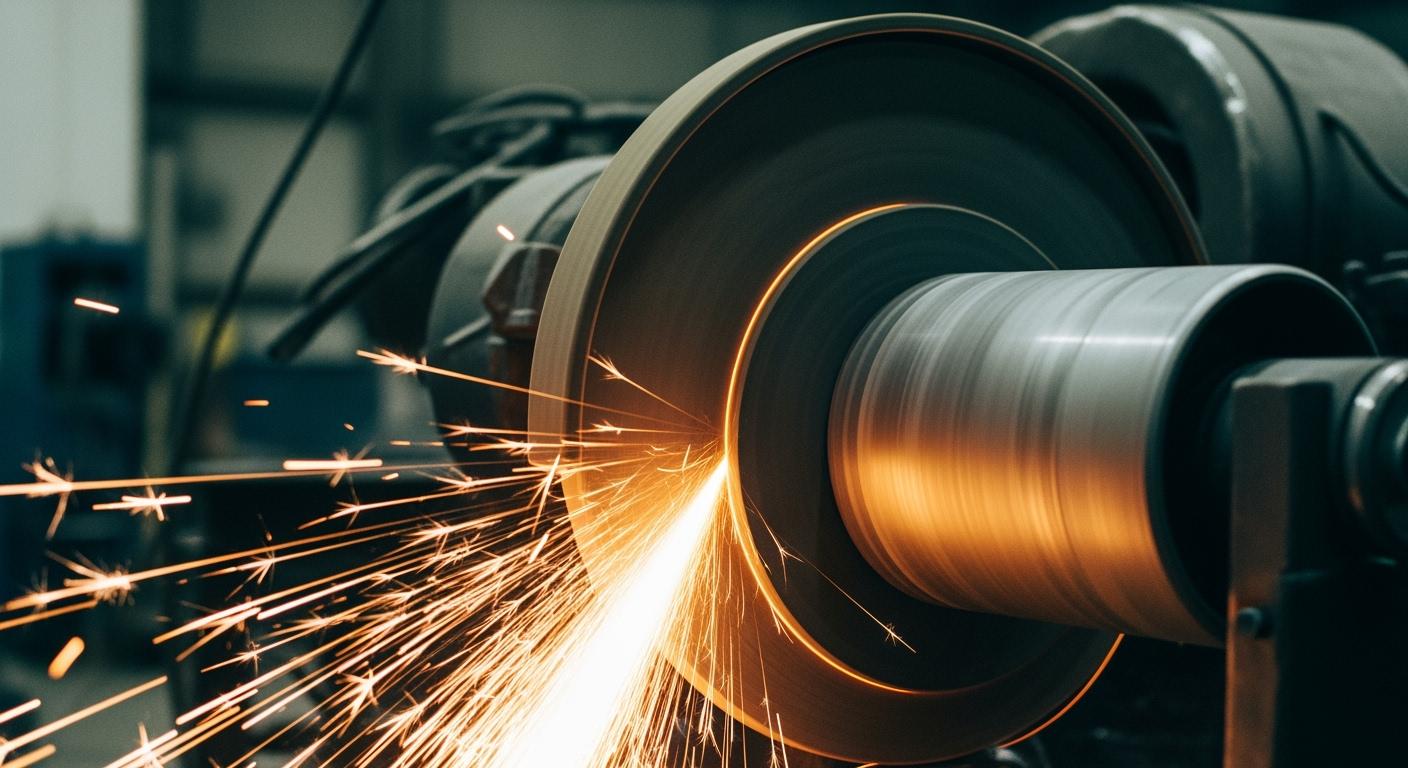
The grinding speed ratio, defined as q = Vs / Vw, compares the wheel speed to the workpiece speed. This critical ratio is the most important parameter in the entire grinding process. It allows machinists to control the grinding process with precision. This control directly dictates chip size, which impacts the material removal rate, the final workpiece quality, and the grinding wheel’s life. Mastering this ratio transforms the process. It moves the grinding process from guesswork to a scientific process, ensuring a stable grinding operation and a consistent workpiece. The wheel performs better in this controlled process.
Key Takeaways
- The grinding speed ratio (wheel speed divided by workpiece speed) is the most important factor in grinding.
- This ratio controls chip size, surface quality, and the life of the grinding wheel.
- Adjusting the speed ratio helps fix common problems like workpiece burn, wheel glazing, and poor surface finish.
- Different materials need different speed ratios for the best grinding results.
Why the Critical Ratio is Key for Grinding
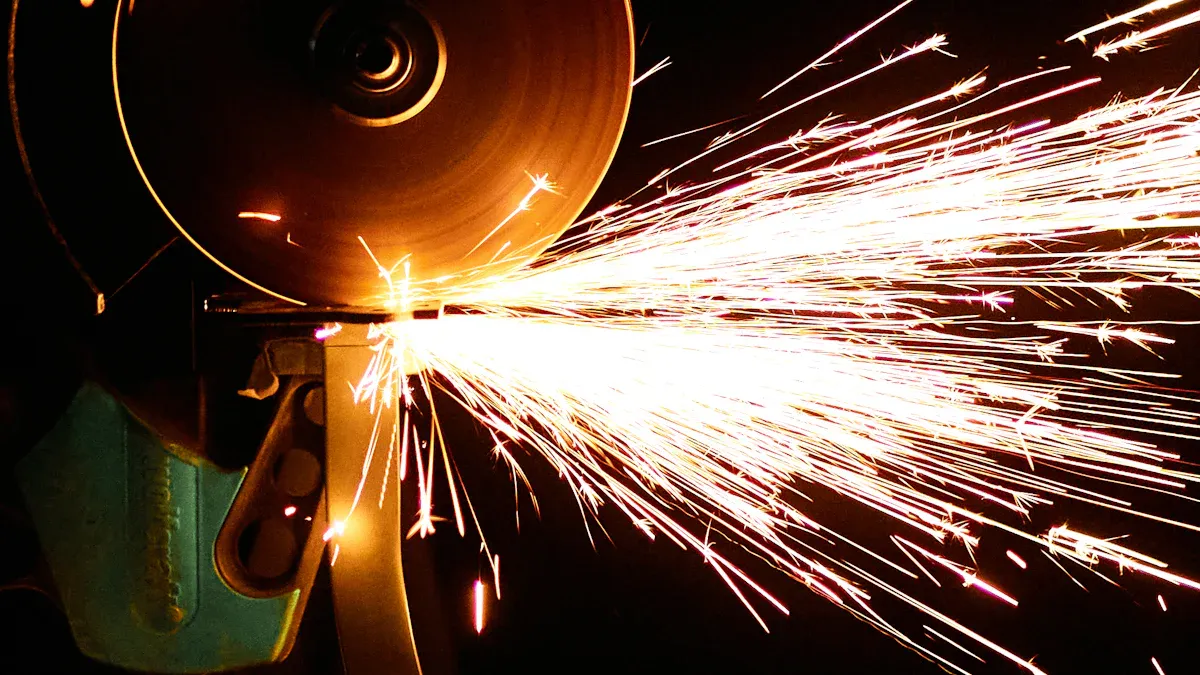
The critical ratio is the control center for the entire grinding process. It directly influences how the abrasive grains on the wheel interact with the workpiece. A machinist who understands this ratio can fine-tune the grinding process for optimal results. This control moves the process from a guessing game to a precise science.
The Impact on Chip Formation
The speed ratio determines the thickness of each chip removed from the workpiece. A higher ratio, where the wheel moves much faster than the workpiece, creates thinner, smaller chips. This change happens because high-speed grinding alters the material removal mechanism. The process shifts between rubbing, ploughing, and cutting based on the grinding speed. While smaller chips can sometimes lower grinding forces, they are not always better for the process. The right chip size is essential for an efficient grinding process and effective material removal rate.
Controlling Surface Finish and Integrity
A smooth surface is often a primary goal of the grinding process. Generally, a higher cutting speed results in a better surface finish on the workpiece. However, surface quality is only part of the story. An incorrect critical ratio can introduce excessive heat or stress into the workpiece. This can cause hidden subsurface damage or cracks that are not visible on the surface. Achieving a perfect finish requires a balanced process that protects the internal integrity of the workpiece material.
Note: A successful grinding operation produces a workpiece that is both smooth on the surface and strong underneath. The speed ratio is the key to achieving this balance.
Effect on Grinding Forces and Wheel Life
The grinding ratio also dictates the forces exerted on the grinding wheel and its resulting lifespan. An incorrect speed can cause major problems for the wheel. If the speed is too high, the wheel can overheat, causing the bond holding the abrasives to break down. This leads to rapid wheel wear. If the speed is too low, the wheel becomes inefficient and wears faster from excessive rubbing against the workpiece. A properly managed grinding process protects the wheel, reduces costs, and ensures the entire operation runs smoothly.
Calculating the Grinding Speed Ratio
Transitioning from guesswork to a scientific grinding process requires calculation. Machinists can unlock a new level of control by understanding and applying a few key formulas. These calculations form the foundation of an optimized grinding process.
Formulas for Wheel Speed & Workpiece Speed
First, a machinist must determine the surface speed of both the grinding wheel and the workpiece. Surface speed measures how fast a point on the outer edge of the wheel or workpiece is traveling.
- Wheel Surface Speed (Vs): This is the speed at which the abrasive grains on the grinding wheel meet the workpiece.
- Imperial (SFPM):
Vs = (π * Wheel Diameter in inches * RPM) / 12 - Metric (m/s):
Vs = (π * Wheel Diameter in mm * RPM) / 60,000
- Imperial (SFPM):
Pro Tip: A simple approximation for the imperial formula is
(Wheel Diameter in inches * RPM) / 4. The fundamental formula for surface speed is the same for both systems. Machinists just need to convert units for a consistent process. For example, 1 SFPM is equal to 0.00508 meters per second (m/s).
- Workpiece Surface Speed (Vw): This calculation depends on the type of grinding operation.
- Cylindrical Grinding: The formula is similar to the wheel speed calculation. It uses the workpiece diameter and its rotational speed.
- Surface Grinding: The speed is simply the table speed of the grinding machine as it moves the workpiece.
The Speed Ratio Formula (q = Vs / Vw)
Once a machinist knows both surface speeds, calculating the grinding speed ratio is simple. The formula is a direct comparison of the two values.
q = Vs / Vw
This critical ratio, often written as qs, shows how many times faster the grinding wheel’s surface moves compared to the workpiece’s surface. For example, a speed ratio of 60 means the grinding wheel surface travels 60 times faster than the workpiece surface. This number is the key to controlling the entire grinding process.
Recommended Ratios for Materials
Different materials and grinding operations require different speed ratios for optimal results. The values in the table below are excellent starting points for setting up a new grinding process.
| Grinding Type | Material | Recommended Speed Ratio (q) |
|---|---|---|
| Conventional Grinding | Hardened Steels (e.g., 4140) | 60 to 100 |
| Surface Grinding | General Metals | 50 to 120 |
| Creep-Feed Grinding | Various | Higher than 1000 |
| Cylindrical Grinding | Ceramics | 25-30 m/s (Wheel) / 10-12 m/min (Workpiece) |
| Grinding | Titanium Alloys | 12-15 m/s (Wheel) |
For example, grinding hardened 4140 steel often works best with a wheel speed between 30–35 m/s. Grinding titanium requires a lower wheel speed of 12-15 m/s to prevent overheating the workpiece. The grinding process for advanced materials like ceramics or composites can be even more complex. Increasing the cutting speed on these materials can cause the grinding wheel to wear out much faster.
For these specialized materials, achieving the perfect grinding process often requires more than a standard wheel. Partnering with an expert like Aimgrind helps determine the ideal parameters. Aimgrind can also help select the right tool, such as their high-performance diamond grinding wheels, which are engineered for the unique challenges of grinding hard ceramics and composites. This ensures the grinding wheel, the workpiece, and the process all work together perfectly.
Grinding Process Optimization via Ratio Adjustment

Calculating the speed ratio is the first step. The next step is using that knowledge for grinding process optimization. A machinist can use the ratio as a powerful diagnostic tool. Adjusting the wheel or workpiece speed solves many common grinding problems. This section is a troubleshooting guide to help fine-tune your grinding process for perfect results.
Solving Workpiece Burn
Workpiece burn appears as a discolored, bluish, or brown mark on the material’s surface. This indicates thermal damage that can compromise the workpiece integrity.
Cause: Burn is a direct result of excessive heat from friction. This often happens when the speed ratio is too high. A very fast grinding wheel and a slow workpiece create prolonged rubbing. Experiments show that lower workpiece speeds actually increase the risk of thermal damage. The slow movement prevents heat from dissipating effectively from the grinding zone.
Solution: A machinist must decrease the speed ratio to fix workpiece burn. The most effective way to do this is by increasing the workpiece speed. A faster workpiece moves heat away from the grinding area more quickly, leading to a cooler process.
Actionable Tip: Increasing the workpiece RPM generally leads to lower workpiece temperature. This simple adjustment is a primary method for preventing burn and cracking during the grinding process. A faster workpiece speed allows for a more efficient grinding process.
Fixing Wheel Glazing and Loading
A grinding wheel must remain sharp and clean to cut effectively. Glazing and loading are two common problems that reduce wheel performance and can damage the workpiece.
Cause: Both issues often stem from a speed ratio that is too high.
- Glazing occurs when the abrasive grains on the grinding wheel become dull. The cutting force is too low to fracture the grains and expose new, sharp edges. This creates a smooth, ineffective wheel surface.
- Loading happens when chips from the workpiece clog the pores of the grinding wheel. A high ratio creates very fine chips that easily get stuck, preventing the wheel from cutting properly.
Solution: The solution is to decrease the speed ratio. This increases the force on each abrasive grain. This higher force encourages the wheel to “break down” in a controlled way, a process known as self-sharpening. The dull grains fracture away, exposing fresh cutting edges. This action also creates larger chips that are more easily ejected from the wheel, preventing loading. This adjustment improves the overall grinding process.
Improving Poor Surface Finish
An ideal grinding process produces a smooth, uniform surface. Scratches, waviness, or an inconsistent finish are signs that the process needs adjustment.
Cause: An incorrect speed ratio is a frequent cause of poor surface finish.
- A ratio that is too low can cause material to build up on the cutting edge, leading to deep scratches on the workpiece.
- A ratio that is too high can cause vibrations, especially on long or unstable workpieces. This vibration translates into an uneven, wavy finish.
Solution: The key is to find the correct balance for the specific grinding operation. In cases where low speed causes scratches, increasing the workpiece speed can create a cleaner cut. For vibration-related issues, adjusting the speed can shift the system out of its harmonic frequency. The goal is a stable grinding process that delivers a consistent finish across the entire workpiece.
Eliminating Chatter and Vibration
Chatter is a specific type of vibration that creates a distinct, repeating pattern on the workpiece surface. It harms surface finish and can cause premature wear on both the grinding wheel and the machine.
Cause: Chatter happens when the grinding process excites the natural resonant frequency of the machine, grinding wheel, or workpiece. The speed ratio is a major factor that can trigger this vibration.
Solution: A machinist can eliminate chatter by changing the operating speeds to alter the system’s vibration frequency.
- Decrease the wheel speed. A small reduction of just 5 m/s can make the grinding wheel act one grade softer, which helps to dampen the vibration.
- Increase the workpiece speed. This also makes the wheel act softer and break down more easily, interrupting the harmonic vibration causing the chatter.
Mastering these adjustments turns a frustrating problem into a solvable one. Using high-performance tools makes this process even more effective. For example, Aimgrind’s diamond grinding wheels are engineered for exceptional stability and consistency. Their robust construction makes the outcomes of speed adjustments more predictable, helping you achieve a flawless finish with every grinding process. This is a key part of grinding process optimization.
The wheel-to-workpiece speed ratio is the primary control for the entire grinding process. It directly influences grinding efficiency, performance, and cost. Understanding how to calculate and adjust this speed is a core skill. A machinist uses it to solve common problems and optimize the grinding process for peak performance and efficiency. This process enhances grinding efficiency and performance. For complex grinding on newer alloys, expert help is critical for process efficiency and performance. This process ensures grinding efficiency and performance.
Start by calculating your speed ratio today. For complex applications or to find the perfect custom tool for your process, contact the experts at Aimgrind to grind with passion and achieve with aim.
FAQ
What is the most important factor in grinding?
The speed ratio is the most important factor in grinding. It controls the entire grinding process. A machinist uses it to manage how the grinding wheel interacts with the workpiece. This ensures successful grinding and protects the grinding wheel.
How does speed ratio affect the grinding wheel?
An incorrect ratio damages the grinding wheel. A high ratio can cause glazing, where the grinding wheel becomes dull. A low ratio can cause the grinding wheel to wear too quickly. Proper grinding requires a balanced ratio to maintain the grinding wheel.
Can I use the same speed ratio for all materials?
No. Different materials need different ratios for optimal grinding. Hardened steel grinding requires a different setup than ceramic grinding. Each material interacts uniquely with the grinding wheel, so adjustments are necessary for a good grinding result.
What happens if my grinding wheel gets loaded?
A loaded grinding wheel has its pores clogged. This stops the grinding wheel from cutting effectively. Decreasing the speed ratio helps the grinding wheel self-sharpen. This action cleans the grinding wheel and restores its cutting ability for better grinding.