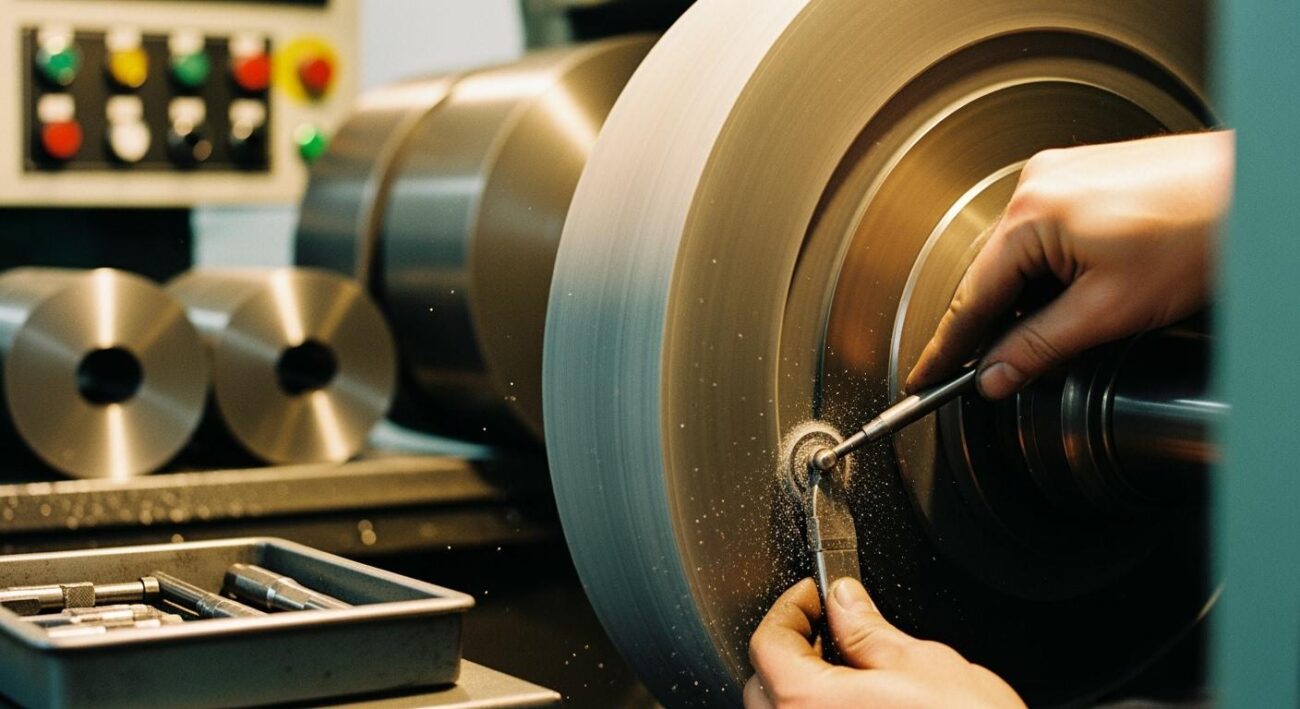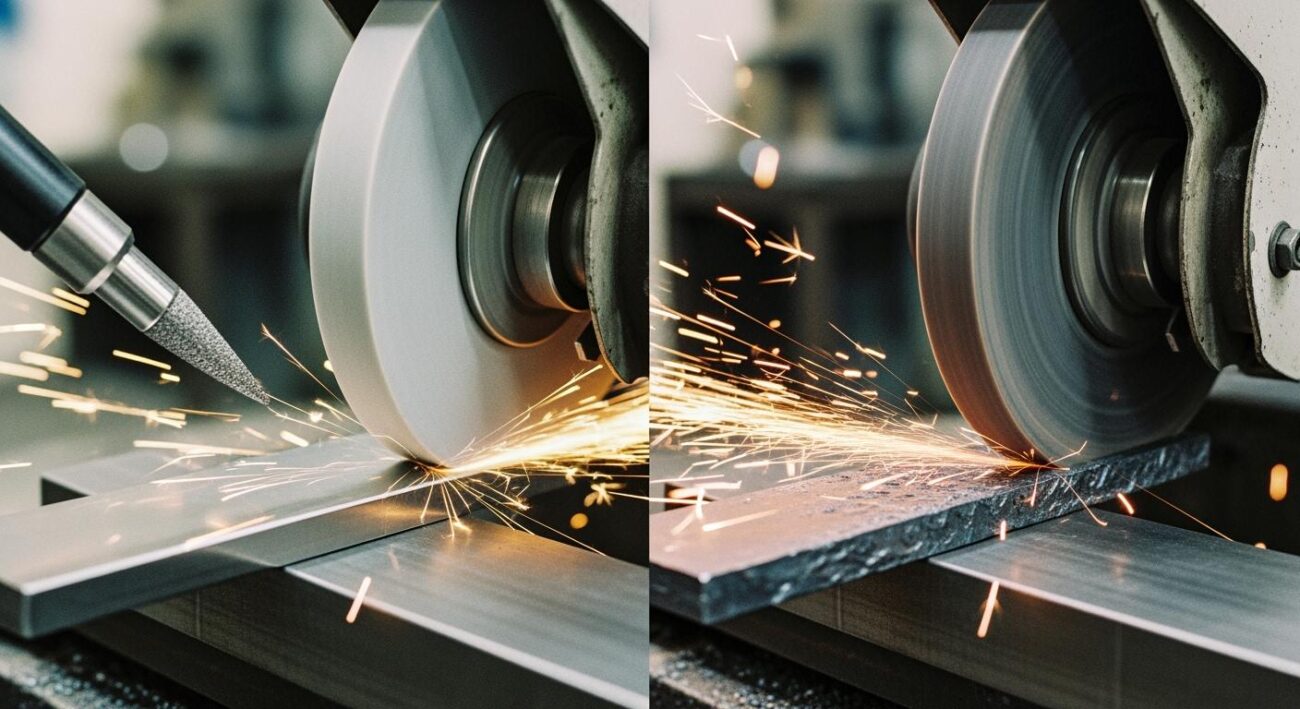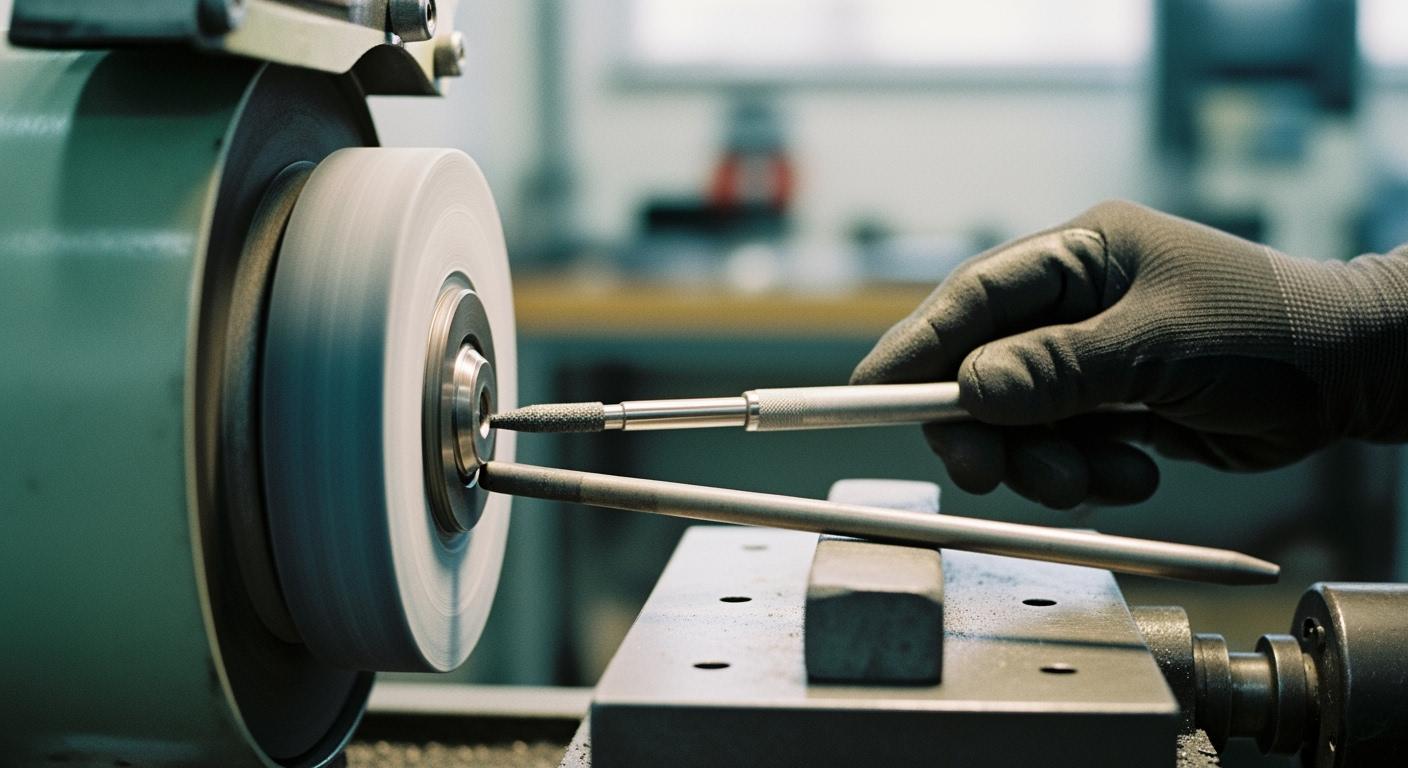
You need to keep your grinding wheel sharp and accurate. Truing and dressing are important operations. Truing helps you fix the wheel’s shape. Dressing makes the wheel’s surface clean and sharp. These are not the same. Aimgrind offers expert grinding solutions and diamond grinding wheels that help you get the best results. You can follow clear steps and best practices to restore your wheel’s performance.
Key Takeaways
- Truing restores the shape of your grinding wheel, ensuring it runs true and cuts evenly. Always perform truing before dressing.
- Dressing cleans and sharpens the wheel’s surface, exposing fresh diamond grits. This step is essential for maintaining cutting power.
- Regularly inspect your grinding wheel for damage and wear. Early detection helps prevent performance issues and extends wheel life.
- Use the correct tools for truing and dressing. A single point diamond dresser is ideal for truing, while a white aluminum oxide dressing stick works best for dressing.
- Follow safety protocols during maintenance. Always wear protective gear and ensure a stable setup to prevent accidents.
What Is Truing and Dressing?
Truing Explained
You need to keep your grinding wheel in perfect shape to get the best results. Truing is the process that restores the original geometry of your wheel. When you use a diamond grinding wheel, it can wear unevenly over time. Truing makes the wheel round and concentric with the spindle. You use a special tool to machine the entire face of the wheel. This step ensures that the diamond grinding wheel runs true and does not wobble. If you skip truing, your grinding wheel may not cut evenly. You will see better accuracy and balance after truing. Aimgrind’s diamond grinding wheels are designed for easy truing, so you can keep your wheel in top condition.
Dressing Explained
Dressing is the next important step for your grinding wheel. You use dressing to clean and sharpen the surface of the wheel. When you grind hard materials, the diamond wheel can get clogged with debris or metal particles. Dressing removes this loaded material and exposes fresh, sharp diamond grits. You use a softer abrasive tool for dressing. This process does not change the shape of the wheel. Instead, it refreshes the cutting surface. Dressing helps your diamond grinding wheel stay sharp and effective. You should always dress the wheel after truing. Aimgrind’s diamond grinding wheels respond well to proper dressing, giving you a clean and sharp surface every time.
Why Truing and Dressing Matter
You cannot ignore truing and dressing if you want high performance from your diamond grinding wheel. These two operations keep your wheel sharp, accurate, and ready for tough jobs. If you neglect truing and dressing, you may face several problems:
Consequence Description Uneven wheel wear The grinding wheel experiences irregular wear patterns, affecting performance. Impaired cutting power The efficiency of the grinding process is reduced due to less effective cutting. Inferior workpiece surface quality The final product may have a poor finish, impacting overall quality. Glazing or clogging The wheel can become coated with metal particles, hindering its effectiveness. Excessive heat generation Increased heat can lead to damage and reduced grinding efficiency.
You want your diamond grinding wheel to last longer and deliver precise results. Truing and dressing help you avoid these issues. Aimgrind’s diamond grinding wheels make these operations simple, so you can focus on your work and achieve the best finish.
Difference Between Truing and Dressing
Purpose and Results
You need to understand the difference between truing and dressing to keep your diamond grinding wheel in top shape. Truing and dressing serve different purposes, but both are essential for your grinding process. Truing focuses on restoring the original shape of your diamond grinding wheel. You use truing to make sure the wheel runs perfectly round and matches the spindle’s axis. This step removes material from the wheel, correcting any irregularities. When you perform truing, you prevent poor surface finishes, improper tolerances, and possible wheel failure. You always true before you dress, because truing changes the wheel’s geometry.
Dressing, on the other hand, cleans and sharpens the surface of your diamond grinding wheel. You use dressing to remove passivated grains and debris. This exposes fresh diamond abrasive grains and creates chip space. Dressing does not change the shape of the wheel. Instead, it keeps the grinding quality high and ensures your workpieces have consistent dimensions. You must avoid forgetting to dress after truing, as this step restores the wheel’s cutting power.
Here is a quick comparison for Aimgrind diamond grinding wheels:
| Operation | Purpose | Description |
|---|---|---|
| Truing | Correct irregularities | Restores wheel shape and concentricity |
| Dressing | Maintain performance | Exposes fresh diamond grains and cleans surface |
When to True or Dress
You can spot when your diamond grinding wheel needs truing or dressing by watching for certain signs. If you notice diminished grinding performance, increased sparks, or more dust, your wheel may need attention. An inability to get a proper surface finish or uneven wear also signals a problem. If your diamond grinding wheel feels clogged or glazed, it is time for dressing. If the wheel wobbles or does not run true, you need truing.
You should always true before you dress, especially when you install a new diamond grinding wheel or after heavy use. Forgetting to dress after truing can leave the wheel’s surface dull and less effective. Dressing should happen whenever you see a drop in grinding quality or when the wheel’s surface looks loaded with debris. By following these steps, you keep your Aimgrind diamond grinding wheel sharp, accurate, and ready for any job.
How to True a Diamond Grinding Wheel
Tool Selection for Truing
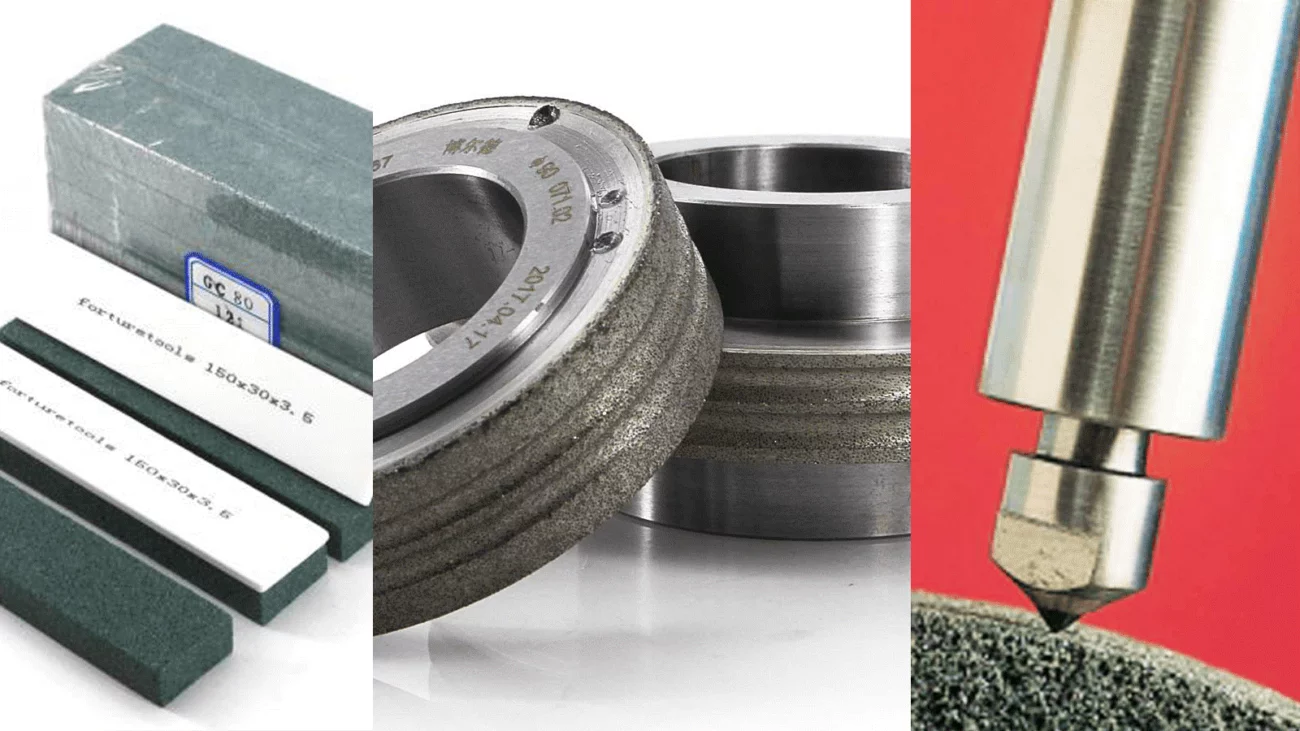
You need to select the correct truing tool before you start the truing process. The right tool helps you true a diamond grinding wheel and restore its shape. Single point diamond dressers work best for Aimgrind diamond grinding wheels. These tools use premium natural and synthetic diamonds. You can find dressers made from CVD, PCD, or MCD diamonds. The shank uses durable stainless steel. You use these tools for grinding wheel correction, sharpening, dressing, and restoring performance. They work well for bearing abrasive wheels, crankshaft and gear grinding, and precision tool grinders.
| Key Features | Description |
|---|---|
| Tool Type | Single Point Diamond Dressers |
| Material | Premium natural and synthetic diamonds (CVD, PCD, MCD) |
| Shank Material | Durable stainless-steel |
| Key Uses | Grinding wheel correction, sharpening, dressing, and restoring performance |
| Ideal For | Bearing abrasive wheels, crankshaft & gear grinding, precision tool grinders |
You must select the correct truing tool to fix the shape and sharpness of your diamond grinding wheel. This choice ensures you get the best results from the truing process.
Setup and Safety
You must ensure a rigid setup before you begin the step-by-step truing process. A stable setup prevents vibrations and keeps the grinding wheel in the correct shape. You need to inspect the wheel for cracks or damage. Clean and correctly sized flanges help you mount the wheel properly. Install guards on the grinder to protect yourself from debris. Do not over-tighten mounting nuts. Only grind on the face of the wheel. Use the wheel for its intended materials. Make sure you have operator training on safety and proper procedures. Always wear safety glasses, gloves, and ear protection. Use proper coolant to manage heat during truing.
- Inspect the grinding wheel for cracks or damage before use.
- Ensure proper mounting with clean and correctly sized flanges.
- Use guards on the grinder.
- Avoid excessive tightening of mounting nuts.
- Do not grind on the side of the wheel.
- Use the wheel only for its intended materials.
- Ensure operator training on safety and proper procedures.
- Use personal protective equipment such as safety glasses, gloves, and ear protection.
- Manage heat with proper coolant use during truing.
You must ensure a rigid setup and follow these safety steps every time you true a diamond grinding wheel. This routine keeps you safe and helps you fix the shape and sharpness of your wheel.
Truing Steps
You need to follow a step-by-step truing process to true a diamond grinding wheel. Start by selecting the correct truing tool. Mount the grinding wheel securely and ensure a rigid setup. Set the spindle speed and feed rate according to Aimgrind recommendations. Position the truing tool against the wheel face. Move the tool slowly across the wheel to remove high spots and restore the shape. Repeat the process until the wheel runs true and matches the spindle axis. Check the wheel with a dial indicator to confirm accuracy. Dress the wheel after truing to expose fresh diamond grains and fix the sharpness.
Tip: Always true a diamond grinding wheel before dressing. This order keeps the wheel in the correct shape and ensures sharpness.
You must follow these steps to fix the shape and sharpness of your diamond grinding wheel. The truing process helps you achieve high accuracy and consistent performance.
Common Truing Mistakes
You need to know the most common mistakes to avoid during the truing process. Many people lack knowledge of grinding principles. You must understand the relationship between wheel features, workpiece material, and machine parameters. Poor machine setup causes vibrations and uneven grinding. Always ensure a rigid setup and proper calibration. Some people skip safety precautions. Always wear personal protective equipment to prevent injuries. Errors in wheel selection and maintenance reduce performance. Choose the right wheel type and keep it clean. Mistakes in the grinding process, such as incorrect feed rates and cutting depths, cause excessive heat and damage. Use proper measuring tools and techniques to check accuracy.
- Inadequate knowledge of grinding principles
- Poor machine setup
- Improper safety precautions
- Errors in wheel selection and maintenance
- Errors in the grinding process
- Measurement and inspection issues
You must avoid these mistakes when you true a diamond grinding wheel. This approach helps you fix the shape and sharpness and keeps your grinding wheel running smoothly.
Dressing a Diamond Grinding Wheel
Choosing a Dressing Tool
You need the right tool for the dressing process. The correct dressing tool helps you clean the wheel’s surface and keep your diamond grinding wheel sharp. For Aimgrind diamond grinding wheels, you should use a dressing stick made from white aluminum oxide. This tool matches the hardness of the diamond abrasive and works well with different bond types. You can see the recommended specifications in the table below:
| Feature | Specification |
|---|---|
| Size | 200mm (L) × 50mm (W) |
| Thickness | 2.0~8.0mm (matched to wheel’s groove) |
| Material | WA (White Aluminum Oxide) |
| Grit | 180# |
You must choose a dressing stick that fits the groove of your grinding wheel. This choice ensures the dressing process works smoothly and keeps your diamond wheel in top condition. The right tool helps you perform the essential final step for restoring sharpness.
Dressing Process Steps
You need to follow clear steps for the dressing process. Start by making sure the grinding wheel and the machine area are clean. This prevents contamination and helps you get the best results. Mount the dressing stick securely. Turn on the grinder and let the diamond wheel reach full speed. Gently bring the dressing stick into contact with the wheel. Move the stick slowly across the face of the wheel. Use steady pressure and a consistent speed. This action will dress the wheel and expose fresh diamond grains.
You should listen for a smooth sound and watch for a clean, even surface. Repeat the process if you see any clogged spots or uneven areas. Always dress the wheel after truing. This step is the essential final step to restore the cutting power of your diamond grinding wheel. Dressing removes debris and prevents clogging. You keep the wheel sharp and ready for high-precision work. Aimgrind diamond grinding wheels respond well to proper dressing, giving you a reliable and long-lasting tool.
Tip: Dress the wheel regularly to maintain sharpness and prevent glazing. This habit will help you achieve the best finish on every workpiece.
Avoiding Dressing Errors
You must avoid common mistakes during the dressing process. Many errors can damage your diamond grinding wheel or reduce its performance. The table below shows frequent errors, their consequences, and how you can prevent them:
| Common Error | Consequence | Prevention Method |
|---|---|---|
| Applying incorrect pressure | Can damage the diamond wheel, shorten its life, and cause accidents. | Find the right amount of force when applying the dressing tool. |
| Using inappropriate dressing tools | Ineffective dressing, leading to poor grinding performance. | Use the correct type and grit of dressing tool for the wheel bond. |
| Neglecting cleaning | Can lead to re-contamination of the wheel, defeating the purpose of dressing. | Ensure the wheel and machine area are clean before, during, and after dressing. |
| Inconsistent application of the tool | Results in an unevenly dressed wheel face, affecting grinding performance. | Maintain consistent speed and pressure while moving the dresser across the wheel. |
You should always check your setup before you start the dressing process. Use the right tool and apply steady pressure. Clean the wheel’s surface before and after you dress the wheel. This routine helps you avoid clogging and keeps your diamond grinding wheel sharp. The dressing process is the essential final step for restoring accuracy and performance. When you follow these tips, you get the most out of your Aimgrind diamond grinding wheels.
Best Practices for Truing and Dressing
Maintenance Tips
You need to follow a regular wheel maintenance routine to keep your grinding wheel in top condition. Always inspect the grinding wheel before and after each use. This helps you spot cracks or damage early. Store your wheel in a cool, dry place, away from sunlight and moisture. Handle the wheel with gloves to protect the abrasive surface. Clean the grinding wheel with a wire brush or a dedicated cleaner to remove chips and debris. Dress the wheel often to restore its cutting ability and shape. A consistent wheel maintenance schedule extends the life of your grinding wheel and keeps it sharp.
- Inspect the grinding wheel before, during, and after use.
- Store the wheel in a dry, cool area.
- Handle with gloves to avoid surface damage.
- Clean the grinding wheel regularly.
- Dress the wheel to maintain sharpness and geometry.
Safety and Inspection
You must always put safety first during wheel maintenance. Wear personal protective equipment like safety glasses and ear protection. Check the grinder for loose parts or damage. Make sure tool rests are close to the grinding wheel but not touching. Use the correct wheel for your machine. Inspect the wheel for cracks or other signs of poor condition. Secure your workpieces to prevent movement. Dress the grinding wheel as part of your regular wheel maintenance routine. Keep your work area clean and free of clutter. Avoid loose clothing and jewelry. Follow all operating procedures and turn off power before changing the wheel.
| Safety Protocols | Description |
|---|---|
| Wear Personal Protective Equipment (PPE) | Use safety glasses, ear protection, and face shields. |
| Inspect the Grinder | Check for damage or loose components. |
| Adjust Tool Rests | Keep tool rests close but not touching the wheel. |
| Use Proper Grinding Wheels | Select the correct wheel type and size. |
| Check Wheel Condition | Inspect for cracks or damage. |
| Secure Workpieces | Clamp or hold workpieces securely. |
| Dress the Grinding Wheel | Dress regularly to maintain effectiveness. |
| Maintain a Safe Work Area | Keep the area clean and uncluttered. |
| Wear Proper Clothing | Avoid loose clothing and jewelry. |
| Follow Operating Procedures | Adhere to manufacturer’s guidelines. |
| Turn Off Power When Changing Wheels | Disconnect power before changing wheels. |
| Do Not Overreach | Maintain a balanced stance. |
| Avoid Excessive Force | Let the grinder do the work. |
| Training and Supervision | Ensure proper training and supervision. |
Troubleshooting Issues
You may face problems with your grinding wheel even with good wheel maintenance. If you notice embedding or adhesive blockage, choose the right wheel hardness and use the correct grinding fluid. Dress the wheel regularly and keep it clean. For mixed blockage, use low-viscosity grinding fluid and adjust your grinding parameters. If you see bonding blockage, control the grinding temperature and use effective coolants. Always monitor the condition of your grinding wheel. Quick action keeps your wheel in good condition and ensures safe, accurate grinding.
| Problem Type | Solutions |
|---|---|
| Embedding Blockage | Choose correct hardness, use proper fluids, dress regularly, adjust parameters, keep clean. |
| Adhesive Blockage | Use compatible fluid, check and replace fluid, increase speed, use compressed air. |
| Mixed Blockage | Combine solutions for embedding and adhesive, use low-viscosity fluid, change parameters. |
| Bonding Blockage | Regulate temperature, use coolants, clean the wheel regularly. |
Tip: There is no single schedule for truing and dressing. You should base your wheel maintenance intervals on the grinding wheel type, material, and your process needs. Always pay attention to the importance of wheel condition and adjust your routine as needed. This approach helps you maintain the best grinding wheel performance and extends the life of your wheel.
You keep your grinding wheel sharp and accurate by truing and dressing. These steps improve wheel lifespan, boost safety, and help you achieve smoother cuts. Aimgrind stands for quality and innovation in grinding solutions. When you follow best practices, you see measurable benefits:
- Longer wheel life
- Smoother workpiece surfaces
- Higher grinding efficiency
| Benefit | Impact |
|---|---|
| Reduced grinding forces | 20% to 40% less |
| Improved surface quality | Finer finishes |
| Enhanced efficiency | Lower production time and cost |
| Better accuracy | Higher productivity |
You get the best results when you maintain your diamond grinding wheels with care.
FAQ
How often should you true and dress your diamond grinding wheel?
You should true and dress your diamond grinding wheel whenever you notice a drop in accuracy or grinding performance. Regular maintenance keeps your wheel sharp and ensures you achieve the highest accuracy in every job.
What signs show your grinding wheel needs truing or dressing?
You may see uneven wear, poor surface finish, or reduced accuracy. If your wheel wobbles or feels clogged, you need to true or dress it. These steps restore accuracy and improve grinding results.
Can you skip truing and only dress the wheel?
You should not skip truing. Truing restores the wheel’s shape and accuracy. Dressing alone cleans the surface but does not fix accuracy issues. Always true before dressing to maintain accuracy and sharpness.
What tools do you need for truing and dressing?
You need a single point diamond dresser for truing and a white aluminum oxide dressing stick for dressing. These tools help you restore accuracy and keep your diamond grinding wheel sharp.
Why does accuracy matter in grinding?
Accuracy ensures you get smooth surfaces and precise dimensions. If you lose accuracy, your workpieces may not fit or function as needed. Maintaining accuracy with Aimgrind diamond grinding wheels improves quality and efficiency.
Tip: Always check accuracy after truing and dressing. This habit helps you spot problems early and keeps your grinding wheel in top condition.
| Step | Why It Matters |
|---|---|
| Truing | Restores accuracy |
| Dressing | Maintains accuracy |
| Inspection | Confirms accuracy |
Contact Us
For More Grinding Solution or Customized Abrasive Tools