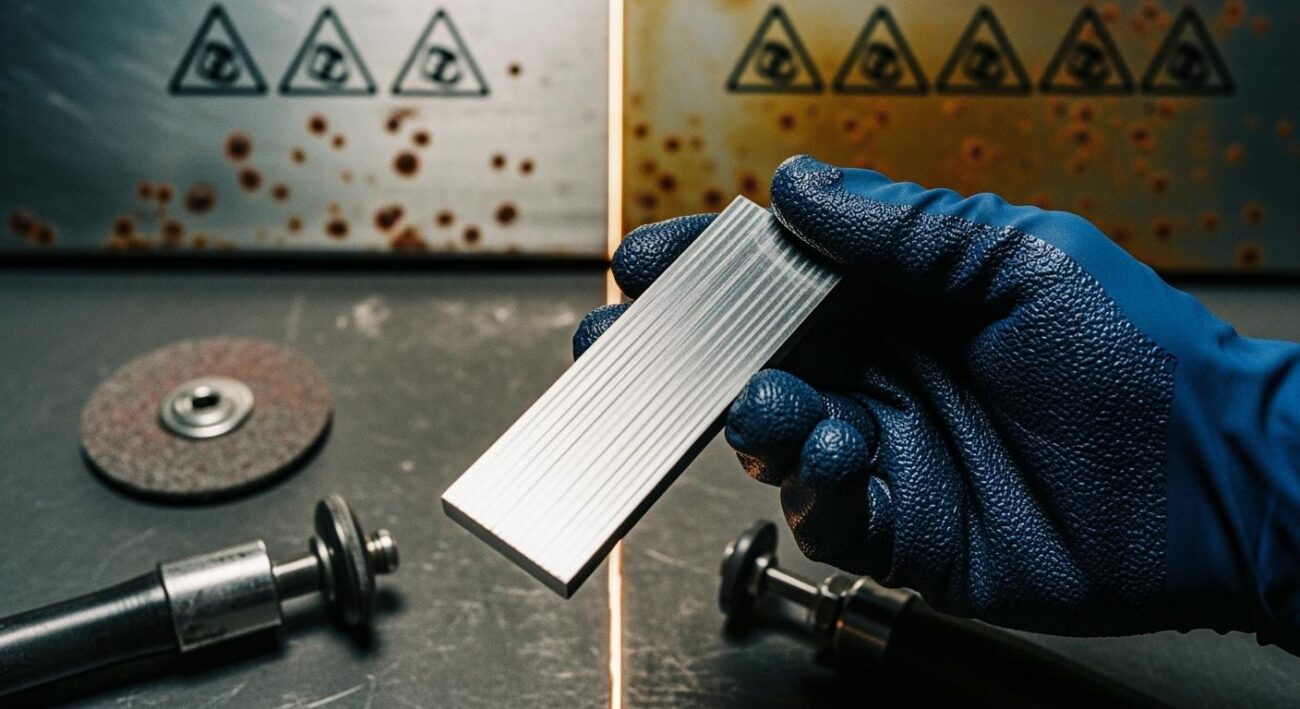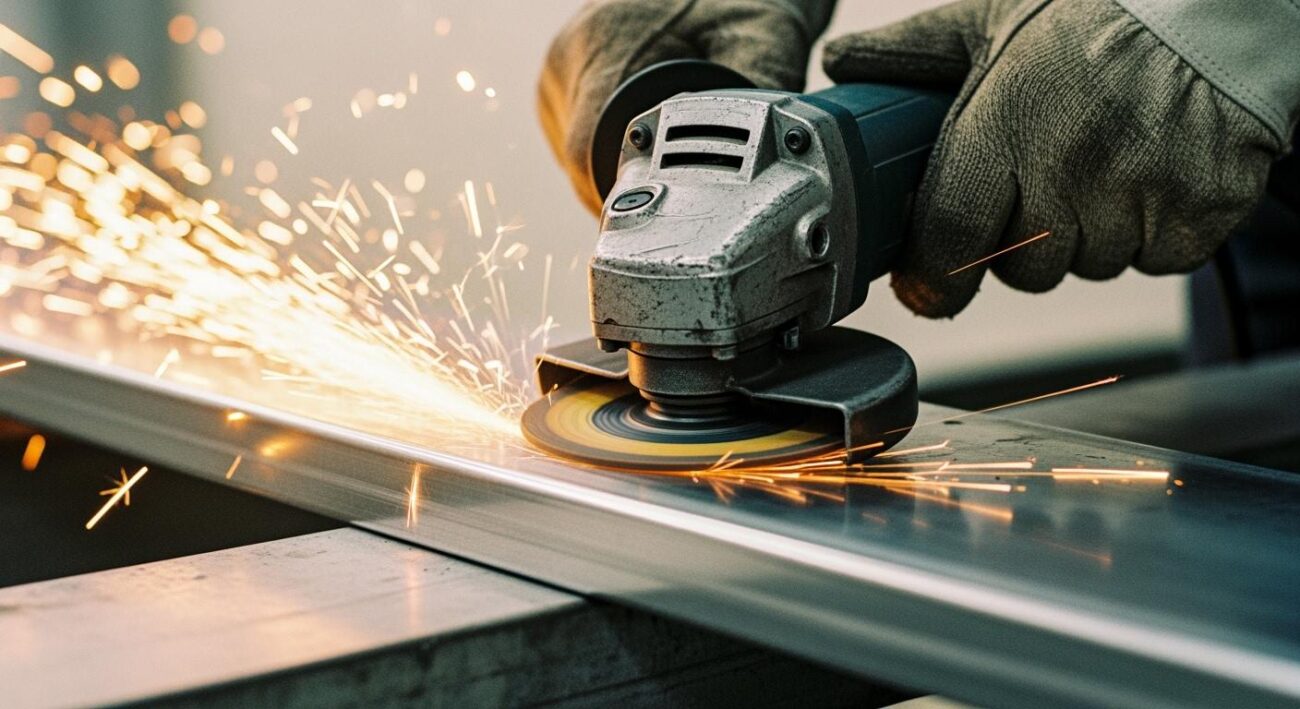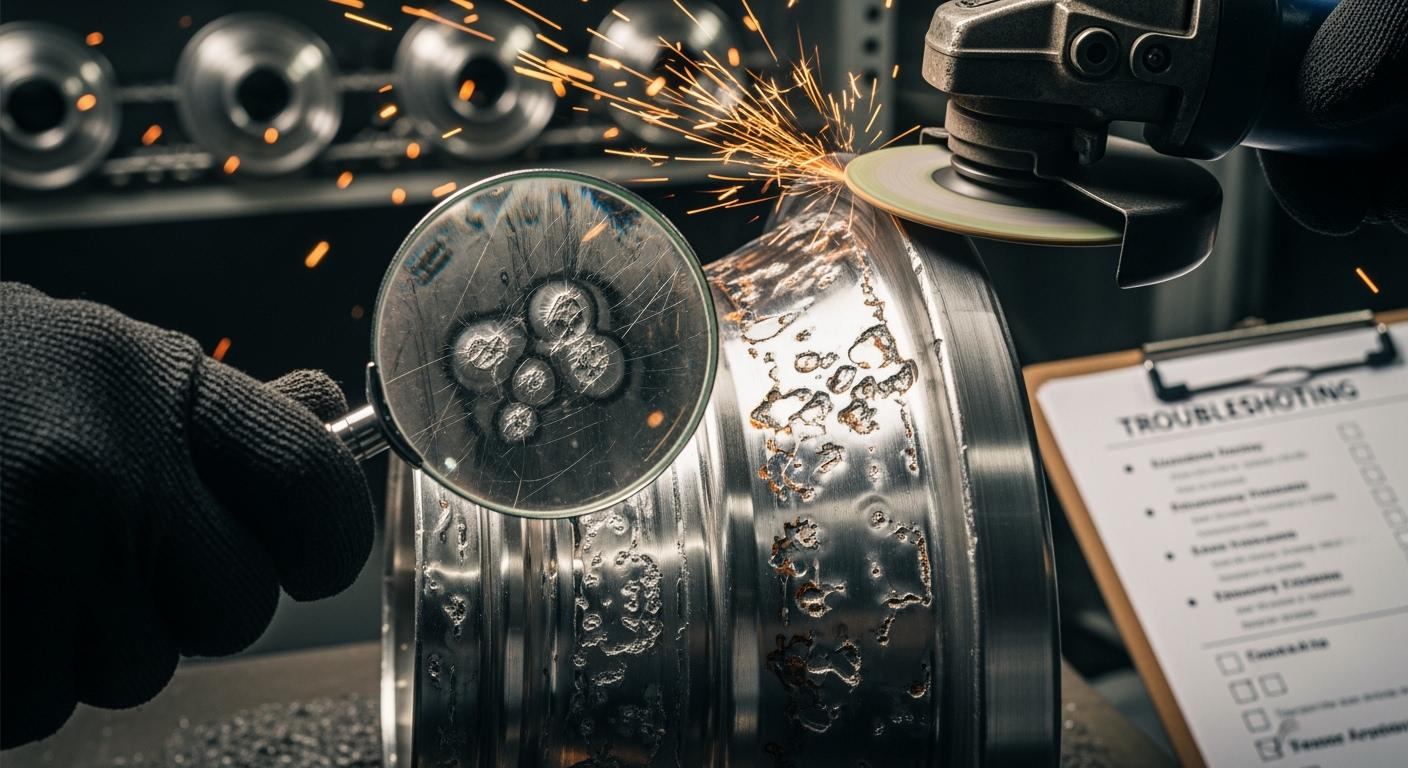
When you work with stainless steel, you may notice common defects such as rough surfaces, irregular shapes, taper issues, and poor roundness. Studies show that these problems often come from carbon contamination and sensitization risks, which can make grinding more complex. Defect identification plays a key role in boosting quality and efficiency. You can lower costs and improve your results by spotting issues early. This guide will help you achieve better grinding outcomes and keep your production running smoothly.
Key Takeaways
- Identify common defects like taper, poor roundness, and rough surfaces early to maintain quality and reduce downtime.
- Use the right abrasive and ensure proper machine setup to prevent issues such as burns and cracks during grinding.
- Regularly check and dress your grinding wheels to keep them sharp and effective, which helps achieve a smooth surface finish.
- Implement strong maintenance practices and train operators to spot defects early, ensuring consistent quality in your grinding process.
- Optimize your setup by controlling temperature and using adequate coolant to prevent overheating and improve overall grinding results.
Common Defects in Grinding
When you work with stainless steel, you may face several common defects during grinding. Recognizing these problems early helps you maintain quality and avoid downtime. Aimgrind uses a step-by-step diagnostic approach to identify and solve these common challenges.
Taper Issues
Taper happens when the workpiece becomes thicker at one end. You often see this if the grinding wheel or machine setup is not correct. Using the wrong abrasive or not adjusting dressing parameters can cause uneven material removal. Aimgrind recommends checking your setup and using metal bond grinding wheels for better control.
Poor Roundness
Poor roundness means the part is not perfectly circular. This defect often results from improper dressing or unstable cutting conditions. If you use the wrong abrasive or do not match the wheel to the steel, you may see this problem. Aimgrind’s experts suggest regular dressing and choosing the right abrasive for your application.
Irregular Shape
Irregular shapes can come from several sources. The table below shows typical causes and how you can spot them:
| Defect Type | Description | Identification Method |
|---|---|---|
| Inclusions | Foreign particles in the steel | Clear edges on low-magnification samples |
| Shrinkage cavities | Cavities in the center | Visible folds after corrosion |
| Cracks | Spider web patterns along intercrystals | Seen at low magnification |
| Surface defects | Linear cracks or scratches | Observed directly on the surface |
Aimgrind’s diagnostic process helps you find these defects quickly.
Rough Surface Finish
A rough surface finish can affect fit and performance. Grinding should achieve Ra values from 0.2 to 0.8 µm. If you see Ra values above 3.2 µm, the finish is too rough. This often happens when you use the wrong abrasive, incorrect cutting speed, or poor dressing. Aimgrind recommends matching abrasive type and dressing parameters to your needs.
Burnt and Cracked Workpieces
Burns and cracks appear when grinding generates too much heat. You may notice discoloration, from straw yellow to blue or black. Severe burns can ruin the part. Rapid heating and cooling cause thermal shock, leading to cracks. Always use enough coolant and the right abrasive to prevent these problems.
Setup-Related Defects
Setup problems can cause dimensional errors, warping, or vibration. The table below lists key factors:
| Factor | Influence on Defect Rates |
|---|---|
| Thermal deformation | Expansion from heat; keep temperature stable |
| Tool wear | Frequent offsets needed for cutting stainless |
| Fixture rigidity | Poor clamping causes distortion |
| Machine calibration | Regular checks ensure repeatability |
Aimgrind’s team checks all these factors to help you avoid common defects. Using the right abrasive and grinding wheel, like Aimgrind’s metal bond wheels, reduces the risk of these problems.
Troubleshooting Grinding Defects
Identifying Defects
You need to spot defects early to keep your grinding process efficient. Start by checking the workpiece for visible signs like uneven shapes, rough surface, or discoloration. Use a magnifier to look for cracks or inclusions. If you see any of these, you may have contamination or setup issues. Aimgrind recommends a step-by-step inspection. First, check the abrasive wheel for wear. Next, review your dressing parameters. Finally, examine your machine calibration. This approach helps you address cutting and grinding problems before they affect your steel parts.
Solutions for Taper
Taper problems can cause one end of your workpiece to be thicker than the other. You can fix taper by following these steps:
- Dress a reverse taper into the wheel. This helps balance out deflection during grinding.
- Increase spark-outs. Let the wheel run longer at the end of the cut to relax and correct taper.
- Retract and regrind. Back off the taper and make another pass to even out the thickness.
- Sharpen the wheel. A sharp abrasive wheel reduces deflection and improves material removal rate.
- Adjust your machine. Make a taper adjustment to compensate for any machine misalignment.
Aimgrind’s team can help you match the right abrasive and set the correct dressing parameters for your process. Their sample optimization ensures you get the best results for your metal cutting needs.
Roundness Correction
Poor roundness can lead to parts that do not fit or function as needed. You can improve roundness by focusing on several key techniques:
| Technique | Description |
|---|---|
| Tool Selection | Use edge honing and polishing to distribute cutting forces and reduce out-of-roundness. |
| Machine Tool Rigidity | Choose machines with box-way construction to resist vibration and keep circularity. |
| Thermal Stability | Use oil-cooled spindle housings to keep temperatures even and avoid distortion. |
| Advanced Process Control | Use real-time monitoring to correct roundness deviations during grinding. |
| Workholding Precision | Use low-profile hydraulic chucks for uniform clamping and better circularity. |
| Cutting Parameter Optimization | Adjust spindle speed and feed rate to reduce forces that cause roundness errors. |
| Real-Time Monitoring | Use sensors to detect and fix roundness issues as they happen. |
Aimgrind’s experts can help you select the right abrasive and optimize your grinding parameters for better roundness.
Shape Adjustment
Irregular shapes often come from wrong abrasive choices or poor setup. You should check your abrasive wheel for wear and make sure it matches your application. Use Aimgrind’s metal bond grinding wheels for better control and precision. Adjust your dressing process to keep the wheel sharp and true. If you see shape defects, review your fixture and clamping methods. A stable setup helps you avoid distortion and keeps your parts within tolerance.
Surface Finish Improvement
A high-quality surface finish is important for both appearance and function. You can achieve a smooth surface by focusing on these grinding parameters:
| Parameter | Description |
|---|---|
| Selection of Abrasive | Choose durable materials like alumina or zirconia for effective grinding. |
| Tool Selection | Pick the right tool for your surface size and type. |
| Grinding Speed | Control your speed to avoid heat buildup and ensure a smooth finish. |
| Feed Rate | Use a low feed rate (0.01–0.05 mm/pass) to reduce heat and work hardening. |
| Coolant Usage | Apply coolant to manage heat and prevent discoloration or distortion. |
- Use water-based coolants at 10–20 L/min to keep the workpiece cool.
- Start with a wheel grit size of 36 to 120 for initial grinding, then switch to finer grits for finishing.
- Keep steady pressure during grinding to avoid work hardening.
Aimgrind’s parameter matching service helps you select the right abrasive and optimize your process for the best surface grinding results.
Preventing Burn and Cracks
Burns and cracks can ruin your workpiece. You can prevent these problems by controlling temperature and using the right process steps:
| Preventive Measure | Description |
|---|---|
| Temperature Control | Keep temperatures steady during heat treatment and weld operations. |
| Atmosphere Control | Use inert gases or vacuum to reduce oxidation and contamination. |
| Rapid Cooling | Cool parts quickly after high-temperature steps to limit oxidation. |
| Surface Treatments | Apply coatings or passivation to protect against oxygen exposure. |
| Quality Management | Use audits and inspections to catch defects early. |
| Operator Training | Train your team to spot and prevent defects during grinding. |
Aimgrind’s comprehensive service process includes operator training and quality checks to help you avoid burn and crack defects.
Setup Optimization
Optimizing your machine setup can reduce many common challenges in grinding. You should:
- Improve cooling and lubrication to get a better surface finish and reduce tool wear.
- Use flood coolant to remove heat from the grinding zone and prevent heat buildup.
- Add auxiliary nozzles for coolant to clean the grinding wheel and reduce defects.
Aimgrind’s team can help you set up your machine for the right cut depth, abrasive, and coolant flow. Their sample optimization ensures your process runs smoothly and delivers consistent results.
Tip: Regularly review your setup and process parameters. Small changes can make a big difference in preventing cutting and grinding problems.
By following these troubleshooting common challenges, you can achieve better results and reduce downtime in your grinding operations.
Choosing the Right Grinding Tools
Aimgrind Metal Bond Grinding Wheels
You want reliable tools for stainless steel grinding. Aimgrind’s metal bond grinding wheels give you high wear resistance and thermal stability. These wheels use diamond or CBN abrasives, which help you cut hard alloys and superhard materials with precision. You can use them for heavy-duty cutting tasks in aerospace or tool manufacturing. The wheels last longer and keep their shape, so you avoid common problems like taper and rough finishes. You also reduce downtime because you do not need to replace the wheel as often. Aimgrind’s wheels help you get consistent results and improve your grinding process.
Abrasive Selection Tips
Choosing the right abrasive is important for stainless steel. You should use aluminum oxide, zirconia, or ceramic abrasives. These types work well for cutting and grinding stainless steel. Start with a finer grit to reduce heating and avoid discoloration. Abrasives labeled “Stainless” or “inox” are made for this purpose. Supersize layers on coated abrasives add lubrication and cooling, which helps the abrasive last longer and cut better. Always avoid the wrong abrasive, as it can cause surface defects and make your work harder. Move from coarse to fine grits to get a smooth finish. Make sure your abrasive is free from iron contamination to prevent weld issues.
Matching Tools to Stainless Steel
You need to match your grinding tools to the grade and hardness of your steel. Here are some key points to help you:
- Pick the abrasive material based on the hardness of the steel.
- Use aluminum oxide for general grinding and zirconia alumina for tough cutting jobs.
- Choose softer wheels for smooth finishes and harder wheels for fast material removal.
- Select the right grit size: coarse for quick cutting, fine for smooth surfaces.
- Use wheels that do not contain iron, sulfur, or chlorine to avoid contamination.
- Look for products designed for stainless steel, such as those with white aluminum oxide grains.
Tip: The table below shows important criteria for selecting grinding tools to minimize defects.
| Criteria | Description |
|---|---|
| Controlled grinding parameters | Set speed, feed rate, and depth of cut to lower stress and avoid cracks. |
| Appropriate grinding wheels | Use the right grit size and bond to prevent microfractures. |
| Effective cooling and lubrication | Keep the workpiece cool to reduce heat and stress. |
| Regular maintenance of equipment | Check your machines often to keep performance steady. |
| Operator training | Learn proper techniques to avoid mistakes. |
| Microalloying elements | Adjust steel composition to make it tougher and less likely to crack. |
| Microstructural engineering | Use heat treatments to make the steel structure more resistant to cracks. |
You can prevent many grinding problems by following these tips and using Aimgrind’s expertise.
Preventing Common Defects
Maintenance Best Practices
You can prevent many grinding problems by following strong maintenance habits. Always handle stainless steel with care. Avoid using carbon steel chains or bare forklift tines for lifting. These tools can gouge the surface and embed iron particles. Place stainless steel only on clean benches or skids. Exposed nails or carbon steel workbenches can scratch the surface and transfer iron. Use nylon slings and protected forklift tines to keep the original finish. Dedicated hand tools, power tools, and abrasive discs for stainless steel help prevent cross-contamination. Clean your grinding area often. Keep the surface free from debris and contaminants. Regularly check your abrasive wheels for wear and replace them as needed. Use coolant to control heat and protect the finish.
Tip: Adopting a process discipline helps you prevent defects before they start. Proactive checks and in-process verification keep your cutting operations smooth.
Operator Training
Operator skill plays a big role in defect prevention. You should train your team to spot issues early. Skilled operators can adjust cutting parameters and detect surface problems before they grow. Early detection saves time and prevents costly complaints. Encourage your team to use only the right abrasive tools for each job. Teach them to inspect the surface after each cutting step. When operators know what to look for, you get better results and fewer weld defects.
Process Control
Process control ensures you get consistent quality every time. Follow these methods to keep your grinding on track:
| Process Control Method | Description |
|---|---|
| Proper wheel selection | Choose the right abrasive wheel for each stainless steel grade. |
| Correct grinding pressure | Use steady pressure to get a smooth surface and avoid defects. |
| Frequent dressing of wheels | Dress abrasive wheels often to keep them sharp and effective. |
| Maintaining clean blade surfaces | Clean blades for better contact and less contamination. |
| Setup accuracy | Set up your equipment with care to prevent problems before they start. |
| Operator experience | Skilled operators can spot and fix issues during setup. |
You should also follow a step-by-step process for finishing stainless steel. This helps you achieve the right finish and avoid cutting errors. Aimgrind’s service process supports you with parameter matching and sample optimization, so you can keep your grinding process reliable.
You can improve stainless steel grinding by choosing the right abrasive, preventing cross-contamination, and controlling heat buildup. Operators who use proper tools and techniques avoid safety hazards and inefficiencies. Lean manufacturing and process documentation help you boost output and reduce downtime. For ongoing support, explore these resources:
| Resource Name | Link |
|---|---|
| Winning Abrasive Combination for Grinding & Refining on Stainless Steel | Link |
| Application Expertise and Partnerships | Link |
| Support | Link |
Contact Aimgrind at +86-13733809594 or brian@aimgrind.com for expert advice.
FAQ
What causes a rough surface finish when grinding stainless steel?
You may see a rough surface finish if you use the wrong abrasive or set the grinding speed too high. Check your wheel type and adjust your feed rate for a smoother result.
How do you fix taper in stainless steel grinding?
You can fix taper by dressing a reverse taper into your grinding wheel. Also, increase spark-outs and check your machine alignment. These steps help you achieve even thickness.
Why does stainless steel sometimes burn during grinding?
You may notice burns if the grinding process creates too much heat. Use enough coolant and choose the right abrasive to keep the workpiece cool and prevent discoloration.
What is the best way to prevent cracks in stainless steel parts?
You should control temperature during grinding and use proper cooling. Quick cooling after grinding also helps. Regular checks and operator training reduce the risk of cracks.
How can you avoid shape defects in stainless steel grinding?
You need to use the correct abrasive and keep your setup stable. Check your clamping and fixture methods. Aimgrind’s metal bond grinding wheels help you maintain precise shapes.