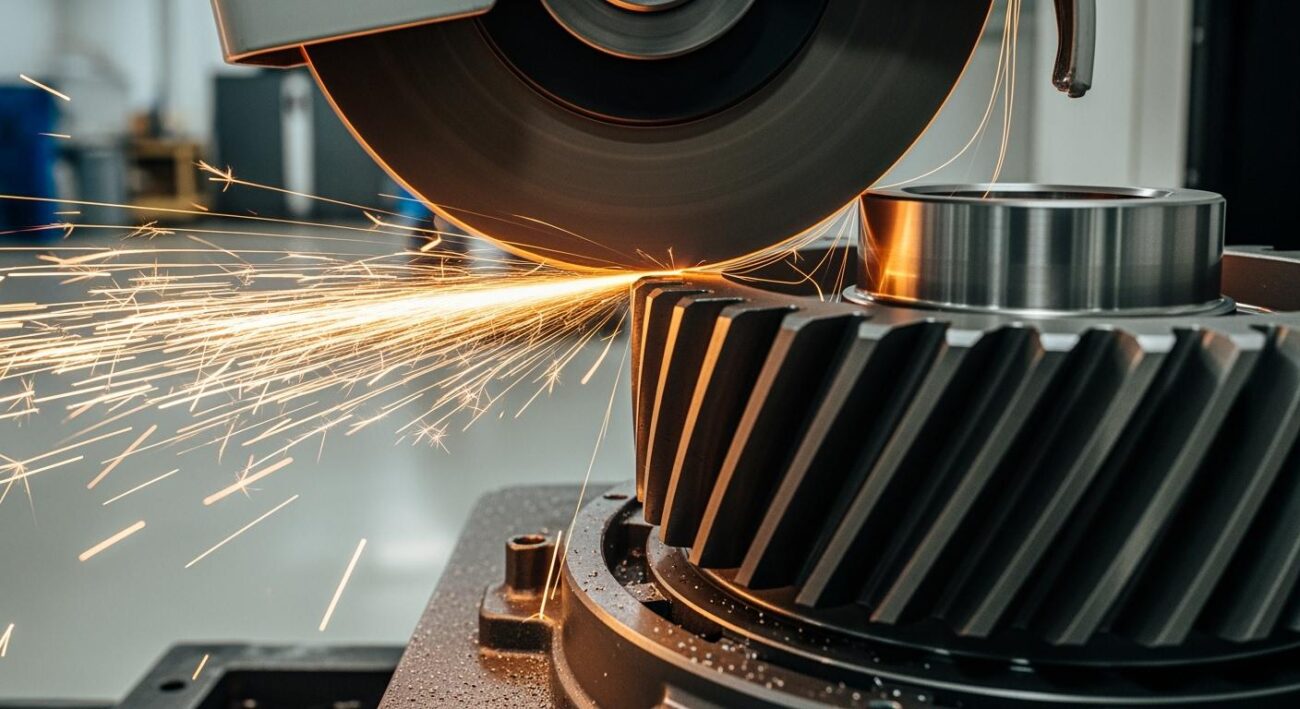
Troubleshooting Common Defects in gear grinding helps you keep your production line running smoothly. You need to spot problems early to protect gear quality and reduce waste. Aimgrind brings years of expertise to the table with customized grinding solutions. Our diamond grinding wheels give you precise results for every job. Use this article as your hands-on guide to improve your gear grinding process and boost your productivity.
Key Takeaways
- Identify common gear grinding defects early to protect quality and reduce waste.
- Use Aimgrind’s diamond grinding wheels for precise results and improved performance.
- Maintain proper lubrication and coolant flow to prevent overheating and wear.
- Regularly inspect and dress grinding wheels to ensure optimal performance and avoid defects.
- Follow best practices and conduct regular maintenance to enhance productivity and gear quality.
Troubleshooting Common Defects in Gear Grinding
Causes of Gear Grinding Defects
You face many challenges during gear grinding. Manufacturing errors often cause vibration and noise. Early defects can happen because of improper lubrication, overheating, or poor design. If you use the wrong grinding wheels or set the wrong speed, you may see micro-pitting or pitting. These issues can lead to fatigue and unacceptable wear. Good lubrication helps prevent most common problems. The table below shows key findings about gear grinding defects:
| Aspect | Details |
|---|---|
| Manufacturing errors | Cause vibration and noise |
| Lubrication issues | Lead to micro-pitting and pitting |
| Fatigue failures | Occur at high speeds |
| Good lubrication | Prevents unacceptable wear |
Troubleshooting Tips for Gear Grinding
You can solve many common problems by following simple troubleshooting tips. First, check your grinding wheel selection. Aimgrind’s diamond grinding wheels give you precise results and improve grinding performance. Make sure you use the correct wheel speed and keep your coolant flow steady. Position your gear correctly during the grinding operation. If you notice defects, inspect your grinding wheels for wear or loading. Replace or dress the wheels as needed. Keep your machine clean and well-maintained.
Tip: Always match your grinding wheel to the material and process for best results.
Prevention Strategies
You can prevent defects by choosing the right materials and specifying cleaner steel. Use proper grinding wheels and set the correct wheel speed. Maintain enough coolant flow and check gear positioning. Identify errors early in the grinding process to avoid thermal loads and material changes. Aimgrind helps you with customized grinding solutions to match your needs.
- Choose the right material for gears.
- Use cleaner steel to protect against failures.
- Select proper grinding wheels and speeds.
- Maintain coolant flow and gear positioning.
- Identify errors early to prevent serious concerns.
You improve troubleshooting common defects by following these strategies and using Aimgrind’s diamond grinding wheels for precision grinding.
Chatter and Vibration Issues
Causes of Chatter
You may notice wheel chatter when your gear grinding machine vibrates or makes unusual sounds. This problem can come from several sources:
- Machine tool resonance or imbalance
- Inconsistent feed rates or cutting speeds
- Poor tool condition or improper alignment
- Inadequate damping or support of equipment
You can also see free vibrations caused by shocks or forced vibrations from unbalanced gears, bearings, or spindles. Sometimes, self-excited chatter vibrations develop. These can be primary, caused by friction or heat, or secondary, caused by wavy surfaces on the gear. Wheel chatter often leads to excessive noise or vibration, which affects both the finish and the life of your tools.
Troubleshooting Common Abrasive Tool Issues
You need to focus on troubleshooting common abrasive tool issues to keep your grinding process smooth. If you hear excessive noise or vibration, check for wheel chatter first. This often signals deeper problems. Inefficient grinding can slow down your work and reduce productivity. Overheating may break down your grinding wheel and shorten its life. Uneven or rough finishes can cause you to reject parts and waste time and materials. Troubleshooting common abrasive tool issues helps you spot these problems early. You should always listen for excessive noise or vibration during operation. When you notice wheel chatter, stop and inspect your machine and grinding wheel. Troubleshooting common abrasive tool issues means checking for worn wheels, poor alignment, or incorrect speeds. You can prevent many problems by staying alert and acting quickly.
Prevention Tips
You can avoid most vibration problems by following a few simple steps:
- Choose the right grinding wheel for your job
- Dress the grinding wheel properly before use
- Use enough coolant to keep things cool
- Adjust grinding parameters to match your needs
- Inspect your machine and accessories often
These tips help you reduce excessive noise or vibration and stop wheel chatter before it starts. Troubleshooting common abrasive tool issues regularly keeps your gear grinding process efficient and safe. You protect your tools, improve your results, and save time.
Surface Finish Problems
Causes of Poor Surface Finish
You may notice uneven or rough finishes on your gears after grinding. Several factors can cause these problems. Lubrication systems play a big role in the final surface finish. If you use the wrong lubricant, you may see glazing or uneven wear on the gear surface. Higher viscosity lubricants help keep surfaces apart, but they can also increase drag and reduce efficiency. Sometimes, the grinding process itself leaves directional marks. These marks can lead to glazing and make the gear more likely to suffer from contact fatigue. You need to balance lubricant viscosity and surface roughness to keep the finish smooth and reduce friction.
- Lubrication choices affect gear performance and life.
- High viscosity lubricants give better film separation but may cause glazing.
- Fine or polish grinding can still leave uneven or rough finishes.
- Directional textures from grinding increase the risk of glazing and uneven wear.
- Keeping a balance between lubricant and surface roughness helps prevent problems.
Troubleshooting Tips
You can improve surface finish by following a few key steps. First, always select the right grinding wheel for your job. If you see glazing or uneven wear, check the wheel for loading or damage. Managing pressure during grinding helps prevent uneven or rough finishes. If you notice wheel chatter, check for balance and make sure the wheel is mounted correctly. Adjust the grinding angle if needed. These actions help you avoid glazing and keep the surface smooth.
- Choose the correct grinding wheel to avoid glazing.
- Control grinding pressure to stop uneven wear.
- Inspect for wheel chatter and fix mounting issues.
- Adjust grinding angles to reduce uneven or rough finishes.
Tip: Regularly check your grinding wheels for glazing and uneven wear to catch problems early.
Prevention Tips
You can prevent surface finish problems by using proven strategies. Leading manufacturers use these steps to keep finishes smooth and gears strong:
- Use precision machining or superfinishing to lower surface roughness and reduce glazing.
- Apply surface treatments to improve hardness and protect against uneven wear.
- Select materials that allow for smoother finishes and less glazing.
- Perform regular maintenance to spot glazing and uneven or rough finishes before they become serious.
By following these tips, you keep your gear grinding process efficient and your products high in quality.
Burning and Overheating
Causes of Burning
You may see burning and overheating often in gear grinding. These problems happen when the grinding temperature gets too high. Overheating during grinding can cause micro-cracking on the gear surface. This leads to early failure because cracks can grow under stress. Overheating is one of the most common grinding problems in gearboxes. If you ignore it, you risk costly repairs and even total gearbox failure.
Here is a table that shows the main types of burn you might find:
| Type of Burn | Description |
|---|---|
| Oxidation Burn | Too much heat causes the surface to oxidize. |
| Thermal Softening | High temperatures make the gear soft and deformed. |
| Residual Tensile Stress | Heat creates stress inside the gear, which can cause cracks. |
| Re-hardening Burn | Extreme heat forms a hard, brittle layer on the gear surface. |
Grinding burn happens in small areas where the wheel not cutting properly. Major causes include thermal softening and re-hardening when temperatures go above safe levels. You may also see oxidation burn and residual stresses.
Troubleshooting Common Grinding Problems
You can fix burning and overheating by following a few steps. First, check if the wheel not cutting as it should. If the wheel not cutting, it can cause friction and raise the temperature. Make sure the oil is clean and at the right level. Replace it if needed. Use a laser tool to check the alignment between the motor and gearbox. Clean the outside of your machine to keep cooling fins and vents clear. Check the breather plug and clean or replace it to help airflow. If you notice common grinding wheels issues, inspect the wheel for wear or loading. Aimgrind’s diamond grinding wheels help manage heat and give you a better surface finish. They keep the grinding process cool and efficient.
Tip: Always use the right grinding wheel and keep your machine clean to avoid overheating during grinding.
Prevention Tips
You can prevent burning and overheating by using the right grinding wheels and keeping your process in check. Aimgrind’s diamond grinding wheels remove heat quickly and help you get a smooth finish. Dress your grinding wheel often to keep it sharp. Make sure the coolant flows well and reaches the grinding area. Adjust your grinding speed and pressure to avoid too much heat. Regular checks and maintenance help you spot problems before they get worse.
- Use diamond grinding wheels for better heat control.
- Dress wheels often to keep them sharp.
- Keep coolant flowing to cool the gear and wheel.
- Adjust speed and pressure to lower heat.
- Check your machine and oil often.
By following these steps, you reduce the risk of burning and overheating. You protect your gears and save money on repairs.
Wheel Wear and Loading
Causes of Wheel Wear
You see wheel wear in every gear grinding operation. This happens when the grinding wheel loses its sharpness or shape. Wheel wear can come from three main causes: attritious wear, grain fracture, and bond fracture. Attritious wear makes the abrasive grains dull and flat. Grain fracture breaks off small pieces of the abrasive. Bond fracture happens when the grains fall out of the wheel because the bond is weak. You also face wheel loading and glazing, which make the grinding wheel less effective. When you have too much wheel wear, you get poor gear quality and may need to stop production. Moderate wheel wear helps keep your gear sizes consistent, but excessive wear can slow down material removal and lower the quality of your gears. If you ignore wheel wear, you risk shortened wheel life and more downtime.
Troubleshooting Tips
You can reduce wheel wear and wheel loading by following some simple steps:
- Choose the right grinding wheel for your material and job.
- Monitor the pressure during grinding to keep it steady.
- Follow the manufacturer’s guidelines for wheel speed.
- Use enough coolant to stop material from sticking to the wheel.
- Control the speed to match the grinding operation.
If you see wheel loading or glazing, check your coolant flow and make sure the wheel is clean. Too much pressure or the wrong wheel can cause shortened wheel life. Regular maintenance helps you spot problems early. You should always check for signs of wheel wear and replace or dress the wheel as needed. Good maintenance keeps your grinding process smooth and your wheels working longer.
Tip: Listen for changes in sound or vibration during grinding. These can warn you about wheel wear or wheel loading before bigger problems start.
Prevention Tips
You can prevent wheel wear and avoid shortened wheel life by using smart strategies:
- Select grinding wheels that meet your quality needs and last longer.
- Train operators to use the right grinding methods.
- Manage coolant well to keep wheels and gears cool.
- Dress your grinding wheels after every 15-20 cycles to keep them sharp.
- Schedule regular maintenance to catch wheel wear and wheel loading early.
Proper maintenance is key. When you keep up with maintenance, you extend the life of your grinding wheels and improve gear quality. You also reduce the risk of shortened wheel life and costly repairs.
Wheel Breakage
Causes of Wheel Breakage
You need to understand why wheel breakage happens during gear grinding. Many factors can lead to this problem. Here are the most common causes:
- Overspeeding the grinding wheel creates too much force and leads to breakage.
- Improper mounting, such as using damaged flanges or overtightening, puts stress on the wheel.
- Physical damage, like cracked wheels or chips, weakens the wheel and increases the risk of breakage.
- Using the wrong wheel for your job can cause overheating and failure.
- Machine issues, such as loose spindles or too much vibration, can result in wheel breakage.
- Poor coolant flow causes overheating and damages the wheel.
- If you do not clamp the workpiece properly, it can move and stress the wheel.
You should always check for these issues before starting your grinding process.
Troubleshooting Tips
When you face wheel breakage, you need to act quickly and safely. Here are some troubleshooting tips:
- Use the right amount of force. Too much pressure can cause breakage.
- Mount the wheel correctly. Follow the manufacturer’s instructions every time.
- Inspect the wheel before each use. Look for any signs of cracked wheels or other damage.
- Store your wheels in a safe, dry place to prevent damage.
- Always use safety guards and follow safety rules during grinding.
Tip: Never use a wheel if you see any cracks or chips. Replace it right away to avoid accidents.
Prevention Tips
You can prevent wheel breakage by following smart strategies:
- Set the grinding speed and feed according to the wheel’s rating.
- Use tool holders that reduce vibration and deflection.
- Check your grinding tools often and replace them when needed.
- Match the wheel material to your workpiece for better results.
- Make sure your machine and workpiece are set up to reduce vibration.
- Keep coolant flowing to prevent overheating.
- Choose wheels that cut cooler and have open porosity for profile grinding.
A high-volume coolant system helps keep the grinding area cool and clean. When you select the right grinding wheel, you improve performance and reduce the risk of wheel breakage. Regular checks and good setup keep your gear grinding process safe and efficient.
Uneven Finishes
Causes of Uneven Finishes
You may notice that some gears have surfaces that look or feel different after grinding. Uneven finishes often happen when the grinding tool does not touch the gear in the same way across the whole surface. If the number of contact points changes during grinding, the cutting forces will not spread out evenly. This can cause the gear profile to shift or form errors. The way the tool touches the gear, called the flank sequence, also matters. When the contact switches between even and uneven numbers, you get more profile deviations. The pressure angle of the tool affects how the grinding force spreads. If you do not control these factors, you will see inconsistent finishes on your gears.
Troubleshooting Tips
You can fix uneven finishes by checking a few key things. First, look at the grinding wheel and see if it has worn down in some spots. Dress the wheel to make sure it has the right shape. Check the setup of your gear and grinding tool. Make sure the gear sits straight and does not move during grinding. Watch the grinding process and listen for changes in sound or vibration. These signs can tell you if the contact points are not even. Adjust the pressure angle if you see profile errors. Use Aimgrind’s diamond grinding wheels for better control and a more uniform finish. These wheels help you keep the grinding process stable and precise.
Tip: Always check your grinding wheel and gear setup before you start. Small changes can make a big difference in finish quality.
Prevention Tips
You can prevent uneven finishes by following proven strategies. The table below shows some of the best ways to keep your gear surfaces smooth and even:
| Strategy | Description |
|---|---|
| Grinding Wheel Dressing | Shape and true the grinding wheel often. This keeps material removal even and accurate. |
| Waguri Motion | Use this grinding technique to keep the process stable and avoid overheating or contamination. |
| Proper Wheel Maintenance | Dress the wheel regularly and avoid skipping steps. This reduces errors and keeps wear even. |
When you use these methods, you get more consistent results. You also extend the life of your grinding wheels and improve gear quality.
Inefficient Grinding
Causes of Inefficiency
You may notice inefficient grinding when your process takes longer than expected or uses more resources. This problem often starts with the wrong grinding wheels for angle grinders. If you use a wheel that does not match your material, you waste time and energy. Dull or worn wheels also slow down your work. Poor machine setup can lead to uneven pressure and missed spots. Sometimes, you see sparks or hear strange noises. These signs show that your grinding wheels for angle grinders do not work as they should. Lack of regular maintenance and angle grinder tips can make things worse. You lose productivity and see higher costs.
Troubleshooting Tips
You can fix inefficient grinding by checking a few key areas. First, inspect your grinding wheels for angle grinders. Look for signs of wear or damage. Replace wheels that do not cut well. Make sure you use the right wheel for your job. Adjust your machine settings to match the wheel and material. Clean your equipment before each use. Follow maintenance and angle grinder tips from experts. Listen for changes in sound or vibration. These clues help you spot problems early. Aimgrind offers customized grinding solutions that help you choose the best grinding wheels for angle grinders. You get better results and save time.
Tip: Always follow grinding best practices. Check your wheels and machine before every job.
Prevention Tips
You can prevent inefficient grinding by using smart habits. Choose grinding wheels for angle grinders that fit your material and task. Store your wheels in a dry, safe place. Dress your wheels often to keep them sharp. Train your team to follow grinding best practices. Use maintenance and angle grinder tips to keep your tools in top shape. Schedule regular checks for your machines and wheels. Aimgrind helps you find the right grinding wheels for angle grinders for every job. You improve efficiency and get a smoother finish.
- Select the right grinding wheels for angle grinders.
- Dress and replace wheels as needed.
- Train your team on grinding best practices.
- Use Aimgrind’s solutions for better efficiency.
You can solve most gear grinding defects by choosing the right grinding wheels, checking your machines often, and following best practices. Aimgrind stands for quality, innovation, and customer satisfaction. Try the troubleshooting tips in this guide and use Aimgrind’s diamond grinding wheels for better results. Keep improving your process and schedule regular maintenance. This helps you achieve smoother finishes, longer tool life, and higher productivity every day.
Tip: Consistent process checks and the right tools make a big difference in your gear grinding success!
FAQ
What is the most common defect in gear grinding?
You often see surface burns as the most common defect. These burns happen when the grinding temperature gets too high. You can prevent this by using the right grinding wheel and keeping coolant flowing.
How do you choose the right grinding wheel for gears?
You should match the grinding wheel to your gear material. Aimgrind’s diamond grinding wheels work well for hard alloys and ceramics. Always check the manufacturer’s recommendations for best results.
Why does my grinding wheel wear out quickly?
You may use too much pressure or the wrong wheel type. Check your grinding speed and coolant flow. Dress your wheel often to keep it sharp and extend its life.
How can you prevent vibration during gear grinding?
You can reduce vibration by balancing your grinding wheel and checking machine alignment. Dress the wheel before use. Inspect your machine for loose parts.
What makes Aimgrind’s diamond grinding wheels different?
Aimgrind’s diamond grinding wheels give you precise results and long life. You get better heat control and smoother finishes. These wheels fit many machines and work on tough materials.
Contact Us
For More Grinding Solution or Customized Abrasive Tools