
How to Realize Burn-Free Grinding of Titanium Alloys

Achieve burn-free grinding of titanium alloys by optimizing wheel selection, cooling, and parameters to prevent heat damage and ensure surface integrity.
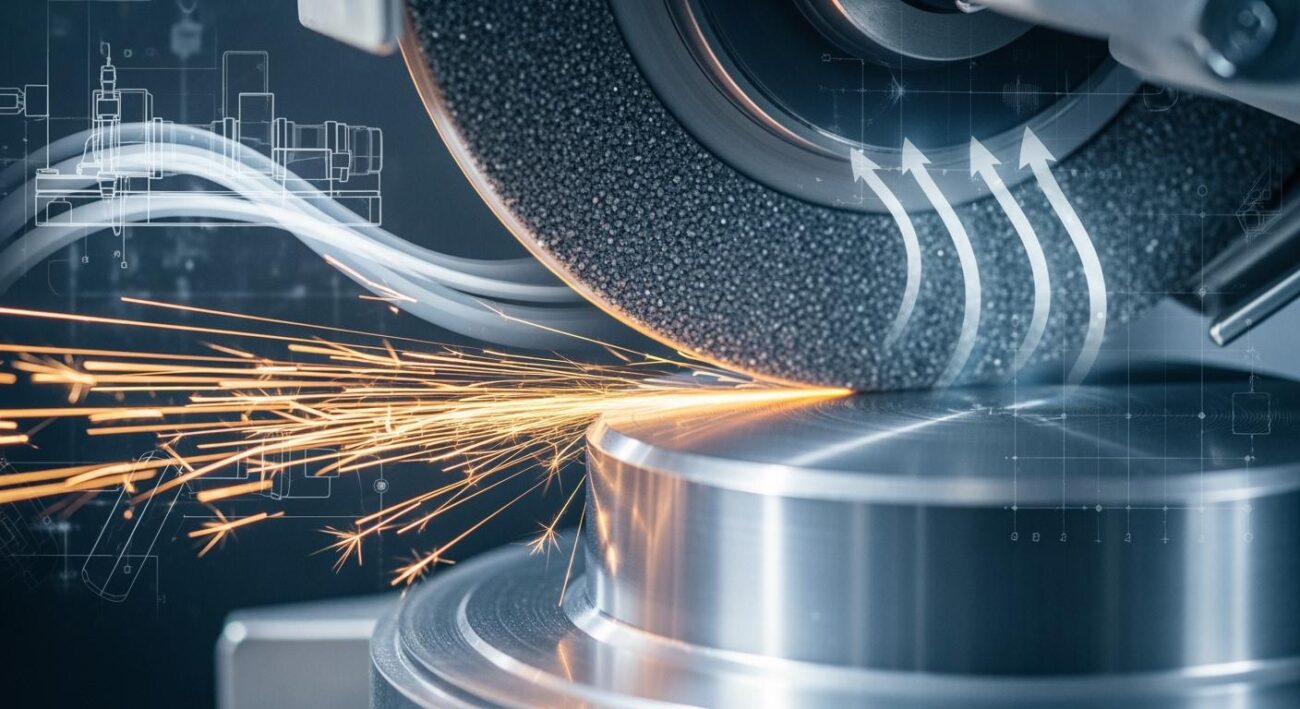
Achieve burn-free grinding of titanium alloys by optimizing wheel selection, cooling, and parameters to prevent heat damage and ensure surface integrity.
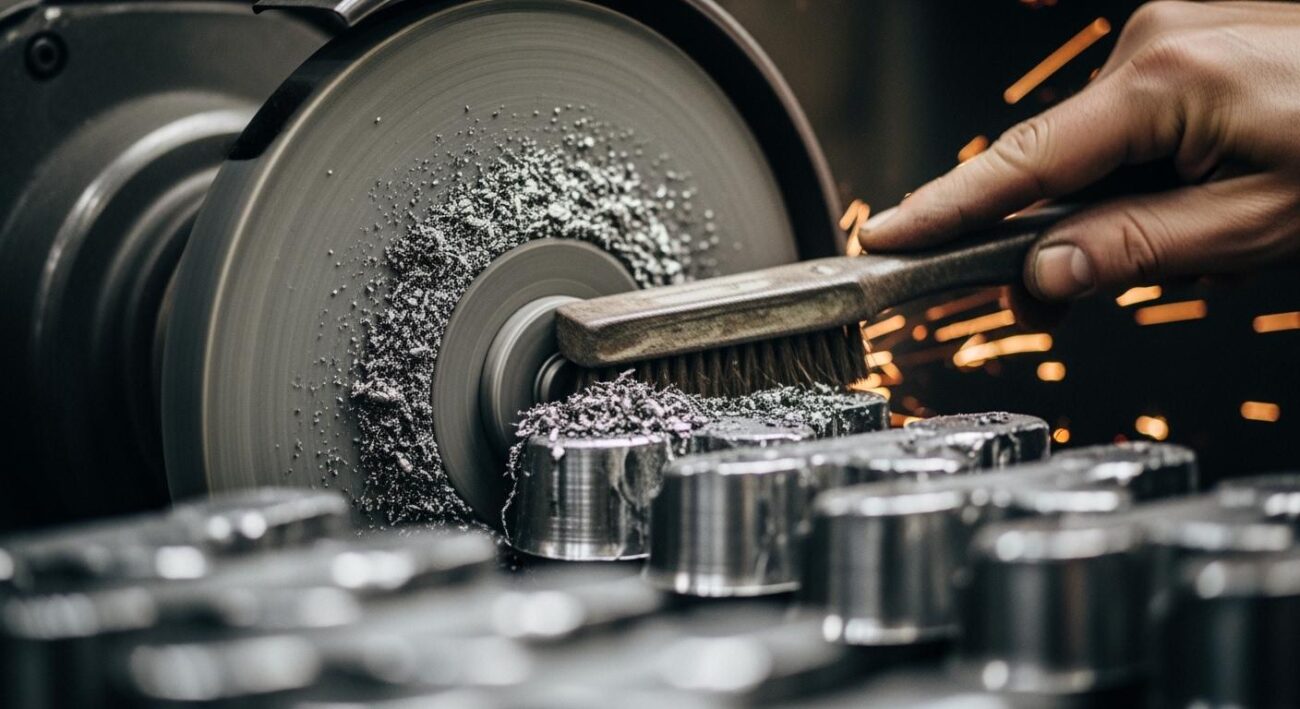
Overcome clogging in grinding soft, gummy metals by using open-coat abrasives, proper techniques, and regular wheel maintenance for smooth results.
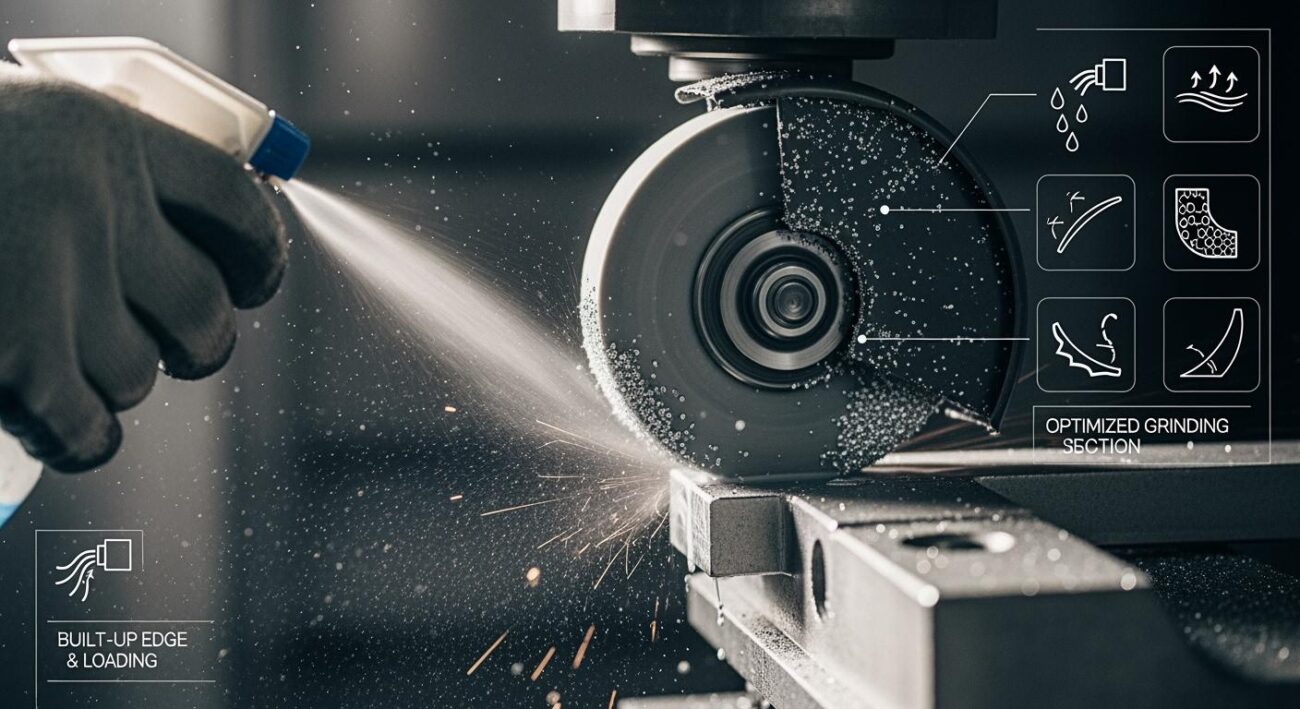
Prevent built-up edge and loading in aluminum grinding by using the right wheel, coolants, and process adjustments for cleaner cuts and longer tool life.
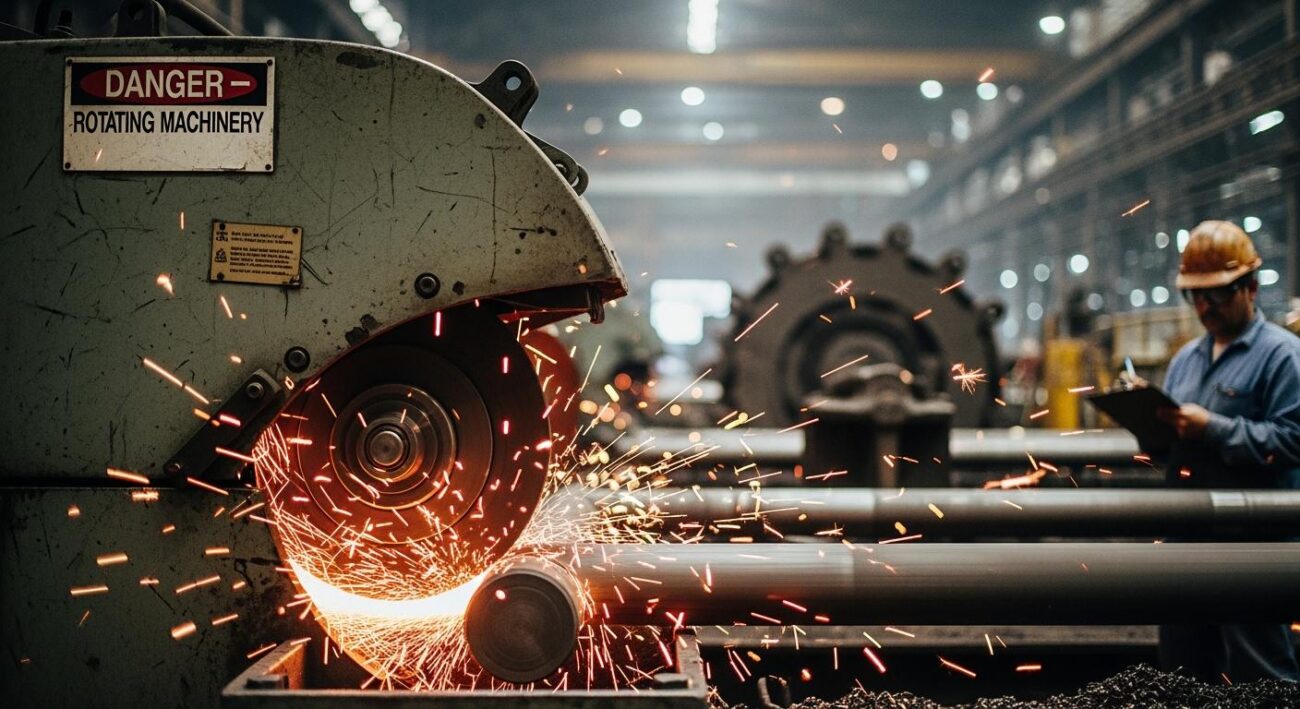
Grinding operations in steelmaking face safety risks, downtime, and quality issues. Advanced solutions improve efficiency, precision, and surface finish.
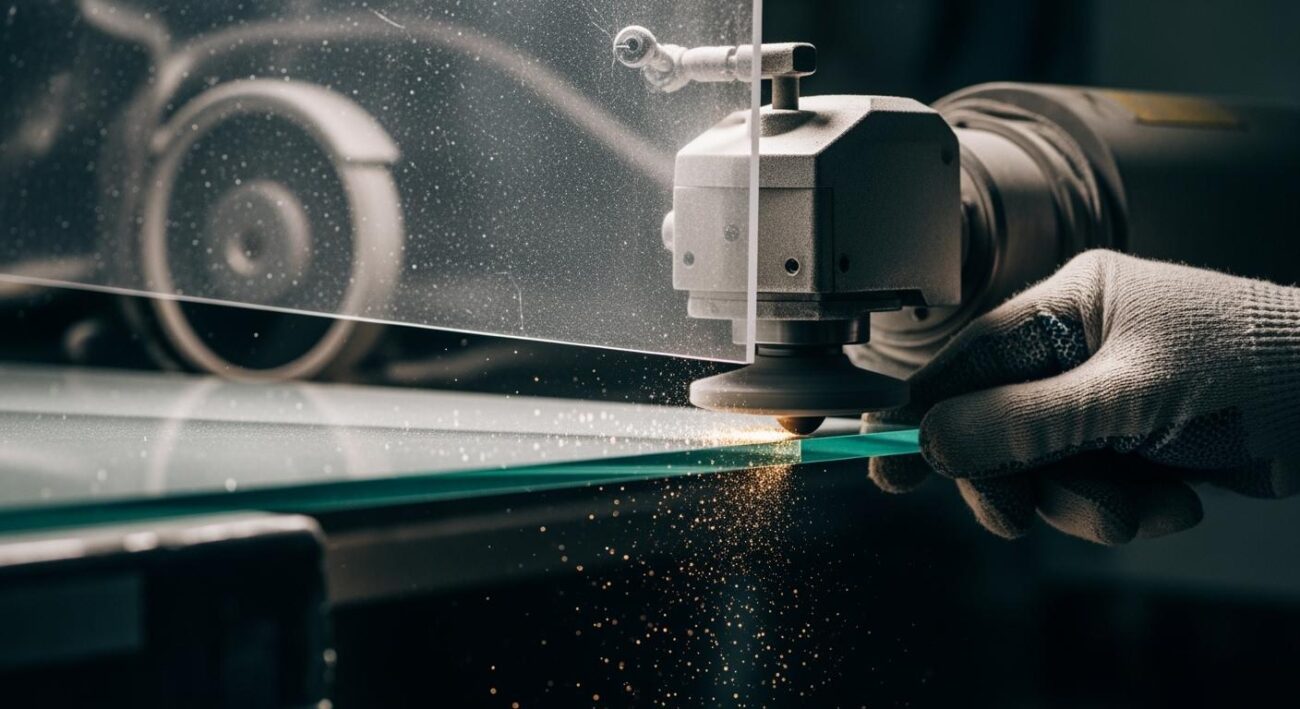
Prevent cracks and chipping in glass grinding by using quality tools, steady pressure, proper coolant, and the right techniques for flawless edges.
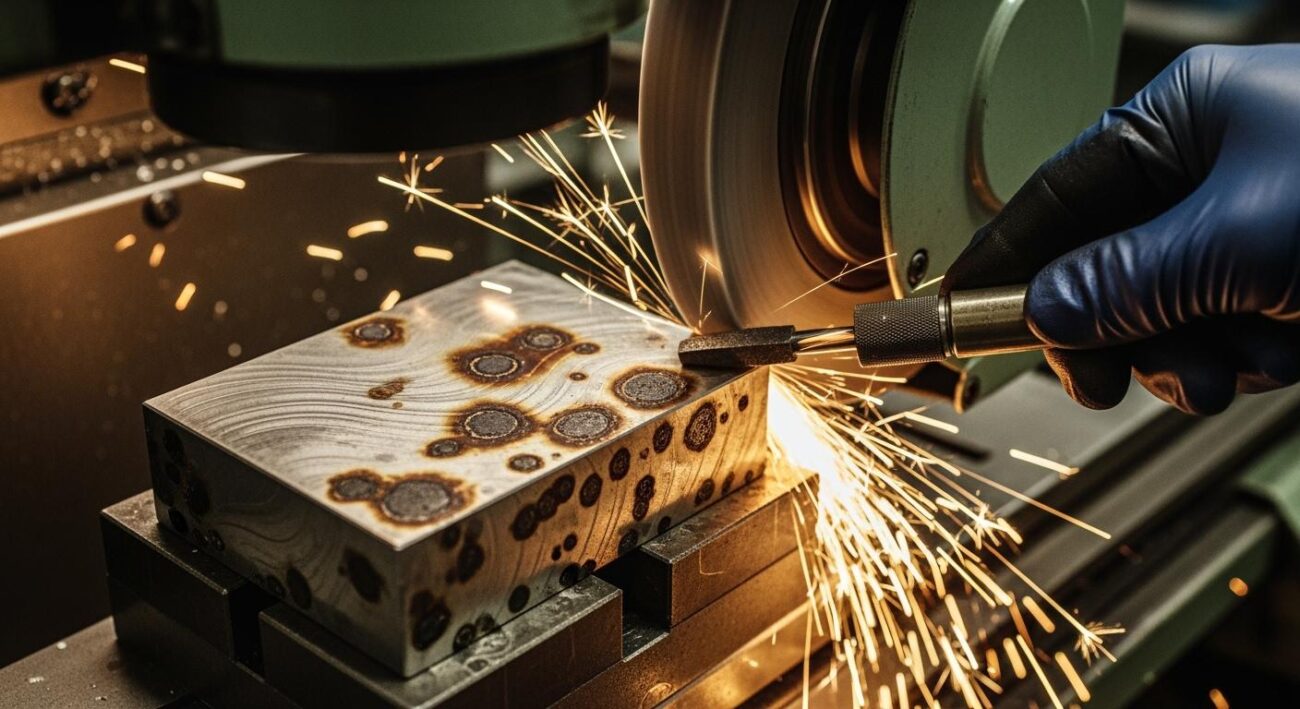
Fix common problems in surface grinding like burning, chatter, and poor finish. This guide offers solutions for these issues by adjusting your wheel, machine, and dressing process.
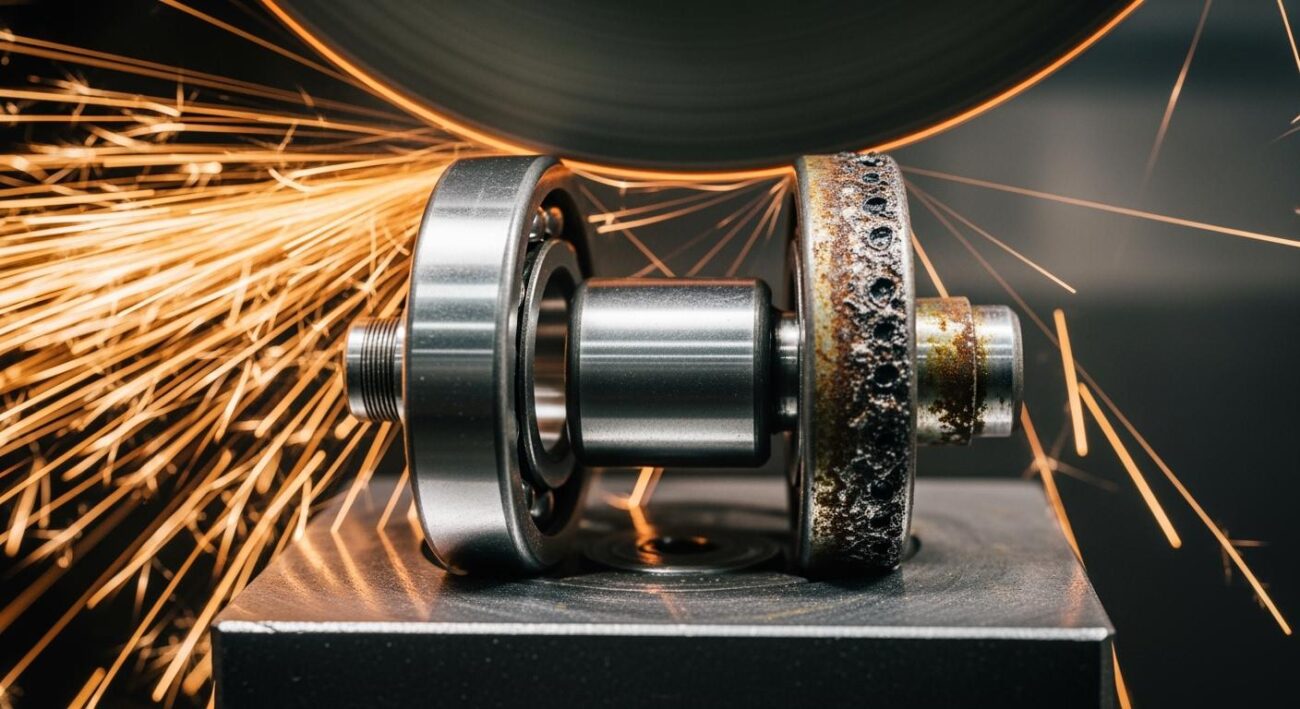
Worn spindle bearings degrade grinding process stability by causing vibration, runout, and stiffness loss, leading to poor surface finish and dimensional inaccuracy.
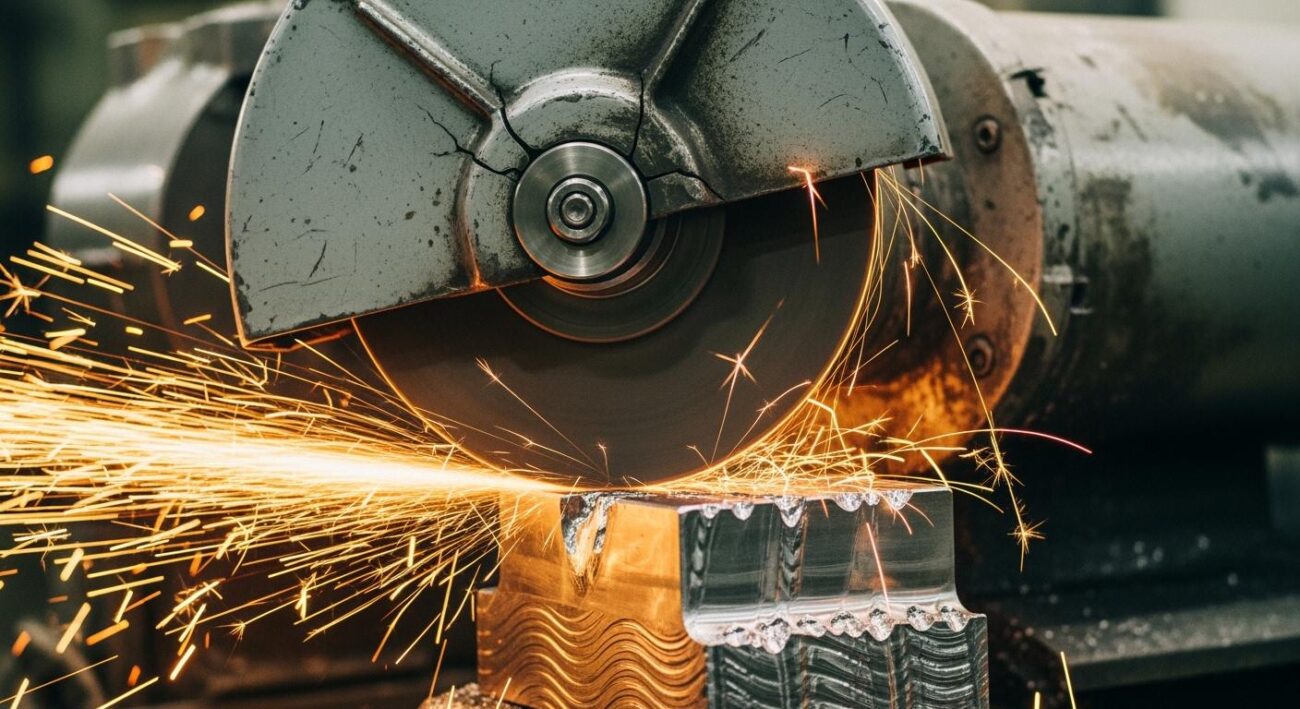
Insufficient grinder rigidity causes grinding problems like chatter, poor finish, and dimensional inaccuracy. Fix these issues by stabilizing the machine and setup.
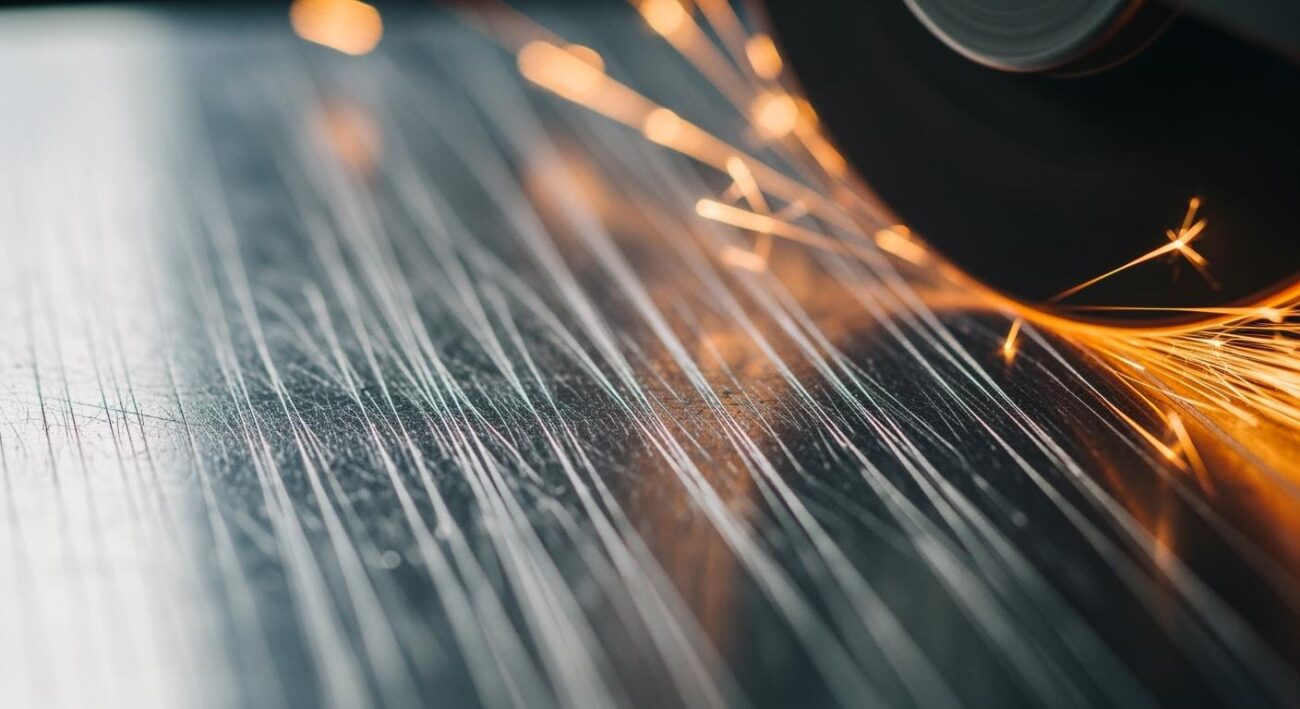
Grinding scratches on a workpiece are caused by wheel issues, machine vibrations, or process errors. Using the correct wheel, a stable setup, and clean coolant prevents them.
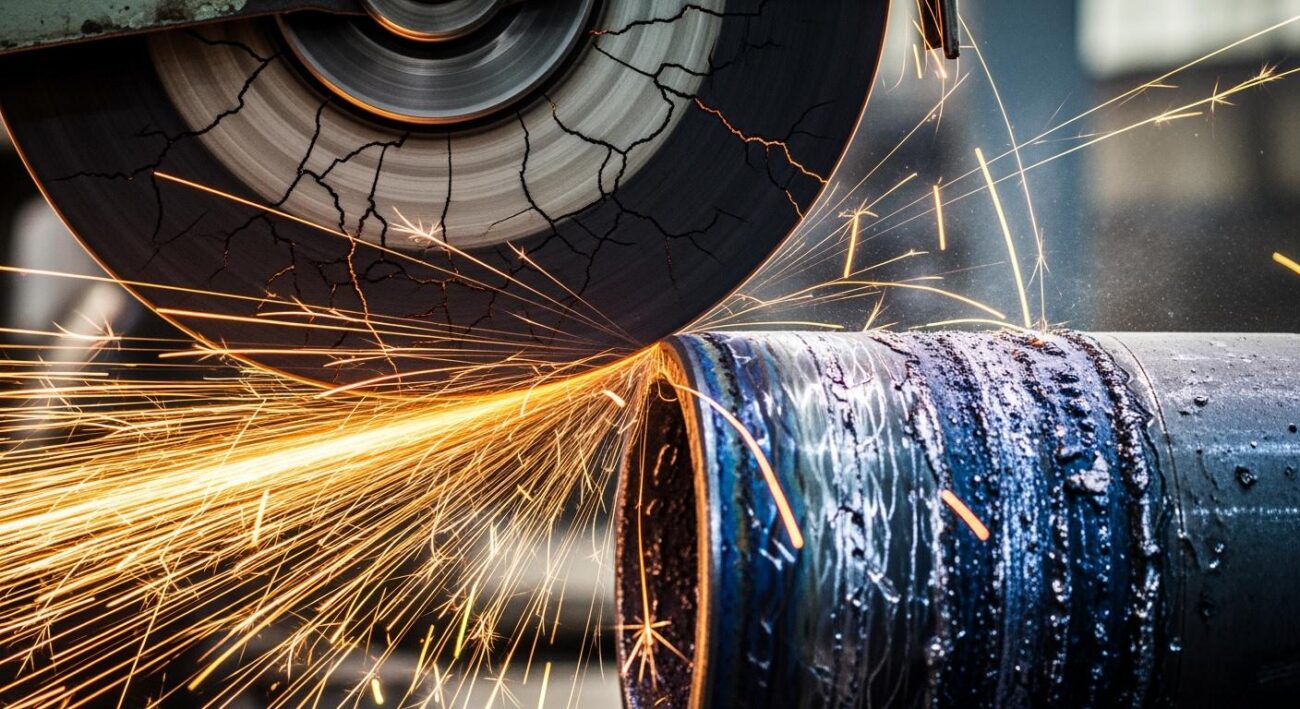
Solve common grinding problems like workpiece burn, glazing, and chatter by adjusting speeds. Mismatched wheel and workpiece speeds cause most failures. Correcting this ratio restores proper cutting action, prevents thermal damage, and eliminates vibration.
No account yet?
Create an Account