You can prevent discoloration during stainless steel grinding by using the right techniques and tools. Keeping the surface clean and cool helps preserve the quality and appearance of your work. When you polish stainless steel, you protect it from dirt and grime, which boosts its durability and corrosion resistance. A flawless finish does more than look good—it keeps your stainless steel strong for longer. Whether you are a professional or a DIY enthusiast, these tips help you avoid common mistakes and achieve the best results.
Key Takeaways
- Control heat during grinding to prevent discoloration. Use light pressure and keep the tool moving to avoid overheating.
- Choose the right abrasive tools. Use INOX-certified discs and ceramic abrasives to minimize contamination and achieve a smooth finish.
- Prepare the surface thoroughly before grinding. Clean off dirt and grease to ensure a bright and uniform finish.
- Utilize coolants and lubricants to absorb heat and protect the stainless steel surface from damage.
- Inspect the finished surface for imperfections. Regular checks help maintain quality and ensure a flawless appearance.
Causes of Discoloration in Stainless Steel Grinding
When you grind stainless steel, you want to keep the surface bright and clean. Discoloration can happen for several reasons. Understanding these causes helps you avoid mistakes and get a flawless finish. Aimgrind has years of experience diagnosing grinding issues, so you can trust these insights.
Heat Generation Effects
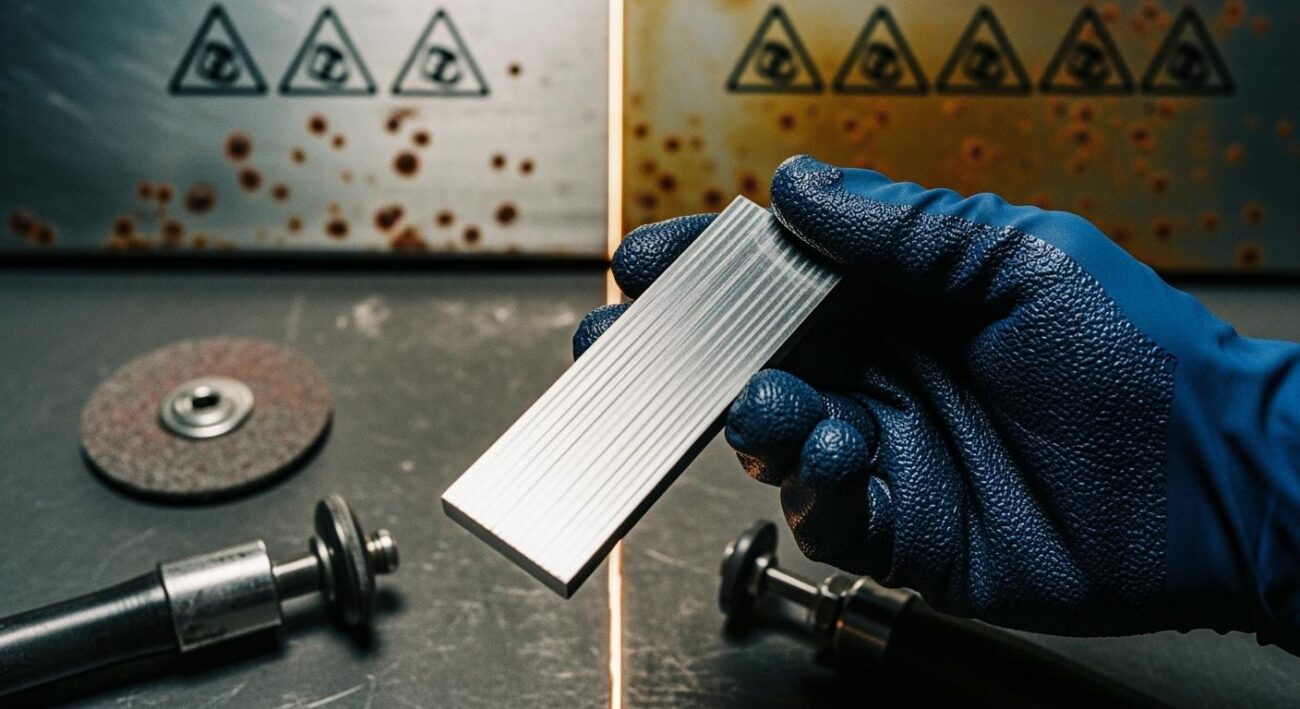
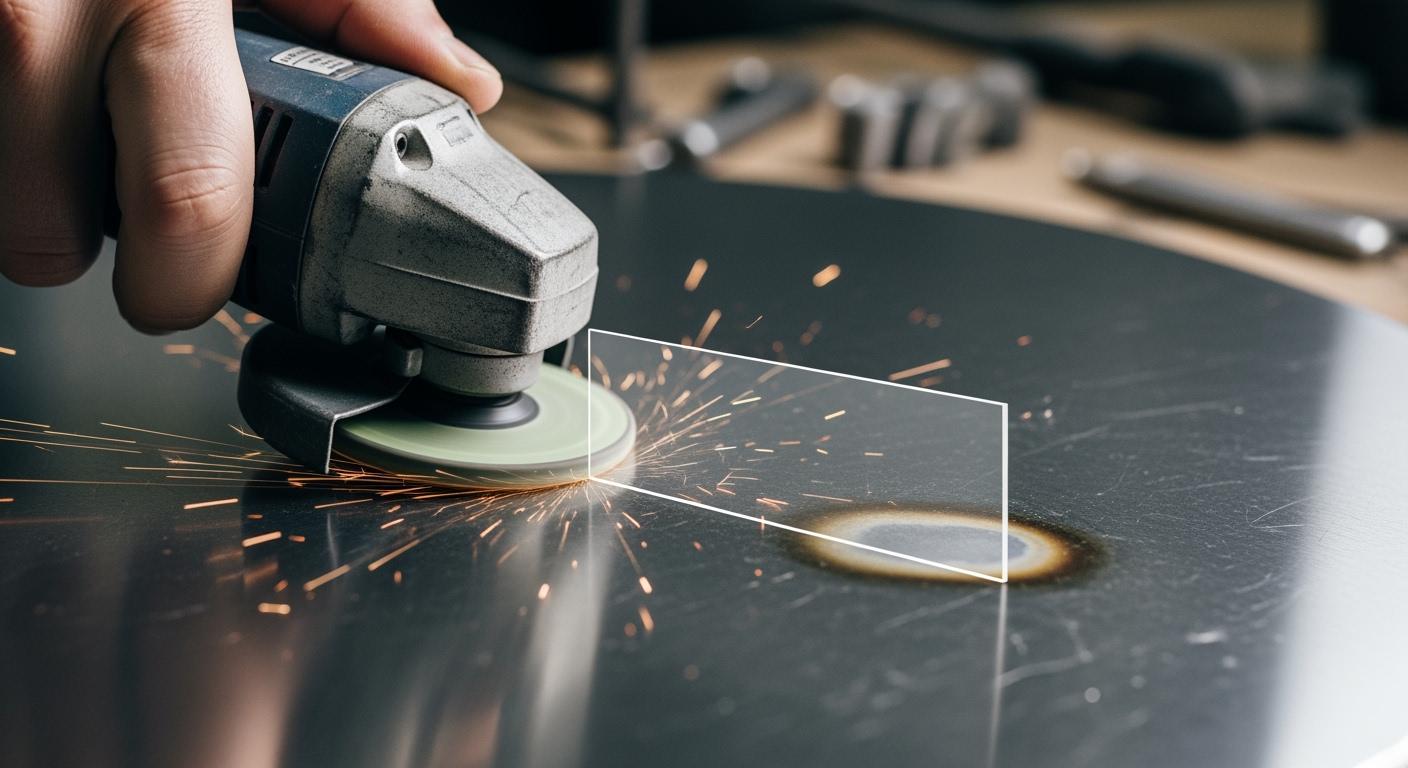
Grinding creates friction. Friction produces heat. If you let the temperature rise too much, the steel surface can change color. This happens because heat causes oxidation. Oxidation forms a thin film on the metal. You might see blue, yellow, or brown shades appear. These colors show that the metal has reacted with oxygen in the air. High heat can also weaken the protective chromium layer in stainless steel. This makes the surface more likely to tarnish or rust.
Tip: Always control grinding speed and pressure to keep the surface cool.
Chemical Reactions on Surface
Chemical reactions play a big role in surface changes. When you grind, the metal can react with air, moisture, or even chemicals from cutting fluids. These reactions often lead to oxidation. Sometimes, you might see bright red streaks. This usually means iron contamination from carbon steel tools or particles. Grinding can also leave behind residues from fluids or abrasives. These residues can react with the metal and cause stains or spots.
- Common chemical causes of surface changes:
- Surface reactions with oxygen and moisture
- Residue from cutting fluids
- Iron contamination from other tools
Abrasive Material Impact
The abrasive you choose matters. If you use the wrong abrasive, you risk contamination. Some abrasives can transfer particles to the stainless steel. This cross-contamination can cause unwanted chemical reactions. It can also lead to heat buildup, which increases the risk of discoloration. Using abrasives made for stainless steel helps you avoid these problems. Aimgrind offers grinding wheels designed to reduce contamination and keep your finish clean.
- Risks from improper abrasives:
- Excessive heat buildup
- Cross-contamination from other metals
- Inefficient grinding that damages the surface
Knowing these causes helps you take the right steps before you start grinding. With the right tools and methods, you can keep your stainless steel looking its best.
Preparation for Stainless Steel Grinding
Proper preparation is the foundation for a flawless stainless steel finish. If you skip these steps, you risk imperfections and discoloration. You can achieve the best results by following a careful surface preparation routine and choosing the right tools. Aimgrind offers customized solutions to help you match your grinding wheels and process for optimal performance.
Surface Cleaning Steps
You need to clean and prepare the surface before you start grinding. Dirt, grease, rust, or old coatings can cause problems during grinding. Use a degreaser or solvent to remove any contaminants. Wipe the surface with a clean cloth to make sure it is spotless.
- Cleaning removes anything that can interfere with polishing.
- A clean surface gives you a uniform and bright finish.
- Polishing compounds stick better to a clean surface, which helps you get a smooth and reflective look.
Selecting Abrasive Tools
Choosing the right abrasive tools is important for preventing discoloration. Look for INOX-certified discs, which are iron-free, sulfur-free, and chlorine-free. These discs help you avoid contamination. Zirconia or ceramic abrasives cut cooler and last longer. Pick discs that are 1.0mm to 1.6mm thick to reduce heat buildup.
- Use contaminant-free products to prevent rust spots.
- Select coated abrasives with a topcoat to keep the surface cool.
- Ceramic grains give you a steady cut and self-sharpen as you work.
- Move the tool smoothly and avoid pressing too hard to keep the temperature down.
Work Environment Setup
Set up your workspace to avoid surface imperfections. Overworking the surface can cause defects like the orange peel effect. High pressure and speed can stress the metal and lead to flaws. Always use abrasive products made for stainless steel to keep the finish clean.
- Keep your work area organized and free from other metal dust.
- Use dedicated tools for stainless steel only.
- Make sure your grinding wheels match your equipment and process. Aimgrind can help you with this step.
Tip: Careful preparation saves time and helps you achieve a professional result.
Equipment & Materials: Aimgrind Metal Bond Grinding Wheels
When you want a flawless stainless steel finish, you need the right equipment. Aimgrind specializes in customized grinding wheels that help you achieve precision and durability. Metal bond grinding wheels from Aimgrind give you an edge in both performance and finish.
Choosing the Right Grinding Wheel
You should always select a grinding wheel designed for stainless steel. The right wheel makes a big difference in the final result. Ceramic flap discs work better than standard wheels because they last longer and remove material more efficiently. They also resist heat and friction, which helps you keep the surface cool. If you use the wrong abrasive, you risk contamination and rust. Always check the abrasive material, grit size, and wheel type. These factors affect how smooth your finish looks and how well you avoid surface damage. Bonded grinding wheels let you remove material quickly and evenly. You also reduce the chance of chipping or uneven wear, which keeps your work safe and consistent.
Tip: Using the right grinding wheel helps you achieve high-quality results and makes polishing easier.
Benefits of Metal Bond Grinding Wheels
Aimgrind’s metal bond grinding wheels offer many advantages. They have high wear resistance and thermal stability. This means you can use them for tough jobs without worrying about the wheel wearing out too fast. The diamond or CBN abrasives in these wheels give you a precise cut every time. You can trust these wheels for heavy-duty grinding in industries like aerospace and tool manufacturing. Their design helps you avoid imperfections and discoloration, so your stainless steel always looks its best.
Coolants and Lubricants
Coolants and lubricants play a key role in stainless steel grinding. They absorb heat from both the workpiece and the abrasive grains. This keeps the temperature stable and prevents overheating. If you do not use coolants, you might see discoloration or even damage the steel. Coolants also help you avoid grinding burn, which shows up as visible stains or color changes. Using coolants protects the metallurgical integrity of your work and keeps the surface clean.
- Coolants and lubricants:
- Absorb heat and act as thermal barriers
- Prevent overheating and discoloration
- Protect the structure and appearance of stainless steel
With the right grinding wheels and proper use of coolants, you can maintain the quality of your stainless steel and achieve a professional finish every time.
Stainless Steel Grinding Techniques
Speed and Pressure Control
You need to control both speed and pressure during stainless steel grinding. High speeds can make the surface too hot. This heat can cause discoloration and even glazing of the abrasive grains. When you use too much pressure, you risk deeper scratches and more heat. Both problems can lead to imperfections and a dull appearance.
You should always start with a moderate speed. Increase it only if you see that the surface stays cool and clean. Use light, steady pressure. This helps you avoid overheating and keeps the grinding process smooth. If you press too hard, you may remove too much material at once. This can damage the protective layer on the steel and make it harder to polish stainless steel later.
Tip: Move the grinder along the grain of the metal. This reduces visible scratches and keeps the finish looking bright.
Intermittent Grinding Methods
Intermittent grinding means you grind in short bursts instead of one long pass. This method gives the metal time to cool down between each pass. You lower the risk of overheating, which protects the surface from imperfections and discoloration.
- Intermittent grinding helps you:
- Reduce the chance of damaging the protective oxide layer.
- Maintain a consistent temperature on the workpiece.
- Prevent surface contamination by allowing time for cleaning between passes.
You should also use abrasives made for stainless steel grinding. These tools help you avoid contamination and keep the surface clean. When you polish stainless steel after using intermittent grinding, you get a smoother and more reflective finish.
Cooling Practices
Cooling is one of the most important steps in stainless steel grinding. You need to use a coolant or lubricant to keep the temperature down. Coolants absorb heat and act as a barrier between the tool and the metal. This prevents thermal discoloration and protects the steel from imperfections.
Some companies use advanced cooling systems. For example, an aerospace firm used minimum quantity lubrication and saw a 30% drop in surface temperature. This stopped discoloration and kept the parts looking new. Another company used high-pressure coolant and prevented heat tint. They also extended the life of their grinding tools.
- Benefits of proper cooling:
- Prevents heat buildup and discoloration.
- Protects the structure and appearance of the steel.
- Reduces the risk of imperfections and makes it easier to polish stainless steel.
Note: Always check that your coolant is clean and suitable for stainless steel. Dirty or wrong coolants can cause contamination and surface problems.
By following these grinding techniques, you can keep your stainless steel surfaces free from imperfections. You also protect the appearance and make it easier to achieve a flawless finish.
Preventing Stainless Steel Surface Imperfections
Avoiding Excessive Heat
You can prevent stainless steel surface imperfections by keeping heat under control during grinding. Too much heat can cause discoloration and weaken the metal. To avoid this, follow these tips:
- Do not press too hard on the grinder. Excessive pressure creates more heat and can damage the surface.
- Keep the grinding tool moving at all times. If you stay in one spot, heat builds up and leads to imperfections.
- Use coolants or lubricants when possible. These help absorb heat and protect the finish.
By managing heat, you reduce the risk of stainless steel surface imperfections and keep your work looking clean.
Compatible Abrasives
Choosing the right abrasive is important for minimizing imperfections. Some abrasives work better with stainless steel and help you achieve a smooth finish. Consider these options:
- Ceramic abrasives last longer and expose new cutting edges as you work. They are great for medium to fine polishing.
- Non-woven pads and belts contain abrasive grains. They finish the surface without removing too much material.
- Buffing compounds come in different levels of coarseness. Use them in the final stage to get a shiny, high-luster finish.
These abrasives help you remove oxidation, reduce heat, and achieve a consistent look. Using the right tools lowers the chance of stainless steel surface imperfections.
Surface Preparation Tips
Proper preparation is key to avoiding imperfections. Industry experts recommend these steps:
- Start with a clean surface. Remove grease, dirt, and oxide layers before grinding.
- Use steady pressure and smooth motions. This prevents unwanted marks and uneven spots.
- Clean and maintain your equipment often. Well-kept tools give you better results.
- Pick high-quality abrasives for the best finish and fewer stainless steel surface imperfections.
Always use a neutral pH degreaser and a lint-free cloth for cleaning. Dry the surface well to avoid water spots. Careful preparation helps you avoid imperfections and keeps your stainless steel looking flawless.
Post-grinding Care and Inspection
Cleaning and Residue Removal
You need to remove all residues after grinding stainless steel. Residual acidic polishes or contaminants can cause pitting or corrosion. Use cleaning techniques that include a non-chlorinated, neutral pH degreaser to get rid of oils and machining residues. Wipe the surface with a lint-free microfiber cloth and isopropyl alcohol. Dry the steel with a non-abrasive cloth to prevent water spots. Rinse thoroughly with deionized water after polishing. Apply protective coatings quickly to boost corrosion resistance and keep the finish looking new.
Tip: Clean spills right away and wash the surface weekly with a mild detergent. Avoid harsh chemicals and use anti-oxidation spray every few months for long-term protection.
Passivation Techniques
Passivation restores the protective layer on stainless steel after grinding. You can use several methods to achieve this. Immersion in nitric acid removes contaminants and improves corrosion resistance. Nitric acid with sodium dichromate gives even greater protection against corrosion. Citric acid passivation offers an environmentally friendly option that works well for most stainless steel surfaces.
- Common passivation methods:
- Nitric acid immersion
- Nitric acid with sodium dichromate
- Citric acid treatment
Choose the method that fits your needs and equipment. Passivation helps your stainless steel stay strong and shiny.
Inspecting for Imperfections
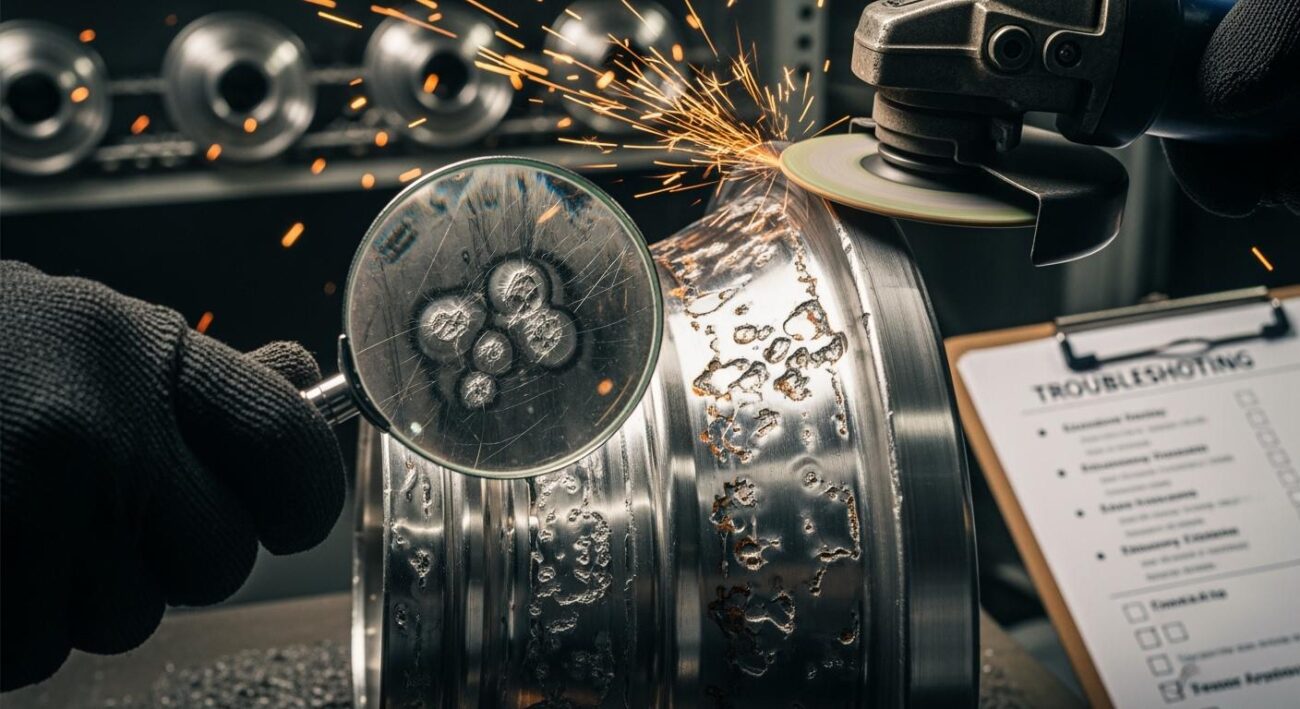
You should inspect the surface after grinding and cleaning. Look for discoloration, scratches, or stains. Use good lighting and check from different angles. Run your hand over the surface to feel for rough spots or uneven areas. If you find imperfections, repeat cleaning or polishing steps as needed. Regular inspection keeps your stainless steel flawless and ready for use.
Note: Careful inspection helps you catch problems early and maintain the quality of your stainless steel.
Common Mistakes and Imperfections to Avoid
Grinding stainless steel can be tricky. If you make certain mistakes, you will see imperfections, rust, and defects on your finished surface. Knowing what to avoid helps you get a flawless result.
Overheating Issues
You can cause overheating if you grind too fast or press too hard. Excessive heat damages the protective oxide layer. When this layer breaks down, rust forms quickly. Overheating also leads to discoloration and weakens the metal. You may notice defects like blue or brown spots. These spots show that the steel has lost its shine and strength.
- Common overheating mistakes:
- Grinding at high speed for too long
- Using too much pressure
- Ignoring cooling steps
Tip: Always monitor the temperature. Stop and let the metal cool if you see any color changes.
Skipping Preparation Steps
Skipping surface cleaning and preparation leads to imperfections and defects. Dirt, grease, or old coatings can cause uneven grinding. You may see rust appear because contaminants react with the steel. If you do not separate tools used for carbon steel, you risk cross-contamination. This mistake creates defects and makes rust spread faster.
- Consequences of skipping preparation:
- Cross-contamination from other metals
- Tools and carts not color-coded or separated
- Deformation and false microstructures
- Erroneous values in analysis due to pores
Note: Clean your workspace and tools before you start. This prevents defects and keeps rust away.
Using Incompatible Tools
Using the wrong abrasive or worn-out tools causes imperfections and defects. Poor performance means you cannot get a smooth finish. Incompatible tools increase wear and may create safety hazards. You might see rust and defects because the grinding wheel does not match the stainless steel. Surface finishes suffer, and imperfections become more visible.
- Problems from incompatible tools:
- Poor cutting performance
- Increased tool wear
- Safety risks
- Compromised surface finishes
Tip: Choose grinding wheels designed for stainless steel. Aimgrind offers solutions that help you avoid defects and rust.
If you avoid these mistakes, you protect your stainless steel from imperfections, rust, and defects. Careful grinding gives you a strong and shiny finish.
You can keep the appearance of your stainless steel bright by following each step in this guide. Always polish stainless steel with care to protect its appearance and reach a mirror finish. Use Aimgrind metal bond grinding wheels for the best quality and consistent results. When you polish stainless steel the right way, you improve its appearance and make a true mirror finish possible. Stick to these best practices to keep your projects looking their best.
FAQ
What causes discoloration when you grind stainless steel?
Discoloration happens when heat builds up during grinding. The surface reacts with oxygen and forms colored oxide layers. Using the wrong abrasive or skipping cleaning steps can also cause stains.
How can you prevent overheating during grinding?
You can prevent overheating by using light pressure and keeping the grinder moving. Coolants help absorb heat. Choose grinding wheels designed for stainless steel, like Aimgrind metal bond wheels.
Tip: Always monitor the surface temperature. Stop if you see color changes.
Which abrasive tools work best for stainless steel?
Ceramic and zirconia abrasives work well. They cut cooler and last longer. Aimgrind metal bond grinding wheels offer high precision and durability. Avoid using tools made for carbon steel.
| Abrasive Type | Benefits |
|---|---|
| Ceramic | Cool cutting, long life |
| Zirconia | Fast material removal |
| Metal Bond | Precision, durability |
Why is surface cleaning important before grinding?
Surface cleaning removes dirt, grease, and old coatings. You get a smooth, bright finish. Cleaning also prevents contamination and rust. Use a neutral pH degreaser and a lint-free cloth.
What should you check after grinding stainless steel?
You should inspect for discoloration, scratches, and stains. Run your hand over the surface to feel for rough spots. Clean and polish again if you find imperfections.
Contact Us
For More Grinding Solution or Customized Abrasive Tools