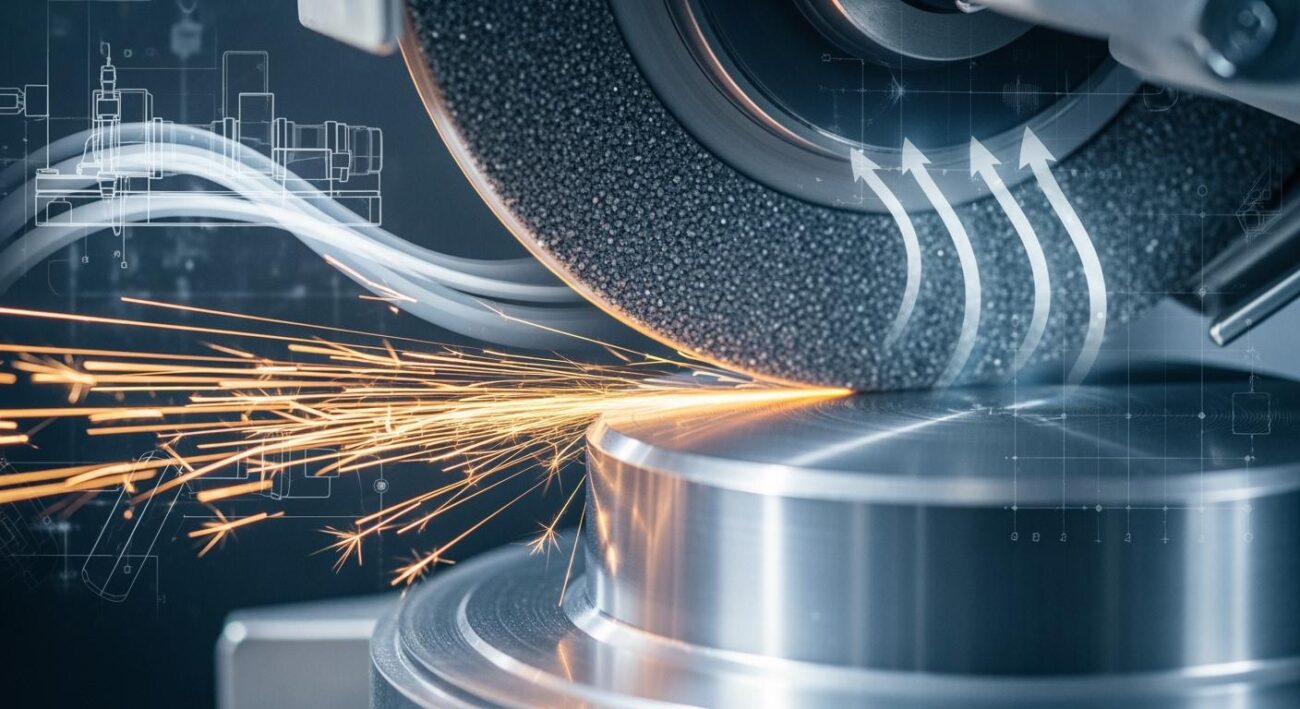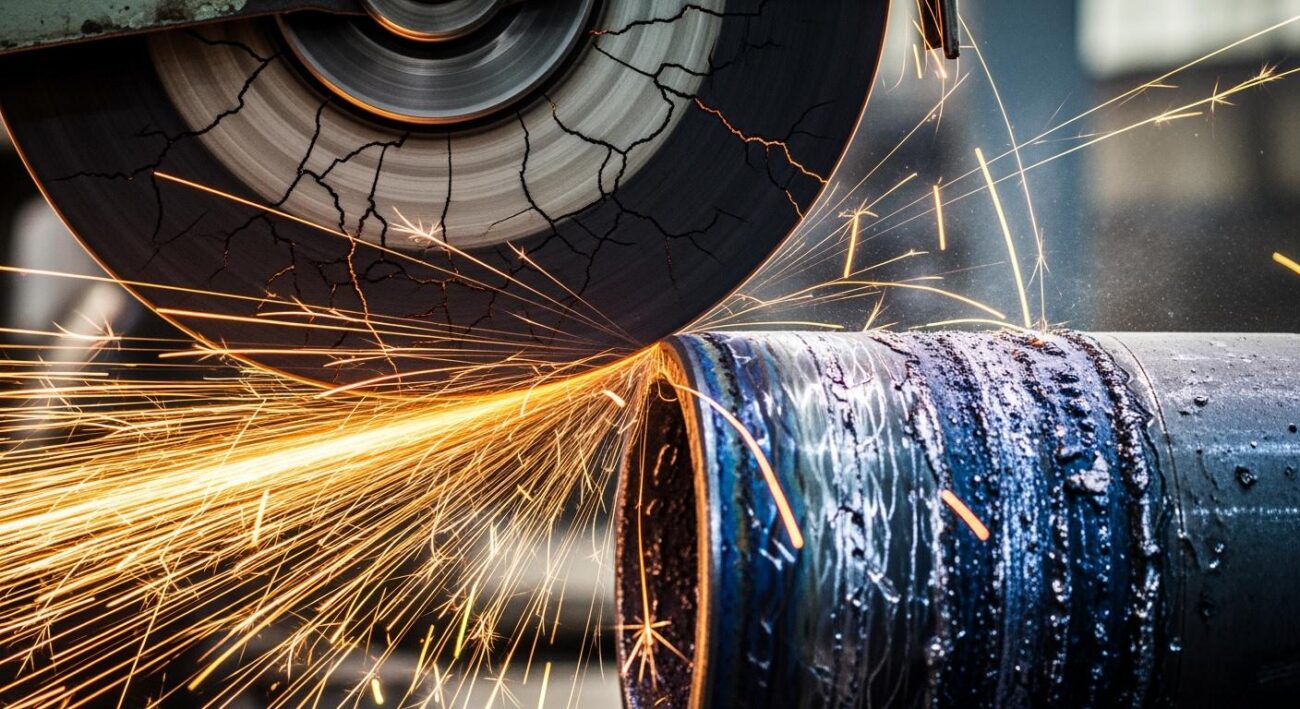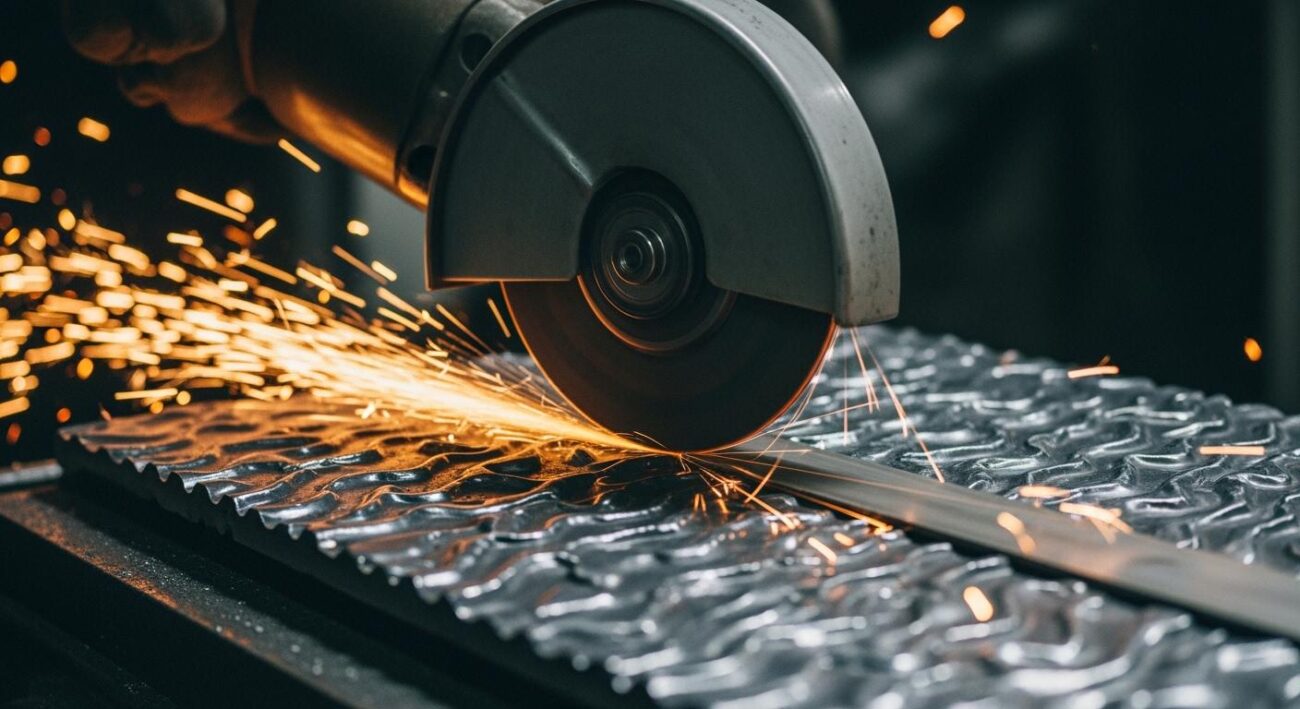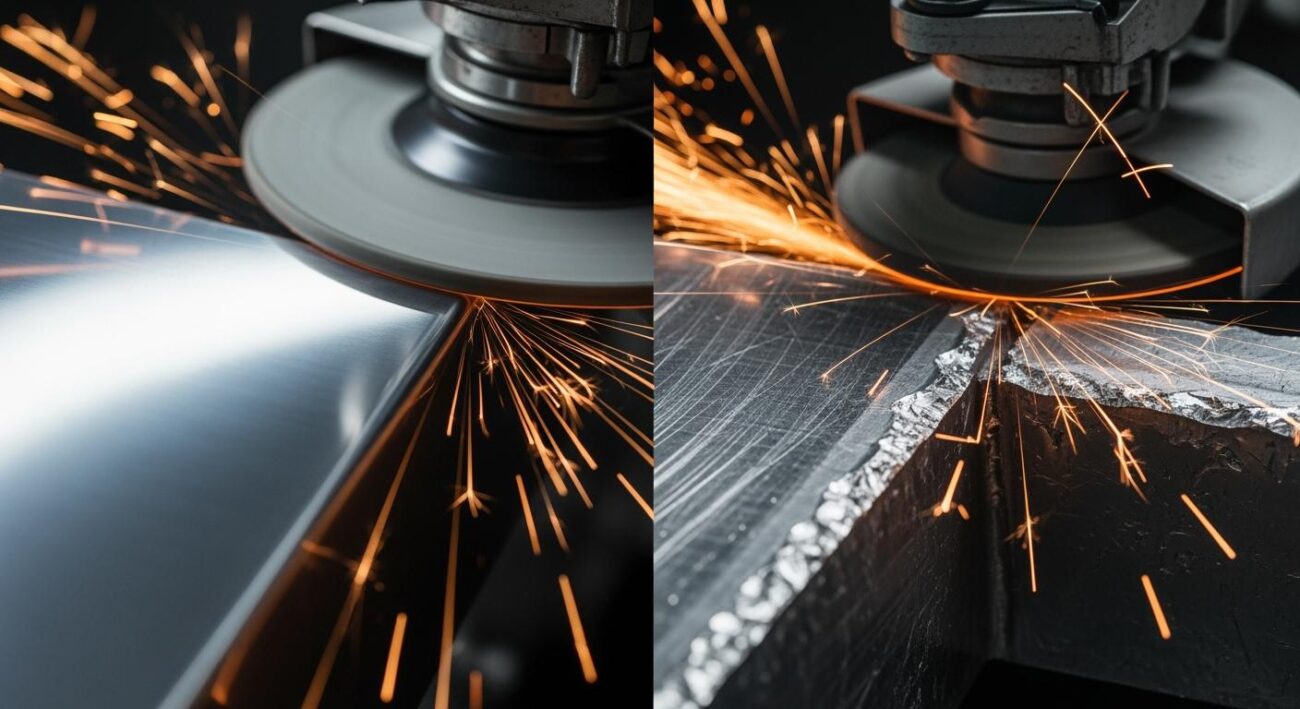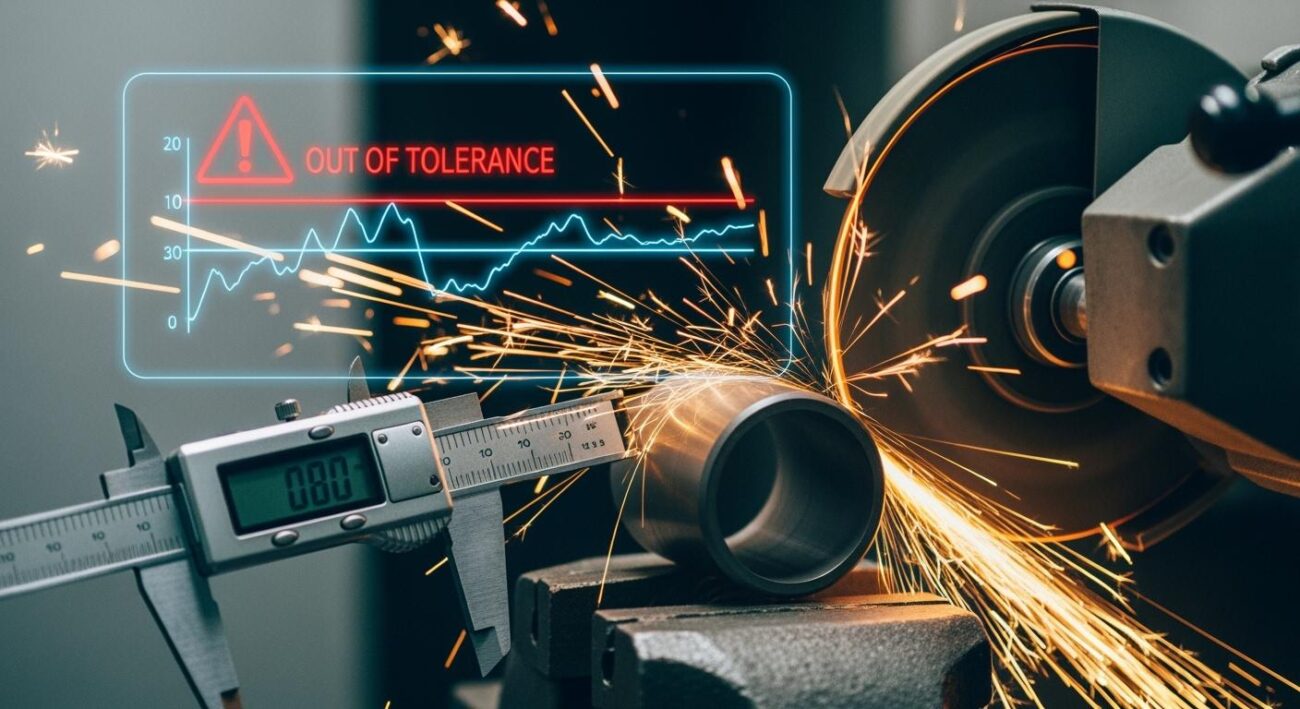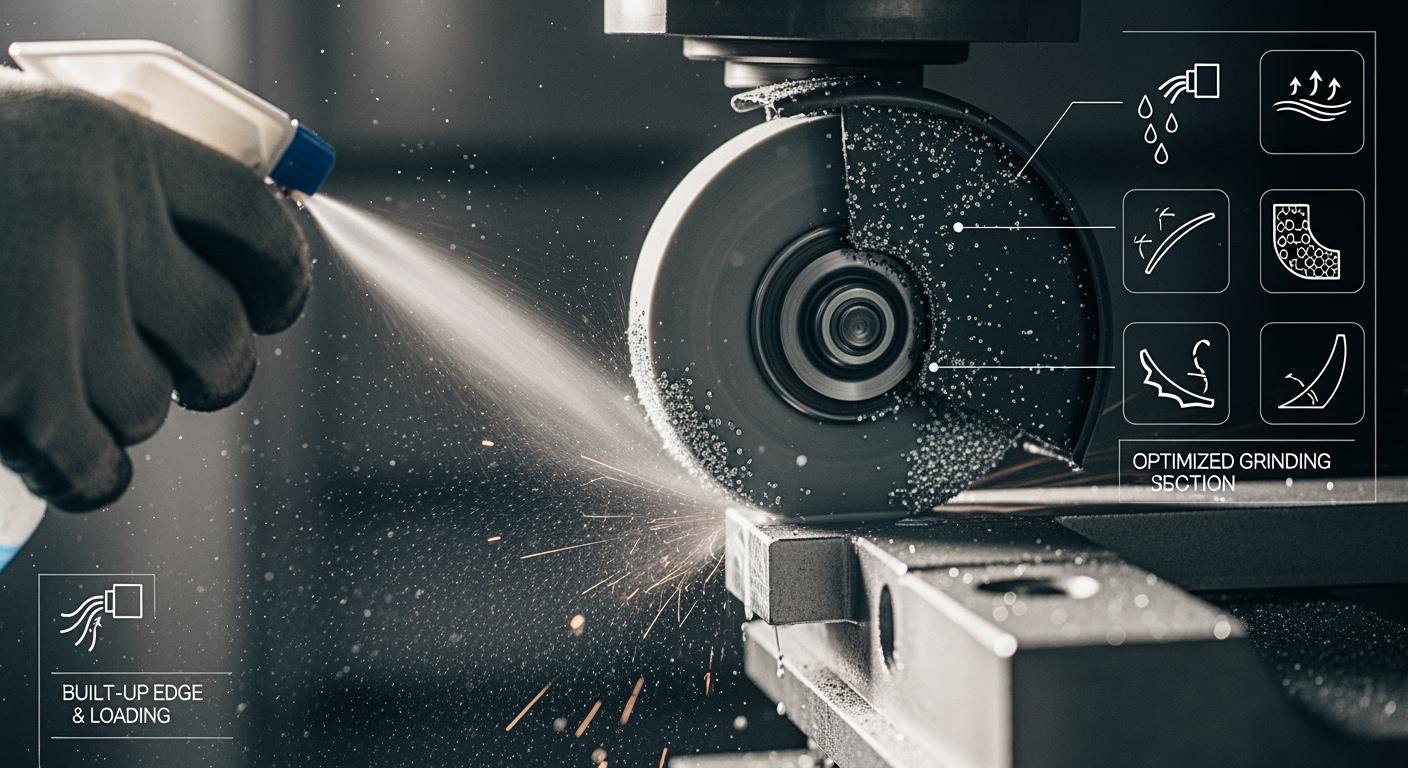
You can prevent built-up edge and loading in aluminum grinding by choosing the right methods and tools. Many experts use high speed with moderate feed, stable processes, and good thermal management. See the table below for common methods:
| Method | Description |
|---|---|
| Strategic Cutting Parameters | Use a “High Speed, Moderate Feed” approach to enhance thermal conductivity and achieve effective cutting. |
| Process Stability | Implement distinct roughing and finishing operations with consistent climb milling to manage forces. |
| Thermal Management | Utilize Minimum Quantity Lubrication (MQL) or high-pressure air cooling for efficient chip removal. |
| Process Control | Integrate in-process annealing and a quality monitoring system for stability and consistency. |
When you optimize aluminum grinding, you boost productivity. Studies show you can remove more material and cut faster, which also helps your tools last longer. Aimgrind specializes in customized solutions to help you get the best results. Try these practical steps for better grinding performance.
Key Takeaways
- Choose the right grinding wheel, like green silicon carbide, to reduce loading and improve surface quality.
- Use proper coolants and lubricants to clear chips, lower heat, and enhance grinding efficiency.
- Adjust grinding parameters, such as feed rate and cutting speed, to minimize built-up edge and tool wear.
- Regularly maintain and dress your grinding wheels to keep them clean and effective for better performance.
- Implement safety measures, like wearing protective gear and inspecting tools, to ensure a safe grinding environment.
Understanding Built-Up Edge in Aluminum Grinding
What Is Built-Up Edge?
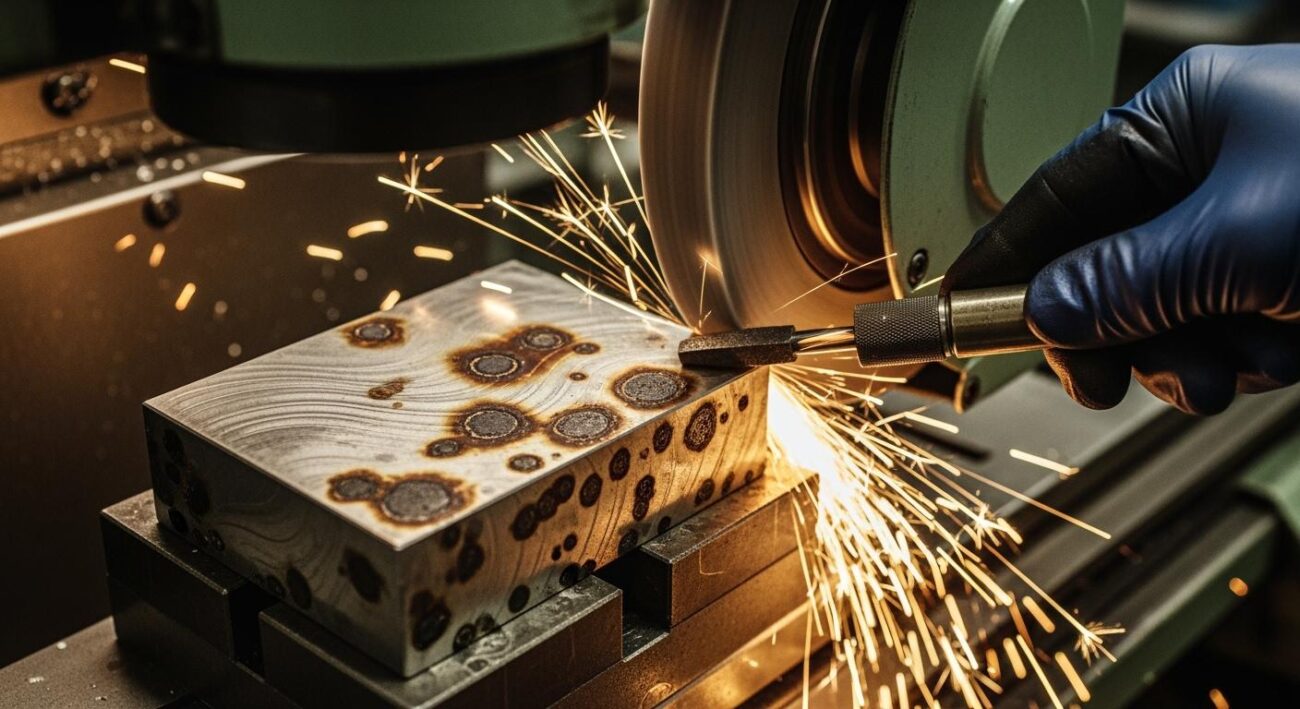
You often see built-up edge when you grind aluminum. Built-up edge happens when tiny chips of aluminum stick to the edge of your grinding tool. These chips can weld themselves onto the tool, changing its shape. You may notice that the tool does not cut as smoothly. Built-up edge forms because aluminum is soft and ductile. The chips do not break away easily. Instead, they cling to the grinding wheel and create a layer that grows over time.
Built-up edge is common in industries like aerospace. Aluminum alloys have low hardness and high ductility. These properties make built-up edge a frequent issue. When you grind aluminum, you must pay attention to this problem. If you ignore it, you risk damaging your tools and workpieces.
Why Built-Up Edge Is a Problem in Aluminum Grinding
Built-up edge causes several problems during grinding. You can see these issues in the table below:
| Evidence Description | Explanation |
|---|---|
| Tool wear and built-up edge | Aluminum can weld to the tool edge under the wrong conditions, altering tool geometry and affecting part size and surface finish. |
| Chip welding (built-up edge) | Aluminum chips can adhere to the tool edge, leading to tearing of the surface instead of clean shearing, resulting in a rough finish. |
| Gumming up | Aluminum sticking to the cutting edge generates heat and tears the workpiece surface, complicating the machining process. |
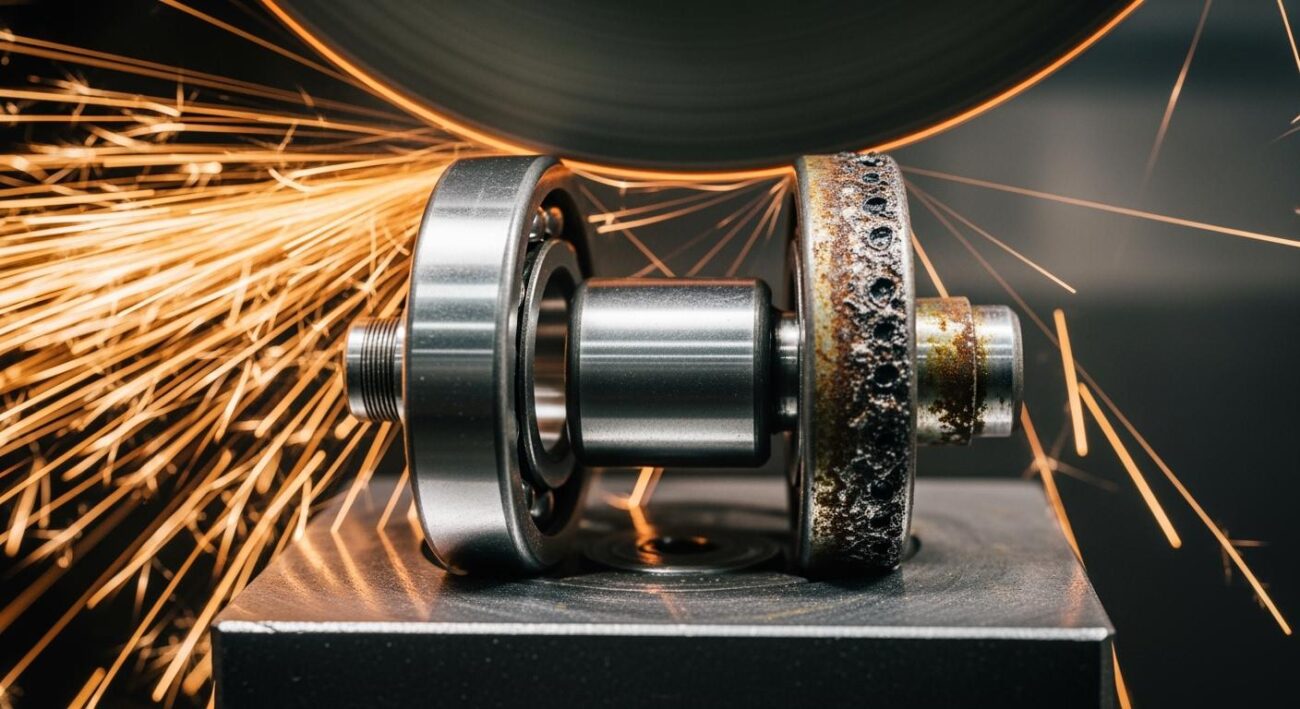
You may notice that built-up edge leads to rough finishes and tool wear. The grinding process is important for achieving high surface finishes in engineering. When loading occurs, chips stick to abrasive grains. This disrupts grinding efficiency. You may see increased grinding force and temperature. These changes can cause wheel chatter and thermal damage to your workpiece.
Built-up edge affects productivity and surface quality. You must understand how it forms and how it impacts your grinding results. If you control built-up edge, you improve your grinding performance and extend tool life.
- Grinding aluminum with built-up edge can reduce efficiency.
- Loading increases grinding force and temperature.
- You may see wheel chatter and thermal damage.
- Understanding loading helps you optimize productivity and surface integrity.
Causes of Loading and Built-Up Edge in Aluminum Grinding
Aluminum Material Properties
You need to understand how aluminum properties affect the grinding process. Aluminum is soft and ductile. These traits make it easy for chips to stick to the grinding wheel. This sticking leads to abrasive loading and built-up edge. Different aluminum alloys behave differently during grinding. Some alloys have high strength and low machinability. Others are easier to grind and less likely to form defects.
| Alloy Series | Strength (MPa) | Machinability Rating (%) | Sensitivity to BUE |
|---|---|---|---|
| 7xxx | up to 570 | 170 | High |
| 2011 | N/A | 280 | Low |
| 5052 | N/A | 270 | Moderate |
You see that the 7xxx series has high strength and high sensitivity to built-up edge. The 2011 alloy is easier to machine and less likely to cause defects. When you grind aluminum with high hardness, you increase cutting forces. This makes built-up edge more likely. A smooth surface finish helps reduce friction and prevents loading.
Grinding Conditions and Parameters
Grinding conditions play a big role in loading and built-up edge. You control these conditions by adjusting feed rate, cutting speed, and lubrication. If you use a high feed rate or low cutting speed, you raise the chance of defects. Lubrication is important. Dry grinding increases cutting forces and makes built-up edge worse. Wet grinding lowers friction and helps remove chips.
- Variations in feed rate, cutting speed, and lubrication change the likelihood of loading.
- Higher hardness in aluminum alloys increases cutting forces and built-up edge.
- Lubrication conditions affect cutting force dynamics and built-up edge behavior.
- Built-up edge impacts tool wear and surface integrity during the grinding process.
You can minimize built-up edge by increasing cutting speeds. You also improve grinding performance by keeping the surface smooth. When you investigate the grinding process, you see that tribological behavior at the tool-work interface affects defects. You must pay attention to these factors to prevent abrasive loading and improve results.
Solutions to Optimize Aluminum Grinding and Prevent Loading
Select the Right Grinding Wheel for Aluminum
You need to choose the right grinding wheel to get the best results when cutting and grinding aluminum. The type of wheel you use affects the surface finish, tool wear, and process efficiency. Wheels made from green silicon carbide give you lower surface roughness and better thermal stability. These wheels help reduce heat generation and keep the process stable. Aluminum oxide wheels wear out faster and can cause more loading, which lowers efficiency and quality.
| Grinding Wheel Type | Surface Roughness (Ra) | Heat Buildup (°C) | Performance Notes |
|---|---|---|---|
| Green Silicon Carbide | Lower Ra values | Lower temperatures | More resistant to wear, better thermal stability |
| Aluminium Oxide | Higher Ra values | Up to 88.25°C | Faster wear, increased clogging, reduced efficiency |
When you select the right grinding wheel, you improve the process and get defect-free edges. This choice also helps you achieve faster and cleaner cuts. For hard alloys, CBN or diamond wheels work well. For general steel, aluminum oxide wheels are common, but they are not the best for aluminum.
Aimgrind Metal Bond Grinding Wheels for Aluminum Grinding
Aimgrind’s metal bond grinding wheels give you a strong advantage in metal grinding and cutting. These wheels use diamond or CBN abrasives, which provide high wear resistance and thermal stability. You get a long-lasting tool that keeps its shape and delivers consistent surface quality. Aimgrind designs each wheel to match your equipment and process, so you can optimize aluminum grinding and reduce aluminum metal loading.
Aimgrind’s wheels help you maintain high efficiency and quality. You will notice less loading and fewer interruptions during the process. The wheels also support higher material removal rates, which means you can finish jobs faster. Aimgrind’s expertise ensures you get the best grinding aluminum performance for your needs.
Tip: Use Aimgrind’s metal bond grinding wheels to achieve defect-free edges and stable surface finishes, even in demanding cutting and grinding aluminum tasks.
Use Proper Coolants and Lubricants
Coolants and lubricants play a big role in the grinding process. They help clear chips, reduce heat, and prevent loading. You should use coolants with high detergency and low foam, such as DuraMet 1600-GY or DuraMet 1850. These products keep the wheel clean and improve surface quality.
| Product Name | Type | Key Features |
|---|---|---|
| DuraMet 1600-GY | Synthetic | High detergency to prevent wheel loading, low foam levels, leaves soft residues. |
| DuraMet 1850 | Emulsion | Versatile for mixed metals, chlorine-free, low foaming, bio-resistant, effective on aluminum. |
You can use different application methods for coolants:
- Compressed air clears chips and cools the process, but it does not provide enough lubrication for friction-heavy tasks.
- Flood cooling sprays coolant between the tool and aluminum, giving good lubrication and chip removal.
- Minimum Quantity Lubrication (MQL) uses a small amount of coolant as a mist, which reduces waste and environmental impact.
- Liquid coolants with high oil content work best for cutting and grinding aluminum because they prevent chips from sticking.
Using the right coolant helps you reduce heat generation and keep the process efficient. It also improves the surface finish and extends tool life.
Adjust Grinding Parameters for Aluminum
You need to set the right grinding parameters to get the best results. Match the motor output to the wheel diameter and the hardness of the material. This step helps you control the process and maintain high efficiency. If you use a high feed rate or low cutting speed, you may see more loading and tool wear. Higher cutting speeds and moderate feeds help you achieve a smoother surface and better quality.
- The green silicon carbide wheel gives you finer surface finishes and better wear resistance than aluminum oxide wheels.
- If you notice a sudden increase in surface roughness, check for bond failure or clogging.
- Regularly monitor the process using a power meter to collect data. Calculate specific power and grinding energy to evaluate wheel performance.
Adjusting your grinding parameters helps you maintain a stable process, improve material removal, and achieve high-quality results.
Apply Anti-Loading Techniques
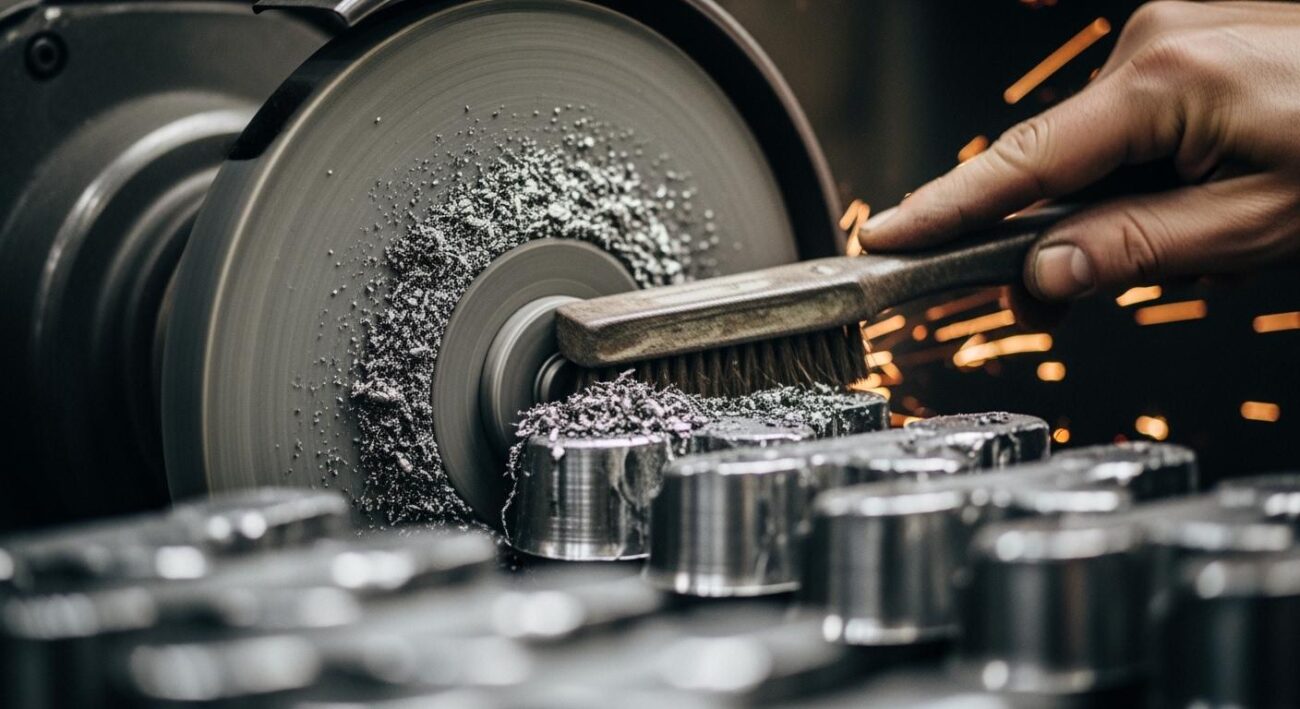
You can reduce aluminum metal loading by using anti-loading techniques. Regular maintenance of coolant filtration and wheel dressing is important. Clean the grinding wheel often to remove chips and prevent clogging. Dress the wheel to expose fresh abrasive grains and keep the surface sharp.
- Use filtered recirculating coolant with targeted nozzle placement to keep the process cool and clear chips.
- Maintain your grinding wheel and coolant system to avoid premature wear and keep the process efficient.
- Monitor the process for signs of loading, such as increased grinding force or changes in surface finish.
By following these steps, you keep your process stable and your tools in top condition. You also improve the quality of your cutting and grinding aluminum operations.
Note: Consistent maintenance and the right techniques help you achieve faster and cleaner cuts, better surface quality, and longer tool life.
Best Practices for Aluminum Grinding and Cutting
Tool and Wheel Maintenance
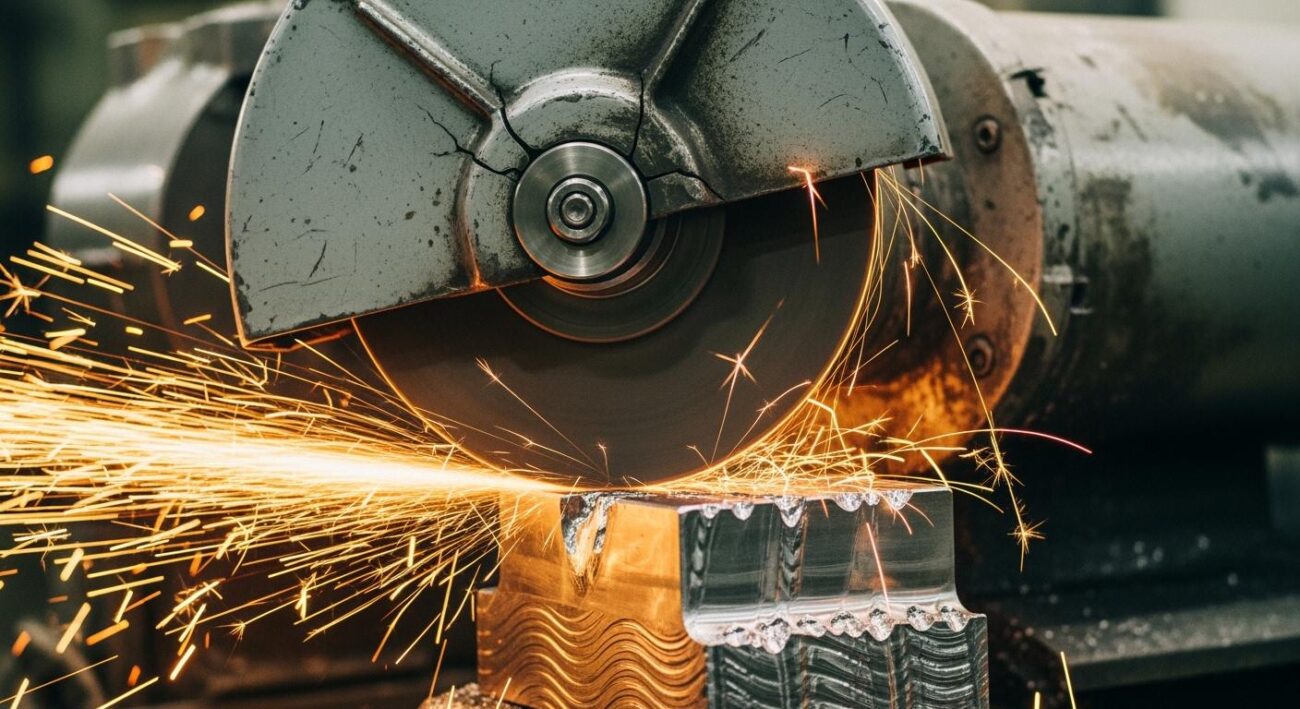
You should always keep your grinding tools and wheels in top condition. Regular maintenance helps you get consistent results and extends the life of your equipment. When you clean and dress your wheels often, you prevent loading and reduce heat buildup. This practice also keeps your cutting process smooth and efficient. Specialized wheels for aluminum grinding and cutting can lower the risk of aluminum sticking to the wheel. You should also control the pressure during grinding to avoid overheating and surface damage. These steps help you achieve better performance and reduce tool wear.
Safety Tips for Aluminum Grinding
Staying safe during aluminum grinding and cutting is very important. You face risks like overheating, surface damage, and contamination from metal burrs or residues. To protect yourself and your workspace, follow these practical tips for grinding aluminum:
- Wear personal protective equipment such as goggles, gloves, and a dust mask.
- Choose abrasive wheels made for aluminum to reduce heat and contamination.
- Keep your workspace clean and avoid using wheels that have touched steel.
- Inspect your grinding wheel for cracks or damage before each use.
- Make sure the wheel’s RPM rating matches your tool’s speed.
- Check that all safety guards are in place and working.
- Use a ring test for bonded wheels to check for hidden cracks.
- Always use dust collection systems to keep the air clean and safe.
Implementation Checklist
You can use this checklist to make sure you follow best practices for aluminum grinding and cutting. This will help you get consistent results and improve your workflow.
| Step | Action |
|---|---|
| Tool Performance | Use smart cutting tools to keep the right shape and reduce wear. |
| Efficiency | Monitor your process with sensors for better quality and speed. |
| Wear Reduction | Maintain your tools to cut down on friction and thermal wear. |
| Dust Collection | Set up dust collection to remove particles and keep your area safe. |
| Consistent Results | Follow a regular maintenance schedule for reliable performance. |
Tip: Good maintenance and safety habits help you avoid problems and keep your aluminum grinding and cutting operations running smoothly.
You can solve built-up edge and loading in aluminum grinding by choosing the right wheel, using proper coolants, and adjusting your process. Aimgrind’s customized grinding wheels help you get clean cuts and longer tool life. You gain better results when you follow these steps.
Visit Aimgrind’s website for expert advice and more solutions.
FAQ
What causes aluminum to stick to the grinding wheel?
You see aluminum stick to the wheel because it is soft and ductile. Chips cling to the abrasive surface and form a layer. This layer grows and leads to loading.
How can you prevent built-up edge during grinding?
You prevent built-up edge by using the right grinding wheel, applying coolants, and adjusting your grinding parameters. Regular wheel maintenance also helps you keep the process stable.
Why is coolant important in aluminum grinding?
Coolant keeps the grinding wheel clean and cool. It removes chips and lowers heat. You get a better surface finish and longer tool life when you use proper coolant.
What is the best grinding wheel for aluminum?
You get the best results with green silicon carbide or Aimgrind metal bond grinding wheels. These wheels resist loading and provide stable performance for aluminum.
How often should you dress the grinding wheel?
You should dress the wheel whenever you notice loading or a drop in surface quality. Regular dressing exposes fresh abrasive grains and keeps your grinding process efficient.
Contact Us
For More Grinding Solution or Customized Abrasive Tools