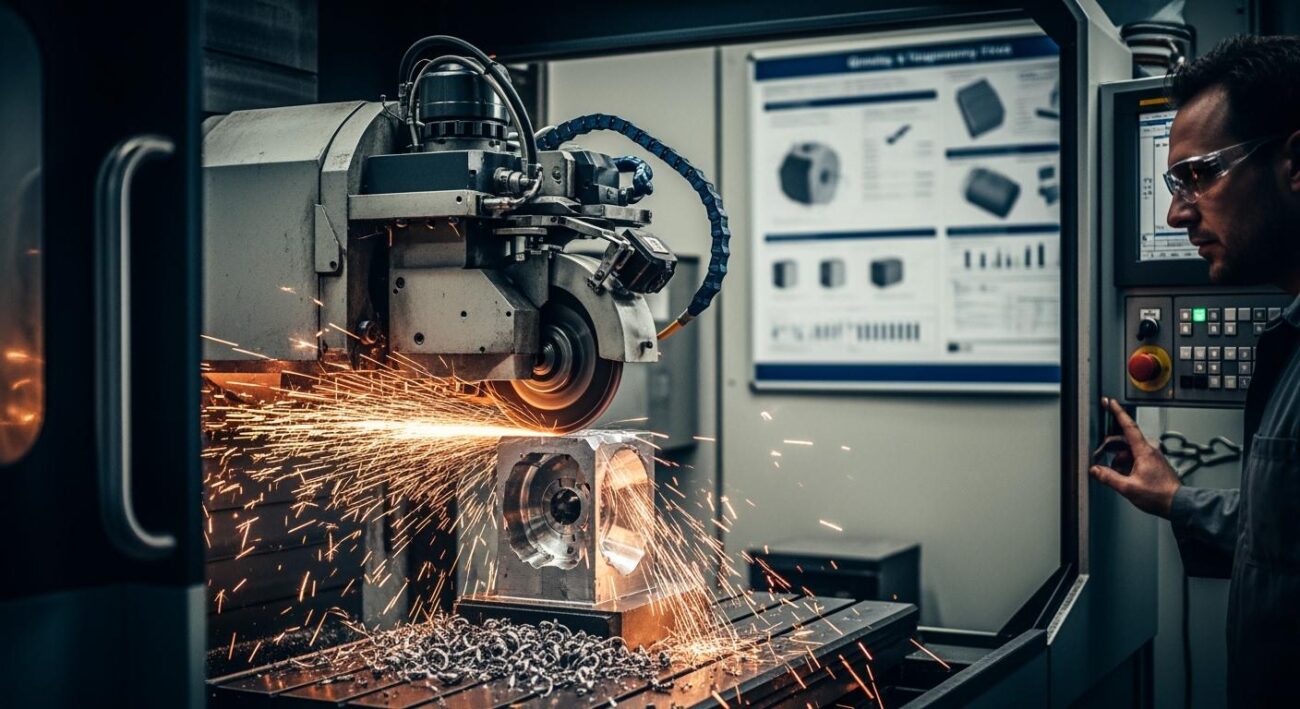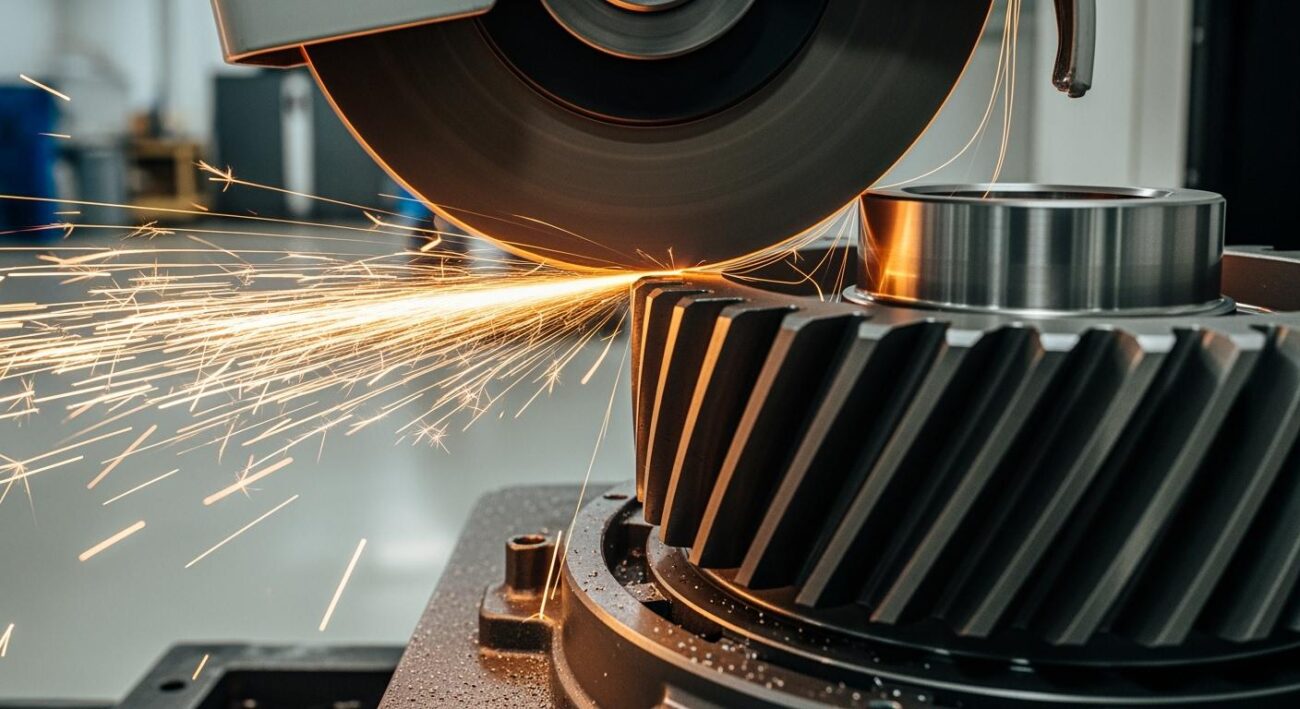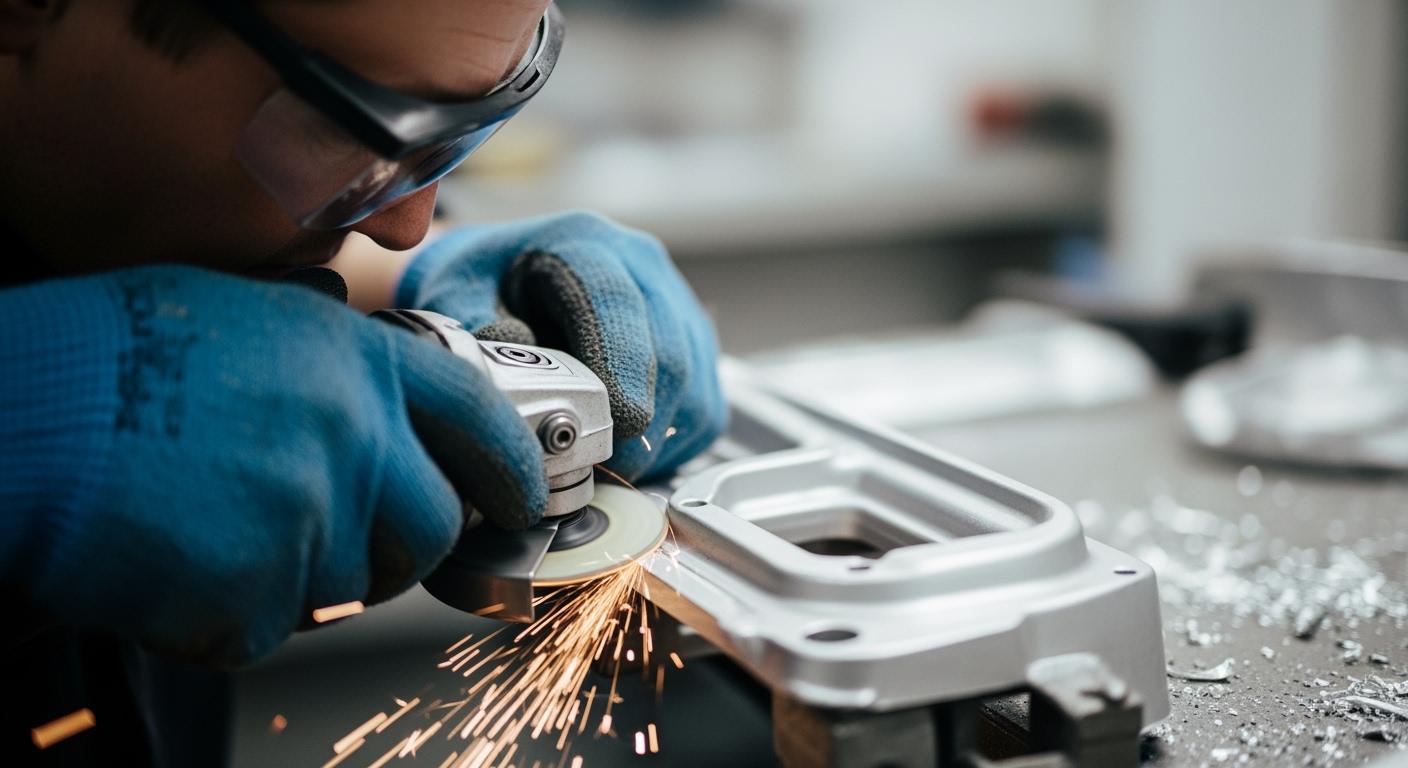
You face real risks when working with aluminum and magnesium alloys. Safe grinding solutions protect you from dangers such as fire, explosion, and harmful dust. In 2022, metal dust incidents made up 8.5% of all dust incidents in the metal sector, with past disasters showing the need for strong safety measures. You can trust Aimgrind’s expertise for safe grinding solutions. The right tools matter. Aimgrind offers advanced abrasive tools that improve safety and support efficient, safe grinding solutions. You gain peace of mind and better results when you choose safe grinding solutions.
| Tool Type | Safety Features | Efficiency Features |
|---|---|---|
| Polycrystalline Diamond Tools | Excellent wear resistance, ideal for high-quality surface finish | Very effective for machining hard or abrasive magnesium alloys |
Key Takeaways
- Choose Aimgrind super hard abrasives for safer and more efficient grinding of aluminum and magnesium alloys.
- Implement effective dust control systems to prevent harmful dust accumulation and reduce fire risks.
- Always use proper personal protective equipment (PPE) like goggles and dust masks to safeguard against health hazards.
- Maintain a clean workspace and remove chips regularly to minimize fire hazards and improve safety.
- Train your team on safety protocols and ensure regular equipment maintenance to prevent accidents.
Grinding Hazards and Safety Considerations
When you work with aluminum and magnesium alloys, you face unique hazards. You must understand these risks to keep your workspace safe. Aimgrind’s industry insights show that safety considerations are essential for every machining process. You need to focus on fire prevention, dust control, and accident awareness.
Fire and Explosion Risks
Grinding magnesium alloys creates fine chips and powders. These can catch fire easily. The risk of fire increases during the finishing stage of machining. If you let magnesium chips build up, you add to the fire hazard. Aluminum powder is also very explosive. According to NFPA 499, aluminum dust is the most explosive metal dust. You must use proper tooling and avoid tight clearance angles to reduce fire hazards. Always handle and dispose of magnesium chips with care. Never use water to put out a magnesium fire. Use only dry extinguishers. Explosion-proof vacuums help you remove chips safely.
Tip: Keep your workspace clean and use the right equipment for fire prevention.
| Hazard Type | Description |
|---|---|
| Dust Explosions | Risk of dust explosions due to aluminum powder and combustible dust generated during grinding. |
| Explosive Properties of Aluminum | Aluminum powder is classified as the most explosive metal dust according to NFPA 499. |
| Incidents of Explosions | Eight explosions occurred due to aluminum powder discharge into dust removal ducts during polishing. |
| Contribution to Total Explosions | Metal dust explosions account for 25% of total dust explosions, with aluminum dust being a major cause. |
| Global Impact | About 19% of all dust explosions worldwide are caused by metal dust, mainly aluminum. |
Health Hazards from Dust
You must protect yourself from dust when machining magnesium alloys. Breathing in dust can harm your lungs. The ACGIH sets limits for aluminum dust at 10 mg/m3 and for respirable dust at 5 mg/m3. NIOSH also sets strict limits. Always use dust extraction systems. Wear masks and other protective gear. Good ventilation is a key part of safety considerations.
Common Accident Scenarios
Many accidents happen when dust or chips catch fire during machining. Ignition sources can cause dust explosions. You need effective dust collection systems to prevent these hazards. If you follow safety considerations, you lower the risk of fire and injury. Always stay alert to fire hazards and keep your workspace organized.
Safe Grinding Solutions with Aimgrind Super Hard Abrasives
When you work with aluminum and magnesium, you need solutions that keep you safe and help you achieve high-quality results. Aimgrind’s super hard abrasives give you the edge in magnesium cnc machining and aluminum cnc machining. These tools use diamond and CBN grains, which means you get excellent machinability and long-lasting performance. You can trust Aimgrind to help you follow best practices for machining and keep your workspace safe.
Recommended Tools and Equipment
You should always choose the right tools for magnesium cnc machining. Aimgrind recommends super hard abrasives, which include grinding wheels, cutting wheels, and polishing wheels. These tools work well for both aluminum and magnesium. They help you achieve excellent machinability and reduce the risk of fire or explosion. You can also use stainless steel brushes, steel blasting shot, and coated carbide tools for better results.
Tip: Use explosion-proof vacuum cleaners to remove magnesium chips and dust. Never use water to put out a magnesium fire. Always use a dry Class D fire extinguisher or dry sand.
Here is a table of recommended tools for magnesium cnc machining:
| Tool Type | Application | Safety Feature |
|---|---|---|
| Super Hard Abrasive Wheels | Grinding, finishing | High durability, low heat generation |
| Polycrystalline Diamond (PCD) | High-precision machining | Sharp edges, prevents smearing |
| Coated Carbide (TiAlN, TiN, DLC) | Wear-resistant cutting | Reduces tool wear |
| Stainless Steel Brushes | Cleaning and finishing | Spark-free operation |
| Explosion-Proof Vacuum Cleaner | Chip and dust removal | Prevents ignition |
You should always secure your workpiece with vises, clamps, or holders. This prevents accidents during magnesium cnc machining. Use forming rolls, molds, and dies that match your material. Choose abrasive products made for aluminum and magnesium, such as discs, belts, and flap discs.
Proper Grinding Techniques
You need to follow best practices when you use Aimgrind super hard abrasives for magnesium cnc machining. Always keep your tools sharp. Sharp tools reduce heat and lower the risk of fire. Avoid small clearance angles, which can cause chips to get stuck and increase danger. Program your cnc machines to create discontinuous chips. This makes chip removal easier and safer.
Note: Never use water-based coolants for magnesium cnc machining. Use mineral oil coolants instead. Water can make magnesium fires worse.
Follow these best practices for safe and efficient magnesium cnc machining:
- Maintain proper tool condition. Replace dull tools right away.
- Avoid small clearance angles. This prevents chip entanglement.
- Create discontinuous chips. Use cnc programming to break chips.
- Use mineral oil coolants. Do not use water-based coolants.
- Remove chips and dust with explosion-proof vacuum cleaners.
- Never use water to put out magnesium fires.
You can improve machinability by using tools with large rake angles. This helps with chip formation and reduces heat. Always check your equipment before starting magnesium cnc machining. Make sure all safety features are working.
Dust Control and Extraction
Dust control is a key part of best practices for magnesium cnc machining. Grinding aluminum and magnesium creates fine dust that can be dangerous. You need dust extraction systems that meet NFPA 484 standards. For magnesium, use wet collectors. These systems use water curtains to capture dust and keep it from becoming airborne. For aluminum, use explosion-protected baghouse systems with explosion venting and spark detection.
Alert: Good dust extraction keeps you safe and helps you follow safety rules. It also improves air quality in your workspace.
Wet downdraft tables work well for magnesium cnc machining. They use water to trap dust and prevent explosions. You should always use these systems when you grind magnesium or aluminum. This is one of the best practices for machining and keeps your workspace safe.
You can trust Aimgrind’s dust extraction solutions to reduce airborne particulates. These systems protect you and your team during magnesium cnc machining. They also help you meet safety standards and improve machinability.
By following these best practices, you get excellent machinability, better results, and a safer workspace. Aimgrind’s super hard abrasives and dust control solutions support you in every step of magnesium cnc machining.
Machining Magnesium: Safety and Preventive Measures
Workspace Setup and Ventilation
You need a safe workspace when machining magnesium. Set up your area away from open flames or sparks. Keep all flammable materials far from your machining zone. Good ventilation is important for every application. You should use local exhaust systems to remove dust and fumes. Place explosion-proof equipment near your machines. This helps control fire risks. Always keep your workspace clean. Remove chips and dust after every machining session. You can use wet downdraft tables for some applications of magnesium. These tables help trap dust and lower the chance of fire. Make sure your workspace has enough airflow. Ventilation reduces heat and keeps the air safe to breathe.
PPE and Handling Dust
Wear the right personal protective equipment every time you work with magnesium. You need safety goggles, gloves, and flame-resistant clothing. Dust masks or respirators protect your lungs from fine particles. Handling dust from machining magnesium requires extra care. Never sweep or blow dust into the air. Use explosion-proof vacuums to collect dust safely. Store collected dust in metal containers with tight lids. This prevents fire. Always wash your hands and face after machining. Good hygiene keeps you safe from harmful dust. You should follow all safety precautions for every application.
Lubrication and Explosion-Proof Practices
Lubrication plays a key role in machining magnesium. You should use light mineral oil or fluids made for magnesium machining. These coolants prevent heat buildup and reduce fire risk. Never use water-based coolants. Water can react with magnesium and cause fire. Choose water-free coolants designed for magnesium. Explosion-proof practices help you stay safe. Control chip size and shape during machining. Monitor chip temperature to avoid overheating. Remove chips often to prevent ignition. Explosion-proof equipment is important for all applications of magnesium. You must follow these precautions to keep your workspace safe. Always review your safety steps before starting any machining job.
Tip: Safe machining magnesium means using the right tools, good ventilation, and careful handling of dust and heat. You protect yourself and your team from fire and other dangers.
Emergency Response and Ongoing Safety
Fire Response Protocols
You must act quickly if a fire starts during magnesium or aluminum machining. Your first step is to evacuate the area to keep everyone safe. Always check which metal is burning before you choose an extinguisher. For magnesium fires, never use water. Use a Class D fire extinguisher with dry powder agents like sodium chloride or graphite. These agents smother the flames by cutting off oxygen. Stand at a safe distance when you apply the dry powder. Watch the area after the fire seems out. Magnesium fires can restart if you miss any hot spots.
Tip: Always keep a Class D fire extinguisher near your machining area. Make sure everyone knows how to use it.
First Aid and Incident Reporting
If someone gets hurt during machining, you need to act fast. Clean wounds and apply bandages right away. Use hot or cold packs if needed. Know the difference between first aid and medical treatment. If the injury is serious, you must record it on OSHA Form 301. Report every injury as soon as it happens, even if it seems small. This helps improve safety and keeps a legal record. Include details from witnesses or the injured person in your report. A supervisor should check all facts before signing the report.
- Report injuries immediately, no matter how minor.
- Collect first-hand information from witnesses or the injured worker.
- Have a supervisor review and sign the incident report.
Maintenance and Staff Training
Regular maintenance keeps your machining equipment safe and ready. Check all machines and dust extraction systems often. Remove magnesium dust and chips after every session to lower fire risks. Replace worn abrasive tools before they fail. You should schedule routine checks for all safety equipment, including fire extinguishers.
You need strong training and awareness programs for your team. Teach everyone about magnesium hazards, fire response, and safe machining steps. Hold training sessions often. Make sure new workers get full training before they start. Ongoing training and awareness help you prevent accidents and keep your workspace safe. Aimgrind supports your training by offering expert advice and resources for safe machining.
You now know how to stay safe when grinding aluminum and magnesium alloys.
- Use Aimgrind super hard abrasives for better safety and top results.
- Always follow dust control, fire prevention, and proper tool use.
- Train your team and check your equipment often.
Keep learning and improving your safety steps. Safe grinding protects you and your workspace every day.
FAQ
What makes Aimgrind super hard abrasives safer for aluminum and magnesium?
You get tools that stay sharp longer and create less heat. This lowers fire risks. The design helps you control dust and chips better. You work safer and more efficiently.
Can you use water to put out a magnesium fire?
Never use water on magnesium fires. Water can make the fire worse. Always use a Class D fire extinguisher or dry sand to put out magnesium fires.
How do you control dust when grinding aluminum and magnesium?
You should use dust extraction systems. Wet collectors work for magnesium. Explosion-proof baghouse systems work for aluminum. Good ventilation and regular cleaning keep your workspace safe.
What personal protective equipment (PPE) do you need?
| PPE Item | Purpose |
|---|---|
| Safety goggles | Protect your eyes |
| Dust mask/respirator | Guard your lungs |
| Flame-resistant gloves | Shield your hands |
| Protective clothing | Prevent burns and dust contact |
Contact Us
For More Grinding Solution or Customized Abrasive Tools