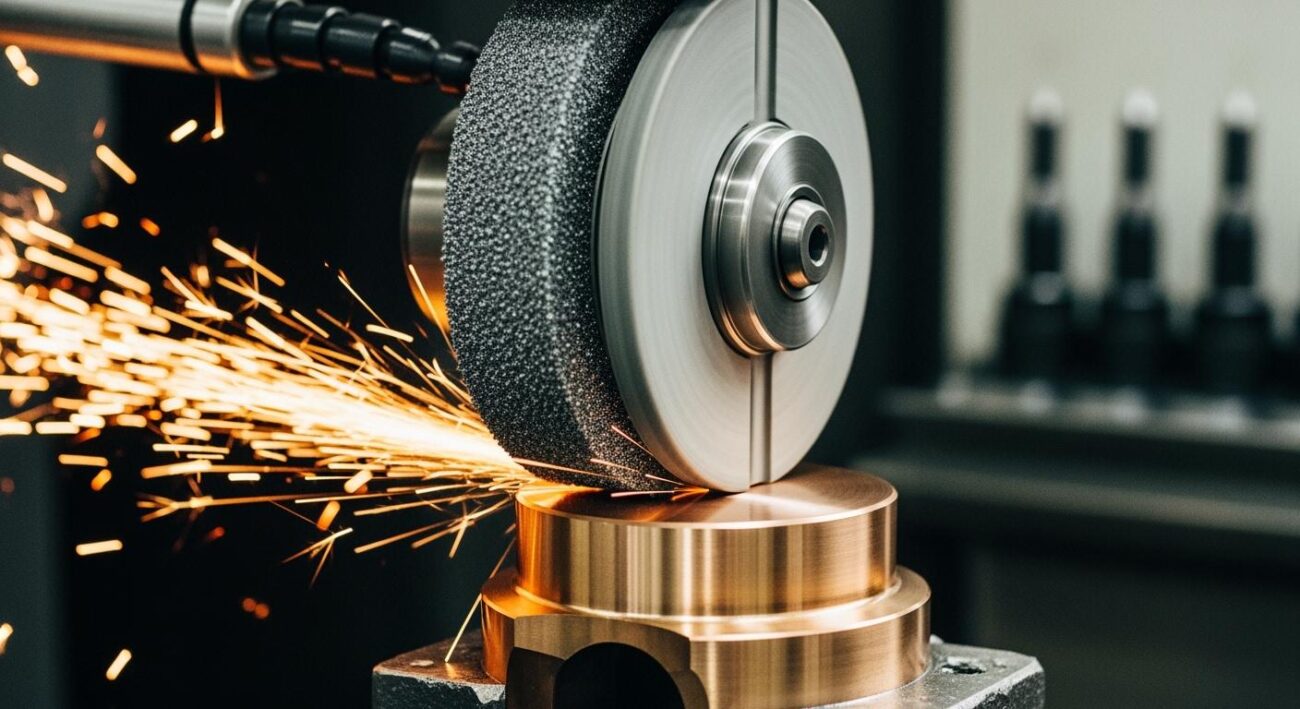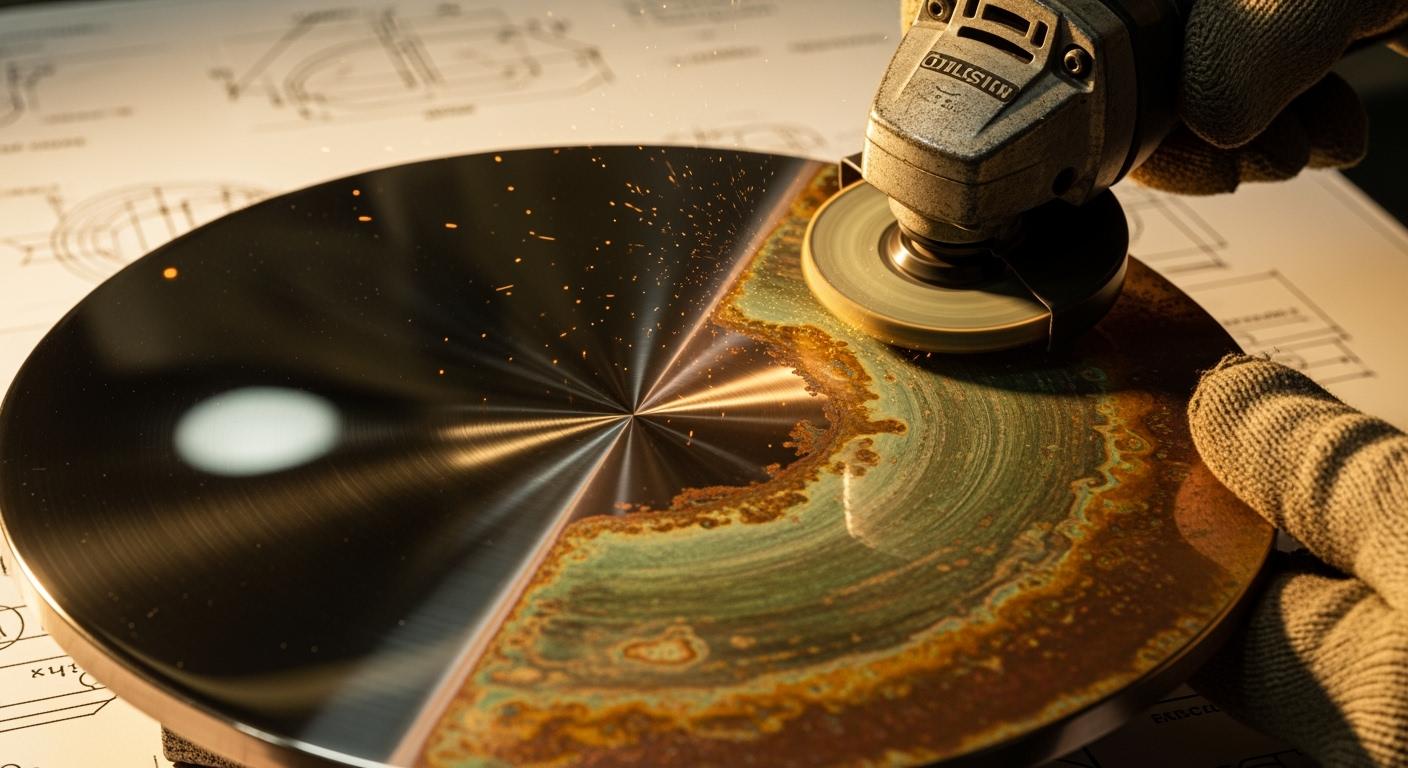
You can prevent surface oxidation and color changes in copper and its alloys by choosing the right alloy, using advanced grinding tools, and working in a controlled environment. Specialized grinding solutions, such as Aimgrind’s metal bond grinding wheels, help you achieve a smooth mirror finish with less risk of surface oxidation. Immediate post-grinding treatments also keep your results uniform and lasting.
Key Takeaways
- Choose the right copper alloy to reduce oxidation. Alloys with phosphorus or silicon offer better resistance.
- Always clean the surface before grinding. A clean surface improves the mirror finish and effectiveness of treatments.
- Use advanced grinding tools like Aimgrind metal bond grinding wheels. These tools help achieve a smooth finish and minimize oxidation risk.
- Apply protective coatings or passivation treatments after grinding. These methods create a barrier against air and moisture.
- Regularly maintain your copper items. Clean and store them properly to preserve the mirror finish and prevent tarnish.
Causes of Surface Oxidation
Chemical and Environmental Factors
You need to understand what triggers surface oxidation during mirror grinding. When you grind copper or its alloys, several chemical and environmental factors come into play:
- Oxygen in the air reacts with the hot metal surface, causing copper oxides like Cu2O and CuO to form.
- The grinding process creates heat. If the temperature rises above 600 °C, lattice diffusion speeds up oxidation. At lower temperatures, grain boundary diffusion becomes more important.
- The way you prepare the surface, such as the grinding method you use, changes the roughness and the state of the material. This affects how quickly oxidation happens.
- Defects and grain boundaries in the oxide layer can make the oxidation rate go up.
You can see that both the environment and your grinding technique have a big impact on surface oxidation. Keeping the grinding area clean and controlling the temperature helps reduce unwanted color changes.
Alloy Composition Impact
The type of copper alloy you choose also affects how much surface oxidation occurs. Different elements in the alloy can change the metal’s resistance to oxidation:
- Phosphorus increases strength and hardness. It also makes the metal easier to machine. However, it can make the alloy more brittle.
- Silicon acts as a deoxidizer. It helps remove gases and makes the alloy stronger and harder.
You should select alloys with elements that improve oxidation resistance for better results. By understanding how each element works, you can pick the right material for your mirror grinding project.
Prevention Methods and Treatments
Surface Cleaning and Preparation
You start by cleaning and preparing the surface. Dirt, oil, and old oxide layers can make copper and its alloys more likely to change color. You use soft brushes, mild solvents, or ultrasonic cleaning to remove these contaminants. Clean surfaces help you get a better mirror finish and make other treatments more effective. Aimgrind metal bond grinding wheels give you precise grinding, which reduces the risk of surface oxidation and helps you achieve a smoother surface. You avoid scratches and uneven spots by using the right grinding tools.
Tip: Always clean the surface before any other treatment. A clean surface lets protective coatings and passivation work better.
Protective Coatings and Passivation
You protect copper and its alloys by applying coatings and passivation treatments. These methods create a barrier that stops air and moisture from reaching the metal. You can choose from several types of coatings and passivation agents. The table below shows some proven options:
| Coating Type | Description |
|---|---|
| Organic Molecules | Used for surface passivation alternatives. |
| Inorganic Compounds | Studied for preventing oxidation. |
| Self-assembled Monolayers | Barrier films that protect copper against oxidation by air. |
| Hexagonal Boron Nitride | Atomically thin nanofilm important for copper protection. |
| Corrosion Inhibitors | Enhance resistance to corrosion. |
| Organic Compounds | Improve corrosion resistance, with inhibition efficiencies from 80% to 95%. |
Passivation treatment makes copper surfaces more resistant to oxidation after grinding. You need a clean surface for passivation to work well. The choice of passivating agent matters. A dense and uniform film gives you long-term protection. You get better results when you use the right agent and make sure the surface is smooth.
- Passivation increases oxidation resistance.
- Cleanliness, agent type, and film density affect the outcome.
Electropolishing and Vacuum Treatment
You use electropolishing to smooth the surface and remove tiny imperfections. This process makes the copper less likely to oxidize and gives you a brighter finish. You can also use vacuum treatment to seal the surface and keep air away. Vacuum treatment stops oxygen from reacting with the metal, which helps prevent color changes.
You combine these methods for the best results. You clean the surface, apply protective coatings, and use advanced grinding tools like Aimgrind metal bond grinding wheels. You finish with electropolishing or vacuum treatment to lock in the mirror finish. These steps help you avoid surface oxidation and keep the color consistent.
Mirror Grinding Workflow with Aimgrind Tools
Tool Selection and Setup
You begin by choosing the right grinding wheel for your copper alloy. Aimgrind metal bond grinding wheels offer high wear resistance and thermal stability. You select a wheel size and abrasive type that matches your project. You check your machine settings and make sure the wheel fits securely. You test the wheel on a sample surface to confirm the setup. You adjust spindle speed and feed rate to reduce vibration and tool wear.
Tip: Always start with a clean, stable machine. This prevents unexpected marks and ensures a smooth grinding process.
Grinding Sequence and Quality Control
You follow a step-by-step process to achieve a mirror finish:
- Test the grinding wheel on a cylindrical surface. This helps you set baseline parameters and minimize tool wear.
- Use a contour tracing method with a PCD insert. This produces a mirror finish and validates your approach.
- Move to V-groove machining. If you see tool marks on thin parts, reduce the depth of cut and feed rate. Increase spindle speed to minimize vibration.
- Perform rough machining with cemented carbide tools. Leave a machining allowance to protect your finishing tool.
- Finish with the PCD insert at a spindle speed of 1200 r/min and a feed rate of 0.03 mm/r. This removes blemishes and creates a uniform mirror finish.
You inspect the surface after each step. You look for scratches, tool marks, and color changes. You adjust your parameters if you see any defects.
Quality control at every stage helps you catch problems early and keeps your finish consistent.
Immediate Post-Grinding Actions
You clean the surface right after grinding. You use soft brushes or mild solvents to remove dust and debris. You apply protective coatings or passivation treatments to seal the surface. You can use electropolishing or vacuum treatment for extra protection. You store the finished part in a dry, clean area to prevent oxidation.
Immediate action after grinding preserves the mirror finish and prevents color discrepancy.
Alloy and Finish Selection
Choosing Copper Alloys
You need to pick the right copper alloy to reduce oxidation and keep your mirror finish bright. Some alloys resist oxidation better than others. For example, copper alloys with added elements like phosphorus, silicon, or nickel can help. These elements form a protective layer on the surface. This layer slows down oxidation and keeps the color stable.
You can use the table below to compare common copper alloys and their oxidation resistance:
| Alloy Type | Key Element(s) | Oxidation Resistance | Typical Use |
|---|---|---|---|
| Pure Copper | None | Low | Electrical parts |
| Phosphor Bronze | Phosphorus, Tin | Moderate | Springs, bearings |
| Silicon Bronze | Silicon | High | Marine hardware |
| Nickel Silver | Nickel, Zinc | High | Decorative items |
Tip: If you want less color change, choose an alloy with high oxidation resistance, like silicon bronze or nickel silver.
Matching Finishes to Application
You should match the finish to how you plan to use the part. Some finishes last longer and look better in certain settings. A mirror finish gives a shiny, reflective look. It works well for decorative pieces and parts that need to look clean. A brushed or satin finish hides fingerprints and small scratches. This finish suits parts that get touched often.
Think about where you will use the copper part. If it will face moisture or chemicals, pick a finish that adds protection. You can use coatings or sealants to help the finish last longer. For outdoor use, a protective finish keeps the color from fading.
- Mirror finish: Best for display or low-contact surfaces.
- Satin or brushed finish: Good for high-contact or functional parts.
- Protective coatings: Use for harsh environments.
Note: Always test your chosen finish on a small area first. This helps you see how it looks and how well it resists oxidation.
Maintenance for Lasting Results
Routine Cleaning and Storage
You need to keep your copper items clean to protect the mirror finish and prevent surface oxidation. Regular care stops dust, fingerprints, and moisture from causing tarnish. Follow these steps to maintain your copper surfaces:
- Wipe the surface weekly with a soft, lint-free cloth. This removes dust and keeps the shine.
- Apply a thin layer of microcrystalline wax or beeswax paste after cleaning. The wax repels moisture and pollutants, helping the finish last for months.
- Use professional clear lacquers for metals if you want a durable barrier. These coatings keep the shine until they wear out.
- Store copper items in a cool, dry place. Avoid direct sunlight and humidity, which can speed up oxidation.
- Wrap items in soft cotton or microfiber cloths before storage. This prevents scratches and keeps the surface smooth.
- Place silica gel packets in storage containers. Silica gel absorbs moisture and protects delicate items.
Tip: Handle copper with clean hands. Oils and sweat can cause tarnish and dull the mirror finish.
Touch-Up and Re-Finishing
You can restore the mirror finish if you notice dull spots or minor scratches. Touch-up and re-finishing methods help keep your copper looking new:
- Polish the surface with a gentle metal polish. Use a soft cloth and rub in small circles.
- For deeper scratches, use a fine abrasive pad or a polishing wheel. Work slowly and check your progress often.
- Apply a fresh layer of wax or lacquer after polishing. This protects the surface from further oxidation.
- If you see signs of surface oxidation, use chemical conversion coatings or electrochemical treatments. These methods create a protective layer and restore shine.
- Choose stable alloys and high-polish finishes for easier maintenance.
Note: Regular touch-ups keep your copper bright and prevent long-term damage.
You can prevent surface oxidation and color changes in copper and its alloys by following these steps:
- Degrease and clean the surface.
- Remove rust and polish for smoothness.
- Apply passivation agents for protection.
Using Aimgrind’s metal bond grinding wheels improves your finish quality. The table below shows how surface roughness improves with the right tools:
| Metric | Before Process | After Process | Improvement (%) |
|---|---|---|---|
| Rz (µm) | 0.83 ± 0.21 | 0.69 ± 0.20 | 17 |
Try these methods to achieve a bright, consistent mirror finish every time.
FAQ
What causes copper to change color during grinding?
Copper changes color when it reacts with oxygen in the air. Heat from grinding speeds up this reaction. You may see red, brown, or black spots. These are copper oxides forming on the surface.
How can you keep a mirror finish on copper for a long time?
You should clean the surface often and store it in a dry place. Apply wax or a clear lacquer to protect the finish. Handle copper with clean hands to avoid fingerprints and tarnish.
Which grinding tool works best for copper alloys?
You get the best results with metal bond grinding wheels. These wheels offer high wear resistance and keep the surface smooth. They help you achieve a bright, even mirror finish.
Can you fix small scratches or dull spots on copper?
Yes! Use a soft cloth and gentle metal polish to remove small scratches. For deeper marks, try a fine abrasive pad. Always finish by applying wax or lacquer to protect the surface.
Contact Us
For More Grinding Solution or Customized Abrasive Tools