

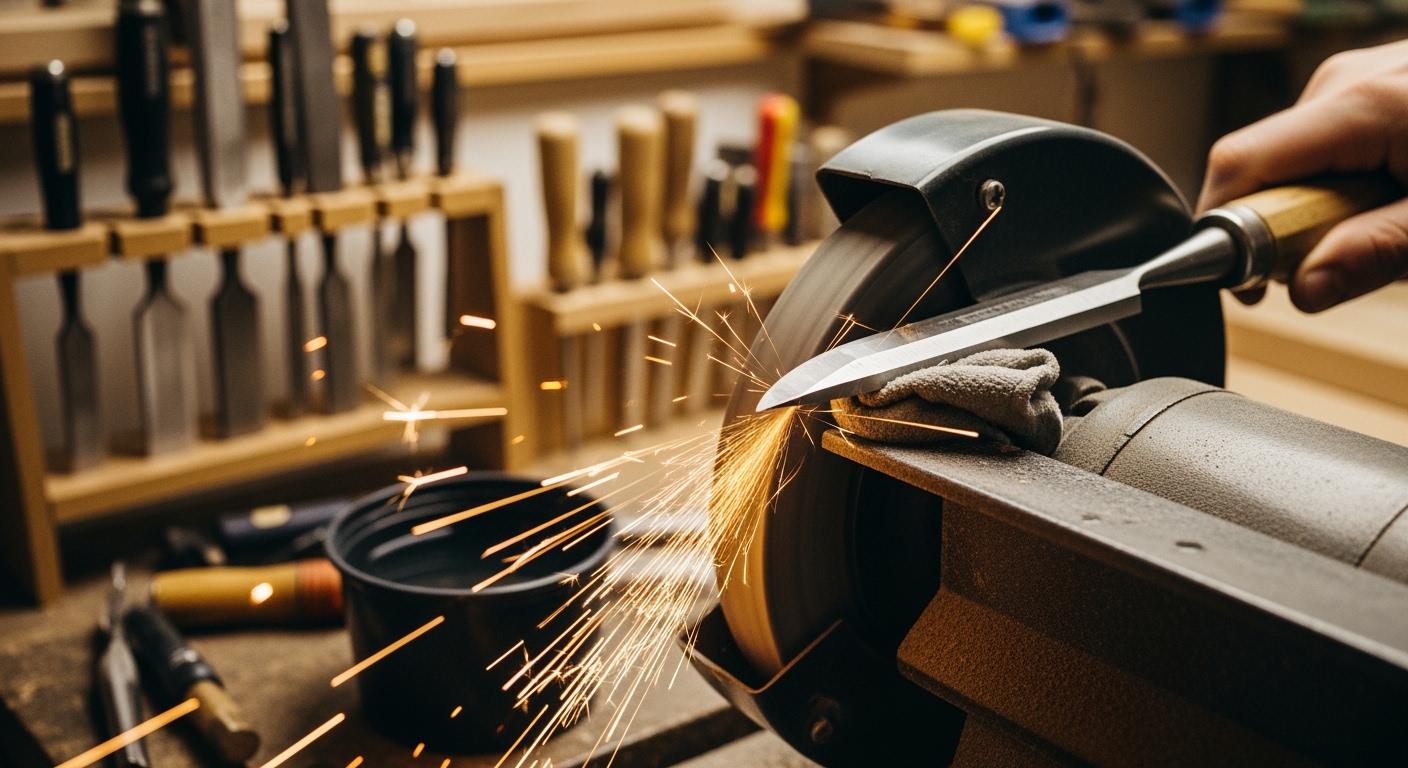
You want sharp, long-lasting tools for every wood project. If you do not prevent burning when grinding, the edge can soften and lose its strength. This weakens your tool and makes your work harder. Choosing the right grinding wheel and using Aimgrind’s super hard abrasives gives you better results. Simple techniques and smart cooling methods protect your tools and help you achieve smoother, cleaner cuts every time.
Key Takeaways
- Choose the right grinding wheel. Use friable wheels or Aimgrind super hard abrasives to reduce heat and protect your tools.
- Control pressure and feed rate. Apply moderate pressure and maintain a steady feed to prevent overheating and edge softening.
- Use cooling methods effectively. Regularly dip tools in water or use coolant to manage temperature during grinding.
- Monitor for signs of burn. Look for color changes on the steel and test the edge for sharpness to catch issues early.
- Perform regular maintenance. Inspect and dress your grinding wheels monthly to ensure safety and optimal performance.
Why Tools Burn and Soften
Friction and Heat Build-Up
When you grind woodworking tools, friction plays a big role in raising the temperature. As abrasive grains slide against the tool surface, they create heat. If the abrasives become dull or too hard, you need to use more pressure. This extra pressure increases the temperature even more. You also see heat from ploughing, where grains push steel aside instead of cutting it. Chip formation during the grinding process adds to the heat as well. If you do not control the temperature, you risk burn and softening of the edge. High temperature can cause hardening loss in steel, making your tool less effective.
- Sliding friction between abrasive and steel raises temperature quickly.
- Ploughing pushes steel aside, causing more heat.
- Chip formation during grinding increases temperature at the edge.
Improper Technique
How you handle your tool during grinding affects the temperature and the risk of hardening loss. If you do not hold the tool handle against your side, you lose control. Not riding the bevel or taking too big a cut can make the temperature spike. An improperly shaped gouge or not grinding the heel off the gouge also leads to uneven heat distribution. When you work with punky wood or get the bowl wall too thin, you increase the chance of burn and softening.
- Not holding the tool handle steady causes uneven temperature.
- Taking too big a cut raises heat and risks hardening loss.
- Improper gouge shape leads to poor temperature control.
Material Sensitivity
Some materials are more sensitive to heat than others. Steel tools, especially those with a resin bond, can break down if the temperature goes above 200–300°C. This weakens the bond and causes abrasive grains to fall out. When steel softens, it can weld to the abrasive grains, making them dull. Debris can clog the abrasive, reducing its cutting power and raising the temperature even more. If you do not manage the temperature, you lose the hardening in your steel tool and shorten its life.
- Resin bonds in steel tools break down at high temperature.
- Softened steel can stick to abrasives, causing dullness.
- Clogged abrasives raise temperature and reduce tool life.
Tip: Always monitor the temperature during grinding. If you see color changes on steel, stop and let it cool. This helps you keep the hardening and performance of your tools.
Grinding Wheel Selection for Heat Control
Friable Wheels and Cool Running
You need to choose the right grinding wheel to keep your tools sharp and strong. Friable wheels are a smart choice for woodworking. These wheels have grains that break apart easily. When the grains fracture, they create new sharp points. This action helps the wheel cut instead of rub the metal. Cutting produces less heat and keeps your tool edge safe.
- Friable grains fracture and reduce heat buildup.
- Fracturing helps dissipate heat and prevents damage.
- More friability means cooler cutting and grinding.
If you use a wheel with low friability, you risk burning your tool. The wheel rubs instead of cuts, which raises the heat and softens the edge. You want a wheel that stays cool and protects your tool’s temper.
Tip: Look for wheels labeled as “friable” or “cool cutting.” These wheels help you avoid heat damage and keep your tools in top shape.
Aimgrind Super Hard Abrasives Benefits
Aimgrind’s super hard abrasives give you a big advantage in woodworking tool grinding. These wheels use diamond and cubic boron nitride (CBN) grains. CBN wheels last up to 20 years and need very little maintenance. You do not have to dress them often, so performance stays consistent.
CBN absorbs heat during grinding. This feature keeps the grinding process cooler and protects the temper of your tool. Unlike vitrified wheels, CBN does not reflect heat back into the tool. You see fewer sparks, which means less heat is produced. CBN does not react with the carbon in steel, so your tool stays sharp and strong.
- CBN wheels last longer and require minimal maintenance.
- CBN absorbs heat and keeps grinding cool.
- CBN does not reflect heat back into the tool.
- CBN prevents changes in temper and produces fewer sparks.
Aimgrind’s super hard abrasives also withstand high temperatures. You can grind without worrying about losing the hardness of your tool. These wheels work well for many materials, including steel, glass, and ceramics. You get a smooth finish and a reliable edge every time.
Note: Aimgrind’s super hard abrasives help you grind faster and cooler. You protect your tool from heat and extend its life.
Grit and Bond Choices
You must pay attention to grit size and bond type when selecting a grinding wheel. Grit size affects how much material you remove and the finish you get. A finer grit gives you a smoother surface but removes less material. A coarser grit cuts faster but can leave scratches.
Bond type controls how the wheel holds the abrasive grains. Resin bonds generate less heat and provide a smoother grinding action. These bonds are ideal for heat-sensitive materials. Vitrified bonds offer a rigid structure and are good for precision grinding. Metal bonds hold the grain longer and can give a finer finish, but you must manage them to avoid wheel loading or burning.
| Grit Size | Surface Finish | Material Removal | Heat Generation |
|---|---|---|---|
| Fine | Smooth | Low | Lower |
| Coarse | Rough | High | Higher |
- Grit size influences surface finish and material removal.
- Bond type affects heat generation and tool durability.
- Resin bonds generate less heat and are good for sensitive tools.
- Vitrified bonds are strong and precise.
You want to match the grit and bond to your tool and grinding needs. If you choose the right combination, you control heat and protect your tool edge.
Tip: For woodworking tools, use a resin bond wheel with a medium grit. This setup keeps heat low and gives you a sharp, durable edge.
Proper Techniques to Prevent Burning
Grinding woodworking tools requires careful steps to prevent burning and keep the edge strong. You need to control temperature, manage heat, and protect the hardening of your tool steel. Follow these proven techniques to maintain a sharp cutting edge and avoid damage during the grinding process.
Pressure and Feed Rate
You must pay close attention to how much pressure you use and how fast you feed the tool into the grinding wheel. Too much pressure causes the temperature to rise quickly. This can burn the steel and soften the edge. If you use a heavy feed rate, you risk going above the critical temperature for tool steel. This can ruin the hardening and make the blade weak.
- Apply moderate pressure. Let the grinding wheel do the work.
- Use a steady, gentle feed rate. Avoid pushing the tool too hard against the wheel.
- Larger hones help the edge stay strong under higher pressure, but smaller hones keep heat low and improve the finish.
- If you notice the surface getting hot, stop and let it cool before you continue.
Aimgrind’s super hard abrasives help you control heat better. These wheels remove metal efficiently and keep the temperature lower than conventional wheels. You get less risk of burn and better temperature control during the grinding process.
Tip: Always check the temperature of your tool by touching it briefly or dipping it in water. If it feels too hot, pause and let it cool. This simple step helps you prevent burning and keeps the hardening intact.
Steady Movement and Passes
You need to move the tool smoothly across the grinding wheel. A steady hand prevents uneven heating and protects the edge from softening. If you hold the tool rigidly and move it in even passes, you spread the heat over a larger area. This keeps the temperature below the critical temperature for tool steel.
Follow these steps for the optimal way to process your tool:
- Hold the tool firmly at one level.
- Sway your body from side to side to move the tool evenly across the wheel.
- Make short, light passes. Do not linger in one spot.
- Quench the tool often in water to keep the temperature down.
- After grinding, check the edge with a square to make sure it is straight and true.
Frequent quenching is important. It stops the steel from reaching the temperature where hardening is lost. If you see any color changes, such as straw or blue, stop immediately. These colors mean the steel has reached a critical temperature and you risk losing the hardening. Grind past any heat line to remove the affected metal.
Note: Using Aimgrind’s super hard abrasives reduces the need for frequent quenching because these wheels have excellent thermal conductivity. They help dissipate heat quickly and protect the cutting edge.
Tool Rest Angle and Edge Protection
The angle of your tool rest is key to preventing burning and keeping the edge sharp. Set the rest at the correct angle for your tool. Lock it in place and use a marker to color the bevel. Take light passes until the marker disappears evenly. This method ensures you grind only where needed and avoid overheating the edge.
- Always support the bevel with the rest or a jig. This keeps the tool steady and prevents facets or uneven grinding.
- Use a light touch and make short passes. Dip the steel in water before you see any color change.
- If you spot straw or blue on the steel, stop and grind past that area. This removes any metal that has lost its hardening.
Aimgrind’s super hard abrasives give you more control over the grinding process. These wheels do not reflect heat back into the tool, so you get less risk of burn and decarburization. You keep the hardening and avoid machine marks on the surface.
Callout: Grinders are for shaping, not finishing. After shaping, switch to an oilstone or file to smooth and sharpen the edge. This step helps you avoid rounding off the bevel and keeps the cutting edge crisp.
Proper technique is the best way to prevent burning, protect the hardening, and extend the life of your woodworking tools. With careful pressure, steady movement, and the right tool rest angle, you maintain a strong edge and avoid the need for diy heat treatment or extra treatment steps. Always temper immediately after any heat treating process to keep your tool steel at its best.
Cooling Methods to Reduce Heat
Water and Coolant Use
You can lower the temperature during grinding by using water or coolant. Water-based coolants transfer heat quickly and help prevent thermal deformation of steel tools. Water removes heat much faster than oil alone. If you add soluble oil to water, you improve both cooling and lubrication. This combination protects the metal from rust and keeps the grinding process smooth. Proper use of grinding fluids lets you remove material efficiently while minimizing surface damage. You avoid reaching the critical temperature that can ruin the hardening treatment of steel.
- Water-based coolants transfer heat rapidly.
- Soluble oil in water improves cooling and lubrication.
- Grinding fluids protect steel from rust and surface damage.
Tip: Always check the temperature of your tool. If it feels hot, dip it in water or coolant to lower the heat and protect the steel.
Frequent Pauses
You need to pause often during grinding to keep the temperature low. Alternate between short periods of grinding and pauses. This practice prevents the steel from reaching the critical temperature. You should keep the rotation speed between 400 and 600 rpm. Grinding for one to five hours with frequent breaks helps you avoid overheating. Pausing gives the metal time to cool and protects the hardening treatment.
- Pause regularly to prevent heat buildup.
- Keep grinding sessions short and controlled.
- Let the steel cool before continuing.
Callout: Frequent pauses are essential for maintaining the strength of steel tools. You protect the edge and avoid extra treatment steps.
Thermal Conductivity of Aimgrind Abrasives
Aimgrind super hard abrasives offer excellent thermal conductivity. These abrasives dissipate heat more effectively than conventional wheels. You keep the temperature lower and protect the steel from damage. High thermal stability means you avoid reaching the critical temperature during the grinding process. Aimgrind abrasives help you maintain the hardening treatment and prevent softening of the metal edge.
| Abrasive Type | Heat Conductivity | Thermal Stability | Heat Dissipation Efficiency |
|---|---|---|---|
| Aimgrind Super Hard | Excellent | High | Effective |
| Conventional Abrasives | Moderate | Lower | Less Effective |
You get a cooler grinding experience and extend the life of your steel tools. Aimgrind abrasives make it easier to control temperature and avoid heat-related damage.
Note: Aimgrind super hard abrasives help you keep the steel edge strong and sharp. You reduce the need for extra treatment and protect your tools from heat.
Tool Positioning for Edge Protection
Holding and Moving the Tool
You need to hold your tool with a firm grip to keep control during grinding. Place both hands on the handle and keep your arms steady. Move the tool smoothly across the wheel. Do not rush or press too hard. This helps you avoid sudden changes in temperature at the cutting edge. If you move the tool too quickly or stop in one spot, you can create hot spots. These hot spots raise the temperature and may cause the edge to lose its hardness. Always keep your movements even and steady to protect your edges from heat damage.
Maintaining Consistent Angles
Keeping a consistent angle is important for edge protection. When you set the angle, make sure it matches the bevel of your tool. Use a jig or tool rest to help you keep the same angle during each pass. This prevents uneven grinding and reduces the risk of machine marks on the surface. You also avoid overheating the edge. Proper alignment of the wheel and flange is crucial for smooth operation. Ensuring the blade is straight prevents wobble and uneven cuts. Following the manual for correct setup and tightening all parts properly avoids future issues.
- Set the angle before you start.
- Use a jig or tool rest for support.
- Check the angle often to keep it consistent.
A steady angle helps you control temperature and keeps the cutting edge sharp.
Avoiding Heat Buildup
You can avoid heat buildup by using smart grinding habits. Adjust the speed and feed rate to keep the temperature low. Select the right cutting tools with high hardness to reduce friction. Apply coolant or water to remove heat from the edge. Regular maintenance and sharpening help prevent excess heat. Control vibrations to keep contact even and avoid sudden spikes in temperature.
- Optimize cutting speed and feed rate.
- Use high-hardness tools and proper geometry.
- Apply coolant or water for better heat control.
- Maintain and sharpen tools often.
- Minimize vibrations during grinding.
By following these steps, you protect your tool from heat and keep the edge strong. You also prevent machine marks and keep the cutting edge in top shape.
Signs of Burn and Edge Softening
Visual and Performance Indicators
You can spot burn and edge softening by looking for changes in color and performance. When you grind woodworking tools, pay attention to the steel. If you see straw, blue, or dark spots, these colors show that heat has affected the edge. Discoloration means the steel has reached a high temperature and may have lost its hardness. Sometimes, you notice rough edges or chips along the blade. These signs tell you that the tool has suffered from too much heat.
You also notice changes in how your tool works. If the edge feels dull or drags through wood, heat has likely softened it. Tools with softened edges cut slower and need more force. You may see uneven cuts or rough surfaces. These performance issues show that the edge is not as sharp as before.
- Enhanced tool life: Passivated tools last longer and reduce downtime.
- Improved cutting speed and efficiency: Softer edges lower resistance and help you work faster.
- Higher precision in machining: Stable edges give you cleaner, more accurate cuts.
- Reduction in heat generation: Smoother edges create less friction and keep the tool cooler.
Tip: Always check your tools after grinding. Look for color changes and test the edge on scrap wood to see if it cuts smoothly.
Immediate Actions
If you detect burn or edge softening, act quickly to protect your tool. You can remove surface discoloration and oxide layers by grinding or machining the affected area. For deeper heat damage, you may need to reheat treat the tool or use surface carburization to restore hardness. These steps help you recover the edge and keep your tools working well.
You should set clear limits for how much discoloration or burn is acceptable. If the damaged area is too deep, reject or reprocess the tool. After any corrective action, inspect the tool to make sure the edge meets quality standards.
- Grind or machine away burnt zones and oxide layers.
- Reheat treat or carburize if heat damage goes deep.
- Set acceptance criteria for burn depth and discoloration.
- Inspect tools after treatment to confirm edge quality.
Callout: Quick action prevents further heat damage and keeps your tools sharp. Regular checks and maintenance help you avoid costly repairs.
Maintenance and Safety Tips
Wheel Dressing and Inspection
You need to inspect your grinding wheels every month. Look for cracks and chips on the surface. These defects can cause injuries and affect safety. Check the wheel’s dimensions to make sure they match the manufacturer’s tolerances. If you see uneven wear, verify the balance. Dressing the wheel restores the surface and minimizes heat. When you dress the wheel, you expose fresh grains. This step prevents burning and protects the hardening of steel tools. Keep dressing equipment nearby so you can maintain the wheel quickly. Always check the RPM compatibility to avoid wheel rupture.
- Inspect wheels monthly for cracks and chips.
- Dress wheels regularly to expose sharp grains and reduce heat.
- Verify balance and dimensional accuracy.
- Keep dressing tools ready for timely maintenance.
Tip: Coolants help reduce frictional heat during the grinding process. They keep the surface temperature low and protect steel from thermal expansion.
Using Aimgrind Abrasives Safely
Aimgrind super hard abrasives offer high performance and safety. You must follow the manufacturer’s guidelines for installation and operation. Make sure the wheel fits the machine securely. Use proper guards and shields to protect yourself from metal fragments. Always wear safety goggles and gloves. Aimgrind abrasives resist high heat and maintain the hardening of tool steel. You avoid decarburization and machine marks on the blade. These abrasives work well with oil and water coolants. You get a smooth surface and reduce the risk of burn off. Aimgrind wheels support oil hardening and quenching steps in your diy heat treatment routine.
| Safety Step | Benefit |
|---|---|
| Secure installation | Prevents wheel failure |
| Use guards | Shields from metal fragments |
| Wear goggles | Protects eyes from debris |
| Apply coolant | Reduces heat and surface damage |
Regular Tool Checks
You need to check your tools often. Inspect the steel for signs of heat damage or loss of hardening. Look for machine marks or rough spots on the blade. Test the edge for sharpness and strength. If you see burn off or decarburization, reprocess the tool with proper treatment. Use oil and water for quenching after grinding. This step keeps the hardening intact. Regular checks help you catch problems early and maintain the quality of your metal tools. You extend the life of your tool steel and avoid costly repairs.
Callout: Consistent maintenance and safety checks protect your tools and ensure reliable performance in every process.
You protect your woodworking tools by choosing the right grinding wheels, applying steady techniques, and using cooling methods. Aimgrind super hard abrasives help you keep edges sharp and strong. Consistent maintenance tasks, like cleaning, lubrication, and inspection, improve tool performance over time.
| Maintenance Task | Benefit |
|---|---|
| Regular cleaning | Prevents dust accumulation and malfunctions |
| Lubrication | Reduces friction and wear |
| Inspection | Identifies potential issues early |
Stay committed to tool care. You achieve safer, more accurate woodworking results and extend the life of your tools.
FAQ
What causes burning during tool grinding?
Burning happens when friction creates too much heat. You press the tool too hard or move it too slowly. The wrong grinding wheel can also cause burning. Watch for color changes on the steel.
How can you prevent edge softening?
You prevent edge softening by using light pressure and steady movement. Choose cool-running wheels like Aimgrind super hard abrasives. Pause often and dip the tool in water to keep it cool.
Why should you use Aimgrind super hard abrasives?
Aimgrind super hard abrasives last longer and keep your tools sharp. They absorb heat and protect the steel’s hardness. You get a smoother finish and reduce the risk of burning.
What signs show your tool has burned?
You see straw or blue colors on the steel. The edge feels dull and cuts poorly. Chips or rough spots appear. Test the tool on scrap wood to check sharpness.
How often should you check your grinding wheel?
You should inspect your grinding wheel every month. Look for cracks, chips, or uneven wear. Dress the wheel regularly to expose fresh grains and keep grinding safe.
Contact Us
For More Grinding Solution or Customized Abrasive Tools