

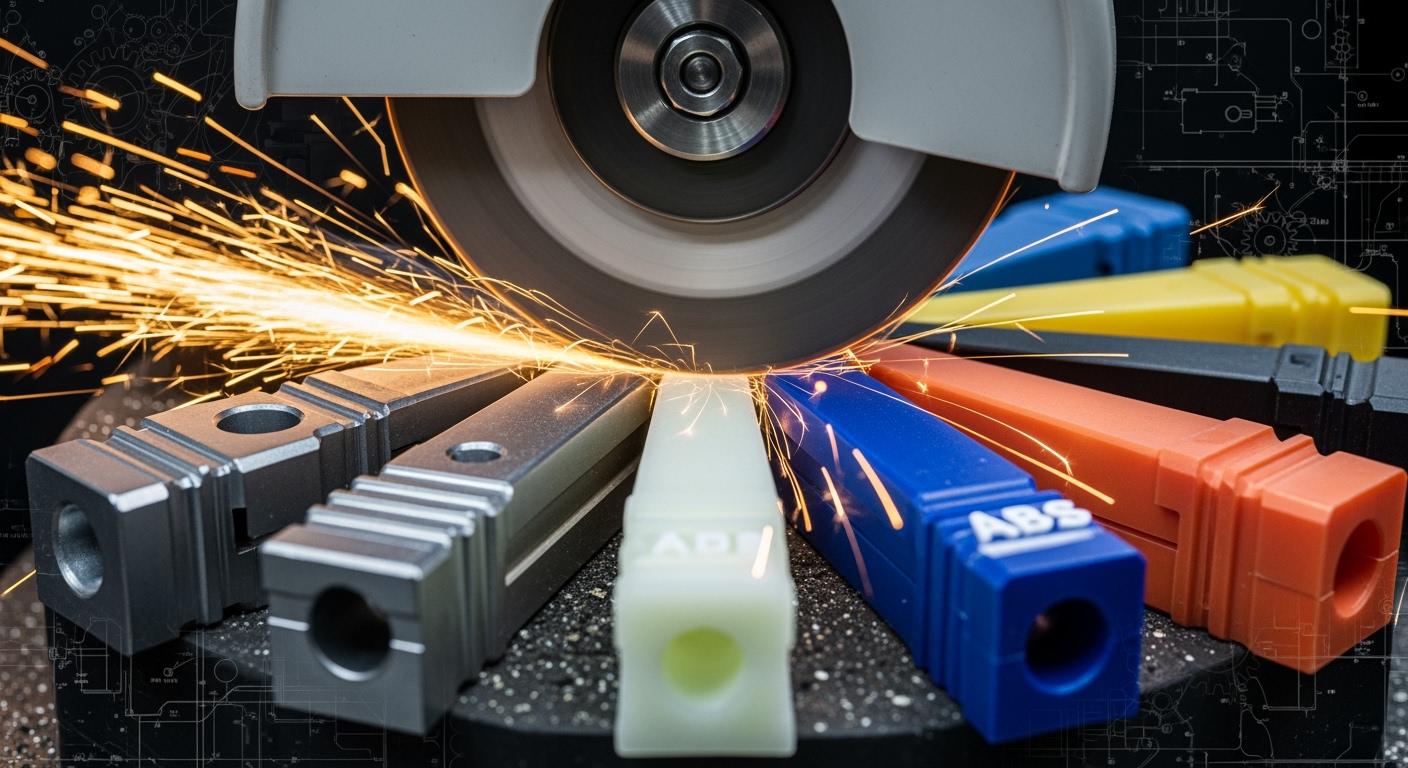
How do you solve the complex challenges of Multi-Material Grinding in hardware manufacturing? You face pressure to balance quality, efficiency, and cost-effectiveness every day. Quality shapes your product’s reputation and determines how quickly you reach the market. When you focus on quality, you also lower supply chain costs and boost productivity. Manufacturers who achieve high quality in every grinding process often see their competitiveness rise. Quality management systems help you prevent costly data issues and keep production running smoothly. If you want to stay ahead, you must choose advanced grinding solutions and reliable partners who understand the value of quality at every step.
- Lowering supply chain costs and material costs strengthens your competitiveness.
- Reducing production costs and increasing productivity make your business stronger.
- High-quality products and fast market launches help you lead in high-tech industries.
- Quality management systems are seen as the top technology for business improvement.
- Fixing data quality problems can cut costs and improve your position.
Key Takeaways
- Focus on quality to enhance your product’s reputation and reduce supply chain costs.
- Choose the right grinding wheel, like Aimgrind diamond wheels, for better performance and longer tool life.
- Regular maintenance and inspections of your grinding equipment prevent costly downtime and ensure consistent quality.
- Optimize your grinding parameters to improve surface finish and reduce energy consumption.
- Implement automation and real-time monitoring to boost productivity and maintain high-quality standards.
Multi-Material Grinding: Key Challenges
Surface Finish and Quality Issues
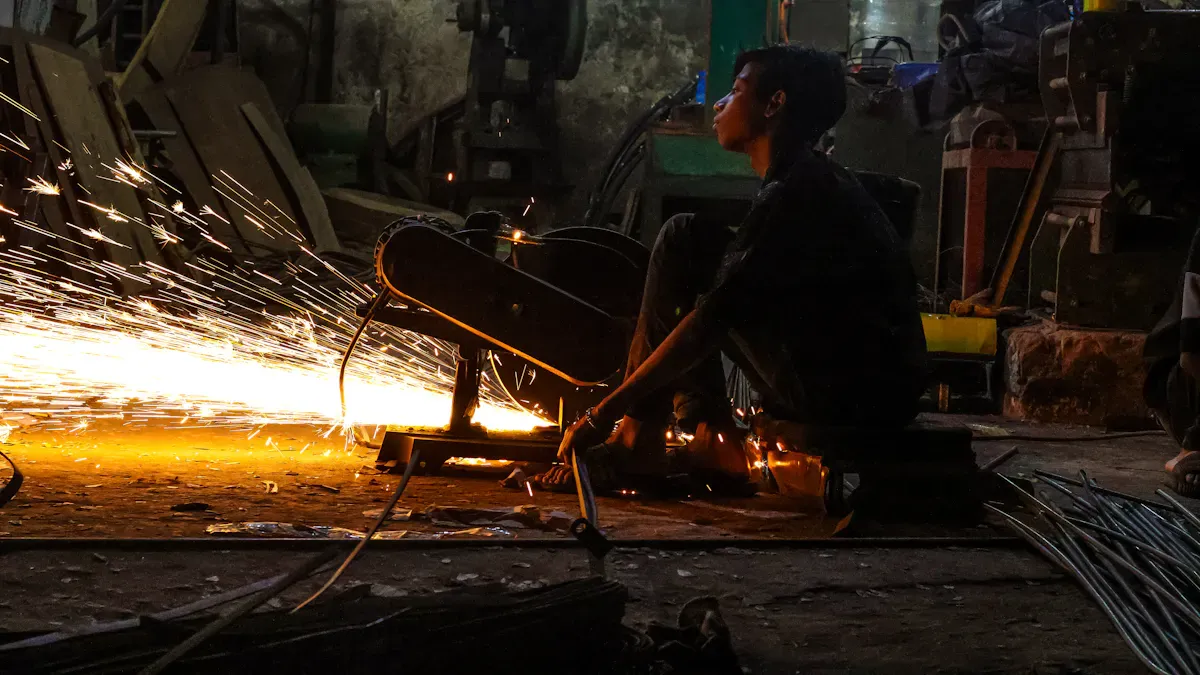
You often face surface quality issues when working with multi-material grinding. These grinding problems can come from improper wheel dressing, coolant contamination, or even vibrations from nearby machines. If you do not dress your grinding wheel correctly, you may see spiral marks on your parts. Contaminated coolant can cause scratches and discolorations. Vibrations can leave parallel marks, which show that your process lacks stability. Poor surface finish not only affects how your product looks but also its performance. You must pay close attention to these details to achieve the best surface quality in every grinding operation.
Tool Wear and Overheating
Tool wear and overheating are major grinding problems in multi-material grinding. These issues can damage your tools and stop your production. The table below shows the main causes:
| Cause | Description |
|---|---|
| Overloading the Spindle | Excessive cutting forces or long use create too much heat and strain parts. |
| Poor Lubrication | Not enough lubrication increases friction and heat. |
| Cooling System Inefficiencies | Clogged filters or low coolant levels make it hard to cool the system. |
| High Ambient Temperature | Hot work areas reduce the ability to cool down. |
| Excessive RPM or Improper Feed Rates | High speeds or wrong feed rates add stress and heat. |
| Worn or Damaged Bearings | Old bearings create more friction and heat. |
| Electrical Issues in the Motor | Faulty wiring or voltage problems cause overheating. |
When you do not control tool wear and overheating, you risk unplanned downtime. This can cost you up to $260,000 per hour. Many manufacturers face these shutdowns every month, losing between $125,000 and $1,700,000 per hour. Regular maintenance helps you avoid these losses and keeps your multi-material grinding process running smoothly.
Process Inefficiency
Process inefficiency is one of the most common challenges in grinding. You may notice tool life issues, especially when grinding hard and brittle materials. Surface quality problems can slow down your production and increase costs. Choosing the wrong abrasive materials can also make your process less efficient. The table below shows how process improvements can help:
| Metric | Value |
|---|---|
| Increase in production (TpH) | 4.41% |
| Potential increase (conditioned) | 1.0% |
| Decrease in energy consumption | 7.62% |
| Energy saving per 0.1 RPM | 1.95% |
If you address these grinding problems, you can improve surface quality, reduce poor surface finish, and boost your productivity. You will also save energy and lower your costs. Multi-material grinding requires careful planning and the right tools to overcome these challenges.
Solutions with Aimgrind Diamond Grinding Wheels
Tool Selection for Multi-Material Applications
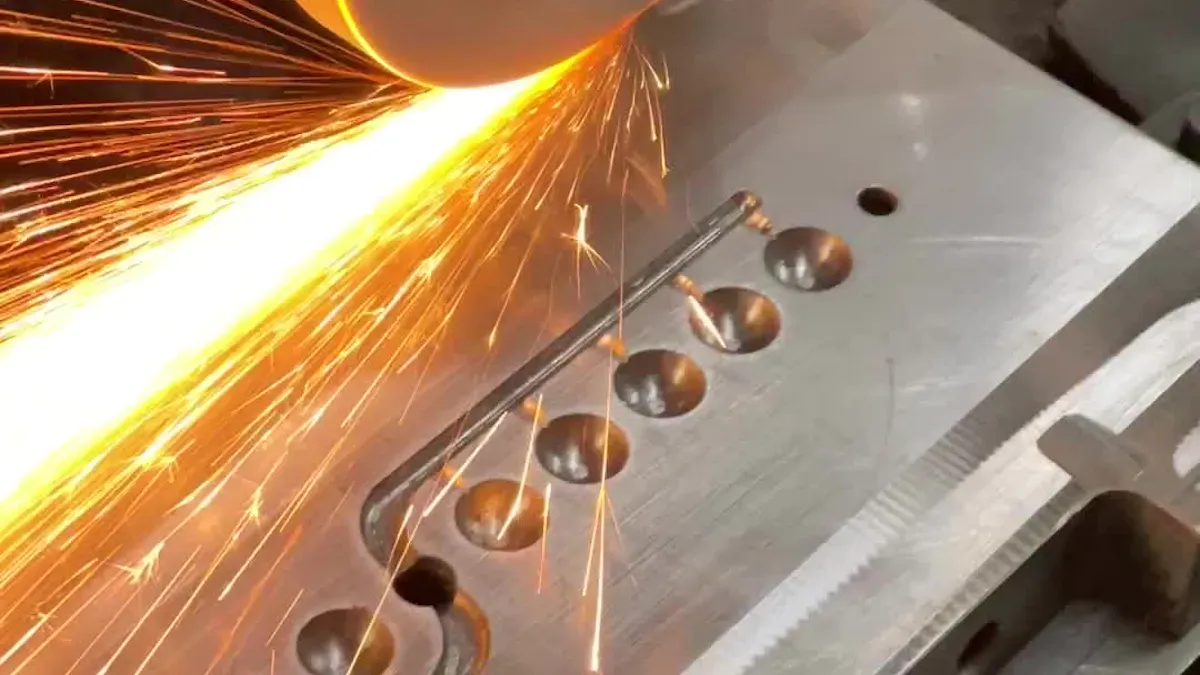
You need the right grinding wheel to handle the demands of multi-material grinding. Aimgrind diamond grinding wheels give you a clear advantage when you work with metals, ceramics, and composites. These wheels help you manage part variability and keep your process stable. You can trust Aimgrind to help you select the best grinding wheel for your specific needs.
When you compare diamond grinding wheels to conventional wheels, you see several benefits:
- Diamond grinding wheels last much longer because they resist wear. You spend less time dressing the wheel and more time grinding.
- The high thermal conductivity of diamond helps move heat away from your workpiece. This protects your parts and keeps the grinding wheel cool.
- Diamond grinding wheels work best on hard and brittle materials. They prevent work hardening and help you achieve high efficiency.
Aimgrind offers a wide range of grinding wheel options. You can choose from different abrasive materials, bond types, and wheel structures. The table below shows the main criteria you should consider when you select a grinding wheel for multi-material applications:
| Criteria | Description |
|---|---|
| Abrasive Material | The type of abrasive affects performance; diamond and CBN are best for tough materials. |
| Bonding Agent | Different bond types (vitrified, resinoid, metal) offer distinct advantages based on application. |
| Wheel Structure | Pores in the wheel allow coolant flow and chip clearance; density affects material removal rate. |
| Grinding Parameters | Speed, feed rate, and depth of cut influence efficiency and surface finish. |
| Workpiece Material | Harder materials require tougher wheels; softer materials can be ground with finer grit. |
You should match the grinding wheel to your workpiece and process. Aimgrind’s experts can help you with personalized selection and formula design. This support helps you handle part variability and maintain high quality in every batch.
Optimizing Parameters for Quality Results
You can achieve better quality and efficiency by optimizing your grinding parameters. Aimgrind diamond grinding wheels allow you to fine-tune your process for each material. You should adjust speed, feed rate, and depth of cut to match the grinding wheel and the workpiece. This helps you control part variability and reach the desired surface finish.
Aimgrind’s service process includes problem diagnosis and parameter matching. You can work with their team to test different settings and find the best combination. This approach helps you:
- Improve surface quality and reduce defects.
- Increase the lifespan of your grinding wheel.
- Lower energy use and save costs.
- Handle part variability with confidence.
Tip: Start with the recommended parameters from Aimgrind. Make small changes and check the results. Keep records of your settings and outcomes. This helps you build a knowledge base for future jobs.
You should also monitor your process for signs of overheating or tool wear. If you see changes in surface quality or grinding wheel performance, adjust your parameters right away. This keeps your process stable and your quality high.
Maintenance and Troubleshooting
Regular maintenance keeps your grinding wheel in top shape. You should inspect your grinding wheel before each use. Look for cracks, chips, or uneven wear. Make sure the grinding wheel matches your machine and the job you plan to do. Clean your workspace to prevent contamination and ensure proper adhesion.
Here are some best practices for maintaining your Aimgrind diamond grinding wheel:
- Visual inspection: Check for cracks, chips, or uneven wear on the grinding surface.
- Label verification: Make sure the grinding wheel’s specifications match your intended use.
- Checking the grinder: Confirm the grinder is in good condition and compatible with your grinding wheel.
- Cleanliness: Keep your workspace clean to promote safety and proper grinding wheel performance.
- Safety precautions: Always use personal protective equipment and ensure good ventilation.
If you notice a drop in quality or changes in part variability, troubleshoot by checking your grinding wheel and machine setup. Aimgrind’s team can help you diagnose problems and suggest solutions. Their comprehensive service process includes sample optimization and ongoing support. This helps you keep your grinding wheel working at its best and maintain high quality in your products.
Aimgrind diamond grinding wheels give you the tools and support you need to solve multi-material grinding challenges. You can trust their expertise to help you achieve consistent quality, manage part variability, and improve your manufacturing process.
Grinding Automation and Process Integration
Smart Automation for Multi-Material Lines
You can boost productivity and quality by using grinding automation in your manufacturing process. Automation helps you keep surface quality stable across batches. You reduce variability in part height or shape when you use reliable fixtures and active-compliance tools. Grinding automation lets you track media wear, so you plan maintenance and extend tool life. You increase throughput without needing more workers.
| Evidence Type | Description |
|---|---|
| Consistency | Automation improves consistency in grinding processes, leading to stable surface quality across batches. |
| Reduced Variability | By using reliable fixtures and active-compliance tools, automation minimizes variations in part height or shape, enhancing overall quality. |
| Optimized Maintenance | Data tracking of media wear allows for planned maintenance, extending tool life and maintaining production pace. |
| Increased Throughput | Consistent throughput enables higher capacity without the need for additional workforce, thus improving overall efficiency. |
Grinding automation systems offer many features. You get dust and debris management, surface defect detection, and programming for complex geometries. Robots can change tool spindles to perform different tasks. Automated grinding lets you deburr metal and plastic workpieces, grind rough surfaces, and trim flash from forged parts. You can handle carbon fiber and fiberglass for smooth finishes. Robotic material removal improves efficiency and protects health by reducing dust and noise.
You see these benefits:
- Highly flexible and adaptive to different materials and part shapes.
- Easy integration into your production line.
- User-friendly interfaces for job setup and monitoring.
- Advanced sensors and AI for quality assurance.
Aimgrind supports integration of grinding automation with advanced grinding technologies. You can use Aimgrind diamond grinding wheels in automated grinding systems for metals, ceramics, and composites. Aimgrind helps you set up robotic material removal and optimize your grinding automation for best results.
Real-Time Monitoring for Consistent Quality
You maintain consistent quality with real-time monitoring in grinding automation. In-process gaging lets you check workpiece dimensions as you grind. Non-contact measurement uses lasers or sensors to measure without touching the part. Continuous feedback adjusts grinding in real time, so you avoid out-of-tolerance parts and reduce cycle time.
Recent machine learning models, like SAE-LSTM and Extreme Learning Machines, predict surface quality and roughness during grinding automation. These models adapt to changing parameters and tool wear. You get high accuracy and stable results.
| Benefit | Description |
|---|---|
| Immediate identification of obstacles | Real-time data enables teams to quickly address production misalignments, keeping goals on track. |
| Reduced operating costs | Insights from monitoring systems help identify problem areas, allowing for resource reallocation and waste reduction. |
| More consistent product quality | Enhanced visibility into machine performance aids in correcting flaws and ensuring compliance. |
Grinding automation reduces defects and improves yield. You see more consistent product quality and lower operating costs. Aimgrind helps you integrate real-time monitoring into your grinding automation. You get support for process integration and advanced grinding technologies. You can achieve stable quality and high productivity with Aimgrind’s grinding automation solutions.
You can overcome multi-material grinding challenges by following these steps:
- Use reliable fixtures and active-compliance tools to reduce part variability and improve safety.
- Monitor abrasive wear and torque with closed-loop systems for consistent finishes and predictable wear data.
- Choose Aimgrind diamond grinding wheels for superior performance, quality, and safety in demanding applications.
- Evaluate your grinding process by considering hardness, contamination, and total cost of ownership.
- Review the table below for a data-backed abrasive recommendation based on your core material:
| Core Material Type | Application Context | Cost Considerations |
|---|---|---|
| Ceramic Cores | Medical drill bits, flute grinding | Budget-friendly |
| High-Tensile Steel | Camshaft grinding, high-speed applications | Premium, longevity and efficiency gains |
| Carbon Fiber | High-performance, weight-sensitive uses | Long-term savings, extended tool life |
| Aluminum/Standard Steel | Medium-duty, general manufacturing | Mid-range, cost per part optimized |
| Hybrid/Combination Cores | Innovative, layered material solutions | Cost-effective, enhanced performance |
You improve safety and reduce safety risks by using data and expert support. Aimgrind provides engineering consulting and ongoing data analysis to help you achieve quality and high performance. Visit Aimgrind’s website for personalized support and advanced grinding solutions.
FAQ
What materials can you grind with Aimgrind diamond grinding wheels?
You can grind hard alloys, ceramics, composites, and tough metals. These wheels work well for aerospace, tooling, and electronics applications. You get high precision and a smooth finish on many different materials.
How do you choose the right diamond grinding wheel for your job?
You should consider your workpiece material, grinding parameters, and machine compatibility. Aimgrind experts can help you match the wheel to your needs. You get better results when you use the right wheel for each application.
Can you use Aimgrind diamond grinding wheels for both wet and dry grinding?
Yes, you can use these wheels for both wet and dry grinding processes. Wet grinding helps reduce heat and dust. Dry grinding offers convenience for some jobs. Always follow safety guidelines for your chosen method.
How often should you inspect your grinding wheel?
You should inspect your grinding wheel before every use. Look for cracks, chips, or uneven wear. Regular checks help you prevent accidents and keep your grinding process safe.
Tip: Keep a simple checklist for daily inspection. This helps you catch problems early and extend tool life.