

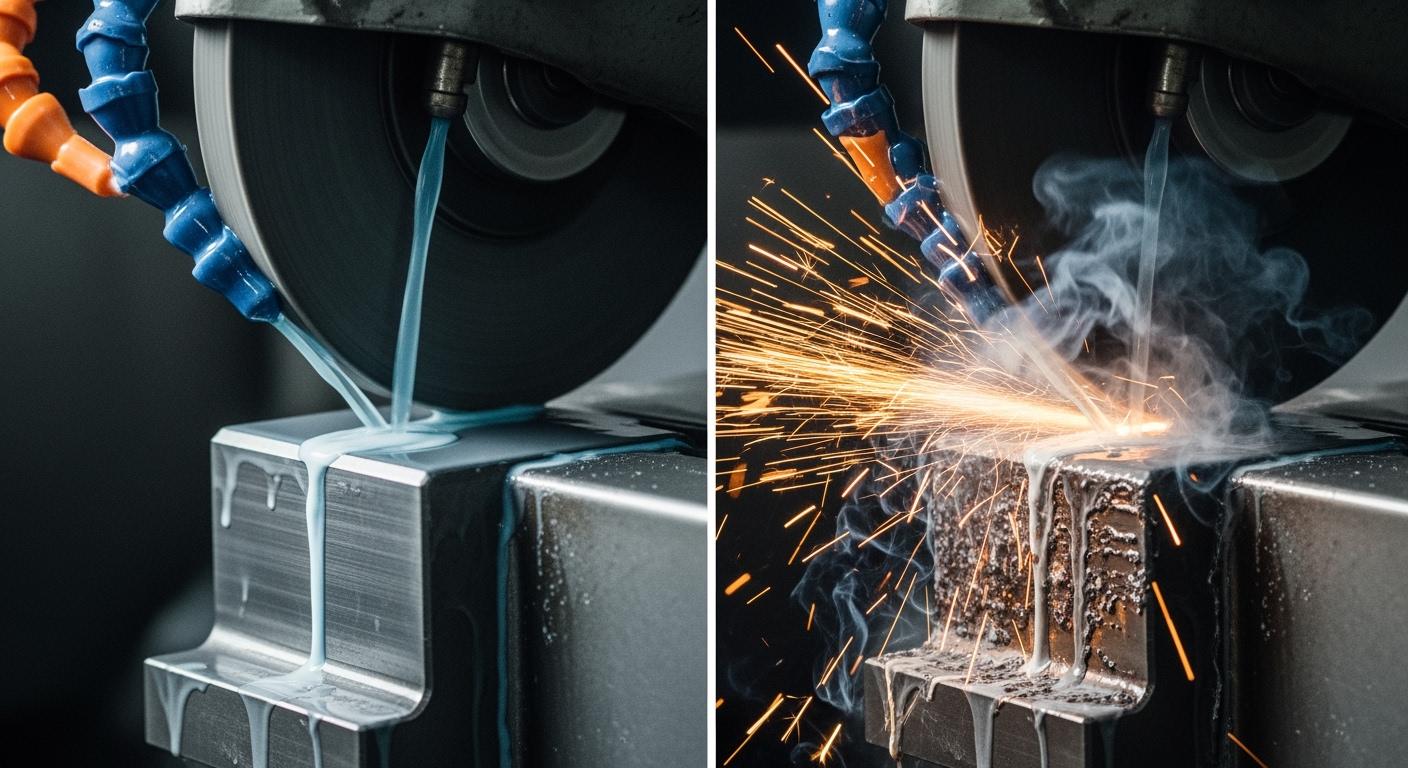
Poor coolant management is a primary cause of common grinding failures. These issues include workpiece burn, poor surface finish quality, and reduced wheel life. Such problems arise when the coolant cannot perform its core functions. Inadequate cooling, poor lubrication, and failed chip removal from the grinding zone directly impact grinding performance and quality. A bad surface finish is a frequent outcome. Proper coolant is essential for precision grinding. Effective cooling from the coolant prevents damage to the workpiece surface, ensuring a top-tier performance.
Key Takeaways
- Poor coolant management causes many grinding problems. These include damaged workpieces and shorter tool life.
- Coolant has three main jobs. It cools the workpiece, reduces friction, and cleans away debris.
- Bad coolant leads to defects. These defects include burn marks and rough surfaces on the workpiece.
- Proper coolant management saves money. It reduces waste and keeps machines running smoothly.
- Choose the right coolant and maintain it well. This ensures good grinding results.
Core Functions of Grinding Coolant
A high-quality coolant performs three critical jobs in any grinding process. Understanding these functions shows why proper coolant management is essential for successful grinding applications. Each function directly contributes to the final quality of the workpiece and the efficiency of the grinding operation.
Preventing Thermal Damage
The grinding process generates immense heat at the point of contact. Without effective cooling, this heat can damage the workpiece surface. A proper coolant absorbs and removes this thermal energy. Research shows that water-based coolant is effective only when the workpiece surface temperature stays below 130°C. Above this point, the cooling effect fails, and temperatures can spike dramatically. This can cause thermal damage similar to dry grinding. The primary goal of the coolant is to maintain a stable temperature, protecting the part’s integrity and final finish. Effective cooling is fundamental to precision grinding.
Reducing Friction and Wheel Wear
Lubrication is another key role of grinding coolant. The coolant forms a thin lubricating film on the workpiece surface and the grinding wheel. This film reduces the friction between the abrasive grains and the material. Lower friction means less force is needed for the grinding action. This also reduces wear on the grinding wheel, extending its life. A steady coolant flow with the right pressure ensures this film is constantly maintained. For many grinding applications, good lubrication is just as important as cooling for achieving a smooth finish.
Flushing Chips and Contaminants
Grinding creates small chips and abrasive debris. This material must be removed from the grinding zone quickly. A powerful coolant jet provides the necessary flow to wash these particles away. A higher coolant flow rate improves chip removal and prevents the grinding wheel from clogging. The angle of the coolant jet also matters. A well-aimed jet with adequate pressure ensures the flow reaches the contact zone effectively.
Pro Tip: The setup of your coolant nozzle is critical. A small change in the jet angle or pressure can significantly impact the coolant flow and its ability to clean the grinding zone. A clean zone is essential for a high-quality surface finish.
This constant flushing action of the coolant jet flow keeps the grinding process clean and efficient. Proper flow and pressure are key to a successful grinding operation.
Impacts of Poor Coolant Management
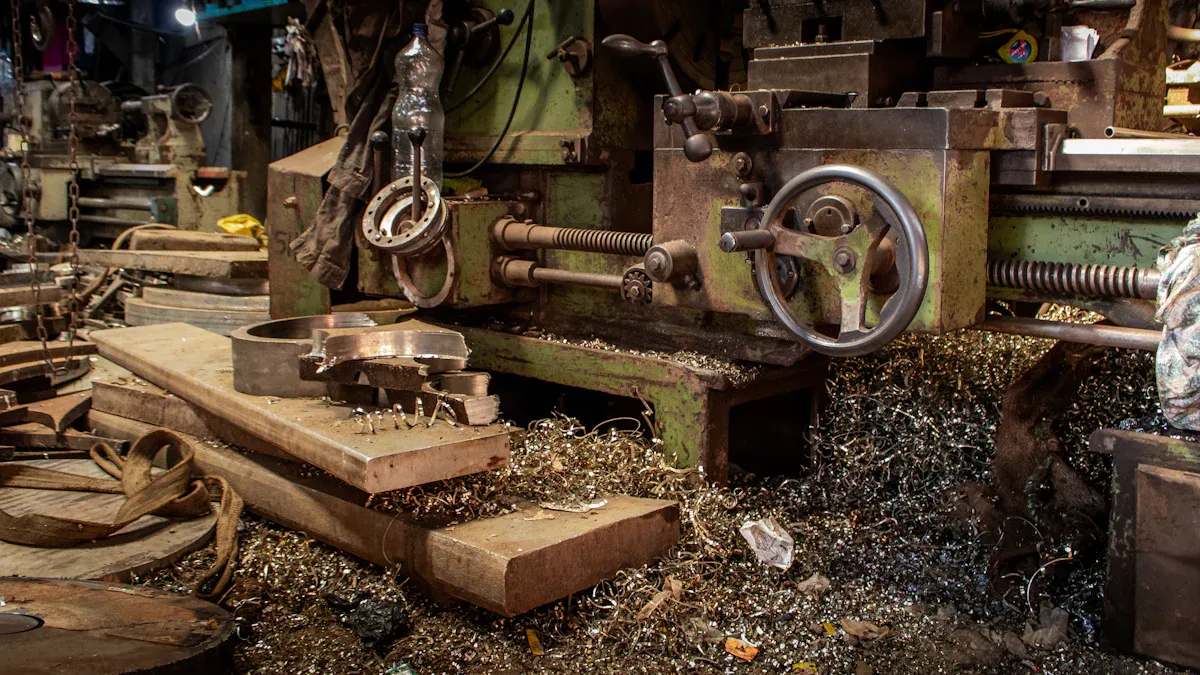
When coolant management is neglected, the consequences extend far beyond a simple messy workspace. The failure to cool, lubricate, and clean the grinding zone directly compromises part quality, process performance, and overall operational costs. These negative impacts create a chain reaction that undermines the goals of any precision grinding operation.
Poor Workpiece Quality and Defects
The most immediate and visible impact of poor coolant is on the workpiece itself. Inadequate coolant flow or incorrect coolant selection leads to a host of surface defects that can cause a part to be rejected. The goal of a perfect surface finish quality becomes impossible to achieve.
Common defects resulting from failed coolant include:
- Burn Marks: These discolored areas on the workpiece surface are a clear sign of excessive heat. The coolant failed to remove thermal energy, causing metallurgical damage.
- Poor Surface Finish: A rough or uneven texture occurs when friction is too high and chips are not flushed from the grinding zone.
- Burr Formation: Raised, sharp edges form on the part because high temperatures make the material more prone to plastic deformation instead of being cleanly sheared.
- Surface Contamination: Debris and metal chips get trapped and smeared across the workpiece surface, creating scratches and imperfections.
Beyond these visible flaws, extreme heat from improper grinding can alter the material’s fundamental properties. If grinding temperatures exceed the steel’s tempering point, it can cause thermal softening, reducing the part’s hardness. Even worse, temperatures surpassing the austenitizing point can create a brittle layer of untempered martensite upon cooling.
This hidden damage is incredibly dangerous. The formation of this brittle surface layer introduces high residual tensile stresses. These stresses act as microscopic starting points for cracks. As a result, the fatigue life of a component can plummet by a factor of 10, turning a durable part into one that is prone to premature failure under stress.
Reduced Grinding Performance
A struggling coolant system directly hinders the grinding performance of your machine and tools. The grinding process becomes slower, less effective, and more demanding on your equipment. Two key areas of performance suffer: wheel life and material removal rates.
First, contaminated coolant drastically shortens the life of your grinding wheel. Abrasive particles and metal fines that are not filtered out are recirculated by the coolant. These particles continuously erode the grinding wheel’s bond and abrasive grains. This can reduce diamond wheel life by 30% to 50%, leading to a significant increase in annual tooling costs.
Second, poor chip flushing leads to “wheel loading.” This occurs when material clogs the pores of the grinding wheel because the coolant flow is too weak to wash it away. A loaded wheel cannot cut effectively. It tends to rub and generate more heat instead of removing material. Studies show that effective wheel cleaning can increase the material removal rate by up to 100%. Therefore, when your coolant fails to clean the wheel, your grinding efficiency is effectively cut in half, forcing you to slow down the process to achieve the desired finish.
Lower Operational Efficiency
Poor workpiece quality and reduced grinding performance inevitably lead to lower operational efficiency and higher costs. The problems created by a faulty coolant system ripple through the entire production workflow, impacting your bottom line. This lack of efficiency is not just about a single bad part; it affects the entire operation.
The financial drains include several factors:
- Increased Rework and Scrap: Parts with burn marks or a bad finish must be reworked or thrown away, wasting time, material, and labor.
- More Frequent Tool Replacement: A shorter wheel life means you spend more money on new grinding wheels and more time changing them.
- Higher Maintenance Costs: Pumps, filters, and nozzles wear out faster when dealing with contaminated or aggressive coolant.
- Unscheduled Downtime: The most significant cost is often machine downtime. A failed coolant system can lead to unexpected breakdowns that halt production, disrupt schedules, and delay customer deliveries.
Investing in a proper coolant system is not an expense but a direct investment in productivity. The costs associated with downtime and constant troubleshooting far outweigh the expense of maintaining a clean and effective coolant.
Root Causes of Coolant Failure
Understanding why a coolant system fails is the first step toward effective coolant management. Failures typically stem from three core areas: choosing the wrong fluid, neglecting maintenance, or delivering it improperly. Addressing these root causes is essential for any precision grinding operation.
Incorrect Coolant Selection
The choice of coolant is a critical decision. A mismatch between the fluid, the material, and the grinding process guarantees poor results. The right coolant selection depends entirely on the specific job.
- Synthetic Coolants: These are ideal for high-speed grinding on materials like aluminum. Their high water content provides superior cooling capacity.
- Oil-Based Coolants: These offer better lubricity. They are used for grinding hard materials like steel or carbide where a fine surface finish is the priority.
Using a general-purpose fluid for specialized grinding applications is a common mistake. For example, grinding titanium with a coolant containing chlorine can lead to stress-corrosion cracking. Proper coolant selection ensures the fluid’s properties match the demands of the grinding task.
Inadequate Maintenance and Filtration
A coolant system requires regular attention to maintain its performance. Neglecting maintenance allows contaminants and bacteria to thrive. Microbial growth creates biofilms on machine surfaces. This thin layer acts as an insulator, severely reducing heat transfer and the cooling efficiency of the entire system. Monitoring the coolant’s pH level can help identify bacterial growth before it becomes a major problem. A clean, well-maintained coolant is fundamental for consistent grinding results.
Improper Application and Delivery
Even the perfect coolant will fail if it doesn’t reach the grinding zone. A high-speed grinding wheel creates a stiff air barrier around it. This barrier can block the coolant jet and prevent the fluid from providing lubrication or cooling.
Effective coolant application requires overcoming this barrier. Success depends on a combination of factors:
- Nozzle Design: The shape and position of the nozzle are critical.
- Coolant Jet Angle: The jet must be aimed precisely at the grinding zone.
- Pressure and Flow Rate: A strong jet with adequate pressure and a high flow rate is needed to penetrate the air barrier.
Achieving the correct pressure and an effective flow rate ensures the coolant jet reaches its target. This proper flow allows the coolant to do its job, improving overall grinding efficiency.
Effective Coolant Management Practices
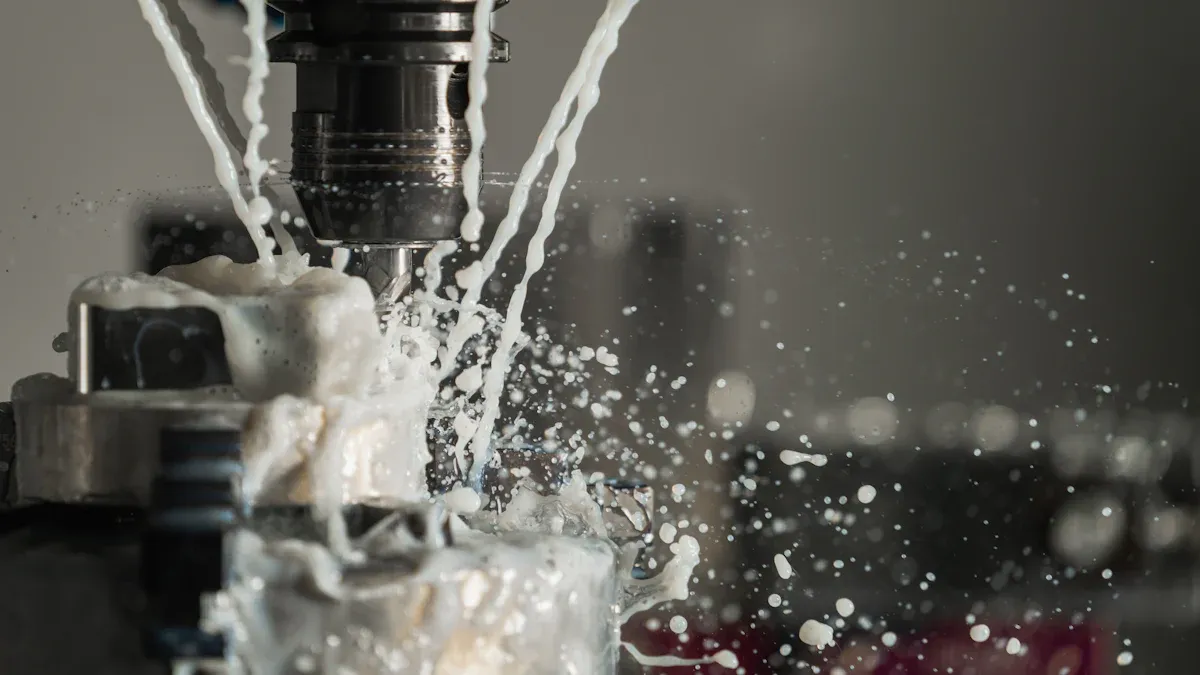
Moving from understanding the problems to implementing solutions is key. Effective coolant management is a proactive strategy built on three pillars: smart selection, precise application, and diligent monitoring. Mastering these practices transforms your grinding operation from reactive to reliable, ensuring consistent quality and peak performance.
Optimizing Coolant Selection
The right coolant selection is the foundation of any successful grinding process. The fluid must complement the abrasive, the material, and the operational goals. A systems approach is crucial for demanding grinding applications, such as working with hardened steels. This means pairing a high-performance abrasive with an equally capable coolant system.
Choosing the correct fluid involves balancing lubrication and cooling. Each type serves a different primary purpose.
| Feature | Cutting Oils (Lubrication Focus) | Coolants (Cooling Focus) |
|---|---|---|
| Primary Function | Lubrication (reducing friction) | Cooling (dissipating heat) |
| Composition | Mineral oils, synthetic esters | Water-based solutions |
| Key Benefit | Superior lubrication, better surface finish | Superior heat dissipation |
For precision grinding, several factors guide proper coolant selection:
- Application Requirements: The type of grinding (rough vs. finishing) and machine parameters dictate the choice. High efficiency deep grinding may require a fluid with excellent cooling properties.
- Cooling Efficiency: The coolant must remove heat effectively to protect both the workpiece and the wheel.
- Wheel Life: The fluid should flush away debris to prevent wheel loading, extending its useful life. For high-precision grinding of hard steels with CBN wheels, oil-based coolants are often preferred because they reduce wheel wear.
Advanced wheels, such as Aimgrind‘s CBN grinding wheels, are engineered for superior thermal stability and long life. Their effectiveness in precision grinding is maximized when used with a properly managed coolant. A well-chosen fluid prevents thermal damage, ensures a high-quality surface finish, and allows the wheel to perform to its full potential. This synergy between the wheel and the coolant is essential for achieving top-tier results.
Mastering Coolant Application
Even the best coolant is useless if it doesn’t reach the grinding zone. Mastering coolant application means delivering the fluid with the right pressure, flow, and direction to be effective. A proper coolant application setup is critical for grinding efficiency.
Pro Tip: A high-speed grinding wheel creates a powerful air barrier that can deflect the coolant jet. Your delivery system must be designed to penetrate this barrier.
Success in coolant application depends on several variables:
- Flow Rate and Pressure: A high flow rate is needed to flush chips, while adequate pressure ensures the jet penetrates the air barrier. For example, a flow rate of 15 L/min helps clear sticky aluminum chips, while high-pressure systems (70-100 bar) force the jet into the cutting zone for high efficiency deep grinding. The goal is to achieve an effective flow rate at the point of contact.
- Nozzle Positioning: The nozzle’s angle and distance are critical. A jet aimed at a 15-45 degree angle to the tool face ensures the flow reaches the heat source. The correct jet position minimizes temperature and improves the surface finish.
- Nozzle Type: The right hardware matters. Modular lines work for low-pressure flow, while stainless steel pipes are needed for high-pressure flow. Advanced toolholders with integrated coolant channels offer the ultimate precision, directing a perfect jet of flow to the cutting edge.
A well-aimed jet with a strong flow rate is fundamental to all grinding operations. This precise flow keeps the wheel clean, cools the surface, and improves overall grinding efficiency. Your coolant application strategy should focus on getting a powerful jet of flow exactly where it is needed.
Implementing a Monitoring System
A “set it and forget it” approach to coolant does not work for precision grinding. Fluids degrade over time due to contamination and bacterial growth. Implementing a monitoring system is the only way to ensure your coolant remains in optimal condition, protecting your investment in tools and parts.
Regular testing is the first step. For stand-alone machines or small sumps, daily checks are recommended. Larger central systems may only require weekly checks. Key parameters to track include:
- Concentration: A refractometer should be used to check the coolant-to-water ratio. Incorrect concentration affects both cooling and lubrication.
- pH Level: The pH should typically stay between 8.5 and 9.5. A drop in pH can indicate bacterial growth, which leads to foul odors and reduced performance.
- Conductivity: This measures dissolved minerals and can indicate water quality issues or contamination.
- Turbidity: This measures the cloudiness of the fluid. High turbidity means there are too many suspended solids, which reduces heat transfer and can damage pumps.
For modern shops, automated systems offer a powerful solution. Devices like the FullShop™ Gen 3 or Will-Fill controller automatically monitor parameters like concentration, pH, and temperature. They can precisely dose the sump to maintain optimal levels. These technologies provide real-time data, sending alerts when adjustments are needed and ensuring the coolant is always ready for high-quality grinding.
Effective coolant management is a fundamental pillar of precision grinding. Addressing selection, maintenance, and application directly prevents thermal damage and achieves superior workpiece quality. This strategic approach transforms precision grinding into a stable, reliable process. Ultimately, investing in your coolant system is a direct investment in quality assurance and overall profitability for every precision grinding task.
FAQ
Why is coolant so important in grinding?
Coolant is vital for cooling, lubrication, and chip removal. A proper flow prevents workpiece burn and extends wheel life. It is fundamental for achieving high-quality results and process stability in every grinding operation.
How do I know if my coolant delivery is effective?
The coolant jet must penetrate the air barrier around the wheel. A strong, steady flow should reach the grinding zone. Visual inspection can confirm the stream is not being deflected. This ensures effective cooling and lubrication.
Can I use one coolant for all my grinding jobs?
It is not recommended. Different materials and operations require specific coolants. Oils provide better lubrication for hard steels. Synthetics offer superior cooling for other materials. Matching the coolant to the job is critical for performance.
How does nozzle position affect coolant delivery?
The nozzle’s angle and distance are critical. A poorly aimed jet will be deflected by the air barrier. The coolant flow will not reach the cutting zone. This failure undermines the entire cooling and flushing process.