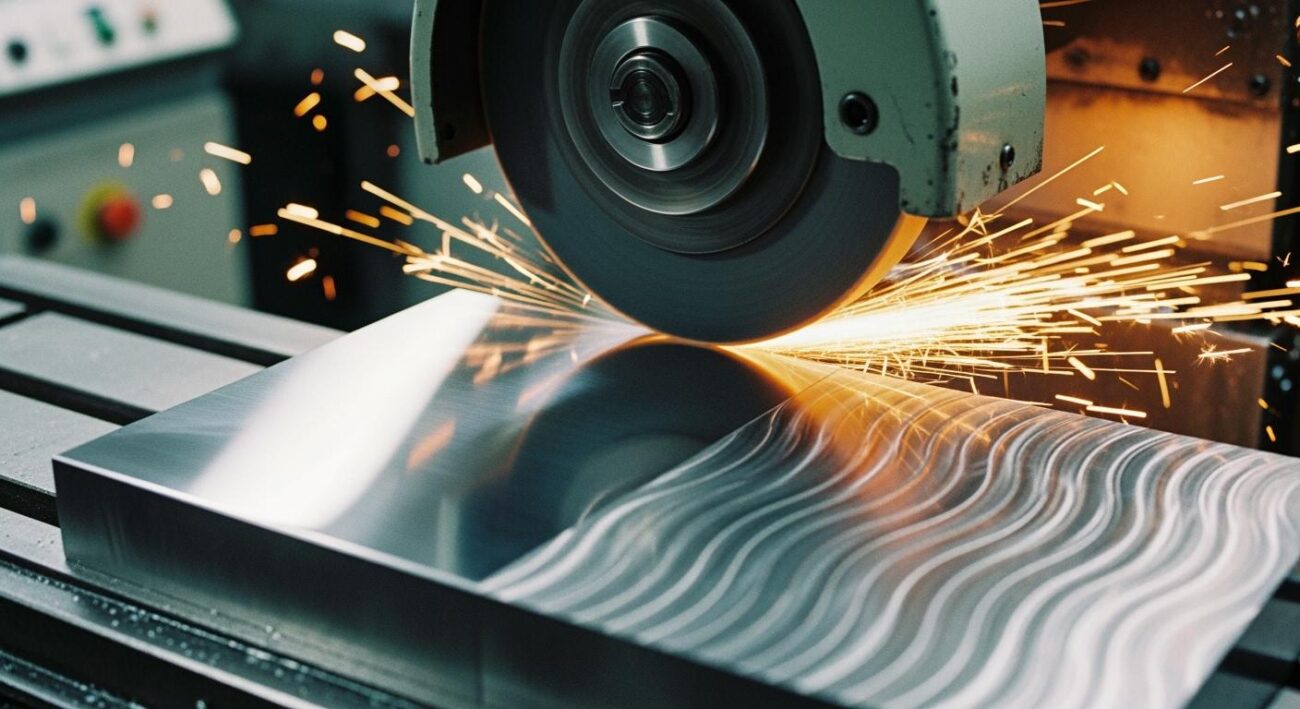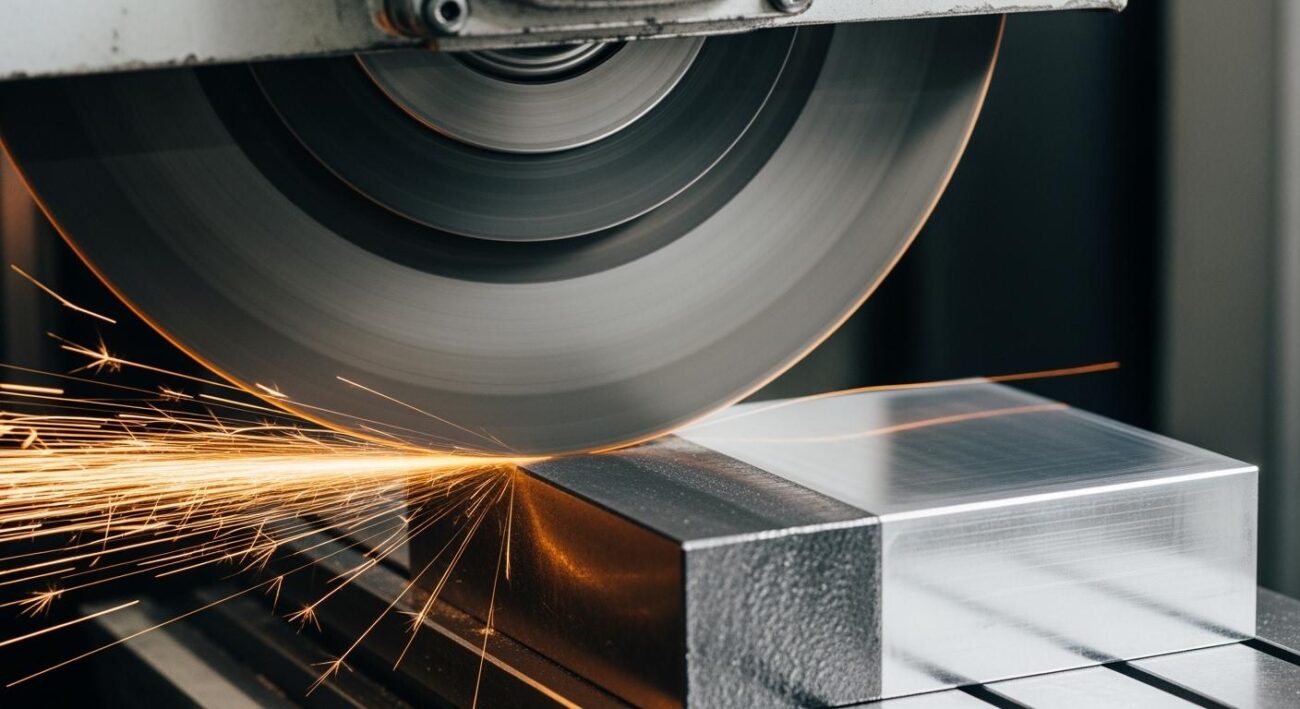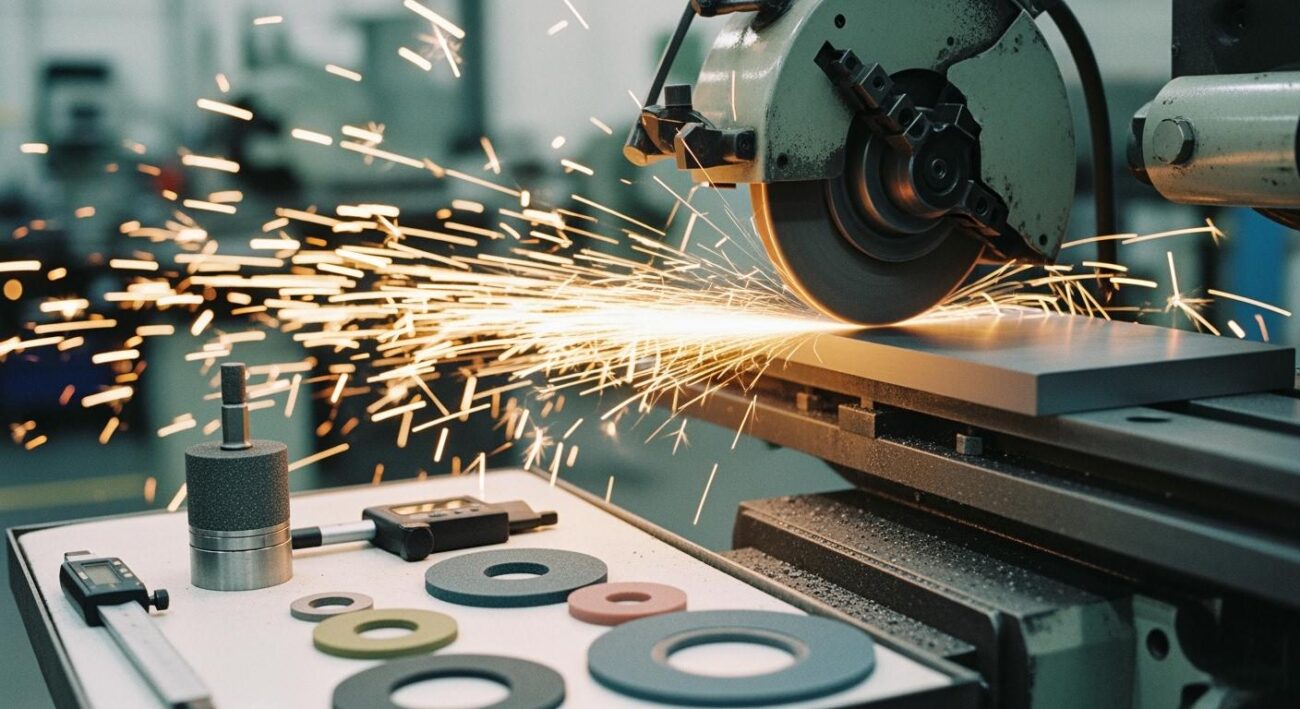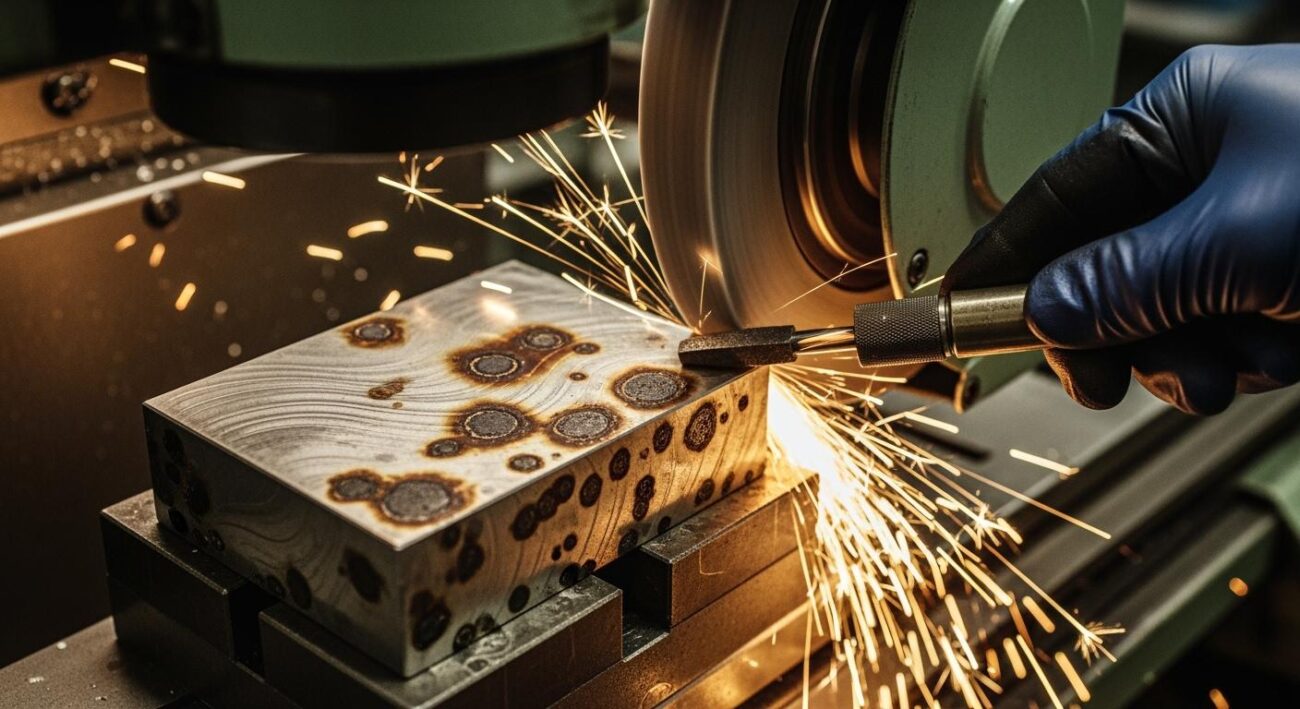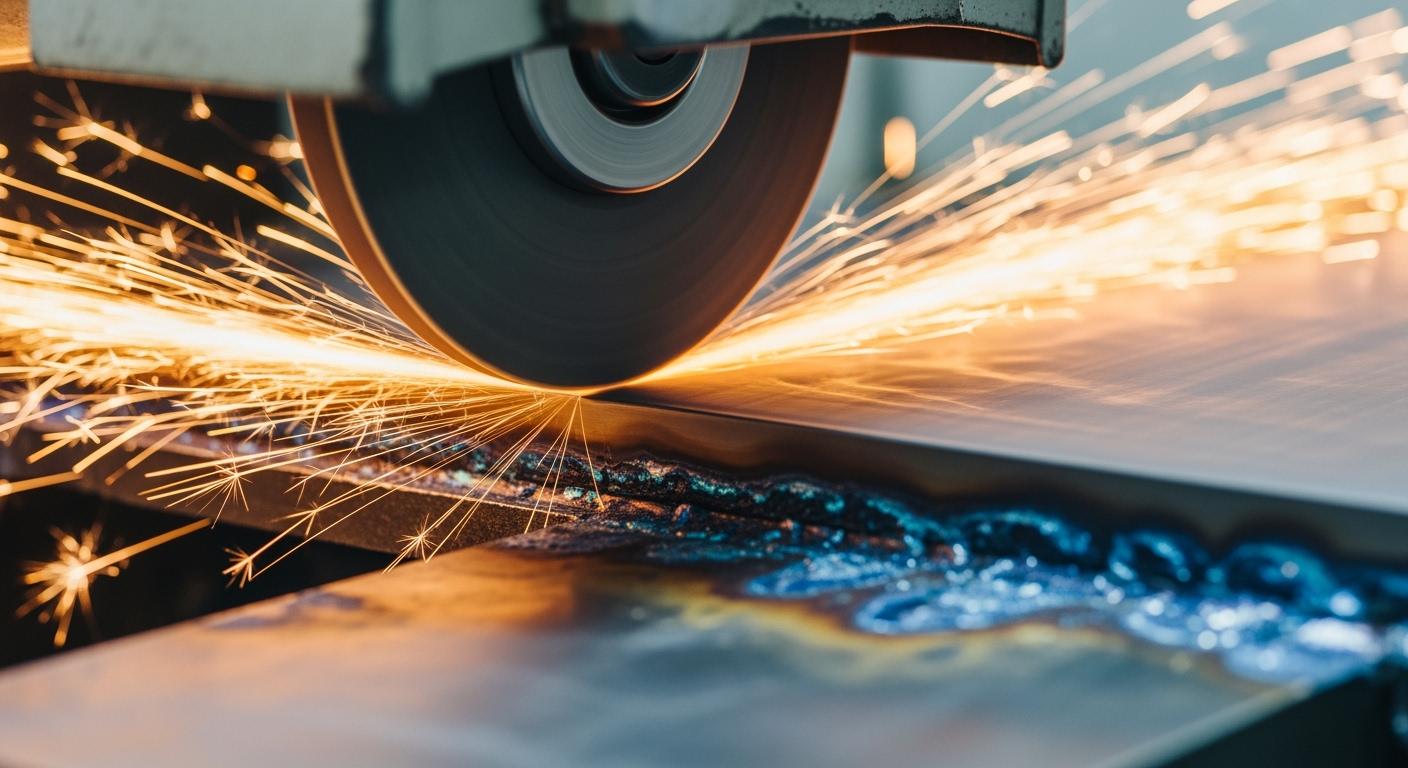
You spot thermal damage by looking for discoloration, cracks, or a softer part surface. You can stop thermal damage with a sharper grinding wheel, a shallower grinding depth, and better coolant application. This thermal issue results from excessive grinding heat buildup. You must prevent thermal damage because this thermal buildup harms part integrity. Controlling this heat buildup during surface grinding is essential. Your grinding wheel selection is the first step to manage the grinding heat buildup in your grinding process.
Key Takeaways
- Look for color changes, cracks, or soft spots on the part to find thermal damage.
- Use a sharp grinding wheel. A dull wheel creates too much heat.
- Choose a softer, open-structure grinding wheel. This helps reduce heat.
- Use enough coolant. Make sure it reaches the grinding area to cool the part.
- Adjust your machine settings. Use a faster work speed and a shallower cut.
Spotting Thermal Damage: Signs and Tests
You can identify thermal damage from excessive grinding heat buildup through careful observation and testing. The first signs are often visible on the part’s surface. If you suspect a problem, you can use more advanced methods for confirmation.
Visual Inspection for Grinding Burn
Your eyes are the first tool for spotting thermal damage. Look for discoloration on the steel surface after a grinding pass. This color change indicates the temperature the material reached. A significant heat buildup will leave tell-tale marks. You can use a temper color chart to estimate the peak temperature.
| Temperature (°F) | Temper Color |
|---|---|
| 390° | Faint Straw |
| 445° | Light Straw |
| 520° | Purple |
| 575° | Blue |
| 800° | Dark Grey |
Another sign of severe thermal damage is the presence of grinding checks. These are fine, web-like cracks that form a mesh pattern across the workpiece. This cracking happens when intense grinding heat buildup causes rapid expansion and contraction of the surface layer.
Physical and Metallurgical Confirmation
Visual signs may not tell the whole story. You can use a hardness tester to check for soft spots on the part. A drop in hardness is a clear indicator of over-tempering caused by thermal buildup from the grinding process.
For invisible damage, you can perform a Nital Etch test. This process uses a dilute nitric acid solution to reveal burn patterns that are not visible to the naked eye. The basic steps involve cleaning the part, applying the etchant, and then evaluating the surface for dark spots or patterns that indicate thermal damage. This method provides definitive proof of grinding issues related to heat buildup.
⚠️ Safety First: Handling Nitric Acid
You must handle nitric acid with extreme care. Always wear protective gloves and a face shield. Mix the solution in a well-ventilated area and add the acid to the solvent slowly. Never store nital solutions in a sealed container, as pressure buildup can cause an explosion.
How to Stop Thermal Damage
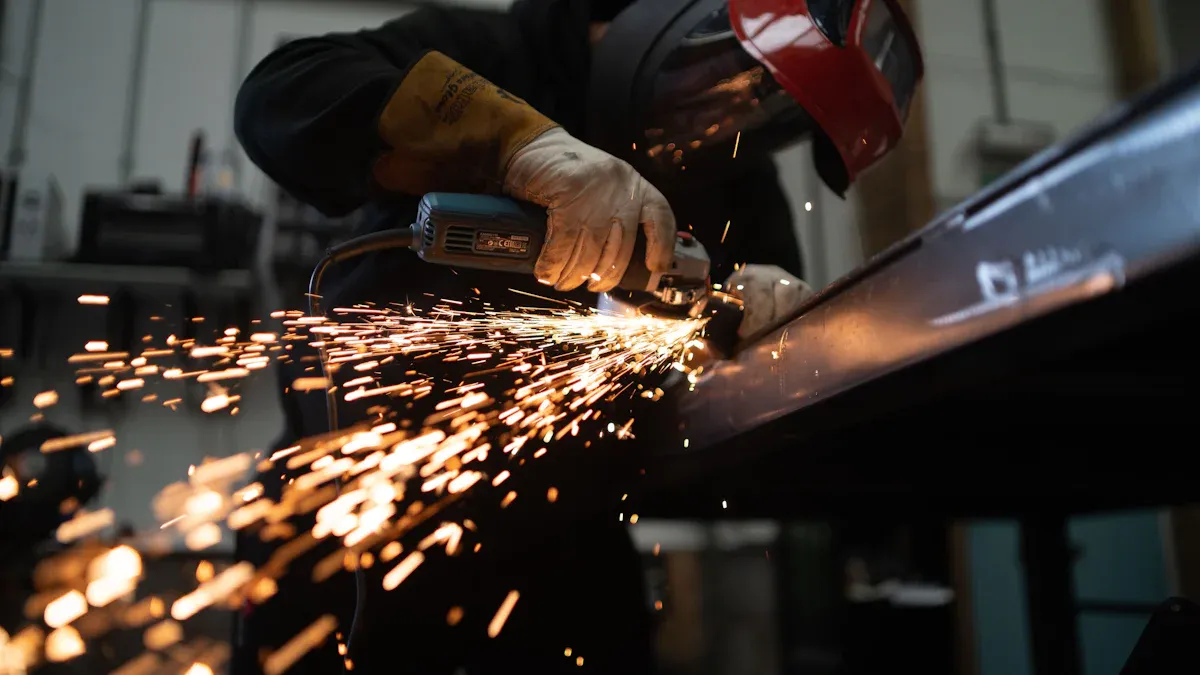
You can stop thermal damage by controlling the grinding process. Your choices in wheel selection, machine parameters, and coolant application are critical. A systematic approach helps you prevent thermal damage and protect your workpiece.
Choosing the Right Grinding Wheel
Your first step to prevent thermal damage is selecting the correct grinding wheel. The right wheel cuts efficiently and minimizes grinding heat buildup.
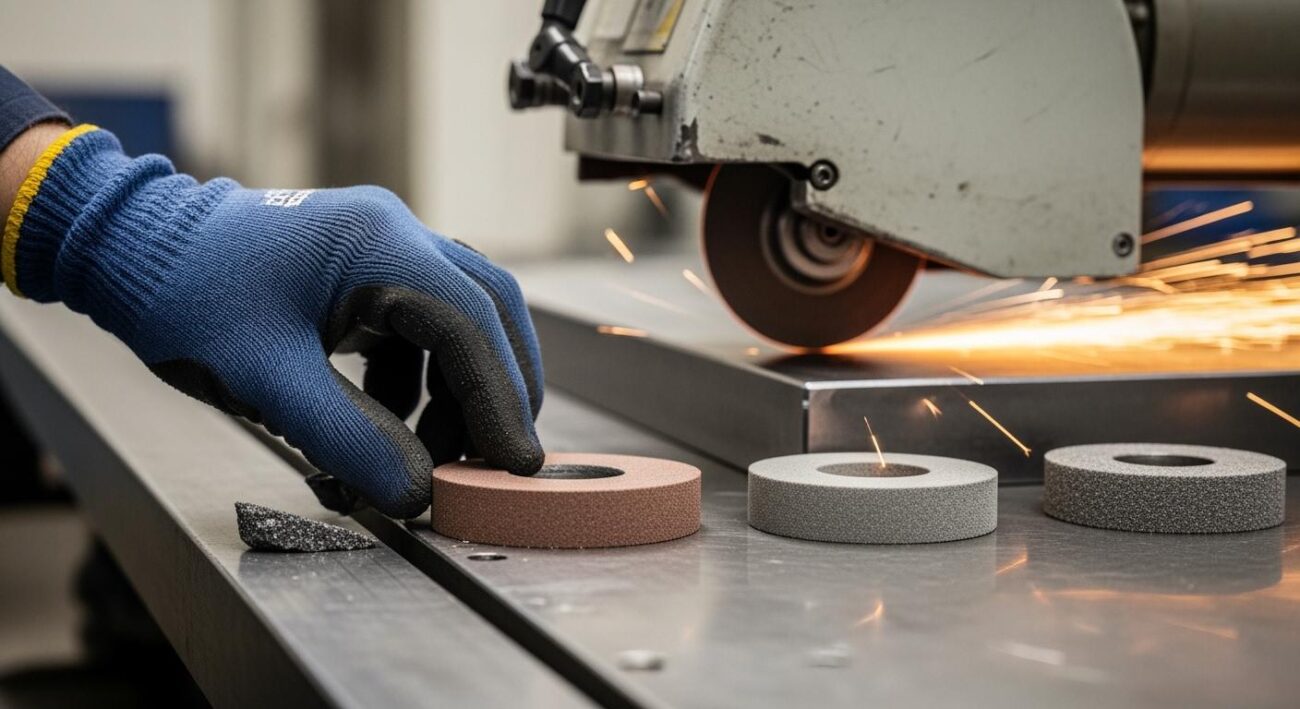
A softer grade grinding wheel is often a good choice. These wheels have a bond that breaks down more easily. This action allows dull abrasive grains to fall away, exposing new, sharp grains. This self-sharpening process offers several benefits:
- It keeps the grinding force low.
- It reduces the contact area between the wheel and the part.
- It helps prevent workpiece burning from heat buildup.
The structure of the grinding wheel also matters. An open-structure wheel provides more space between the abrasive grains. This design helps dissipate heat and clear away metal chips.
| Feature | Open-Structure Grinding Wheel | Dense-Structure Grinding Wheel |
|---|---|---|
| Heat Dissipation | Allows for better chip clearance and cooler grinding. | Retains more heat due to less space between grains. |
| Grain Spacing | More space between abrasive grains. | Less space between abrasive grains. |
For hard materials like tungsten carbide or technical ceramics, you need a wheel designed for the job. As a provider of customized grinding solutions, Aimgrind can help you find the perfect match. Our diamond grinding wheels are highly effective for these applications. They use superior diamond abrasives that cut with high efficiency and last much longer than conventional wheels. This efficiency reduces friction and the thermal buildup that causes damage.
Process Parameters to Prevent Thermal Damage
Your machine settings directly impact the amount of grinding heat buildup. You must optimize your process parameters to prevent thermal damage.
First, always use a sharp grinding wheel. A dull wheel rubs instead of cuts, which creates excessive friction and heat. You should dress the wheel frequently to maintain its sharpness. A deeper dressing pass, such as a single pass at 0.002 inches, is more effective at fracturing the abrasive grains and creating a sharp cutting surface.
Next, you should adjust your speeds. The relationship between your wheel speed and work speed is important for managing thermal energy.
- Increase Work Speed: A higher work speed can reduce the time heat has to transfer into the part.
- Decrease Wheel Speed: A lower wheel speed reduces the energy and friction in the grinding zone.
Finally, reduce your depth of cut. A shallower cut removes less material per pass, which lowers the grinding forces and the resulting heat. For finishing passes on hardened steel, you should use a very small depth of cut, often less than 0.25 mm (0.01 in), to minimize thermal stress and stop thermal damage.
Effective Coolant Application
Proper coolant application is your final defense to stop thermal damage. The coolant’s job is to remove heat from the grinding zone and lubricate the cutting action.
The type of coolant you use is important. Different coolants have different cooling capabilities. Synthetic coolants are often the best choice for high-heat grinding because they excel at dissipating thermal energy.
Pro Tip: Coolant Temperature and Speed
For maximum effectiveness, your coolant jet speed should be 30-50% of the wheel’s peripheral speed. Using low-temperature coolants, chilled to between 5–15 °C (41–59 °F), can also significantly improve heat removal.
The best coolants are ineffective if they do not reach the grinding zone. Your coolant delivery system must be aimed correctly. Use nozzles that can precisely target the “hot point” where the grinding wheel meets the workpiece. This ensures the fluid removes heat right at the source, which is the most effective way to prevent a damaging buildup. A well-designed system is essential for successful grinding.
Advanced Grinding Strategies
You can use advanced grinding methods for difficult materials. These strategies help you manage heat and achieve a high-quality surface finish. Different materials require unique approaches to prevent thermal damage.
Grinding Hardened and Tool Steels
Grinding hardened steels like D2 tool steel requires careful wheel selection. The right wheel prevents heat buildup and protects the material’s hardness. You have several good options for this type of grinding.
- CBN (Cubic Boron Nitride) wheels are often the best choice. They require less dressing and are highly effective.
- Ceramic wheels, like Norton’s 5SG or Radiac’s BP series, also perform well.
- Aluminum oxide wheels, such as the 32A type, are another option if you choose a softer H or J hardness grade.
Choosing the correct wheel is a key step in successful hard steel grinding.
Techniques for Titanium and Nickel Alloys
Titanium and nickel alloys are very sensitive to heat. Titanium has low thermal conductivity, which traps heat at the surface. This can cause oxidation and damage. Nickel alloys, like Inconel 718, also present challenges. You must control your grinding parameters to protect these materials.
Pro Tip: Use CBN for Superalloys
You should use CBN grinding wheels for nickel-based alloys. Diamond wheels can react chemically with these metals at high temperatures. CBN remains stable, offering longer life and better performance for this specific grinding application.
For nickel alloys, you should use a lower workspeed and a smaller depth of cut. This reduces the forces and heat generated during the grinding process.
The Role of Creep-Feed Grinding
Creep-feed grinding is a specialized process for creating complex shapes. This method uses a very deep cut but a very slow feed rate. It removes a large amount of material in a single pass. This technique offers excellent control, allowing you to produce parts with tight tolerances and intricate profiles.
This type of grinding requires a very rigid and powerful machine. Industries like aerospace and automotive use creep-feed grinding to make high-quality parts. The process can produce an exceptionally fine surface finish, which is crucial for performance components. This advanced grinding method helps avoid thermal issues while achieving precise results.
You can prevent thermal damage in your grinding process. Always check for discoloration, cracks, and soft spots. To stop thermal damage, you must use the correct grinding wheel. A specialized grinding wheel, like those from Aimgrind, is a great start. This grinding wheel, combined with the right parameters, protects your part. Your grinding wheel selection is the first step in successful grinding. A quality grinding wheel ensures a quality finish.
A systematic approach is key. Grind with Passion, Achieve with Aim.
FAQ
What is the first sign of thermal damage?
You should look for discoloration on the workpiece surface. Temper colors, ranging from light straw to dark blue, are the first visual clue. These colors indicate the steel reached a damaging temperature during the grinding process.
Can I fix a part with grinding burn?
You generally cannot repair a part with grinding burn. The high heat permanently changes the material’s hardness and strength. You must focus on adjusting your process to prevent the issue on future parts.
What is the best grinding wheel to prevent burn?
You should use a softer, open-structure wheel that stays sharp. For very hard materials, a high-performance wheel is essential. Aimgrind‘s diamond grinding wheels cut efficiently, which significantly reduces heat and prevents thermal damage.
How does coolant speed affect grinding?
Your coolant’s speed is critical for heat removal.
Pro Tip 💡
You should set the coolant jet speed to 30-50% of the grinding wheel’s peripheral speed. This ensures the fluid penetrates the air barrier around the wheel and cools the part effectively.
Is a faster or slower work speed better?
A faster work speed is often better to prevent thermal damage. It moves the workpiece through the grinding zone quickly. This action reduces the time that heat has to transfer into the part’s surface.