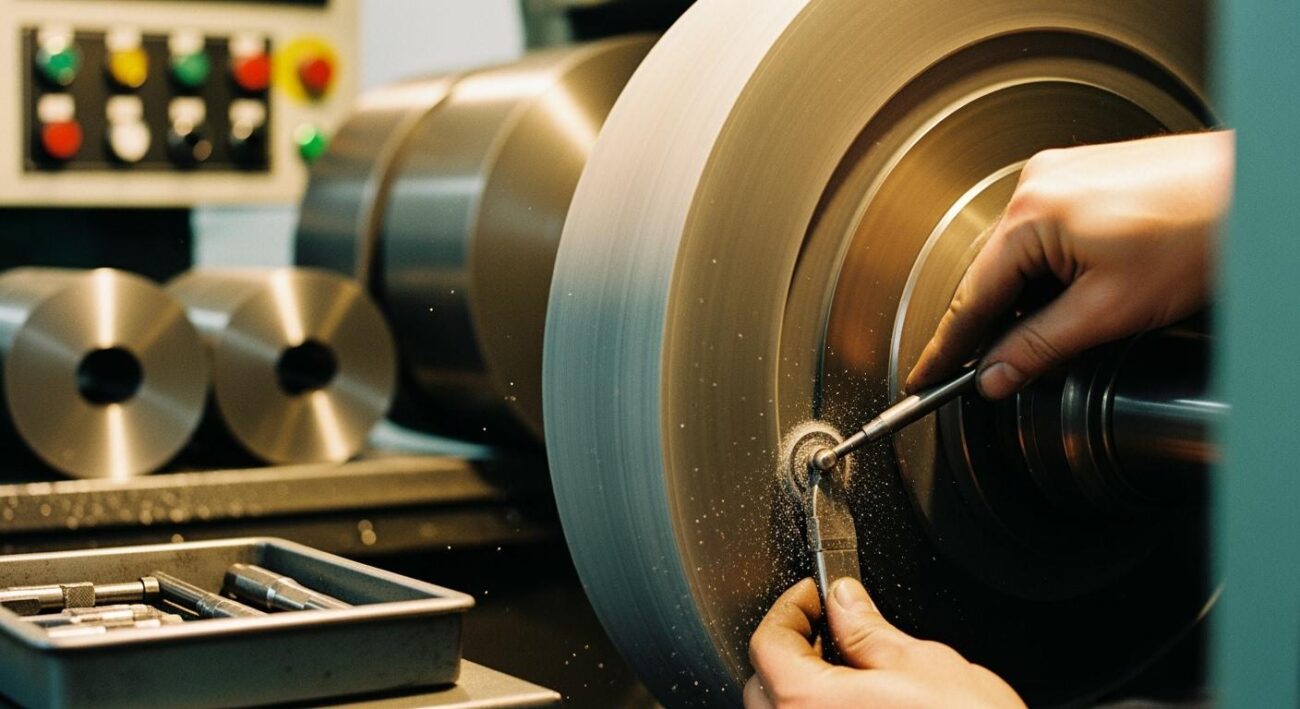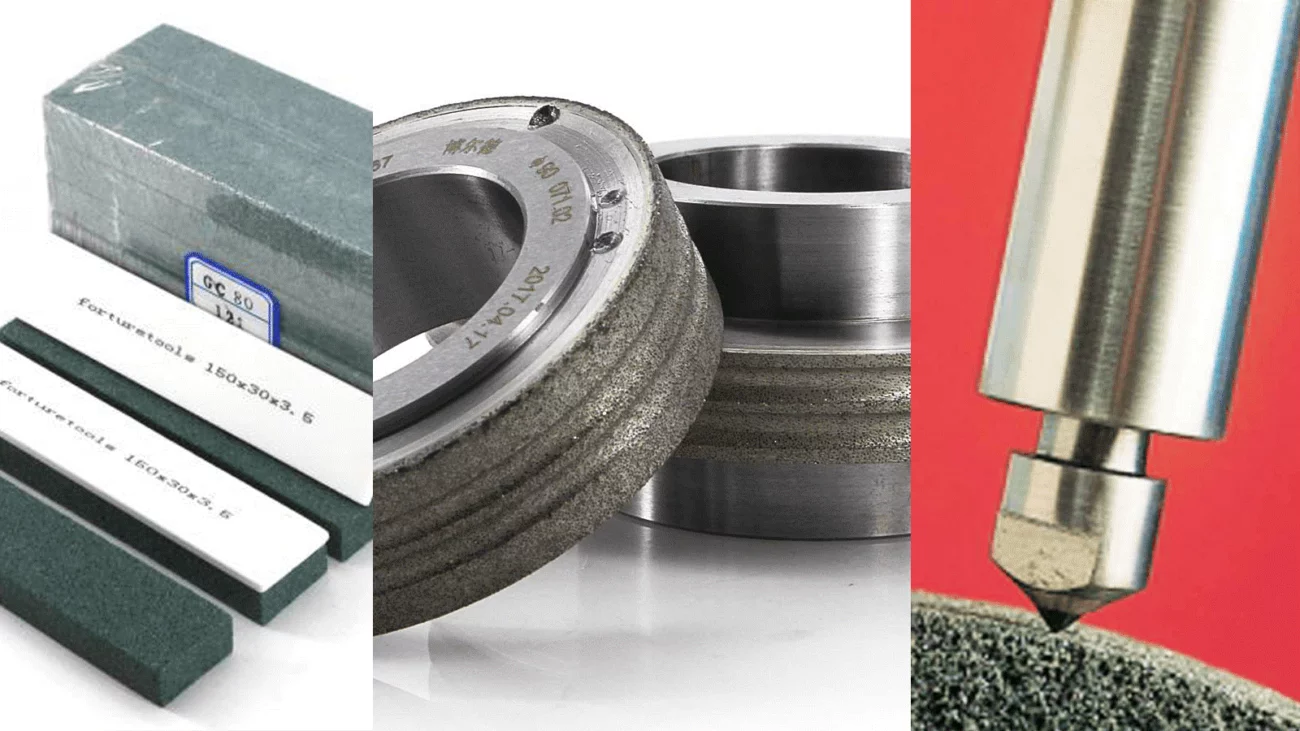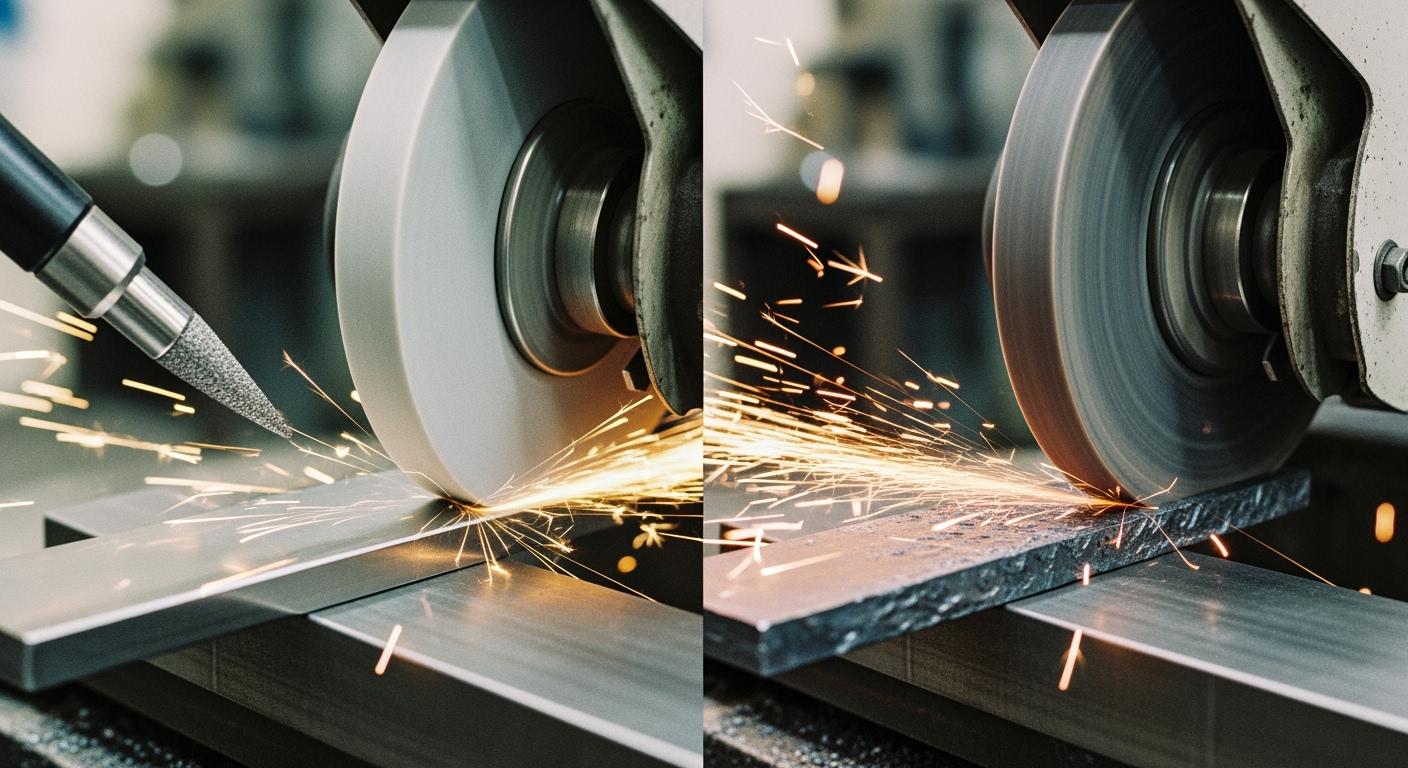
An incorrect dressing frequency directly affects grinding quality. Finding the right balance is crucial for your grinding operations.
Too Little Dressing: Infrequent dressing makes your wheel dull and loaded. This causes thermal damage and poor surface finishes.
Too Much Dressing: Excessive wheel dressing wastes valuable abrasive from your grinding wheels and increases machine downtime.
This guide helps you find the optimal dressing schedule for your wheel. You can achieve consistent, high-quality results with the right approach.
Key Takeaways
- Incorrect wheel dressing frequency harms grinding quality.
- Too little dressing makes the wheel dull. This causes poor surface finish and heat damage.
- Too much dressing wastes the wheel material. It also stops the machine from working.
- Monitor machine power and part quality. This helps find the best dressing schedule.
- Adjust dressing frequency for different materials. Also consider how much material you remove.
Risks of Infrequent Wheel Dressing
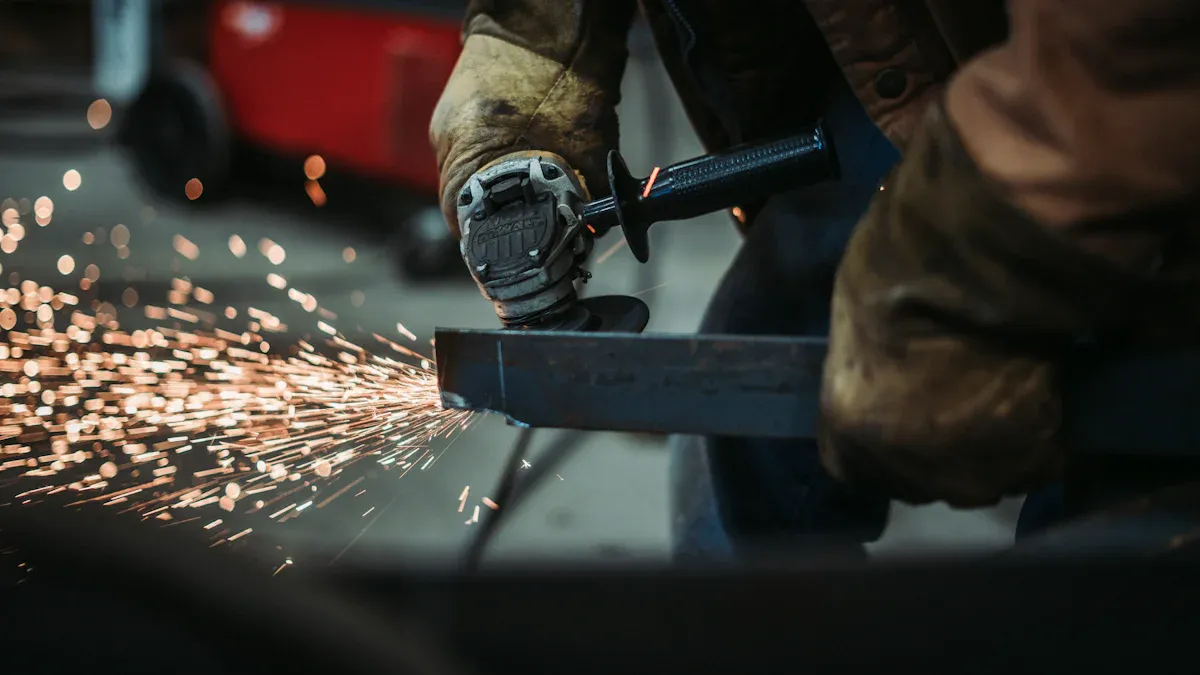
Delaying wheel dressing creates significant problems that harm your parts and process. When you neglect proper dressing, the grinding wheel becomes dull and loaded with material, which directly affects grinding quality. This leads to several critical issues.
Poor Surface Finish and Burn Marks
A loaded grinding wheel stops cutting effectively. Instead, it starts rubbing against the workpiece surface. This rubbing action generates intense friction and heat. Swarf and worn grits get stuck in the wheel, increasing the grinding force and causing visible burn marks on your part’s surface. While a dull wheel might sometimes produce a smoother surface finish, it comes at the cost of much higher energy and heat. This trade-off ultimately compromises the overall surface finish quality and part integrity. Proper dressing ensures the wheel remains sharp for clean cutting.
Loss of Dimensional Accuracy
A dull or glazed wheel struggles to maintain precision. The rubbing action creates vibrations and chatter marks on the workpiece surface. This irregular grinding directly impacts the geometric accuracy of your parts.
Consequences of a Dull Wheel:
- It can cause out-of-roundness.
- It makes holding tight tolerances nearly impossible.
- You may need more grinding passes to reach target dimensions.
Infrequent dressing prevents the wheel from performing the precise cutting needed for high-quality components.
Increased Heat During Grinding
Excessive heat is one of the biggest dangers of improper wheel dressing. A dull wheel generates far more thermal energy than a sharp one because it rubs instead of cutting. This heat transfers directly into your workpiece, causing severe thermal damage that affects grinding quality. The final quality of your part suffers greatly. This can lead to:
- Surface Burning: Discoloration or thermal cracks on the surface.
- Hardness Reduction: The heat can soften the material, reducing its wear resistance.
- Thermal Deformation: Uneven heating causes the part to warp, ruining its final finish and dimensions.
A consistent dressing schedule keeps the wheel sharp, minimizes heat, and protects your surface finish.
Consequences of Dressing Too Frequently
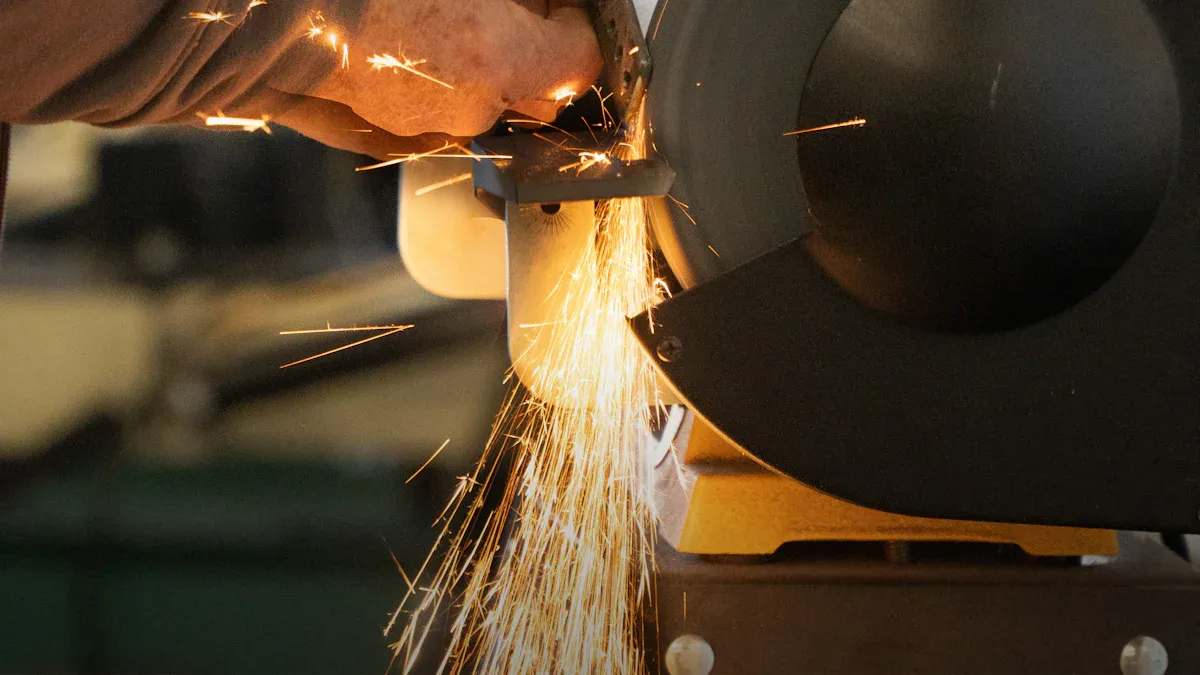
While infrequent dressing causes problems, excessive dressing creates its own set of costly issues. You might think more dressing is always better, but this approach wastes resources and can harm your process. Finding the right balance is key to efficient grinding.
Reduced Lifespan of Grinding Wheels
Every time you perform a dressing cycle, you remove a layer of abrasive from the wheel. This is necessary to expose fresh cutting edges, but overdoing it wears out your grinding wheels prematurely. Aggressive dressing, with too much pressure or a deep infeed, can strip abrasive grains and erode the bond holding the wheel together. This action severely damages the wheel structure.
Think of it this way: Each dressing cycle shaves a small amount of life from your wheel. Too many shaves, and the wheel is gone before its time. This forces you to spend more money on replacement grinding wheels and reduces your overall operational efficiency.
Lower Productivity from Machine Downtime
Productivity depends on keeping your grinding machine running. Unnecessary dressing stops production. Each dressing cycle adds to machine downtime, which includes:
- Stopping the grinding operation.
- Running the dressing tool across the wheel.
- Resetting the machine for the next part.
These short pauses add up quickly over a shift. You lose valuable time that could be spent making parts. A well-planned dressing schedule minimizes these interruptions, maximizing the time your wheel spends on productive grinding. This boosts your output and lowers your cost per part.
Inconsistent Part Quality
You might assume frequent dressing guarantees good quality, but it can actually make it harder to achieve consistency. A freshly dressed wheel cuts differently than a wheel that has completed a few grinding cycles. If you are constantly dressing the wheel, its cutting condition is always changing. This constant change in the wheel’s surface makes it difficult to produce a batch of parts with uniform dimensions and surface finishes. This variability negatively affects grinding quality. A stable process with a predictable dressing frequency is essential for consistent part quality.
Optimizing Frequency for Dressing a Grinding Wheel
Finding the perfect dressing frequency is not about guesswork; it is about paying close attention to your grinding process. You can achieve optimal performance by monitoring key indicators, adjusting for your specific application, and establishing a reliable baseline. This data-driven approach turns dressing from a chore into a strategic advantage.
Monitoring Key Performance Indicators
Your grinding machine and workpiece provide clear signals when the wheel needs dressing. You just need to know what to look and listen for. Monitoring these indicators helps you maintain consistent cutting performance.
- Increased Power Draw: A dull or loaded wheel requires more energy to cut material. Keep an eye on your machine’s power or amperage meter. A steady increase in power consumption during a production run is a strong sign that the wheel is losing its cutting efficiency and needs dressing.
- Changes in Grinding Noise: The sound of the grinding process tells a story. A sharp, effective wheel makes a consistent, crisp sound. As the wheel loads with chips and the abrasive grains become dull, the sound changes. The cutting noise may decrease as the wheel begins to rub instead of cut. Advanced systems use acoustic emission (AE) sensors to detect these subtle changes, but even the trained ear can notice a shift from effective cutting to inefficient rubbing.
- Visible Wheel Loading and Glazing: A simple visual inspection of the wheel surface can reveal a lot. You can identify a wheel that needs dressing by looking for these signs:
Signs of a Dull Wheel:
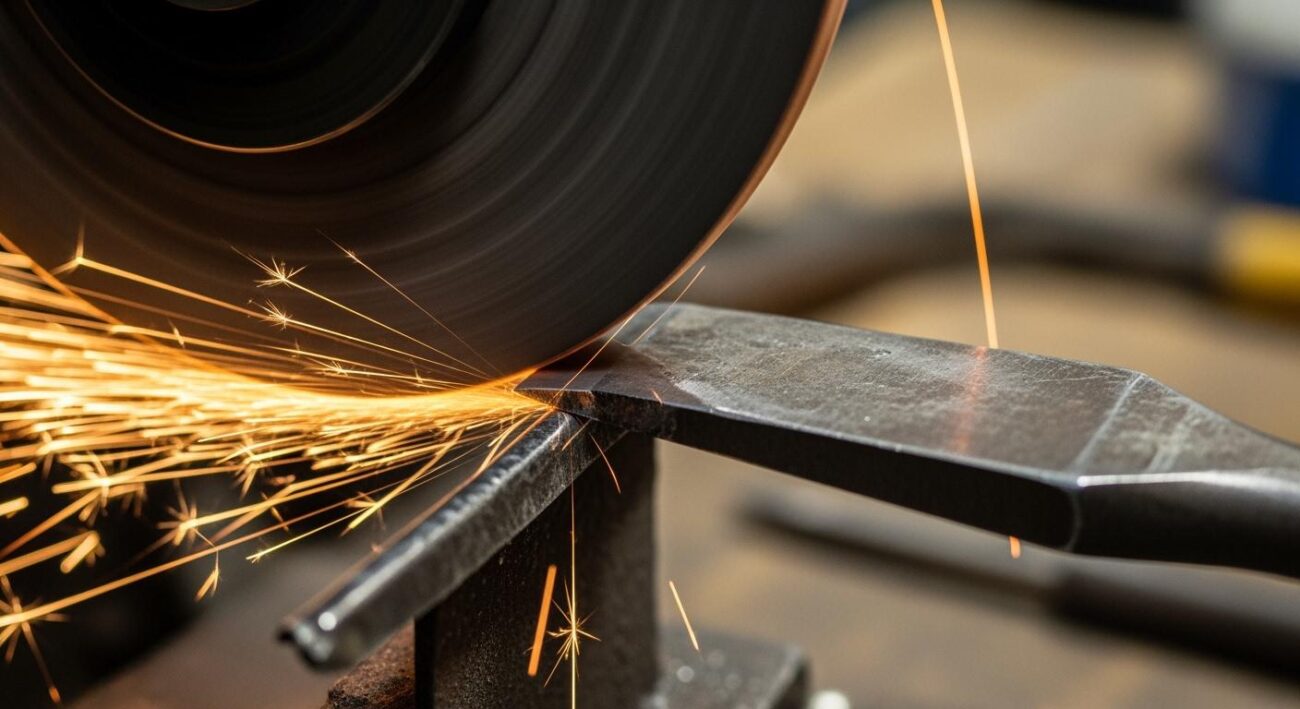
- Glazing: The wheel surface looks smooth, shiny, and reflective. It generates very few sparks because it is rubbing, not cutting.
- Loading: You can see metal particles or debris clogged in the pores of the wheel surface. This often leads to irregular grinding and overheating.
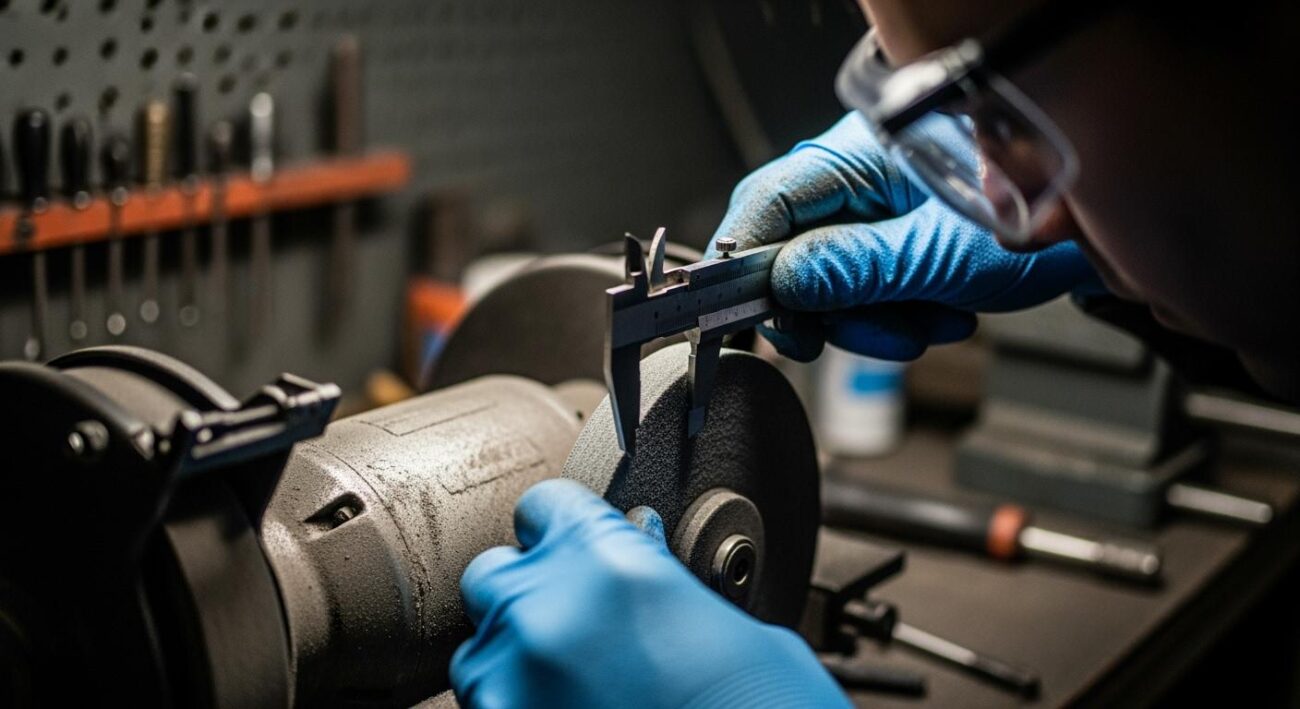
- Declines in Part Quality: Ultimately, the quality of your finished part is the most important indicator. You should regularly measure your parts for dimensional accuracy and surface finish. You can use tools like coordinate measuring machines (CMMs) for dimensions and advanced microscopes for surface roughness analysis. When you notice a decline in dimensional stability or an increase in the surface roughness (Ra) value, it is time for dressing the grinding wheel.
Adjusting for Application Variables
The ideal dressing frequency is not one-size-fits-all. It changes based on your specific grinding task. You must adjust your schedule based on several key variables to maintain the best wheel performance.
Workpiece Material: The material you are grinding has a major impact.
- Soft Materials: Metals like aluminum tend to load the wheel quickly, clogging the abrasive pores. This may require more frequent dressing to keep the wheel surface clean and open for effective cutting.
- Hard Materials: Hardened steels and alloys dull the abrasive grains faster. For these materials, the wheel must remain sharp to cut efficiently. This also calls for a consistent dressing schedule to expose fresh, sharp abrasive.
The wheel grade you use is also a factor. Softer grade wheels are often used for hard materials because they break down faster, exposing new abrasive grains.
| Grinding Wheel Grades | Suitable Materials |
|---|---|
| Soft Grades (A-H) | Hard materials (e.g., hardened steel) |
| Hard Grades (Q-Z) | Soft metals (e.g., aluminum) |
| Medium Grades (I-P) | General purpose applications |
- Material Removal Rate (MRR): If your goal is to remove a lot of material quickly, your wheel will dull and load faster. A high MRR puts more stress on the abrasive grains, demanding more frequent dressing cycles to maintain a high cutting rate.
- Required Surface Finish: The finer the required finish, the more sensitive your process is to wheel condition. As a wheel wears, its ability to produce a low Ra value decreases. For example, if your process requires a surface finish below a certain Ra value, you should schedule your dressing before the wheel performance degrades past that point. Tracking this allows you to predict the optimal interval and prevent producing out-of-spec parts.
Establishing an Optimal Baseline
With a clear understanding of your process indicators and variables, you can establish a perfect baseline for dressing a grinding wheel. This creates a predictable and efficient workflow.
- Start with Guidelines: Begin with the recommendations provided by the manufacturer of your grinding wheels. They offer a solid starting point based on the wheel’s specifications.
- Test and Measure: Run a series of controlled tests. Grind a set number of parts, then stop and measure both the part quality and the wheel surface. Record your findings on power draw, finish, and dimensions.
- Find the Sweet Spot: Continue grinding in increments, measuring at each interval. You will find the point where performance begins to drop. This point—just before quality suffers—is your optimal dressing interval. It might be after 15 parts, 50 parts, or more, depending on your application.
Using high-quality, durable grinding wheels, such as Aimgrind‘s conventional bonded abrasives, provides a stable and predictable foundation for this process. A consistent wheel makes it easier to establish an effective dressing cycle you can trust. This baseline ensures you achieve optimal performance without wasting abrasive material or machine time.
The right wheel dressing frequency directly affects grinding quality. It is about balance, not just more or less dressing.
Remember the Trade-Offs:
- Too Little Dressing: Harms part quality.
- Too Much Dressing: Wastes your grinding wheels.
Use a data-driven approach for your grinding. This helps you find the best dressing interval for your wheel. For expert help, consult specialists like Aimgrind. They can match your wheel and dressing strategy to your specific wheel for peak grinding performance. A perfect wheel dressing strategy ensures your wheel works best.
FAQ
What is the difference between truing and dressing?
Truing and dressing are different jobs. Truing makes your wheel perfectly round. Dressing cleans the wheel surface and exposes new grit. You need both for a healthy wheel.
How do I know which dressing tool to use?
You choose a tool based on your grinding wheel. A diamond dressing tool works well for a superabrasive wheel. A star dresser is great for a conventional wheel. The right tool makes dressing your wheel effective.
Can I skip dressing if my wheel looks clean?
You should not skip dressing. A wheel can look clean but be glazed. Glazing means the wheel surface is dull. Proper dressing sharpens the wheel for better cutting.
How often should I perform wheel dressing?
The best dressing frequency depends on your job. Monitor your machine’s power and part quality. This data tells you when the wheel needs attention for optimal performance.