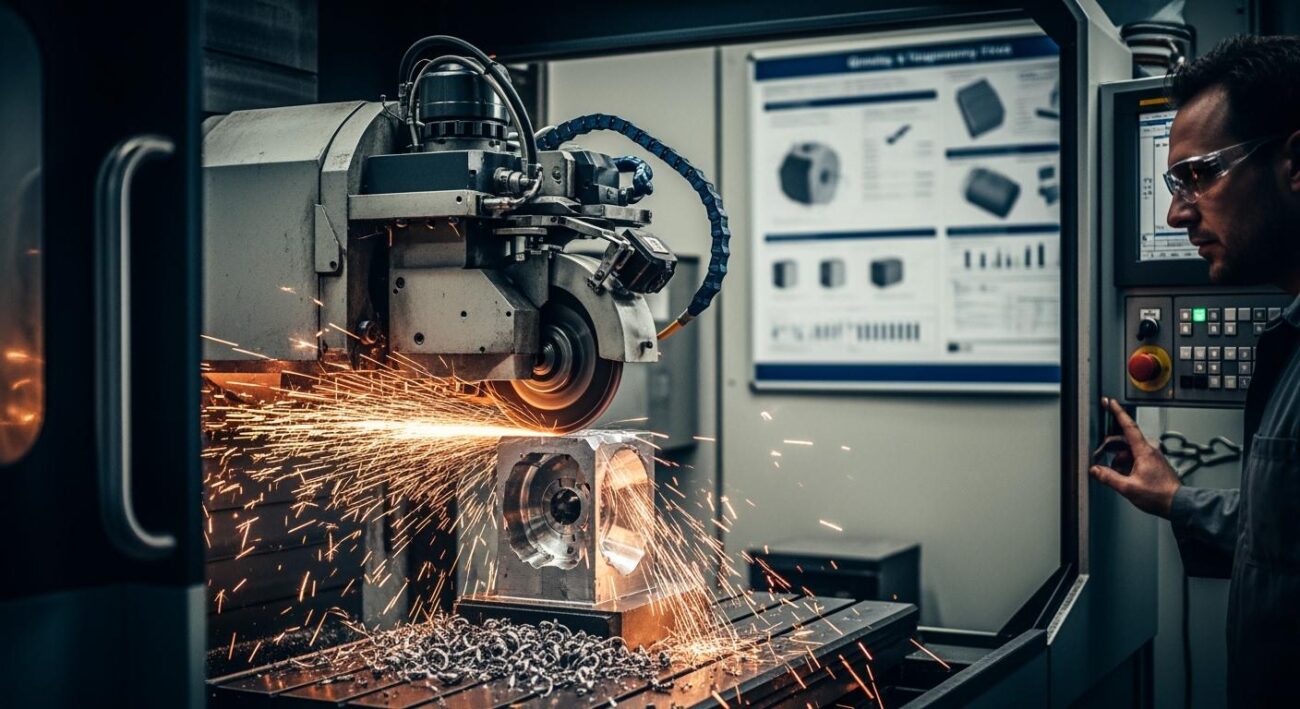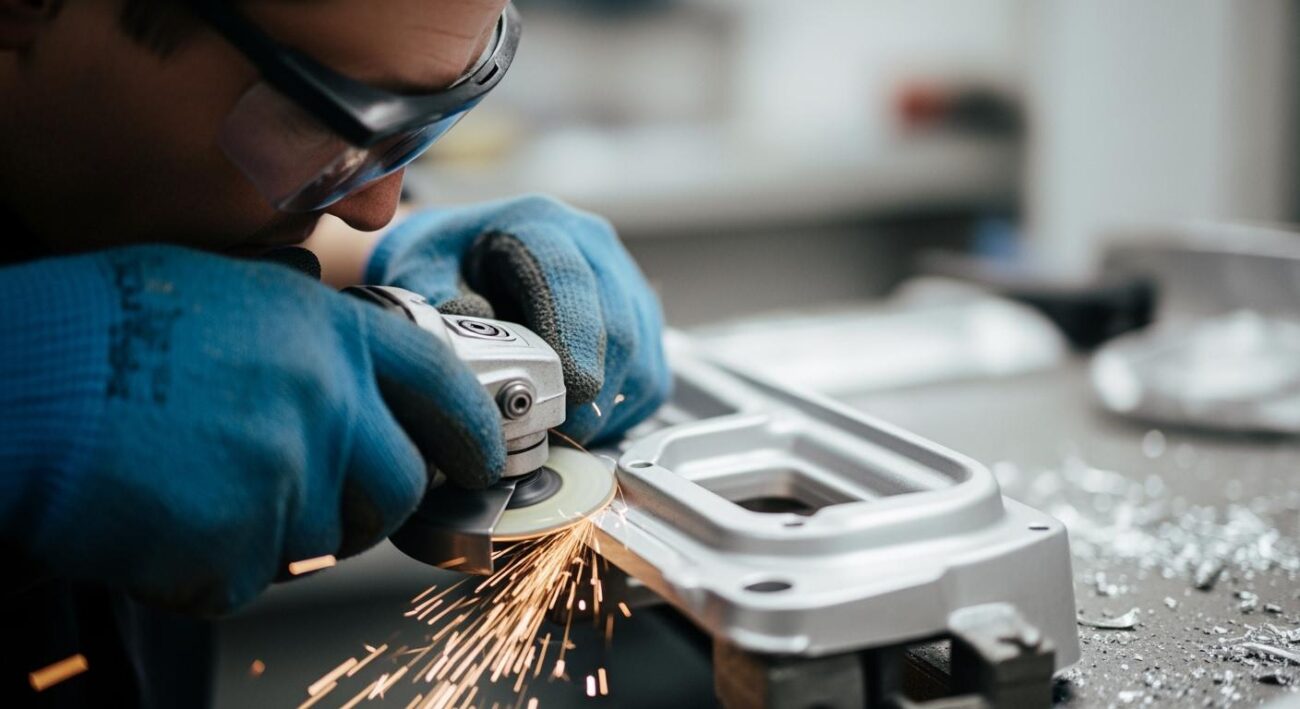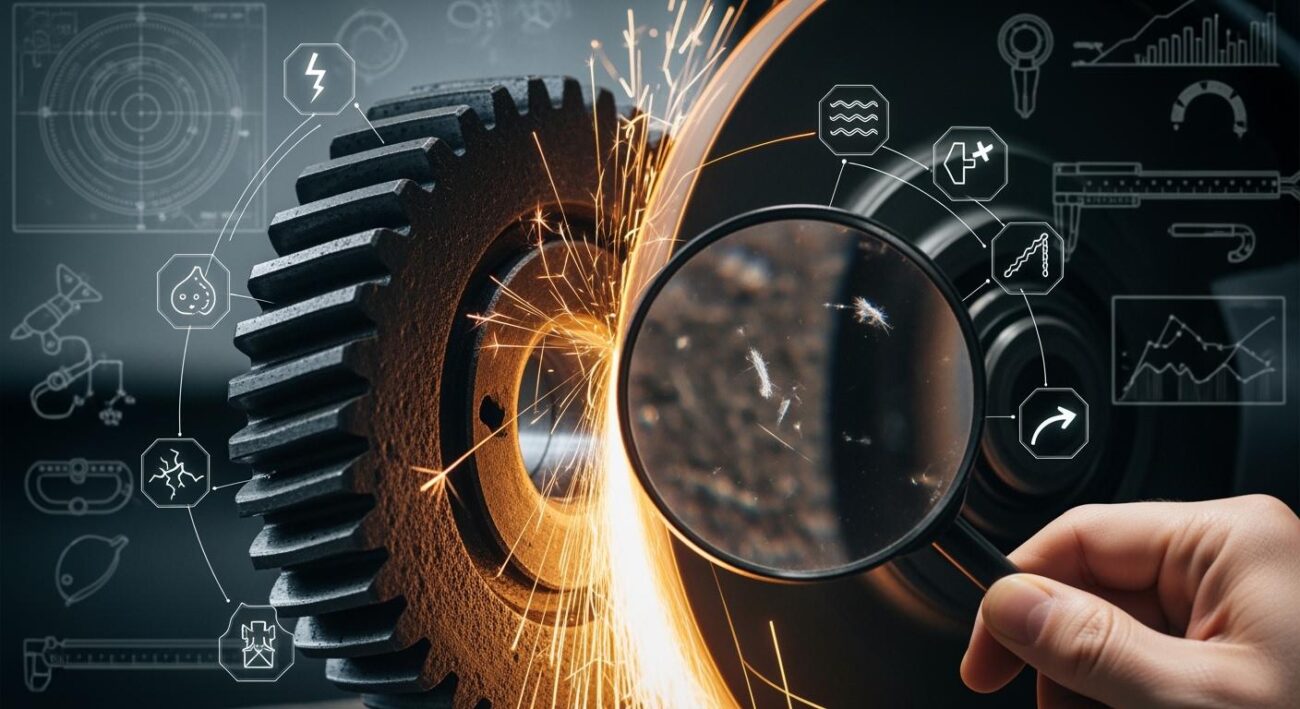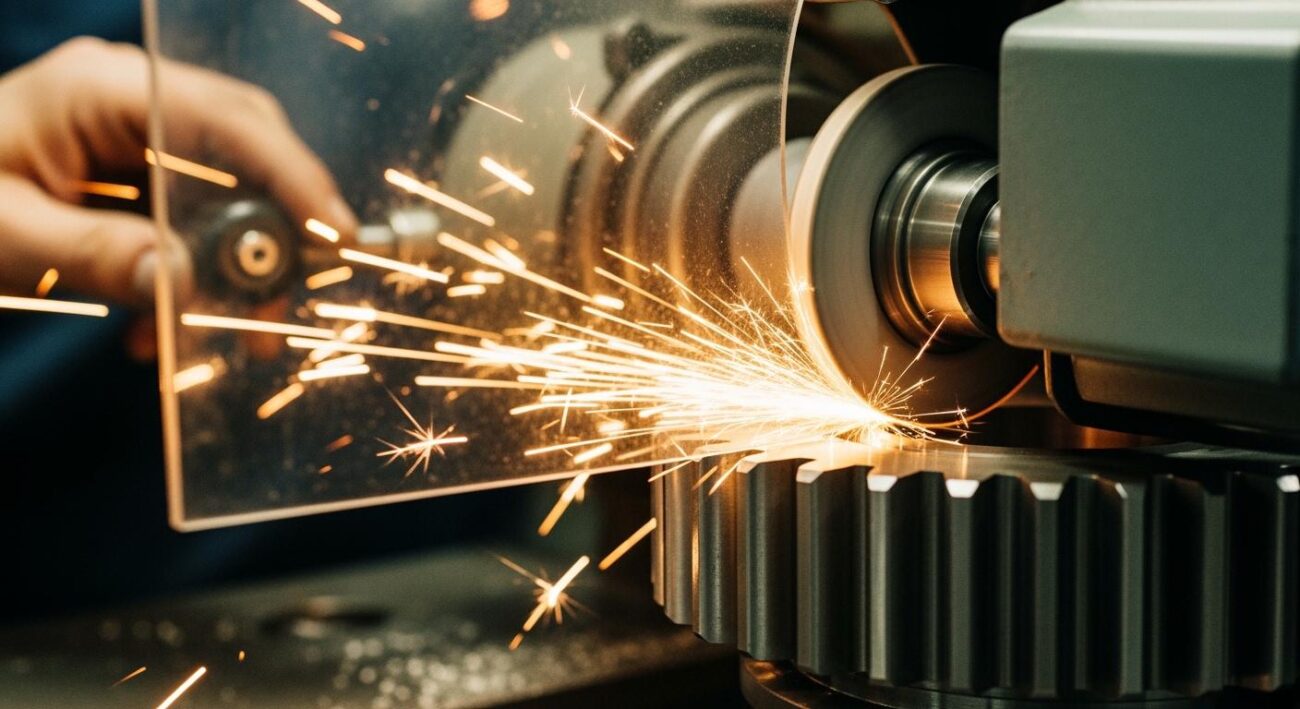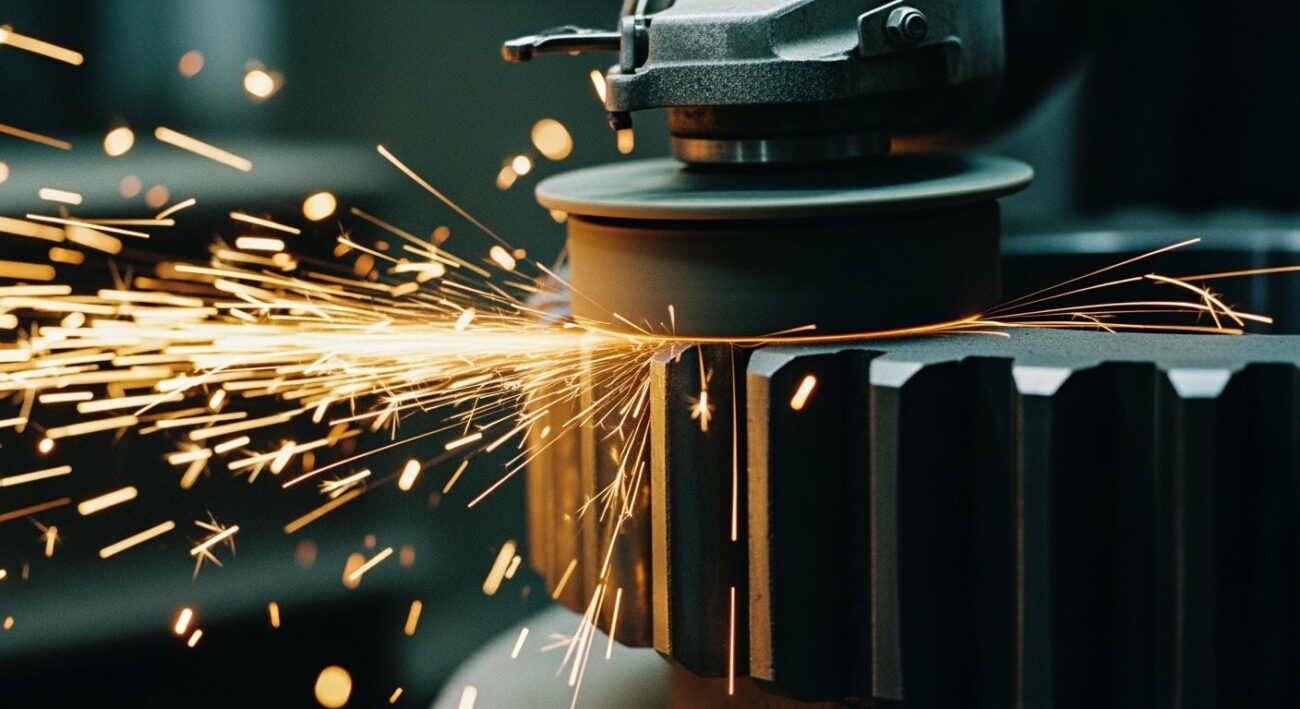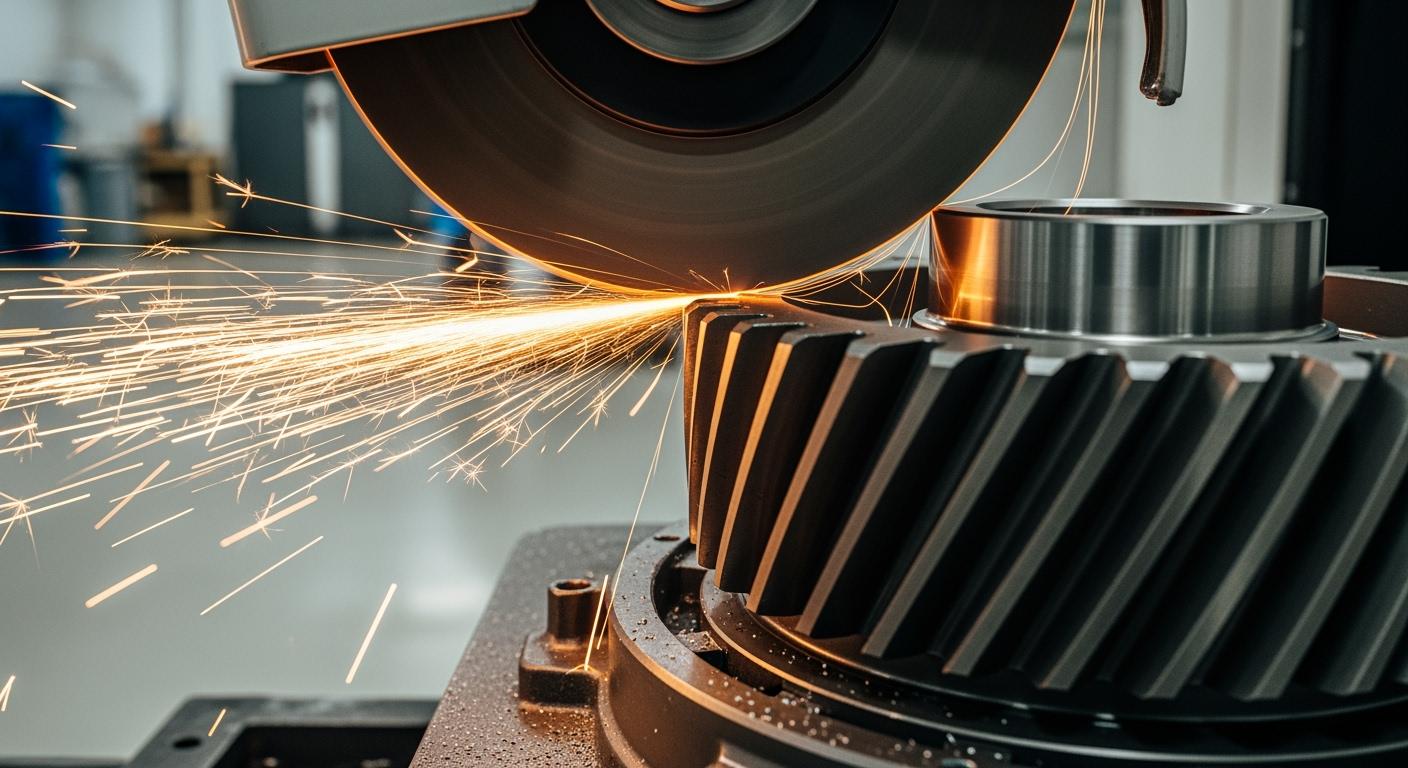
The automotive industry faces strong consumer demand for quieter, more efficient vehicles. This pressure drives manufacturers to perfect the transmission. High-speed grinding has become the definitive manufacturing process to meet these needs. This grinding process uses advanced abrasives for precision on automotive transmission gears.
This grinding method improves gear quality and speeds up the production process. The precise grinding of gears ultimately enhances transmission quality and reduces costs.
Key Takeaways
- High-speed grinding makes car gears better. It helps cars run quieter and use less fuel.
- This grinding process makes gears last longer. It stops small cracks from forming on the gear surface.
- Special tools like CBN wheels help grind gears faster. They also make the gears very precise.
- Good grinding machines and partners are important. They help car makers produce high-quality gears quickly.
The Critical Role in Modern Automotive Transmission
The final quality of automotive transmission gears directly impacts vehicle performance and reliability. The grinding process is essential for achieving the high accuracy needed in modern automotive applications. This precision manufacturing step addresses key challenges in the automotive industry, from passenger comfort to long-term durability and energy efficiency.
Reducing NVH for a Quieter Ride
A quiet ride is a sign of quality in any modern vehicle. High-speed grinding is a critical process for reducing Noise, Vibration, and Harshness (NVH). This method creates superior surface quality on gears. The high precision grinding process ensures optimal meshing and accuracy.
- It produces microscopically perfect surfaces on gear wheels.
- This precision improves tooth flank geometries for smoother operation.
- The grinding process controls surface waviness, a major cause of tonal noise.
- It allows gears to dampen vibrations within the automotive transmission.
Enhancing Fuel Efficiency Through Gear Precision
Energy efficiency is a top priority for the automotive sector. The precision of gears plays a significant role in minimizing energy loss. Precisely ground gears feature low-loss geometries. This design concentrates the gear mesh near the pitch point, which dramatically reduces load-dependent gear power loss. This reduction in friction and wasted energy directly translates to lower energy consumption for the transmission. Better efficiency from the grinding process also reduces cooling needs, saving even more energy.
Improving Durability and Lifespan of Gears
The durability of a transmission depends on the quality of its gears. An improved surface finish from grinding prevents micropitting, a common cause of gear failure. Micropitting starts at tiny contact points and creates surface cracks. The exceptional accuracy of the grinding process minimizes these contact points. This facilitates full-film lubrication between gears operating at high rotational speeds.
Note: Superfinishing techniques significantly increase the number of load cycles a gear can withstand before failure, extending the life of the entire transmission.
| Gear Treatment | Load Cycles to Failure | Micropitting Result |
|---|---|---|
| Standard Finish | Failed before 50 million | Present |
| Superfinished | Exceeded 50 million | None |
Core High-Speed Grinding Technologies
Achieving superior automotive gears requires specialized manufacturing methods. The industry relies on several core high-speed grinding technologies. Each technology offers unique advantages for gear production. These methods ensure the final product meets strict standards for performance and quiet operation. The right process depends on production volume, gear complexity, and required precision.
Continuous Generating Grinding for Mass Production
Continuous generating grinding is the go-to method for high-volume automotive gear production. This process is extremely efficient. It uses a threaded grinding wheel that meshes with the workpiece. The continuous motion allows for very short cycle times. This makes it ideal for manufacturing helical gears and double helical gears. The method provides excellent accuracy for mass-produced components. It is a cornerstone of modern automotive transmission manufacturing. The process is perfect for creating helical and double helical gears. Manufacturers use it to produce consistent helical and double helical gears. This method is key for helical and double helical gears. It is also used for other helical and double helical gears.
Profile Grinding for Complex Geometries
Profile grinding offers unmatched precision for complex gear designs. Unlike generating grinding, this method uses a grinding wheel dressed to the exact profile of a gear tooth gap. A profile grinding machine traces the shape of each tooth individually. This approach delivers exceptional accuracy and surface finish. It is often used for master gears, prototypes, and small production runs. The process is also essential for finishing non-involute shapes or gears with specific modifications. The profile grinding machine ensures a perfect tooth profile. This profile grinding machine is vital for helical and double helical gears. The profile grinding machine creates a precise profile. The profile grinding machine is a key tool for gear finishing. The final profile is perfect. The profile of the gear is critical. The profile grinding machine creates the final profile. The profile is checked for accuracy. The profile must be exact.
Advanced Abrasives: The Aimgrind CBN Wheel Advantage
The abrasive material is the heart of any grinding operation. Advanced abrasives are necessary to cut hardened steel gears effectively. Cubic Boron Nitride (CBN) is a leading material for this task. CBN’s outstanding hardness and thermal stability make it perfect for machining hard ferrous materials. This stability is crucial because the grinding process generates significant heat. A stable abrasive reduces the risk of thermal damage on hardened steel surfaces, ensuring the gear’s integrity.
For manufacturers seeking a competitive edge, Aimgrind‘s CBN grinding wheels are a leading solution. These wheels deliver superior performance with features that directly benefit automotive gear production.
- Exceptional Hardness: Maintains sharpness for precise, consistent grinding.
- Superior Thermal Stability: Allows for cooler operation, even at high speeds. This prevents workpiece damage and extends wheel life.
- Versatile Bond Options: Available in vitrified, electroplated, and resin bonds to match any application. Vitrified bonds, in particular, do not soften at high temperatures, preventing the premature pull-out of abrasive grains.
By using Aimgrind’s advanced grinding technology, manufacturers can achieve up to 20% faster grinding times. This boosts productivity and lowers operational costs, providing significant value in a competitive automotive market.
The Importance of High-Speed CNC Machines
Advanced abrasives can only perform their best when paired with capable machinery. High-speed CNC (Computer Numerical Control) machines provide the rigidity, speed, and control needed for precision grinding. These machines must absorb vibrations to maintain accuracy. They also need powerful, high-speed spindles to drive the grinding wheels effectively. Leading machine tool builders are constantly innovating in this space. Machine Tool Builders (MTB) is a renowned source for new and rebuilt gear grinding machines. Their expertise helps companies achieve top results.
“MTB was instrumental in re-controlling three Hoefler Promat 400 gear grinding machines. MTB’s knowledge and expertise, not only in gear grinding but in different areas of manufacturing, gives us the desired results. I highly recommend them.”
Modern machines offer incredible capabilities. For example, the Burri BZ362 CNC profile grinding machine features a grinding wheel speed of 63 m/sec and continuous shifting during the grinding process. Similarly, MTB upgrades MAAG machines like the SD-32/36 CNC TOPO models to deliver uniformly high accuracy and rapid changeovers for helical and double helical gears. This level of control is essential for creating the complex profile of helical and double helical gears.
Key Benefits of Advanced Grinding Solutions
Adopting advanced grinding technologies provides automotive manufacturers with a clear competitive advantage. These solutions directly address the core challenges of modern gear production. They deliver improvements in speed, precision, and cost-effectiveness. The benefits transform the entire manufacturing workflow from start to finish.
Increased Throughput and Shorter Cycle Times
Speed is essential in high-volume manufacturing. Advanced grinding methods significantly accelerate the gear production process. The high material removal rates of modern abrasives shorten the time required for each grinding cycle. This increased efficiency translates directly to higher factory output. A faster process allows manufacturers to produce more components in less time.
One automotive company provides a powerful example. It integrated a multi-axis grinding system into its manufacturing line. This allowed the machining of multiple features in a single setup.
Time studies confirmed a 40% reduction in machining time per part. This change led to a 20% improvement in overall production throughput, showcasing the impact of an optimized grinding process.
This boost in productivity helps manufacturers meet tight deadlines and scale their gear production operations effectively. The result is a high overall efficiency for the entire plant, saving time and energy.
Achieving High Precision and Superior Surface Finish
The final quality of a transmission depends on the precision of its components. The high-speed grinding process delivers exceptional accuracy and surface finish on hardened gears. This level of high precision is critical for reducing NVH and improving durability. The grinding operation creates nearly perfect tooth profiles and surfaces.
The capabilities of modern grinding are evident in other critical automotive applications. CBN grinding wheels, for instance, are already used for grinding engine components like camshafts and crankshafts. These parts demand extreme accuracy.
- For components requiring similar high precision, such as bearing raceways, the grinding process can achieve surface finish (Ra) values between 0.05 and 0.4 micrometers (µm).
- In some cases, values well below 0.1 µm are possible.
This outstanding accuracy minimizes friction and wear. It ensures the final gears meet the highest quality standards for quiet and reliable performance. This gear finishing step is vital for modern transmissions.
Reducing Costs via Process Optimization
Advanced grinding solutions offer significant cost savings through process optimization. A key benefit is the ability to achieve a finished surface in a single operation. This capability often eliminates the need for secondary finishing steps like lapping or polishing. Consolidating the manufacturing process saves considerable time, labor, and energy.
Eliminating extra steps provides several direct financial advantages. Manufacturers can reduce their investment in additional machinery and floor space. A streamlined process also lowers the total energy consumption per part.
A single-pass grinding operation simplifies the entire workflow. It removes the need for multiple machines, extra setups, and specialized operators. This consolidation dramatically reduces cycle times and minimizes downtime. The final quality is achieved faster, using less energy and fewer resources.
This optimized approach turns gear production into a more profitable venture. It lowers operational expenses while improving the consistency and accuracy of the final product.
Selecting the Right Grinding Partner
Choosing the right manufacturing partner is as critical as selecting the right technology. A partner’s capabilities directly influence production quality, efficiency, and long-term success. Manufacturers should evaluate potential partners on their machinery, industry expertise, and the comprehensiveness of their support.
Evaluating Machine Capability and Rigidity
A partner’s machine quality is the foundation of any successful grinding operation. Machine rigidity is a key technical specification. It describes the machine’s ability to resist deflection under load. Higher rigidity leads to greater precision and a better surface finish on the workpiece. Large-scale machines can be prone to geometric errors, which affect the final accuracy of the gear tooth. A thorough evaluation over an extended operational period reveals a machine’s true performance and reliability.
Assessing Expertise in Automotive Applications
A partner must have proven expertise in the demanding automotive sector. This knowledge ensures they understand the strict quality and safety standards required. Certifications are a clear indicator of a partner’s commitment.
- IATF 16949: The essential quality standard for the automotive industry.
- ISO 9001: A foundational certification for quality management systems.
- ISO 45001: A standard for occupational health and safety.
A partner holding these qualifications demonstrates a deep understanding of automotive product development and risk management, making them a reliable choice for critical gear grinding tasks.
Seeking Integrated Solutions and Support
A strong partnership extends beyond the initial sale. The best partners offer integrated solutions that cover the entire grinding process lifecycle. This includes everything from installation and programming to application support and preventive maintenance. This approach creates a complete grinding ecosystem.
Proper training is also essential for both safety and efficiency. Operators must learn how to handle high-speed machinery and sharp abrasives safely. This comprehensive support ensures that the automotive manufacturer achieves optimal performance and precision from their investment.
Competitive automotive manufacturing requires modern high-speed grinding for automotive transmission gears. Pairing efficient grinding processes with advanced abrasives like Aimgrind’s CBN wheels creates the ideal balance of quality and cost for gears. This technology is vital for the automotive industry’s future. It will shape the next generation of automotive transmission design, including multi-speed EV transmission systems, to enhance overall transmission performance.
FAQ
Why is grinding essential for helical gears?
Grinding creates a precise surface on helical gears. This process perfects the helical tooth profile. A perfect helical shape ensures smooth, quiet operation. The quality of the helical gear depends on this final step. This precision is vital for modern helical transmission components.
What makes CBN wheels ideal for grinding helical gears?
CBN wheels possess exceptional hardness. They maintain their shape while grinding hard helical gears. This stability allows for cool, fast grinding of any helical component. The process delivers a superior finish on the helical gear, improving the performance of the helical part.
How does gear grinding improve energy efficiency?
Precise grinding reduces friction between gear teeth. Less friction means less wasted energy in the transmission. This optimization directly improves the vehicle’s overall fuel economy. The process helps the system conserve energy.
Can grinding handle complex helical gear designs?
Yes, advanced grinding processes easily manage complex designs. Profile grinding, for example, creates perfect tooth shapes for intricate parts. This includes both standard helical and double helical gears, ensuring high accuracy for every helical component.
Contact Us
For More Grinding Solution or Customized Abrasive Tools