
Which Grinding Wheel Works Best for Titanium Alloys?

Grinding Wheel choice matters for titanium alloys—diamond wheels offer long life, low heat, and smooth finishes, reducing wear and workpiece damage.
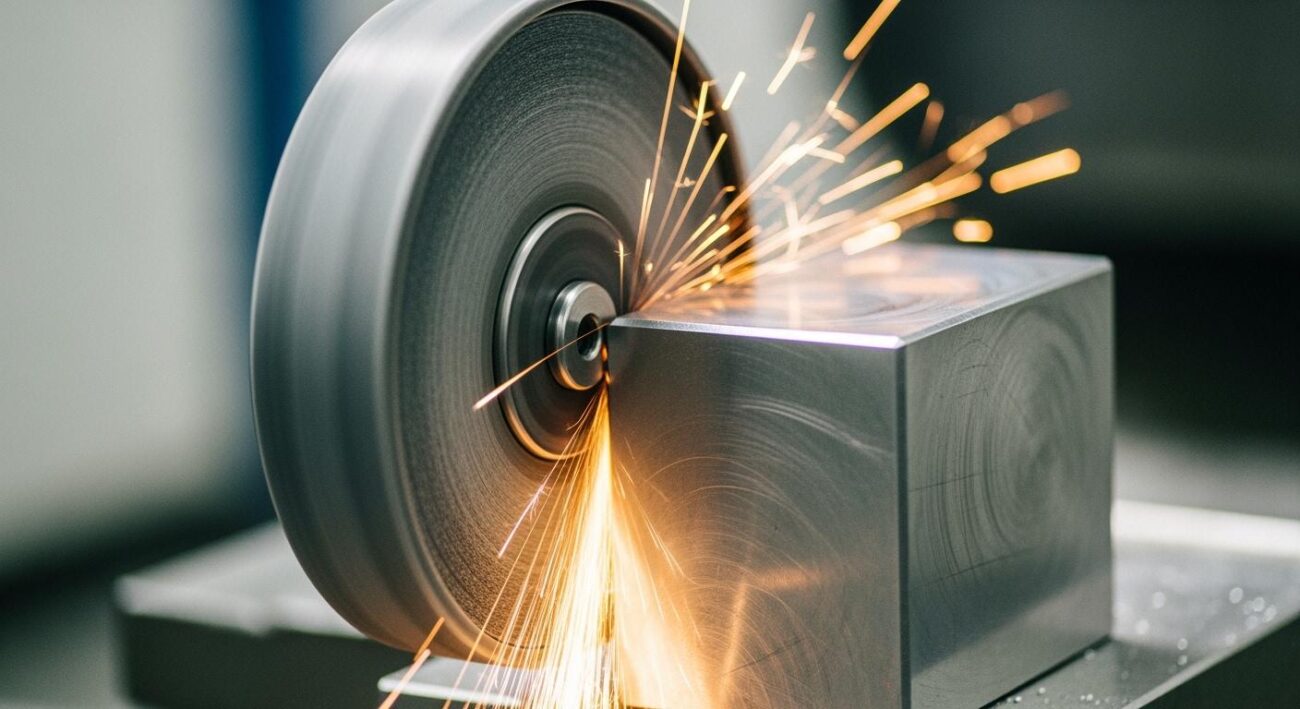
Grinding Wheel choice matters for titanium alloys—diamond wheels offer long life, low heat, and smooth finishes, reducing wear and workpiece damage.
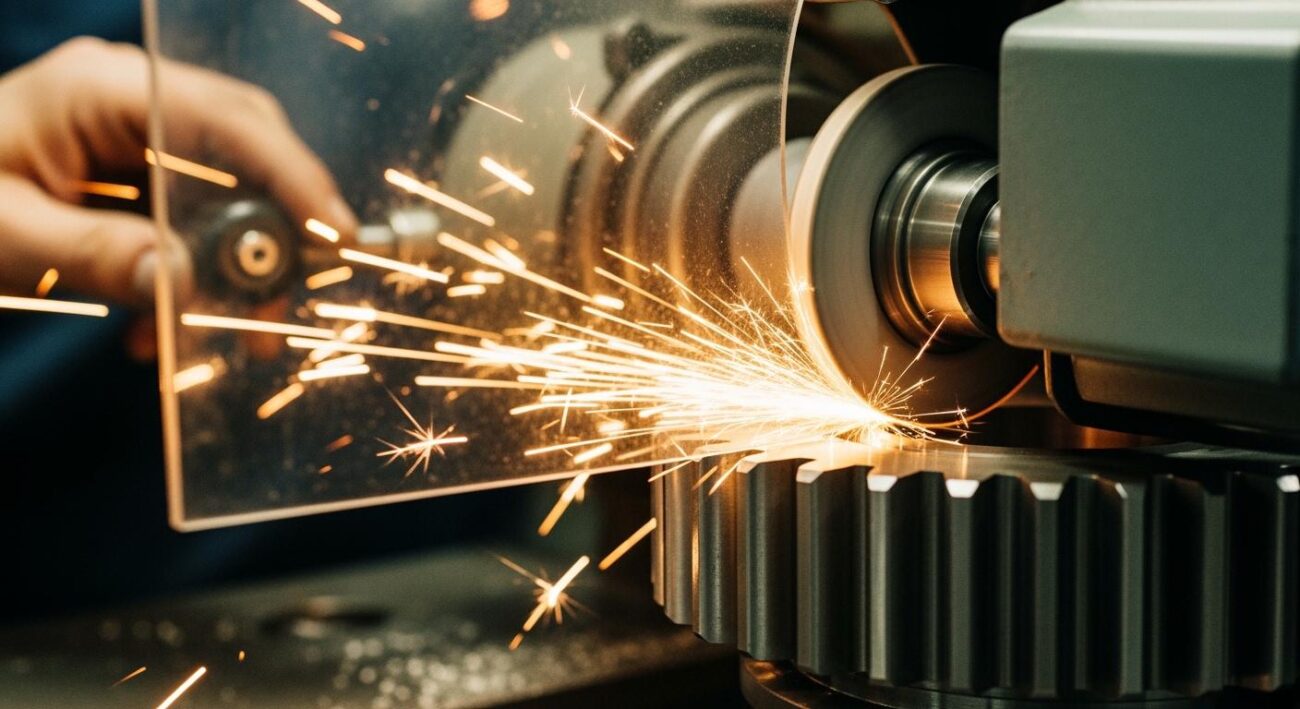
Prevent burning and cracks in gear grinding by optimizing parameters, ensuring cooling, and selecting the right grinding wheel for your material.
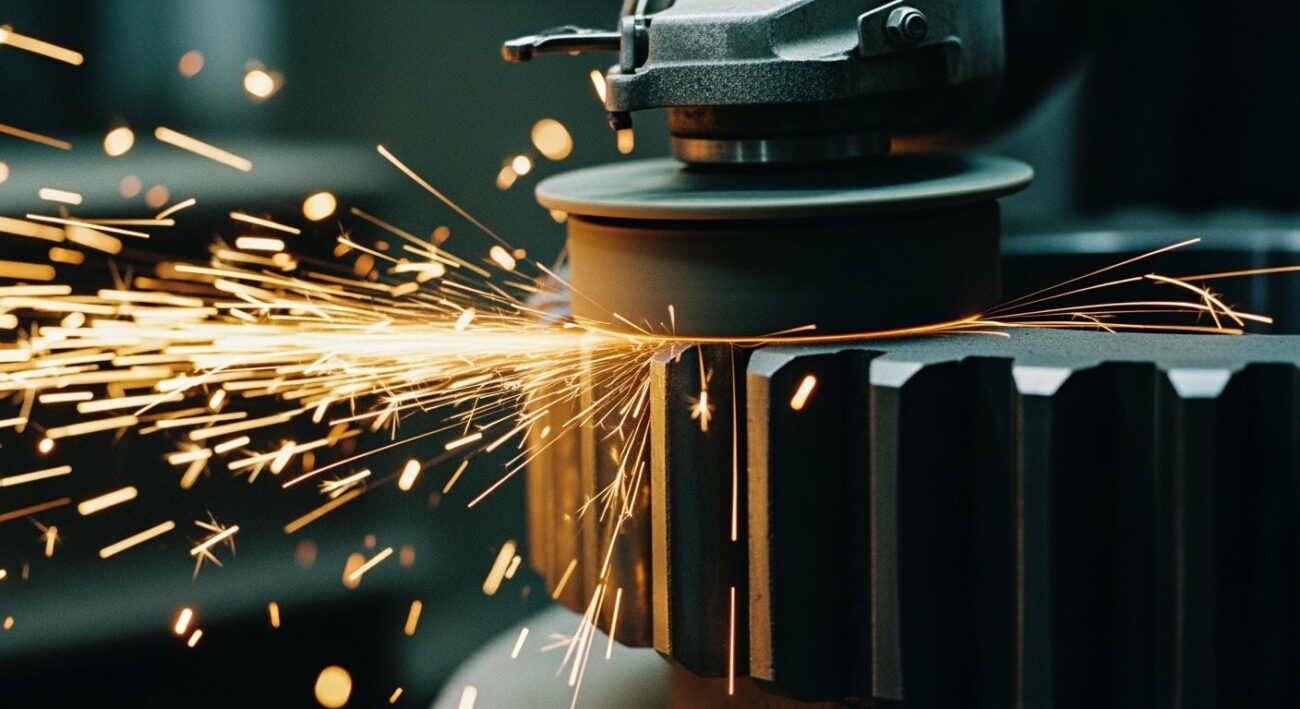
Aimgrind CBN wheels are the best grinding wheel for gear grinding, offering unmatched precision, durability, and surface finish for all gear materials.
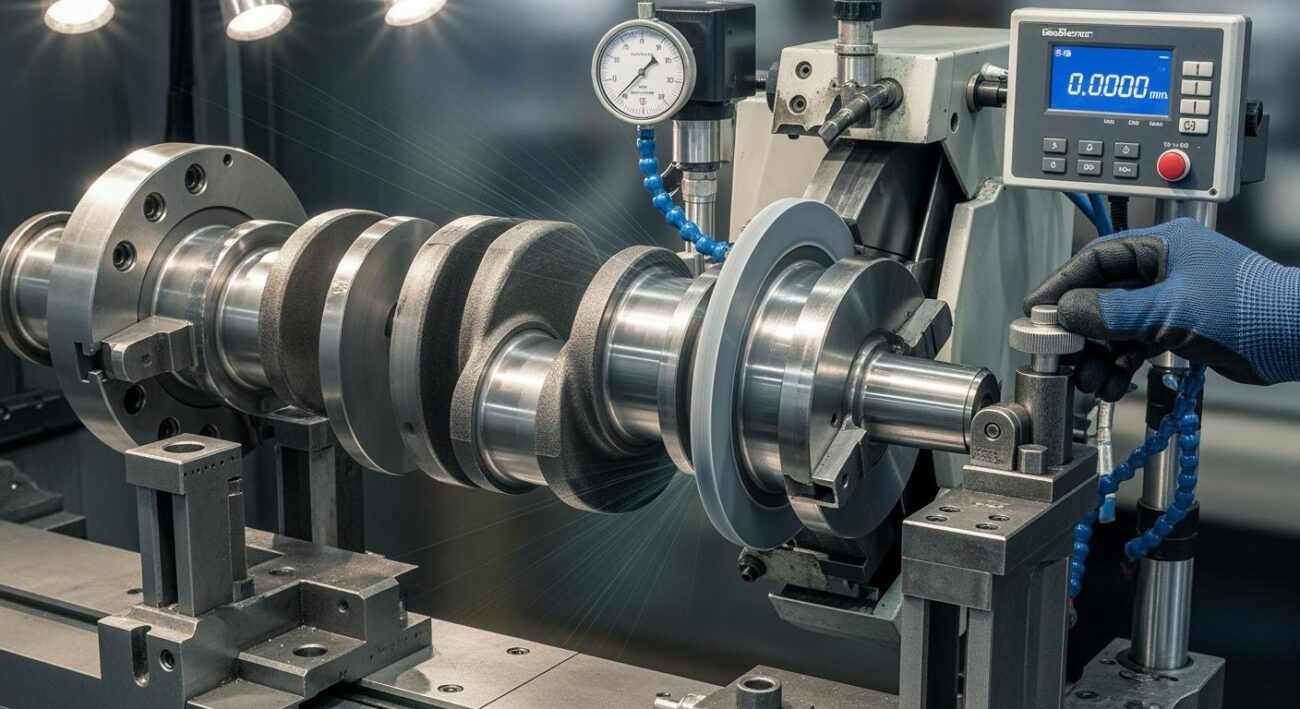
Prevent chatter and vibration in crankshaft grinding by optimizing machine setup, wheel selection, and maintenance for smoother, efficient results.
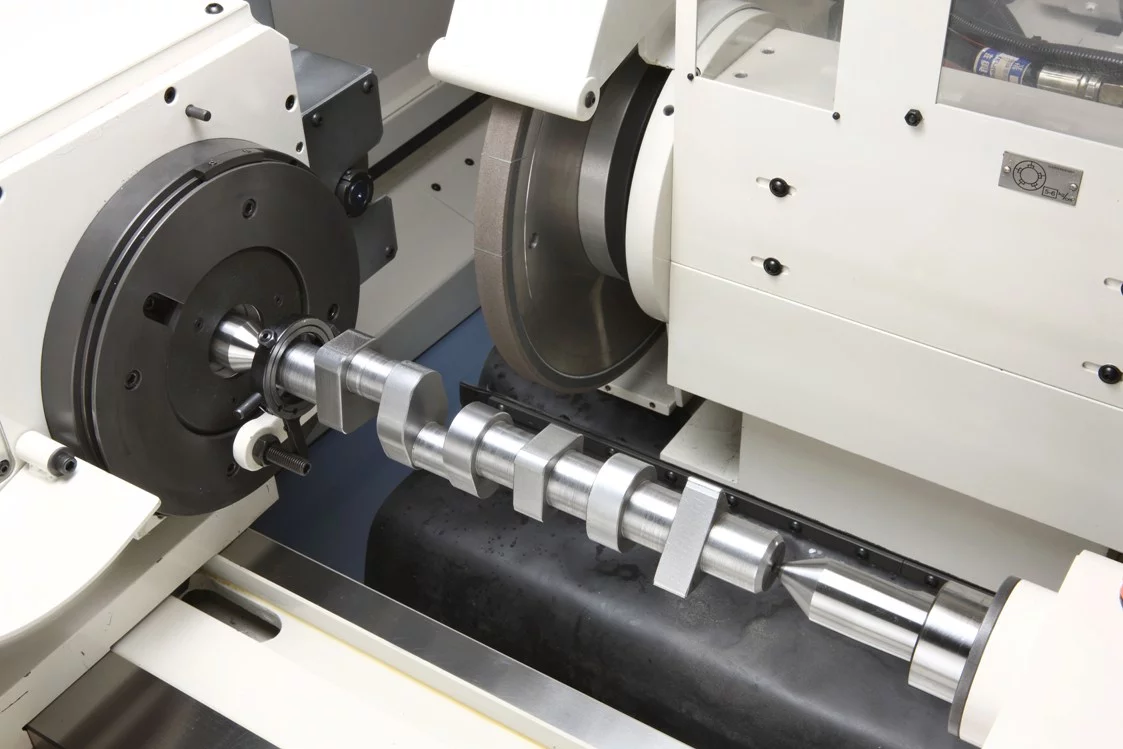
Common Defects in crankshaft grinding include out-of-round journals, cracks, and burn marks. Find corrective actions to improve engine reliability.
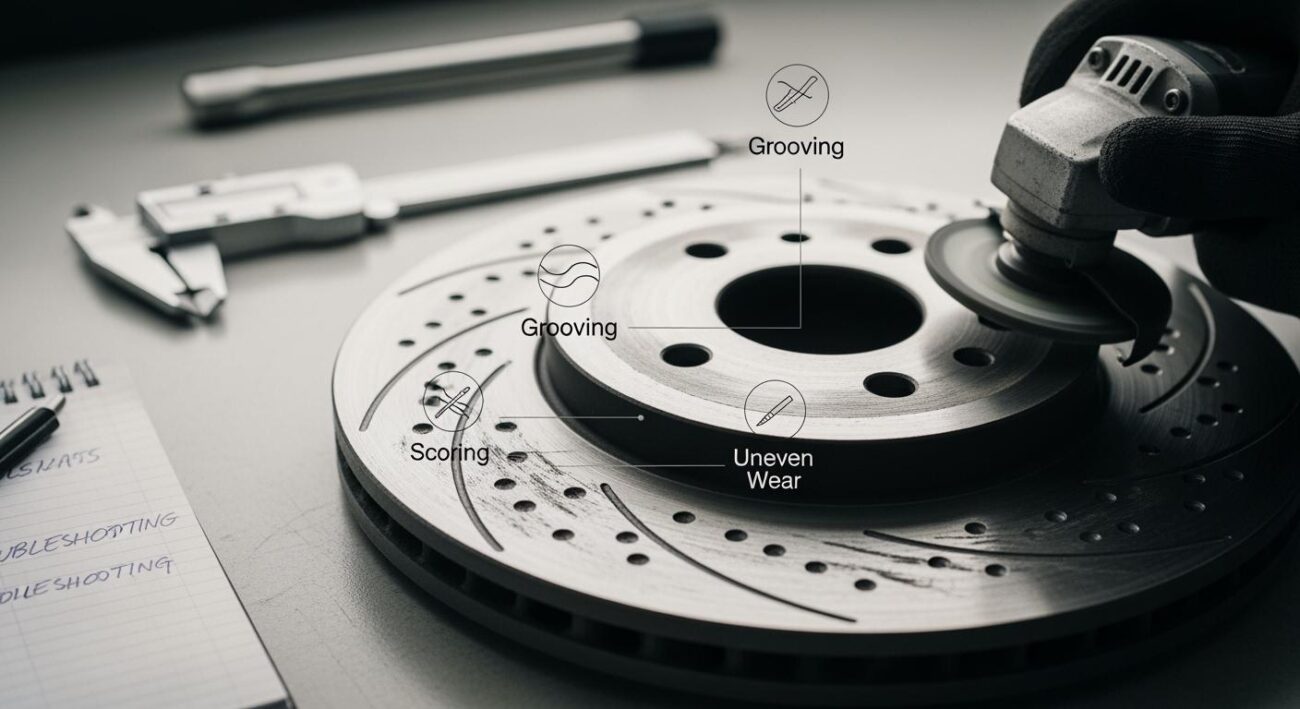
Troubleshoot brake rotor grinding defects like uneven surfaces, runout, scoring, and noise. Find solutions for safe, efficient brake maintenance.
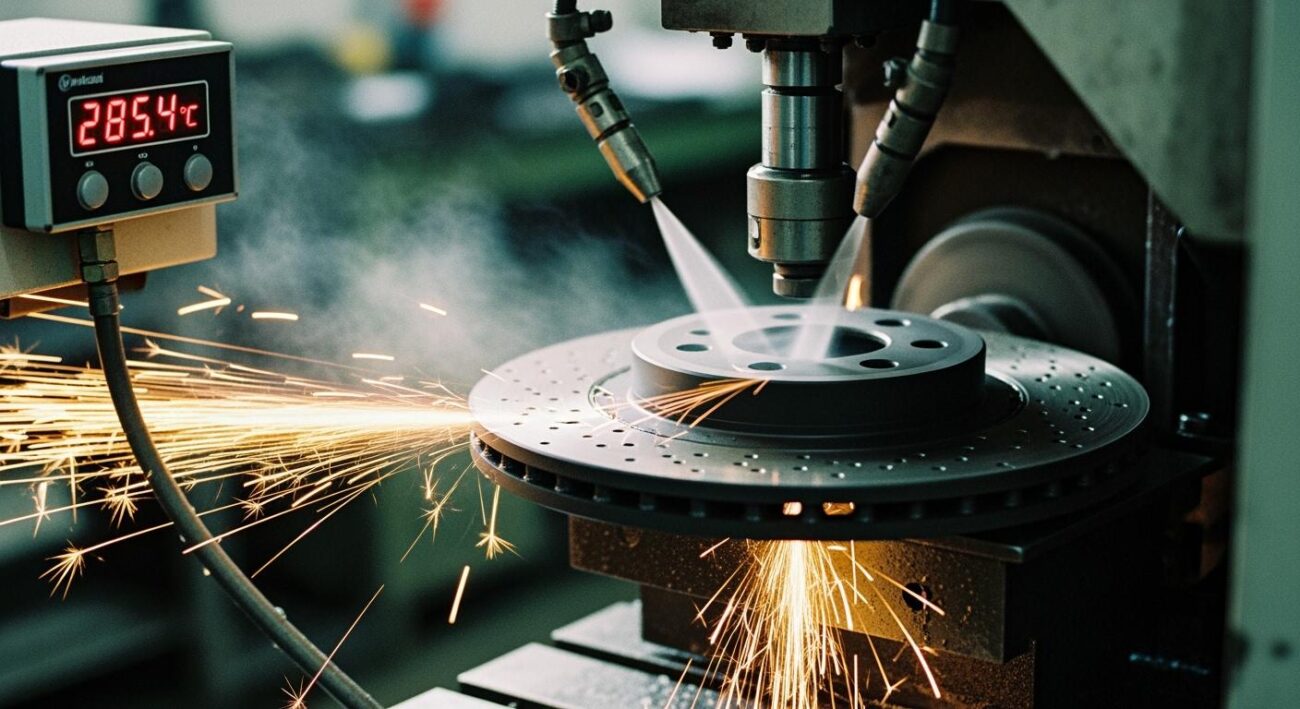
Prevent thermal cracking and distortion during brake disc grinding by controlling temperature, using proper tools, and ensuring adequate cooling.
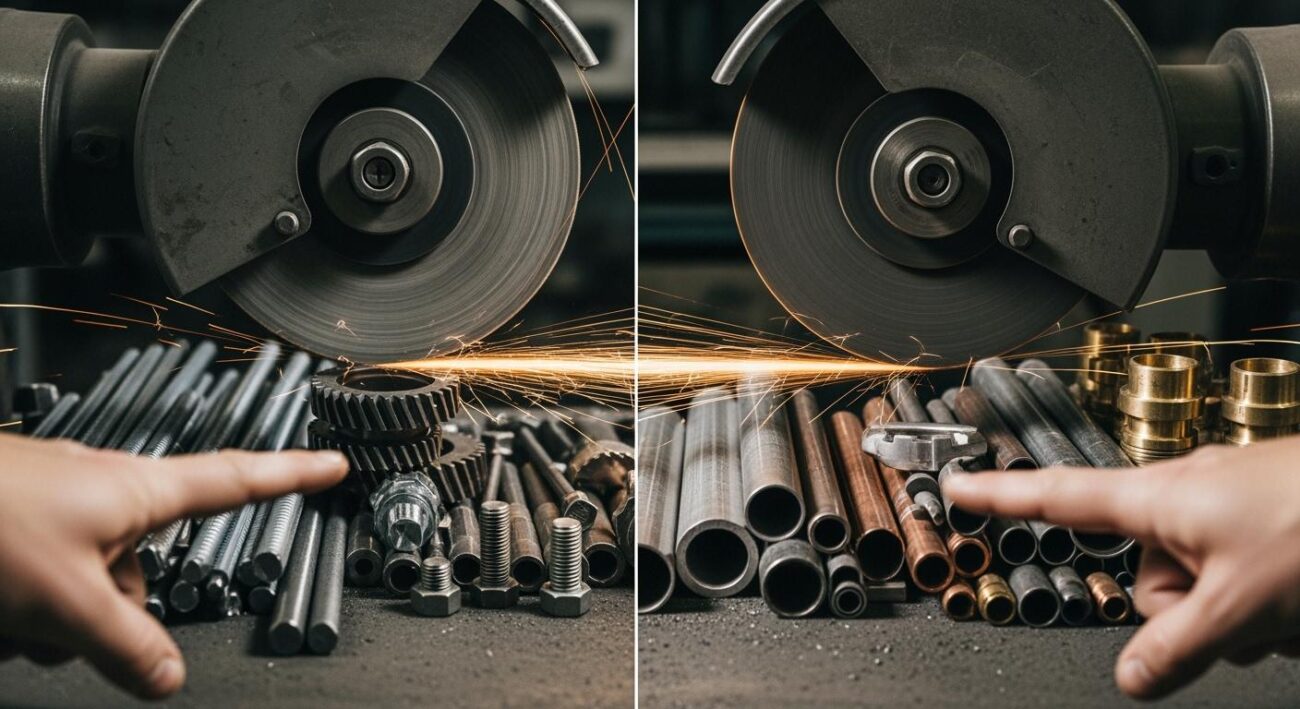
Grinding wheel selection differs for ferrous and non-ferrous metals. Learn which abrasives work best for each to improve performance and extend tool life.
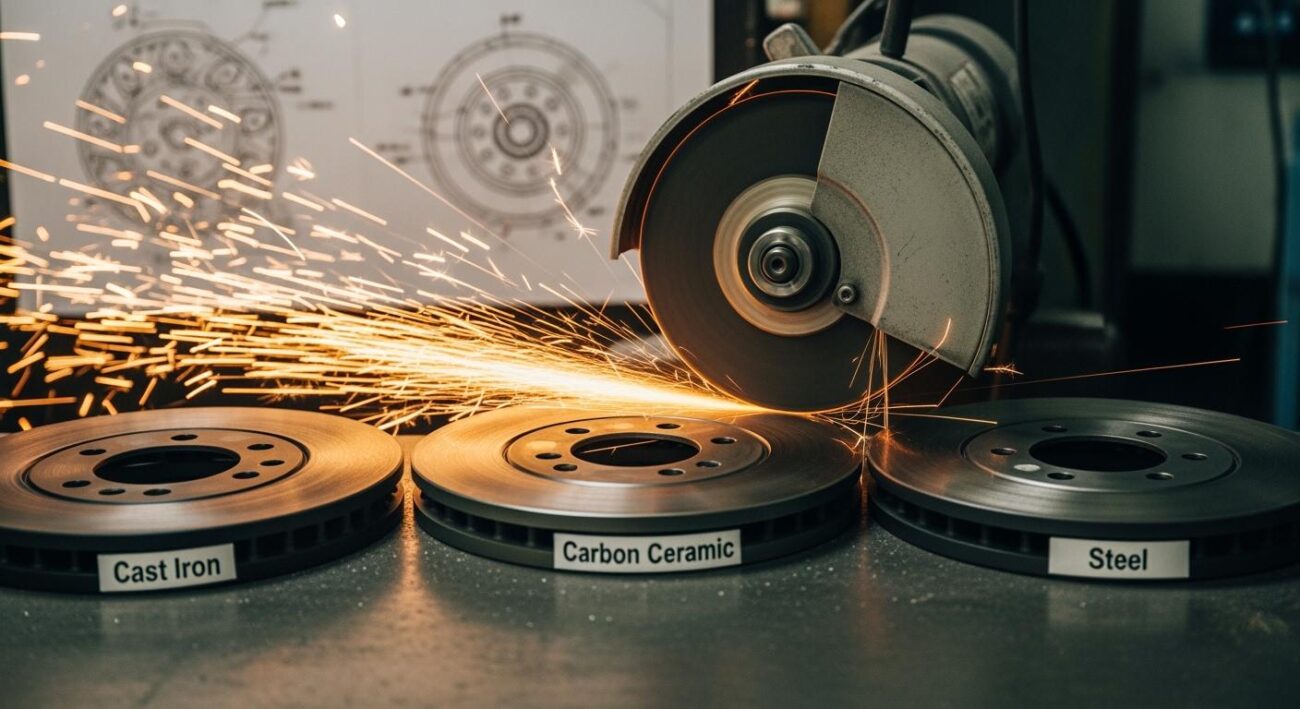
Grinding challenges with brake disc materials include tool wear, heat damage, and surface finish issues. Find solutions for cast iron, carbon-ceramic, and steel.

Metal grinding challenges like poor finish, wheel wear, and overheating are solved with universal troubleshooting and safety practices.
No account yet?
Create an Account