
How to Achieve Optical Clarity and Precision Edges in Glass Grinding

Achieve optical clarity and precision edges in glass grinding with the right diamond wheels, proper machine settings, and expert polishing techniques.
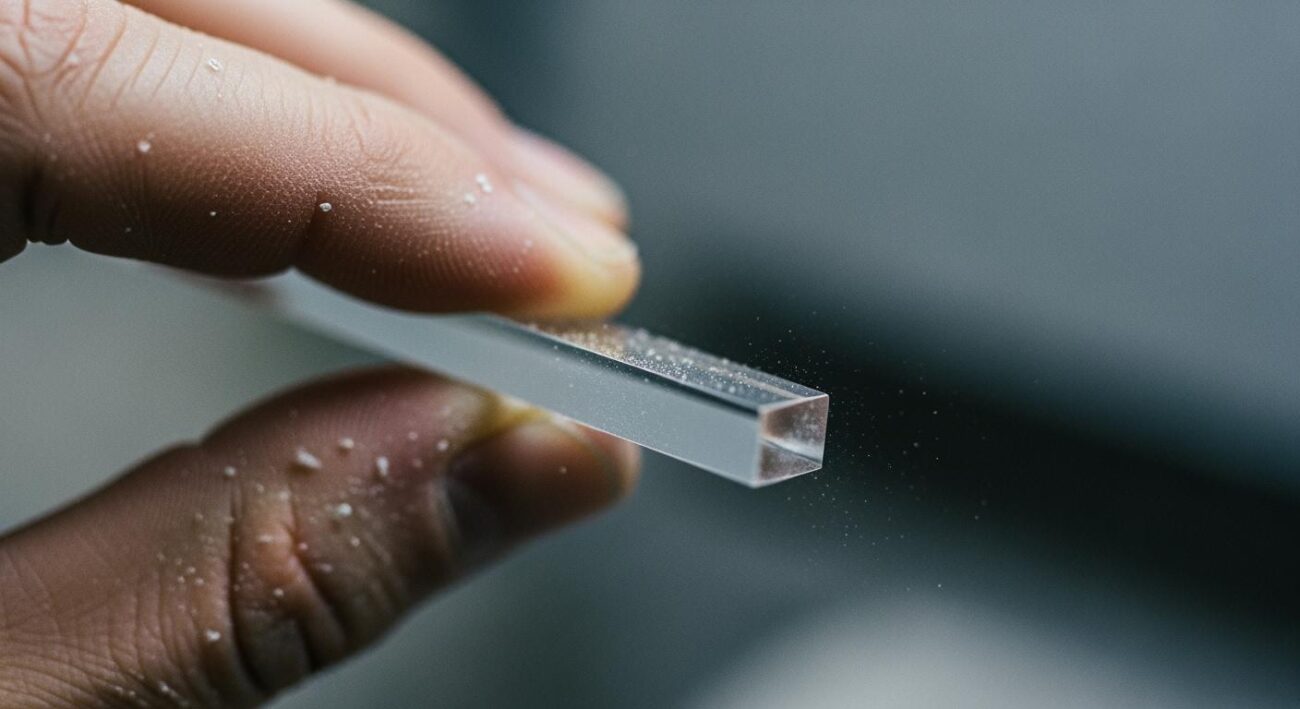
Achieve optical clarity and precision edges in glass grinding with the right diamond wheels, proper machine settings, and expert polishing techniques.
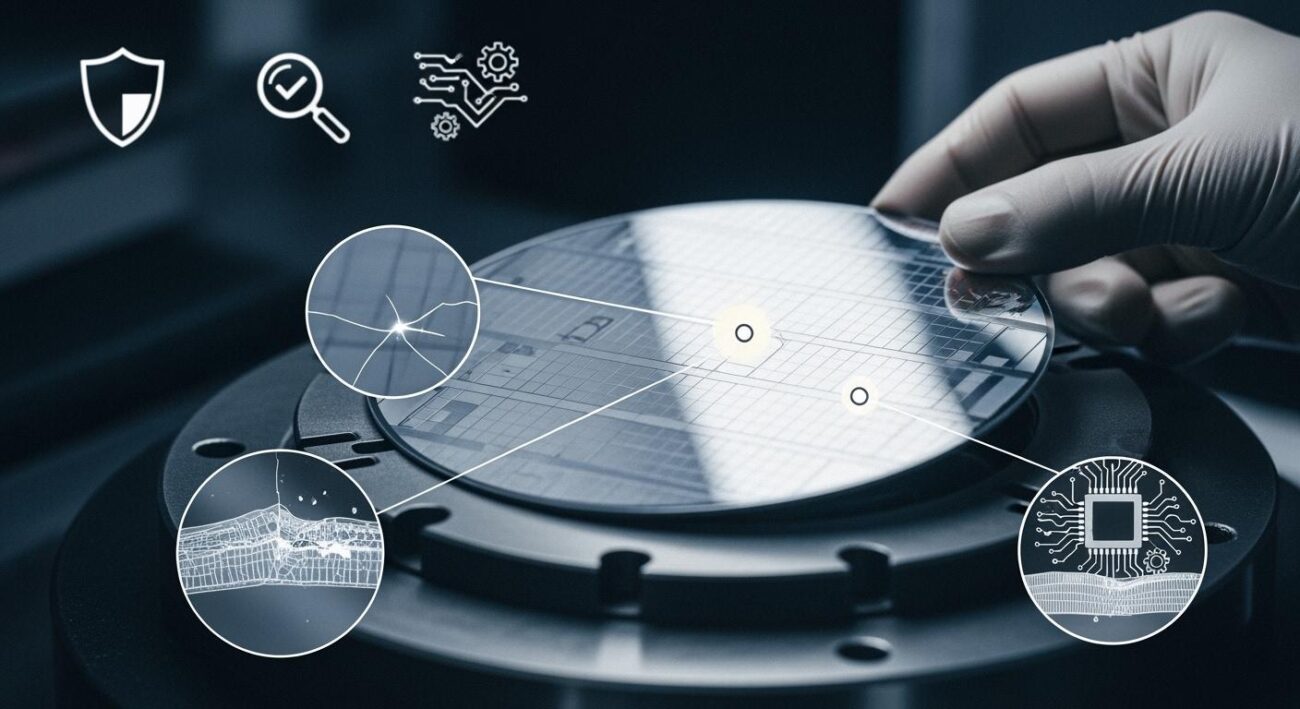
Prevent wafer grinding cracks, chipping, and subsurface damage by optimizing grinding parameters, using super hard abrasives, and proper wafer handling.
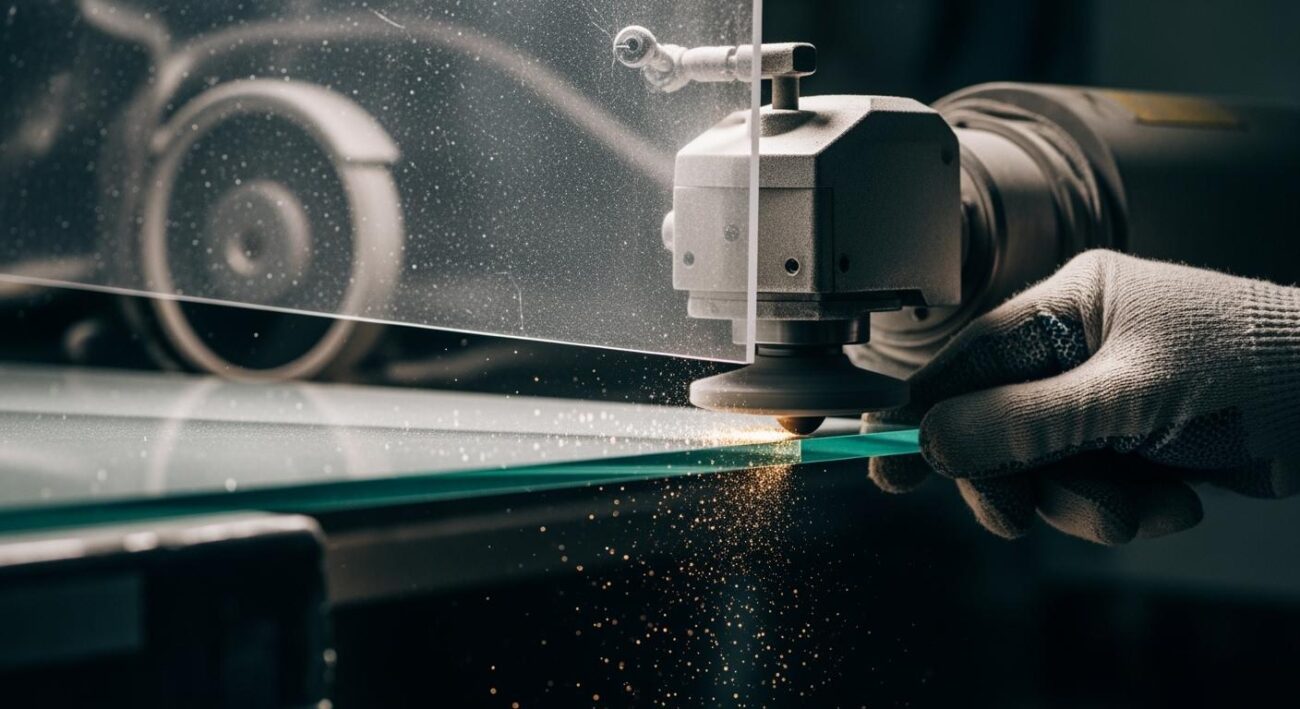
Prevent cracks and chipping in glass grinding by using quality tools, steady pressure, proper coolant, and the right techniques for flawless edges.
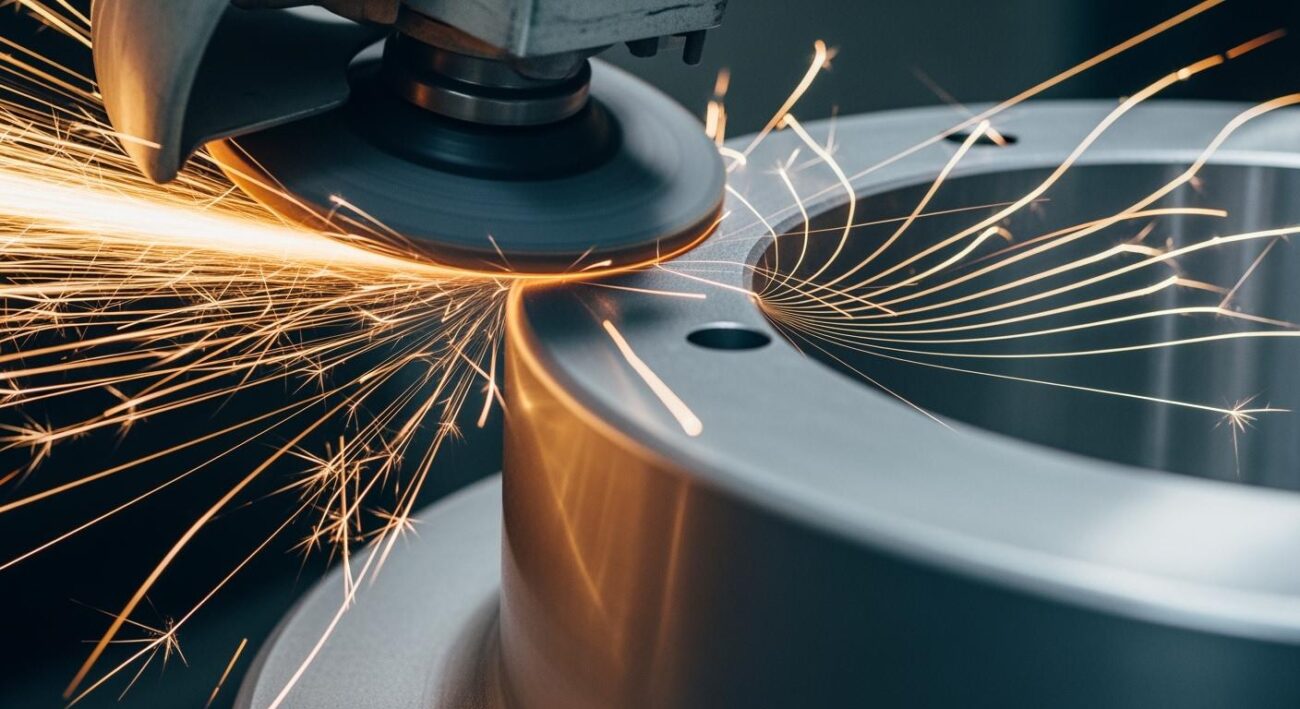
Avoid cracking and reduce residual stress in superalloy grinding by optimizing process parameters, cooling, and material selection for a strong surface.
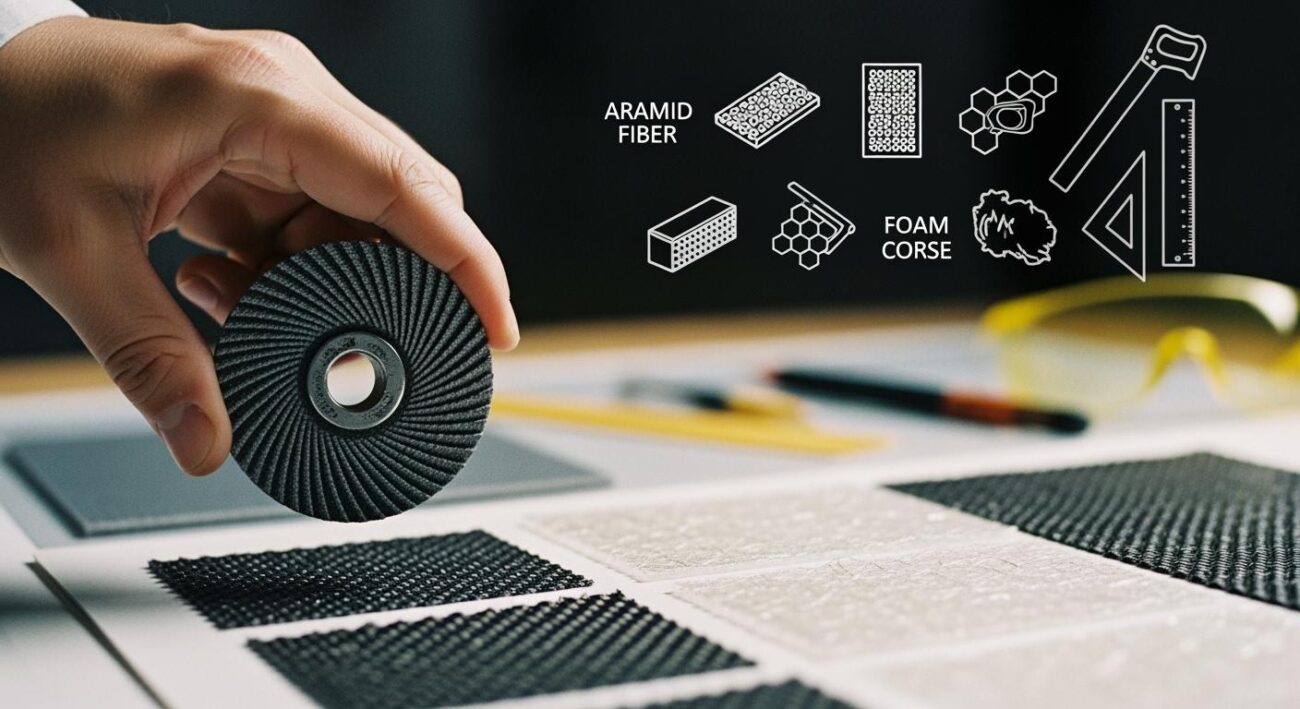
Choose the right grinding wheel for composites by matching abrasive, grit, and bond to your material for optimal performance and safety.
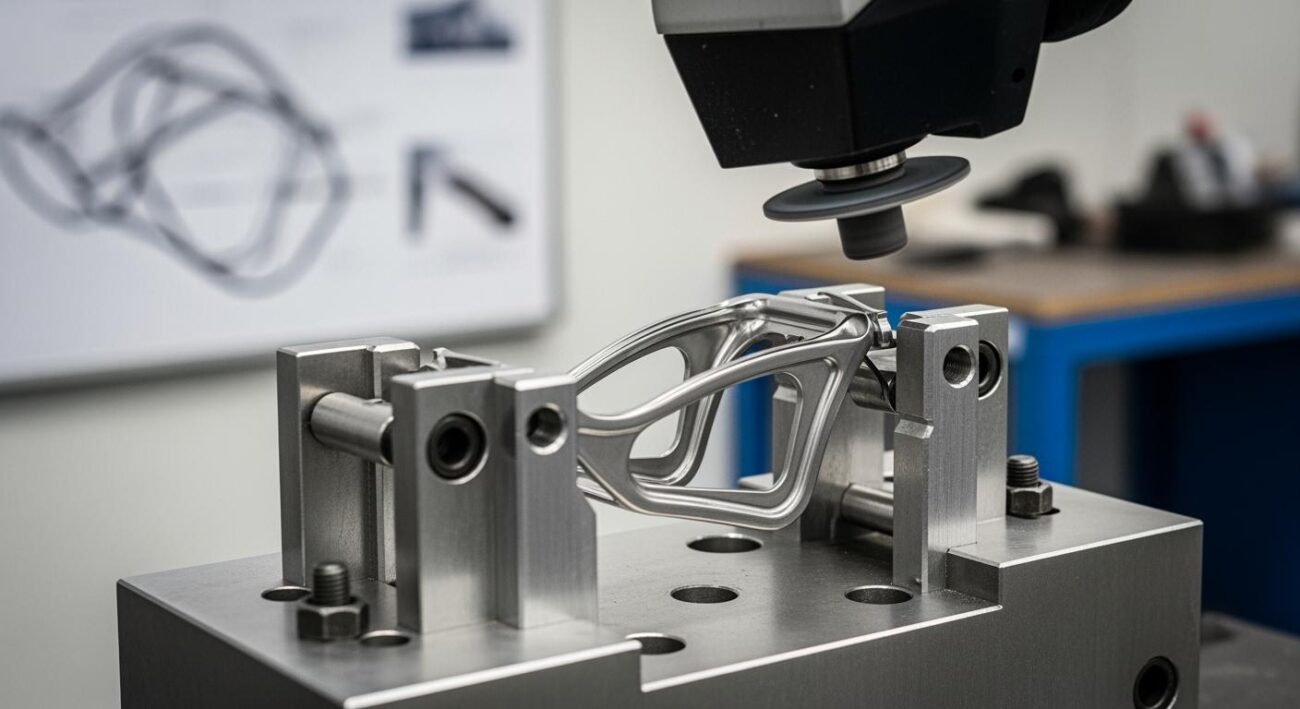
Prevent distortion when grinding thin-wall titanium by using rigid workholding, optimized grinding wheels, and precise cooling for accurate results.
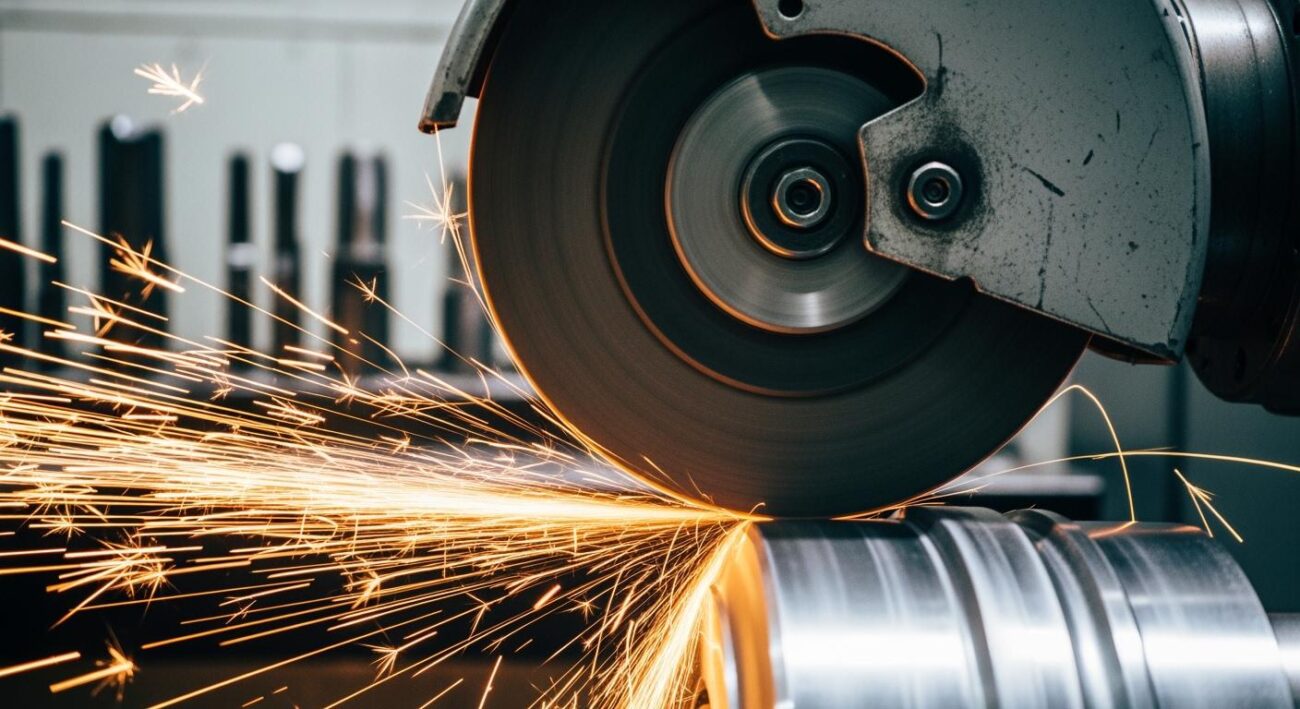
Extend grinding wheel life in superalloy grinding by selecting diamond wheels, optimizing parameters, and maintaining coolant for longer service and cost savings.
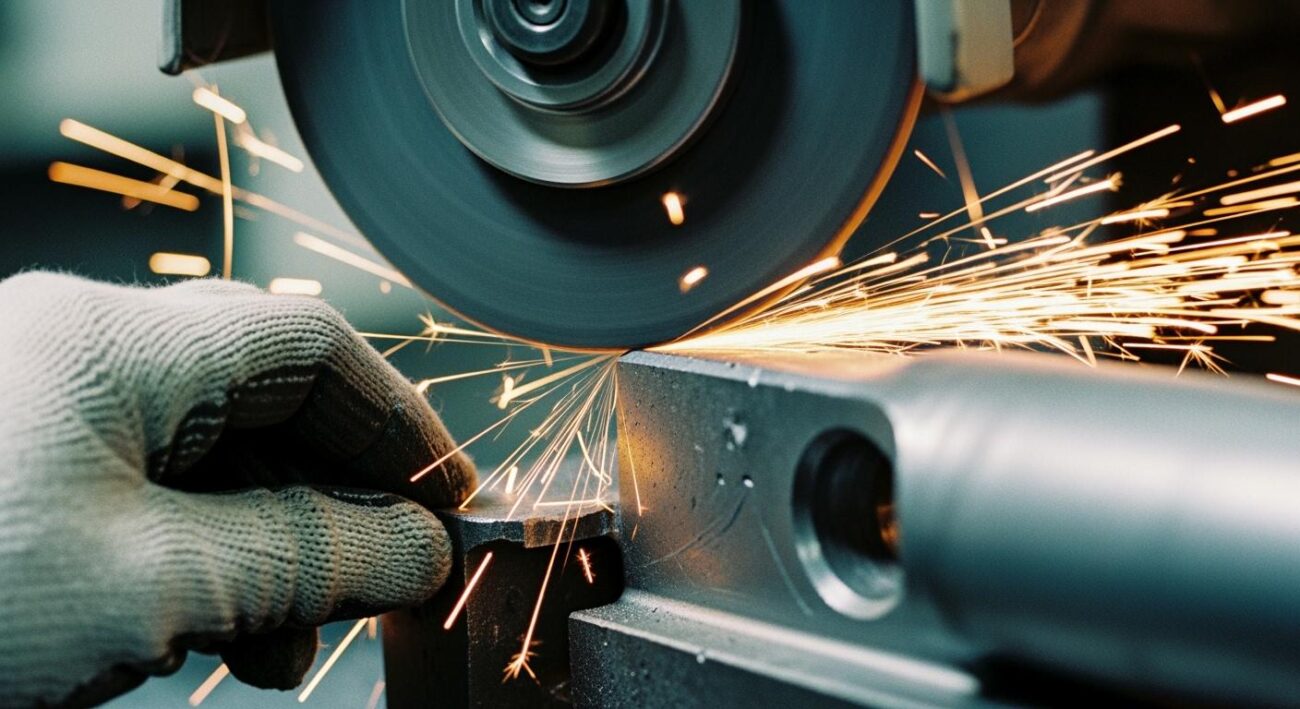
Extend wheel life when grinding titanium by choosing the right wheel, using proper coolants, and maintaining equipment for longer-lasting performance.
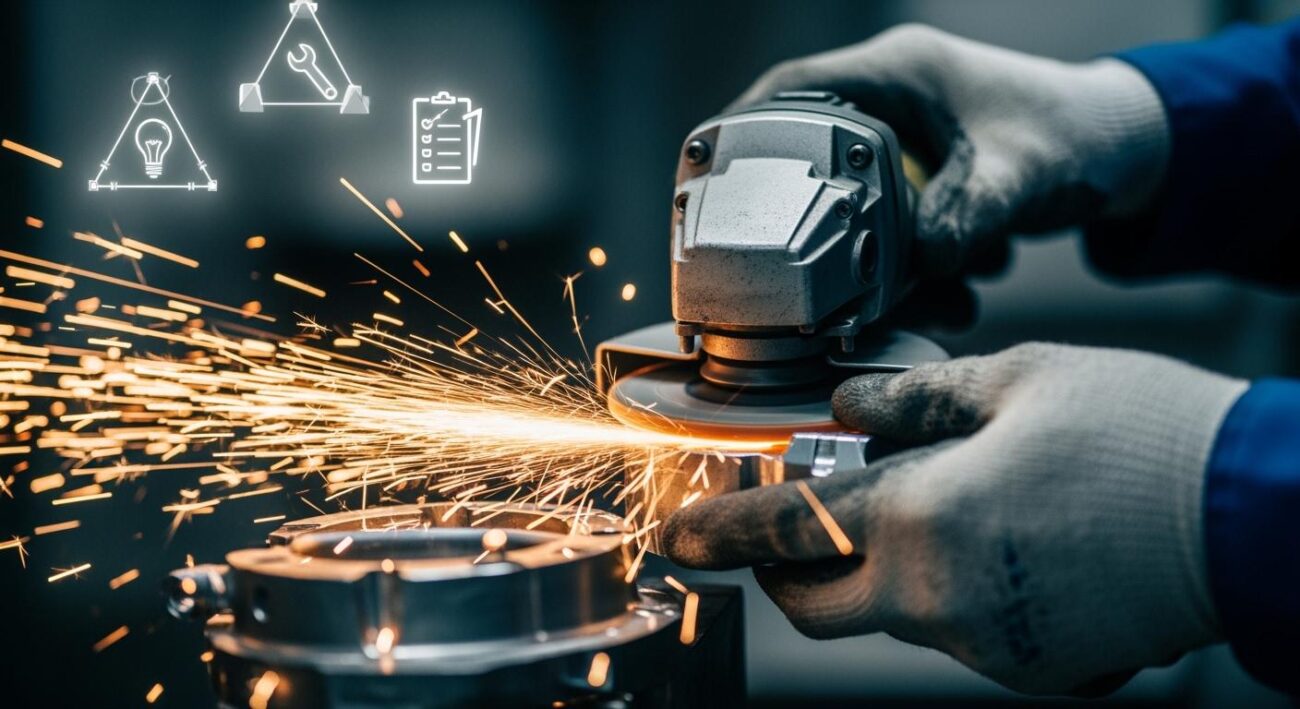
Solve surface defects, tool wear, and overheating in titanium alloy grinding with optimized parameters, coolant strategies, and proper wheel selection.

Troubleshooting common defects in gear grinding: causes, solutions, and prevention tips for burns, vibration, wheel wear, and uneven finishes.
No account yet?
Create an Account