
What Factors Determine the Grinding Force of a Grinding Wheel

Grinding force depends on abrasive type, grit size, bond, wheel structure, workpiece material, pressure, speed, coolant, and system rigidity.
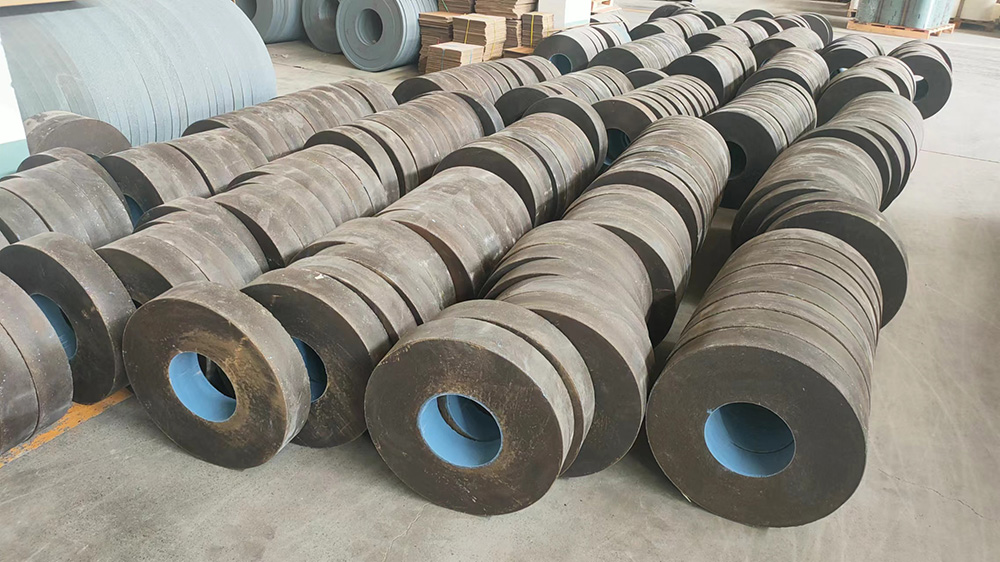
Grinding force depends on abrasive type, grit size, bond, wheel structure, workpiece material, pressure, speed, coolant, and system rigidity.
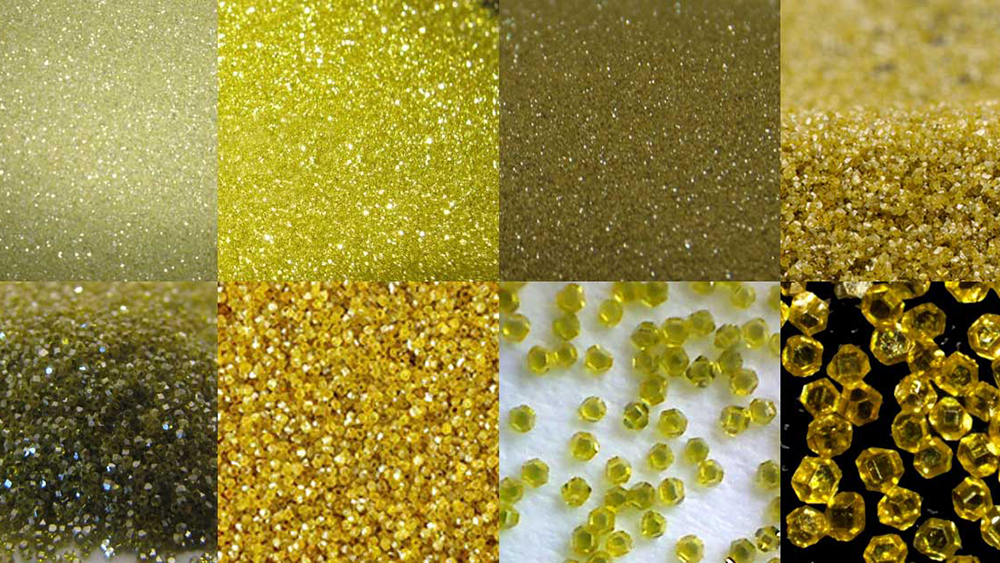
Grinding Wheel Grit size affects material removal and finish. Identify grit size on wheel labels and choose the best grit for your grinding job.
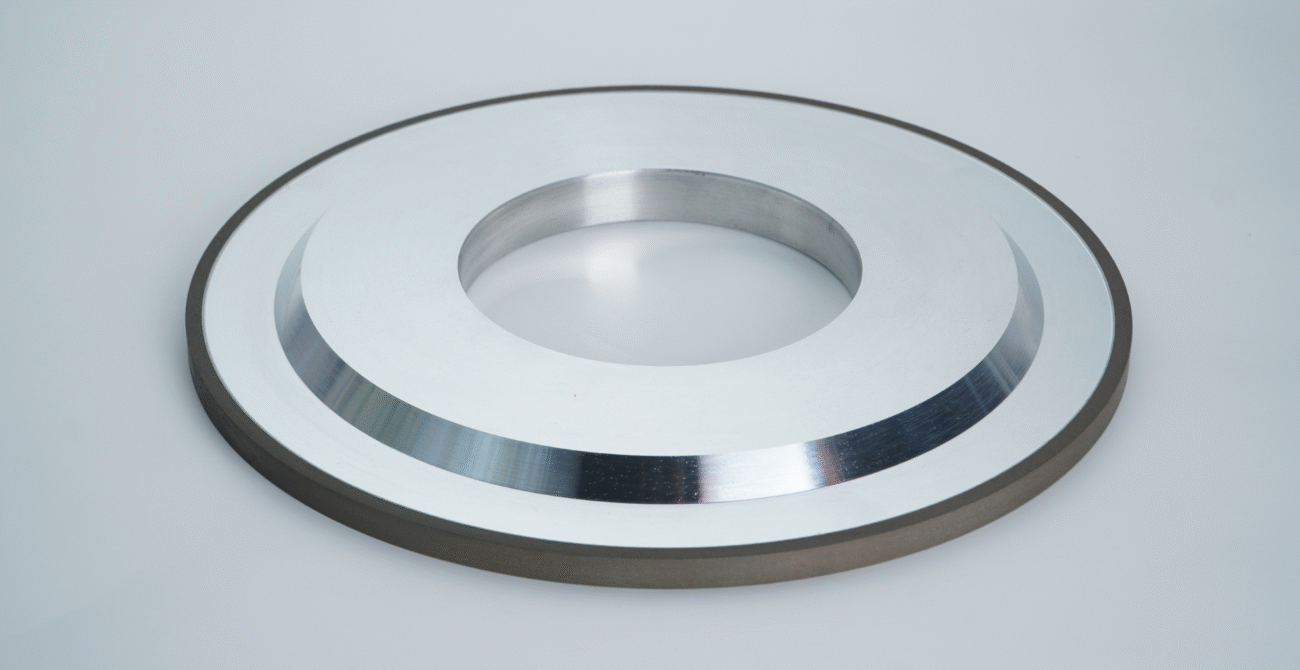
Grinding wheel performance depends on abrasive type, wheel structure, grinding parameters, coolant, and machine power for optimal results.
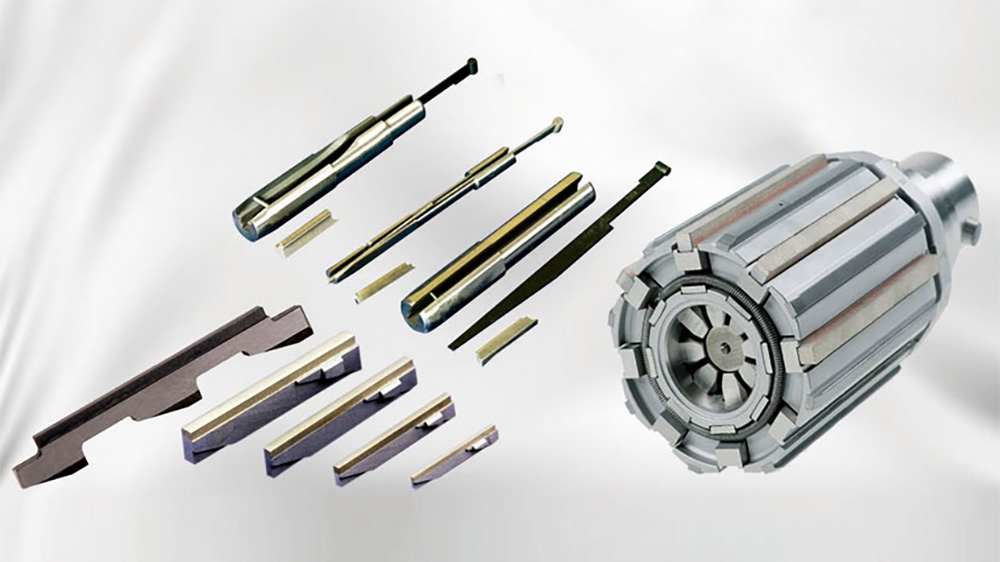
Master honing sticks for sharpening and polishing knives. Select, apply, and troubleshoot to keep blades sharp, safe, and long-lasting.
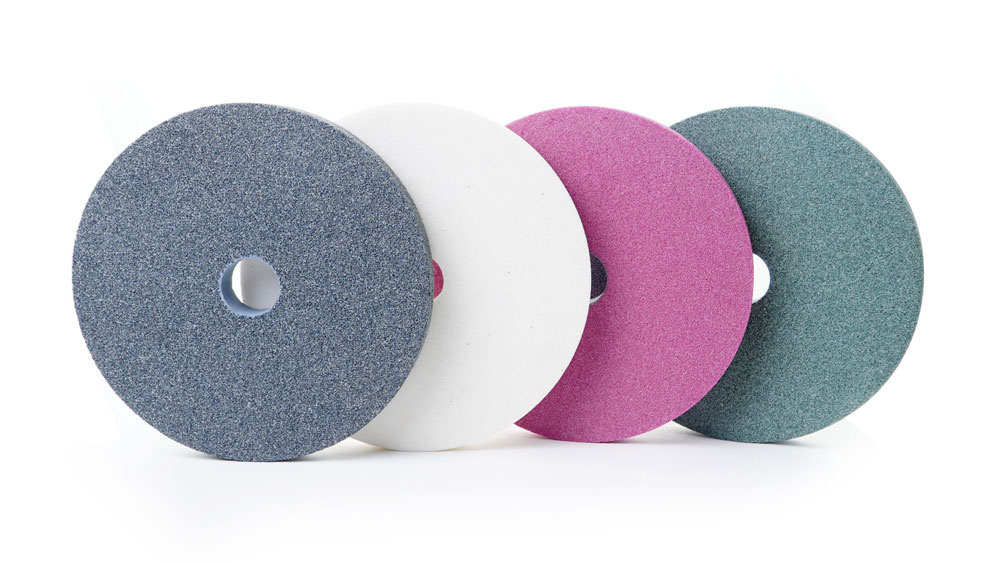
Compare stainless steel grinding wheel materials—ceramic, zirconia, aluminum oxide, and silicon carbide—to find the best fit for your project.
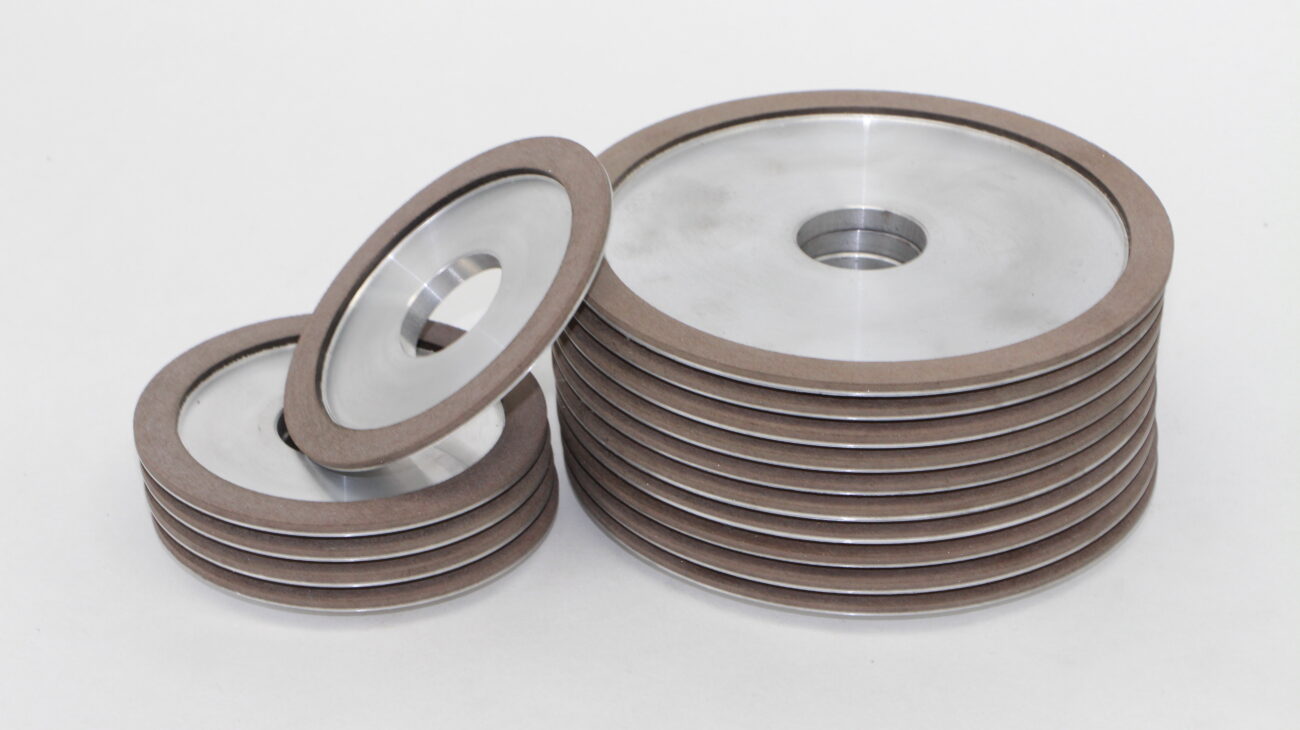
Compare dry grind and wet grinding for efficiency, cost, safety, and finish. Find out which method suits your material and project goals best.
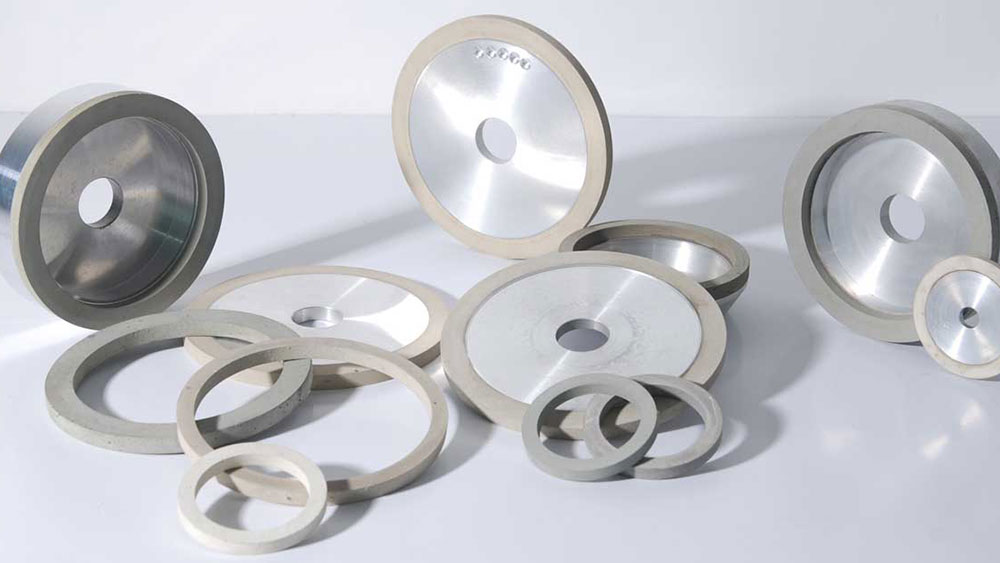
Diamond grinding wheel for carbide delivers superior finish, longer life, and efficiency over green wheels, making it the best choice for carbide tool grinding.
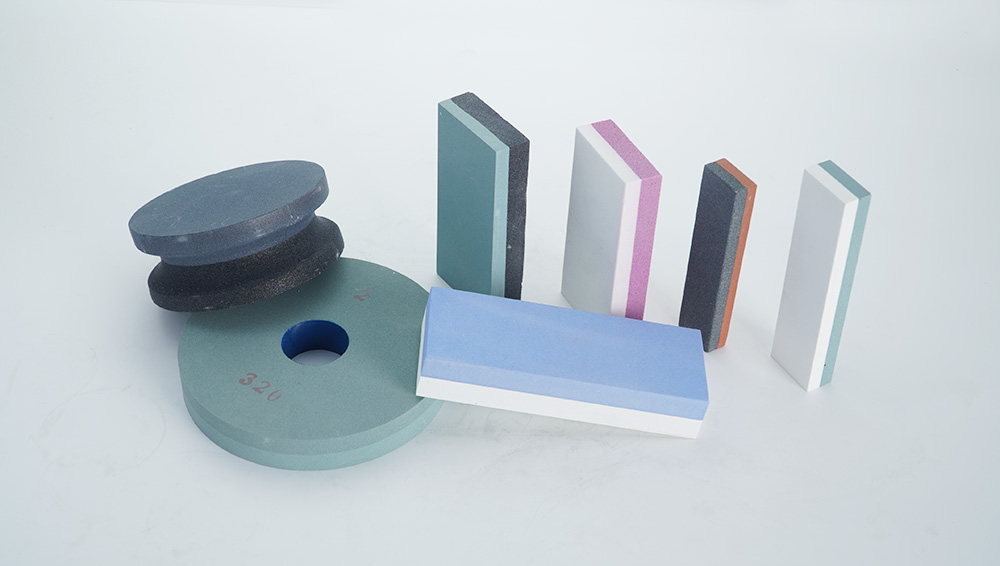
Sharpen axes and knives safely with a round sharpening stone using proper angles, circular strokes, and lubrication for a razor-sharp edge.
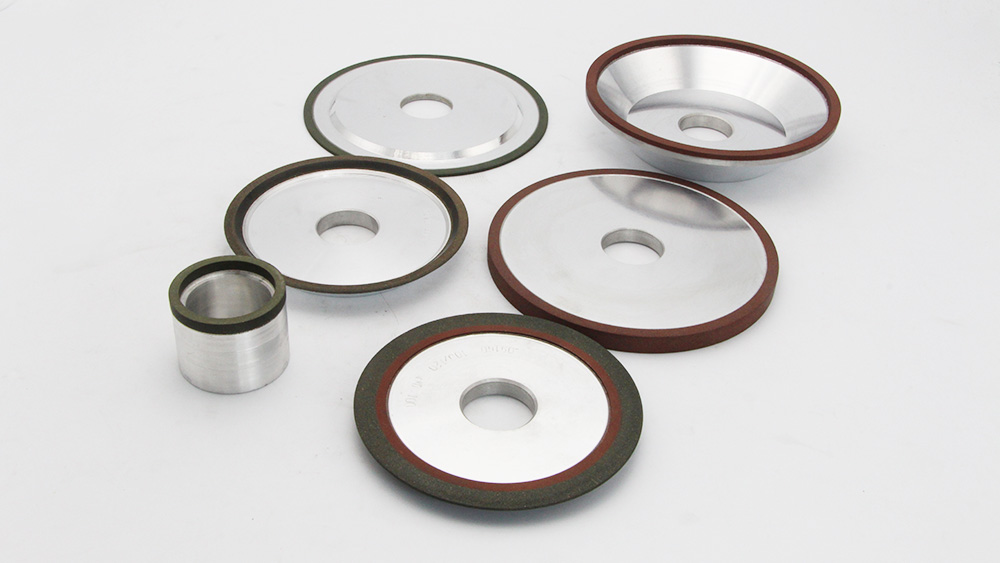
Improve lifetime grinding wheel performance by choosing quality wheels, using correct speeds, proper maintenance, and matching wheels to materials.
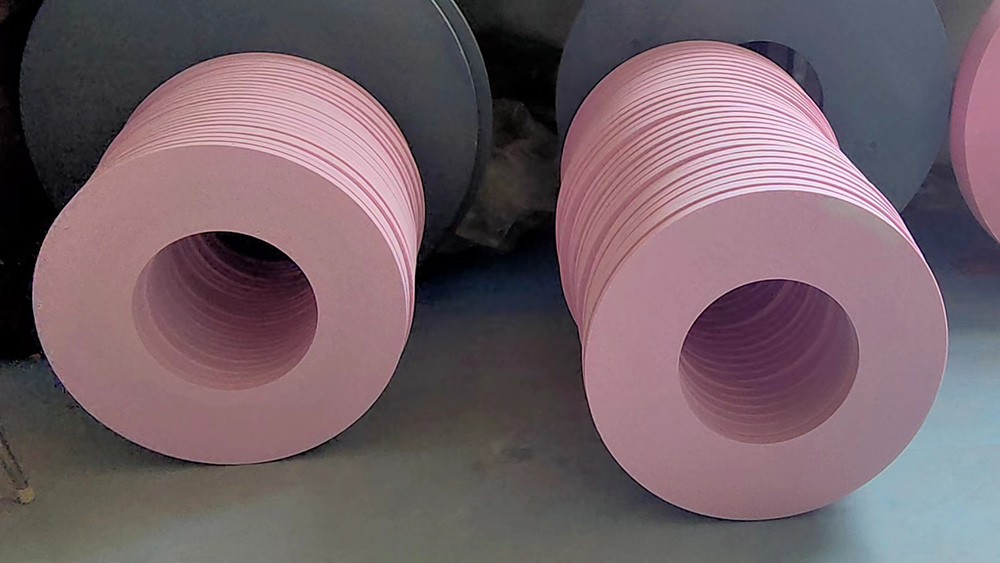
A low speed grinding wheel prevents overheating, preserves tool temper, and offers better control when sharpening heat-sensitive tools like chisels and knives.
No account yet?
Create an Account