
Can you grind on the side of a grinding wheel?

No, you should never grind on the side of a standard grinding wheel. It’s not designed for side pressure and can shatter, causing severe injury. Only use wheels specifically rated for side grinding.
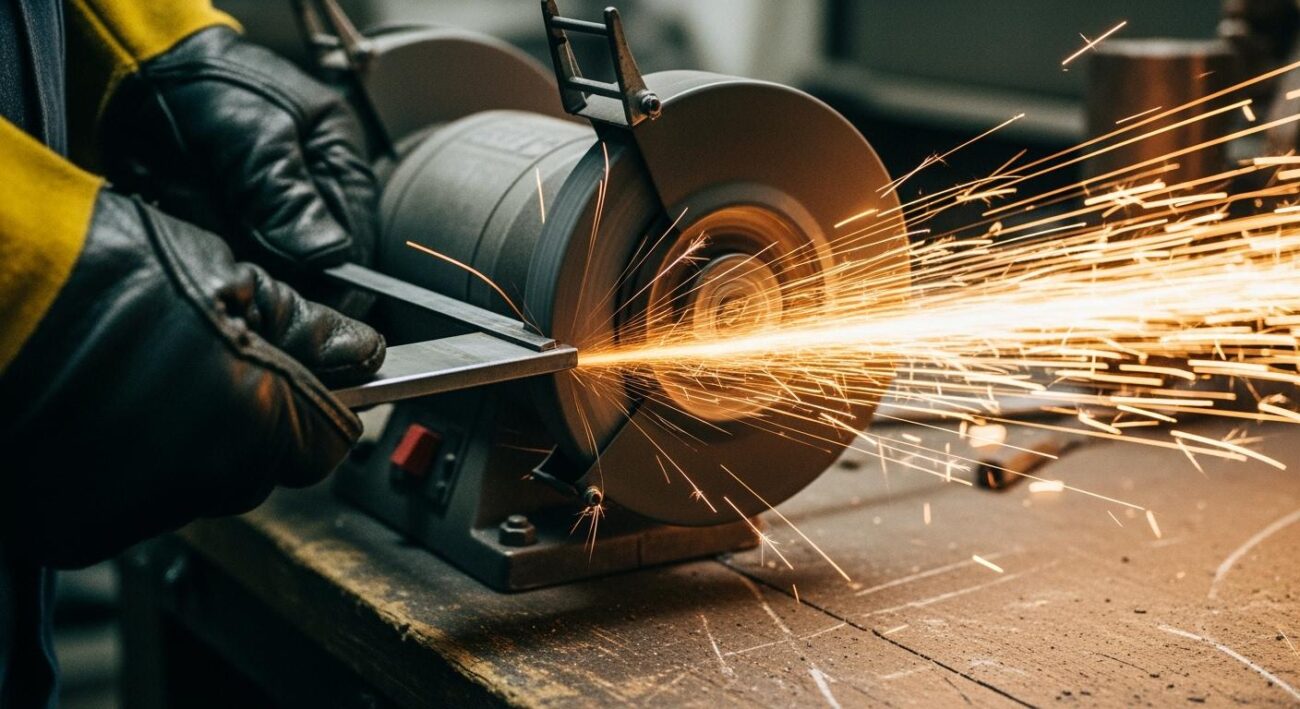
No, you should never grind on the side of a standard grinding wheel. It’s not designed for side pressure and can shatter, causing severe injury. Only use wheels specifically rated for side grinding.
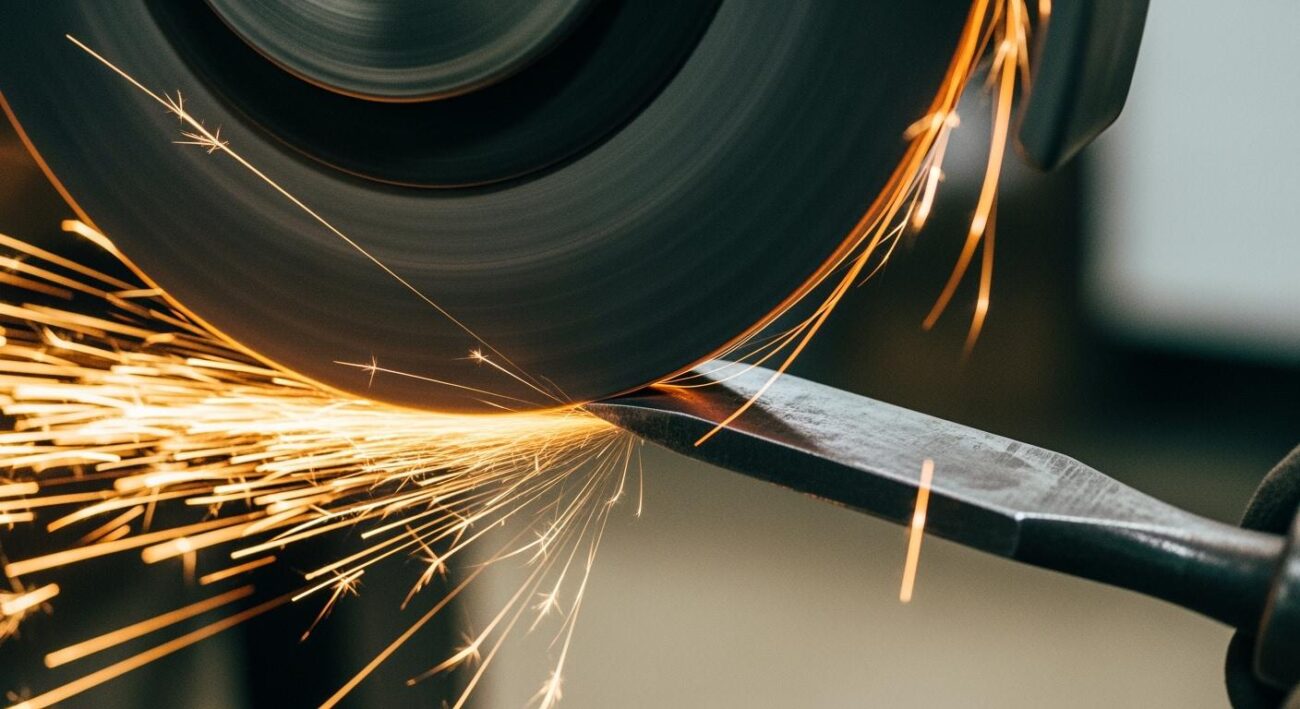
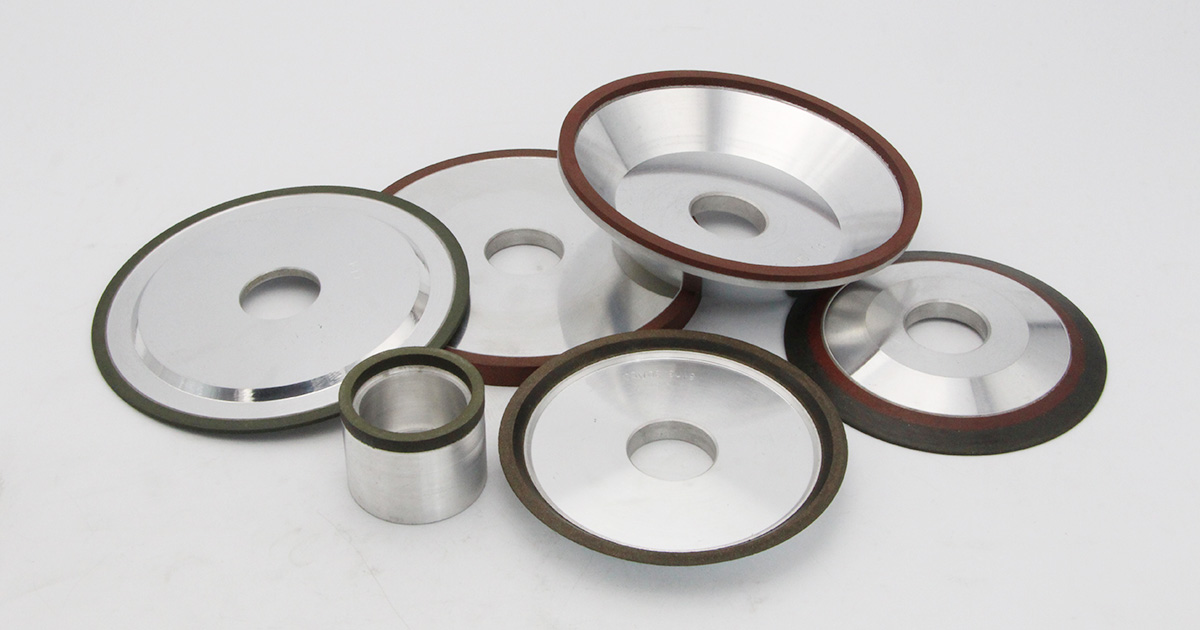
A grinding wheel is made from two main materials: an abrasive grain that cuts the workpiece and a bond that holds the grains. Common abrasives are aluminum oxide, silicon carbide, and superabrasives like diamond and CBN.
A standard grinding wheel should not be used on soft metals like aluminum, wood, plastics, or glass. Grinding these materials clogs the wheel and creates safety risks.

Reduce burning when grinding stainless steel by using ceramic or CBN abrasives and applying light, consistent pressure. A lower grinder speed and steady motion also help.

You must inspect abrasive grinding wheels to prevent catastrophic failure. A quick check for damage, proper mounting, and correct RPM prevents wheel explosions.
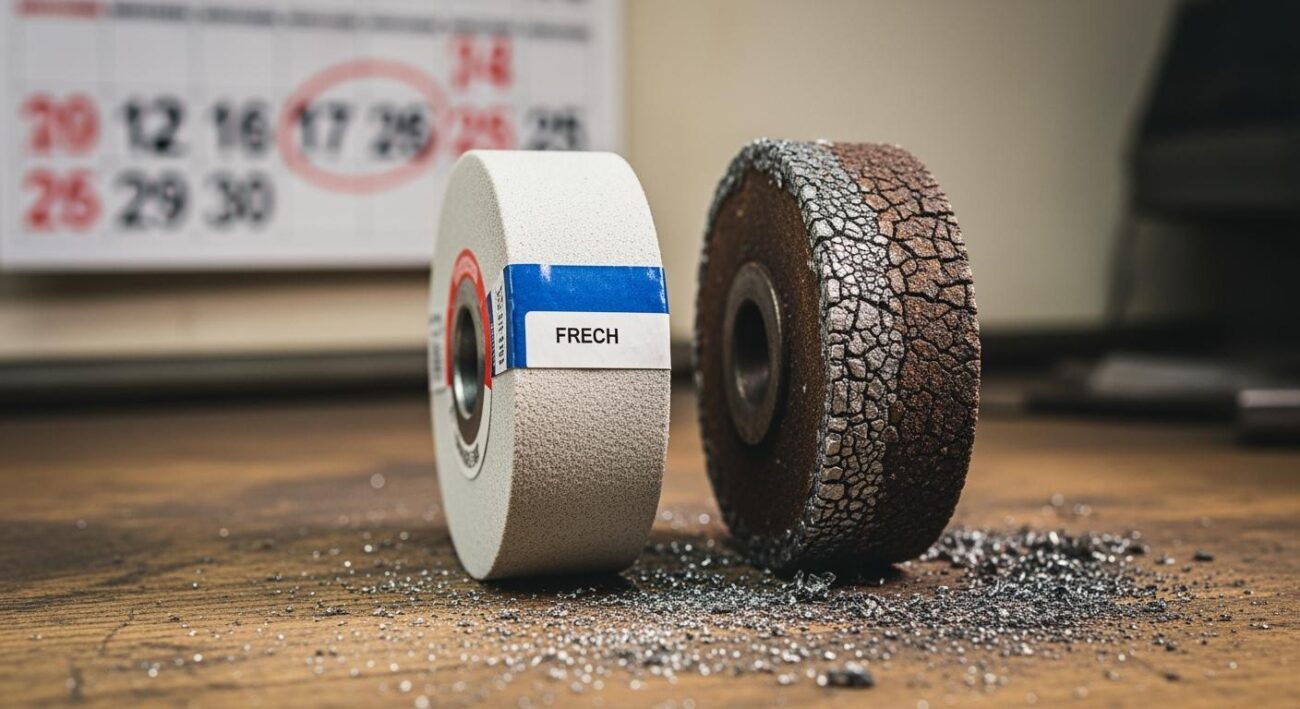
Yes, a grinding wheel does have an expiration date, typically 2-3 years from manufacture. Using an expired grinding wheel is unsafe due to weakened resin bonds.

Select the right diamond tools by matching the tool to your task, material, and desired finish. Choose saws for cutting, grinders for finishing, or drills for holes.
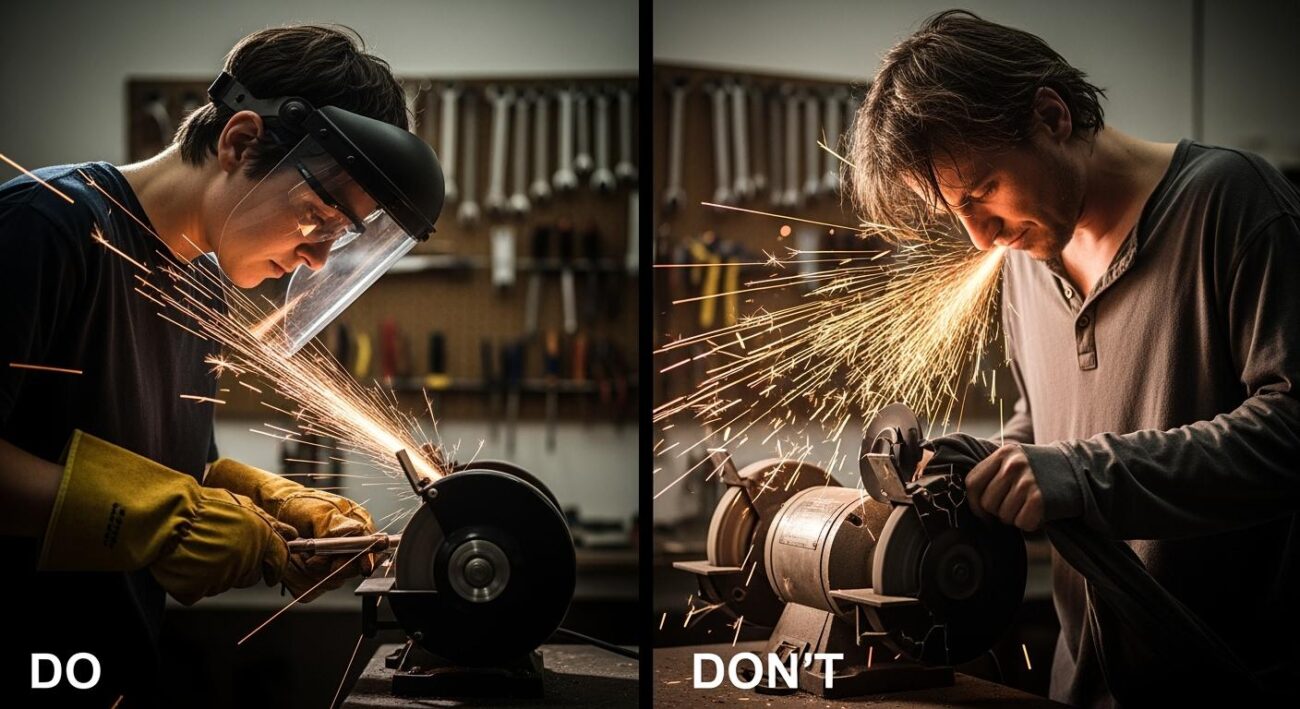
Master the dos and don’ts of grinding wheels. Follow these essential safety rules for handling, inspecting, and using abrasive wheels to prevent breakage and injury.
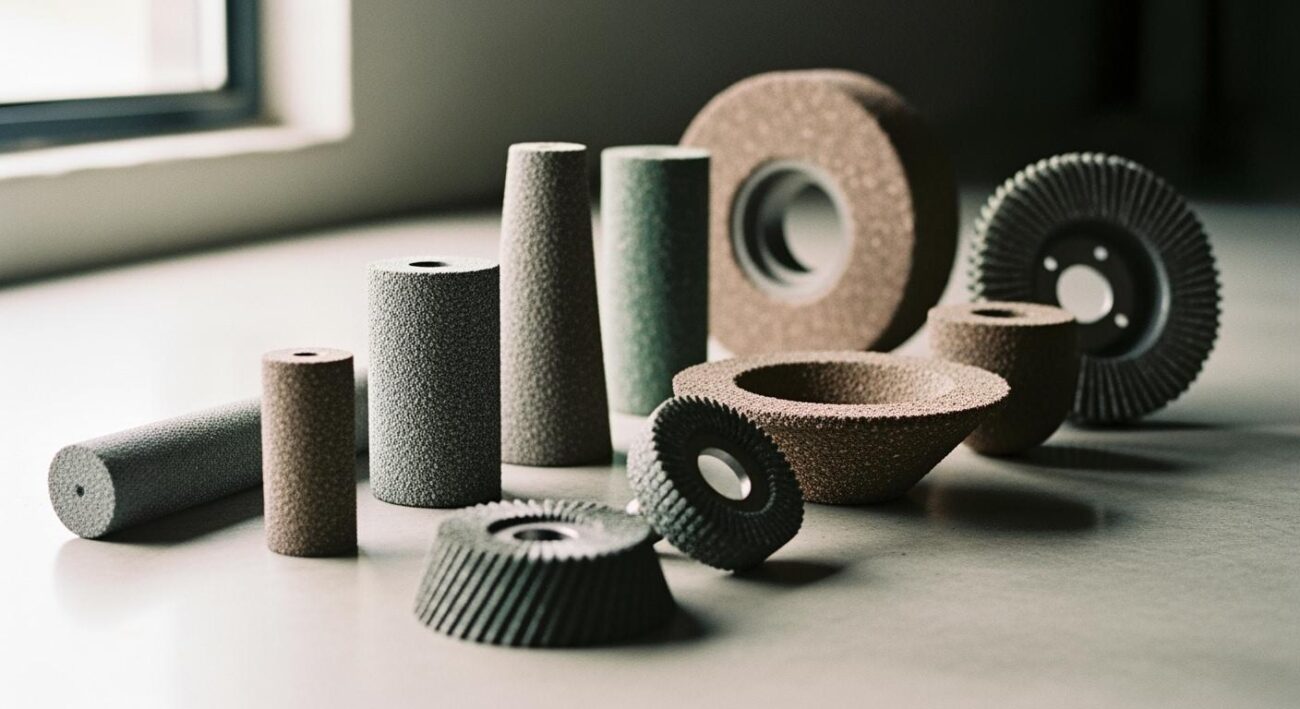
There are nine main types of grinding wheels, each with a unique shape for specific tasks like straight, cylinder, tapered, cup, dish, and saucer wheels.
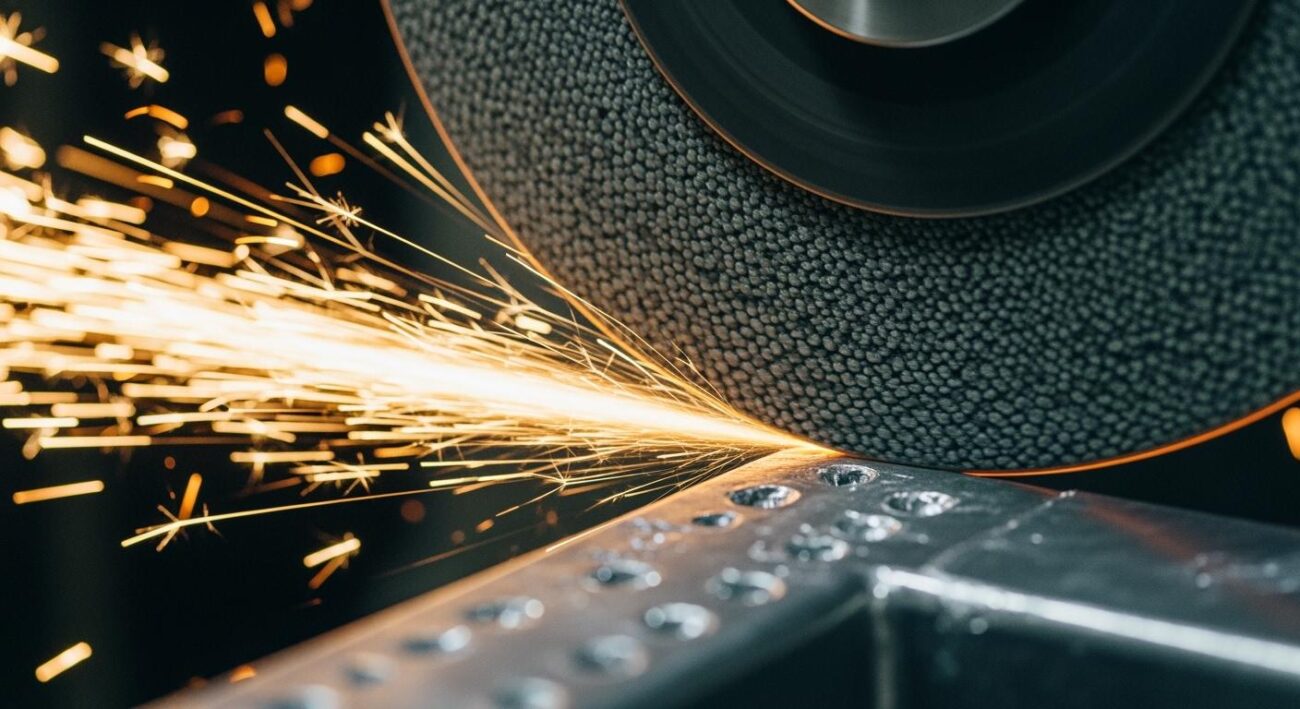
Hybrid bond grinding wheels combine resin and metal bonds for superior cutting, longer life, and excellent form holding. They offer an aggressive yet cool cut.
No account yet?
Create an Account