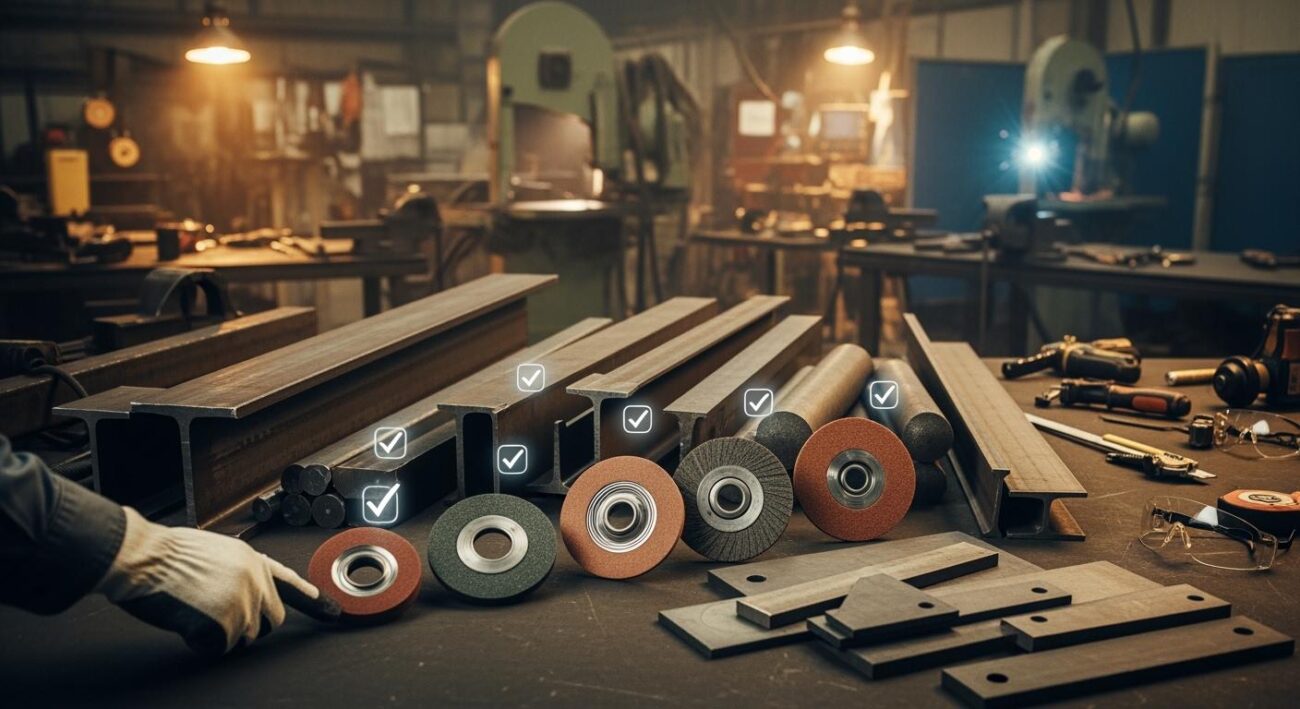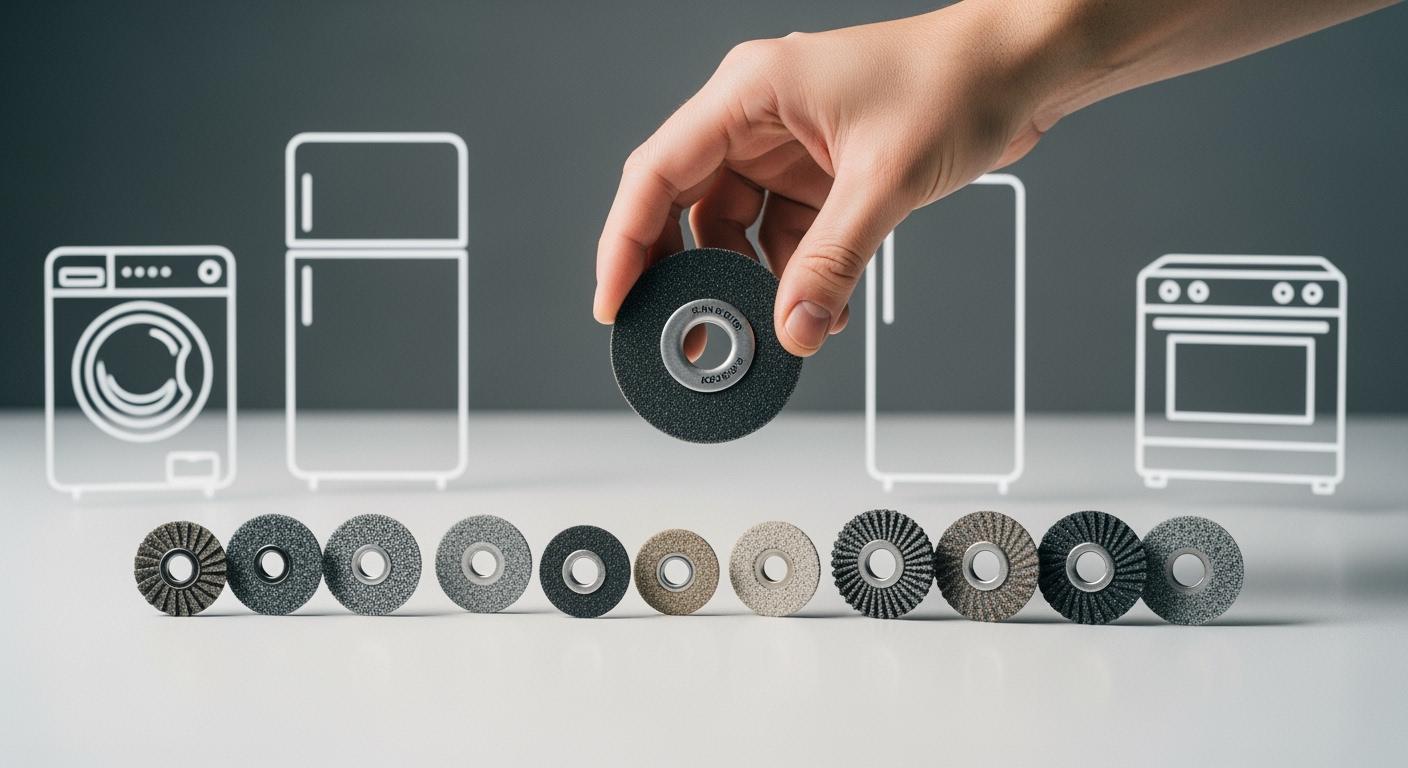
You must focus on grinding wheel selection if you want to improve appliance manufacturing. The right grinding wheel boosts performance, increases efficiency, and ensures high product quality. Aimgrind brings years of experience in designing customized grinding solutions for your unique needs. > Proper wheel choice helps you solve production challenges and achieve better results in every process.
Key Takeaways
- Choose the right grinding wheel based on the workpiece material to improve performance and avoid defects.
- Consider grinding pressure and grain spacing to enhance wheel longevity and maintain surface quality.
- Match grit size to your finish requirements for optimal results; coarser grits remove material faster, while finer grits provide smoother finishes.
- Regularly inspect and maintain your grinding wheels to ensure safety and high-quality production.
- Consult with your grinding supplier for tailored solutions and best practices to boost efficiency and productivity.
Grinding Wheel Selection Essentials
Workpiece Material Impact
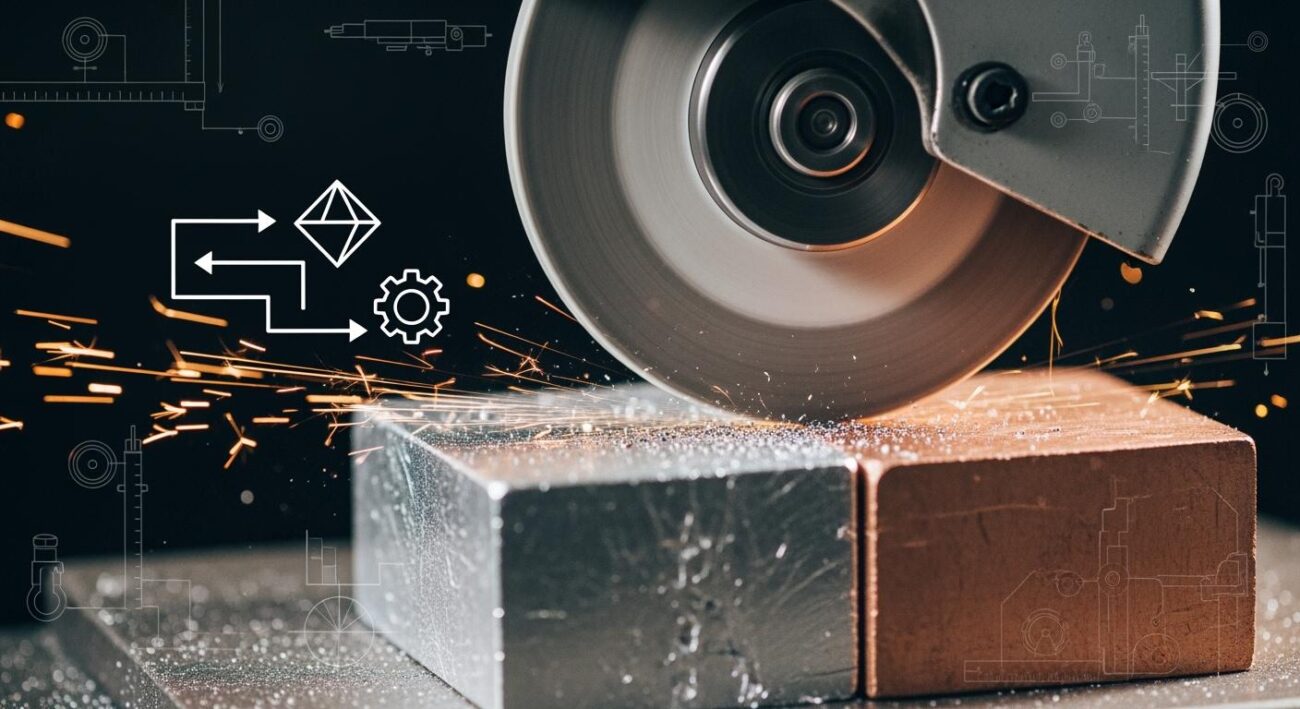
You must start grinding wheel selection by considering the material you want to grind. Different materials need different grinding wheel types. Stainless steel, aluminum, and ceramics each respond differently to abrasives. If you match the grinding wheel to the workpiece material, you achieve better performance and avoid poor part geometry or surface finish. Misalignment can cause taper or hour-glass shapes in your parts. Aimgrind helps you diagnose these problems and matches the right grinding wheel to your material. You get customized solutions for metals, ceramics, and composites.
- Aligning grinding wheel types with specific workpiece materials is crucial for optimal grinding performance.
- Incorrect wheel selection can result in poor part geometry and surface finish.
- Misalignment of machine components can lead to quality issues.
You must also consider grain spacing. The grindability of your material affects abrasive grain type and grit size. If you choose the right grain spacing, you improve cutting action and reduce heat buildup.
Grinding Pressure Considerations
Grinding pressure changes how your grinding wheel performs. Higher pressure increases wheel wear and affects surface finish. You must select a grinding wheel that can handle the pressure in your process. Aimgrind uses parameter matching to help you find the best wheel for your needs.
| Aspect | Effect |
|---|---|
| Grinding Pressure | Higher pressures increase wheel wear and affect surface finish quality. |
| Abrasive Grain Type | Ceramic grains fracture under pressure, exposing new cutting edges and improving wheel wear. |
| Self-sharpening Mechanism | Friable grains provide self-sharpening through grain fracture, preventing excessive wear. |
Grain spacing plays a role here. If you use wider grain spacing, you allow more coolant flow and reduce heat. This helps your grinding wheel last longer and keeps your parts smooth.
Finish and Accuracy Needs
You must know the finish and accuracy requirements for your appliance components. Surface finish is the texture after grinding. Tolerance is the allowed deviation from a dimension. Finishing means achieving the required size and surface finish, often with faster speeds and lighter cuts.
| Term | Definition |
|---|---|
| Surface Finish | The texture of a part after it has gone through the grinding process, key to the performance of a finished part. |
| Tolerance | The allowable deviation from a given dimension that will still allow a finished part to perform its intended function. |
| Finishing | A grinding process that achieves the required size and surface finish of the part, often requiring faster speeds and lighter depths of cut. |
Aimgrind helps you select grinding wheels that meet these needs. You get wheels with the right grain spacing for smooth finishes and tight tolerances. If you choose the correct wheel, you avoid defects and improve product quality.
Area of Contact Factors
The area of contact between your grinding wheel and the workpiece affects heat, wear, and finish. If you have a large contact area, you need a grinding wheel with proper grain spacing to prevent overheating. Smaller contact areas allow for more aggressive grinding. Aimgrind considers these factors during problem diagnosis and wheel selection.
Tip: Always check the area of contact before choosing your grinding wheel. Adjust grain spacing to match your process. This helps you control heat and maintain surface quality.
You must also avoid common mistakes in grinding wheel selection. If you ignore guard positions or neglect abrasive wear, you risk injuries and poor results. Daily inspection and adjustment keep your grinding wheel safe and effective.
| Mistake | Description | Solution |
|---|---|---|
| Ignoring the 65-Degree Starting Point | Operators often position guards too low, exposing more than the allowed angle. | Use a protractor or OSHA diagram to verify guard position. |
| Confusing Periphery Fractions with Arbitrary Angles | Misunderstanding the exposure limits for different wheel sizes leads to unsafe setups. | Visualize the arc and ensure proper guarding for all wheel sizes. |
| Neglecting Side Exposure and Abrasive Wear | Failing to account for side exposure can lead to injuries as wheels wear unevenly. | Inspect daily and adjust guards as wheels thin, ensuring compliance with regulations. |
Aimgrind’s expertise in grinding wheel selection ensures you avoid these mistakes. You get wheels with the right grain spacing, matched to your process and material.
Key Grinding Wheel Specifications
Abrasive and Grain Type
You must choose the right abrasive and grain type for your grinding wheel. The abrasive material affects how well you can cut and finish different appliance parts. Here is a quick comparison:
| Abrasive Type | Advantages | Applications |
|---|---|---|
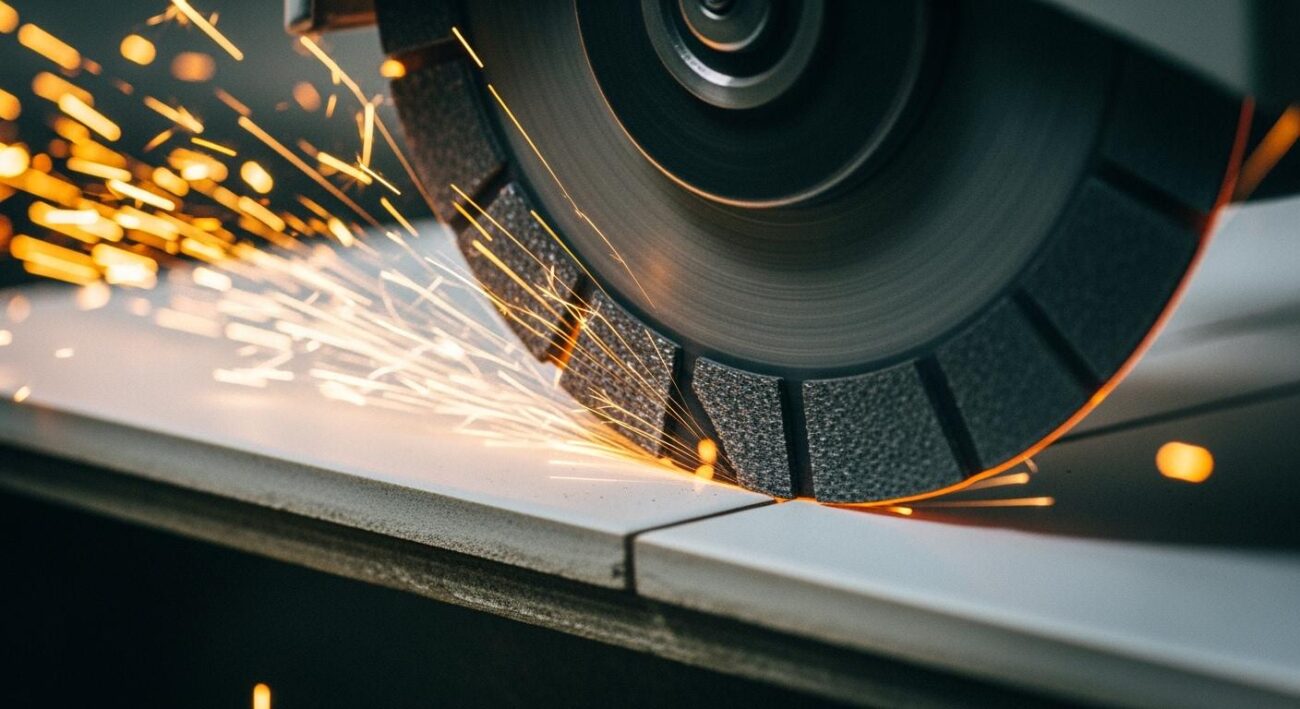
| Diamond | Long-lasting, high stock removal rates, high precision, no burning or cracking | Non-ferrous materials like carbide, glass, ceramics |
| CBN | Maintains hardness at high temperatures, provides smooth finish | Ferrous materials like hardened steel, bearing, nickel-based alloys |
You should match the abrasive to your workpiece. For example, diamond abrasives work best on ceramics and glass. CBN abrasives are better for steel parts. Aimgrind offers customized grinding wheels with the right grain size for every material.
Grit Size and Hardness
Grit sizes and grain size control the texture and finish of your appliance components. You must pick the right level for your needs. The table below shows common choices:
| Grit Level | Texture Description | Common Use Case |
|---|---|---|
| 80 Grit | Coarse, very visible lines | Hiding surface defects, industrial look |
| 120 Grit | Medium, distinct lines | General purpose, appliances |
| 240 Grit | Fine, soft, subtle lines | Decorative, consumer electronics |
| 320+ Grit | Very Fine, satin-like | High-end architectural, luxury goods |
Grain size also affects how fast you remove material and how smooth the finish looks. For most appliances, you want 120 or 240 grit sizes. These give a clean look and good function. If you need a softer or shinier finish, choose a finer grain size. Aimgrind helps you select the right grain size for your process.
Bond Type and Structure
The bond type and structure hold the grains together in your grinding wheel. This choice changes how the wheel performs and how long it lasts. You can see the main points below:
- Vitrified bonds keep their shape and help you grind complex forms.
- You get better dimensional accuracy for tight tolerances.
- Vitrified bonds handle high heat, so you avoid damage during tough jobs.
- Slow wear means your grinding wheel lasts longer.
- Porosity in the bond lets coolant flow, which keeps your parts cool.
Aimgrind’s resin bond grinding wheels give you flexibility and strong cutting power. You can use them for high-speed grinding of tough materials like stainless steel.
Speed Rating and Safety
You must always check the maximum speed rating for your grinding wheel. This rating tells you the highest speed the wheel can safely spin. If you go over the maximum speed rating, you risk wheel failure and injury. Always match the maximum speed rating of the wheel to your grinding machine. Aimgrind provides clear maximum speed rating labels on every wheel. You stay safe and get the best performance by following these limits.
Tip: Never exceed the maximum speed rating. Always inspect your grinding wheel before use.
Matching all these specifications to your appliance industry needs ensures you get the best results. Aimgrind supports you with expert advice and custom solutions for every grinding challenge.
Choosing a Grinding Wheel for Appliance Manufacturing
Balancing Durability and Precision
When you start choosing a grinding wheel, you must balance durability and precision. You want a wheel that lasts long but also gives you accurate results. If you focus only on durability, you may lose the fine finish your appliance parts need. If you focus only on precision, you may need to replace wheels more often. The table below shows how different features affect your choice:
| Feature | Description |
|---|---|
| Cutting Efficiency | Precision-shaped grains cut faster, which boosts productivity. |
| Durability | Long-lasting wheels give you reliable performance in metalworking. |
| Operator Comfort | Less pressure means less fatigue for your team during long shifts. |
Aimgrind helps you find the right balance. You get support through problem diagnosis, parameter matching, and sample optimization. This process ensures your grinding wheel selection matches your production goals.
Managing Finish Quality vs. Productivity
You often face a trade-off between finish quality and productivity when choosing a grinding wheel. Larger wheels remove material quickly and improve speed. However, they may reduce control and lower the finish quality, especially on detailed parts. Smaller wheels give you better control and a smoother finish, but they slow down the process. The size and type of wheel also affect machine stability and your ability to reach the desired result. You must consider the specific task before making a decision.
Aimgrind’s experts guide you in choosing a grinding wheel that fits your finish and productivity needs. You can test samples and adjust parameters to get the best outcome for your appliance components.
Adapting to Production Changes
Production volume changes can affect your grinding wheel selection strategy. If you increase output, you may need wheels with different abrasive types or bond structures. For example, aluminum oxide wheels work well for ferrous metals, while silicon carbide suits non-ferrous materials. Superabrasives help in high-volume or demanding jobs. You must also optimize dressing parameters to keep your process stable and repeatable. In high-volume production, the right grinding wheel helps you avoid burn, chatter, or uneven finishes.
Aimgrind supports you with flexible solutions. You can adapt quickly to new production needs and keep your process efficient and cost-effective.
Aimgrind Resin Bond Grinding Wheels in Appliance Industry
Product Features and Benefits
You can trust Aimgrind resin bond grinding wheels for tough jobs in appliance manufacturing. These wheels use a special resin bond that gives you both flexibility and strong cutting power. You get smooth finishes on stainless steel and titanium parts. The wheels keep their shape, so you do not need to change them often. You also get less heat during grinding, which protects your parts from damage. The resin bond helps you work faster and keeps your production line moving.
Tip: Choose resin bond wheels when you need a balance of speed, accuracy, and long life.
Application Scenarios
You can use Aimgrind resin bond grinding wheels in many appliance industry tasks. For example, you can grind stainless steel panels for refrigerators. You can also shape titanium parts for high-end appliances. These wheels work well for both rough grinding and fine finishing. If you need to switch between different materials, you can count on these wheels to handle the job. Some factories use aluminum oxide grinding wheels for basic steel parts. Others use silicon carbide grinding wheels for non-metallic materials. Aimgrind resin bond wheels give you more options and better results.
| Application Area | Example Use Case |
|---|---|
| Stainless Steel Panels | Smoothing refrigerator doors |
| Titanium Components | Shaping parts for premium appliances |
| Mixed Material Lines | Switching between metals and ceramics |
Value for Appliance Manufacturers
You get real value when you use Aimgrind resin bond grinding wheels. You save money because the wheels last longer and need fewer changes. You also get better quality parts, which means fewer rejects and less waste. Your workers spend less time adjusting machines, so you boost productivity. Aimgrind supports you with expert advice and custom solutions. You can ask for help with sample testing or process changes. This support helps you stay ahead in the fast-moving appliance industry.
Best Practices for Grinding Wheel Use
Supplier Consultation
You should always work closely with your grinding supplier to get the best results. Experts recommend several steps to improve your process:
- Check wheel rotation to help coolant reach the right spot and lower power use.
- Use a high-pressure coolant system to keep the wheel clean and stop burning on your parts.
- Learn the difference between truing and dressing. This helps you keep your wheel in top shape.
- Know the types of bonds available and what each one does best.
- Ask about new bond technologies that mix the strengths of different types.
- Adjust wheel speed and feedrate to remove more material and get a better finish.
- Make sure all parts of your grinding system work well together and stay in good condition.
When you follow these steps, you get better performance and longer tool life.
Testing and Maintenance
Regular testing and maintenance keep your machines running smoothly. You lower the risk of breakdowns and make your equipment last longer. You also make sure every part meets high standards. This is key for keeping your factory efficient and safe.
- Maintenance helps prevent mechanical problems.
- It extends the life of your machines.
- It ensures your products meet quality standards.
You should also train your team to spot hazards and control risks. Monthly inspections and ongoing training help everyone stay alert and safe.
Quick-Reference Checklist
Use this checklist to make sure you cover the basics every time:
- Abrasive Type: Pick Diamond for non-ferrous materials or CBN for ferrous metals.
- Grit Size: Choose coarse for fast removal or fine for smooth finishes.
- Wheel Dimensions: Check diameter, thickness, and arbor hole size for your machine.
- Safety: Inspect guards and check for wear before each use.
- Training: Make sure all workers know safe practices and get regular updates.
Tip: Good habits and strong leadership help everyone stay safe and productive.
You improve appliance manufacturing when you focus on grinding wheel selection. Choose wheels that match your material, finish, and production needs. Aimgrind’s resin bond options help you boost performance and lower costs. Stay alert to changes in your process. Studies show that ongoing monitoring and adaptation keep your grinding results strong.
- Advancements in wear assessment and process feedback support better adaptation.
- Industry trends highlight the need for continuous improvement.
Use the checklist often and review your choices as your needs change.
FAQ
What materials can you grind with Aimgrind resin bond wheels?
You can grind tough materials like stainless steel and titanium. These wheels also work well on ceramics and composite parts. You get smooth finishes and strong performance.
How do you choose the right grit size for appliance parts?
You should match the grit size to your finish needs. Use coarse grit for fast material removal. Choose fine grit for smooth surfaces. Aimgrind experts help you select the best option.
Why is wheel speed rating important?
Wheel speed rating keeps you safe. You must check the rating before use. If you exceed the limit, you risk wheel failure and injury. Always follow the manufacturer’s guidelines.
How often should you inspect your grinding wheels?
You should inspect your grinding wheels before each use. Look for cracks, wear, or damage. Regular checks help you prevent accidents and maintain high product quality.
Contact Us
For More Grinding Solution or Customized Abrasive Tools