You must use the right approach for cutting and grinding stainless steel to avoid corrosion and discoloration. Choose Aimgrind’s metal bond wheels for grinding. Clean your tools before you touch surgical stainless steel. Prevent heat buildup on stainless surfaces. This helps keep your stainless items strong and bright.
Key Takeaways
- Use Aimgrind metal bond grinding wheels for effective and safe grinding of surgical stainless steel. These wheels help maintain the protective layer and prevent corrosion.
- Always clean your tools before working with stainless steel. This prevents contamination that can lead to rust and discoloration.
- Control heat during grinding by using light pressure and adjusting your speed. This helps avoid damage to the protective chromium oxide layer.
Corrosion Risks in Surgical Stainless Steel
Material Composition and Protective Layer
You rely on surgical stainless steel for its strength and shine. The secret to its corrosion resistance lies in its material makeup. When you use stainless steel with more than 10.5% chromium, a thin chromium oxide layer forms on the surface. This layer acts as a shield. It blocks water, air, and other corrosive agents from reaching the metal underneath. Most high-strength stainless steel alloys contain between 17% and 28% chromium. This high chromium content helps the chromium oxide layer stay strong and self-repair if scratched. You get a surface that resists rust and keeps its clean look.
- Chromium is essential for corrosion resistance.
- The chromium oxide layer acts as a barrier.
- This layer prevents further oxidation and keeps your tools safe.
Contamination and Heat Effects
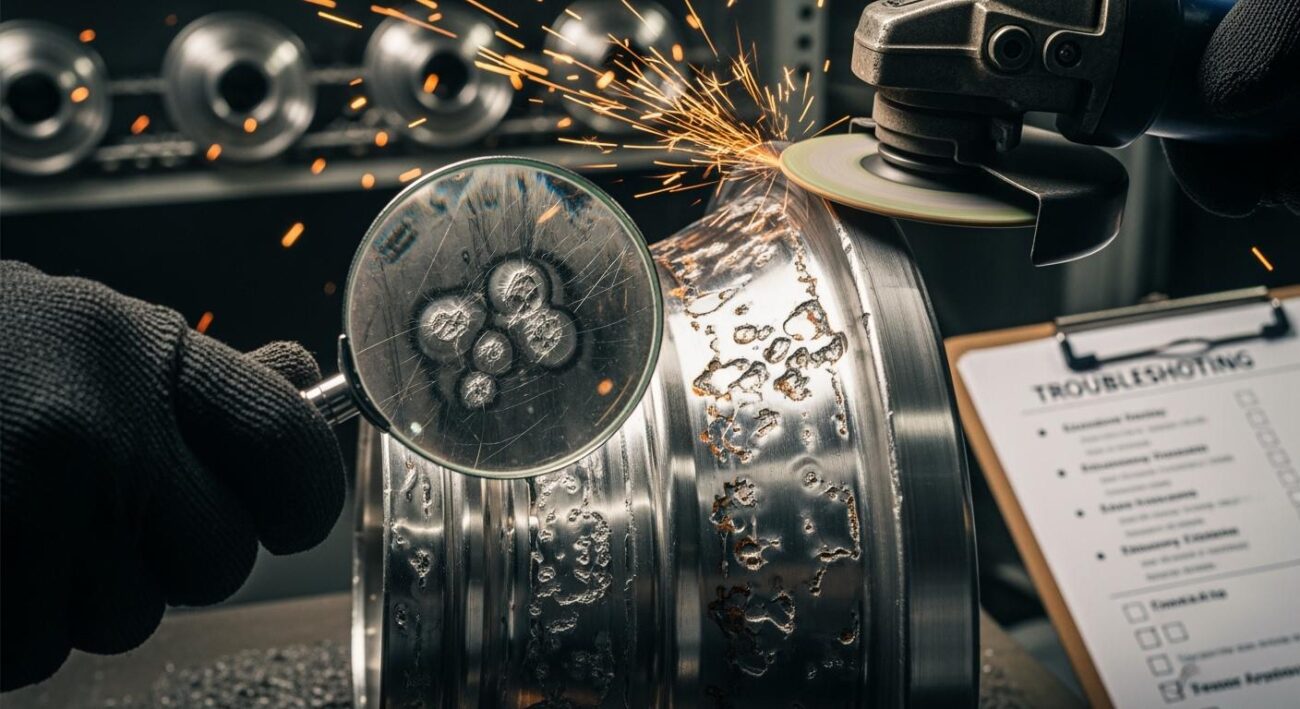
Contamination can break down the protective layer on your stainless items. Free iron and sulfides are the most common contaminants. You might introduce free iron during grinding if you use tools that have touched regular steel. Sulfides, added to make stainless easier to machine, can also cause localized corrosion if not managed. If you do not remove these contaminants, you risk pitting and rust spots.
Heat is another danger. Grinding can generate high temperatures. Too much heat can damage the chromium oxide layer. When this layer breaks down, corrosion can start quickly. Always control heat and avoid cross-contamination to keep your stainless steel safe.
Tip: Passivation removes free iron and helps restore the protective layer. This step is important after grinding to prevent corrosion.
Grinding Tools for Corrosion Prevention
Choosing Aimgrind Metal Bond Grinding Wheels
You need specialized tools for cutting and grinding stainless steel. Aimgrind metal bond grinding wheels give you the best results for surgical stainless steel. These wheels use diamond or CBN abrasives. You get high wear resistance and thermal stability. This means you can grind hard materials without damaging the surface.
Aimgrind designs products for stainless steel processing. You can choose wheels that match your equipment and your grinding needs. The wheels last longer and keep their shape. You avoid frequent replacements. You also reduce downtime in your workshop.
Aimgrind metal bond grinding wheels help with corrosion prevention. You keep the protective layer on surgical stainless steel intact. You avoid overheating and surface damage. You get a smooth finish that resists rust and stains.
Aimgrind’s products designed for stainless steel give you precision and reliability. You protect your tools and keep your workpieces bright and strong.
INOX and Contaminant-Free Abrasives
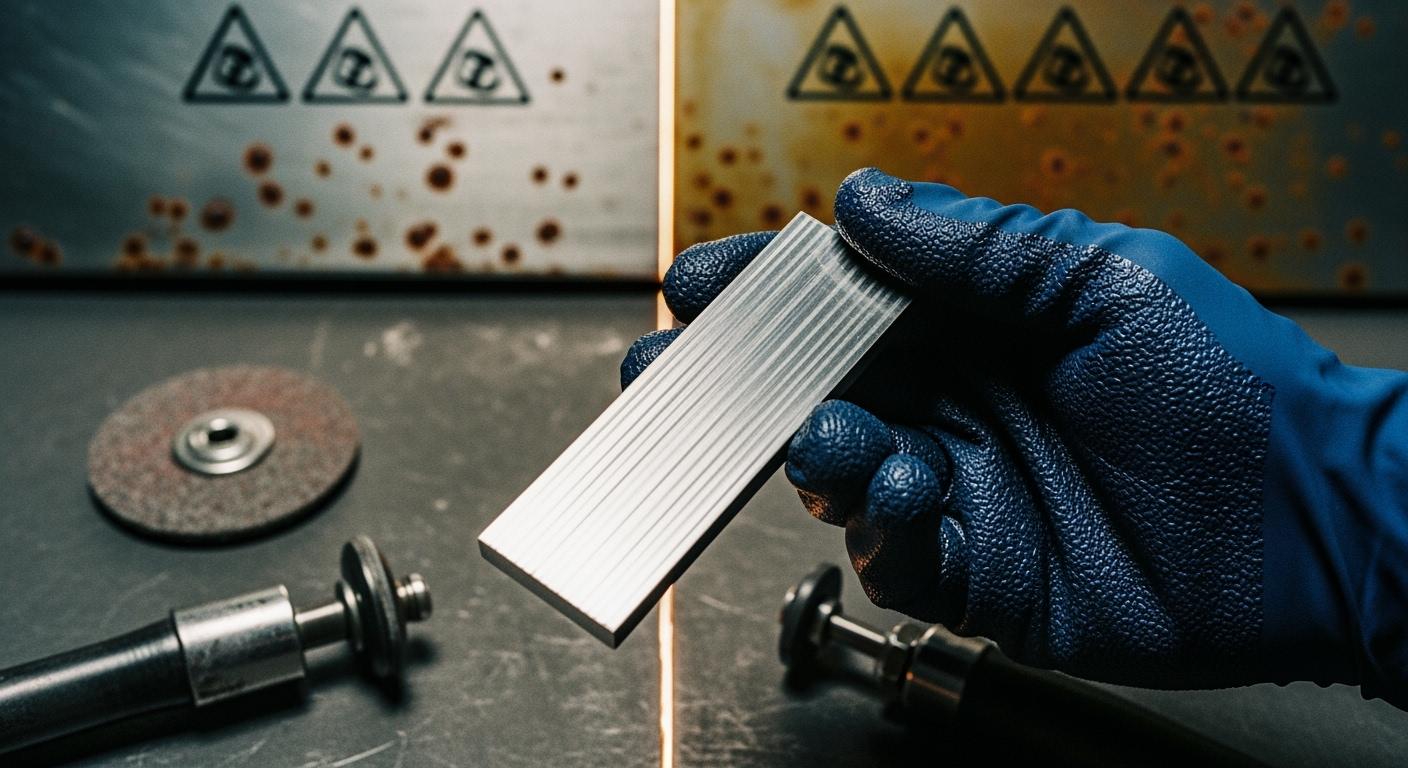
You must use INOX-labeled abrasives for surgical stainless steel. These products designed for stainless steel are free from iron contamination. You protect the corrosion resistance of your material. You avoid introducing harmful particles during grinding.
- The INOX label shows that the abrasive is safe for stainless steel.
- You prevent iron contamination and keep the surface clean.
Contaminant-free products are important for corrosion prevention. You avoid scratching and abrasion that can lead to discoloration. You keep the protective oxide layer on the surface. You prevent physical damage and staining.
- Abrasives can scratch the surface and cause corrosion.
- Some products can strip the protective layer and make the material prone to damage.
- Physical harm from abrasive cleaning can change the appearance and function of surgical stainless steel.
The study found that using alumina abrasives in grinding processes at elevated temperatures significantly enhances the hydrophilicity and corrosion resistance of surgical stainless steel surfaces. This improvement is crucial for biomedical tools, as it affects their interaction with living tissues and overall cleanliness. Additionally, the research emphasizes the importance of surface properties in preventing damage to living tissue during surgical procedures.
You need contaminant-free products for stainless steel processing. You keep your tools safe and your workpieces bright. You avoid corrosion and discoloration. You get reliable results every time you grind.
Handling and Storage to Avoid Corrosion
Segregating Tools and Workspaces
You protect surgical stainless steel from corrosion by careful handling and storage. You must keep stainless tools separate from carbon steel tools. Mixing them can cause contamination and rust spots. Arrange your tools by metal type in your workspace. You avoid improper storage and handling by using dedicated cabinets or drawers for stainless items. Dry storage prevents water spotting and staining. You should never stack or pile tools together. This practice reduces the risk of scratches and keeps the surface clean.
Tip: Always store stainless tools in a dry place. Moisture can lead to corrosion and discoloration.
Cleaning and Maintenance Practices
You maintain corrosion resistance by regular cleaning and proper handling. You remove contaminants like chlorides that can damage the passive layer. You avoid contamination from carbon steel to prevent rust spots. You use compatible fasteners with equal or greater corrosion resistance. You inspect welded areas because improper welding can reduce corrosion resistance. You perform periodic passivation to enhance the protective oxide layer after fabrication.
- Clean tools often to remove contaminants.
- Keep stainless tools away from carbon steel.
- Use fasteners that match or exceed the corrosion resistance of stainless.
- Check welded areas for signs of corrosion.
- Passivate surfaces after grinding or fabrication.
You improve the handling and storage of stainless steel by following these steps. You keep your tools bright and strong. You prevent corrosion and discoloration with careful handling.
Heat Control During Grinding
Light Pressure and Speed Adjustment
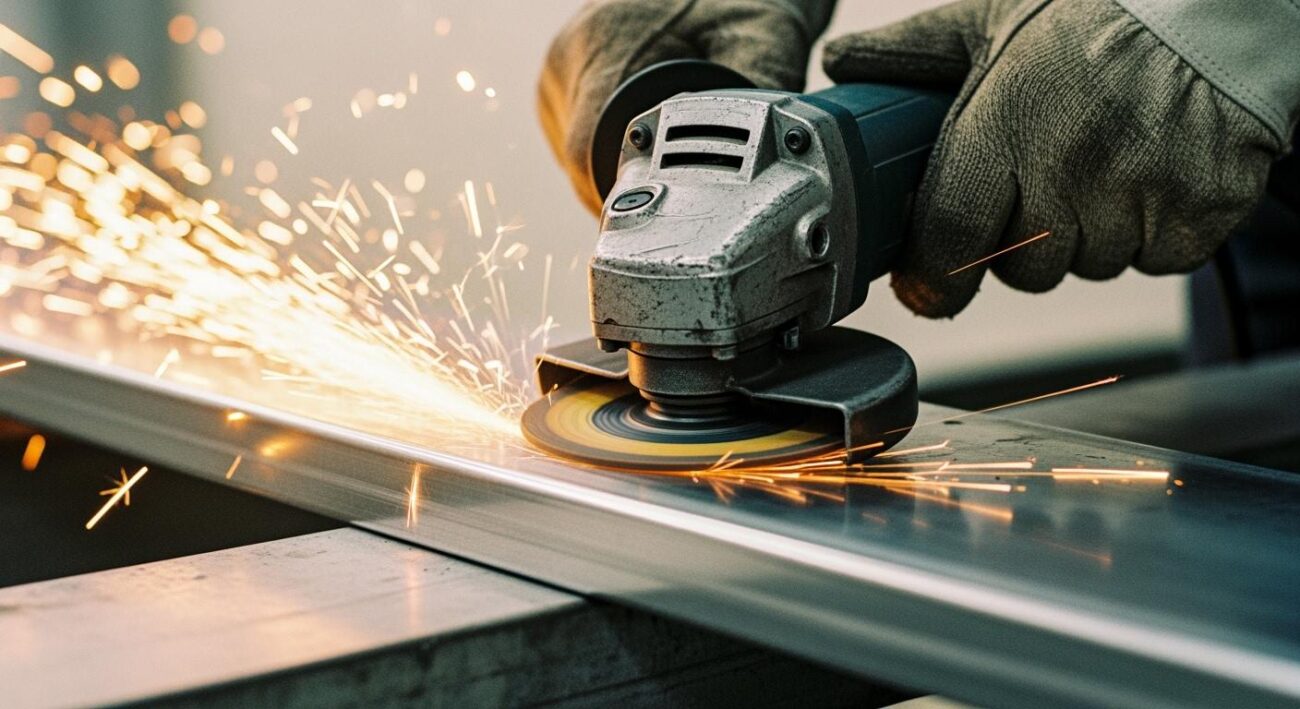
You must control heat when you work with surgical stainless steel. Too much heat can cause discoloration and weaken the protective layer. You should use light pressure and adjust your grinding speed. Lower speeds help reduce heat. Less pressure means less friction and less risk of damaging the surface.
Here is a table to guide you:
| Parameter | Recommended Range | Impact on Tool Life |
|---|---|---|
| Cutting Speed | 100-150 m/min | Lower speeds reduce heat generation |
| Feed Rate | 0.1-0.2 mm/rev | Moderate feeds prevent excess force |
High speeds can cause heat discoloration. You may need extra finishing steps if this happens. Abrasive grains and special coatings can help lower friction and pressure. You keep your stainless items bright and strong by following these tips.
Coolant Use and Intermittent Grinding
Coolants play a big role in heat control during cutting and grinding stainless steel. You should choose the right coolant for your job. Here is a table to help you decide:
| Coolant Type | Description | Effectiveness in Grinding Surgical Stainless Steel |
|---|---|---|
| Water-Based Coolants | Mainly water, cools well, low cost | Limited lubrication, best for easier materials |
| Oil-Based Coolants | Water and oil mix, better lubrication | Good for hard materials like high-strength stainless steel |
| Synthetic Coolants | Chemically made, strong cooling, low residue | Ideal for tough jobs and high-end machines |
| Semi-Synthetic Coolants | Blend, better lubrication and cooling than pure soluble coolants | Great corrosion resistance, longer coolant life |
You should also use intermittent grinding. This means you stop often to let the metal cool. You prevent heat buildup and protect the surface. You get a smooth finish and avoid corrosion.
Tip: Always use coolants and take breaks during grinding. This keeps your stainless steel safe from heat damage.
Best Practices for Surgical Stainless Steel Grinding
Do’s for Corrosion Prevention
You can keep surgical stainless steel strong and bright by following a few simple steps.
- Use bonded abrasives made for stainless steel. Look for INOX labels. These abrasives have very little iron, sulfur, or chlorine.
- Always use clean tools. Never use abrasive products that have touched carbon steel. This helps you avoid cross-contamination.
- Store stainless steel away from carbon steel. This keeps your materials safe from picking up unwanted particles.
- Use smooth, steady movements when grinding. Keep your pressure light and even. This helps you avoid heat buildup and keeps the protective layer strong.
Tip: Clean your work area often. A clean space helps you prevent contamination and keeps your grinding results consistent.
Don’ts to Avoid Discoloration
You want to avoid discoloration on the material surface. Watch out for these common mistakes:
- Do not use too much pressure during grinding. Heavy pressure can cause heat and lead to discoloration.
- Avoid running your grinder at high speeds for long periods. Overheating can cause heat tinting and make the surface more likely to rust.
- Never apply abrasives unevenly. Uneven grinding can leave patches of discoloration and may require extra work to fix.
If you follow these best practices, you protect your stainless items from corrosion and discoloration. You keep your grinding process safe and effective for every project.
You protect surgical stainless steel by choosing the right tools, like Aimgrind’s metal bond grinding wheels. Handle and store stainless items with care. Control heat during grinding. Following these steps helps you avoid corrosion and discoloration. Poor grinding practices can harm your health and lower the quality of stainless steel.
FAQ
What is the best way to grind surgical stainless steel?
You should use specialized grinding wheels and keep the surface cool. This helps you avoid damage and keeps surgical stainless steel strong and bright.
How do you prevent rust on stainless steel after grinding?
You must clean the surface and store it in a dry place. This keeps stainless steel free from rust and maintains its protective layer.
Can you use regular abrasives on stainless?
You should not use regular abrasives. Always choose contaminant-free products. This protects the surface and keeps your stainless items looking new.
Contact Us
For More Grinding Solution or Customized Abrasive Tools