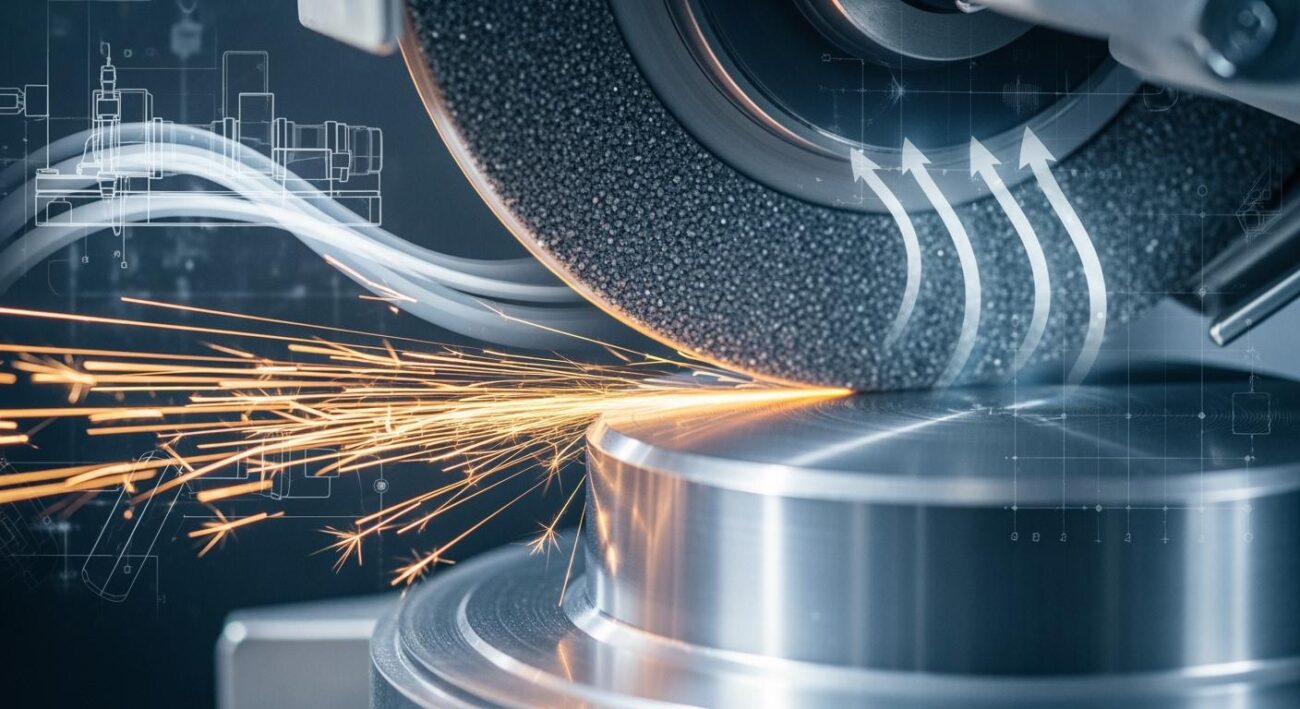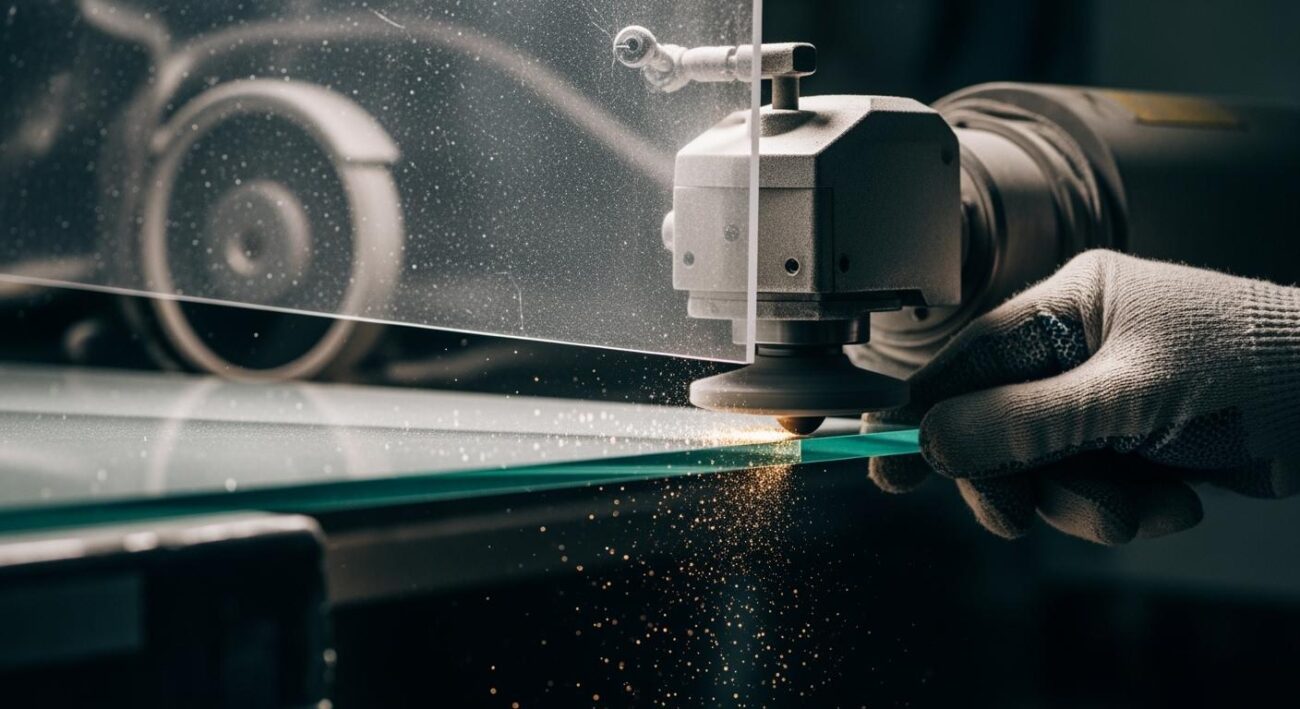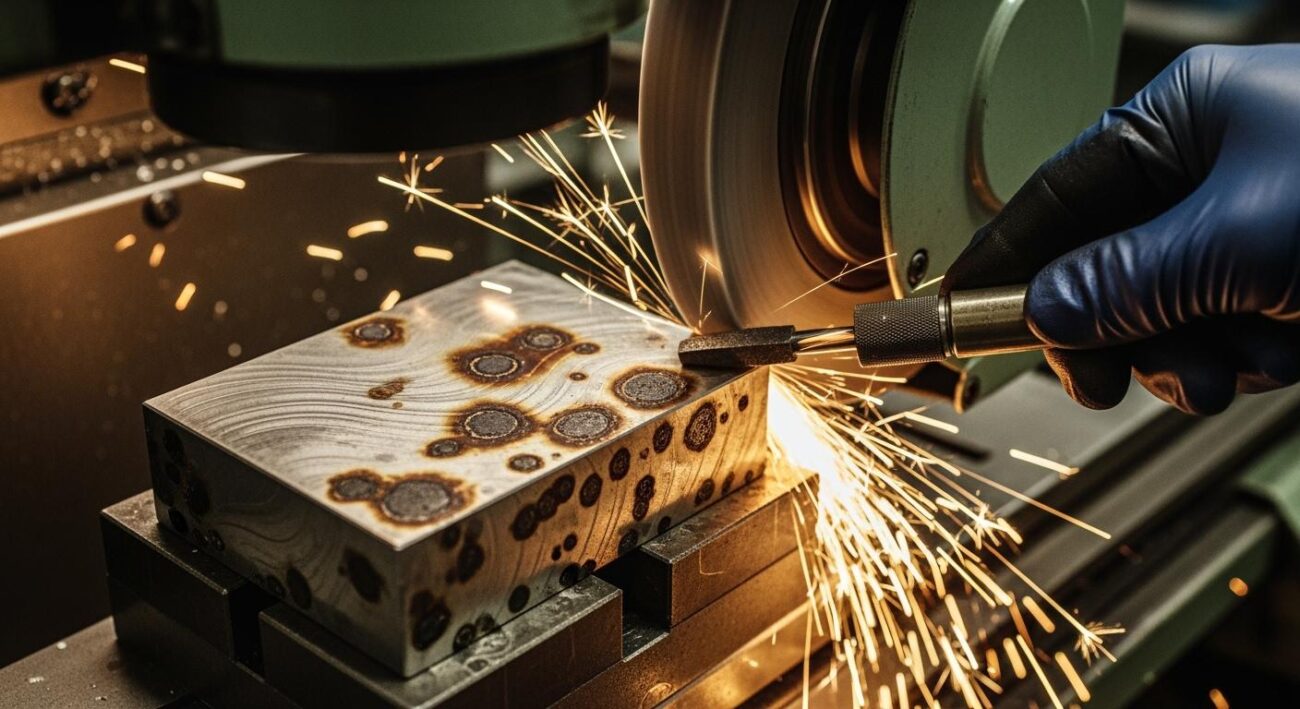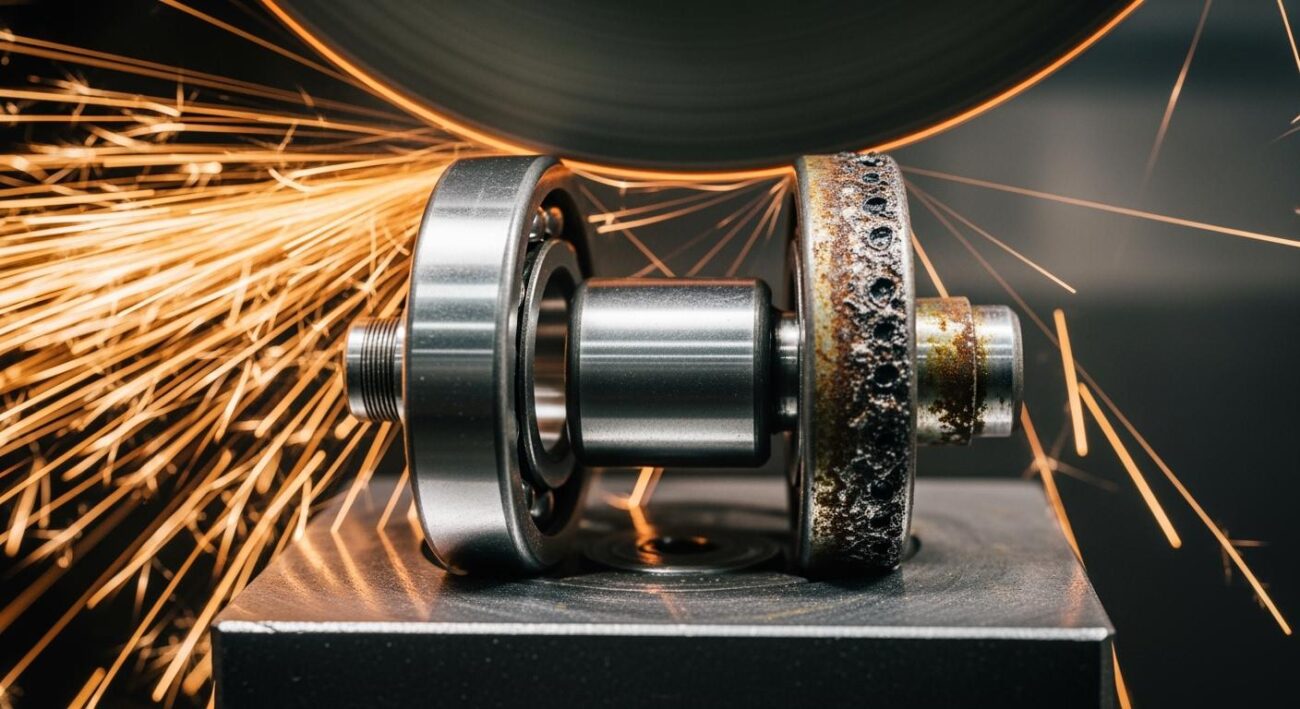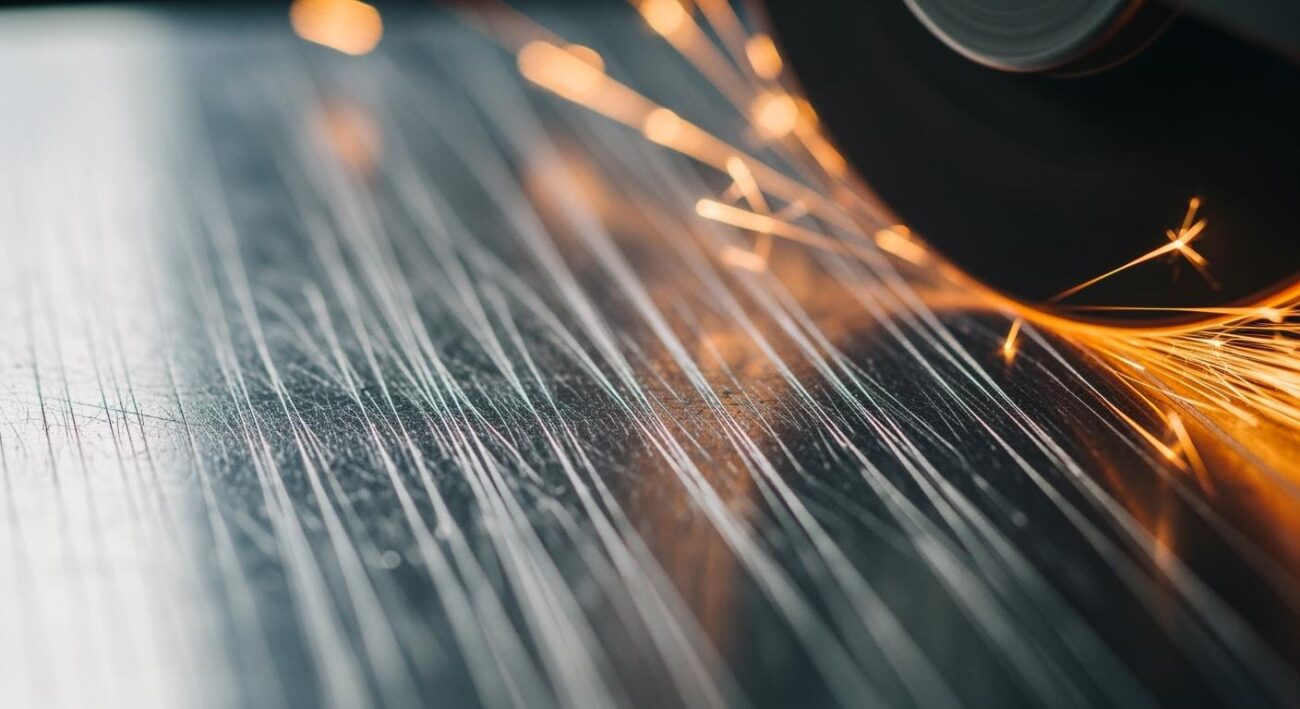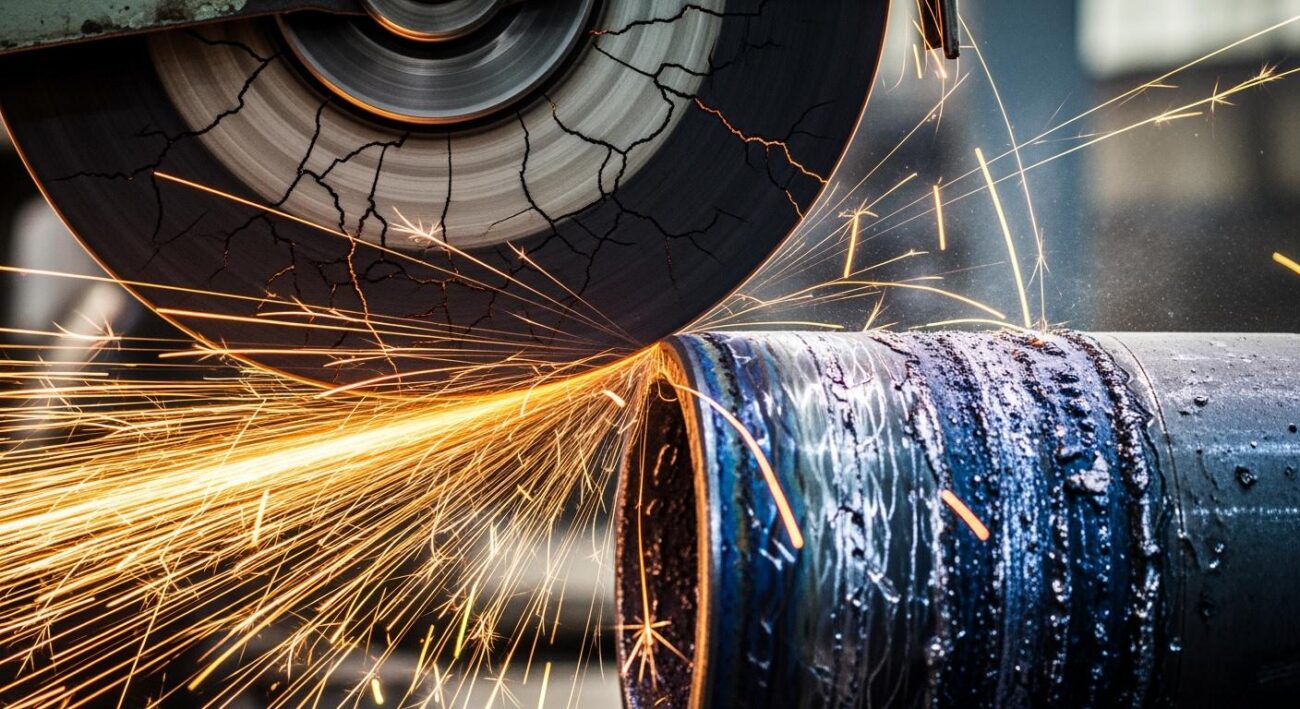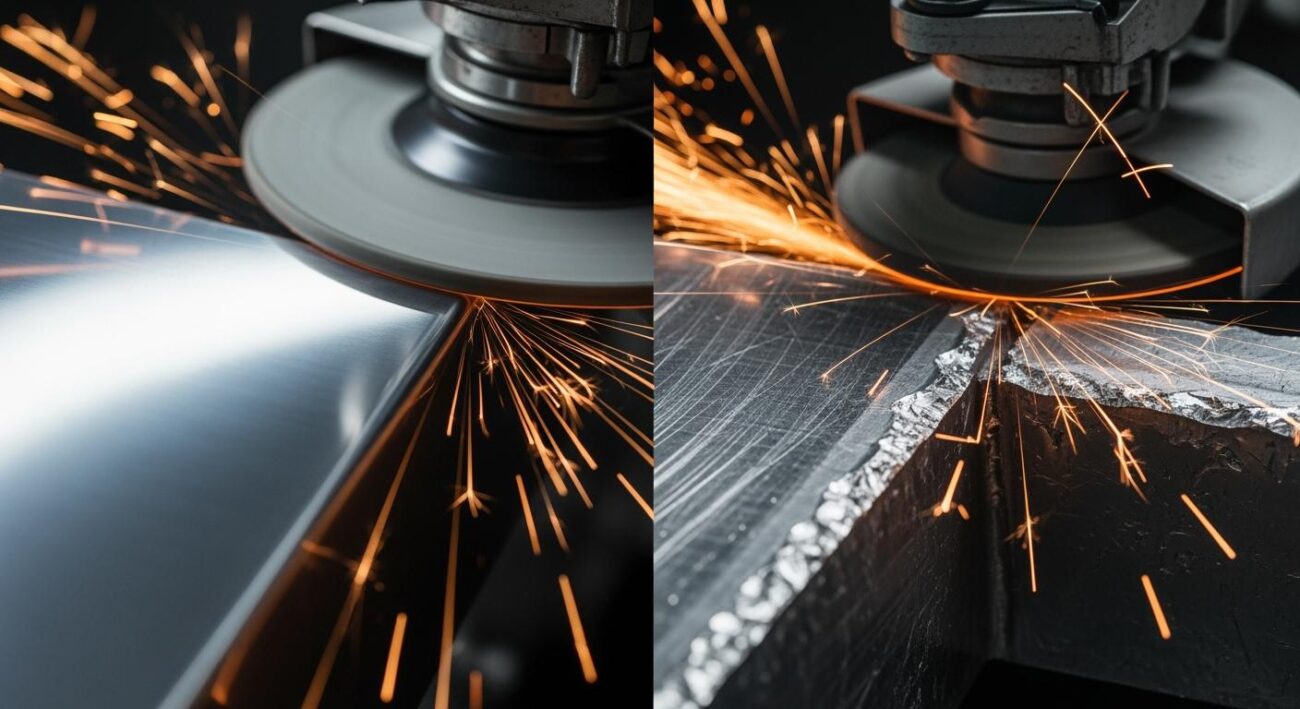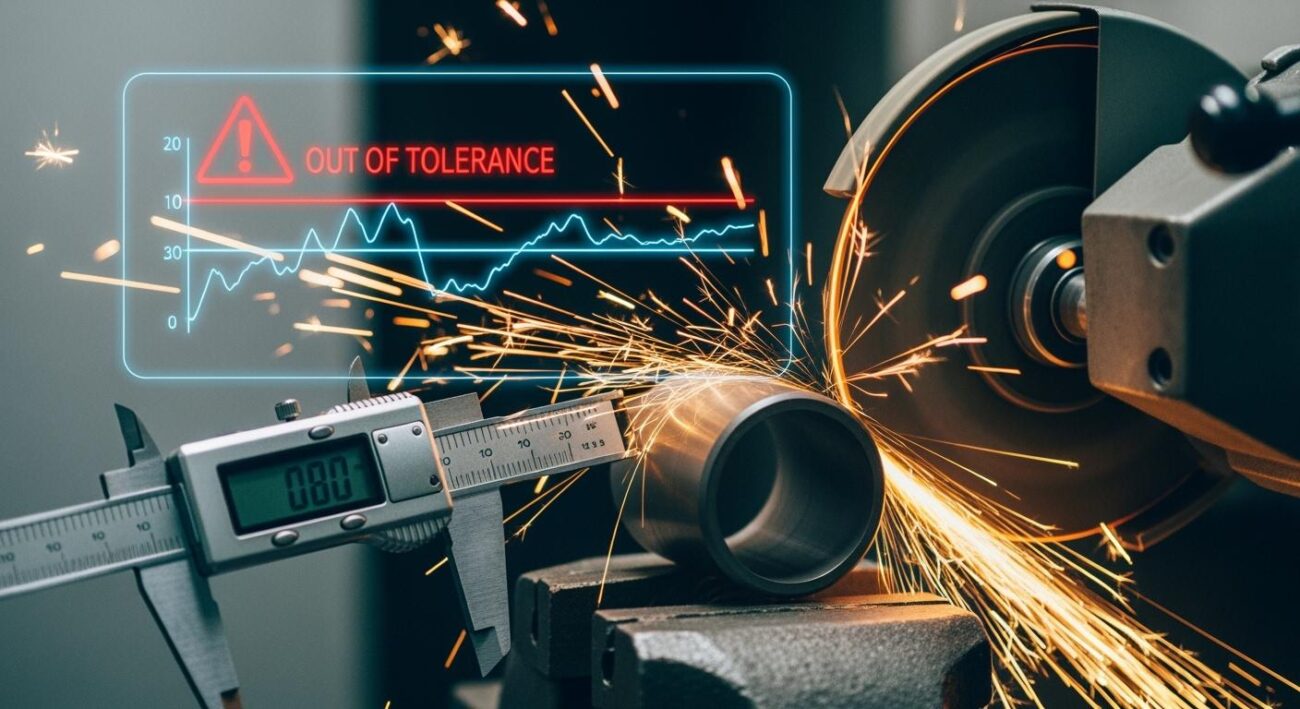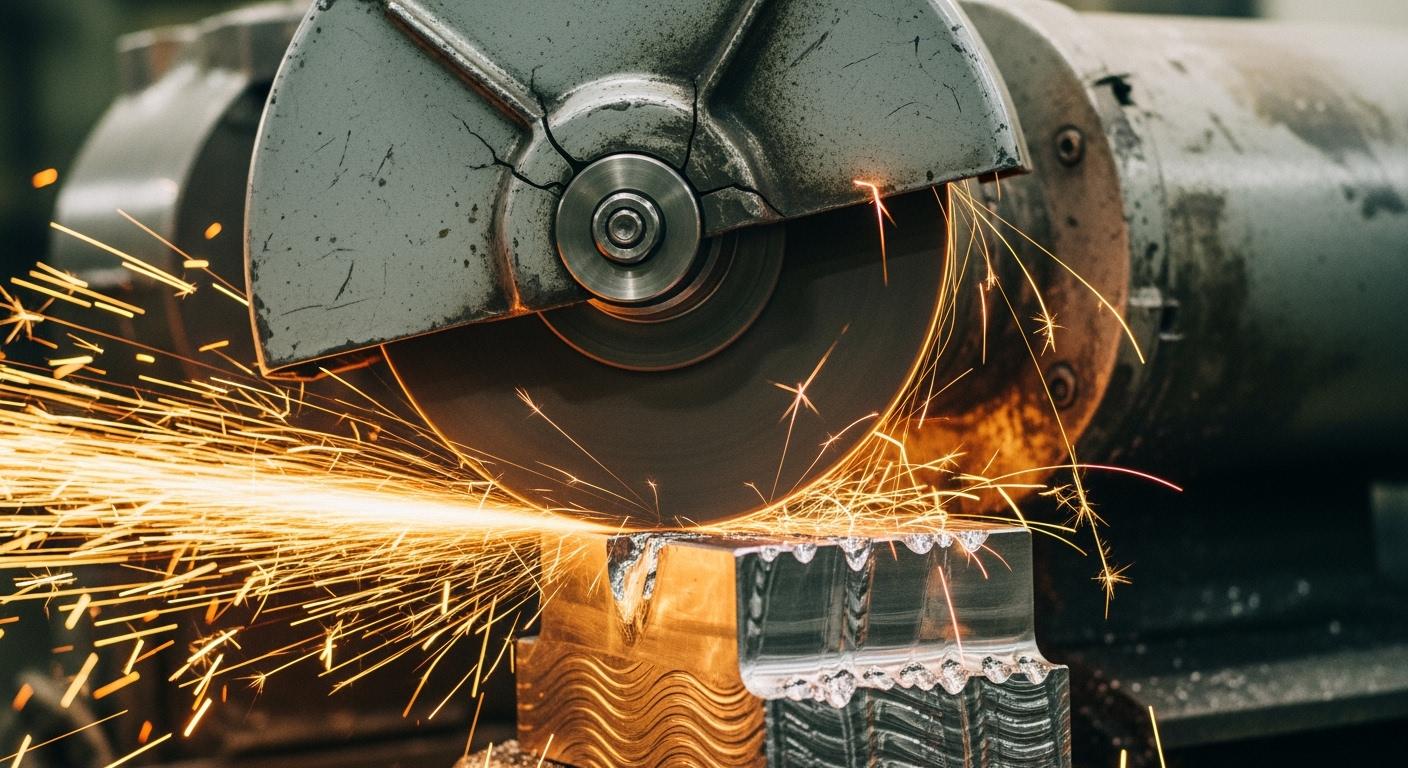
Insufficient machine rigidity creates many common grinding problems. These current grinding challenges often appear as critical defects.
- Chatter marks and vibration
- Poor surface finish
- Dimensional inaccuracy
- Reduced grinding wheel life
What is Rigidity?
Rigidity is the ability of machines to resist bending and vibration under grinding forces. When machines lack this quality, their grinding performance suffers. This directly impacts precision. Solving these grinding problems is key to achieving the necessary accuracy and precision for high-quality grinding.
Key Takeaways
- Poor machine rigidity causes many grinding problems. These include chatter marks, bad surface finish, and inaccurate parts.
- Common causes of poor rigidity are unstable foundations, worn machine parts, and bad workpiece clamping. Machine design can also limit rigidity.
- You can improve rigidity by checking for deflection and wear. You can also strengthen the machine’s base and clamp parts better.
- Adjusting grinding settings helps. Use lighter cuts and slower speeds. Special grinding wheels can also reduce force on the machine.
Common Grinding Problems from Poor Rigidity
Insufficient rigidity is a direct cause of many frustrating grinding problems. When a machine cannot resist grinding forces, the quality of the work suffers. This leads to visible defects and a loss of precision. Understanding these issues is the first step toward a solution.
Chatter and Vibration Marks
Chatter marks are a tell-tale sign of poor rigidity. These defects appear as a periodic, wavy pattern on the grinding surface. The pattern is usually visible to the naked eye and runs perpendicular to the grinding direction. This happens when machine vibration or deflection causes the grinding wheel to lose consistent contact with the workpiece. The intermittent contact creates a distinct, unacceptable texture.
Poor Surface Finish
A non-rigid machine will struggle to produce exceptional finishes. You might use a fine-grit wheel, but micro-vibrations from a loose setup will still create a rough surface. These tiny movements prevent the wheel from creating a smooth, uniform finish. The final surface finish quality depends heavily on a stable grinding process, which is impossible without machine stiffness.
Dimensional and Geometric Inaccuracy
Lack of rigidity directly impacts accuracy. Machine components deflect under grinding pressure, causing dimensional errors.
- Taper: Tool deflection can cause a part to be ground to a smaller diameter at one end than the other. This is a common example of shaft grinding defects.
- Out-of-Roundness: Vibration can prevent a perfectly cylindrical shape.
- Failed Tolerances: Holding demanding tolerances for high-tolerance components becomes nearly impossible. Features like thin walls are especially difficult to machine with precision.
This loss of accuracy is a major failure in precision component production.
Rapid Grinding Wheel Wear
A non-rigid setup accelerates grinding wheel wear. The vibrations and inconsistent forces cause the wheel to wear unevenly. This irregular wear reduces cutting performance and can even damage the workpiece. The result is a cycle of poor quality, frequent wheel dressing, and reduced wheel life, which increases operational costs and downtime.
Root Causes of Insufficient Rigidity
Identifying the source of poor rigidity is crucial for effective problem-solving. The issue often stems from the machine’s foundation, worn internal parts, improper setup, or even the machine’s original design. Understanding these root causes helps diagnose and correct grinding challenges.
Unstable Machine Foundation
A solid foundation is the first requirement for precision grinding. The entire machine rests on this base. Vibrations from nearby equipment, like punch presses, can travel through the floor and cause resonance in the grinder.
Quick Tip: Mitigating Floor Vibration
Simple solutions can make a big difference. Placing thick rubber pads under the machine’s feet helps absorb shock. Also, ensure the machine is perfectly level. For more advanced isolation, some shops build massive concrete seismic blocks to shield sensitive machines from external vibrations.
Worn Machine Components
Over time, the internal components of grinding machines wear out. This wear introduces looseness, or “slop,” which is a direct cause of poor rigidity.
- Worn Spindle Bearings: Failing spindle bearings are a primary culprit. Signs include unusual noises, excessive vibration, and a sudden increase in temperature. This wear directly impacts accuracy and machine reliability.
- Compromised Ball Screw Assembly: The ball screw controls precise axis movement. Wear in the assembly, especially in the thrust bearings, creates backlash. This is a delay in movement when an axis changes direction, making it impossible to hold tight tolerances.
Inadequate Workpiece Clamping
Rigidity issues can also begin with the setup itself. An insecure workpiece will move and vibrate during grinding, no matter how rigid the machine is. Following the 3-2-1 Principle helps secure parts by defining their position on three separate planes. For irregularly shaped parts, custom-machined soft jaws provide a secure grip without causing distortion. Extending a grinding wheel quill too far also reduces system stiffness, leading to deflection and inaccuracy, a common problem for a centerless grinding machine.
Machine Design Limitations
Sometimes, the machine’s inherent design is the limiting factor. Older machines may have frames built from materials that are less effective at damping vibration compared to modern alternatives. Today, many high-performance machines use high-rigidity frames made from polymer concrete or other mineral casts. These advanced materials absorb vibration far better than traditional cast iron, providing a stable platform for high-precision grinding operations.
Solutions for Better Grinder Rigidity
Identifying the root cause of poor rigidity is the first step. The next is implementing effective solutions. A systematic approach, from the machine’s foundation to the grinding wheel itself, can restore precision and enhance performance. These solutions will help you achieve higher accuracy and productivity in your grinding operations.
Conducting a Rigidity Assessment
Before making changes, you must diagnose the problem. A thorough assessment helps pinpoint where the lack of stiffness originates. This is not a guessing game; it requires methodical inspection.
- Check for Deflection: Use a dial indicator to measure deflection. Place the indicator on a stable surface and apply pressure to components like the spindle, workhead, and tailstock. Excessive movement under load is a clear sign of a problem.
- Verify Bearing Preload: Spindle bearings must have the correct preload to function properly. Too little preload introduces play, while too much can cause overheating. Check the manufacturer’s specifications and test the spindle for any axial or radial movement.
- Inspect Guideways: Worn or damaged guideways are a common source of instability. Conduct regular inspections to look for signs of wear.
Fault Manifestation Possible Causes Scratches or Scoring Abrasive particles, lack of lubrication, or improper material compatibility. Uneven Wear Patterns Misalignment, improper loading, or loose gibs. Corrosion or Pitting Exposure to moisture or corrosive coolants without proper maintenance. Excessive “Play” or Looseness Worn components, loose mounting bolts, or improperly adjusted gibs.
Regular inspections, performed monthly or more often on heavily used machines, can catch these issues early. Addressing worn components by tightening, lubricating, or replacing them is critical for restoring rigidity.
Strengthening the Foundation
A grinder is only as stable as the ground it sits on. A weak or improperly prepared foundation will transmit external vibrations and fail to dampen the machine’s own operational forces.
One of the most robust solutions is pressure grouting. This process involves injecting a specialized compound to create a solid, monolithic structure between the machine base and the concrete floor.
- Grout Compounds: Professionals use materials like cement, resins, or epoxy grouts. Epoxy grout is excellent for creating a strong, unified base for rotating equipment.
- The Process: This involves preparing the concrete surface by removing the weak top layer (laitance), drilling injection holes, and pumping the grout under pressure to fill every void.
For less permanent but still effective solutions, consider using high-quality leveling mounts and vibration damping pads. These accessories offer excellent vibration isolation, protecting the machine from external shocks and reducing the transmission of its own vibrations. This simple step can improve precision, reduce noise, and lower long-term maintenance costs on all types of machines.
Optimizing the Setup
Even the most rigid machine will produce poor results if the workpiece itself is not held securely. A proper setup is essential for preventing vibration and deflection during the grinding process.
For long or slender parts, additional support is non-negotiable.
Using a tailstock and steady rest is fundamental for achieving concentricity and preventing “whip” in cylindrical grinding. These accessories create a fixed rotational axis and provide mid-span support, drastically increasing the workpiece’s stiffness. This stability is essential for maintaining the designated centerline and achieving tight tolerances.
Proper clamping is just as important. The goal is to secure the part without introducing stress or distortion.
- Place Clamps Strategically: Position clamps over key load-bearing areas of the fixture to prevent micro-vibrations.
- Use Damping Elements: Incorporate materials like rubber pads under clamps to help absorb and dissipate energy.
- Avoid Over-Constraining: Using too many clamps can create unpredictable stress points. Secure the part firmly but allow for natural thermal expansion.
Optimizing Grinding Parameters
If a machine has inherent rigidity limitations, you can often compensate by adjusting the grinding process itself. Reducing the forces exerted on the machine is a direct way to improve results.
- Reduce Depth of Cut and Feed Rates: The simplest adjustment is to take lighter passes. A smaller depth of cut and a slower feed rate will significantly lower the grinding forces, reducing the likelihood of deflection and chatter.
- Use a Free-Cutting Wheel: A “free-cutting” wheel, often one with a coarser grit and softer grade, removes material more efficiently. This cool-cutting action reduces the load on the machine, which is especially helpful when grinding large surface areas.
For the most demanding grinding applications, especially with hard materials like ceramics or tungsten carbide, upgrading your grinding technology is key. A high-performance wheel can dramatically improve cutting efficiency and reduce the load on the machine. For example, Aimgrind‘s diamond grinding wheels are engineered for this purpose. Their exceptional hardness and superior thermal conductivity allow them to cut through difficult materials with less pressure. This reduces wheel wear, minimizes heat generation, and allows the machine to achieve a better finish, even if it has minor rigidity issues. Investing in advanced grinding technology can elevate the performance of your existing machines.
Poor rigidity directly causes grinding defects like chatter and inaccuracy. The solution requires a systematic approach of diagnosis and improvement. Strengthening machines boosts performance, leading to superior dimensional accuracy and the precision needed to hold tight tolerances. Proactively managing rigidity is a fundamental step for achieving consistent quality and high-precision grinding results.
FAQ
What is the first thing to check for rigidity problems?
Start with the basics. First, ensure your workpiece is clamped securely. A loose part will vibrate regardless of machine condition. Next, use a dial indicator to check for deflection in the spindle and tailstock. These simple checks often reveal the root cause quickly.
Can an old grinding machine be made more rigid?
Yes, older machines can often be improved. Start by inspecting and replacing worn components like spindle bearings and guideways. Strengthening the foundation with leveling mounts or grout also adds significant stability. These upgrades can restore much of the machine’s original precision.
How does a grinding wheel affect rigidity issues?
A grinding wheel can compensate for minor rigidity problems. For example, Aimgrind’s diamond grinding wheels are designed for high cutting efficiency. They reduce grinding forces, which lessens the load on the machine. This helps achieve a better finish even with slight machine limitations.
Is chatter always caused by a lack of rigidity?
Poor rigidity is the most common cause of chatter. However, other factors can contribute. An unbalanced grinding wheel, incorrect wheel dressing, or improper coolant application can also create vibrations. Always start by diagnosing rigidity before exploring these other potential issues.
Contact Us
For More Grinding Solution or Customized Abrasive Tools