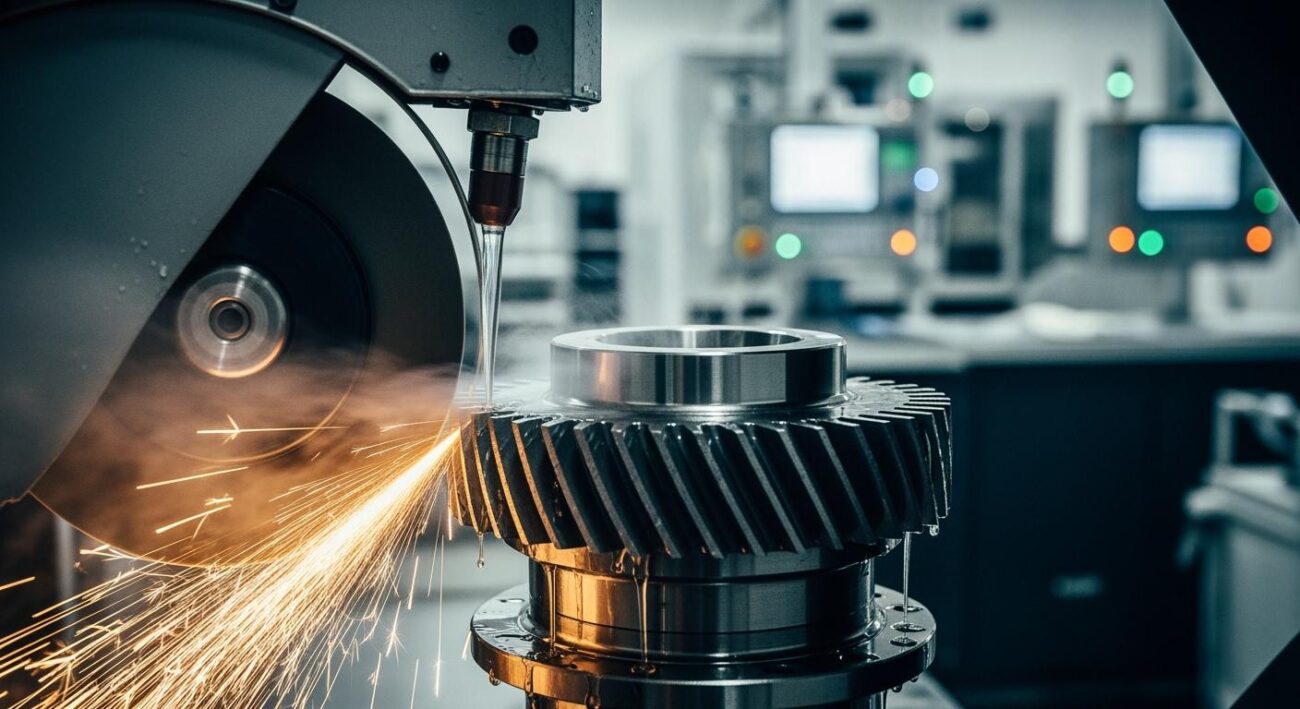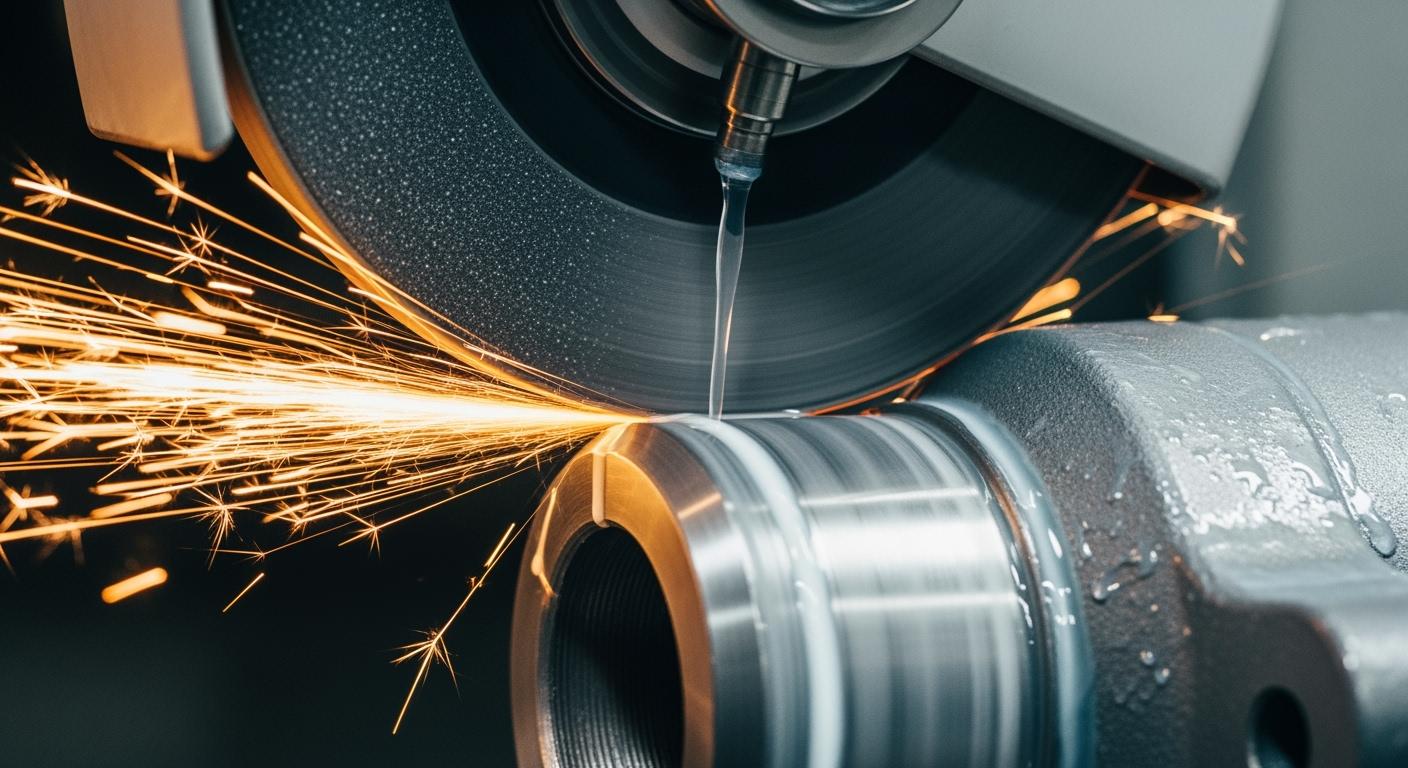
Grinding fluid selection is a primary process variable that dictates the success of any grinding operation. The fluid performs three key jobs in the grinding process: cooling to manage heat, lubrication to reduce friction, and cleaning to clear away debris. A strategic selection directly extends the life of grinding wheels. This process is key to achieving a superior surface finish and holding tight part accuracy. The wrong choice shortens the life of wheels and increases labor time, impacting overall productivity.
Key Takeaways
- Choosing the right grinding fluid is very important for good grinding work. It helps cool the part, makes the wheel smooth, and cleans away dirt.
- Good grinding fluid makes grinding wheels last longer. It reduces rubbing and stops the wheel from getting too hot, which keeps the wheel strong.
- The right fluid helps make a smooth surface on the part. It stops the part from getting burned and keeps the grinding area clean.
- Proper fluid helps keep the part the right size. It stops the part from getting too hot and changing shape, so the part is accurate.
The Foundation: Proper Grinding Fluid Selection
A proper grinding fluid selection is the bedrock of an efficient manufacturing process. Operators often face issues like poor surface finish, workpiece burning, or short wheel life. These problems frequently point back to an incorrect fluid choice. The right fluid addresses these challenges by delivering a balanced performance across several key areas.
Key criteria for fluid selection include:
- Cooling performance
- Lubrication performance
- Cleaning performance
- Rust resistance
- Penetration and settling performance
Making a strategic selection based on these factors optimizes the entire grinding system.
Extend Wheel Life via Lubrication
Lubrication is a fluid’s primary defense for the grinding wheel. During grinding, immense friction occurs between the abrasive grains and the workpiece. This friction generates force and heat, which can wear down or fracture the sharp edges of the abrasive grains. A fluid with high lubricity creates a thin, protective film at the point of contact. This film dramatically reduces friction.
Physics-based models show how a fluid’s lubricating properties directly lower the friction coefficient. For example, certain oils can reduce friction by over 50% compared to less effective methods. This reduction in friction means less force is exerted on the individual grains of the wheels. As a result, the grains stay sharper for longer, the bond holding them is less stressed, and the overall life of the wheel increases significantly. Less wear on the wheels means fewer replacements and more uptime.
Prevent Bond Failure with Cooling
Heat is the greatest enemy of a grinding wheel’s structural integrity. The grinding zone can reach extreme temperatures, sometimes exceeding 1000°C. This intense heat can soften and degrade the bond material that holds the abrasive grains together in the wheels. When the bond fails, grains are prematurely ripped from the wheel, a process known as shedding. This rapidly destroys the wheel’s geometry and cutting ability.
An effective grinding fluid prevents this thermal damage. It works by absorbing and carrying heat away from the contact zone. Water-based fluids are excellent at cooling, but only when the surface temperature stays below a critical point, around 130°C. Above this temperature, the fluid can boil off, losing its cooling effect. A well-chosen fluid maintains contact with the workpiece, ensuring consistent heat removal and keeping the wheel’s bond well within its safe operating temperature. This protection is essential for high-speed grinding operations.
Stop Wheel Loading with Detergency
Wheel loading occurs when tiny chips of the workpiece material get stuck in the pores of the grinding wheel. This debris clogs the wheel, covering the sharp abrasive grains. A loaded wheel stops cutting and starts rubbing. This leads to several problems:
- Excessive vibration and chatter
- Increased grinding forces and temperature
- Workpiece burn and poor surface finish
- Reduced grinding efficiency
The cleaning function, or detergency, of a grinding fluid prevents wheel loading. A fluid with good detergency has properties that actively flush chips and swarf away from the wheel’s surface. This action keeps the pores of the wheel open and the abrasive grains exposed. A clean wheel cuts freely and efficiently. Proper grinding fluid selection ensures the fluid has the right detergency for the material being ground, preventing loading and extending the useful life of the wheels.
Achieving a Superior Surface Finish
The quality of a component’s surface finish is a direct reflection of the grinding process’s precision. A superior surface finish is not just about aesthetics; it is critical for performance, affecting friction, wear resistance, and fatigue life. The grinding fluid is the single most influential factor in achieving a smooth, accurate, and defect-free surface.
Create a Smoother Finish with Lubrication
Lubrication is essential for producing a high-quality surface finish. During grinding, the abrasive grains on the wheels must shear material cleanly. Without proper lubrication, friction causes the metal to tear or smear instead of being cut. This results in a rough, inconsistent surface.
A high-lubricity fluid forms a protective barrier between the grinding wheel and the workpiece. This film reduces friction and allows the abrasive grains to cut more efficiently. Some advanced fluids contain special Extreme Pressure (EP) additives to enhance this effect.
What are EP Additives? EP additives are chemical compounds that react with the metal surface under the intense heat and pressure of grinding.
- Common examples include compounds with sulfur, phosphorus, or chlorine.
- They form a sacrificial layer that is softer than the base metal.
- This layer prevents direct metal-to-metal contact, reducing friction and preventing material from welding to the wheel.
This chemical action ensures a cleaner shear, which is the key to a mirror-like surface finish. The quality of the finish is then measured against industry standards, such as ISO 4287, to verify that the grinding outcomes meet precise specifications.
Prevent Burns with Effective Heat Removal
Grinding burn is a form of thermal damage that can ruin a perfectly good part. It occurs when the grinding process generates excessive heat that is not removed quickly enough. This heat alters the material’s properties, leading to serious defects.
Grinding burn is defined as thermal damage resulting from an improperly controlled grinding process. This rapid heating and subsequent cooling can cause:
- Decreased surface hardness
- Increased residual tensile stress
- Formation of microcracks
- Reduced fatigue resistance of the component
An effective grinding fluid acts as a powerful coolant, absorbing and dissipating heat from the grinding zone. By keeping the workpiece temperature stable, the fluid prevents the metallurgical changes that constitute grinding burn. This protection is vital for maintaining the structural integrity and desired surface properties of the final component. Proper cooling ensures the surface remains free of discoloration and thermal damage.
Ensure a Clean Cut by Flushing Debris
A clean grinding environment is necessary for a consistent surface finish. As the wheels remove material, they create tiny chips and swarf. If this debris is not cleared away, it can get trapped between the wheel and the workpiece, scratching the surface. It also clogs the pores of the grinding wheels, a condition known as loading, which dulls the cutting action.
The cleaning function of a grinding fluid is to flush this debris away from the cutting zone. Effective flushing depends on several factors:
- Flow Rate: The volume of fluid must be sufficient to carry away chips.
- Pressure: High-pressure nozzles can overcome the air barrier rotating with the wheel, delivering fluid directly to the contact point.
- Nozzle Placement: Correctly positioning the nozzle ensures the fluid’s energy is used to clean the wheel and cool the workpiece effectively.
By keeping the grinding interface clean, the fluid ensures that every abrasive grain can make a clean, unobstructed cut. This continuous cleaning action prevents random scratches and defects, leading to a uniform and superior surface finish across the entire workpiece.
Pairing Fluid with Grinding Wheel Selection
A high-performance grinding wheel is a significant investment. However, its benefits are only realized when paired with the correct fluid. The grinding wheel selection and grinding fluid selection are interconnected decisions. Treating them as a system unlocks higher efficiency and quality. This strategic pairing is the key to maximizing the return on your tooling investment.
Maximize Your Investment in Wheel Selection
Operators can achieve ambitious goals by optimizing the entire grinding system. A proper fluid and wheel selection extends the life of the wheels and reduces the need for frequent dressing. This synergy leads to significant economic benefits.
Key Economic Gains:
- Faster material removal rates shorten cycle times.
- Superior surface quality reduces part rejection rates.
- Longer wheel lifespan lowers overall tooling costs.
- Enhanced process stability improves operational efficiency.
This comprehensive approach to wheel selection ensures that the investment in premium wheels delivers measurable gains in productivity and cost savings.
Matching Fluid to Abrasive Type
Different abrasive materials require specific fluid properties to perform optimally. When grinding hard materials like carbide or ceramics, a premium wheel like an Aimgrind diamond grinding wheel demands a fluid with excellent cooling and lubricity. This combination prevents thermal damage and keeps the diamond abrasives cutting efficiently. The right fluid ensures the wheels maintain their sharpness and structural integrity. Aimgrind’s expertise includes total process optimization. This service helps customers with expert grinding wheel selection and fluid recommendations to guarantee perfect compatibility.
Controlling Part Accuracy and Stability
Inadequate cooling during grinding causes thermal expansion. This physical change makes the workpiece expand, compromising dimensional accuracy and leading to out-of-tolerance results. The right fluid selection is critical for managing heat and maintaining stability. A fluid with strong cooling properties removes heat from the grinding zone, preventing the workpiece from expanding. This control is essential for holding tight tolerances on the final part. A stable process, supported by correct grinding wheel selection and fluid management, is fundamental to producing consistently accurate components.
Effective grinding fluid selection directly improves results. The fluid’s lubrication, cooling, and cleaning functions extend the life of grinding wheels, create a better surface finish, and ensure part accuracy. Treating fluid and wheel selection as a single strategic decision is essential for optimizing the entire grinding process. A holistic approach can increase parts per hour by 48.89% and deliver the desired grinding results.
Evaluate your system to unlock better outcomes.
- Track throughput and wear rates.
- Analyze total cost of ownership.
Consulting with Aimgrind experts helps you pair the right fluid with high-performance wheels to achieve significant improvements in cost and quality.
FAQ
How does cutting fluid impact the grinding process?
A proper cutting fluid is essential for an effective grinding process. It cools the workpiece, lubricates the grinding wheels, and cleans away debris. This control over the grinding environment directly improves the final part quality and makes the entire process more efficient.
What happens if the wrong cutting fluid is used?
Using the wrong cutting fluid leads to poor results. Operators may see a bad surface finish on a part, thermal damage, or rapid wear on the grinding wheels. An incorrect cutting fluid compromises the entire grinding process and increases operational costs.
Does the type of grinding wheel affect fluid choice?
Yes, the wheel type is critical. High-performance wheels, like diamond wheels for hard material grinding, need a specific cutting fluid. The right fluid enhances the performance of the wheels. This pairing optimizes the grinding process for a specific part and material.
How does a cutting fluid help maintain part accuracy?
A cutting fluid maintains part accuracy by controlling heat. The grinding process generates intense heat, causing a part to expand. A good fluid removes this heat. This thermal stability prevents expansion, ensuring the finished part meets precise dimensional specifications.