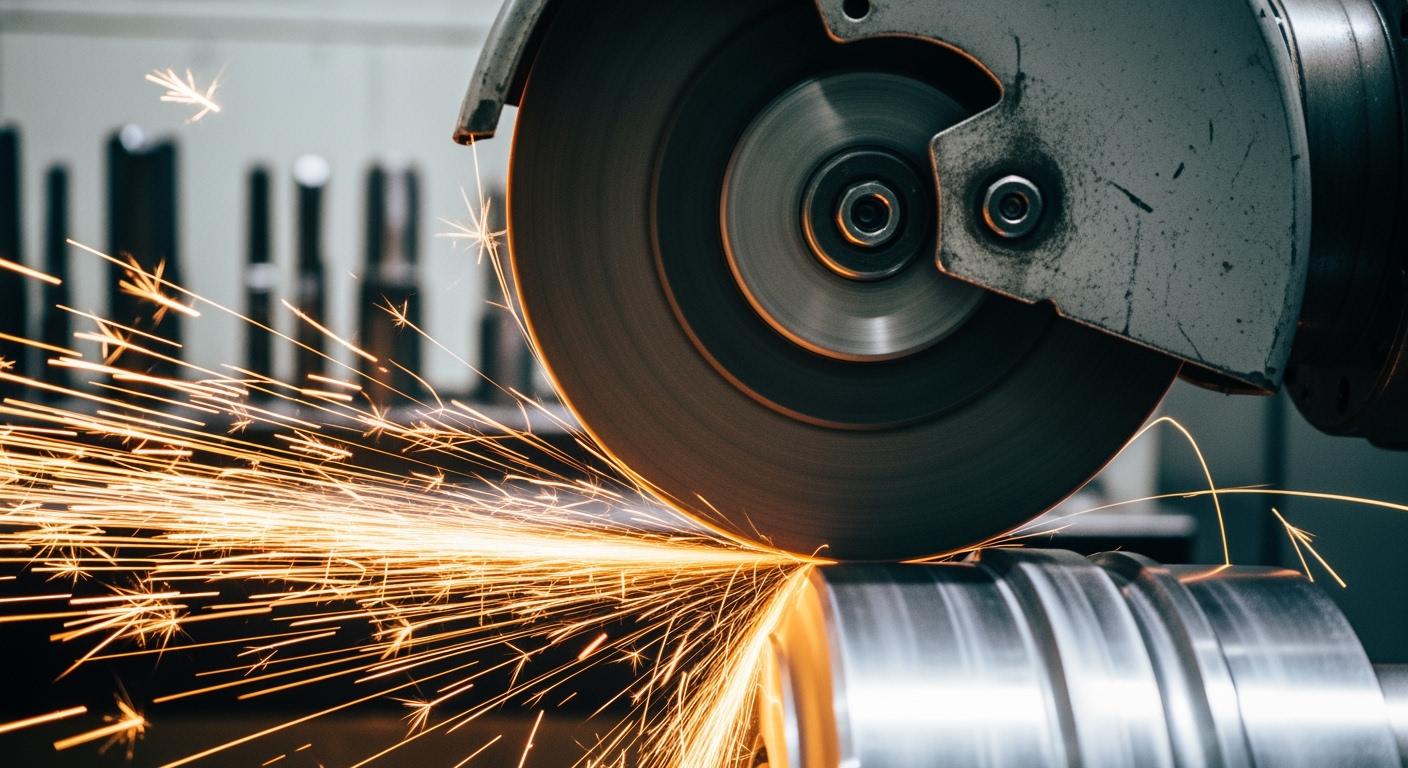
You can extend grinding wheel life in superalloy grinding by choosing the right tools and using smart techniques. When you use a high-quality grinding wheel, like Aimgrind diamond grinding wheels, you will see real benefits. Many manufacturers report over 40% less downtime and 40% lower abrasive costs when they optimize their grinding process.
| Metric | Percentage Improvement |
|---|---|
| Downtime Reduction | 40%+ |
| Direct Abrasive Cost Savings | 40% |
You will save money and keep your machines running longer with these simple steps.
Key Takeaways
- Choose high-quality diamond grinding wheels for superalloy grinding. They offer unmatched durability and can last up to 80 times longer than resin wheels.
- Optimize your grinding parameters, including speed and feed rates. Aim for a wheel speed of 15-20 m/s to minimize wear and improve efficiency.
- Maintain clean and effective coolant systems. Proper coolant flow reduces heat and extends grinding wheel life, leading to better surface finishes.
- Regularly dress and true your grinding wheels. This maintenance keeps them sharp and improves the quality of your workpiece.
- Train operators on best practices for grinding. Skilled operators can adjust parameters and monitor wear, ensuring optimal performance.
Grinding Wheel Selection for Superalloys
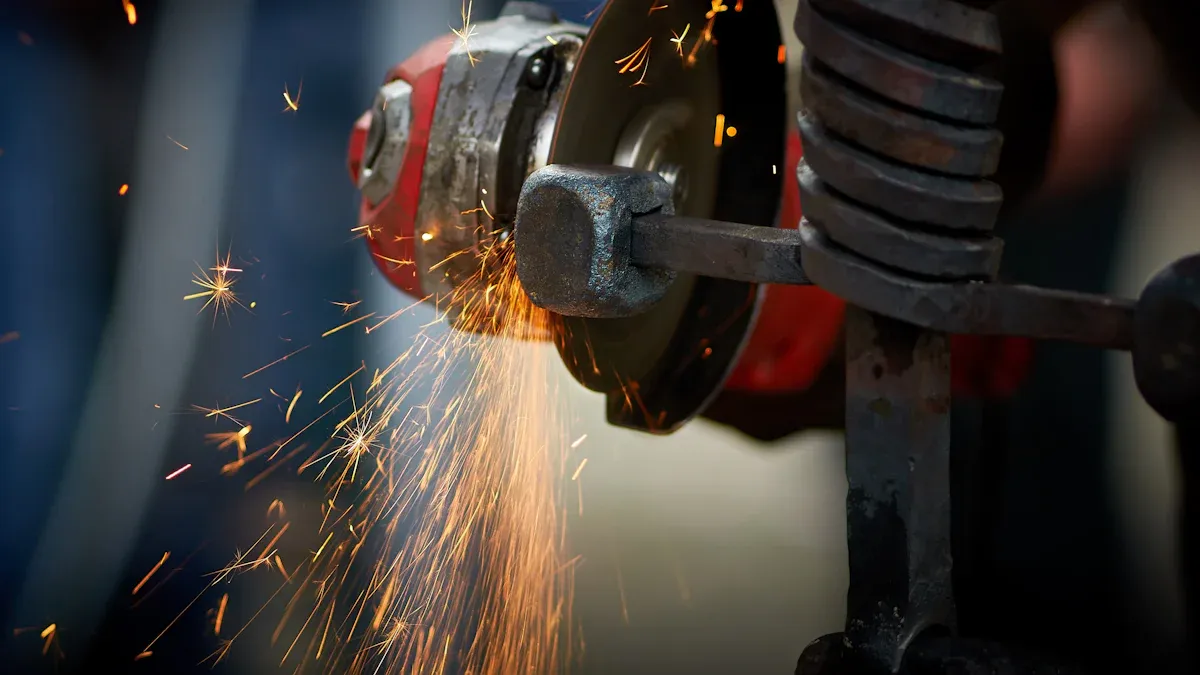
Choosing the right grinding wheel is the first step to improving your results when working with superalloys. You need a wheel that can handle tough materials and deliver consistent performance. Aimgrind offers diamond grinding wheels that are designed for high-performance materials like superalloys. These wheels help you achieve precise finishes and reduce downtime.
Choose Diamond Grinding Wheels
Diamond grinding wheels stand out as the best choice for superalloy grinding. You get unmatched hardness and durability. Diamond is the hardest material on Earth. This property allows you to grind superalloy components with ease. You can see the difference in performance when you compare diamond wheels to other abrasive wheels.
| Property/Material | Description |
|---|---|
| Hardness | Diamond is the hardest material on Earth, making it effective for grinding very hard materials. |
| Applications | Suitable for grinding composite materials, ceramics, carbides, and some non-ferrous metals. |
| Limitations | Not typically used for grinding steels or iron-based superalloys due to potential chemical reactions at high temperatures. |
Aimgrind diamond grinding wheels use industrial-grade diamond powder. You get up to 80 times longer service life than resin wheels. You also benefit from high grinding efficiency and stable dimensions. These wheels produce minimal dust, odor, and heat. You can use them for tough materials, including superalloys. Aimgrind customizes each wheel to match your equipment and process. You receive a wheel that fits your needs and delivers consistent results.
| Feature | Aimgrind Diamond Grinding Wheels | General Diamond Grinding Wheels |
|---|---|---|
| Abrasive Type | Industrial-grade diamond powder | Ultra-hard abrasive |
| Service Life | Up to 80x longer than resin wheels | Varies by brand |
| Grinding Efficiency | High efficiency & stable dimensions | Generally high |
| Environmental Impact | Minimal dust, odor & heat | Varies by brand |
| Application Suitability | Tough materials, including superalloys | Varies, often better for cbn grinding wheel due to compatibility issues |
You can also consider cbn grinding wheel for some iron-based superalloys. CBN wheels offer good performance, but diamond wheels excel with non-ferrous and composite superalloys.
Match Bond Type and Structure
You must match the bond type and structure of your grinding wheel to the specific superalloy you are working with. The bond holds the abrasive grains together and affects how the wheel wears. Aimgrind offers resin, metal, and vitrified bonds. Each bond type suits different grinding conditions.
- Resin bonds work well for high-speed grinding and tough superalloys.
- Metal bonds provide precision and durability for hard alloys and ceramics.
- Vitrified bonds offer stability and shape retention for demanding applications.
You need to consider the structure of the wheel. The grain size, porosity, and wheel shape all affect performance. Studies show that wear rates vary across the wheel surface. Adhesion and grain fracturing happen in peak regions. Wheel loading occurs in valleys. You must select the right bond and structure to reduce wear and improve grinding results.
- Careful selection of grinding parameters is important for superalloys.
- Adhesion and grain fracturing can affect wheel life.
- Wheel loading impacts performance and finish.
- Systematic studies help optimize grinding for high-performance materials.
Aimgrind helps you choose the best wheel for your application. You get personalized selection and formula design. Aimgrind’s team diagnoses your grinding challenges and matches parameters to your process. You receive sample optimization and ongoing support. You can trust Aimgrind to deliver quality wheels that extend grinding wheel life and improve productivity.
Tip: Always consult with Aimgrind experts to select the right grinding wheel and bond type for your superalloy grinding needs. You will achieve better results and save costs.
Optimize Parameters to Extend Grinding Wheel Life
You can extend grinding wheel life by optimizing your grinding parameters. When you set the right speed and feed, you reduce wear and improve efficiency. You also protect your grinding wheel from damage. Careful control of grinding temperature helps you avoid thermal cracks and keeps your wheel life longer.
Adjust Speed and Feed
You need to pay close attention to speed and feed when grinding superalloys. These parameters affect how fast your wheel wears and how well you finish your parts. If you set the speed too high, you risk damaging the wheel. If you set it too low, you waste time and increase micro-fracture wear.
Research shows that an optimal wheel speed of 80 m/s minimizes wear and boosts cutting efficiency. Speeds above this cause grains to break apart quickly, which shortens wheel life. Speeds below this increase micro-fracture wear, making the wheel lose its shape faster. You must find the right balance to extend grinding wheel life.
Here are the recommended ranges for grinding superalloys:
| Parameter | Recommended Range |
|---|---|
| Wheel Speed | 15 – 20 m/s |
| Feed Rate | 150 – 200 mm/min |
| Grinding Depth | 0.4 – 0.5 mm |
You should start with these values and adjust based on your machine and material. Aimgrind diamond grinding wheels perform best when you follow these guidelines. You get longer wheel life and better results.
Tip: Monitor your grinding process closely. If you notice excessive wear or poor finishes, adjust your speed and feed. Small changes can make a big difference in wheel life.
Control Grinding Temperature
Grinding superalloys generates a lot of heat. High temperatures can damage your grinding wheel and reduce its life. You need to control grinding temperature to protect your wheel and your workpiece.
Advanced cooling techniques help you keep temperatures low. Ultrasonic vibration-assisted grinding and nanofluids with internal cooling wheels work well. These methods reduce thermal damage and extend grinding wheel life. You can use Aimgrind diamond grinding wheels with these cooling systems for even better performance.
You should always check your coolant flow and make sure it reaches the grinding zone. Clean coolant keeps your wheel life longer and prevents overheating. If you use the right cooling methods, you avoid cracks and chips in your grinding wheel.
- Use ultrasonic vibration-assisted grinding for tough jobs.
- Try nanofluids with internal cooling wheels for advanced cooling.
- Keep your coolant clean and flowing to extend grinding wheel life.
Note: Temperature control is key to maximizing wheel life. If you see signs of overheating, stop and check your cooling system. Protect your grinding wheel and your parts by keeping temperatures low.
You can extend grinding wheel life by adjusting speed, feed, and temperature. Aimgrind diamond grinding wheels give you the best results when you optimize these parameters. You save money, reduce downtime, and keep your grinding wheels working longer.
Cooling and Lubrication in Superalloy Grinding
Select Effective Coolant
You need to choose the right coolant for superalloy grinding. Coolants help control heat and reduce friction during grinding. The best coolants improve surface quality and extend the life of your grinding wheel. You can see the differences in performance by comparing cooling methods.
| Cooling Method | Impact on Grinding Performance | Impact on Wheel Longevity |
|---|---|---|
| Minimum Quantity Lubrication | Reduces surface roughness and grinding forces | Improves wheel life by minimizing thermal damage |
| Cryogenic Cooling | Reduces grinding temperature and enhances surface quality | Increases longevity by minimizing thermal-related problems |
| Nanofluid-Assisted Cooling | Reduces friction and surface roughness | Enhances wheel life and surface integrity |
You should match the coolant to your material and process. Minimum Quantity Lubrication works well for many superalloy applications. Cryogenic cooling lowers temperatures and protects your grinding wheel. Nanofluid-assisted cooling reduces friction and keeps your grinding wheel in good shape.
Maintain Coolant Flow and Cleanliness
You must keep coolant flowing and clean during grinding. Proper flow rates help remove heat and prevent wheel wear. Most coolant pumps supply pressure between 10 and 30 bar. Common flow rates range from 20 to 200 liters per minute. You can achieve effective cooling at lower flow rates, such as less than 35 liters per minute, if you maintain the correct speed ratio.
Clean coolant is important for grinding superalloys. Clean fluids reduce heat generation and protect your grinding wheel. They help dissipate heat and prevent overheating. Minimum Quantity Lubrication improves lubrication and extends wheel life.
You can follow these best practices for coolant systems:
- Monitor concentration and pH with refractometers and pH meters.
- Use filtration and skimming systems to keep fluids clean.
- Train operators to handle coolants safely and check fluids regularly.
Tip: Clean and well-maintained coolant systems help you achieve better surface finishes and longer grinding wheel life. You protect your equipment and improve productivity.
You can extend grinding wheel life by selecting effective coolants and maintaining proper flow and cleanliness. These steps help you get the best results from your grinding process.
Regular Wheel Maintenance
Regular wheel maintenance helps you get the best results from your grinding process. You can extend the life of your grinding wheel and improve the quality of your workpiece. Maintenance includes dressing, truing, and inspecting your wheel for wear. These steps keep your grinding wheels sharp and ready for tough jobs.
Dress and True at Proper Intervals
Dressing and truing restore the shape and cutting ability of your grinding wheels. You need to perform these tasks at proper intervals. When you dress the wheel, you remove worn grains and expose fresh ones. Truing helps you keep the wheel round and balanced. These processes maintain grinding accuracy and prolong wheel life. You also improve the quality of your workpiece, especially when working with superalloys.
Tip: Schedule dressing and truing based on your grinding workload. If you notice a drop in performance or surface quality, dress and true your wheel right away.
You can use simple tools or automated systems for these tasks. Aimgrind recommends following a routine that matches your production needs. Consistent maintenance keeps your grinding wheels in top condition.
Inspect for Wear and Replace
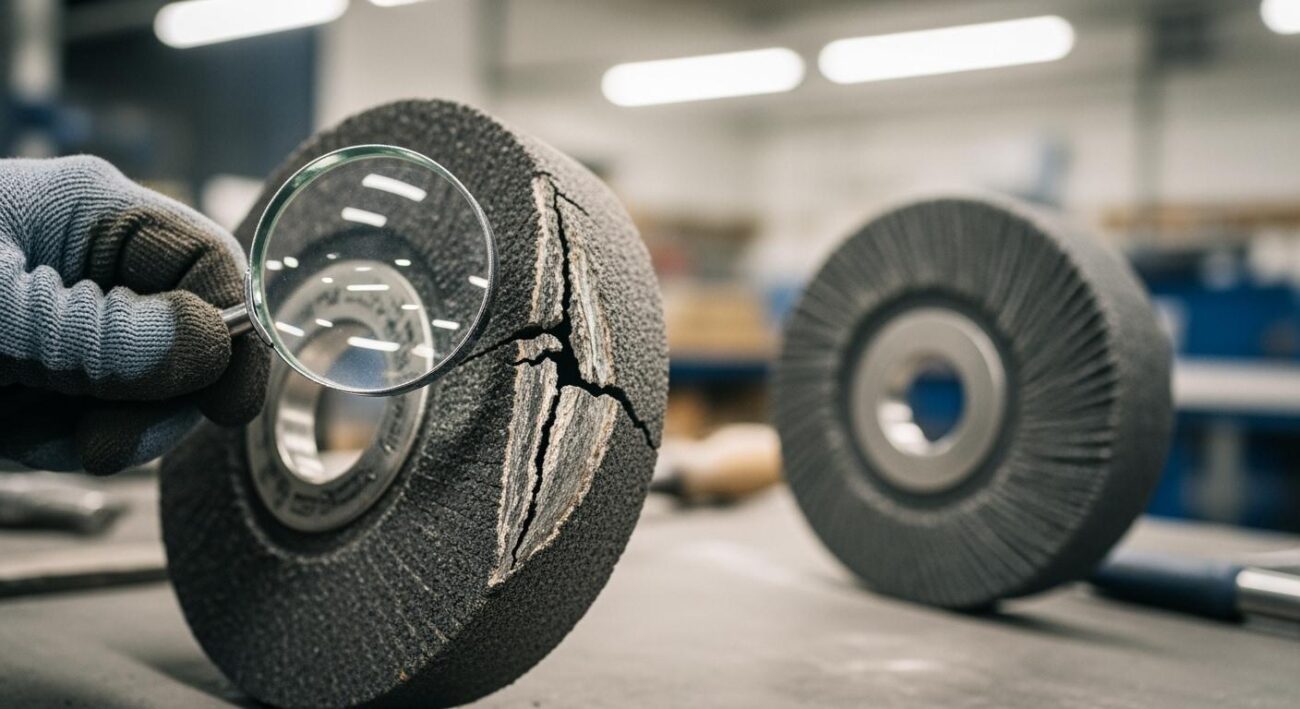
Inspection helps you detect grinding wheel wear before it affects your results. You should check your wheel for cracks, chips, or uneven surfaces. Multi-sensor monitoring methods, such as acoustic emission signals and force signals, work well for superalloy grinding. Advanced algorithms like INFO-SVM analyze these signals and reduce noise. You get accurate and efficient wear evaluation.
| Inspection Method | Benefit |
|---|---|
| Visual Inspection | Quick detection of obvious wear |
| Acoustic Emission Signal | Sensitive to micro-cracks |
| Force Signal Monitoring | Tracks grinding force changes |
| INFO-SVM Algorithm | Improves accuracy and efficiency |
Replace your grinding wheel if you see signs of excessive wear. Using a worn wheel can damage your workpiece and increase downtime. Regular inspection and timely replacement help you maintain high grinding standards.
Note: Keep a log of your inspection results. This record helps you spot patterns and plan maintenance for your grinding wheels.
Machine Setup and Operator Practices
Ensure Rigidity and Alignment
You need to set up your machine with care before you start grinding superalloys. Rigidity matters because a stable machine reduces vibration and keeps your grinding wheel sharp. If your machine shakes or moves, you will see poor surface finishes and faster wheel wear. You should check the alignment of your spindle and workpiece. Misalignment causes uneven grinding and can damage your grinding wheel.
Follow these steps to improve rigidity and alignment:
- Tighten all bolts and fasteners on your machine.
- Check the spindle for runout using a dial indicator.
- Align the workpiece so it sits flat and secure.
- Inspect the grinding wheel mounting for balance.
Aimgrind supports you with expert advice on machine setup. You can contact their team for guidance on matching your grinding wheel to your equipment. Aimgrind’s service process includes problem diagnosis and parameter matching. You get help to optimize your grinding setup for superalloys.
Tip: A rigid and well-aligned machine helps you achieve better grinding results and extends your grinding wheel life.
Train Operators for Best Results
You need skilled operators to get the most from your grinding process. Training helps your team understand how to use grinding wheels safely and efficiently. Operators should learn how to set parameters, monitor wheel wear, and adjust coolant flow.
Here is a simple training checklist:
| Training Topic | Why It Matters |
|---|---|
| Grinding Wheel Selection | Ensures correct wheel use |
| Parameter Adjustment | Reduces wheel wear |
| Coolant Management | Prevents overheating |
| Maintenance Procedures | Extends wheel life |
Aimgrind offers support and training resources. You can access guides and troubleshooting help from their experts. Aimgrind’s comprehensive service ensures your operators know how to handle grinding wheels for superalloy applications.
Note: Well-trained operators reduce mistakes and keep your grinding process running smoothly.
You improve grinding performance and wheel life when you focus on machine setup and operator training. Aimgrind helps you achieve consistent results with their quality products and expert support.
You can extend grinding wheel life in superalloy grinding by choosing the right wheel, setting optimal speed, and keeping your coolant clean. Industry studies show that wheel selection and speed adjustment improve grinding performance and wheel life.
| Study | Findings |
|---|---|
| Dai et al. (2018) | Wheel selection boosts efficiency in grinding superalloys. |
| Zhu et al. (2019) | Optimal speed increases wheel longevity and self-sharpening. |
You also save money and reduce downtime when you follow best practices:
- Predictive maintenance keeps machines running longer.
- Automation speeds up grinding and lowers manual work.
- Efficient dressing extends wheel life and cuts replacement costs.
Aimgrind diamond grinding wheels help you achieve consistent quality and longer wheel life. You get reliable grinding and lower costs.
FAQ
What is the best way to extend grinding wheel life in superalloy grinding?
You should select a high-quality diamond grinding wheel, like those from Aimgrind. Adjust your grinding parameters, keep your coolant clean, and perform regular maintenance. These steps help you achieve longer wheel life and better results.
How often should you dress and true your grinding wheel?
You should dress and true your grinding wheel whenever you notice a drop in performance or surface quality. For heavy use, check your wheel daily. For lighter use, weekly checks work well.
Can you use Aimgrind diamond grinding wheels for all superalloys?
You can use Aimgrind diamond grinding wheels for most non-ferrous and composite superalloys. For iron-based superalloys, consider CBN wheels. Always consult Aimgrind experts for the best match.
What coolant works best for superalloy grinding?
You get the best results with minimum quantity lubrication, cryogenic cooling, or nanofluid-assisted cooling. These coolants reduce heat and extend wheel life.
Tip: Always keep your coolant clean and flowing to protect your grinding wheel.