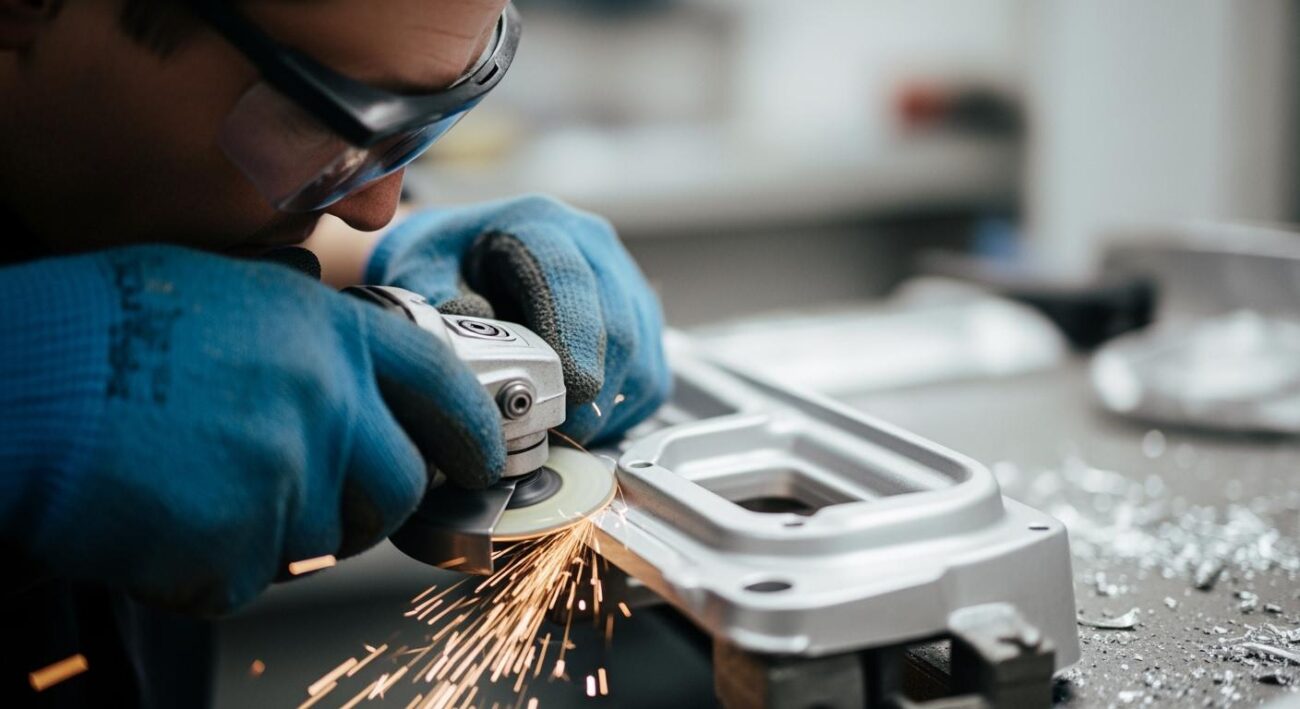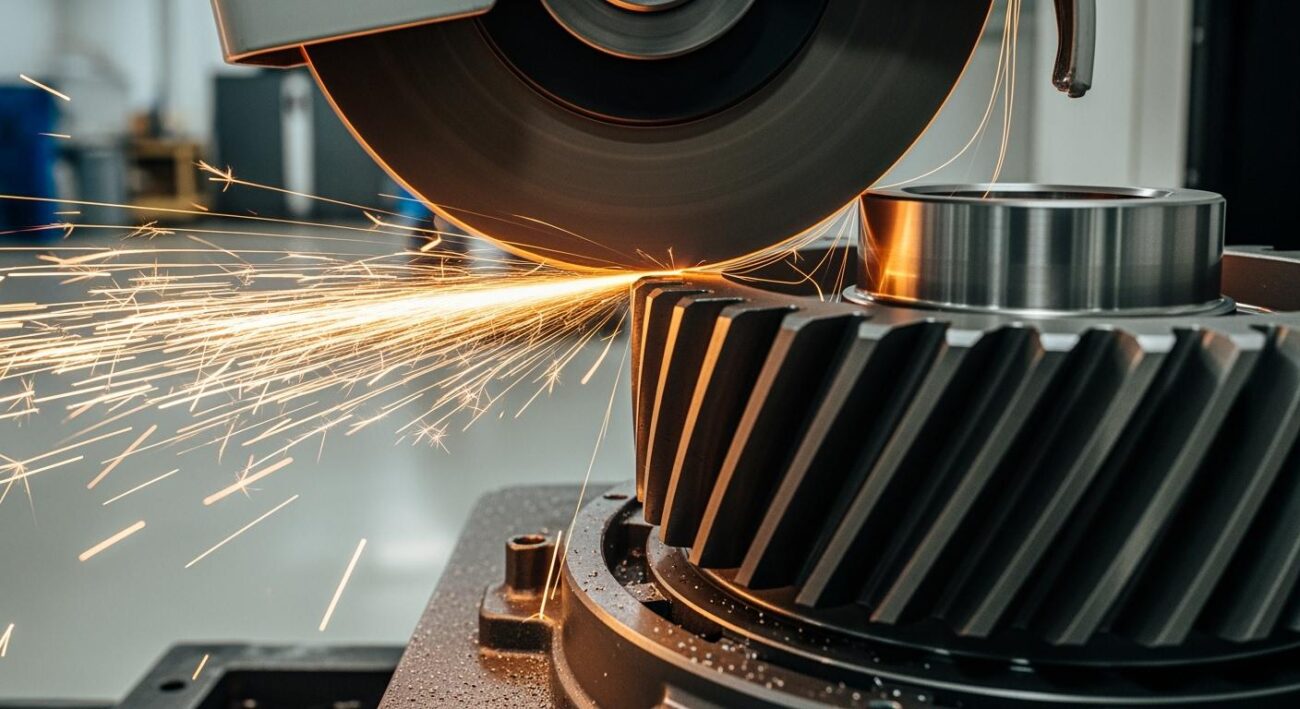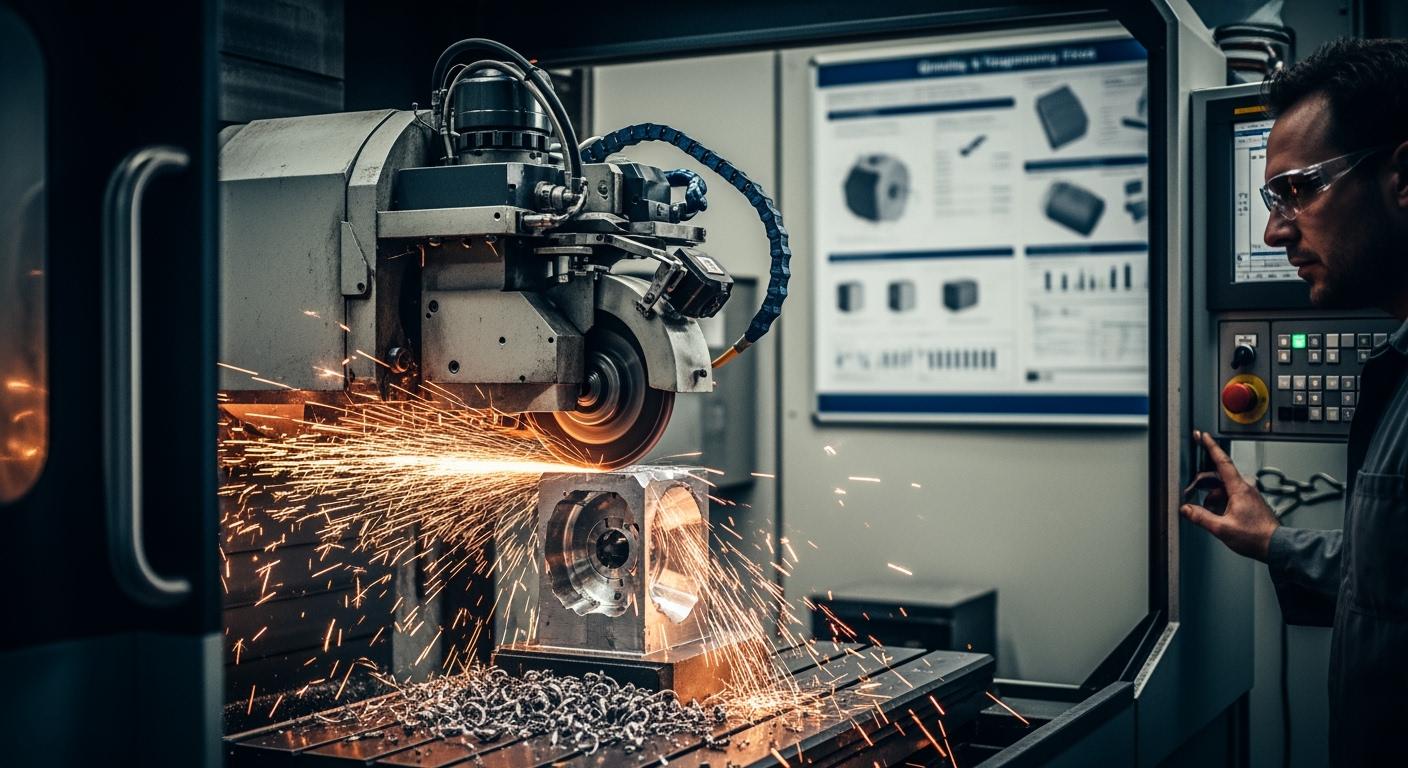
You need efficient grinding solutions when working with aluminum and magnesium alloys. These metals require efficient grinding solutions because they clog traditional wheels and overheat easily. You can achieve the best results by choosing specialized tools like Aimgrind’s diamond grinding wheels. Efficient grinding solutions give you faster material removal, smoother finishes, and longer tool life. Efficient grinding solutions help you overcome challenges such as wheel loading and heat buildup. You should always select efficient grinding solutions that boost your productivity and keep you safe. Customized solutions from Aimgrind ensure you get the right match for your needs.
Key Takeaways
- Choose specialized diamond grinding wheels for aluminum and magnesium alloys. These tools provide high efficiency and longer tool life.
- Use the right abrasives like aluminum oxide or silicon carbide for aluminum machining. This choice helps maintain quality and reduces clogging.
- Apply grinding aids such as calcium stearate wax to prevent wheel loading. This step improves efficiency and keeps your tools effective.
- Adjust your grinding speed and feed rates carefully. Proper settings enhance surface finish and prevent overheating during machining.
- Always prioritize safety when working with magnesium alloys. Use protective gear and maintain a clean workspace to avoid fire risks.
Efficient Grinding Solutions for Alloys
Top Methods for Aluminum and Magnesium
You need the right approach when grinding aluminum and magnesium alloys. These metals play a key role in automotive and aerospace manufacturing. Their lightweight nature helps you improve performance and efficiency in many applications. You can find these alloys in engine parts, frames, and precision components.
You should use specialized abrasives and grinding aids to get the best results. Here are the top methods for grinding these alloys:
- Choose aluminum oxide, silicon carbide, or blends of these abrasives for aluminum alloy machining. These materials give you good performance and help you maintain quality.
- Use zirconia or ceramic abrasives for tougher applications, but remember that these may be more than you need for softer aluminum alloys.
- Apply calcium stearate wax or grinding aids to your abrasive surfaces. This step reduces loading and improves efficiency.
- Start with the finest grit size. This method helps you avoid overheating and keeps the surface finish clean.
- Use grease sticks when working with soft metals like aluminum. Grease sticks prevent loading and keep your grinding wheels effective.
- Clean abrasive surfaces with abrasive cleaners. This practice extends the life of your tools and maintains quality.
- For magnesium alloy machining, focus on their easy machinability. You can create precise parts for automotive and aerospace applications with less effort.
- Always handle magnesium alloys with care. Proper handling ensures safety and keeps your manufacturing process smooth.
Aimgrind’s diamond grinding wheels give you an edge in these applications. You get high performance, long tool life, and consistent quality. These wheels work well for both aluminum and magnesium alloy machining. You can also request customized solutions from Aimgrind to match your specific manufacturing needs.
Tip: Use coarse-toothed saw blades when cutting aluminum alloys. This method reduces clogging and improves cost-effectiveness.
Key Factors for Efficiency
You must consider several factors to boost efficiency when grinding aluminum and magnesium alloys. The right choices help you achieve high performance and quality in every application. Here is a table that shows the main factors and their impact on grinding efficiency:
| Factor | Impact on Grinding Efficiency |
|---|---|
| Abrasive Material | Zirconium corundum gives you the highest material removal rate and the lowest adhesion rate. |
| Grinding Pressure | Pressure above 20 N stabilizes adhesion and improves material removal efficiency. |
| Speed of Abrasive Belts | Higher speeds affect grinding noise, energy use, and material removal rate. |
You should select the abrasive material based on your alloy and application. Zirconium corundum works well for high removal rates in demanding machining tasks. Adjust grinding pressure to reach the best balance between speed and quality. Set the speed of your abrasive belts to match your manufacturing goals and the properties of your alloys.
You can improve cost-effectiveness by using grinding aids and maintaining your tools. Regular cleaning and proper handling of magnesium alloys help you avoid common issues like loading and overheating. Aimgrind supports you with customized diamond grinding wheels and expert advice. You get the best performance and efficiency for your machining applications.
Note: Magnesium alloys are easy to machine, but you must always follow safety guidelines. Proper handling keeps your manufacturing process safe and efficient.
Properties and Challenges of Aluminum/Magnesium Alloys
Material Characteristics
You work with aluminum and magnesium alloys because they offer unique benefits in machining. These alloys have a lightweight nature, which helps you reduce the weight of parts in automotive and aerospace applications. You get superior strength and resistance, making them ideal for demanding environments. You find that alloys combine strength with lightweight properties, so you can achieve high performance in machining tasks.
- You notice that aluminum alloys have good machinability. You can shape and finish them easily during machining.
- Magnesium alloys also show excellent machinability. You can cut and grind them quickly, which saves you time.
- You see that both alloys resist corrosion. This feature helps you maintain the quality of machined parts.
- You observe that the mechanical properties of alloys influence your grinding tool selection. You must choose abrasives and tool designs that match the strength and hardness of each alloy.
- You hear less noise and use less energy when you select the right tools for machining these alloys.
You rely on these alloys for their strength, lightweight, and easy machining. You must understand their properties to select the best grinding solutions.
Common Grinding Issues
You face several challenges when machining aluminum and magnesium alloys. These issues can affect your results and slow down your process. You need to know the symptoms and solutions for each problem.
| Problem | Symptoms | Solutions |
|---|---|---|
| White, Powdery Surface | White, powdery appearance, obscured microstructure, surface appears ‘fuzzy’ | Re-polish using ethanol-based lubricants, ensure dry equipment, work in low-humidity. |
| Excessive Deformation | Smearing, distorted microstructure, difficulty revealing grain boundaries | Reduce grinding pressure, use lighter pressure, ensure proper grit progression. |
| Over-Etching | Dark, obscured microstructure, excessive relief | Reduce etching time, use weaker etchant concentration, rinse immediately after etching. |
| Incomplete Etching | No contrast, grain boundaries not visible | Increase etching time slightly, try different etchant, ensure sample cleanliness. |
| Rapid Oxidation After Polishing | Sample oxidizes immediately after polishing | Work quickly, minimize air exposure, store in desiccator or ethanol. |
You often see clogging and heat generation when machining aluminum alloys. Stone grinding wheels clog quickly, so you must dress them often. Bonded wheels can overheat and break if you keep applying pressure. You should use silicon carbide wheels for aluminum machining. For deburring, you can use a Scotch Brite 7S fine wheel or a belt sander for heavy burrs.
Tip: You improve machining results by selecting the right abrasive and adjusting your grinding technique. You avoid common issues and keep your process efficient.
Grinding Techniques & Tools by Aimgrind
Diamond Grinding Wheels for Alloys
You get the best results in machining aluminum and magnesium alloys when you use Aimgrind’s diamond grinding wheels. These wheels give you high cutting efficiency and a long service life. You can use them for both rough and precision machining. Diamond grinding wheels work well on aluminum alloys like AA4032. You see less wheel loading and clogging because of their advanced design. You can achieve a mirror finish on your parts. High-pressure fluid jet cleaning helps you keep the wheels sharp and reduces tool wear. You can also try grain-arranged diamond wheels for even better grinding performance. These wheels help you maintain quality and speed in your machining process.
- Brazed diamond wheels perform well at high speeds.
- You can reduce grinding forces and extend tool life with proper cleaning.
- Laser cleaning can remove wheel loading, but you must use it carefully.
Other Recommended Abrasives
You have other options for machining aluminum and magnesium alloys. You can use aluminum oxide or silicon carbide abrasives for general grinding. Blends of these materials work well for many machining tasks. Zirconia and ceramic abrasives are good for tougher jobs. You can use grease sticks to reduce loading when sanding or grinding aluminum. Abrasive cleaners, like rubber sticks, help you keep abrasive surfaces clean and effective.
- Use aluminum oxide for most alloy machining.
- Try silicon carbide for fast material removal.
- Choose zirconia or ceramic for heavy-duty machining.
- Apply grease sticks to prevent loading.
- Clean your tools with abrasive cleaners for longer life.
Safety Considerations
You must follow strict safety rules when machining magnesium alloys. Magnesium can catch fire easily, especially as fine dust or powder. You need to keep your workspace clean, dry, and well-ventilated. Always collect chips and shavings in special drums with encapsulating liquid. Wear heat-resistant gloves, flame-resistant clothing, safety goggles, and a respirator. Store magnesium alloys away from flammable materials. Make sure molds and tools are dry before use.
| Safety Consideration | Description |
|---|---|
| Fire and Combustion Precautions | Magnesium is highly flammable. Use proper ventilation and fire-suppression systems. |
| Personal Protective Equipment (PPE) | Wear gloves, flame-resistant clothing, goggles, and respirators during machining. |
| Handling and Storage | Store alloys in dry, ventilated areas away from flammable items. |
| Process-related Precautions | Keep molds and tools clean and dry to prevent dangerous reactions during machining. |
Tip: Avoid creating fine magnesium dust during machining. This step reduces fire risk and keeps your process safe.
Optimizing Efficiency in Magnesium Alloy CNC Machining
Coolant and Lubrication
You improve magnesium alloy cnc machining by choosing the right coolant and lubrication. Magnesium generates heat quickly during machining. You avoid water-based coolants because they can react with magnesium and produce flammable hydrogen gas. You use mineral oil coolants to reduce fire risks and enhance surface quality. Many magnesium alloy cnc machining projects run without coolant, but you add a light mineral oil if needed. This choice keeps your machining safe and supports precision work.
Avoid Water-Based Coolant: CNC magnesium machining will likely generate excessive heat if your project doesn’t use small back rake angles, low feed rates, or moderate cutting speeds. As a result, you must utilize mineral oil coolants in your machining. These coolants mitigate the fire and explosion risks and enhance the surface quality of the magnesium machined parts. However, it is not advisable to use water-based coolants in machining magnesium. These water-based coolants may react with magnesium to give highly flammable hydrogen gas.
Speed and Feed Settings
You achieve precision and improved speed and handling by adjusting speed and feed settings. Magnesium alloy cnc machining benefits from careful parameter selection. You start with cautious speeds and feeds, then increase them as you gain experience. You prevent overheating and tool wear by optimizing cutting parameters. The feed rate affects surface finish and machining efficiency. You use the following table to guide your settings:
| Parameter | Value |
|---|---|
| Spindle Speed | 2700 rpm |
| Feed Rate | 25 mm/min |
| Depth of Cut | 1.25 mm |
You monitor chip load to avoid excessive forces. Higher cutting speeds can improve surface finish, but too much speed increases tool wear. You adjust feed rates to maximize tool life and maintain precision. You notice that magnesium alloys offer ease of machining, so you can achieve high-quality results with proper settings.
Tool Maintenance
You maintain tools regularly to ensure precision and safety in magnesium alloy cnc machining. Dull tools slow feed rates and cause distortion. You check tools often and replace them when needed. You handle magnesium carefully to prevent fire risks. You grind with coolant to reduce hazards from magnesium dust. You lubricate moving parts to minimize friction and wear. You adjust coolant flow to prevent blockages and keep cooling effective. Regular maintenance keeps your tools accurate and prevents overheating. You rely on Aimgrind’s support and customization services to match grinding wheels to your alloy and machining needs. You achieve consistent results and extend tool life with proper care.
Working with Magnesium Alloys: Troubleshooting Solutions
Preventing Clogging and Loading
When you start working with magnesium alloys, you may notice that clogging and loading can slow down your machining process. You can prevent these problems by using a few smart techniques. Always grind magnesium gently and use light pressure. This helps you avoid chip buildup on your grinding wheel. You should choose abrasive grains like aluminum oxide or silicon carbide. These materials work well for grinding magnesium and keep your tools sharp. You can also apply calcium stearate wax or special grinding aids. These products reduce chip binding and make your machining smoother. If you follow these steps, you will see less clogging and better results when machining magnesium alloys.
Managing Heat and Surface Finish
Machining magnesium creates heat quickly. You need to control this heat to protect your parts and tools. Use a light mineral oil as a coolant. This oil keeps the temperature low and prevents fire risks. Avoid water-based coolants because they can react with magnesium and cause safety problems. You should also check your grinding speed and feed rate. Lower speeds and gentle feeds help you get a smooth surface finish. If you see any rough spots, adjust your settings until you get the look you want. Good heat control leads to better machining and a shiny, clean finish on your magnesium alloy parts.
Consistency and Quality Control
You want every part to meet high standards when working with magnesium alloys. Focus on precision and consistency in your machining steps. Check your tools often and replace them if they become dull. Clean your grinding wheels to keep them working well. Measure your parts after each step to make sure they match your design. Keep a log of your machining settings and results. This record helps you spot problems early and fix them fast. When you pay attention to these details, you achieve precision and consistency in every magnesium alloy project.
You can achieve efficient grinding by following the best practices for aluminum and magnesium alloys. Use Aimgrind’s diamond grinding wheels for top results in your machining. You improve machining by choosing the right tools and adjusting your process. Focus on tool care and safety when you work with magnesium. Apply the tips from this blog to your machining projects. You can contact Aimgrind for custom solutions that fit your machining needs. Stay alert to safety and keep improving your machining process for better results.
Remember: Safe and smart machining leads to success with magnesium alloys.
FAQ
What makes diamond grinding wheels ideal for aluminum and magnesium alloys?
You get high cutting efficiency and a long service life with diamond grinding wheels. These wheels resist loading and deliver smooth finishes. You can use them for both rough and precision work on soft metals.
How do you prevent wheel loading when grinding aluminum?
You should use grinding aids like calcium stearate wax. Clean your wheels often with abrasive cleaners. Choose the right abrasive grain for your alloy. These steps help you avoid clogging and keep your grinding process efficient.
Why is safety important when machining magnesium alloys?
You must focus on safety because magnesium dust can catch fire easily. Always keep your workspace clean and dry. Wear protective gear and use proper ventilation. These actions protect you and your equipment during machining.
What are common applications of magnesium alloy cnc machining?
You find these applications in the automotive industry, aerospace, and electronics. You can create lightweight parts, housings, and frames. Magnesium alloys help you reduce weight and improve performance in many products.
How do you maintain tool life during grinding?
You should check your tools often and replace them when dull. Use the correct coolant and keep your grinding wheels clean. Regular maintenance helps you achieve consistent results and extends tool life.
Contact Us
For More Grinding Solution or Customized Abrasive Tools