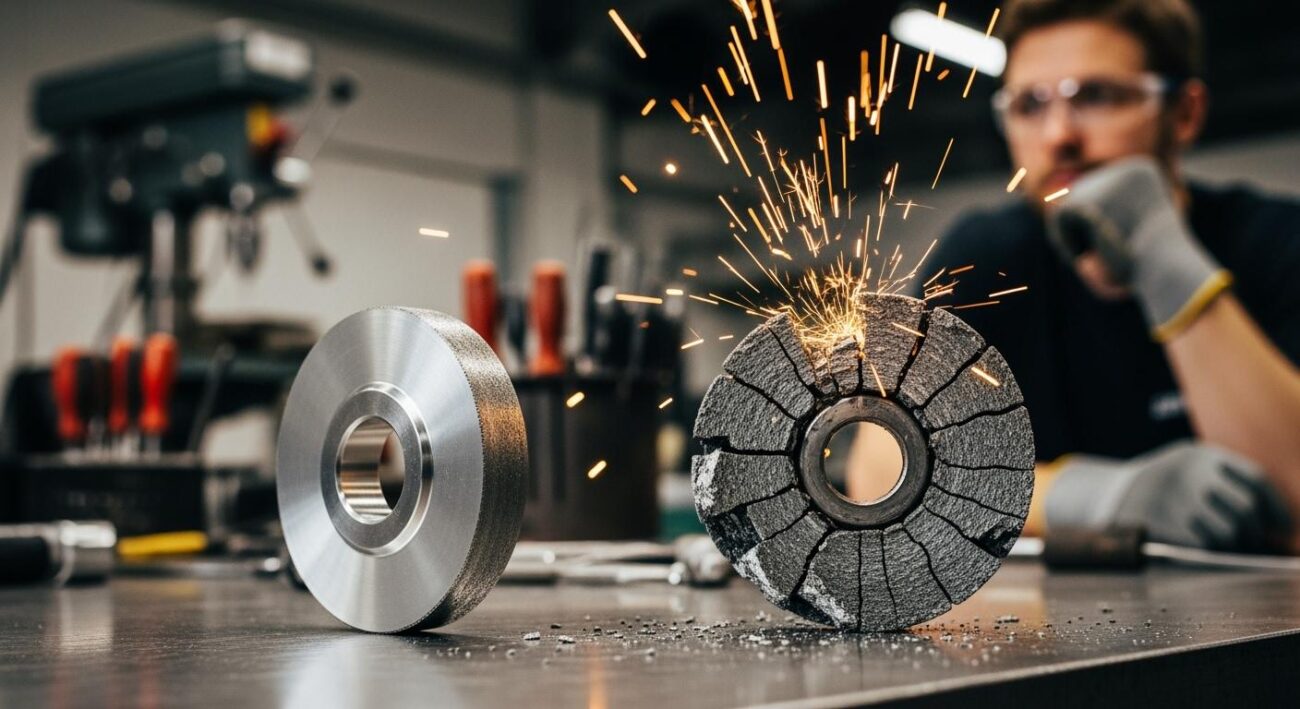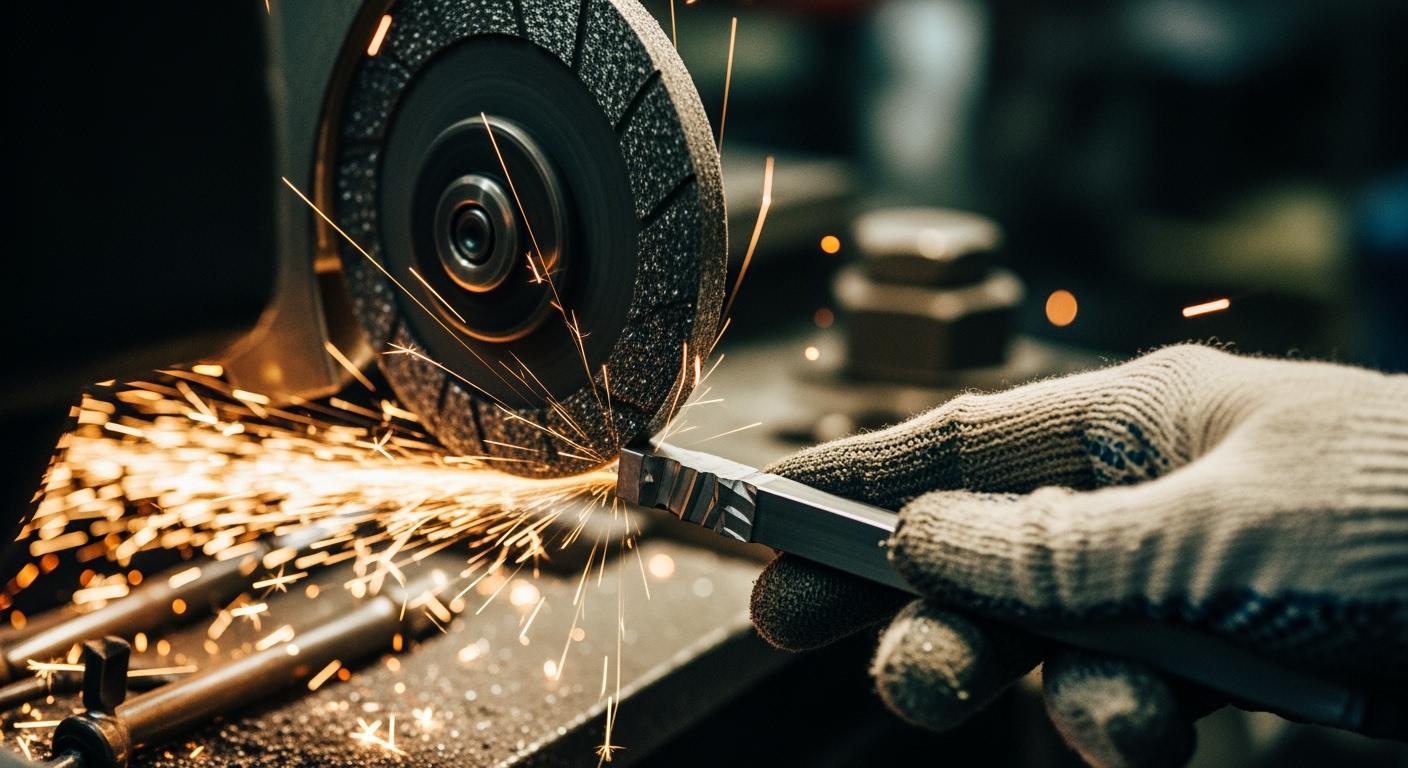
You need the right tools for carbide grinding. Diamond wheels set the industry standard. Their unmatched hardness, rated at Mohs 10, gives you the ability to handle tough carbide materials with ease. Diamond wheels resist wear and help you achieve high accuracy, even in demanding jobs. You get faster work and a better finish. Aimgrind provides advanced diamond grinding wheels, designed for carbide applications. You can count on these diamond solutions for real value and long-lasting performance.
Key Takeaways
- Diamond wheels are the hardest tools available, making them ideal for grinding tough carbide materials with high accuracy.
- Using diamond wheels leads to faster material removal rates, reducing grinding cycle times by 20-50% and increasing productivity.
- Diamond wheels provide a superior surface finish, resulting in smoother parts that perform better and last longer.
- These wheels have a long service life, reducing the need for frequent replacements and lowering overall operational costs.
- Choosing the right diamond wheel and following best practices can significantly enhance grinding efficiency and quality.
Unique Properties of Diamond Wheels
Hardness and Durability
When you choose diamond wheels, you get tools made from one of the hardest materials on Earth. Diamond rates at the top of the Mohs scale, which means it can cut through tough materials with ease. Synthetic diamond, used in these wheels, stands out for its strength and long life. You can rely on diamond wheels to keep their shape and sharpness, even after many uses.
- Diamond wheels have a nickel and copper coating. This makes them even more durable and helps them last longer.
- Diamond can handle loads up to five times greater than traditional abrasives. You get high accuracy and less wear.
- Scientific studies show that diamond wheels offer high hardness and wear resistance. They work well for grinding superalloys and advanced ceramics.
- When you use diamond wheels, you achieve better surface roughness and precise dimensions.
Here is a quick look at what research says about diamond wheels:
| Aspect | Description |
|---|---|
| Study Focus | Fabrication of diamond grinding wheels using 3D printing technology |
| Key Findings | Regular grain distribution enhances grinding efficiency and lifespan |
| Techniques Used | SEM, EDS, XRD |
| Performance Evaluation | Diamond grains show normal abrasion and do not fall off the wheel |
Suitability for Carbide Grinding
You need the right tool for grinding carbide. Diamond wheels are the best choice because they are the hardest known material. They work especially well with non-ferrous materials like tungsten carbide. You get fast, clean results without damaging your tools.
- Diamond wheels excel when you grind materials that do not contain iron. This is important for carbide, which is a non-ferrous material.
- CBN wheels work better for ferrous metals, but diamond wheels give you the best results for carbide.
- You can trust diamond wheels to deliver high performance and long life when working with carbide.
With diamond wheels, you get the hardness, durability, and precision needed for efficient carbide grinding.
Efficiency of Diamond Grinding Wheels
Fast Material Removal
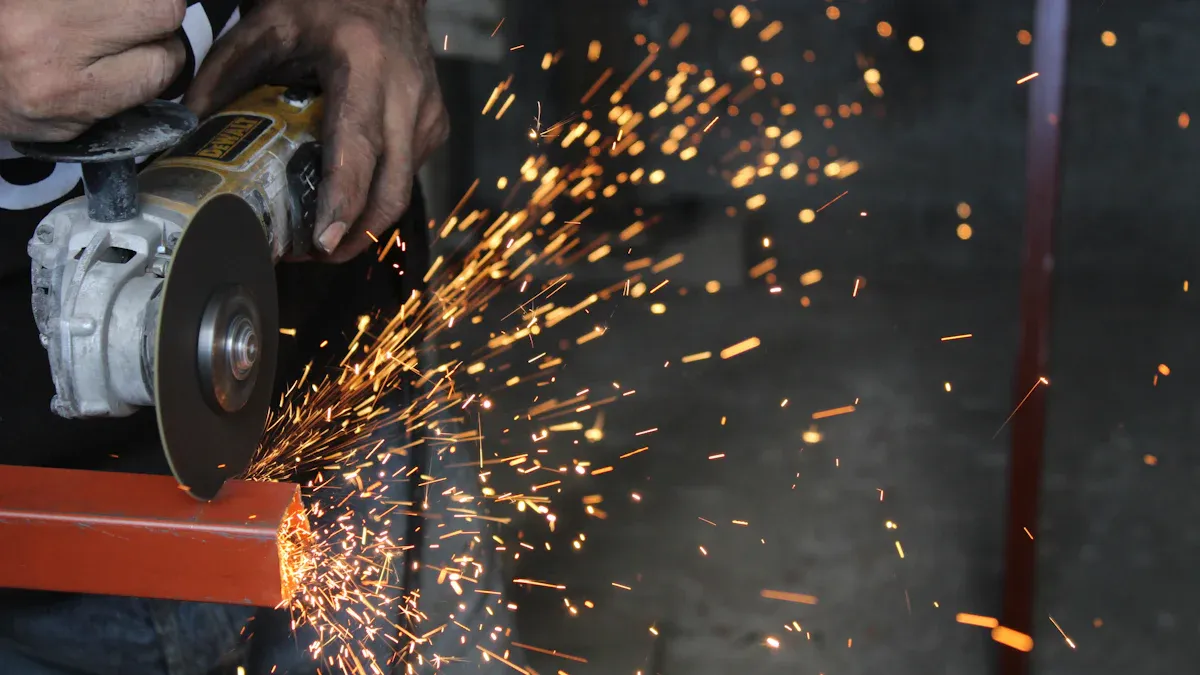
You want to finish your carbide grinding tasks quickly and with less effort. Diamond wheels help you do this by offering high material removal rates. The rigid structure and sharp cutting edges of diamond abrasive grains let you cut through hard materials faster than with traditional wheels. When you use diamond wheels, you notice that the grinding process becomes smoother and more productive.
A study on deep grinding of cemented carbide end mill cutters shows that the design of the grinding wheel and how you use it can change how much material you remove. By choosing the right wheel and settings, you can boost productivity and accuracy. Diamond wheels keep their sharpness longer, so you spend less time dressing or changing wheels. This means you can focus on getting the job done.
Tip: Diamond wheels also help you get a better surface finish. The sharp diamond grains leave fewer scratches, so your parts look and perform better.
You can see the benefits of diamond wheels in high-volume carbide grinding operations:
- Faster material removal rates because of the strong and sharp diamond abrasive.
- Extended tool life, so you do not need to replace wheels as often.
- Enhanced surface finish for higher quality parts.
- Improved heat management, which keeps your workpiece safe from damage.
- Reduced wheel loading and clogging, so you spend less time on maintenance.
- Consistent performance for precision jobs.
- Lower operational costs because you change tools less often.
Reduced Downtime
You want your grinding machines to run as much as possible. Diamond wheels help you reduce downtime in several ways. They last longer than conventional wheels, so you do not need to stop and change them as often. This means your machines stay busy, and you get more parts finished each day.
Here is a table that shows how diamond wheels improve your daily operations:
| Metric | Before | After |
|---|---|---|
| Daily Wheel Change Frequency | 4 times | 1 time |
| Energy Use per Part | 0.75 kWh | 0.48 kWh |
| Dust Emission Level | High (PPE required) | Low (no special controls needed) |
You also save energy with diamond wheels. They use less power per part, which lowers your costs and helps the environment. Diamond wheels create less dust, so your workspace stays cleaner and safer. You do not need special controls or extra protective equipment.
Diamond wheels also help you finish jobs faster. The table below shows how they impact grinding cycle times in carbide manufacturing:
| Metric | Impact of Diamond Wheels |
|---|---|
| Grinding Time Reduction | 20-50% faster per part |
| Machine Throughput Increase | Significant increase in output |
| Lead Time Reduction | Quicker fulfillment of orders |
You get more parts done in less time, and you can deliver orders faster. The improved grinding efficiency means you spend less time waiting and more time producing high-quality parts.
Diamond wheels also have a positive effect on the environment. Their long lifespan means you create less waste. They generate less heat during grinding, which protects your materials and improves performance. You use less energy, which saves money and reduces your carbon footprint.
When you use diamond wheels for carbide grinding, you get better grinding performance, higher quality, and more efficient operations. You can trust diamond abrasive tools to help you reach your goals in productivity and efficiency.
Quality Results in Carbide Grinding
Superior Surface Finish
You want your carbide parts to look and perform their best. Diamond wheels help you achieve a superior surface finish every time. The sharp diamond grains cut cleanly, leaving fewer scratches and marks on your workpiece. This means your finished parts have a smooth, even appearance and work well in high precision applications.
Surface finish is important for many industries. You can measure it using Ra values, which show how smooth a surface is. When you use diamond wheels for carbide grinding, you often see these results:
- Ra values in carbide grinding typically range from 0.1 to 0.8 µm.
- Precision components like bearings may require Ra values as low as 0.05 µm.
- Less critical surfaces may tolerate higher Ra values.
A smoother finish means less friction and longer part life. You also get better performance from your equipment. If you compare diamond wheels to other types, you see a clear difference in quality. The table below shows how diamond wheels stack up:
| Wheel Type | Surface Finish (μm Ra) | Material Type |
|---|---|---|
| Diamond | 0.1 – 0.4 | Ceramics, Carbides |
| CBN | 0.2 – 0.6 | Hardened Steels |
Precision and Tolerances
You need high precision when you grind carbide. Diamond wheels give you the control to hold tight tolerances. The diamond particles in the wheel are very hard and tightly bonded. They shear through carbide instead of plowing, which reduces heat and keeps your part size accurate. This is important for parts that must fit together perfectly.
You can trust diamond wheels to deliver consistent results. The design of these wheels helps you remove material in a stable way. You keep your cutting face flat, so every pass gives you the same quality and precision. This level of control is key for high precision work, especially in industries where even a small error can cause problems.
Tip: Using diamond wheels helps you meet strict quality standards and produce reliable, high precision carbide parts.
Cost-Effectiveness with Aimgrind Diamond Wheels
Long Service Life
When you choose Aimgrind diamond grinding wheels, you invest in tools that last. These wheels use high-quality diamond powder, which keeps them sharp for a long time. You can grind hard materials like carbides and still get the same cutting power after many uses. The wheels resist wear, so you do not need to replace them often. This means you spend less time changing wheels and more time working.
You will notice that diamond grinding wheels keep their shape and sharpness, even during tough grinding operations. They help you achieve longer tool life for your cutting tools and maintain high workpiece quality. The table below shows why Aimgrind wheels stand out in carbide applications:
| Feature/Advantage | Description |
|---|---|
| Sharpness | High-quality diamond powder ensures sharpness for effective grinding. |
| Wear Resistance | Designed to withstand wear, ensuring longevity in carbide applications. |
| Longevity | Manufactured for a longer service life, reducing the need for frequent replacements. |
| No Chipping | Engineered to prevent chipping during use, maintaining the integrity of the workpiece. |
| High Performance | Stable performance during high-speed operations, suitable for demanding applications. |
Lower Replacement Costs
You save money when you use Aimgrind diamond grinding wheels. These wheels last much longer than traditional abrasive wheels. You do not need to buy new wheels as often, which lowers your replacement costs. You also spend less time on maintenance because diamond wheels experience less wear.
- Abrasive wheels wear down quickly, especially when grinding carbide inserts or finishing complex carbide parts.
- Diamond grinding wheels, being much harder, keep their cutting efficiency for a longer time.
- Dressing is important for all grinding wheels, but diamond wheels need it less often. This reduces downtime and helps you reach the highest material removal rates.
Aimgrind offers customized solutions for your grinding needs. You get wheels that match your equipment and process, which improves efficiency and ensures maximum performance. You can trust Aimgrind to help you finish your grinding operations faster and with better results. This means you get high workpiece quality and lower costs, whether you are grinding carbide inserts or finishing complex carbide parts.
Note: Aimgrind diamond grinding wheels help you achieve cost savings, longer tool life, and better finishing in all your carbide applications.
Choosing the Right Diamond Wheels for Carbide
Selecting Aimgrind Products
You want the best results when working with carbide. Choosing the right Aimgrind diamond wheel makes a big difference in your grinding process. Start by thinking about your specific applications. For example, vitrified bond diamond wheels work well in the automotive and electronics industries. These wheels help you create high-precision tungsten carbide stamping dies and punches. You can achieve tight tolerances and smooth finishes.
A test involved creep-feed grinding C-2-grade tungsten carbide with different diamond wheels. The wheels had various grit sizes, grades, and bond systems. The results showed that the right combination of wheel and operational settings improved material removal rates and surface quality.
The performance of diamond wheels depends on factors like bond type, grit size, and how you use them. You should match the wheel to your grinding machine and the type of carbides you process. Aimgrind offers wheels in resin, metal, and vitrified bonds. Each type fits different applications and grinding needs.
Application Tips
You can get the most from your diamond wheels by following a few simple tips:
- Choose the right wheel for your material and finish. Regularly inspect and dress the wheel to keep it sharp.
- Use coolants during grinding. Coolants help prevent overheating and flush away debris, which boosts efficiency.
- Stay updated on new wheel technologies. Advanced wheels can improve your results and last longer.
- Adjust grinding parameters like speed and feed rate. Careful adjustments help you extend wheel life and improve performance.
| Factor | Impact on Wheel Life |
|---|---|
| Abrasive Material | Diamond wheels last longer and provide better results. |
| Bonding Agent | Strong bonds hold abrasive grains but may dull edges. |
| Pressure Applied | Too much pressure causes wear; steady pressure works best. |
| Use of Coolant | Reduces heat and extends wheel and bond life. |
| Maintenance Practices | Cleaning and dressing keep performance consistent. |
You should always follow safety practices. Inspect the wheel before use, wear protective gear, and check the machine speed. Use steady pressure and the correct angle for grinding. Keep your workspace clean and know emergency procedures.
By selecting the right Aimgrind diamond wheel and following these tips, you can achieve high efficiency, long wheel life, and excellent results in all your carbide applications.
You see how diamond wheels make carbide grinding faster and more precise. Aimgrind’s diamond wheels help you improve surface roughness and extend tool life. Many users report shorter grinding cycles and higher yield rates. The table below shows real improvements:
| Material | Grinding Cycle Time | Surface Roughness | Tool Life | Yield Rate |
|---|---|---|---|---|
| Spheroidal Cast Iron | +18% | +25% | — | — |
| Grey Cast Iron | — | — | +30% | — |
| Ceramics | — | — | — | +15% |
Choose Aimgrind to achieve better results in your carbide grinding projects.
FAQ
What materials can you use diamond wheels on?
You can use diamond wheels on hard alloys, ceramics, and composites. These wheels work best for non-ferrous materials like tungsten carbide. You get clean results and high precision.
How do you choose the right diamond wheel for carbide grinding?
You should match the wheel bond and grit size to your carbide type and machine. Aimgrind offers resin, metal, and vitrified bonds. You can contact Aimgrind for help with selection.
Can you use diamond wheels for both wet and dry grinding?
Yes, you can use diamond wheels for both wet and dry grinding. Wet grinding helps control heat and extends wheel life. Dry grinding works for some jobs but may cause more heat.
How often should you replace a diamond grinding wheel?
You should replace your diamond wheel when you notice reduced cutting performance or visible wear. Aimgrind wheels last longer than traditional wheels, so you change them less often.
Are custom sizes available for diamond wheels?
Yes, you can order custom sizes from Aimgrind. You get wheels that fit your equipment and meet your grinding needs.